
[Editor’s Note: This article is part of Khaleej Times’ Schools and Parents, a dedicated section designed to support families in the UAE as they explore educational choices. The section offers explainers, guidance from education leaders, expert advice and insights from parents to help readers make informed decisions about schools, curricula and communities.]
Dubai’s Roads and Transport Authority (RTA) is testing a new way for students to get to school — and it could change the daily school run for thousands of families.
In a few weeks from now, alongside the familiar yellow buses, some students may start travelling in shared, tech-enabled SUVs with classmates who live nearby.
The aim: less traffic, lower costs, and smoother mornings for parents and children alike.
Stay up to date with the latest news. Follow KT on WhatsApp Channels.
Here’s a closer look at how it works and what it means for families.
1. How does the shared ride system work in practice?
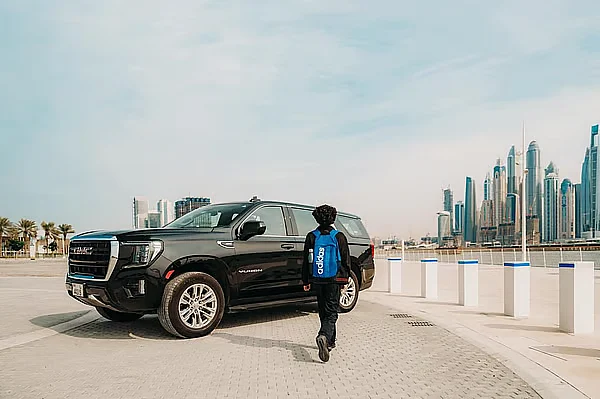
Instead of individual car drop-offs or a separate school bus for each campus, older students who live near one another — even if they attend different neighbouring schools — are grouped into shared, high-tech SUVs. Routes are mapped using real-time data and aligned with school start and finish times, with operators aiming to keep every journey under 60 minutes.
Parents can track the vehicles through an app and receive their child’s pick-up and drop-off times well in advance, offering reassurance and predictability in busy mornings.
2. Who are partnering on the new ride-sharing initiative?
The initiative has been launched in partnership with Yango Group and Urban Express Transport. The companies will operate luxury SUVs that group students from the same area travelling to different schools, helping reduce both costs and road congestion.
Yango Group has said the service is committed to delivering students from home to school within a time limit not exceeding 60 minutes, with pick-up and drop-off times set in line with each school’s schedule.
Parents interested in the service can log into the apps or websites of Yango Group and Urban Express Transport to register their interest.
3. Which schools are part of the initial rollout?
The first phase focuses on schools in the Al Barsha education hub, a neighbourhood known for heavy morning and afternoon traffic. Participating schools include:
Seema Umar, Principal of Dewvale School, welcomed the concept, saying it could make daily commutes “more predictable and less stressful for students and families” and help reduce private vehicle use around campuses — provided safety, reliability and coordination with school timings are strong.
From Brighton College Dubai which is one among the participating schools, Headmaster Simon Crane stressed the emphasis on safeguarding.
“The school is “working closely with the relevant transport providers to ensure that any shared ride arrangements meet the highest standards, including clear expectations around driver vetting, vehicle safety checks, age-appropriate seating and behaviour protocols.”
4. What will parents pay — and how does that compare to current costs?
The pilot has been launched with a special rate of Dh1,000 per month, payable online, for each eligible student. In RTA’s estimation, this pooled SUV model can be around 15 per cent cheaper than traditional school transport when factoring in fuel, traffic delays and independent bus costs.
For many families in Dubai, conventional school bus transport fees can vary widely depending on distance and service type, and private car usage adds fuel costs and time in congestion. This pooled option aims to relieve both financial and time burdens.
5. Who’s eligible — and what safety safeguards are in place?
Only students aged 14 and up are eligible for the pooled SUV service in this pilot. The RTA and partners have emphasised safety: vehicles are operated by vetted drivers, monitored through tech systems, and aligned to strict school transport standards. Parents receive live tracking and notifications, and routes are designed to avoid excessive journey times.
Schools like Brighton College, who are part of the pilot phase, are pushing for clarity on supervision and comfort, noting it’s vital that students “feel comfortable and secure throughout their journey,” added Crane. Safety protocols include behaviour expectations and age-appropriate seating.
6. What are parents and students saying?
Reactions are mixed as the trial unfolds:
American expat parent Natalia Miranda says she wouldn’t choose the pooled option, even if her son was 14 years old.
“I would not be open to the idea, even if my son was 14, simply because you trust the school bus which is a tried and tested method. This is experimental.”
“For me, the traditional bus is part of school memories too — and affordability, while important, isn’t the key driver here.”

For many working parents, the school run is a daily race against the clock — squeezing drop-offs and pick-ups between meetings, commutes and household responsibilities.
Other families, especially those juggling work and tight schedules, see potential savings in time and stress, saying a reliable pooled service could transform hectic mornings and afternoons.
Filipino expat Ben Lebig said, “It’s a great initiative to reduce traffic, sounds more affordable and I’m confident it will be safe. It makes sense in terms of route planning and efficiency. My only concern is timing — if there are five or six students in one car, what time will my child be picked up? Right now, she travels by school bus, and since our zone is split between two buses, she’s picked up at 6.45am, which gives her enough time to sleep. Timing is my only concern, other than that, as a parent I would definitely opt for it.”
7. What’s the bigger goal for Dubai’s roads?
Traffic expert Thomas Edelmann, founder of RoadSafetyUAE, notes how sharply travel times spike when schools open and close — with average trip times swelling by 60 per cent in the morning and nearly 80 per cent in the afternoon.
He highlights that one school bus (or shared ride) can take up to 50 private cars off the road, a shift that’s “critical in peak congestion times”. His hope has long been to push more families toward shared and bus transport for safety, sustainability and reduced stress.
The pilot is a chance for many parents and students to “sample the experience” of shared transport and understand its benefits.
If successful, the RTA plans to expand the pooled model to other school clusters across Dubai by the 2026–27 school year, as part of its wider goals to ease congestion and create smarter, safer mobility around the city’s schools.
“The benefits to the public of taking private cars off the roads by moving students to school buses or shared transport are just too tempting,” added Edelmann.

www.khaleejtimes.com (Article Sourced Website)
#Safer #cheaper #smarter #Dubais #shared #school #rides #families