
The experiences of travelling in North and South Vietnam are different in so many ways that they can begin to feel like completely different countries at times. They’re both appealing in their own ways, but it’s a mistake to assume you can experience everything Vietnam has to offer by just staying in one half of the country.
Their differences are not just geographical, although that’s definitely part of it – the long, skinny country is 1,650 km (1,050 mi) from north to south, and it definitely shows in the country’s varying geography. They also manifest in the food, culture, weather, and popular destinations of each region.
In this guide, I’ll compare the traveller experience in North and South Vietnam based on a few key areas and identify what kind of traveller each will appeal to most. You should definitely visit both for yourself if you have time, but I’d recommend choosing one of the two and exploring it thoroughly if you’re staying in Vietnam for 2 weeks or less.
An overview of the highlights in Vietnam before we dive in:
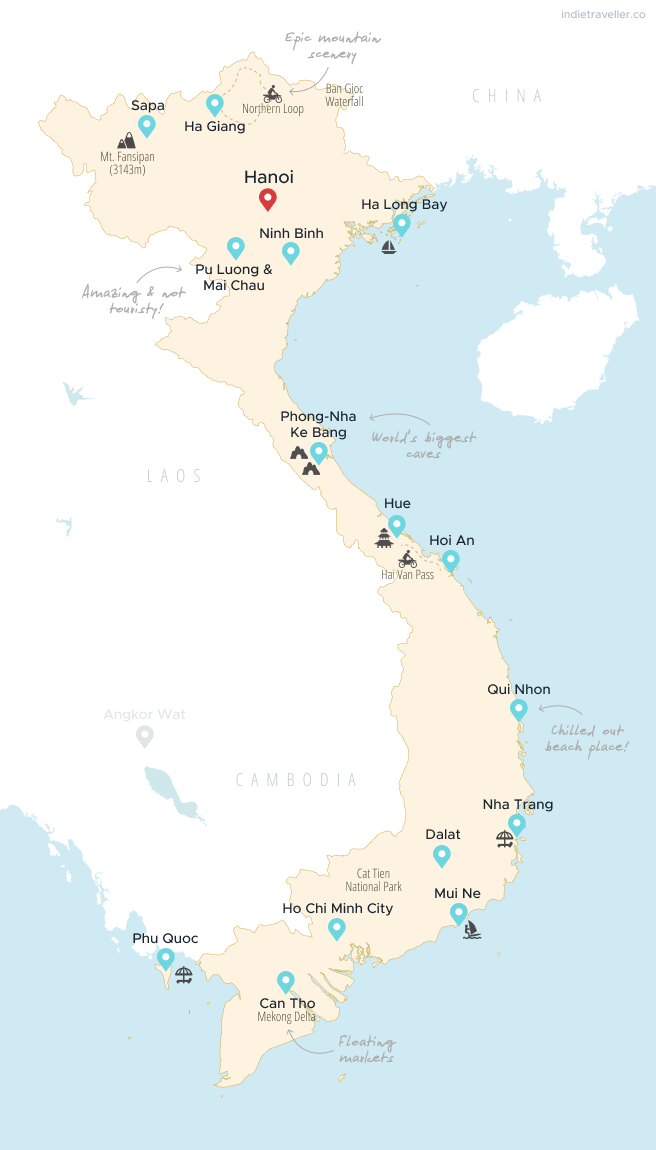
Northern vs. Southern Vietnamese culture
The cultural background of the area you’re in is maybe the biggest determiner of the “vibe” of your vacation, and it’s very important to pick the one that you feel resonates with you personally. Both the mannerisms of the people and the historical backgrounds of the two regions are very different.
Northern Vietnamese culture
As the political and cultural capital of the country, Northern Vietnam’s culture tends to be a bit more traditional and conservative. It’s heavily influenced by Confucian values like respect for authority, family above all else, and a demure (i.e. reserved) public demeanor.
As a tourist, you’ll probably notice that Northern Vietnamese seem very formal. Especially with non-Vietnamese, they won’t be as talkative and won’t seem as playful in their conversational style. I’ve met a lot of travellers who perceived that behavior as cold or disinterested, but I can assure you it’s just a public persona. My Northern Vietnamese friends are just as kind and fun as Southerners.
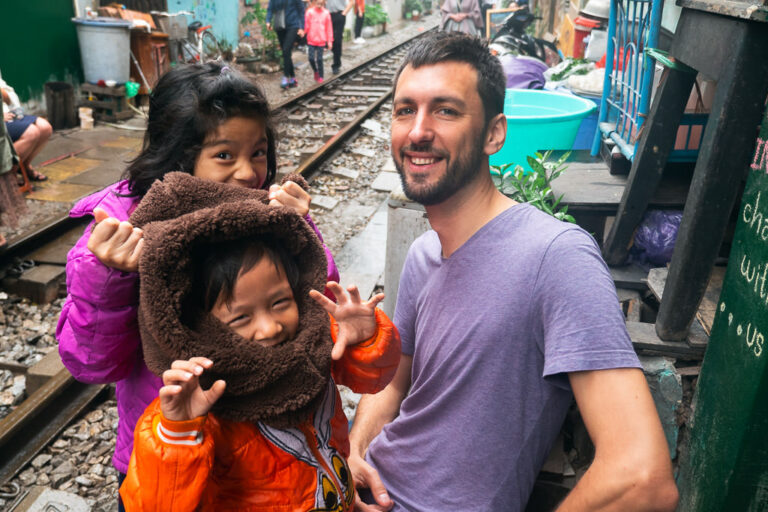
The same traditional, Confucian mindset that can make people seem a bit uptight has also contributed to a deeper historical legacy in North Vietnam, though.
You’re more likely to see locals dressed in traditional áo dài dresses or nón lá conical hats. There are more ancient villages around the north and more museums in the cities showcasing pre-colonial artifacts. It’s almost certainly a better region for history buffs.
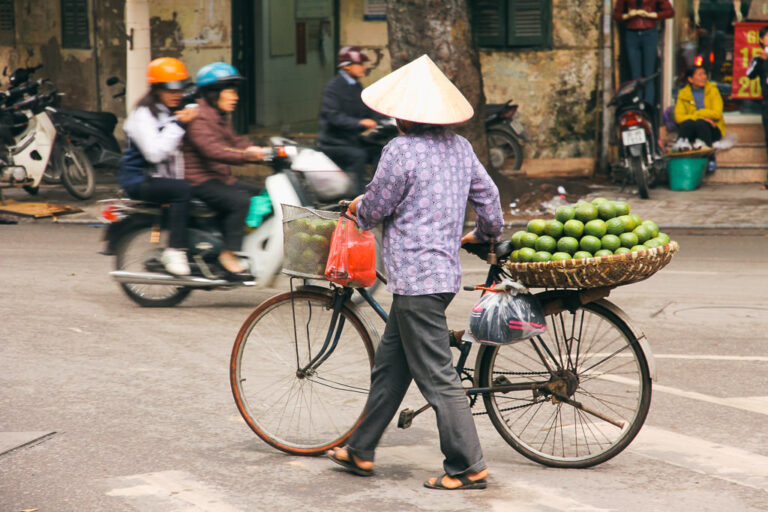
Note: I usually tell those interested in visiting Vietnam that Hanoi is much better at showcasing Vietnamese culture than anywhere else. That’s not to say that it has the richest culture of anywhere, but it has a ton of easily-accessible cultural sites that allow you to soak up culture more quickly.
Royal Travel Company’s Hanoi cultural tour is great if you’re in the capital. Ninh Binh is also a great destination for ancient culture since it’s next to Hoa Luu, the ancient capital; this full-day cycling and boat tour of Ninh Binh and Hoa Luu is a good one.
Southern Vietnamese culture
Tropical Southern Vietnam’s culture feels looser, livelier, and more spontaneous. Even in the cities, you’ll notice it right away: people smile more readily, joke more freely, and are generally more curious about foreigners.
You’ll get a lot more smiles from locals and may even be a little uncomfortable by how direct they can be with their communication – asking a stranger “how old are you” or “how much is your salary” right off the bat might seem a bit awkward, but rest assured it’s just friendliness and is common between southerners.

South Vietnam tends to appeal to travellers who would rather relax in a hammock than wander the halls of a museum. It’s Vietnam at its most vibrant, and for many visitors, it’s the version that sticks with them long after they’ve gone home.
Maybe the largest downside of visiting South Vietnam, though, is its lack of pre-colonial history. One reason for the deficiency is that the Vietnamese didn’t settle the south until comparatively recently. The other is that the government in the north just did a much better job of preserving local history.
There are some interesting Vietnamese-Khmer cultural sites in the Mekong Delta, Nha Trang, and Thap Cham, and Saigon has some interesting French colonial history, but it’s much rarer than in the north.
Northern vs. Southern Vietnamese attractions
In this section, I’ll run through some of the most popular destinations in Northern vs. Southern Vietnam and you can decide which set looks more interesting to you.
Attractions in Northern Vietnam
Northern Vietnam’s attractions excel in two areas the south can’t match: rugged grandeur and deep cultural heritage.
In Hanoi, French-colonial architecture, Buddhist temples, and street food culture come together to make what I believe to be the best place for immersion in traditional Vietnamese culture.
Key sights include Hoan Kiem Lake, the Old Quarter, the Temple of Literature, and the Ho Chi Minh Mausoleum. We also write about a few of Hanoi’s lesser-known attractions in our Hidden Hanoi guide.


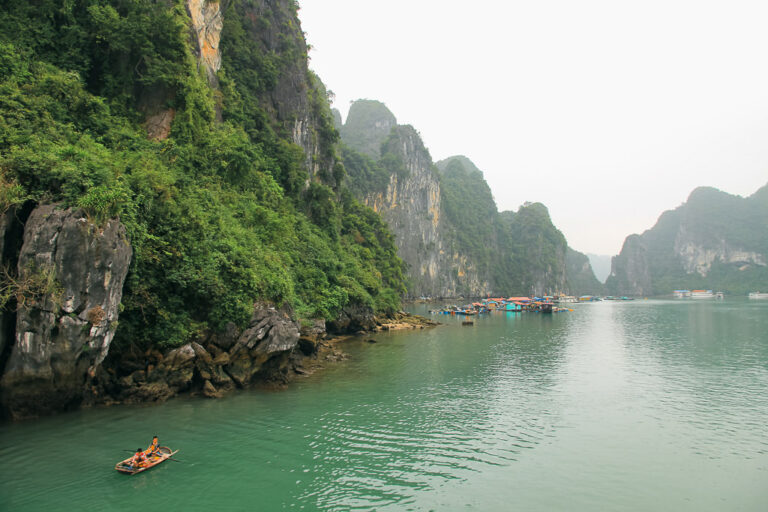
Just east of Hanoi, Ha Long Bay gets a ton of press as Northern Vietnam’s most iconic natural wonder – a UNESCO World Heritage Site famed for its limestone islands, hidden caves, and emerald-green waters. Visitors often explore it on overnight cruises.
HOWEVER, I would highly recommend opting instead for a tour on the adjacent Lan Ha Bay, which is just as spectacular as Ha Long but is not overtouristed – you can read all about my beef with Ha Long Bay and what you should do instead in my guide to the nearby Cat Ba Island – the part about Ha Long is near the bottom of the page.
Inland, the karst landscapes continue in Ninh Binh, sometimes called “Ha Long Bay on Land”. Ninh Binh’s highlights include Trang An Scenic Landscape Complex, Tam Coc’s river caves, Bai Dinh Pagoda, and the dramatic Hang Múa viewpoint overlooking rice fields.
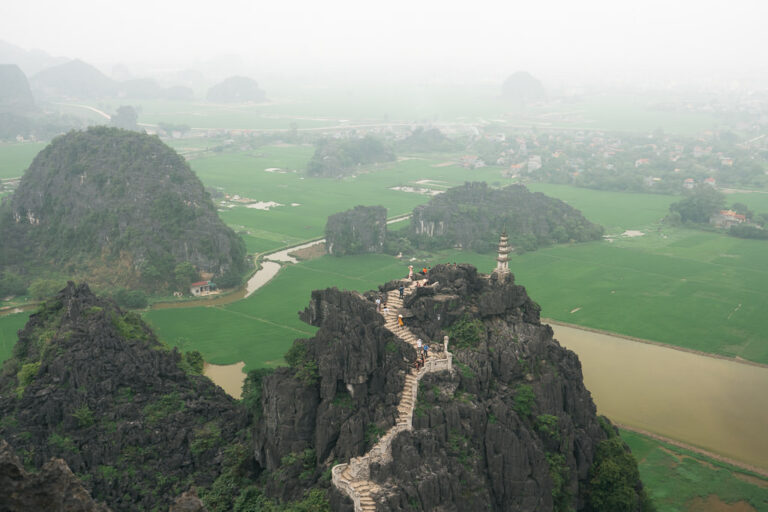
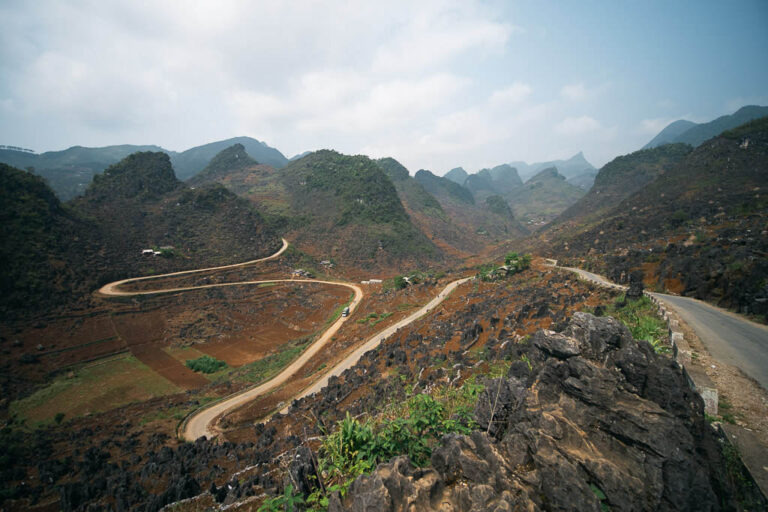
Farther north, Sa Pa and Ha Giang offer some of Vietnam’s best mountain scenery. In Sa Pa, travellers come for treks to Fansipan Mountain, Muong Hoa Valley, and the terraced rice fields around Ta Van and Cat Cat villages.
Meanwhile, the Hà Giang Loop is Vietnam’s legendary motorbike road trip to misty mountainsides, country roads, and minority villages.
Backpacker advice: This full-day Hanoi tour covers tons of attractions in the city. Outside the capital, I’d recommend exploring attractions yourself and maybe booking a local tour once you’re there; tours that try to cover an entire region in just a few hours are almost always too superficial.
Attractions in Southern Vietnam
Southern Vietnam’s attractions are more modern and tropical.
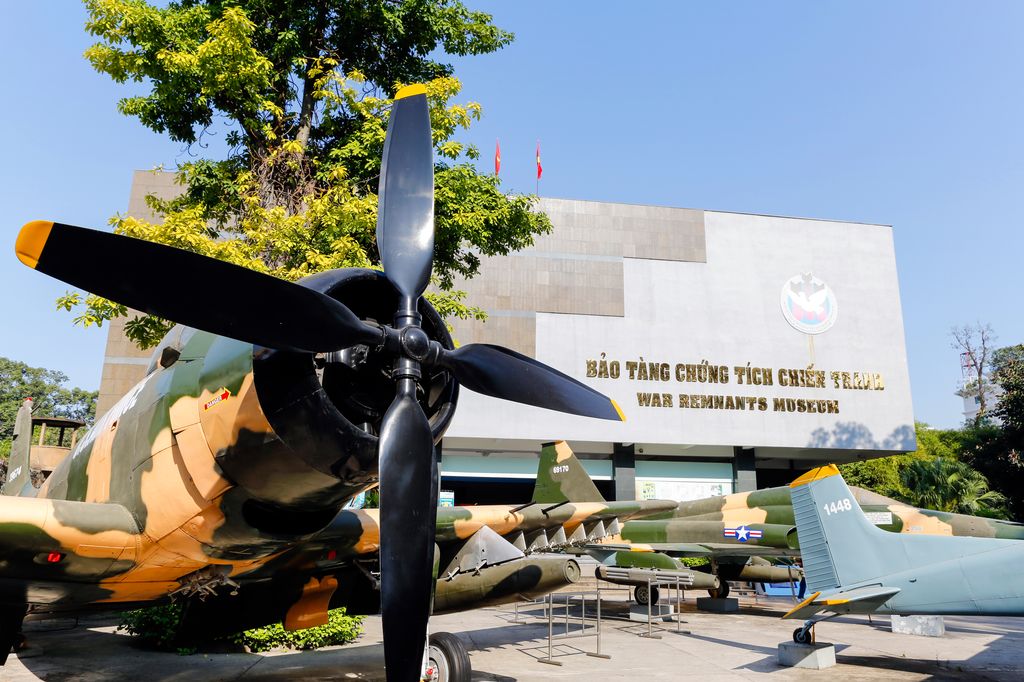
Ho Chi Minh City, the biggest city in Vietnam, fuses French colonial history with modern energy. Key landmarks include the Notre-Dame Cathedral, Nguyen Hue Street, and the Old Post Office for colonial history and the War Remnants Museum or the Reunification Palace for wartime history.
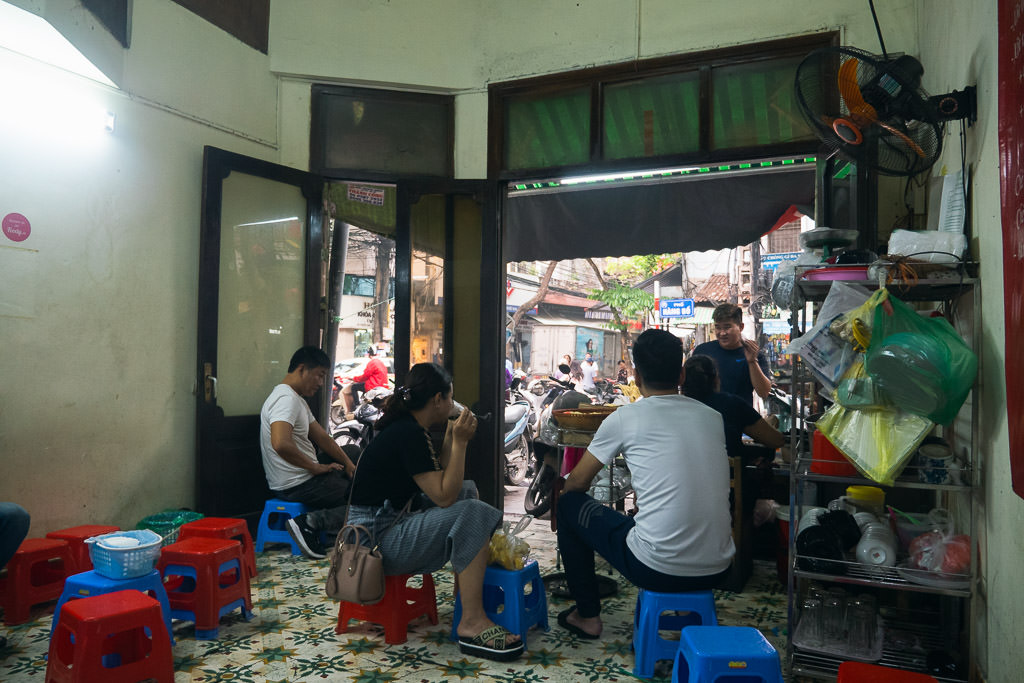
The city also has great street food and a late night scene that never sleeps, both of which make it a great choice for travellers who appreciate a strong urban pulse.

Cu Chi Tunnels are just north of Ho Chi Minh City and are one of the best places in Vietnam to immerse yourself in wartime history. The scope of the underground tunnel network used by the Viet Cong is insane, and you can experience it yourself with an informative (if slightly claustrophobic) guided tour through the tunnels.
Most tourists I talk to say their favorite attractions in South Vietnam were in the Mekong Delta region south of Ho Chi Minh City.
Some of the most popular destinations in the huge delta region include Cai Rang Floating Market in Can Tho City, Tra Su Cajuput Forest in An Giang province, and Ben Tre coconut groves. Visitors often explore by boat, visiting stilt-house villages, fruit orchards, and island homestays that showcase rural life on the water.

The beaches of Southern Vietnam are incredible as well. Nha Trang, Phu Quoc, and Mui Ne are the most popular among tourists.
Read my versus-style post on the best beaches in Vietnam (see sidebar) to see which of the three is the best destination for your travel style.
Northern vs. Southern Vietnamese food
Vietnamese cuisine has grown massively in popularity during recent years – for instance, the number of Vietnamese restaurants in the US has grown about 90% since 2007. The point is, food is one of the things travellers often look forward to most when visiting Vietnam. But Northern and Southern Vietnam have very different flavour palettes.
Northern Vietnamese food
Northern Vietnam’s food is characterized by saltier, simpler taste profiles. Salt, fish sauce, soy sauce, and MSG (white salty-sweet crystals) are the central flavours of most dishes. Much of the cuisine is inspired by Chinese cooking.
The most iconic Northern Vietnamese food, and perhaps the best encapsulation of its simple palette, is phở Hà Nội. Phở (Vietnam’s famous broth-based rice noodle dish) actually originated in the north and many connoisseurs say Hanoi has some of Vietnam’s best phở, but a lot of visitors from abroad don’t like it as much because they’re used to phở and other Vietnamese foods having sweeter, more complex flavours like in the south – more on that in the next section.
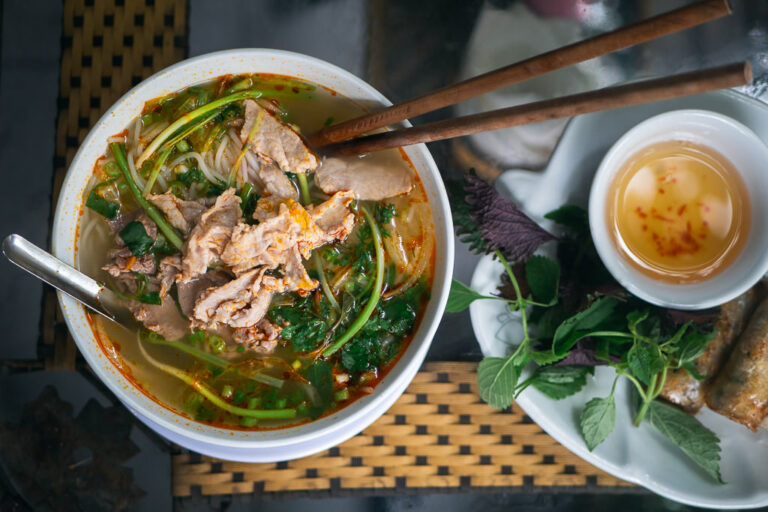
The dish most tourists in North Vietnam say was their favorite is bún chả, a salty-sweet broth served with rice noodles and a small plate of pork, both on the side and meant for lightly dipping into the broth. There are usually two types of pork, one similar to hamburger and one similar to bacon. They’re prepared in a way that gives them an incredible melt-in-your-mouth softness I’m yet to encounter anywhere else.
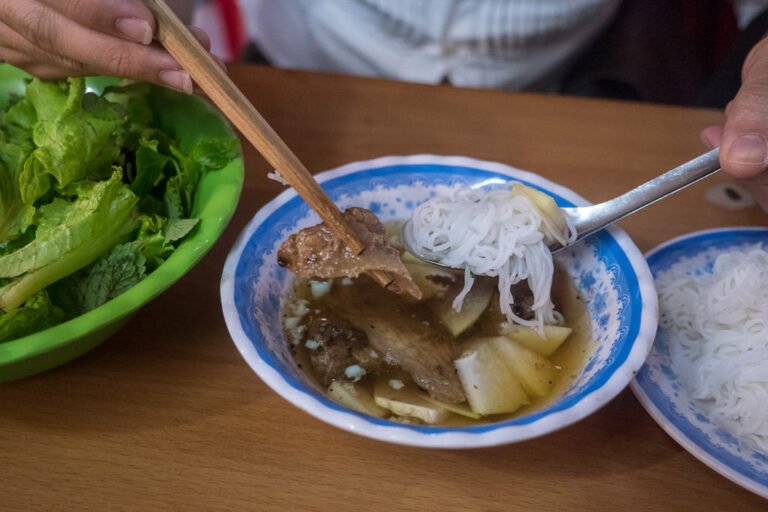
If you’re in Hanoi and want a crash course on Northern Vietnamese food, I’d recommend this Hanoi street food group tour.
Hanoi street food group tour
Southern Vietnamese food
South Vietnam’s cuisine tends to be sweeter and more aromatic, with sugar, fresh herbs, and fruit extracts like coconut milk or lime juice replacing salt and MSG. Food is often eaten with condiments like sugary fish sauce, hoisin, or chili sauce. Many of the flavours are inspired by Thai or Cambodian dishes.
Southern Vietnamese food is closer to what most tourists imagine Vietnamese cuisine to be like. The main reason for that is the huge outpouring of Southern immigrants after the war ended in 1975. Many of those emigrants started restaurants overseas and served what they knew – Southern Vietnamese food.
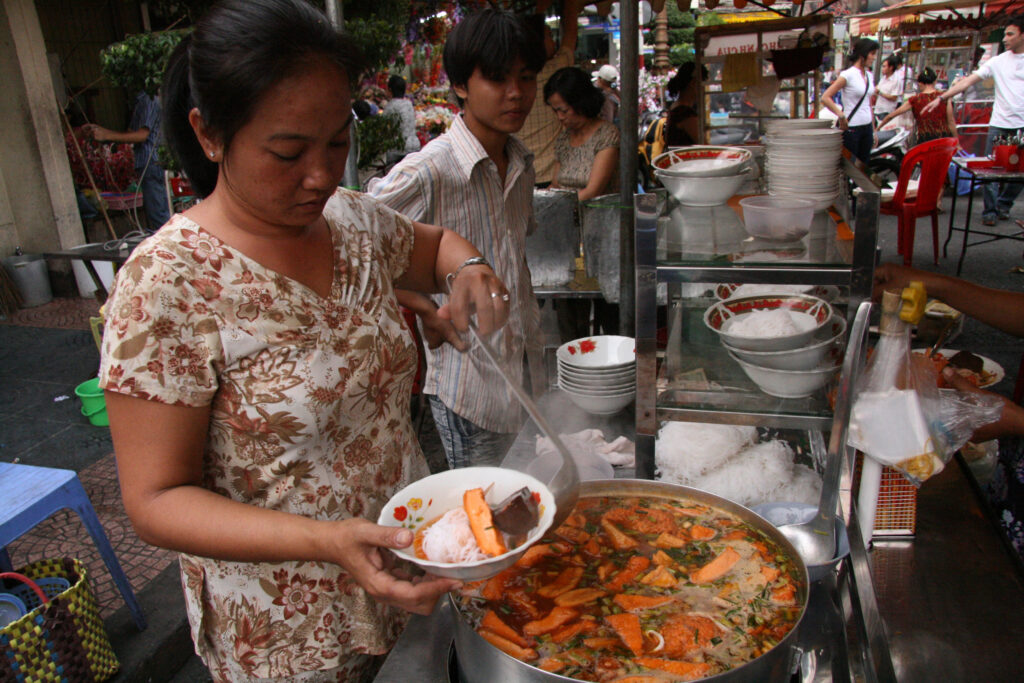
Food culture in South Vietnam is pretty diverse depending on the region. Seaside areas like the Central Coast or Phu Quoc have Vietnam’s best seafood, and the Mekong Delta has, in my opinion, some of the freshest produce and tastiest fruit in the world.
The most iconic Southern Vietnamese food is bánh xèo, a coconut milk and rice flour “pancake” that’s folded over shrimp or pork and herbs like a crunchy omelet.
The dish most tourists in South Vietnam say was their favorite is bún thịt nướng, rice noodles with grilled pork, peanuts, and herbs served with sweetened fish sauce to pour over it. XO’s Foodie tour in Ho Chi Minh City is on the pricier side at $80+/person, but it really is one of the most comprehensive and overall highest quality guided tours I’ve ever been on.
Northern vs. Southern Vietnam landscapes
I’m still amazed by how much geographical diversity Vietnam has even though the country is only about 90% the size of Germany or 70% the size of California.
Northern Vietnam landscapes
Northern Vietnam is rugged and mountainous, and it can be divided into two sections: the Red River Delta and the Northern Highlands.
The Delta is relatively flat, but it still has elevated features like jagged limestone peaks and karst formations. The limestone crags are a quintessentially Vietnamese landscape feature, and some of the best areas to experience them are the Ha Long Bay area, Ninh Binh, and Phong Nha-Ke Bang National Park.
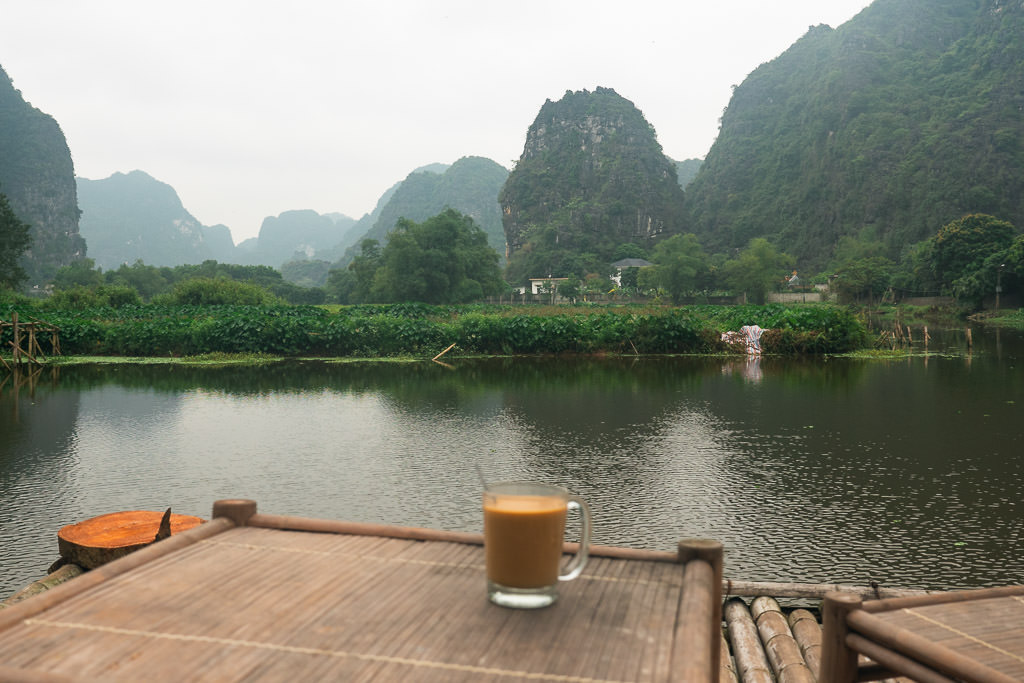

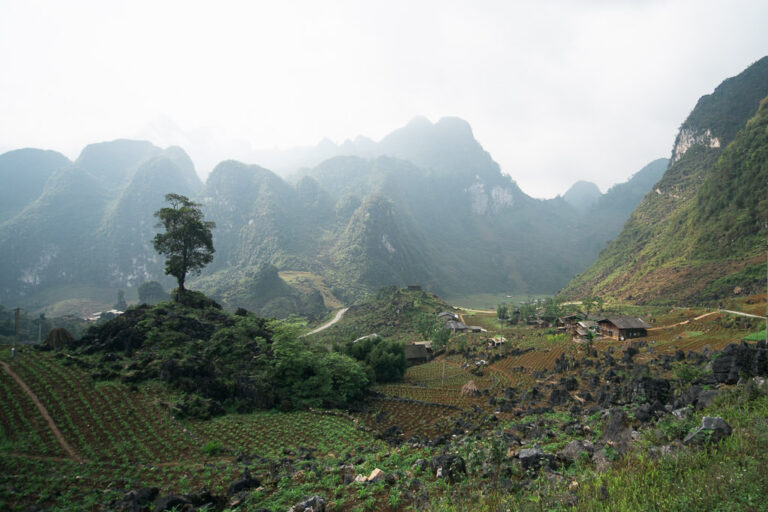
The Northern Highlands are mountainous in the truer sense: cloud-wrapped peaks that are home to ethnic minority villages and cozy alpine towns. A few of the most famous areas in North Vietnam for mountainous landscapes are Ha Giang, Sa Pa, Mai Chau, and Ba Be National Park.
Both the delta region and the highlands of Northern Vietnam have some majestic and wild forests on a scale you won’t find anywhere else in Southeast Asia. Hoang Lien, Cuc Phuong, Ba Be, Pu Mat, and Xuan Son are a few of the best forests to visit.
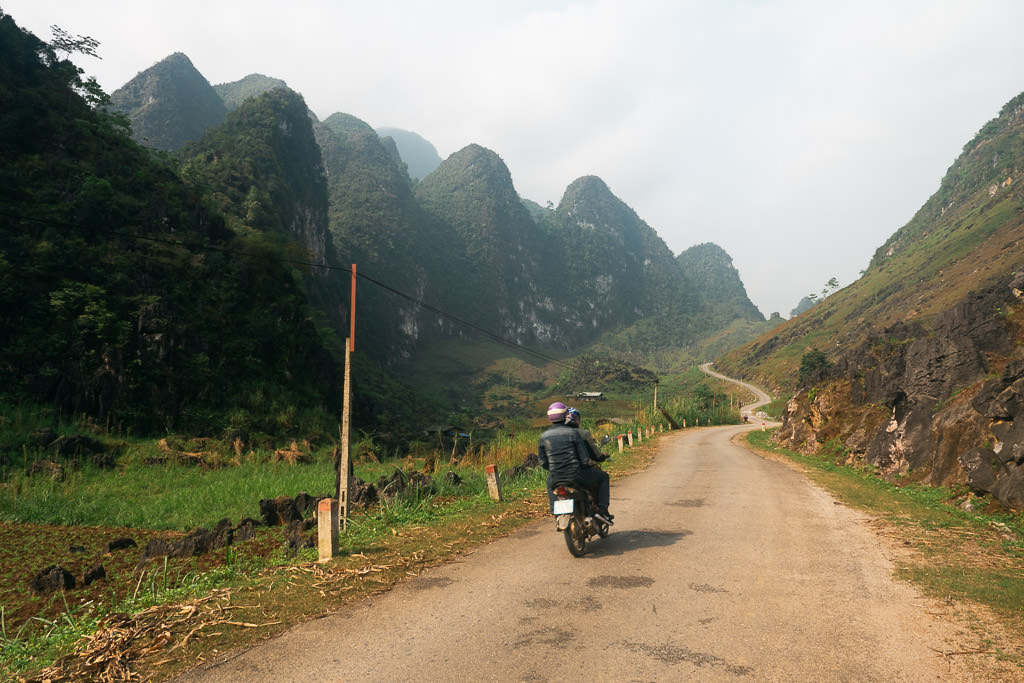
Northern Vietnam’s landscapes will really appeal to adventure travellers who want to get off the grid into the wilderness. This Ba Be forest trekking tour is a great way to see Northern Vietnam’s forests and the 3 to 4 day Ha Giang Loop is an awesome way to experience what are hands-down the coolest mountain landscapes in Vietnam.
If you’re up for a proper adventure, this 3–4 day Ha Giang Loop is simply incredible.
Northern Vietnam’s signature adventure
Marek (Indie Traveller’s founder) rode this route, motorbiking through Ha Giang’s rugged terrains and what might be the most dramatic landscapes in Vietnam. You can follow his DIY guide — or for a safer option, book an easy rider tour below where you ride on the back with local guides.
book the tour on viator
Southern Vietnam landscapes
Southern Vietnam’s landscapes are lush and tropical. The region is defined by rivers, deltas, and coastlines rather than peaks and other geographical features.
The most iconic Southern Vietnamese landscapes are in the Mekong Delta, a vast web of waterways, rice paddies, and palm groves that begins an hour south of Ho Chi Minh City and stretches all the way to the sea.
It’s a completely flat area, and the endless stretches of fertile farmland as far as the eye can see are definitely worth writing home about. It’s my favorite region in Vietnam, as you can read in my Mekong Delta travel guide.


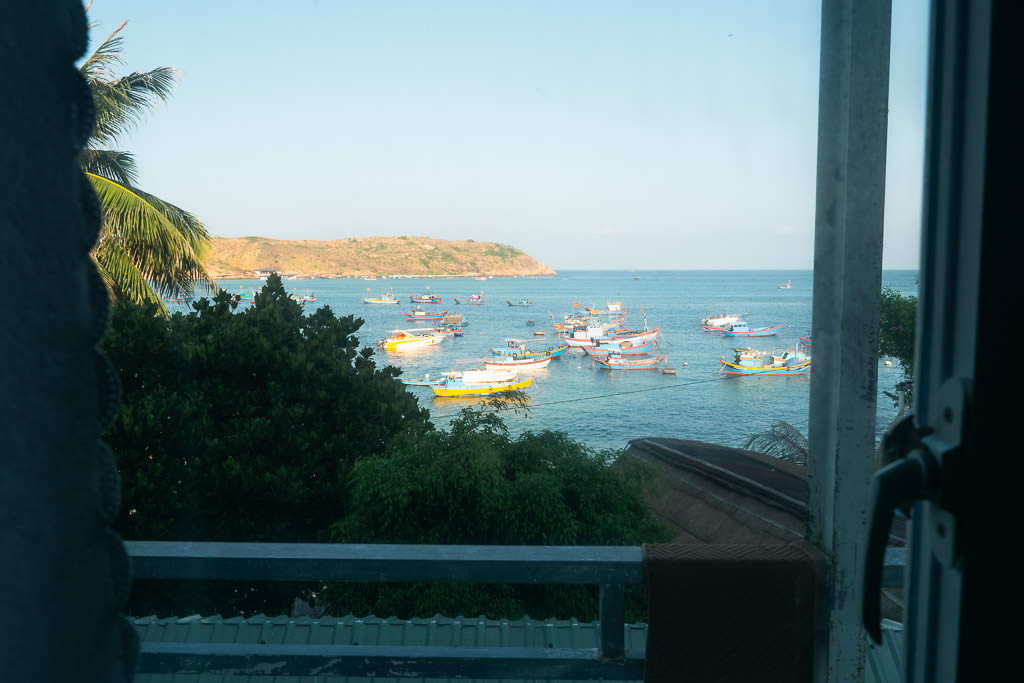
Further east, the South Central Coast offers the best beaches, fishing villages, and coral reefs in Vietnam. Some of the most famous cities on the coast are Mui Ne, Thap Cham, Nha Trang, and Quy Nhon.
In short, Southern Vietnam’s landscapes will appeal most to travellers who prefer lively, colourful communities and a slower pace of life to the more rugged wilderness of the north.
Weather in Northern vs. Southern Vietnam
What region of Vietnam you will visit will definitely inform your packing list and whether it should include sweaters or shorts.
Northern Vietnam weather
Northern Vietnam has four distinct seasons:
- Autumn (September-October), the nicest time in the entire region. Skies are usually dry and temperatures are moderate. The weather makes it a very popular time to visit, and tourist hubs will be extremely crowded during those months.
- Winter (November-March), during which the temperature in the lowlands often gets into sweater weather territory at 10-15°C (50-60°F). In the highlands, it can get down to 0-10°C (32-50°F). I love Vietnam in the winter, because I love wearing jackets and it never gets old watching locals treat 11° weather like it’s the coming of the next ice age. It’s also great for taking photos, because the fog that rolls over the mountains and karst formations makes the highlands, Ha Long Bay, and Ninh Binh even more picturesque.
- Spring (March-April) is warmer than autumn and is the start of the rainy season. I would recommend travelling Northern Vietnam in Spring over any other season; it’s not too hot and the light rains (which usually only last for a few minutes, not enough to ruin your plans) make the already-lush nature even greener.
- Summer (May-August) is a time of extremes; the temperature is often oppressively hot and humid, and the afternoon thunderstorms are often torrential. Probably stay away from Northern Vietnam during these months.
Southern Vietnam weather
Southern Vietnam has only two distinct seasons, dry season and rainy season. Different parts of the south experience the seasons to different degrees, though.
The dry season (December–April) is the most popular time to visit. Skies are blue, humidity drops a little (emphasis on “a little”), and everything from the beaches to the Mekong Delta feels brighter and more inviting. Like autumn in the north, though, it can get crowded with tourists.
The rainy season (May–November) brings afternoon downpours that sweep in fast and clear out just as quickly, much like Spring in Northern Vietnam. The Mekong Delta is particularly lush at this time, with flooded rice fields and floating markets at their most photogenic.
That said, the South Central Coast (places like Mui Ne, Nha Trang, and Quy Nhon) doesn’t always follow the same pattern. It’s generally drier than the Mekong or Saigon, with rain tending to arrive a little later in the year (around October-December). The rest of the time the skies stay mostly clear and windy.
Phu Quoc is the opposite of the central coast in that its monsoon hits harder and earlier, with heavy rains from May-October. The dry months of November-April are when Phu Quoc has the clearest waters and nicest weather.
So should you visit North or South Vietnam?
If your travel style prioritizes rustic natural beauty or glimpses into ancient and traditional culture, the north of Vietnam will probably speak to you more.
It’s great for active travellers, as trips to the north usually involve a bit more walking and dealing with logistical inconveniences like regulations or language barriers. If you’re the type willing to put in a little work to make your vacation memorable, though, the extra push is worth it.
Southern Vietnam makes for a more relaxing and slow-paced trip that presents modern culture rather than ancient traditions. If you’re the type of traveller who wants to spend their vacation relaxing instead of hiking around, you’ll probably love the South’s coffee culture, great beaches, and electric street food scene.
It is, of course, ideal to visit both regions if you have sufficient time to delve into both – I’d say that would be 3 weeks or more in total. But, sadly, many travellers are unable to arrange a trip of that length.
And I believe a “depth over breadth” travel style can provide you with the kind of immersive travel experiences you’ll treasure forever. So travellers without all that time should probably opt for either North or South Vietnam – whichever suits them the best.
www.indietraveller.co (Article Sourced Website)
#North #Vietnam #South #Vietnam #Region #Choose