
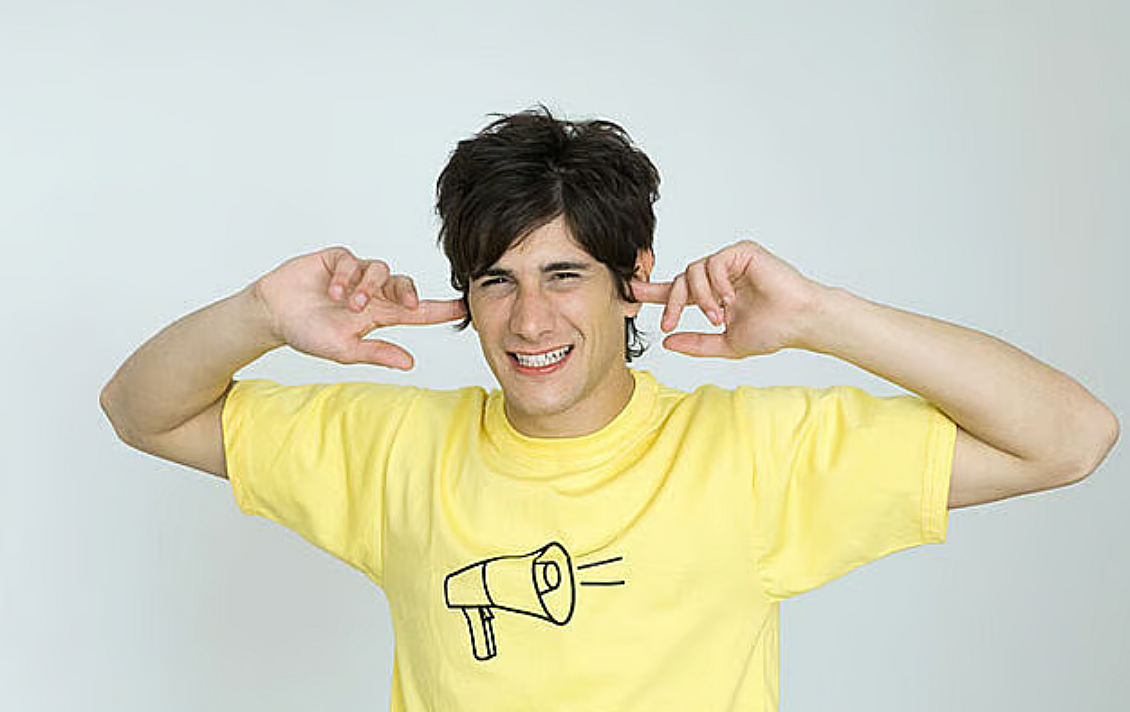
In busy UAE classrooms, open-plan offices, and even around family dining tables, there is a quiet struggle many people never talk about: the tiny, everyday sounds that others barely notice but some find almost unbearable.
As awareness slowly grows in the UAE, specialists are urging residents not to dismiss the condition as simple irritation. For many, misophonia is a daily battle — one that deserves understanding, recognition, and appropriate care.
Healthcare professionals explained that for those who experience it, the condition can turn ordinary moments into unexpectedly stressful challenges. Simple tasks — like trying to follow a lesson while a classmate clicks a pen or enjoying a meal while someone chews loudly — suddenly demand enormous mental effort just to stay calm and focused.
Stay up to date with the latest news. Follow KT on WhatsApp Channels.
A recent PubMed-listed study, The Effect of Misophonia on Cognitive and Social Judgments, examined how trigger sounds influence mental processes, and many UAE residents who struggle silently may see their own experience reflected in the findings.
The research indicates that misophonia goes far beyond irritation; when triggered, it can interrupt attention, cloud social judgment, affect memory, and disrupt overall cognitive processing.
In a podcast for American Psychological Association Dr Heather Hansen, an assistant professor of psychology at the College of William said, “I think the earliest research has come from around 2001, so this is still relatively new compared to a lot of other disorders. And it came from different patients presenting to folks specialised in audiology.”
Patients don’t fully understand experiences
In local clinics, doctors highlighted that they are increasingly seeing patients who don’t fully understand what they are experiencing.
Dr Lekha Kapoor, Consultant ENT, Medcare Hospital Sharjah, explained that the first step is distinguishing everyday annoyance from a clinical concern.
“Distinguishing ordinary irritation from misophonia begins with a structured clinical approach. Anyone presenting such complaints is first evaluated through a full ENT assessment to ensure the ears, middle ear, inner ear, recruitment levels, and reflexes are normal. This step rules out any hearing-related issues and establishes whether the sound sensitivity is rooted in an auditory problem or something deeper.
Once medical causes are excluded, the Amsterdam Misophonia Questionnaire is used. This tool helps determine not only the presence of misophonia but also its intensity, whether mild, moderate, severe, or extreme.”
She explained when symptoms point toward misophonia rather than simple annoyance, the clues are usually stronger emotional reactions, clear disruption to daily functioning, and distress that goes beyond momentary irritation.
“People often do not fully understand what is happening to them and come in feeling confused, disturbed, or unsure whether their experience is real. Their reactions to trigger sounds can influence both cognition and social judgment, suggesting that the problem extends into their thinking patterns and interactions. In severe cases, these disruptions can push someone toward social withdrawal, strained relationships or even extreme emotional responses.”
Her description echoes the study’s findings – misophonia’s impact can spill over into memory, perception, and social behaviour. In some cases, the emotional consequences can be severe.
“For some, the impact is so profound that it even leads to extreme distress. In certain cases, symptoms have been associated with severe emotional consequences, including suicidal tendencies.”
Doctors say many patients present with overlapping psychological concerns — anxiety, depression, or heightened stress — which further amplifies the cognitive and social disruptions triggered by everyday sounds.
Despite this, awareness in most countries still remain limited.
“Awareness of misophonia remains low in the UAE, and many people do not recognise that the condition exists, which may prevent them from seeking medical attention. Awareness levels appear to be higher in Western countries.”
How it impacts relationships
Psychiatrists in the UAE are also seeing the condition affecting people’s work, personal relationships, and even their ability to participate comfortably in social settings.
Dr Amal Atwa Ibrahim, Consultant Psychiatrist, NMC Specialty Hospital, Abu Dhabi and NMC Royal Hospital, Khalifa City, said that for some people, ordinary sounds feel overwhelming.
“Misophonia is a condition experienced by some individuals in which ordinary, everyday sounds become extremely disturbing. This can lead to intense stress and, at times, difficulty coping with daily life.”
She emphasised that the difference between normal irritation and misophonia lies in how deeply the sounds affect someone’s functioning.
“If certain sounds impact concentration, mood, or the way a person judges social situations, these may be signs of the condition.”
For many, the ripple effect extends across daily responsibilities and relationships.
“Trigger sounds—such as chewing or loud breathing—can be so disruptive for those with misophonia that they struggle to focus on daily tasks, which may negatively affect their personal and professional relationships.
Some individuals may become more isolated and find it difficult to manage their emotions in social situations.”
Doctors pointed out simple tools — like noise-cancelling headphones, earplugs, or white noise — can help people manage triggers.
Ibrahim added that professional help can make a meaningful difference.
“If the condition is affecting their life negatively, it is best to consult a psychiatrist to begin effective treatment through cognitive behavioural therapy (CBT), emotional regulation strategies, and changing thought patterns related to the effect of sounds on their life.”

www.khaleejtimes.com (Article Sourced Website)
#Noisy #chewing #affecting #ability #work #Misophonia #daily #battle #UAE #doctors #warn