
We may earn money or products from the companies mentioned in this post. This means if you click on the link and purchase the item, I will receive a small commission at no extra cost to you … you’re just helping re-supply our family’s travel fund.
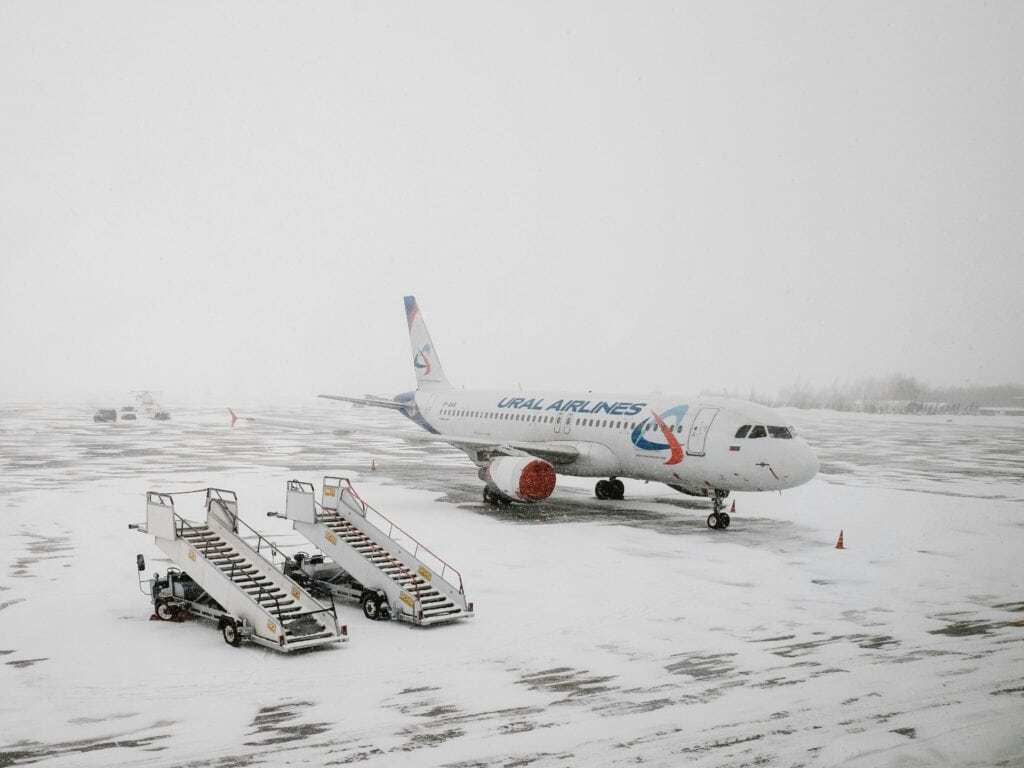
Winter travel can feel like a tight schedule held together by optimism, and this weekend it snapped in real time. Winter Storm Fern pushed snow, sleet, freezing rain, and biting cold across a huge swath of the United States, forcing airlines to cut schedules rather than strand planes and crews in unsafe conditions. By Saturday night, the cancellation count had already crossed 4,000, with even more disruption queued for Sunday. The storm’s story is not only weather. It is how quickly modern travel turns from smooth to fragile when ice and wind hit the wrong hubs.
The Storm’s Footprint Turned Regional Trouble Into National Gridlock
Forecasters warned that snow, sleet, and freezing rain would sweep the eastern two-thirds of the country, with heavy ice in parts of the Southeast and dangerous cold pressing into the Plains. That mix is uniquely disruptive because it slows ground crews, limits de-icing windows, and makes taxiways and access roads risky at the same time. Airlines can often handle a snow city or a rain city, but a broad, multi-state ice setup forces systemwide decisions, since aircraft and crews are connected across hubs and cannot simply reroute around every problem zone.
The Cancellation Number Was Not a Rumor, It Was the Plan
By late Saturday, flight tracking data showed more than 4,000 U.S. flights canceled for the day, with more than 9,400 already canceled for Sunday. The scale matters because it signals a deliberate reduction, not a temporary delay wave. Airlines tend to cancel early when they expect cascading failures: planes out of position, crews timing out, and airport operations slowing to a crawl. The headline number captures the shock, but the real impact is the domino effect it creates across the next several days of schedules and connections.
Atlanta Became a Key Pressure Point
Delta said ice accumulation was expected to affect Atlanta on Sunday, and the carrier added cancellations there while adjusting its wider schedule. Atlanta is a critical node, so disruption ripples quickly into routes that never touch snow on the map. Delta also warned of cancellations across the Ohio and Tennessee Valleys, where ice can shut down ground operations even when visibility stays decent. When the biggest hub slows, the system loses slack, and rebooking becomes less about preference and more about whatever seats still exist.
East Coast Hubs Took Hits Before the Snow Even Arrived
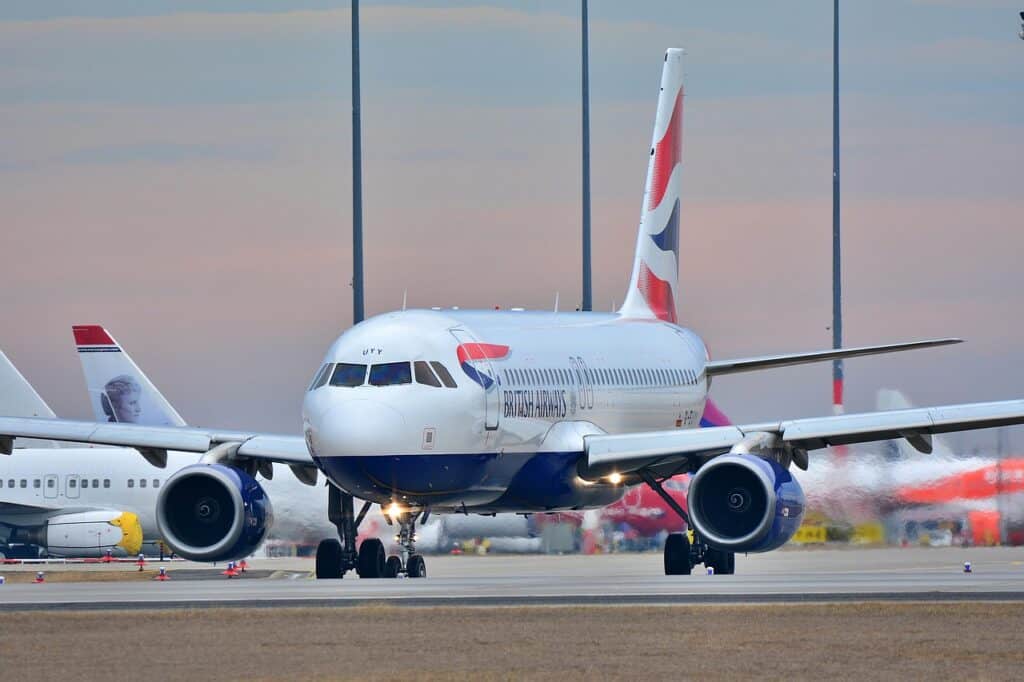
Delta also expanded cancellations along the East Coast, including at hubs in Boston and New York, as the storm aimed toward heavier snowfall in the Northeast beginning Sunday afternoon. That early move reflects how airlines protect later departures: an inbound aircraft that never arrives cannot operate the outbound flight, no matter how clear the departure city looks at noon. Airlines also know that when a snow band reaches a dense airport corridor, gate space and de-icing lines can become the limiting factor, not runway length. The result is fewer flights, but a cleaner restart when weather improves.
JetBlue and United Chose Preemptive Cuts Over Chaos
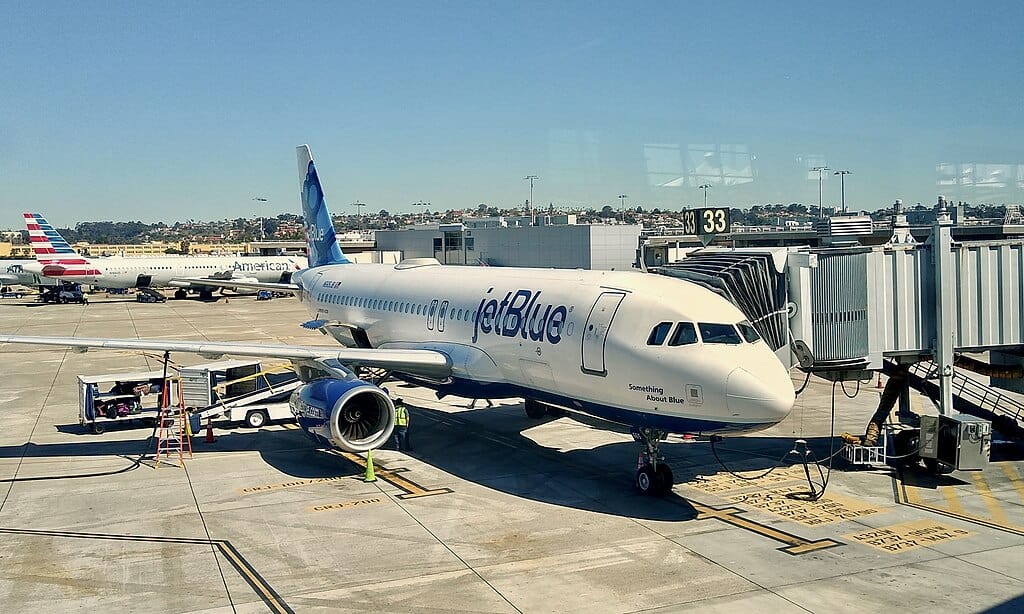
JetBlue said it had canceled about 1,000 flights through Monday as of Saturday morning, with additional cancellations possible. United said its preparations included proactively canceling some flights in the worst-affected areas. Those choices reflect a hard lesson: letting a schedule “try” to run during ice often creates worse outcomes, including stranded passengers, mispositioned aircraft, and crews that time out while sitting on tarmacs. A smaller schedule can feel painful, but it gives airlines a better chance to keep the flights that remain actually moving.
De-Icing Became the Quiet Battle Behind Every Departure Board
Delta said it was relocating experts from cold-weather hubs to support de-icing and baggage teams at several southern airports. That detail matters because ice operations are labor and equipment intensive, and many southern airports are not built for sustained winter storms. De-icing is also time-consuming when winds rise or precipitation changes texture, and every extra minute at the gate squeezes the day’s remaining departures. When crews and equipment are stretched, airlines often choose cancellations to protect safety and prevent the airport from locking up completely. The operational work is invisible, but it decides what gets airborne.
Travel Waivers Were the Release Valve
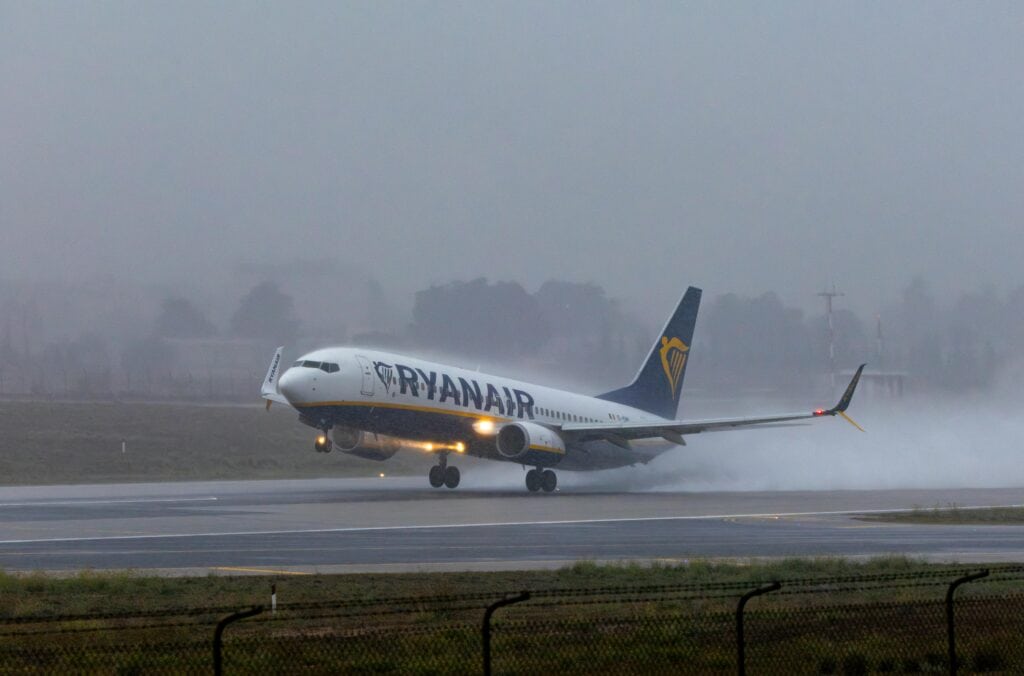
As the storm intensified, airlines issued waivers and urged rescheduling ahead of the worst conditions. Waivers matter because they change traveler behavior fast: people move earlier, later, or not at all, and that reshapes demand on the remaining flights. At the same time, waivers do not create aircraft or empty seats, so the real benefit is flexibility, not abundance. When a storm hits across multiple regions, the best inventory disappears quickly, and customer service pressure rises as thousands try to solve the same puzzle at once. Airlines try to get ahead of that surge by cutting flights early and widening waiver windows.
Power Outages and Cold Compounded the Travel Mess
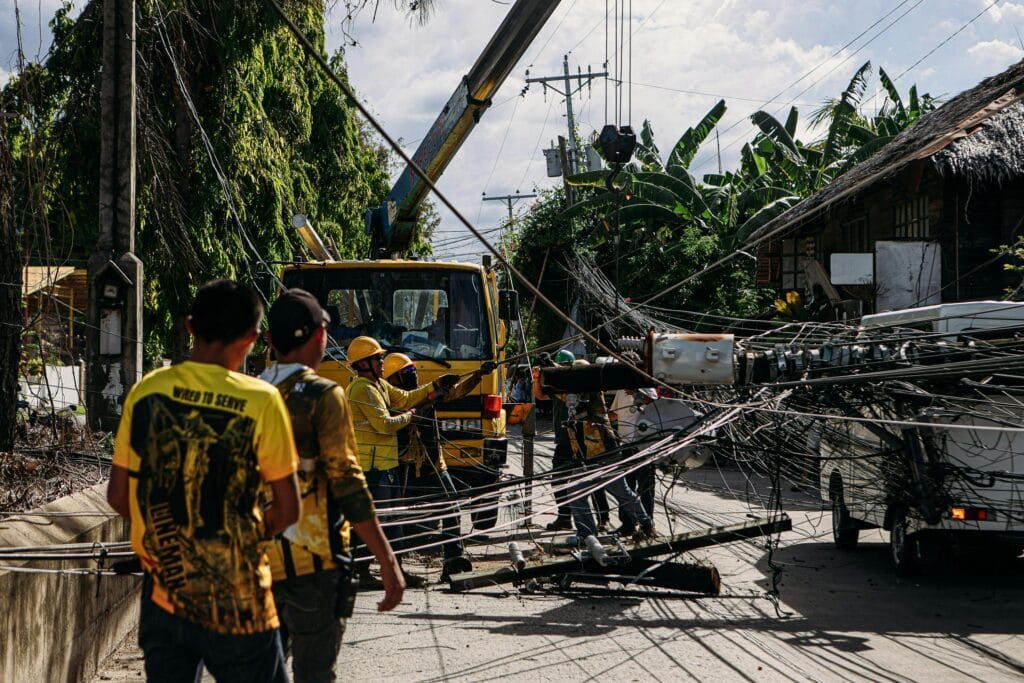
The storm also cut power to more than 160,000 customers by Saturday night, with the largest outages in Louisiana and Texas, and grid operators stepped up precautions. The U.S. Department of Energy issued an emergency order authorizing ERCOT to deploy backup generation resources at data centers and other major facilities to limit blackouts. That broader infrastructure strain feeds back into travel: traffic signals fail, charging and fueling become harder, and staffing gets thinner when people cannot safely commute. In winter storms, airports do not operate in isolation. They rely on the same roads, power, and labor markets as everyone else.
Other Blog Posts You Might Enjoy
www.idyllicpursuit.com (Article Sourced Website)
#Airlines #Cancel #Weekend #Flights #Massive #Winter #Storm #Sweeps #Idyllic #Pursuit