
We may earn money or products from the companies mentioned in this post. This means if you click on the link and purchase the item, I will receive a small commission at no extra cost to you … you’re just helping re-supply our family’s travel fund.

Some trips get blocked by policy long before a suitcase gets packed. For Americans, a small set of countries sit behind hard barriers: passports that are invalid without special permission, travel that is lawful only under narrow categories, or places where the U.S. government cannot provide routine help if something goes wrong. The reasons differ, but the pattern is consistent. When diplomacy collapses, security risks spike, or sanctions shape money flows, travel becomes paperwork first and adventure second. The practical lesson is simple: rules decide the trip, not wishful planning in a hurry.
North Korea, A U.S. Passport Is Generally Invalid
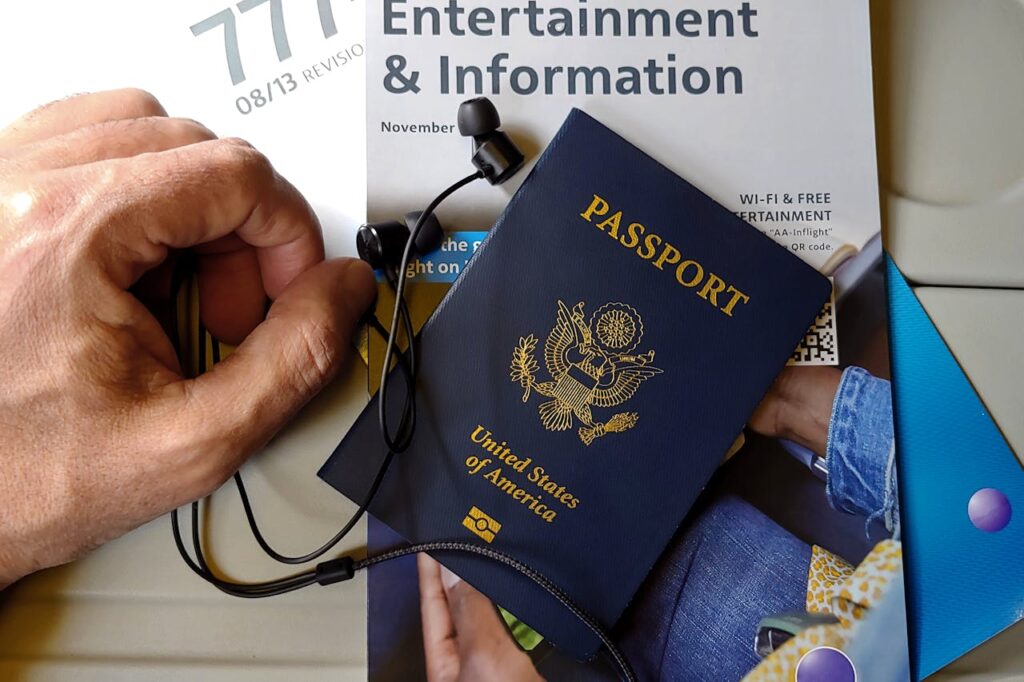
North Korea is one of the rare cases where the passport itself is restricted. The State Department says U.S. passports have been invalid for travel to, in, or through North Korea since Sept. 1, 2017, unless they carry a Special Validation, granted only under very limited circumstances and renewed by public notice. The takeaway is structural: the barrier is document validity, not a visa counter, so tours can exist on paper while lawful travel remains off-limits for most Americans, and attempting travel without validation can trigger passport revocation and potential criminal penalties at home.
Cuba, Tourism Is Prohibited Under U.S. Rules
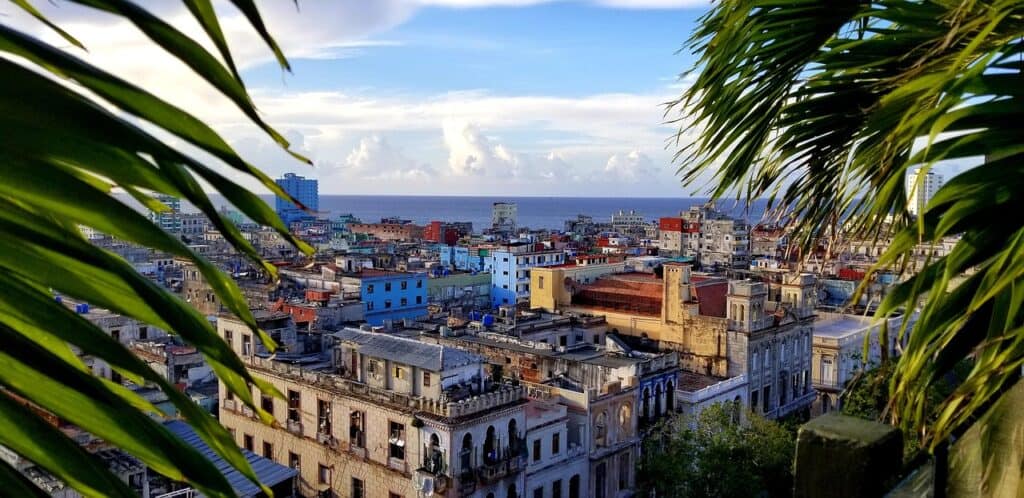
Cuba is not closed to Americans, but tourism is prohibited under U.S. law. OFAC says travel-related transactions are permitted only for 12 categories of activity under the Cuban Assets Control Regulations, such as family visits, journalism, professional research, educational programs, certain religious activities, or support for the Cuban people, each with conditions. The lesson is that sanctions often govern money and activities more than entry itself, so compliant trips depend on a clear purpose, bookings and spending that match an authorized category, and basic records that show what was actually done.
Iran, Limited Services And High-Stakes Friction
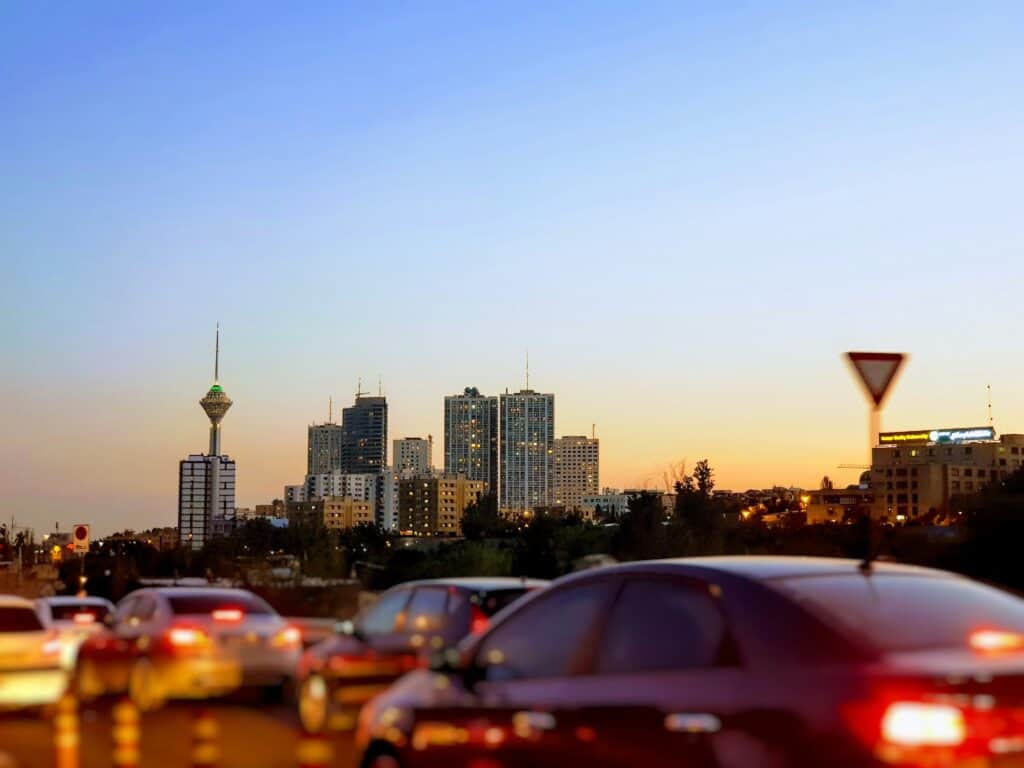
Iran shows how restrictions become practical, not theoretical. As of Oct. 15, 2025, routine consular services are no longer available for U.S. citizens in Iran, including full-validity passport applications and many notarial services, while emergency help is handled through Switzerland as the U.S. protecting power when security conditions permit. The takeaway is that even when entry is possible, normal support channels are missing, so lost documents or legal trouble can escalate, and routine fixes may require a trip to the nearest U.S. embassy elsewhere or a return to the United States just to reset paperwork.
Syria, An Embassy Closure Changes Everything
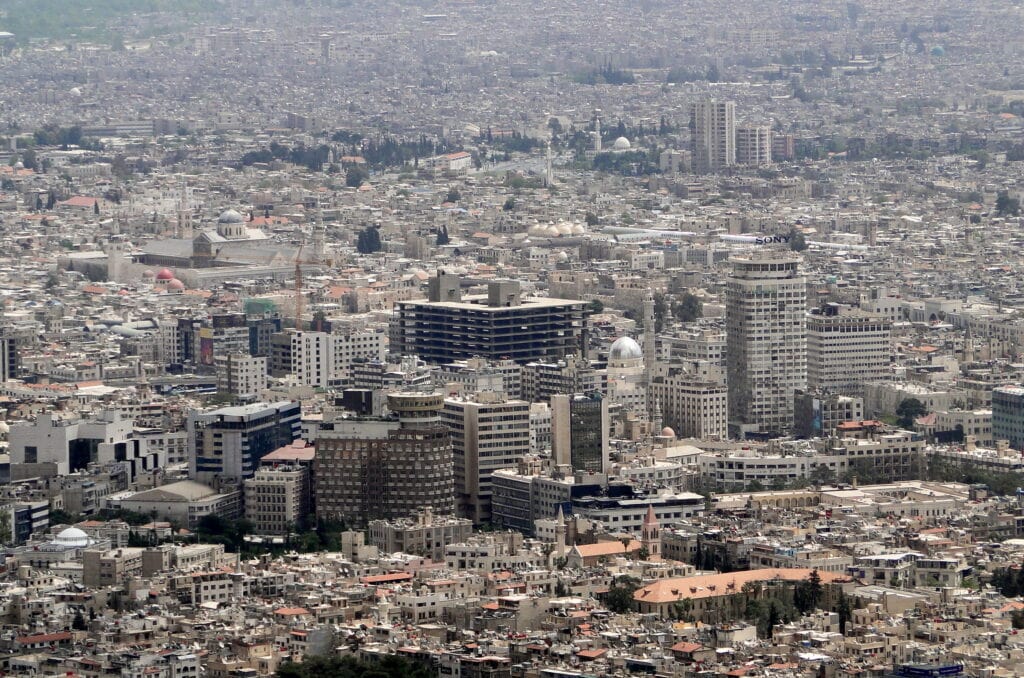
Syria is a clear example of travel without a safety net. The U.S. suspended Embassy Damascus operations on Feb. 6, 2012, and official guidance says the U.S. government cannot provide routine or emergency consular services there, with the Czech Republic serving as the protecting power for the United States. The takeaway is blunt: when basic support systems are absent, small complications can become isolating, and solutions that feel automatic elsewhere, like replacing documents, arranging welfare checks, or coordinating emergency help, may be unavailable, delayed, or handled at a distance with limited options.
Yemen, No Consular Backstop Since 2015
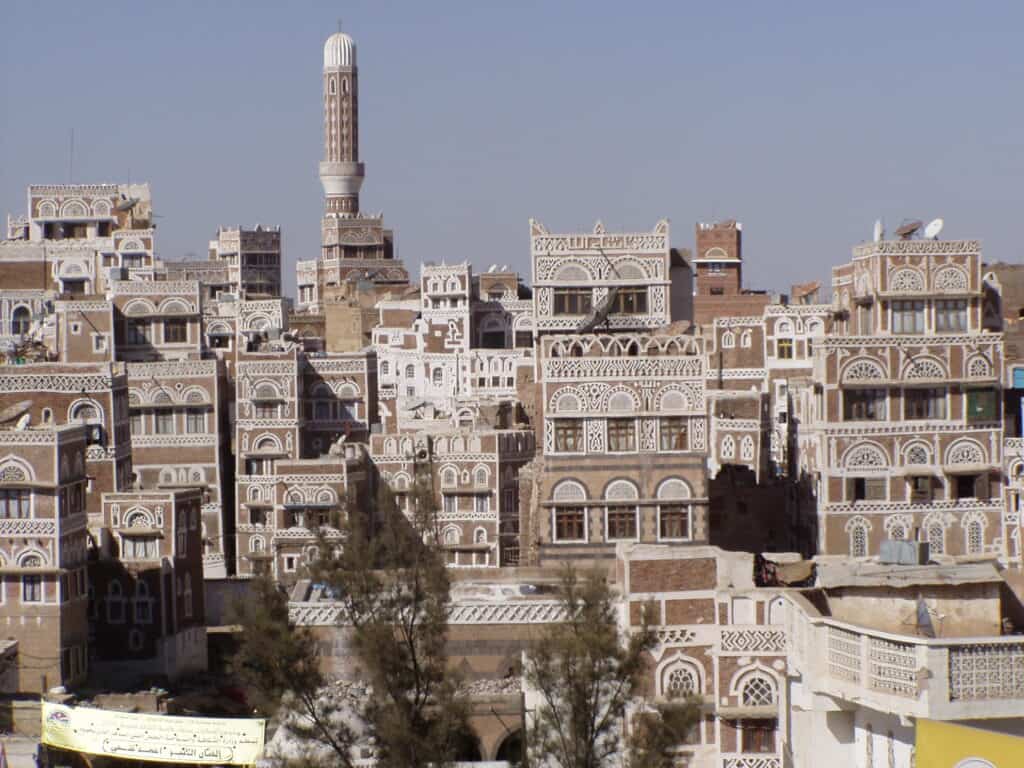
Yemen is restricted in a blunt, logistical way. The U.S. Embassy in Sana’a suspended operations on Feb. 11, 2015, and official travel information notes the U.S. government cannot provide emergency or routine consular services there and has extremely limited capability to assist U.S. citizens in-country. That is more than a warning label; it removes the normal safety net for replacing passports, coordinating emergency help, or even getting timely guidance. The takeaway is simple: when the backstop is gone, small errors become long recoveries, with fewer options, slower timelines, and higher stakes for basic logistics.
Libya, Assistance Is Limited And Often Remote
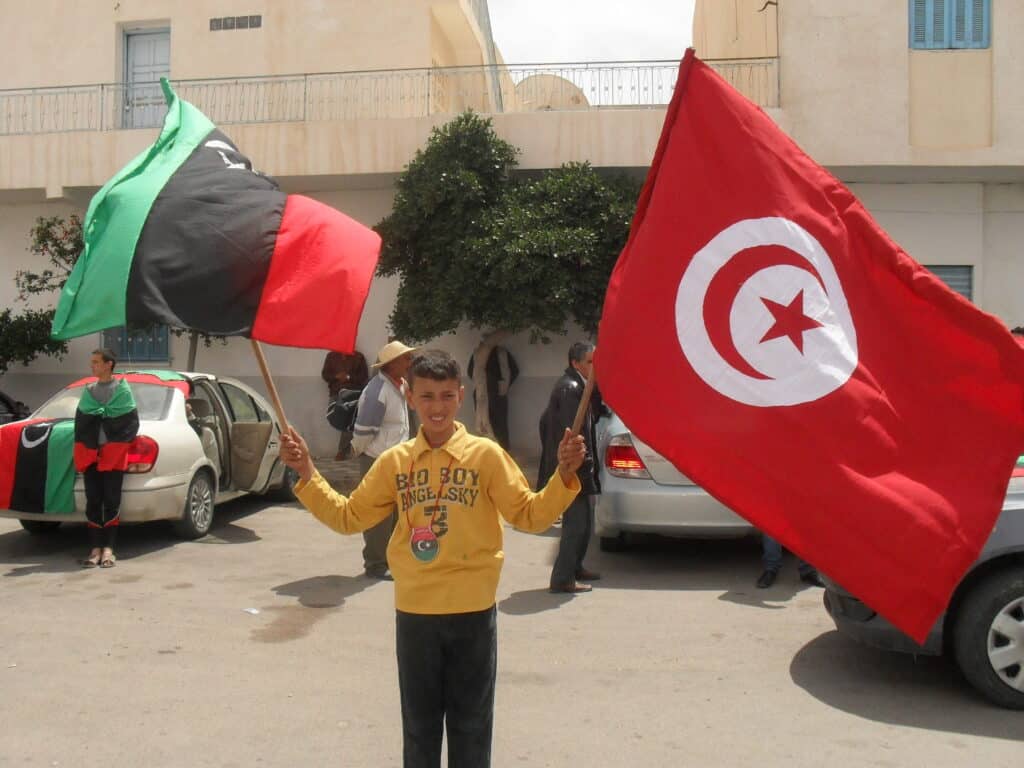
Libya underscores how restrictions can follow from reduced diplomatic presence. The U.S. Embassy suspended operations in Tripoli on July 26, 2014 and relocated staff, and State Department guidance notes limited capacity to assist U.S. citizens, with some services routed through posts outside the country and periodic outreach. Remote help changes everything: replacing documents, getting medical guidance, or untangling legal issues can take longer, and officials may have limited ability to assist detained Americans. The takeaway is that risk is measured in time and access as much as money, because delays snowball when help is across a border.
Venezuela, No Consular Services, No Emergency Capacity
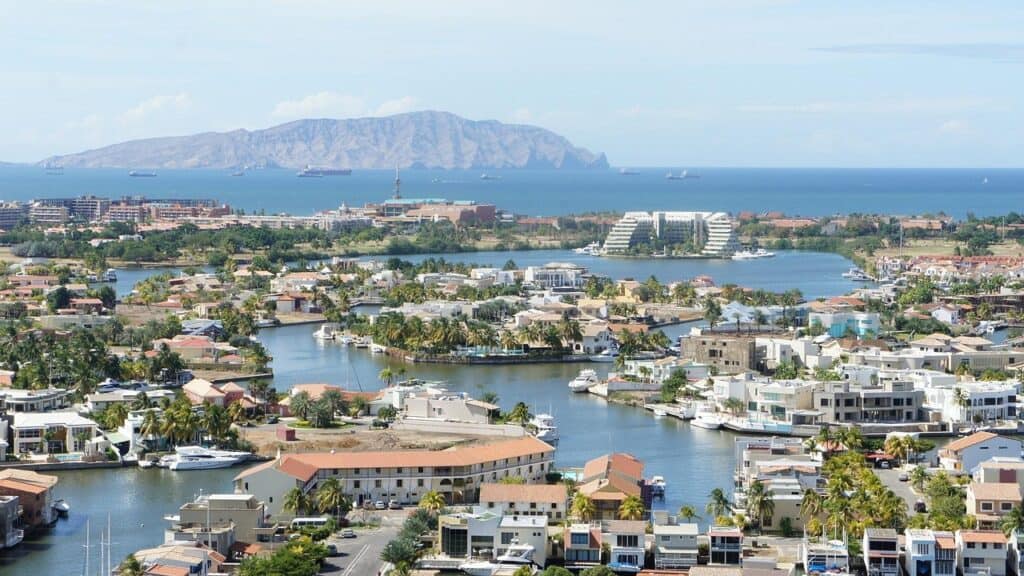
Venezuela is restricted because U.S. support is effectively off the table. The U.S. Embassy in Caracas suspended operations on March 11, 2019, after the withdrawal of U.S. diplomatic personnel, and official guidance says it cannot provide consular services, with routine and emergency services remaining suspended and the U.S. government unable to provide emergency services in-country. Without local consular capacity, routine travel hiccups can become serious exposure, and any limited assistance may be routed through posts like the U.S. Embassy in Colombia when possible, which is slower than having help on the ground.
Other Blog Posts You Might Enjoy
www.idyllicpursuit.com (Article Sourced Website)
#Americans #Restricted #Countries #Learn #Idyllic #Pursuit