
We may earn money or products from the companies mentioned in this post. This means if you click on the link and purchase the item, I will receive a small commission at no extra cost to you … you’re just helping re-supply our family’s travel fund.
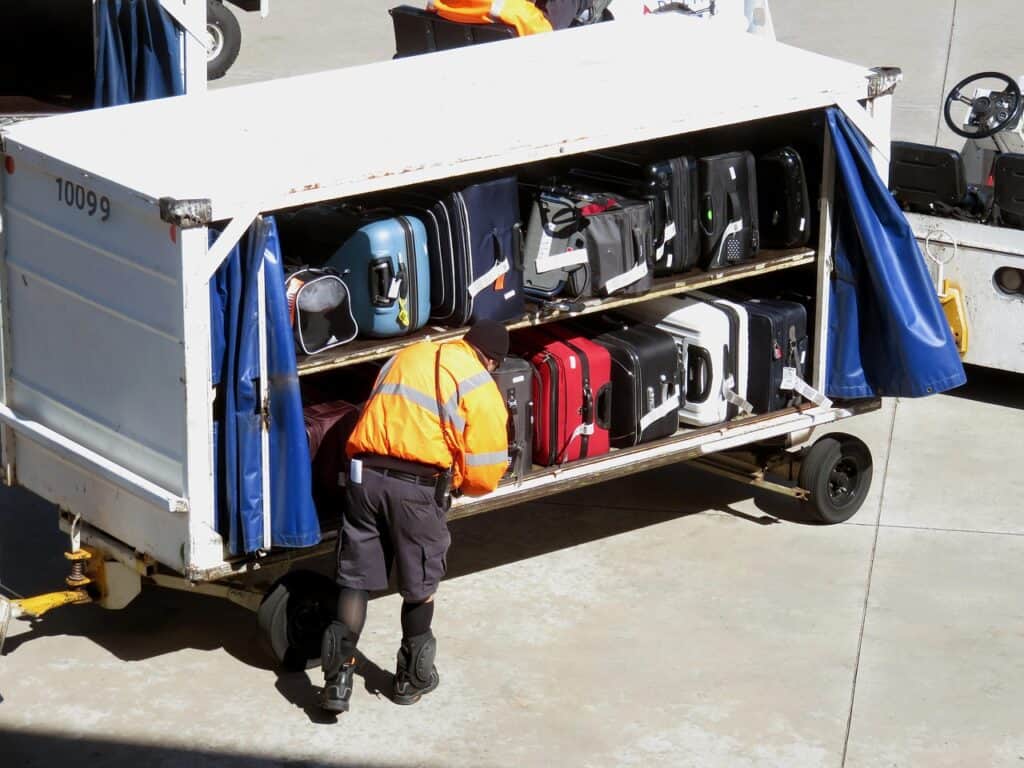
Even with modern tracking systems, baggage mishandling remains one of air travel’s most common frustrations. Globally, airlines mishandle over 26 million bags per year, according to industry estimates, and a large portion of those incidents occur at major transit hubs. High passenger volumes, tight connections, complex terminal layouts, and frequent airline transfers all increase the risk. While no airport is careless by design, some consistently create conditions where luggage is more likely to be delayed, misrouted, or temporarily lost. Below are ten airports where travelers should be especially vigilant, along with the specific factors that contribute to higher baggage risk.
1. London Heathrow Airport (LHR), United Kingdom
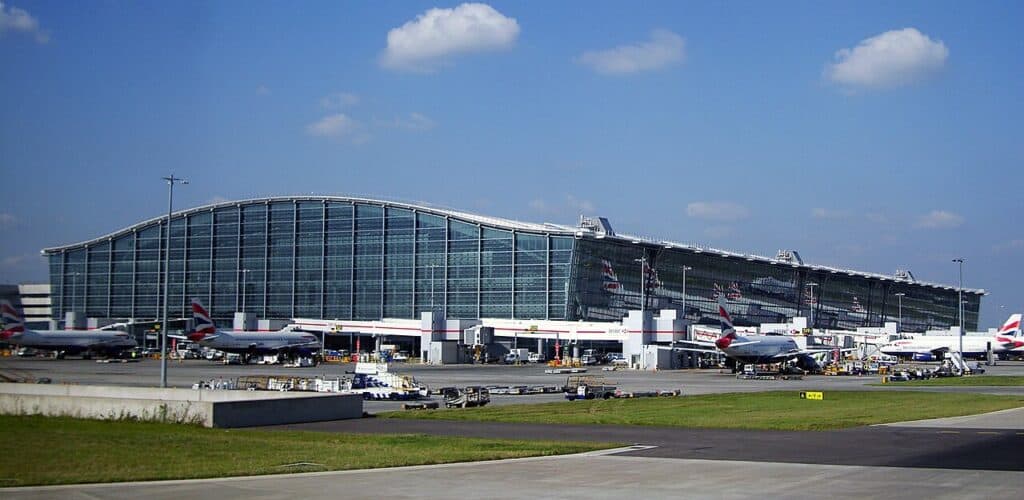
Heathrow processes over 80 million passengers annually, making it one of the busiest international airports on Earth. Its four active terminals handle thousands of transfer bags every hour, often between unrelated airlines. Tight connection windows, sometimes under 75 minutes leave little margin for error. Baggage must pass security screening multiple times, increasing handling steps. Weather disruptions affect roughly 20% of winter departures, compounding delays. Even small disruptions can cause bags to miss flights, particularly on long-haul connections involving terminal changes.
2. Paris Charles de Gaulle Airport (CDG), France
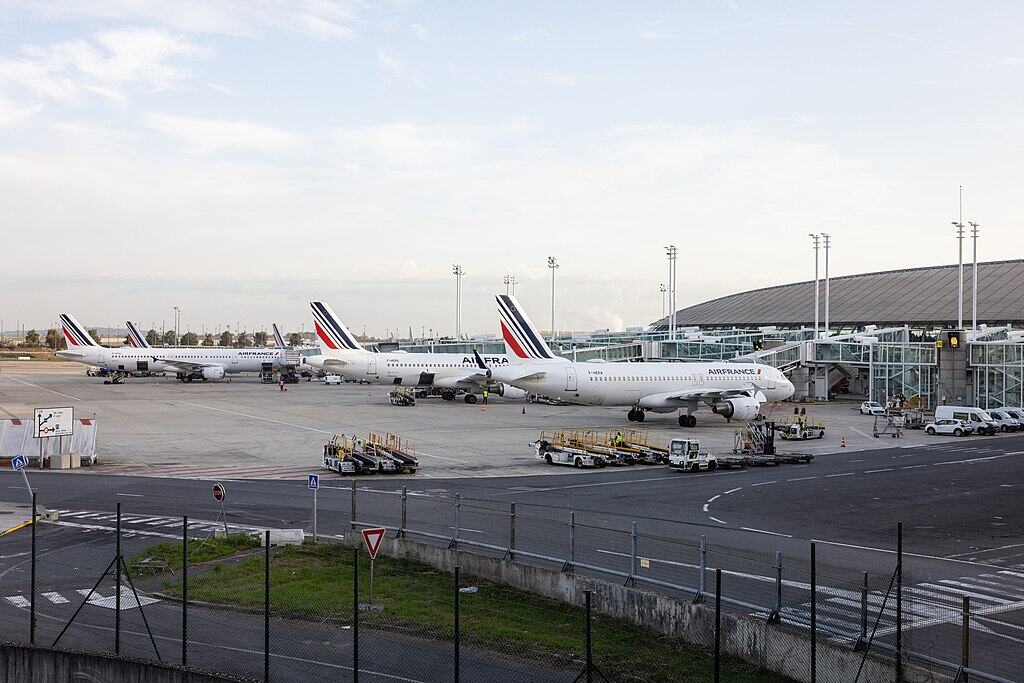
CDG serves 70+ million travelers per year and is known for its fragmented terminal design. Some transfers require bus rides and long underground walks exceeding 1.5 kilometers. Bags often move through separate sorting systems depending on the destination zone. During peak summer months, passenger volume rises nearly 18%, increasing strain on handlers. Labor strikes and staffing fluctuations have historically raised baggage delay rates. Travelers with layovers under 90 minutes face a noticeably higher chance of separation from their luggage.
3. Frankfurt Airport (FRA), Germany

As Europe’s largest aviation hub, Frankfurt manages over 2 million tons of cargo and luggage annually. With more than 300 direct destinations, bags frequently transfer between long-haul and regional flights. Winter weather causes delays on nearly 1 in 4 peak-season days, forcing last-minute aircraft swaps. Short Schengen transfer times often 45–60 minutes leave little buffer. When flights are retimed, checked luggage is often offloaded first, increasing the odds it arrives on a later flight.
4. Istanbul Airport (IST), Turkey
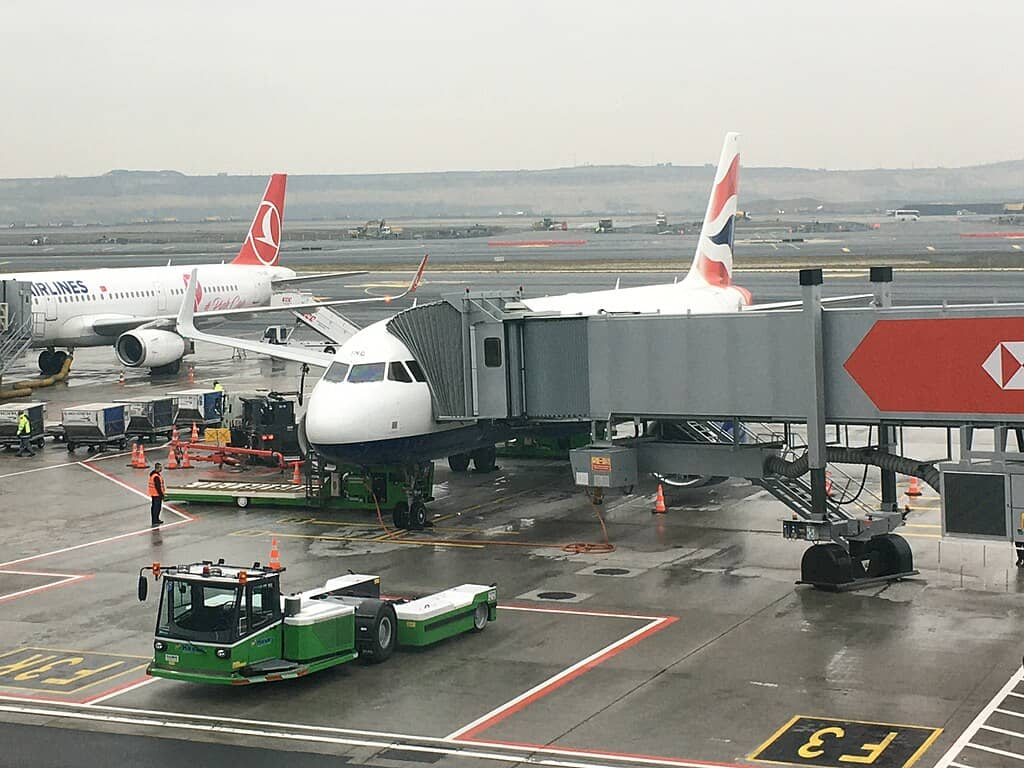
Istanbul Airport handles 90+ million passengers yearly and functions primarily as a global transfer hub. Connecting bags may travel distances exceeding 3 kilometers within the facility. Rapid expansion has outpaced staff training in some areas, increasing handling inconsistencies. Over 60% of passengers are connecting travelers, a major risk factor for baggage delays. When multiple wide-body flights land simultaneously, sorting systems can become saturated, causing bags to be rerouted or delayed despite advanced automation.
5. Los Angeles International Airport (LAX), United States
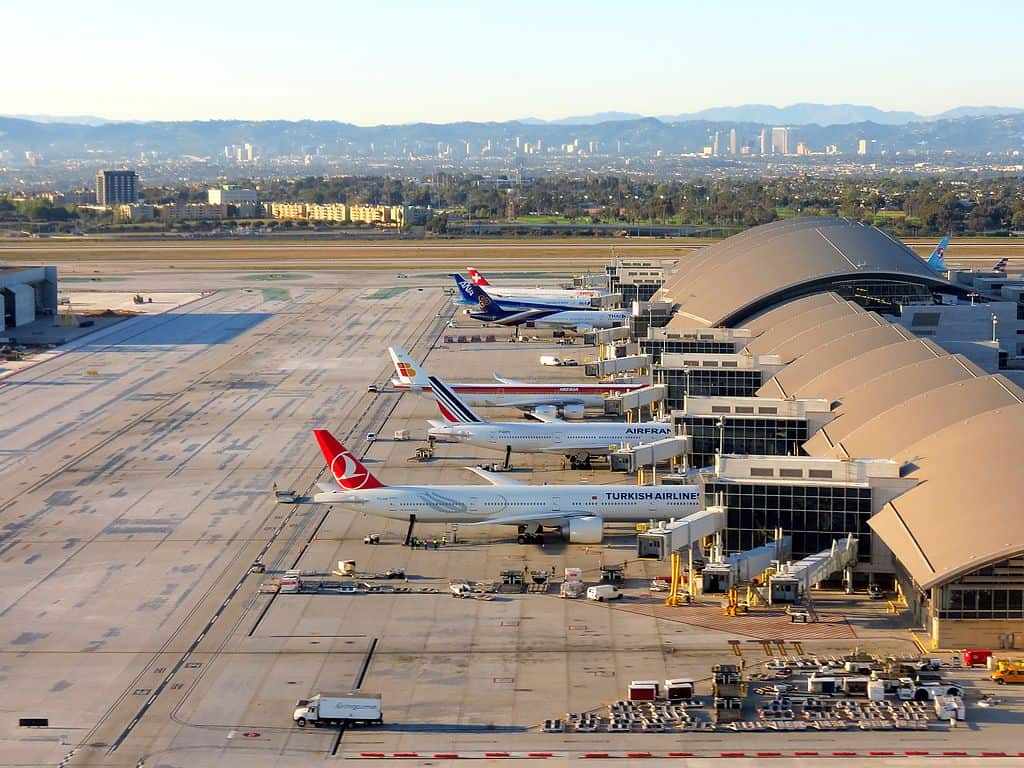
LAX moves nearly 75 million passengers per year across nine disconnected terminals. Many international arrivals require passengers to collect and recheck bags, increasing mishandling chances. Terminal transfers can take 30–45 minutes, especially during peak hours. Over 40% of flights involve airline partnerships, which complicates baggage routing. Construction projects and road congestion further slow transfers. Bags checked through multiple airlines at LAX statistically face higher misrouting rates than at more centralized U.S. hubs.
6. New York John F. Kennedy Airport (JFK), United States
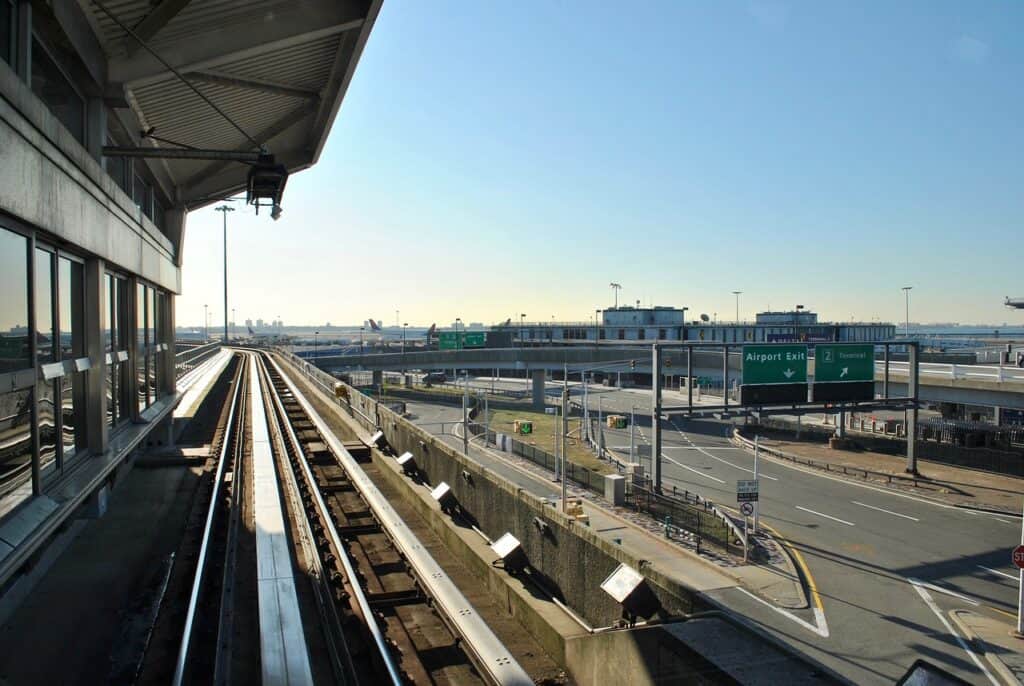
JFK processes over 62 million travelers annually, with heavy transatlantic traffic. Weather disruptions affect roughly 15% of yearly operations, particularly in winter. Multiple terminals operate independent baggage systems, requiring manual transfers. International arrivals must clear customs, increasing handling time. During peak evenings, baggage belts can exceed capacity by 20–25%. Short layovers and airline changes significantly raise the likelihood that bags arrive one or even two flights later.
7. Dubai International Airport (DXB), United Arab Emirates
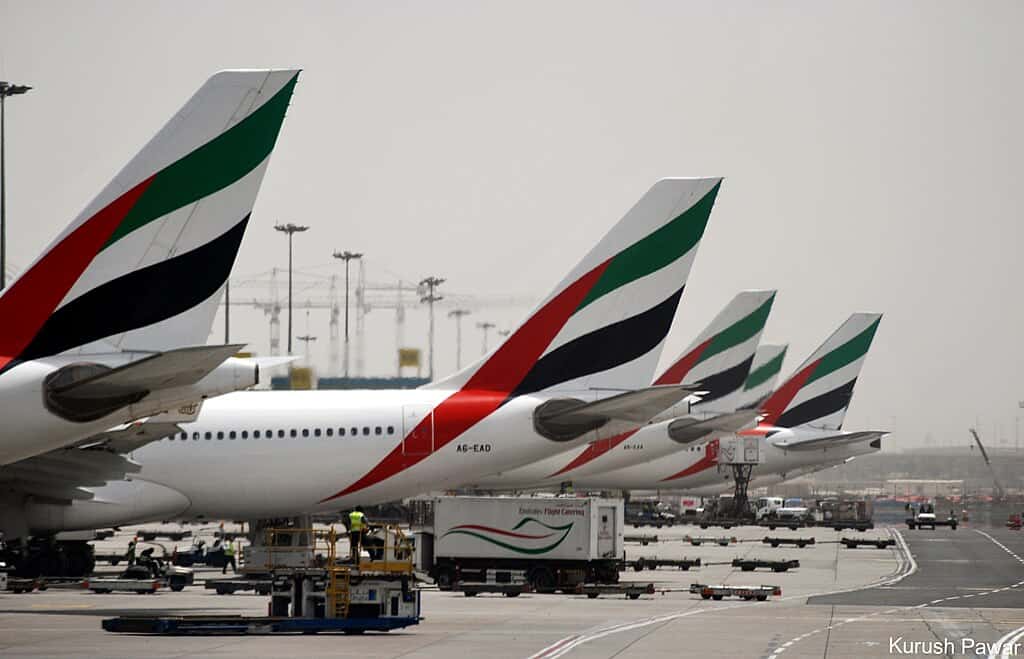
DXB handles 85+ million passengers each year, with nearly 65% being transfer travelers. Bags frequently move between continents within 90-minute connection windows. Despite advanced tracking systems, volume remains the main challenge. During peak overnight hours, thousands of bags arrive simultaneously from Europe and Asia. When flights are retimed, luggage may be held back to maintain departure schedules. The sheer scale means even small errors affect large numbers of travelers daily.
8. Madrid-Barajas Airport (MAD), Spain
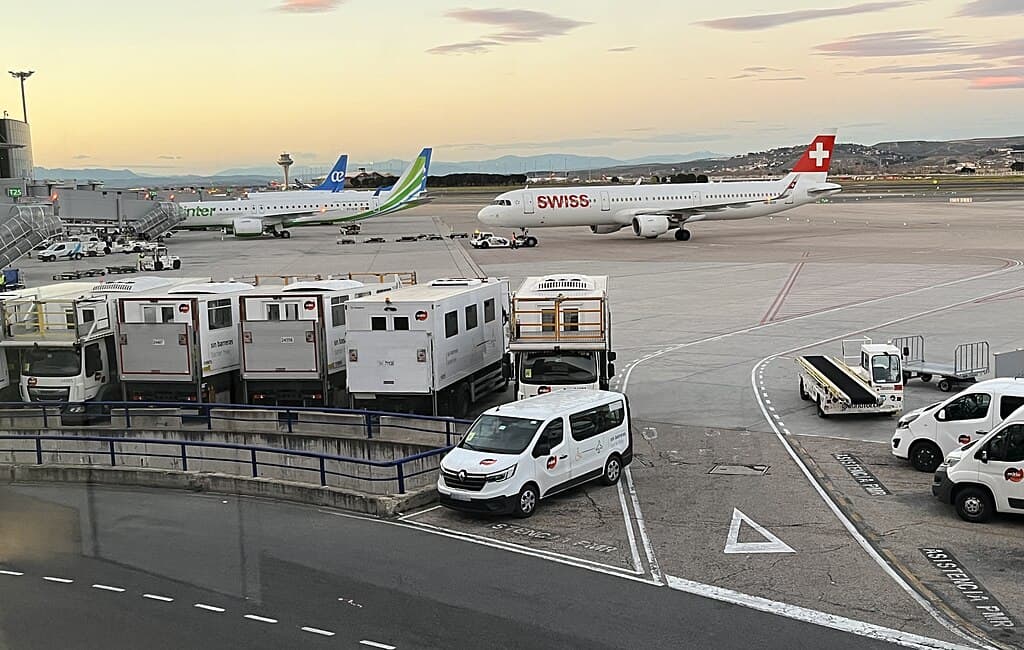
Madrid sees over 60 million passengers annually, with Terminal 4 stretching nearly 2 kilometers end to end. Bags transferring between domestic and international flights often pass through multiple sorting zones. Summer traffic increases by up to 22%, straining seasonal staff. Delays from weather or air-traffic control frequently cause last-minute gate changes. When this happens, luggage sometimes remains in the original loading area, arriving hours later on subsequent flights.
9. Chicago O’Hare International Airport (ORD), United States
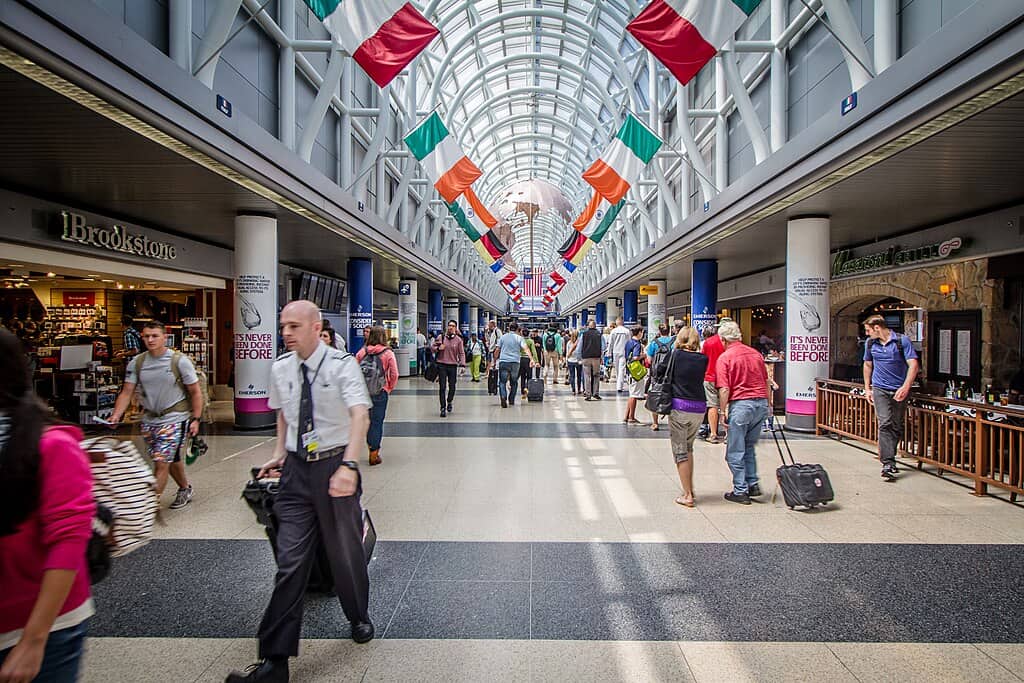
ORD handles around 68 million passengers per year and is heavily affected by weather. Snow and storms disrupt operations on nearly 30 winter days annually. Flight cancellations cause mass rebooking, forcing bags to be unloaded and resorted. With six terminals and constant runway congestion, baggage transfer times fluctuate wildly. During irregular operations, luggage is often prioritized last, leading to higher reports of delayed or temporarily lost bags.
10. Rome Fiumicino Airport (FCO), Italy
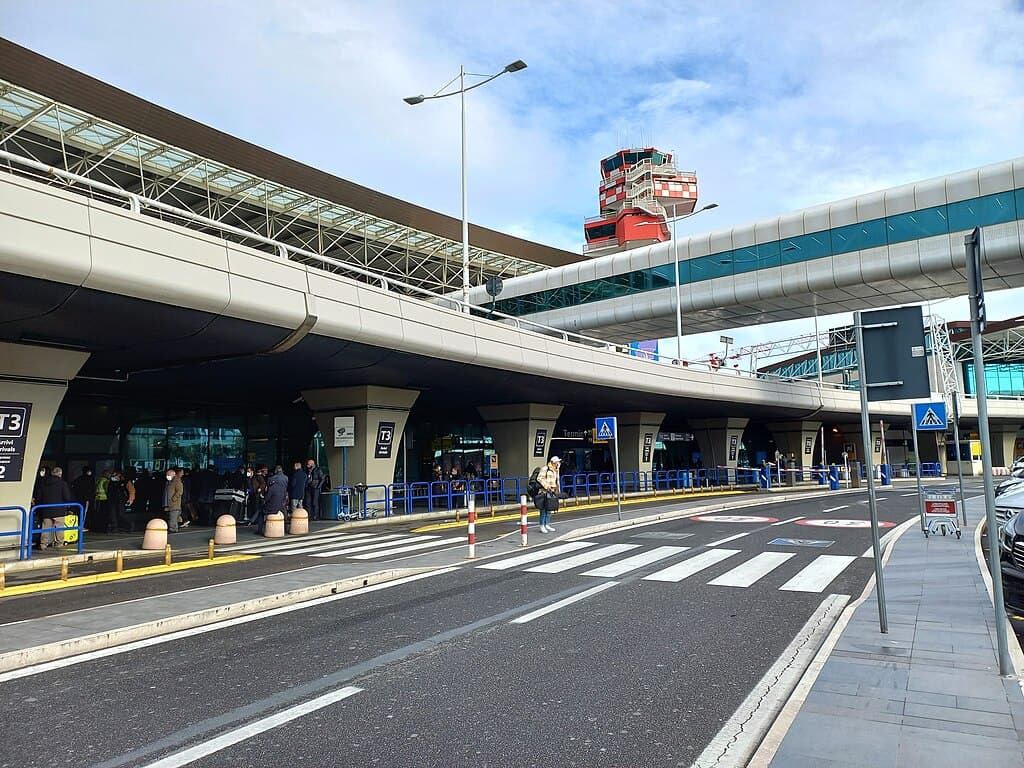
FCO serves over 40 million travelers annually, with sharp seasonal spikes. Summer traffic increases nearly 25%, overwhelming ground services. Terminal congestion and staffing gaps slow baggage transfers, particularly on international arrivals. Tight European connections, sometimes under 60 minutes leave minimal buffer time. When flights arrive late, bags may be held for later departures. Travelers frequently report luggage arriving 12–24 hours after they do during peak travel periods.
Other Blog Posts You Might Enjoy
www.idyllicpursuit.com (Article Sourced Website)
#Airports #Lose #Luggage #Idyllic #Pursuit