
Bottega Veneta’s chief executive Bartolomeo “Leo” Rongone is set to step down as CEO on March 31, 2026, concluding a six-year tenure that reshaped the Italian “quiet luxury” brand into one of Kering’s most resilient commercial engines. His departure marks a pivotal career shift and a strategic reconfiguration at one of Italy’s most closely watched luxury houses.
Effective April 1, 2026, Leo Rongone will assume the role of Group Chief Executive Officer at Moncler, succeeding Remo Ruffini. Ruffini will transition to Executive Chairman while retaining creative and strategic influence. The announcement highlights a broader industry trend in which operational leadership and creative coherence must coexist amid a more complex global luxury market.
A Strategic Shift in Luxury Leadership
Rongone joins from Bottega Veneta, as Moncler Group announces a new organizational structure. https://t.co/ggJY6B47bO
— Vogue Magazine (@voguemagazine) January 20, 2026
Rongone’s exit comes as luxury brands confront a prolonged demand plateau in key markets such as North America and China. Still, affluent consumers continue to prize craftsmanship and exclusivity. At Bottega Veneta, Rongone navigated high-stakes transitions—from Daniel Lee’s departure to the appointment of Louise Trotter—helping grow revenues from approximately €1.12 billion in 2019 to around €1.7 billion in 2024.
Kering CEO Luca de Meo publicly thanked Rongone “for his leadership and the significant contribution he has made to Bottega Veneta,” acknowledging his role in sustaining momentum amid broader sector headwinds. The house has already initiated a search for his successor.
For Moncler, the move signals a priority shift toward professionalizing executive leadership while preserving brand ethos. In announcing Rongone’s appointment, Moncler framed the change as part of a governance evolution designed to support long-term development and a smooth generational transition. Ruffini, the architect of Moncler’s rise, will remain at the helm of creative direction while stepping back from daily operations.
Bartolomeo Rongone’s Track Record at Bottega Veneta
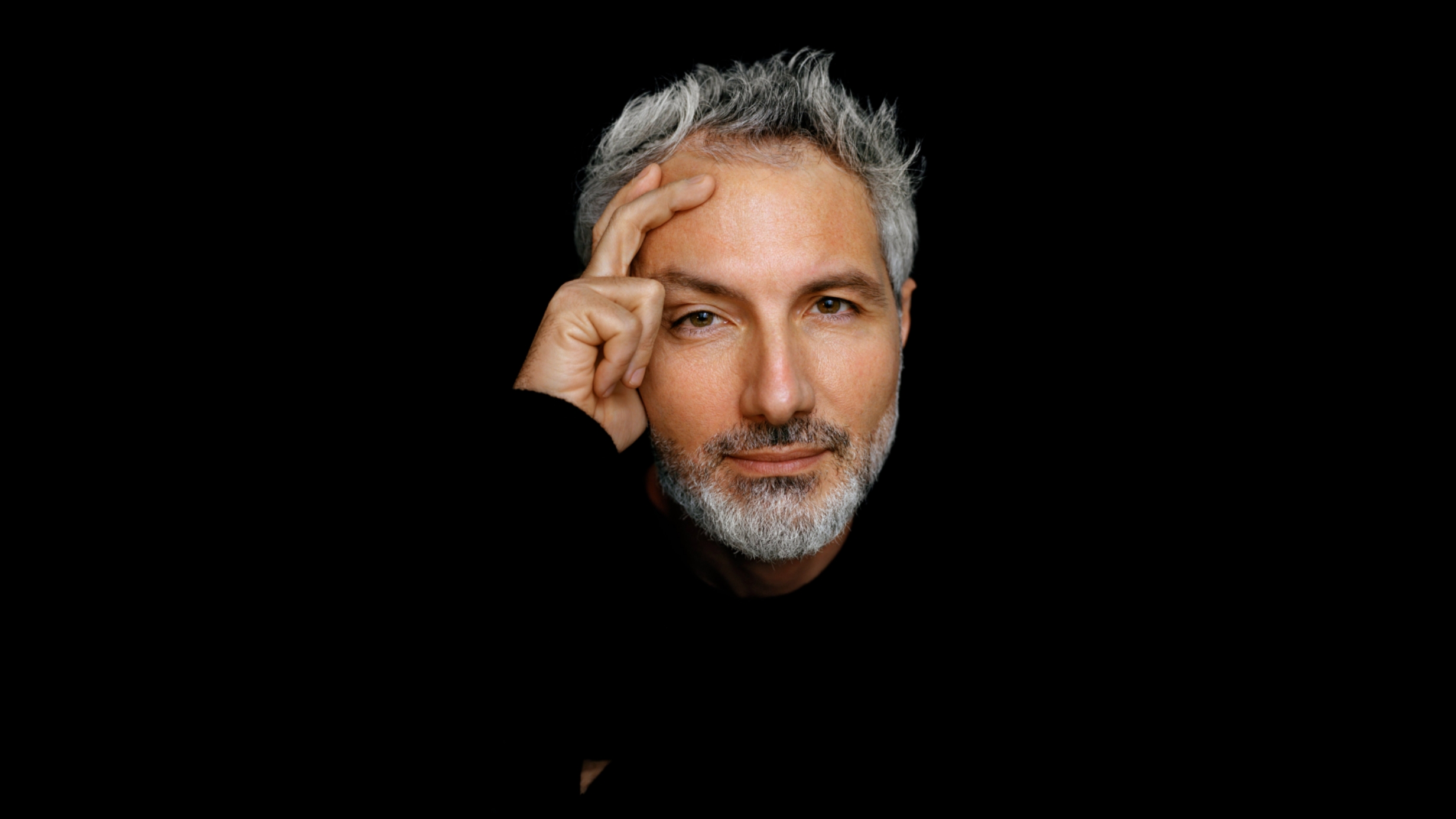
When Leo Rongone took the helm of Bottega Veneta in 2019, the fashion landscape was already in flux. Luxury sales were swayed by shifting consumer expectations and digital acceleration. He arrived with a resume steeped in operational leadership, having held roles at Fendi and later serving as Chief Operating Officer at Yves Saint Laurent.
At Bottega Veneta, Rongone aligned commercial imperatives with a refined aesthetic ethos. The brand’s signature intrecciato leatherwork and “quiet luxury” positioning—eschewing overt logos in favor of discreet sophistication—resonated with affluent consumers seeking understated elegance. Under his leadership, the maison posted consistent organic growth even as peers grappled with volatility.
In recent years, Bottega’s performance stood out within Kering’s roster. While some labels wrestled with softness in Western markets, Bottega reported a 3% revenue increase in Q3 2025 alone. Yet the brand’s transition also mirrored larger industry dynamics: the departure of Daniel Lee in 2022 and subsequent leadership recalibrations tested the brand’s narrative, making executive agility as crucial as creative vision.
Moncler’s Bold Move: Professionalization and Growth
Moncler hired Bartolomeo “Leo” Rongone as its chief executive officer, bringing on a seasoned executive from luxury rival Kering to strengthen management and support growth https://t.co/fx1o0fAjWf
— Bloomberg (@business) January 21, 2026
For Moncler, Leo Rongone’s arrival marks a deliberate pivot toward stronger governance and operational depth. Founded as an alpine outerwear innovator, Moncler expanded under Ruffini’s leadership into a diversified luxury house known for inventive collaborations. The brand’s global retail strategy remains aggressive and highly visible.
In the new structure, Ruffini’s role as Executive Chairman ensures creative momentum and strategic direction remain anchored in his vision. At the same time, Rongone will steer the CEO agenda. Moncler’s recent decisions, including the cancellation of its annual Genius event for 2026 and a sharpened focus on the U.S. market, suggest a shifting marketing and cultural calculus.
Financially, analysts view Rongone’s appointment as a stabilizing catalyst. Barclays noted that while Rongone may be “less known to the public,” his luxury leadership experience aligns with Moncler’s values, supporting long-term development. The firm also forecasts a modest revenue uptick for 2025.
Moncler’s shares registered a slight dip after the announcement, a common market reaction to leadership transitions. Yet the move also underscores investor expectations for a seamless integration of corporate and creative strategy.
Market Reaction and Sector Implications
Luxury executives have become focal points in broader narratives about brand resilience and strategic agility. Rongone’s move from Bottega to Moncler punctuates an era where the industry redefines leadership success beyond runway headlines. While creative directors craft cultural narratives, CEOs are increasingly judged on their ability to navigate macroeconomic headwinds and maintain brand coherence.
Analysts note that the shift reflects a broader industry pattern: houses now seek leaders who can safeguard brand DNA while scaling growth across omnichannel landscapes. Executive churn across the sector has underscored similar tensions between creative renewal and commercial discipline.
Leo Rongone steps into Moncler at a time when the brand’s direct-to-consumer channels and diversified product lines are both assets and strategic challenges. To succeed, he must understand not just high fashion’s cultural lexicon but also retail economics and digital engagement.
Creative vs. Corporate: The New Luxury Balance
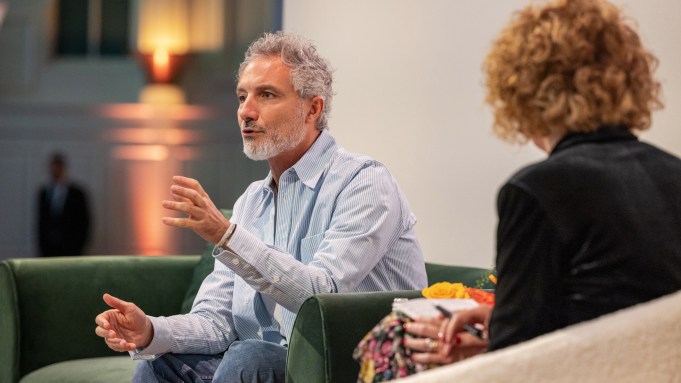
The Rongone appointment crystallizes a perennial question in luxury fashion: can a brand sustain cultural relevance while scaling operations in a fractured market? Under Ruffini, Moncler’s identity was built on technical innovation and lifestyle appeal. Now, operational leadership will be tested on supply chain resilience and regional sales diversification.
Rongone’s leadership Playbook, honed through operational roles and refined at Bottega Veneta, positions him as a bridge between creative ambition and commercial execution. How he integrates Moncler’s heritage with sharper operational rigor could redefine how niche houses evolve into global powerhouses.
What’s Next for Bottega Veneta and Moncler
As Bottega Veneta begins its search for a successor, stakeholders will watch how the maison maintains momentum without Rongone’s guiding hand. The brand’s collaborations, artisanal investments, and curated creative direction suggest a blueprint for continuity, yet transitions at the top often invite fresh interpretation of identity and market strategy.
For Moncler, Leo Rongone’s era opens the door to an intensified focus on strategic innovation. This will require balancing Ruffini’s creative imprint with executive management designed for sustained global scale.
In an industry where leadership announcements increasingly make as many headlines as runway debuts, this transition underscores a truth about modern luxury: the convergence of creative vision and corporate stewardship is essential not just for style, but for enduring success.
Featured Image: Courtesy of Moncler
—Read also
www.stylerave.com (Article Sourced Website)
#Bottega #Veneta #CEO #Leo #Rongone #Joins #Moncler #Major #Luxury #Shakeup