
We may earn money or products from the companies mentioned in this post. This means if you click on the link and purchase the item, I will receive a small commission at no extra cost to you … you’re just helping re-supply our family’s travel fund.

A place can look perfect in photos and still feel strangely hollow in person. Tourist traps rarely announce themselves. They hide behind “must-do” lists, scripted experiences, and prices that quietly punish curiosity. The giveaway is not crowds alone, because great places can be busy. It is the feeling that everything is optimized to separate visitors from money while giving as little reality as possible in return. These seven signs help spot when a destination has shifted from living community to themed set, and they also point toward better choices nearby.
The Area Has More Souvenir Shops Than Groceries

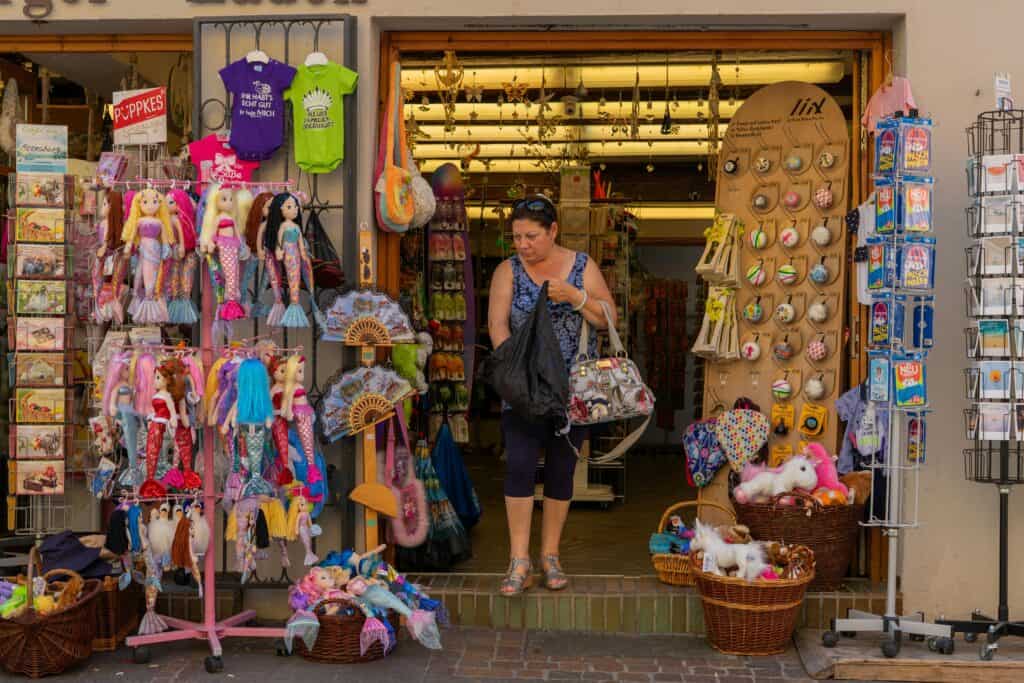
When the main street is stacked with identical magnet racks, “authentic” T-shirts, and candy shops, but basic groceries are hard to find, the neighborhood is no longer serving residents first. That imbalance changes everything: it pushes out everyday services, replaces local errands with impulse buys, and turns sidewalks into conveyor belts of people who will not be back tomorrow. The experience becomes predictable and interchangeable, because businesses stop competing on quality and start competing on foot traffic. A place that cannot support a regular pharmacy, bakery, or hardware store is often a place that exists mainly for visitors, even if the buildings are historic and the photo angles are perfect.
Every Menu Is the Same, and It’s All in Four Languages
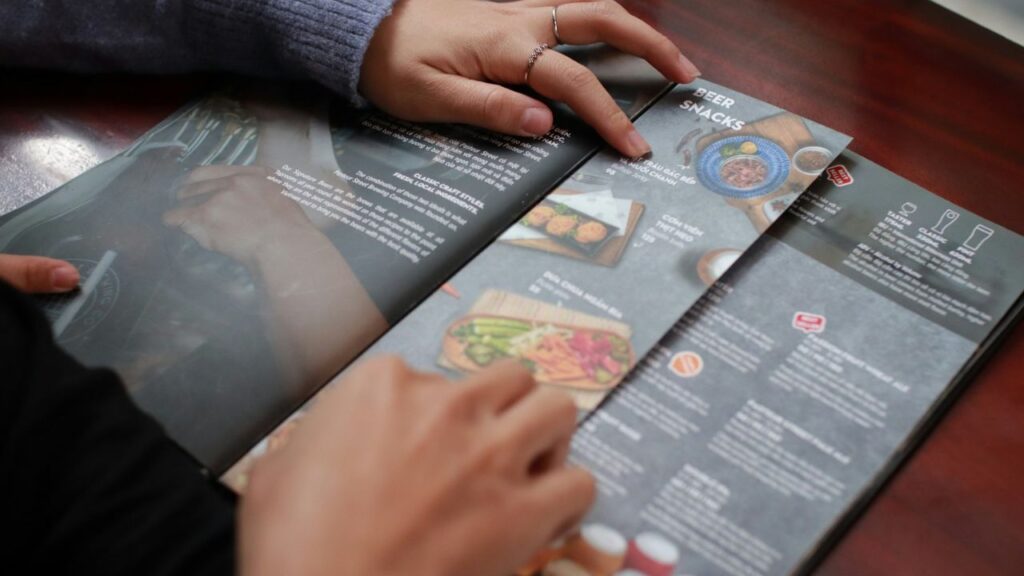
A tourist trap announces itself through sameness. Restaurants sell the same greatest hits, printed in glossy binders with pictures, identical cocktails, and a promise of “traditional” food that never changes from street to street. Multiple languages on a menu are normal in international cities, but when every restaurant uses the same phrasing, the same photos, and the same dishes, it suggests suppliers and scripts, not cooks taking pride in a place. The food may be fine, but it is often built for speed and low risk, not flavor. The easiest clue is who is eating there: if every table is visitors and local families are absent, the neighborhood has been optimized for outsiders.
Prices Are Unposted Until the Bill Arrives

When prices are missing, vague, or hidden behind verbal offers, a visitor is being set up to overpay. This shows up with taxis that refuse meters, menus without numbers, street vendors who quote different rates depending on the face in front of them, and tours that pile on “extras” after the group is already committed. The trap is not just the money. It is the stress of negotiating in a place that should feel welcoming. Legit businesses post prices because they compete on value and reputation. A destination that normalizes mystery pricing teaches travelers to stay guarded, and that tension can ruin even beautiful scenery.
The “Main Attraction” Is a Queue, Not a Place
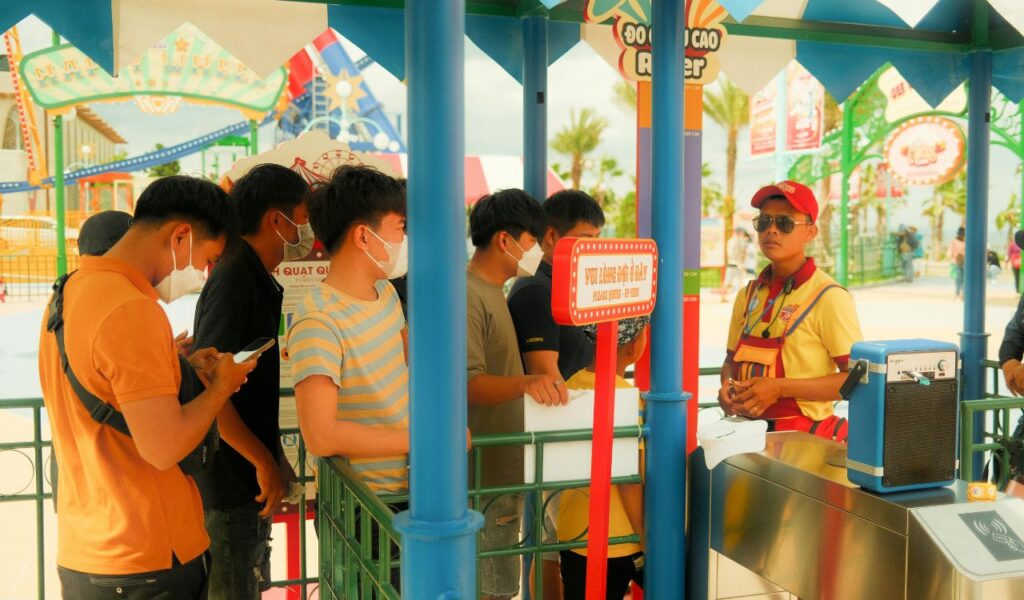
Some famous sites are genuinely worth a wait, but a tourist trap often turns the line itself into the product. Visitors stand for 90 minutes to take a 30-second photo in a specific spot, then shuffle out through a forced gift shop exit. The experience becomes a transaction with a backdrop, not a place with depth. This is common where social media has narrowed the entire location into one angle, one mural, one swing, one glass skywalk, or one staged balcony view. When a destination’s highlights can be reduced to a few identical photos, it usually means the deeper story has been replaced by a performance built for quick consumption.
Locals Warn Against It Without Hesitation
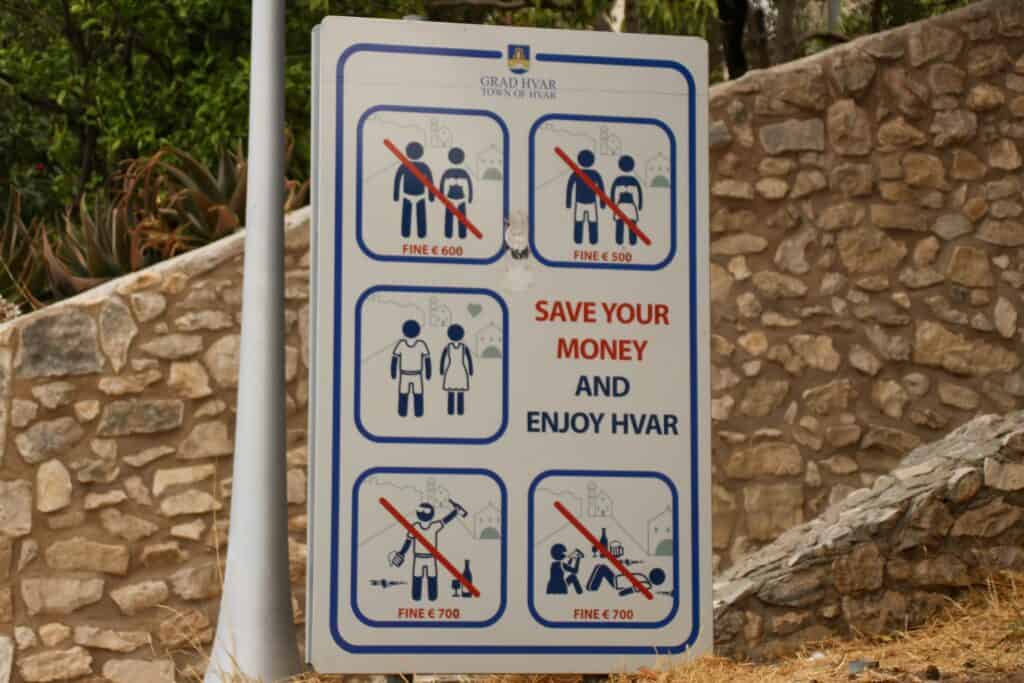
Every destination has a few overhyped stops, but the warning tone matters. When locals consistently say a place is overpriced, crowded, and not worth time, it is usually because they have watched quality drop as volume rose. The advice is not bitterness. It is pattern recognition, built on seeing the same scams, the same inflated menus, and the same scripted tours repeat year after year. Local warnings often come with better alternatives: a quieter neighborhood, a different beach, a viewpoint with less hassle, or a market that still serves residents. A destination that earns unanimous local eye rolls is rarely misunderstood. It is usually designed to extract money quickly, not to create lasting memory.
The “Cultural Show” Feels Like a Theme Park
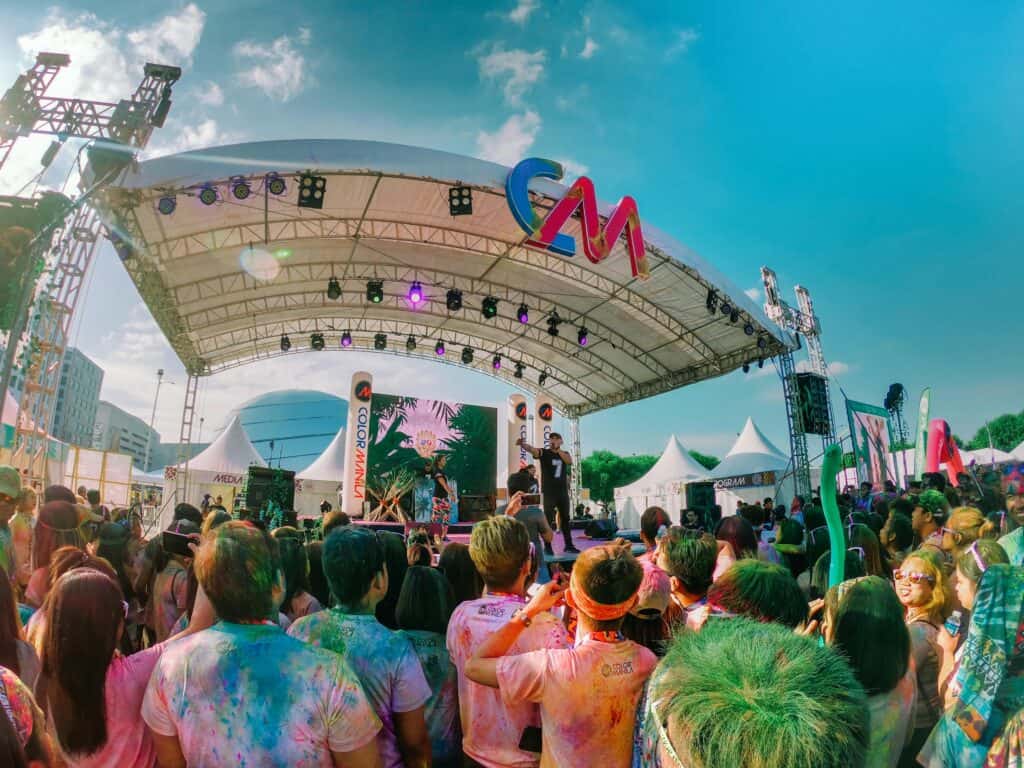
Culture is not supposed to feel like a choreographed sales funnel. Tourist traps often offer dance shows, “traditional villages,” or staged ceremonies where every moment is timed, narrated, and followed by a hard push to buy photos, crafts, or upgrades. The performers may be talented, but the setup can still feel hollow when it disconnects from real community life and turns heritage into a costume for cameras. The difference is context: authentic experiences have breathing room, messy edges, and audiences that include locals. Theme-park culture exists almost entirely for visitors, with simplified stories and inflated pricing. When the show ends with a shopping gauntlet, the business model is clear.
Getting There Is Easy, but Leaving Feels Like a Money Maze
Tourist traps often create friction on the way out. Shuttle buses come with confusing schedules, taxis quote inflated “fixed” rates, and the last kilometer becomes a corridor of paid parking, forced guides, and tickets that must be bought from specific booths. The goal is to trap visitors inside a controlled flow, where every step has a fee attached. Legit destinations can be busy, but they usually have clear signage, fair transport options, and predictable exit routes that do not punish people for trying to leave. When a location feels like it was designed to separate visitors from their time and money even after the photo is taken, it is no longer a simple day trip. It is a machine.
Other Blog Posts You Might Enjoy
www.idyllicpursuit.com (Article Sourced Website)
#Signs #Dream #Travel #Destination #Tourist #Trap #Idyllic #Pursuit