
We may earn money or products from the companies mentioned in this post. This means if you click on the link and purchase the item, I will receive a small commission at no extra cost to you … you’re just helping re-supply our family’s travel fund.
Traffic can quietly sabotage a trip by draining time, money, and energy. In some U.S. cities, congestion is no longer limited to rush hour and instead dominates entire days. Road designs built decades ago, rapid population growth, heavy tourism, and car-dependent lifestyles combine to create constant gridlock. For travelers trying to follow schedules or explore efficiently, these cities often feel exhausting rather than exciting. Below are ten U.S. cities where traffic congestion consistently ranks among the worst, making travel slower, costlier, and far more frustrating than expected.
1. Los Angeles, California
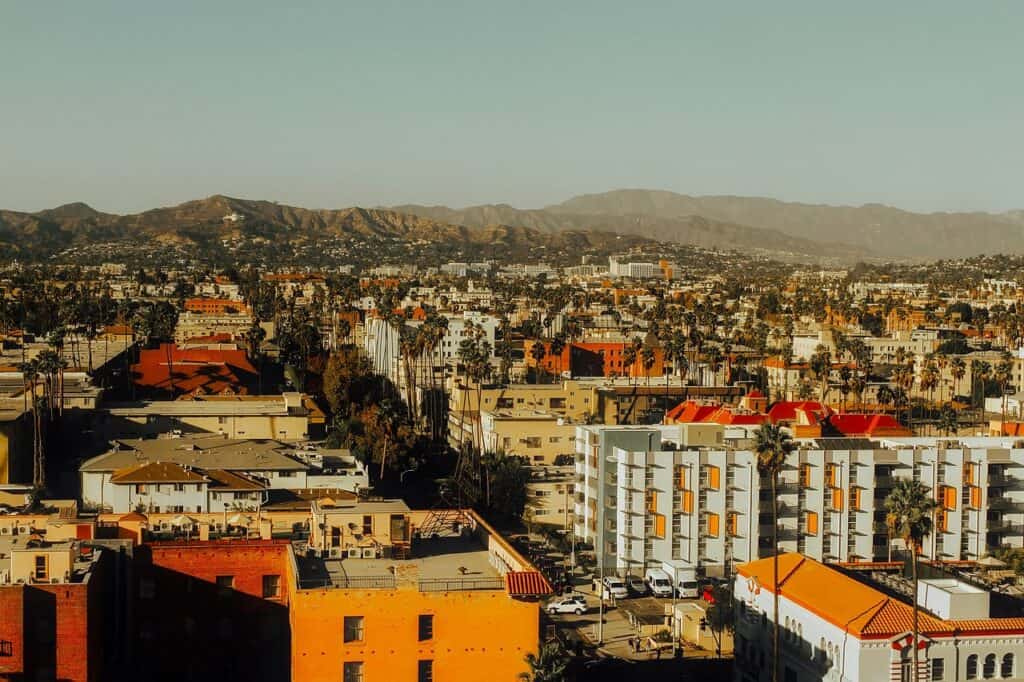
Los Angeles traffic is shaped by urban sprawl and heavy car reliance, making congestion unavoidable for visitors. Drivers lose nearly 95 hours per year in delays, with freeway speeds often dropping below 15 mph on I-405 and I-10. Attractions appear close on maps but require long travel times due to accidents and lane closures. Public transit covers limited tourist areas, pushing most visitors toward cars or ride-shares. Parking fees frequently exceed $30 per day, while fuel costs rise during long idling periods. Even late-night travel can feel congested, turning simple sightseeing into a time-consuming challenge.
2. New York City, New York

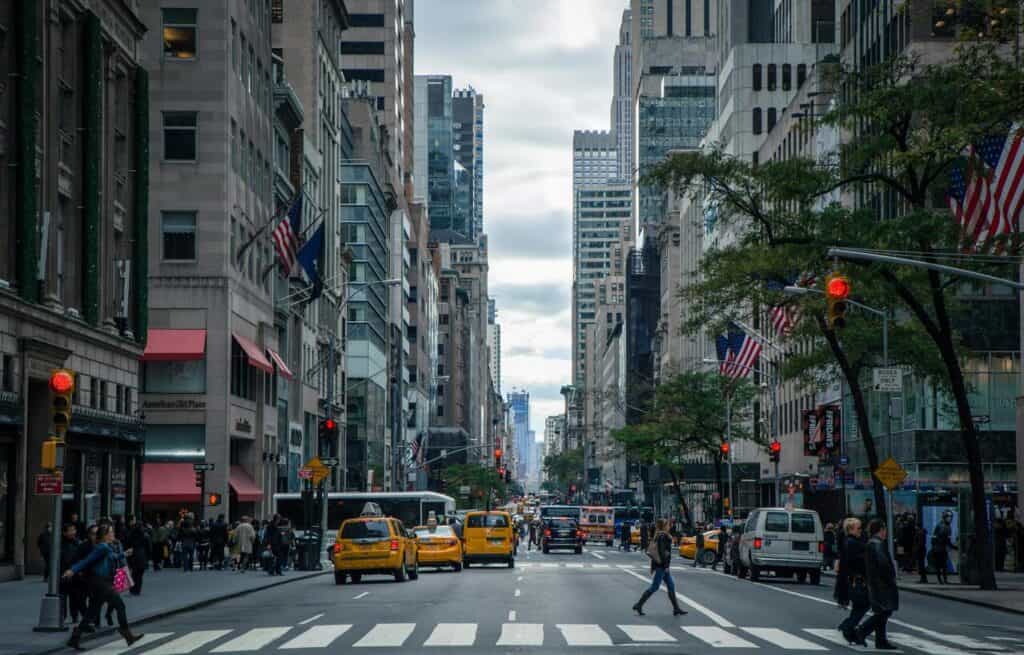
New York City has some of the slowest driving speeds in the U.S., averaging 7–9 mph in Manhattan. Drivers lose about 100 hours annually to congestion caused by dense traffic, delivery trucks, and constant construction. While the subway is efficient, surface travel by taxi or car is extremely slow. Visitors who drive face tolls over $15 per crossing and parking rates reaching $60 per day. Frequent road closures and aggressive traffic patterns add stress for unfamiliar drivers. Short distances can take unexpectedly long, disrupting tight travel schedules and plans.
3. Chicago, Illinois
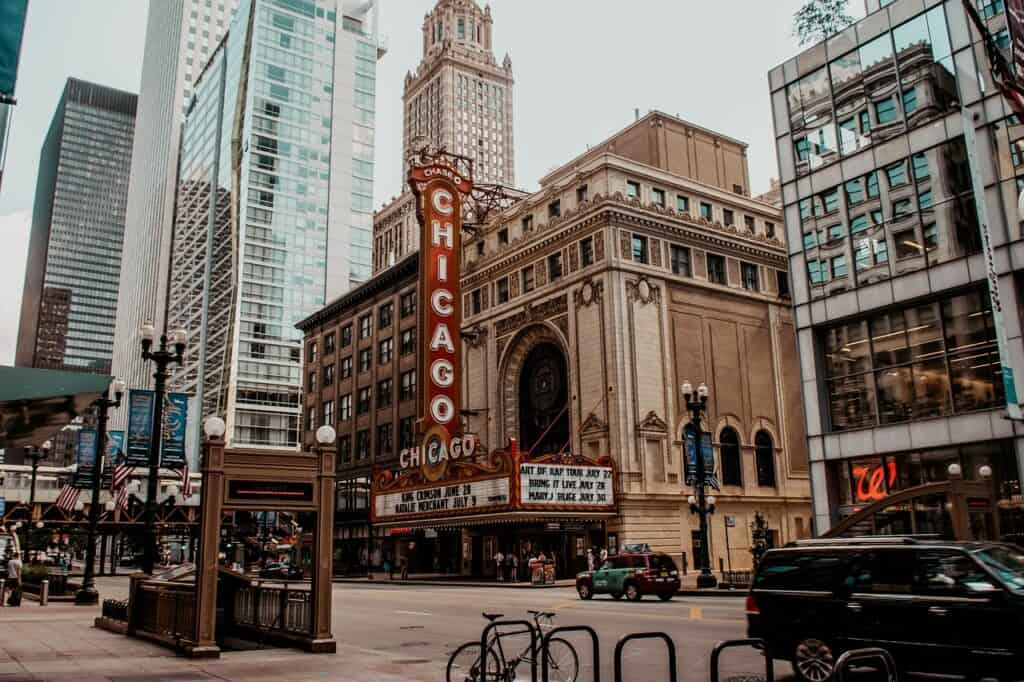
Chicago’s congestion stems from commuter traffic, seasonal tourism, and challenging winter conditions. Drivers lose roughly 85 hours per year in traffic, especially along I-90 and I-94. Snow and ice can reduce average speeds by 40 percent, even during off-peak hours. Downtown streets become packed during summer festivals and sporting events. Public transit delays are common during severe weather, limiting reliable alternatives. Visitors often find cross-city trips exceeding 45 minutes, even without accidents. Planning multiple stops in one day can feel unrealistic due to unpredictable delays.
4. San Francisco, California
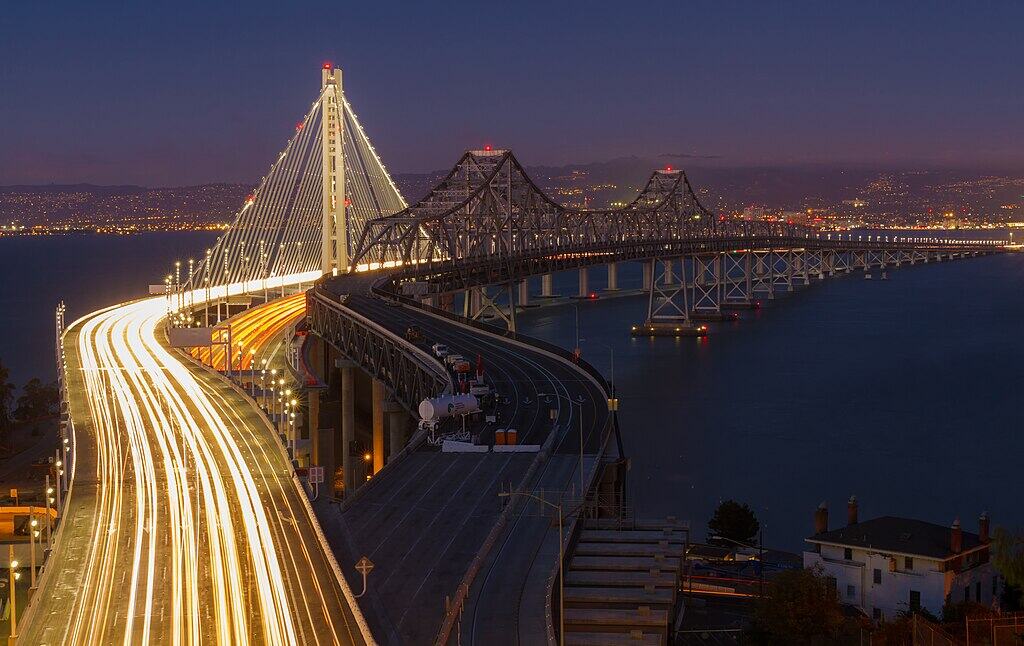
San Francisco’s compact size hides serious congestion problems caused by limited road space and heavy tourism. Drivers lose about 75 hours annually sitting in traffic, particularly near downtown and bridge approaches. Bay Bridge backups often stretch beyond 3 miles during peak times. Steep hills, cable car routes, and strict parking rules slow movement further. Ride-share surge pricing is frequent, sometimes doubling fares. Parking shortages force drivers to circle blocks repeatedly. For visitors, navigating the city can consume more time than sightseeing itself.
5. Atlanta, Georgia
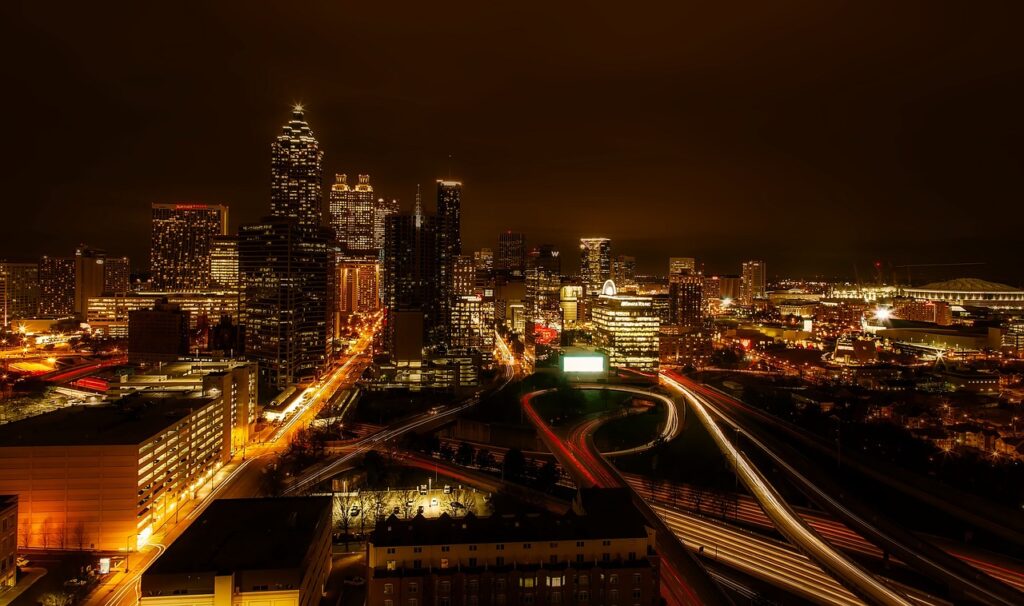
Atlanta regularly ranks among the most congested U.S. cities, with drivers losing nearly 95 hours per year. Highways I-75, I-85, and I-285 act as constant choke points where accidents can cause 60–90 minute delays. Limited public transportation leaves tourists dependent on cars. Rapid population growth has outpaced infrastructure upgrades, worsening daily gridlock. Even non-rush hours can slow suddenly without warning. Visitors often struggle to estimate travel times accurately, making dining reservations, events, and flights harder to manage.
6. Washington, D.C.
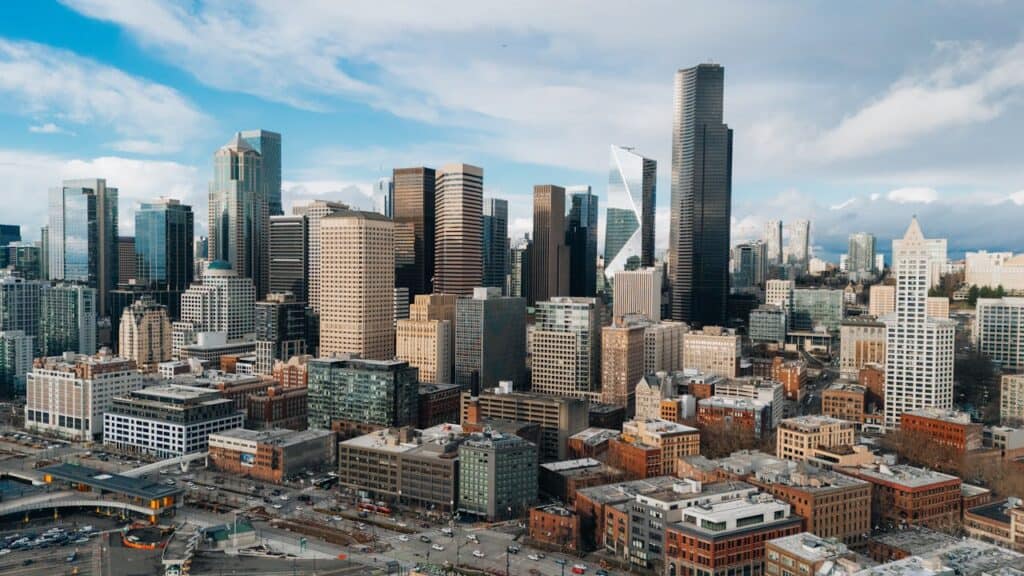
Washington, D.C. traffic is influenced by government operations, security closures, and commuter inflows. Drivers lose about 80 hours annually in congestion. Complex road layouts, traffic circles, and sudden street shutdowns near federal buildings confuse visitors. Central areas often drop below 10 mph during peak periods. While Metro access helps, many attractions still require surface travel. Weekend congestion near monuments rivals weekday rush hour. For travelers unfamiliar with the city, navigation errors can quickly turn short trips into lengthy detours.
7. Houston, Texas
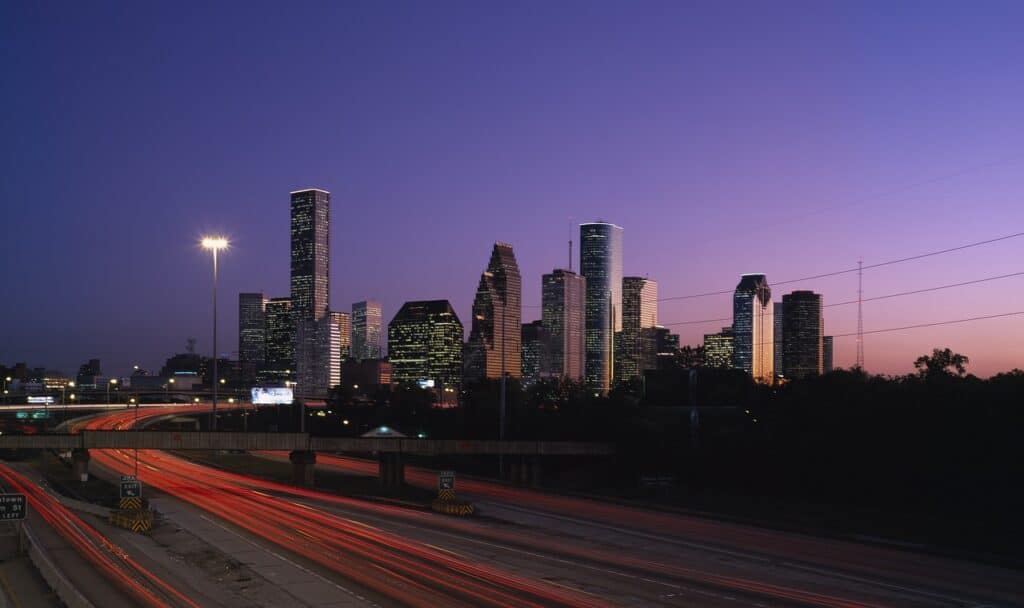
Houston’s vast size and car-centric planning contribute to heavy congestion despite wide highways. Drivers lose roughly 75 hours per year stuck in traffic, especially on I-45 and I-10. Construction projects frequently reduce lanes for months, causing long backups across 10-mile stretches. Public transportation coverage is limited, forcing visitors to drive long distances between attractions. Fuel costs increase as idling becomes unavoidable. Even with multiple lanes, traffic volumes overwhelm capacity, making travel slower than expected for first-time visitors.
8. Miami, Florida
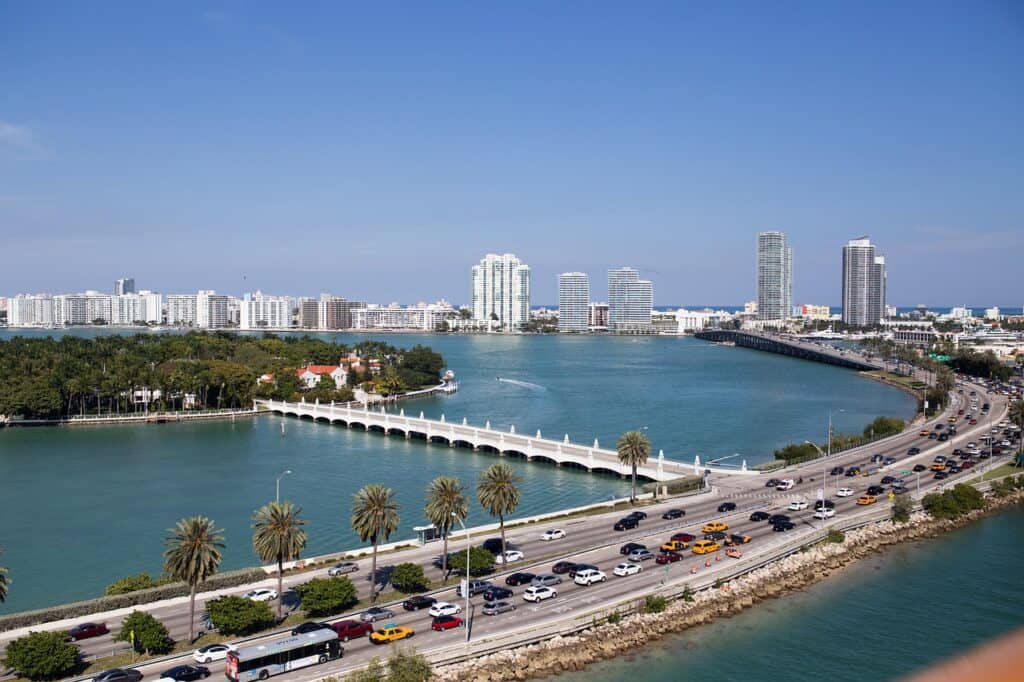
Miami’s congestion intensifies during tourist seasons, with drivers losing about 65 hours annually. Beach routes and downtown streets often slow below 12 mph, especially near cruise terminals. Aggressive driving contributes to higher accident rates, leading to sudden standstills. Limited parking near popular areas causes repeated circling, adding time and frustration. International visitors unfamiliar with local traffic patterns worsen congestion. Short drives between neighborhoods can stretch far longer than expected, making daily plans difficult to maintain.
9. Seattle, Washington
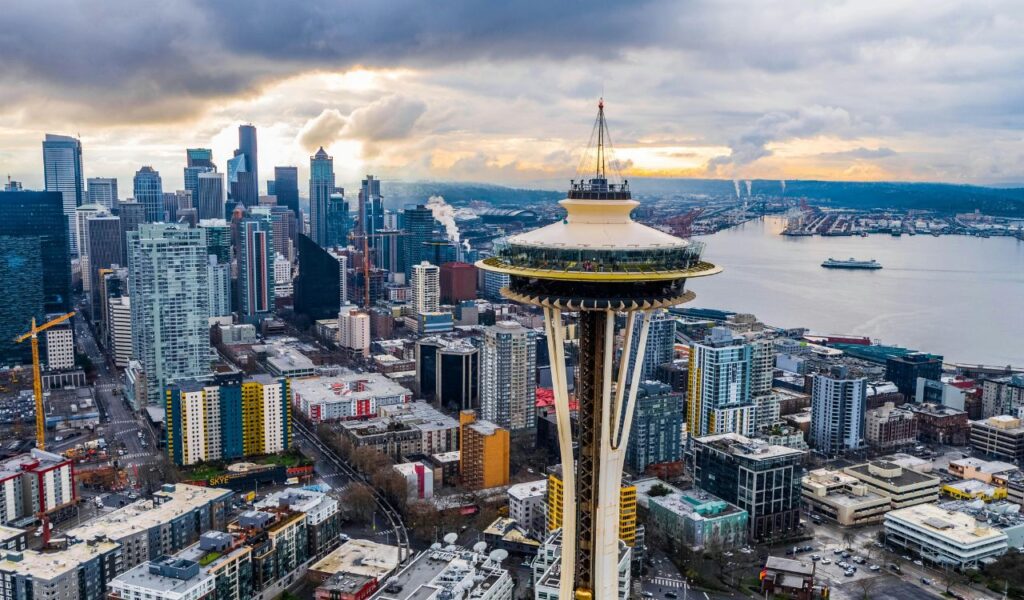
Seattle’s geography creates unavoidable bottlenecks, with water and bridges restricting road expansion. Drivers lose around 70 hours per year in congestion, mainly on I-5 and SR-520. Bridge openings and accidents can add 30–45 minutes to short trips. Rainy weather increases collision risks, slowing traffic further. Public transit options are improving but remain limited for tourists outside central zones. Congestion often begins by early afternoon, extending well into the evening hours.
10. Boston, Massachusetts
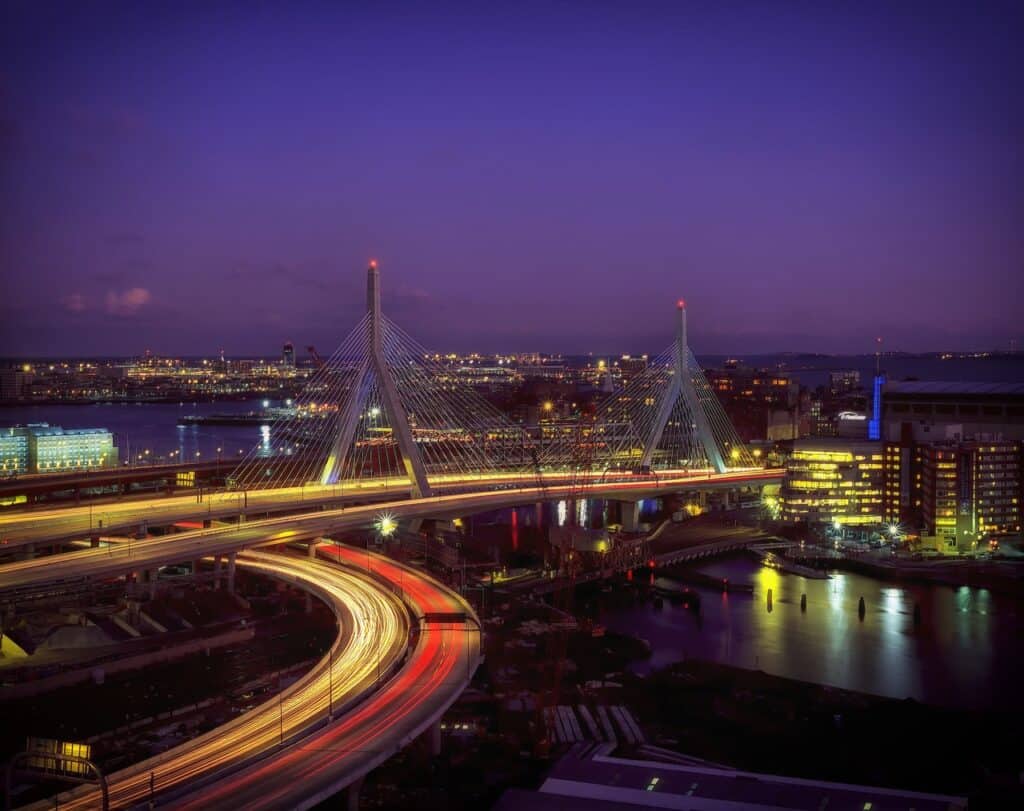
Boston’s historic street layout creates constant congestion challenges for modern traffic. Drivers lose nearly 80 hours annually navigating narrow roads and confusing intersections. Average speeds in central areas often fall below 9 mph. Ongoing construction regularly reduces lane access, while limited parking increases circling time. GPS directions can be unreliable due to sudden turns and one-way streets. Visitors unfamiliar with the layout often miss turns, turning short trips into long, stressful journeys.
Other Blog Posts You Might Enjoy
www.idyllicpursuit.com (Article Sourced Website)
#U.S #Cities #Avoid #Traveling #Due #Worst #Traffic #Congestion #Idyllic #Pursuit