
We may earn money or products from the companies mentioned in this post. This means if you click on the link and purchase the item, I will receive a small commission at no extra cost to you … you’re just helping re-supply our family’s travel fund.
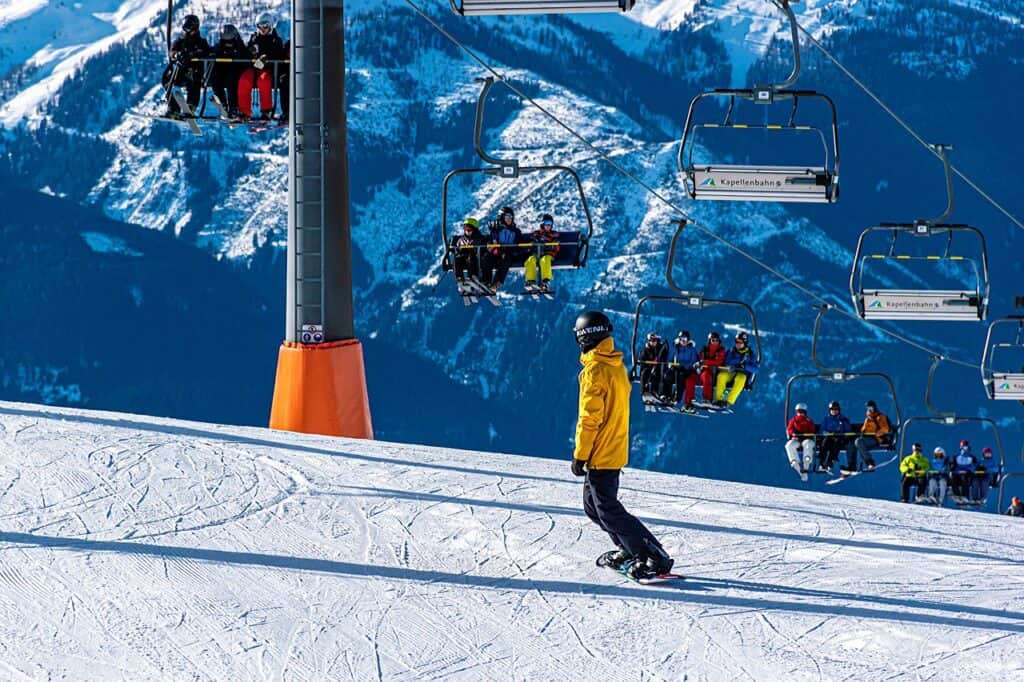
Solo travel in 2026 is no longer just about ticking destinations off a list; it’s about safety, connection, affordability, and freedom. With better digital infrastructure, improved public transport, and growing solo-friendly cultures, certain destinations stand out this year. The places below offer the right balance of independence and community, comfort and discovery. Each destination is evaluated through real-world factors such as daily costs, safety indexes, transit efficiency, and solo activities, making this list practical as well as inspiring. Whether you’re traveling for self-reflection, adventure, or cultural immersion, these destinations promise rich experiences without the stress of navigating alone.
1. Dublin, Ireland
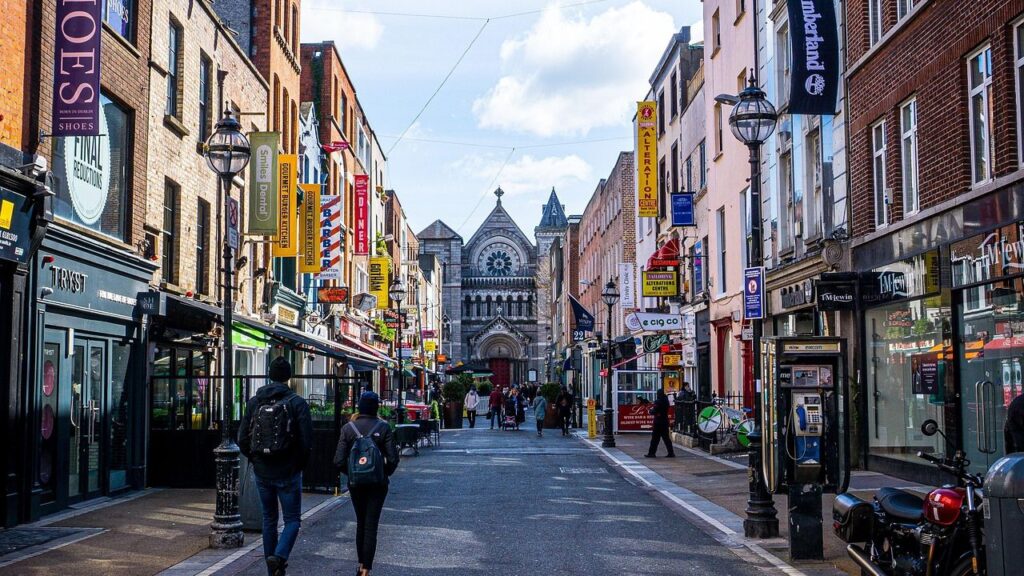
Dublin remains one of the most welcoming cities for solo travelers in 2026, blending compact geography with vibrant social life. The city spans just 115 square kilometers, making it easy to explore on foot, while public transport covers over 1.2 million daily rides. Solo visitors benefit from Ireland’s high safety index of 78.4 and English-speaking ease. Average daily travel costs sit around $145, including lodging and food. Dublin’s pub culture encourages conversation without pressure, and over 40 free museums and cultural spaces allow travelers to move at their own pace. The city also serves as a gateway to coastal villages and scenic rail routes within 90 minutes.
2. Kyoto, Japan
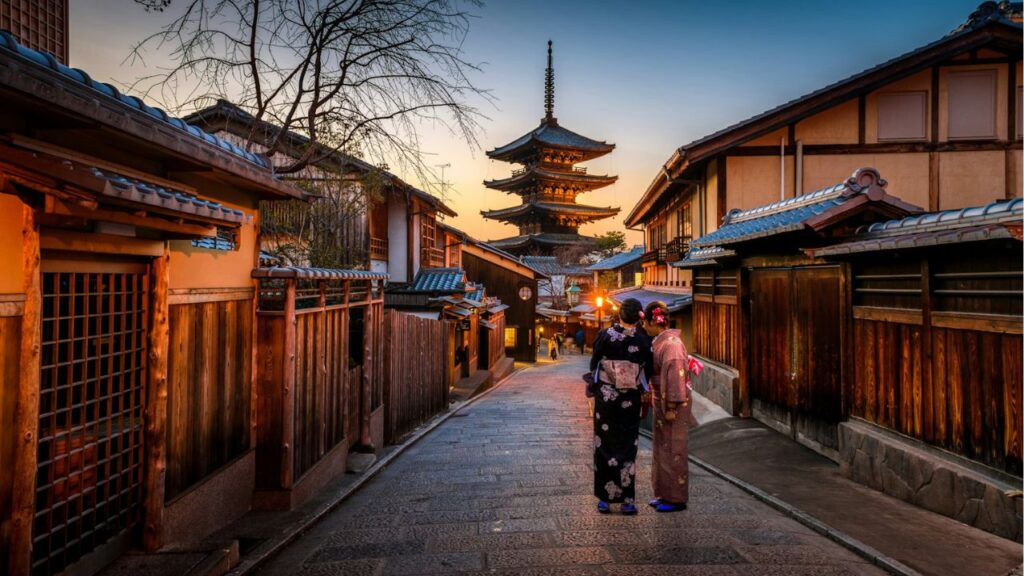
Kyoto offers solo travelers a rare sense of calm paired with deep cultural immersion. Home to over 1,600 temples and 400 shrines, the city rewards slow, intentional exploration. Japan’s solo dining culture makes eating alone normal and comfortable, while Kyoto’s crime rate remains among the lowest globally, with safety levels exceeding 85%. Daily travel expenses average $110, thanks to affordable transit passes and budget accommodations. The city’s rail and bus systems run with 99% punctuality, reducing stress for first-time visitors. Seasonal travel peaks are predictable, allowing solo travelers to plan quieter visits with ease and confidence.
3. Lisbon, Portugal
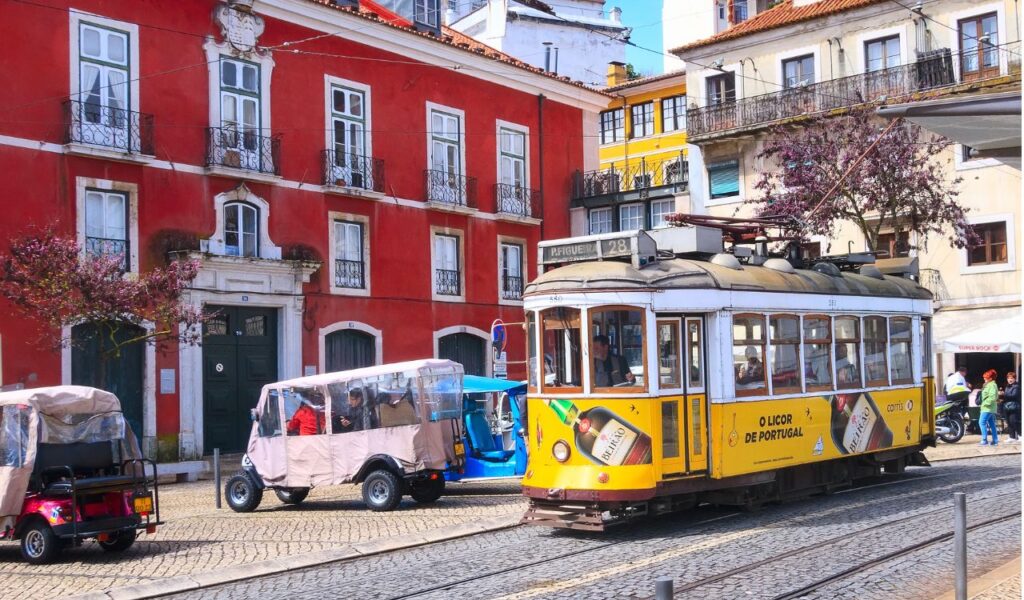
Lisbon is a standout for solo travelers seeking warmth, affordability, and community. The city enjoys over 280 sunny days annually and ranks high in walkability, with 70% of attractions reachable on foot or tram. Daily costs average $95, making it one of Western Europe’s best-value capitals. Portugal’s safety index of 82.1 reassures independent travelers, while Lisbon’s hostel and café culture makes meeting others effortless. Public transport fares remain low at under $2 per ride, and day trips to Sintra or Cascais take less than 45 minutes. The city’s relaxed pace suits solo travelers who prefer unhurried discovery.
4. Hanoi, Vietnam
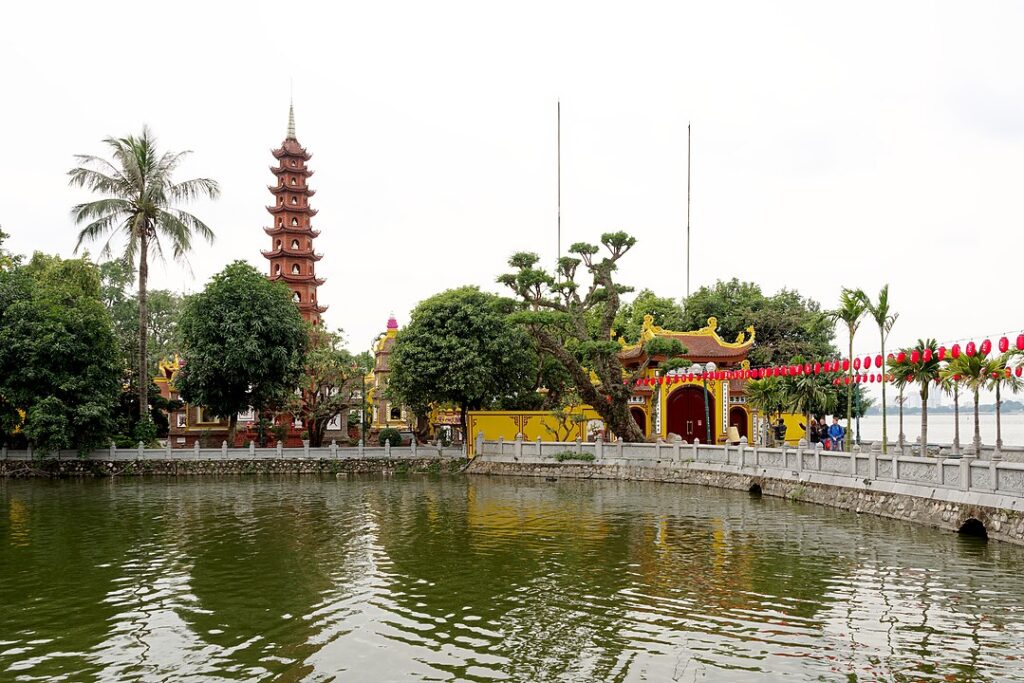
Hanoi continues to attract solo travelers with its affordability and cultural depth. Daily expenses average just $45, covering meals, accommodation, and local transport. The city’s street food culture supports solo dining, with meals costing under $2 in many districts. Hanoi’s population density creates constant activity, reducing feelings of isolation for solo visitors. Ride-hailing services operate citywide, keeping transport costs low and predictable. With over 600 historical sites and easy access to Ha Long Bay within 2.5 hours, Hanoi offers variety without complex planning. Vietnam’s improving tourism infrastructure makes navigation smoother than ever in 2026.
5. Berlin, Germany
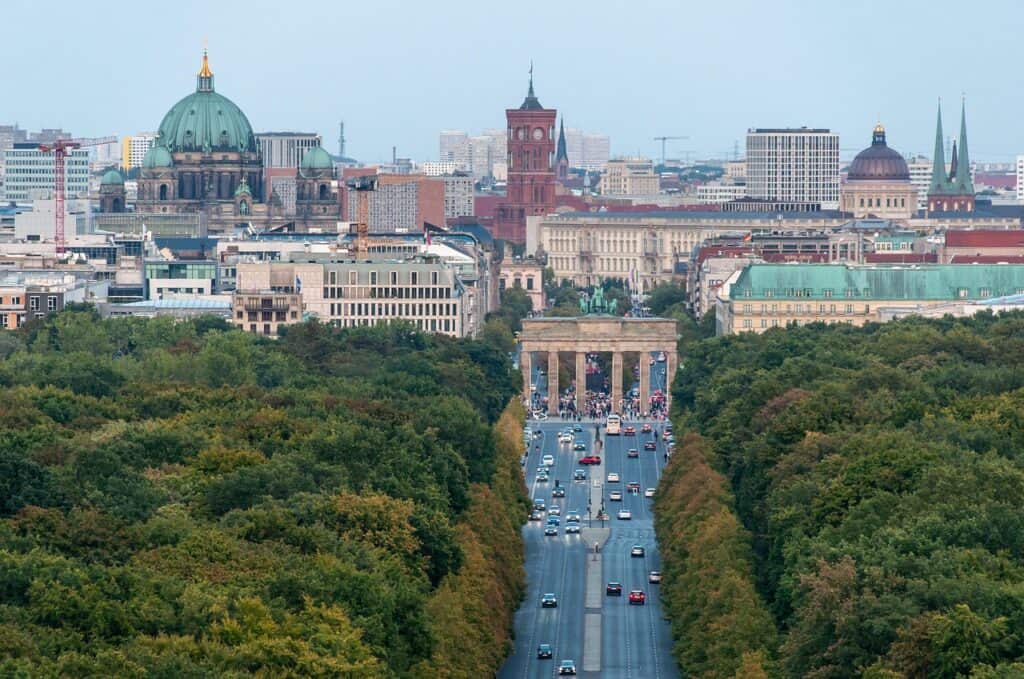
Berlin is ideal for solo travelers who enjoy independence, creativity, and structure. The city covers 891 square kilometers but remains easy to navigate due to its highly efficient transport system, which moves over 3.6 million passengers daily. Safety levels remain strong at 76%, and English is widely spoken. Average daily costs are around $120, balanced by free galleries, public parks, and historical landmarks. Berlin’s café culture supports long solo stays, while its diverse neighborhoods allow travelers to shape their own rhythm. The city’s thriving arts and music scenes provide natural opportunities to connect without forced interaction.
6. Reykjavik, Iceland
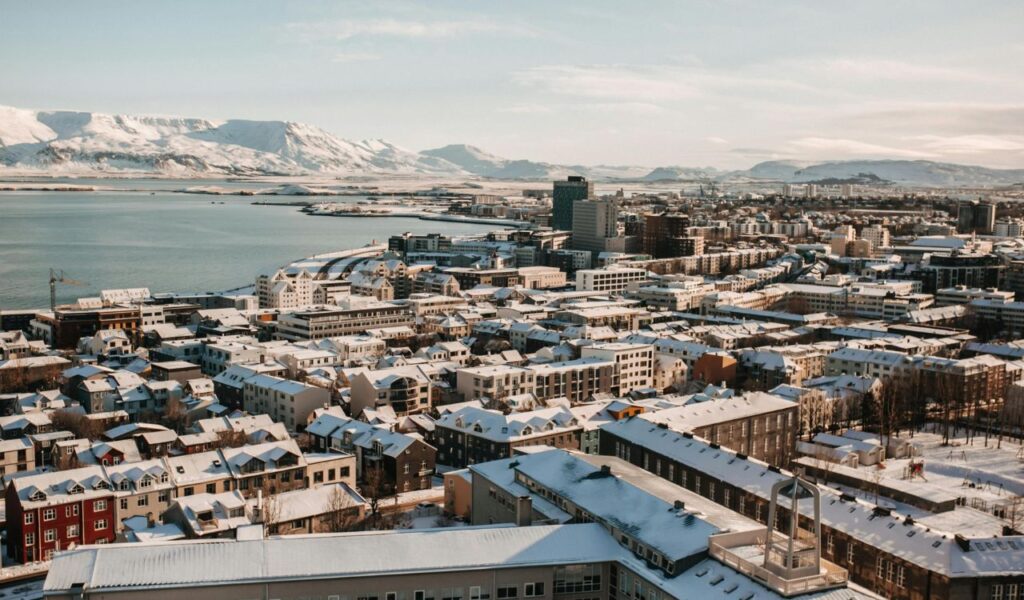
Reykjavik is a top choice for solo travelers prioritizing safety and nature. Iceland consistently ranks in the top three safest countries globally, with a crime rate below 1%. While daily costs average $160, solo travelers gain access to unmatched landscapes within short driving distances. Group tours departing directly from Reykjavik make exploring glaciers, volcanoes, and waterfalls manageable without companions. The city itself is compact, with most attractions within a 2-kilometer radius. Clear signage, English fluency, and digital payments everywhere reduce friction. For solo travelers seeking solitude without risk, Reykjavik delivers a rare balance.
7. Barcelona, Spain
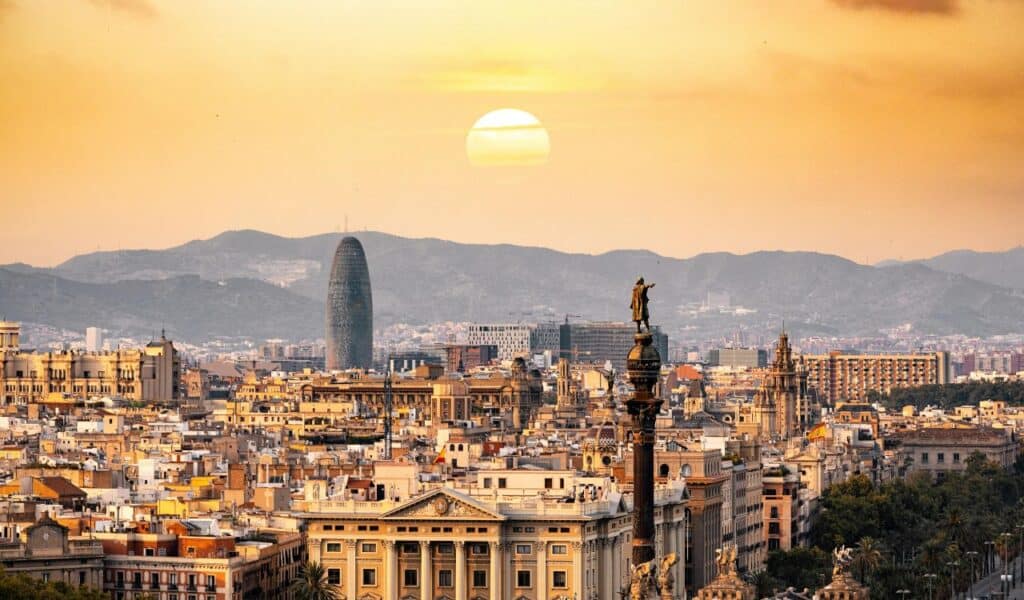
Barcelona blends social energy with solo-friendly design. The city welcomes over 30 million visitors annually yet remains navigable thanks to a metro system covering 170 kilometers. Average daily costs sit near $115, with affordable food markets and budget hotels widely available. Spain’s dining culture supports late meals and casual seating, easing solo dining discomfort. Barcelona’s safety index of 74% and well-lit public spaces make evening exploration comfortable. Beaches, architecture, and museums are evenly distributed, allowing flexible planning. The city’s blend of movement and relaxation suits solo travelers who enjoy structure with spontaneity.
8. Seoul, South Korea
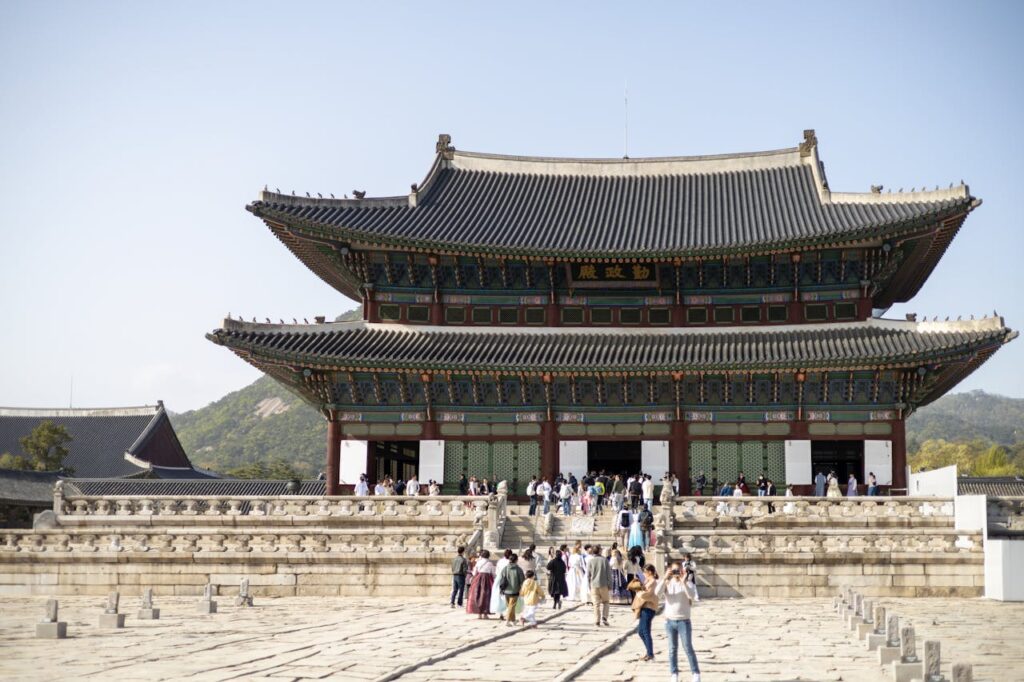
Seoul stands out in 2026 for tech-savvy solo travelers. The city offers citywide Wi-Fi coverage exceeding 98%, and public transport runs until midnight across most lines. Daily travel costs average $90, with solo accommodations and capsule hotels widely available. South Korea’s safety index of 83% reassures first-time visitors. Solo dining is normalized through individual barbecue setups and counter-style eateries. With over 10,000 cafes and extensive walking paths along the Han River, Seoul provides constant activity without pressure. Efficient signage in English ensures smooth navigation even during short stays.
9. New Zealand (South Island)
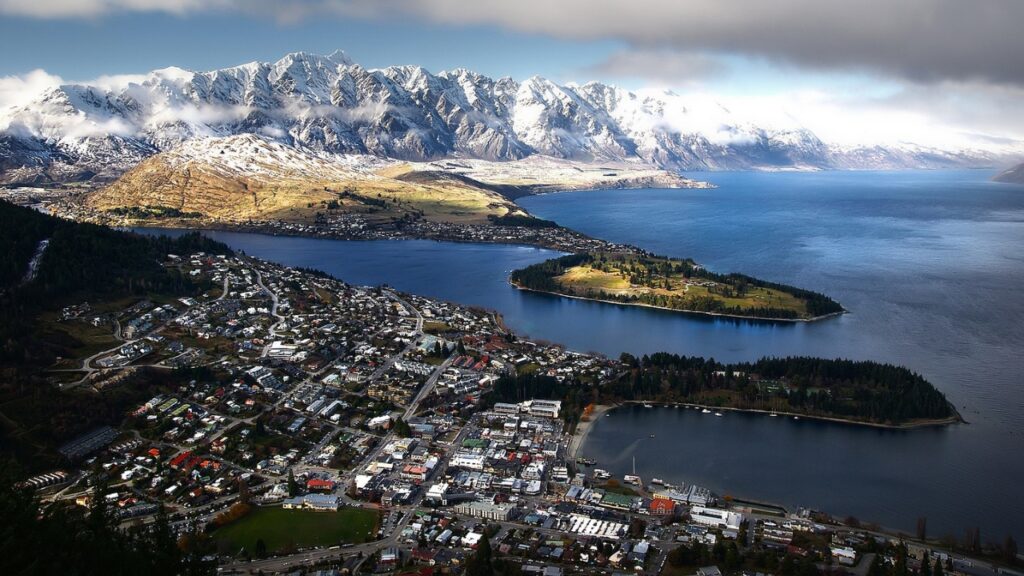
New Zealand’s South Island is a dream for solo travelers seeking open space and self-guided adventure. The region spans over 150,000 square kilometers yet maintains low population density, enhancing feelings of freedom. Safety levels remain high at 84%, and road infrastructure supports solo driving trips. Daily costs average $140, including fuel and lodging. Well-marked trails, solo-friendly hostels, and organized excursions reduce planning stress. Travel times between major sights rarely exceed 3–4 hours. For solo travelers craving reflection, nature, and independence, the South Island delivers unmatched clarity and scale.
10. Tallinn, Estonia
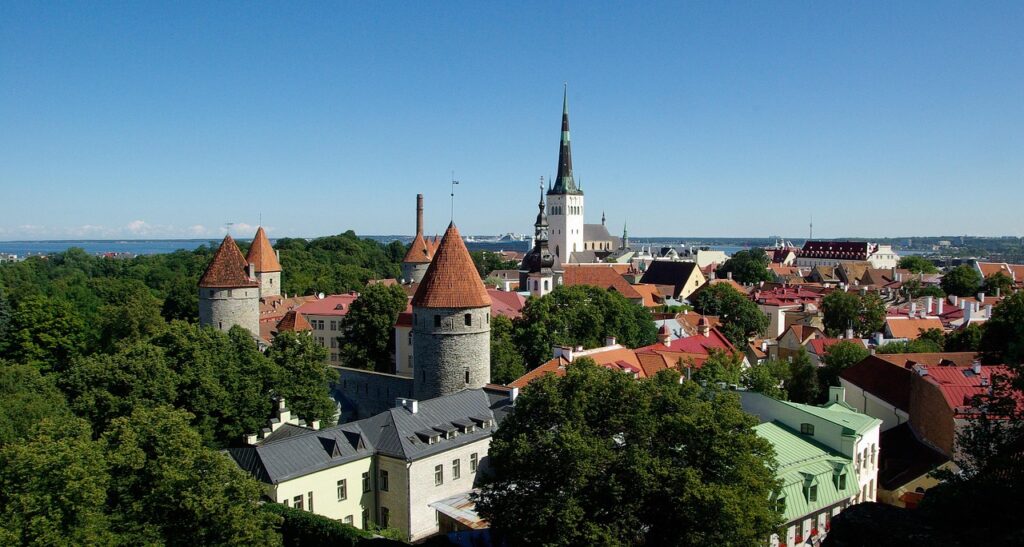
Tallinn is a rising star for solo travel in 2026, combining medieval charm with modern efficiency. The Old Town covers just 2.6 square kilometers, making it ideal for solo walking exploration. Estonia’s safety index stands at 81%, and digital infrastructure is among Europe’s best. Daily travel costs average $85, significantly lower than many European capitals. Public transport is free for residents and inexpensive for visitors. Cafes and coworking spaces encourage quiet productivity, appealing to solo digital travelers. Tallinn’s balance of history, affordability, and simplicity makes it an underrated yet rewarding destination.
Other Blog Posts You Might Enjoy
www.idyllicpursuit.com (Article Sourced Website)
#Solo #Travellers #Reveal #Places #Visit #Idyllic #Pursuit