
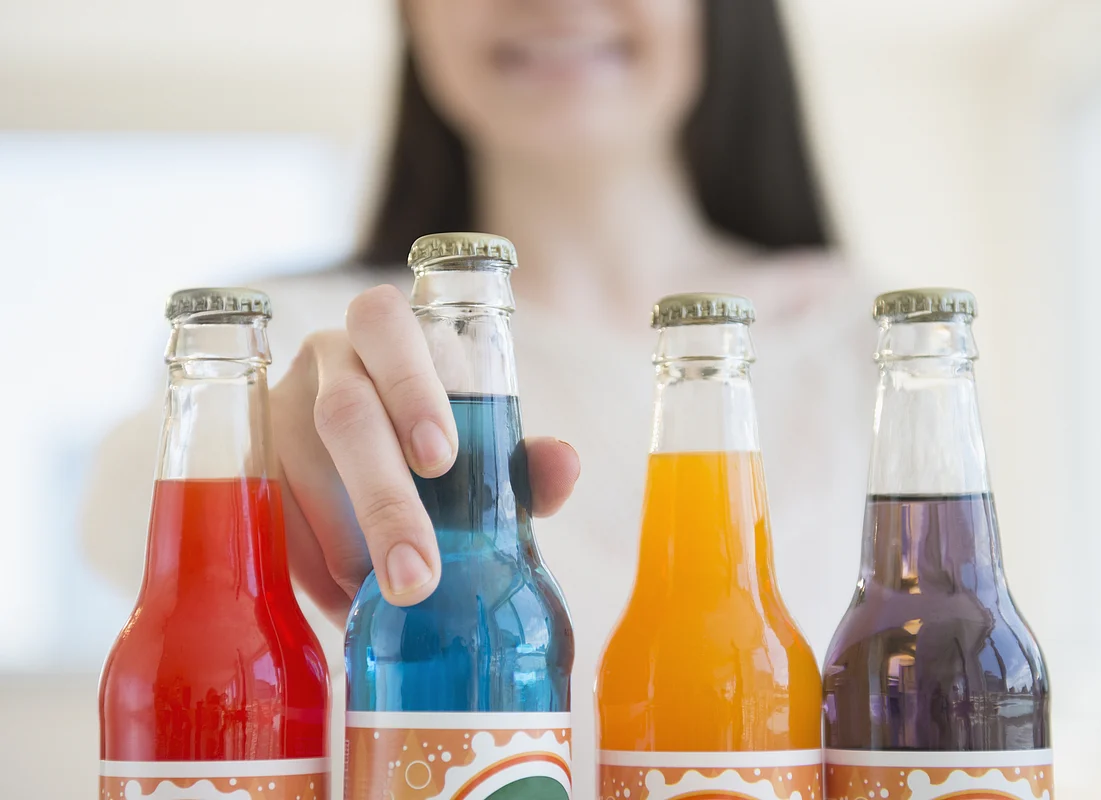
Drinks containing higher sugar levels have seen a drop in sales following the introduction of a new excise tax policy whereby consumers will have to shell out more for drinks and juices containing more sugar, say retailers.
“Since the new excise tax came into effect, customers have noticed higher prices on drinks that contain more sugar. This has influenced buying decisions at supermarkets. At the same time, many beverage brands have started reducing sugar levels or launching healthier options to adjust to the new tax system,” said Dr Dhananjay Datar, chairman and managing director of Adil Group of Supermarkets.
He added that demand for high-sugar drinks has reduced, and increased for drinks containing low- or zero-sugar drinks due to affordability factors as well.
“We are clearly seeing this change at the retail level. Sales of drinks with high sugar content have slowed down, while low-sugar and zero-sugar drinks are becoming more popular. Price changes, along with better awareness, are encouraging shoppers to choose healthier alternatives,” said Dr Datar.

Starting January 1, 2026, the UAE’s Federal Tax Authority (FTA) implemented a “tiered-volumetric model”, which means the excise tax will be calculated based on the total content of sugar (natural sugar, added sugar, and artificial sweeteners or other sweeteners) in a sweetened drink, where it contains added sugar or other sweeteners (such as honey).
This applies whether the product is ready to drink or in the form of concentrates, powders, gels, extracts, or any other form that can be converted into a sweetened drink. However, if a beverage contains only natural sugar, with no added sugar or other sweeteners, excise tax will not be applied.
Brands to focus on healthier products
Dr Datar noted that the UAE consumers are becoming more health-conscious and paying closer attention to what they consume, especially when it comes to sugar. “Many families now prefer drinks with less or no added sugar, and this trend is steadily growing across all age groups.”
He revealed that the new law will encourage companies to offer more products containing less sugar due to rising demand.
“This new tax is a positive step towards promoting healthier lifestyles. It not only helps reduce excessive sugar consumption but also encourages brands to offer better and healthier choices. In the long run, this benefits both consumers and the overall health of the community.”
Echoing Dr Datar’s comments, the spokesperson of a top UAE retailer with presence across the GCC region said the new tax rule has resulted in higher prices for drinks with high sugar content, while low-sugar and zero-sugar drinks have seen little or no impact.
“We expect demand for high-sugar drinks to ease, while low and zero-sugar options should see better demand. Consumers in the UAE are becoming more health-conscious and are choosing drinks with less or no sugar. The tax will encourage brands to bring in more low-sugar options, giving consumers healthier choices,” he said, asking not to be named.
Tom Harvey, general manager for commercial at Spinneys Dubai, said the new system is “a far more progressive and logical way to tax products to encourage healthier behaviours by making those drinks that have less sugar, and especially those who got no sugar, much, much more affordable for consumers.”
While speaking at the Dubai Eye radio station’s Business Breakfast programme, he added that consumers should be paying less for the drink now as the excise tax was 50 per cent across the board, but under the new law, drinks with less sugar will have a lower price.
How will it be calculated?
Most sweetened drinks were taxed at a flat 50 per cent until the end of 2025. Under the new system, the tax will depend on how much sugar is in the drink, making it a more health-driven model rather than a price-driven one.
Here is how it will be calculated:
Zero tax on products containing less than five grams of added sugar per 100ml
Dh0.79 per litre tax on drinks containing five to eight grams of added sugar per 100ml
Dh1.09 per litre tax on eight grams or more added sugar per 100ml
Zero tax on drinks with only artificial sweeteners (and no added sugar
Zero tax on drinks with only natural sugars
“This change is expected to encourage manufacturers to reduce added sugar and reformulate products to fall into lower-tax categories. For shoppers, it may influence shelf prices – especially for drinks with high sugar content and for concentrates used to make beverages,” said Anurag Chaturvedi, CEO of Andersen UAE.
Citing an example, he said, a drink with a retail price of Dh10 contains six grams of sugar per 100ml and will have Dh0.79 excise tax now, compared to Dh5 previously.
“The sweetened drinks excise rules also apply to concentrates, syrups, powders and similar products, based on the final prepared volume of the drink, i.e., how many litres of ready-to-drink servings the product produces after mixing/dilution,” he added.
For manufacturers, importers and distributors, he said, the change is not only about pricing, but it also comes with practical compliance steps. “Businesses will need to confirm which sugar tier applies to each product, and that usually means obtaining sugar testing lab reports from certified laboratories to support the declared sugar content. This becomes important not just for pricing, but also to avoid products being treated as higher-sugar by default during audits or reviews.”
He noted companies will also need to review and update product registrations under the excise framework so that the correct category, sugar level and supporting documentation are reflected in the system. “On top of that, businesses should strengthen internal record-keeping, align ingredient information, labels, import documentation and stock records, so excise calculations are consistent and defensible,” he concluded.

www.khaleejtimes.com (Article Sourced Website)
#UAE #sugar #tax #impact #Price #hike #leads #consumers #choose #healthier #options