
The Indian automotive landscape has evolved as rapidly, in recent times. Once driven largely by price sensitivity, the automobile market is now being shaped by safety, awareness, sustainability, and feature expectations.
By 2026, several trends that began as experiments or niche offerings will firmly establish themselves as mainstream realities. Automakers are aligning their product strategies to meet an informed and demanding customer base, while policymakers and infrastructure development continue to influence the direction of mobility.
Here are the five trends that offer a clear snapshot of how India’s car market will look and feel in 2026.
EVs go mainstream
By 2026, electric vehicles in India will no longer sit on the fringes. The most significant development in this space will be Maruti Suzuki’s full-scale entry into EVs with the e VITARA, its first all-electric offering. Positioned as an affordable and practical electric SUV, e VITARA is expected to combine sharp styling with a claimed driving range of up to 543 kilometres. More importantly, it will leverage Maruti’s expansive service footprint and charging network, addressing long-standing concerns around EV ownership.
Hyundai is also expected to strengthen its EV presence with a smaller, mass-market electric car aimed at urban buyers, while Tata Motors and Mahindra will continue to expand their EV portfolios in the mid-size SUV space. Tata’s steady approach and Mahindra’s focus on performance ensure a broader spread of options across price points in the EV segment.
What sets 2026 apart is accessibility. EVs will increasingly be positioned as primary household vehicles rather than secondary city commuters. Improved charging infrastructure, better real-world range, and growing consumer confidence will push electric mobility closer to the mainstream than ever before, marking a decisive shift in buying behaviour.
Wanted mid-size SUVs
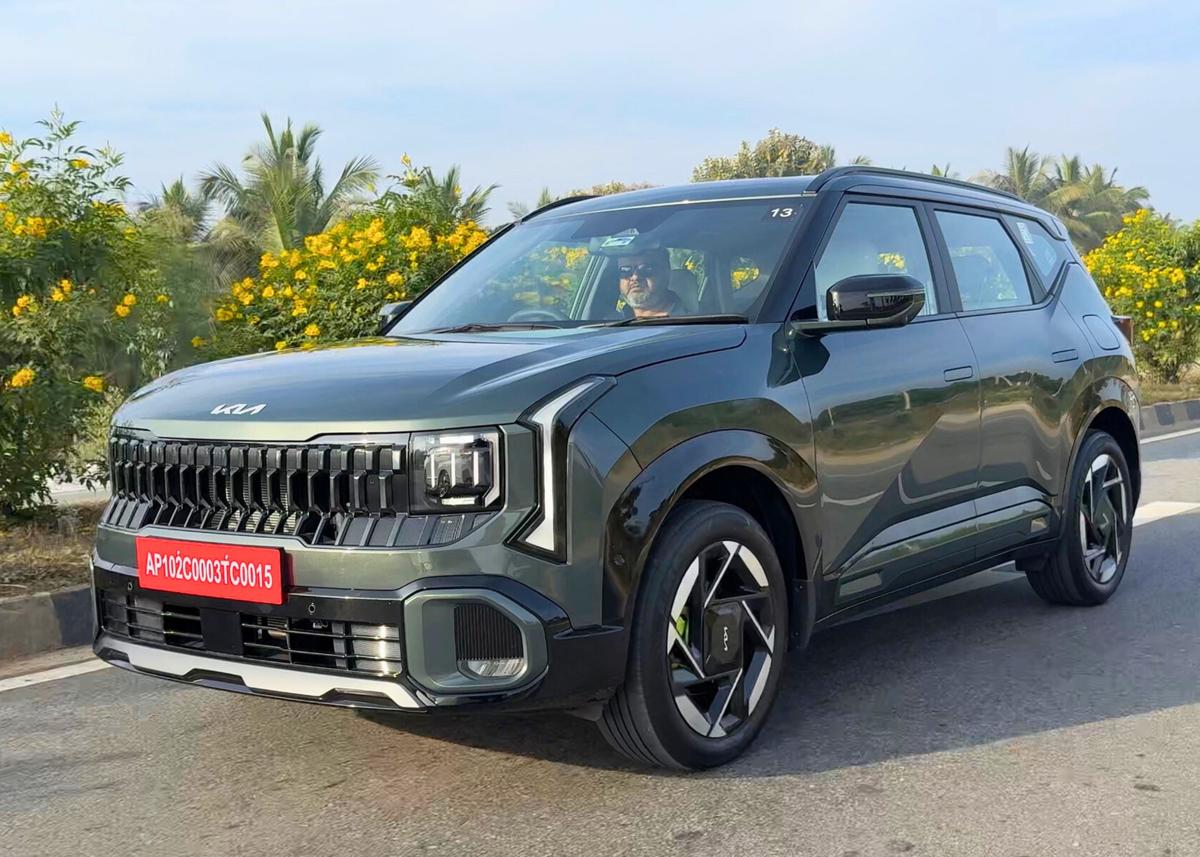
Kia Seltos
| Photo Credit:
SPECIAL ARRANGEMENT
The rise of mid-size SUVs has been one of the defining automotive stories of the past few years, and by 2026, this segment is expected to officially dominate Indian car sales. Tata, Mahindra, and Kia are all heavily invested here, recognising it as the most profitable and fastest-growing category in the market.
Tata has already relaunched Sierra, which is expected to reach showrooms in 2026, while Kia is working on the next-generation Seltos, a model that has consistently set benchmarks in design and features. Mahindra, meanwhile, could expand its SUV lineup further, starting the year with the XUV 7XO, a three-row SUV designed to offer space and presence.
The appeal of mid-size SUVs lies in their versatility. They offer strong road presence, generous interior space, and increasingly premium features, while remaining usable in everyday urban conditions. For many buyers, this segment represents the perfect upgrade from hatchbacks and compact SUVs, ensuring sustained demand well into 2026 and beyond.
Bio-fuels gain momentum
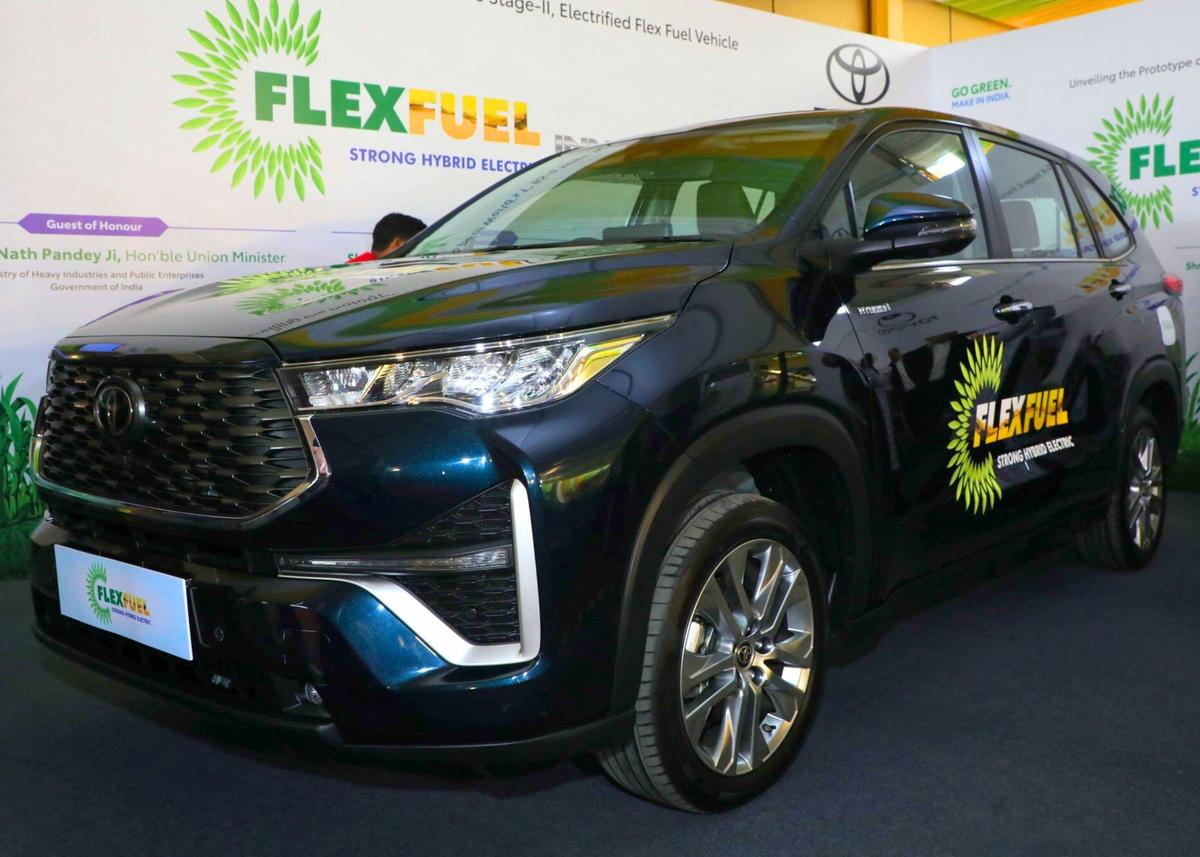
Bio-Fuel
| Photo Credit:
SPECIAL ARRANGEMENT
While electrification continues to gather pace, 2026 will also see increased momentum behind bio-fuels as India pursues multiple pathways towards cleaner mobility. With E20 petrol already widely available, discussions around introducing E27 blends signal the government’s intent to push ethanol adoption further.
Diesel, however, is expected to see a gradual shift in its role, particularly in metro cities where environmental regulations are becoming stricter. At the same time, an ethanol-blended diesel is likely to be introduced, offering a cleaner alternative while retaining the efficiency benefits diesel users value. India is currently looking at a 5% ethanol blend diesel that will be compatible with BS6 diesel engines.
For manufacturers, this transition requires recalibrated engines capable of handling higher ethanol content without compromising performance or durability. For consumers, bio-fuels offer a familiar and relatively seamless route towards lower emissions, especially in regions where EV infrastructure may take time to develop. In 2026, bio-fuels will act as an important bridge — supporting India’s sustainability goals without forcing an abrupt departure from internal combustion engines.
Make way for ADAS
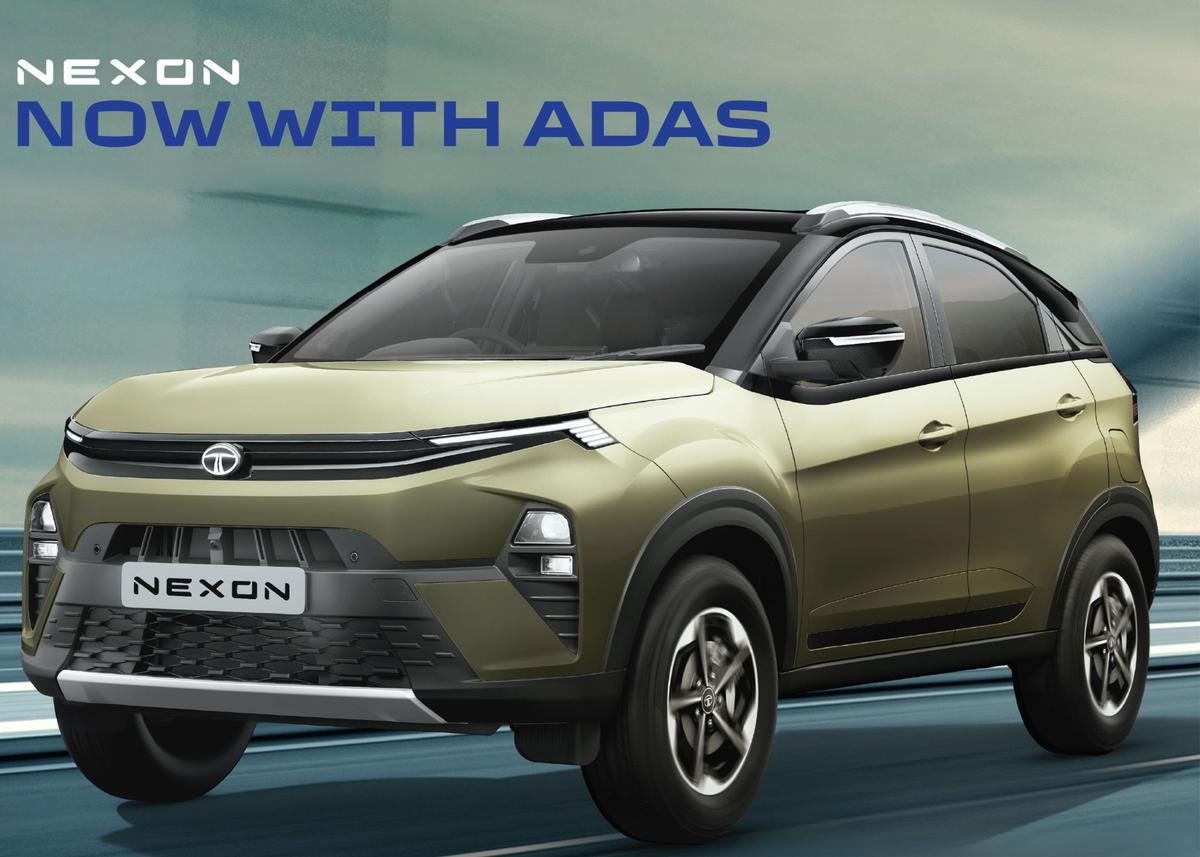
ADAS (Advanced Driver Assistance Systems) features are steadily gaining acceptance among Indian buyers
| Photo Credit:
SPECIAL ARRANGEMENT
By 2026, advanced safety will no longer be seen as luxury. ADAS (Advanced Driver Assistance Systems) features are steadily gaining acceptance among Indian buyers, and manufacturers are responding by making them widely available. Honda has already set a precedent by offering ADAS on the Amaze, making it one of the most affordable cars in the country with this technology.
As awareness grows, features such as adaptive cruise control, lane-keeping assist, and autonomous emergency braking are becoming genuine purchase considerations rather than novelty additions. Several manufacturers are working towards offering Level 2 ADAS either as standard or across more variants, especially in the mid-size SUV and premium hatchback segments.
By 2026, ADAS is expected to be viewed not as a differentiator, but as an expected feature — reshaping how safety is integrated into mainstream vehicles.
Car power
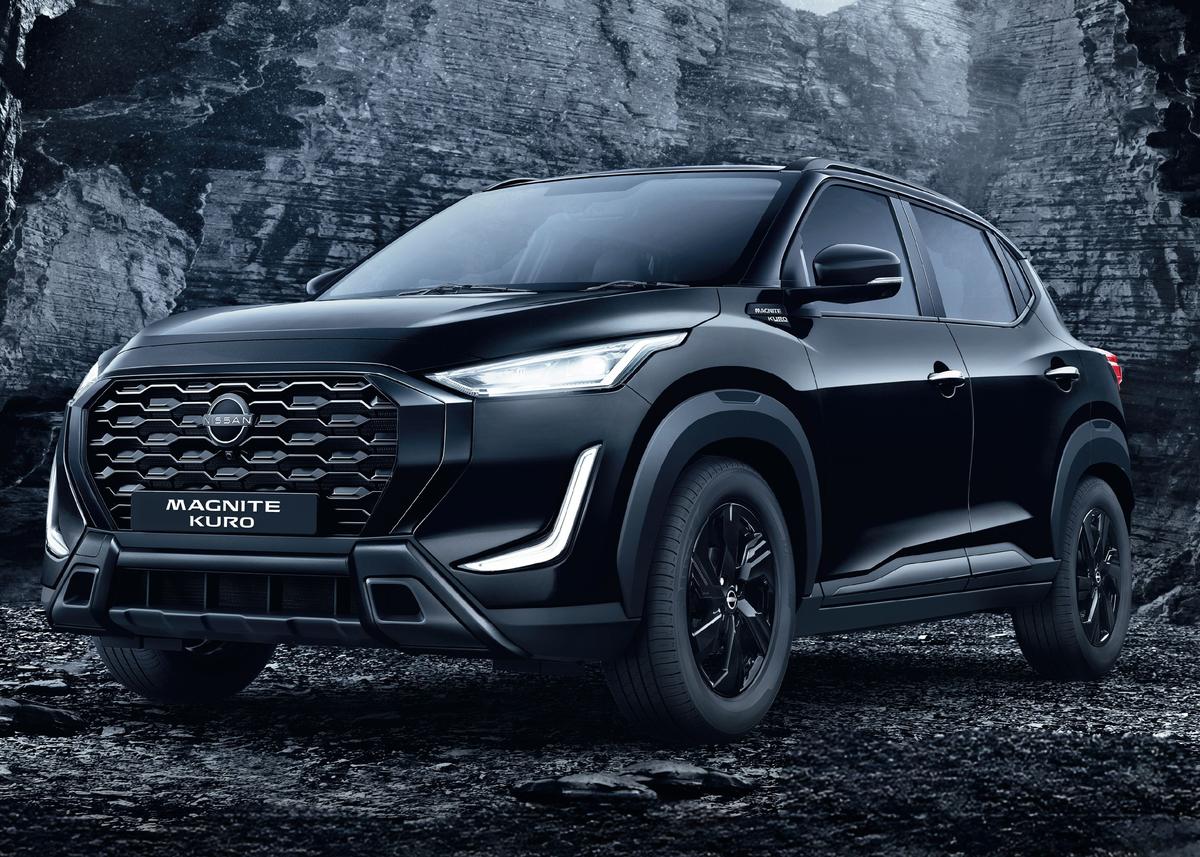
Feature-rich vehicles are emerging as the new starting point for car ownership
| Photo Credit:
SPECIAL ARRNGEMENT
One of the most telling changes in 2026 will be the gradual disappearance of the traditional “cheap car”. Stricter safety regulations, rising material costs, and changing customer priorities are redefining what entry-level mobility means in India. Buyers are increasingly unwilling to compromise on essentials such as airbags, electronic stability control, and structural safety.
As a result, bare-bone variants are steadily losing relevance. Feature-rich vehicles are emerging as the new starting point for car ownership. Models like the Tata Punch, Renault Kiger, and Nissan Magnite are well positioned to benefit, offering SUV-like design, improved safety, and modern features at accessible price points.
Taken together, these trends point to a clear shift in the Indian automotive market by 2026 — one that is less about chasing the lowest price and more about delivering meaningful value. Electrification is becoming accessible rather than aspirational, SUVs are evolving into the default body style for Indian families, and alternative fuels are ensuring that sustainability is not limited to EVs alone. At the same time, safety and technology are no longer optional extras, but core expectations across segments.
Perhaps the most significant trend is the change in the mindset of the buyer. Indian consumers are more informed, more demanding, and far more conscious of long-term ownership than ever before.
Motorscribes, in association with The Hindu, brings you the latest in cars and bikes. Follow them on Instagram on @motorscribes
www.thehindu.com (Article Sourced Website)
#auto #trends #redefine #Indian #car #market