
We may earn money or products from the companies mentioned in this post. This means if you click on the link and purchase the item, I will receive a small commission at no extra cost to you … you’re just helping re-supply our family’s travel fund.

Even in 2026, many American travelers still shape their decisions around outdated beliefs, social media exaggerations, and myths passed down for years. Travel today is more data-driven, flexible, and traveler-friendly than ever before, yet misconceptions linger and often lead to stress, unnecessary spending, or poor planning. By separating facts from fiction, understanding modern statistics, and knowing what truly works, travelers can save hundreds of dollars, avoid disappointment, and enjoy smarter, safer, and more meaningful trips anywhere in the world.
1. Booking Flights Extremely Early Always Guarantees the Cheapest Fare

Many Americans still believe flights are cheapest if booked ridiculously early, but data from multiple travel trackers in 2026 shows otherwise. For most U.S. domestic routes, the best price window sits roughly between 21 and 90 days, while international fares average their lowest between 60 and 180 days. Prices fluctuate daily, sometimes changing more than 15 times before departure, meaning timing and alerts matter more than extreme advance booking. Using price-tracking tools and being flexible with dates statistically saves between 12% and 28% on average, making informed patience far more effective than panic booking.
2. Airplane Air Is Dirty and Guaranteed to Make You Sick
A common belief is that airplane cabins are floating germs, but modern aircraft use advanced HEPA filtration that removes 99.97% of airborne particles, refreshing air every 2 to 3 minutes. Illness risk mainly comes from close-contact surfaces, not the air itself. Statistics show surface-transmitted sickness probability rises when travelers touch tray tables, seatbelts, and screens, which are handled by thousands daily. Carrying sanitizers, wiping your space for 30 seconds, and washing hands reduces exposure significantly. Air quality onboard is often cleaner than many buildings, making smart hygiene rather than fear the true safety strategy.
3. Travel Is Only for the Rich and Always Costs a Fortune

The myth that meaningful travel is only for wealthy people still lingers, but modern travel economics prove otherwise. Budget airlines in 2026 operate with fares sometimes 40% cheaper than a decade ago, and many destinations offer competitive hotel rates starting under $60 per night. Off-season trips can reduce costs by 35–50%, while rail passes, city cards, free museum days, and public transport massively cut spending. Average travelers who plan flexibly save around $700 per trip compared to rigid planners. With countless discount platforms and cashback systems, affordability depends more on strategy than income.
4. Solo Travel Is Inherently Dangerous and Should Be Avoided
Many Americans still assume traveling alone equals danger, yet global safety indices show otherwise. Over 60% of solo travelers worldwide in 2026 are women, and millions safely explore every year with normal precautions. Crime risks largely mirror major U.S. city statistics, meaning awareness and preparation matter more than fear. Using maps, sharing itineraries, staying in rated accommodations, and avoiding unsafe zones after midnight drastically lowers risk. Emergency services, smart-tracking features, and multilingual assistance apps strengthen safety further. Solo travel today is less about risk and more about confidence, planning, and informed awareness.
5. Everyone Abroad Speaks English Well Enough to Manage Everything
While English is widely spoken, assuming fluency everywhere still causes misunderstandings and frustration. Only about 20% of the world speaks English, and proficiency varies greatly between regions and age groups. In rural areas, the percentage drops dramatically, sometimes below 8%. Travelers who learn 10 to 20 basic local phrases statistically experience better hospitality, smoother service, and fewer miscommunications. Translation apps, offline language packs, and digital phrasebooks bridge gaps quickly. Respectful effort improves interactions significantly and often results in more authentic experiences, proving that expecting universal English is unrealistic and culturally insensitive in many places.
6. Hotels Are Always Safer and Better Than Alternate Stays

Many Americans still assume hotels are the only trustworthy accommodation, yet alternative lodging has evolved drastically. Verified rentals, boutique guesthouses, and homestays now include ID checks, 24/7 host communication, and security standards comparable to traditional hotels. In many destinations, guests rate local stays 4.5★ or higher, sometimes exceeding hotel satisfaction scores. Prices can be 30–55% lower, often with kitchens, larger spaces, and neighborhood immersion. Data shows more than 70 million travelers used alternative stays safely in the last year. Safety relies on verified listings, reviews, and responsible choices, not the label “hotel.”
7. Travel Insurance Is a Waste of Money and Rarely Helps

A surprising number of travelers still skip insurance, assuming nothing will go wrong. Yet statistics show over 1 in 6 trips face disruptions such as medical emergencies, flight cancellations, or baggage loss. Hospital care abroad can exceed $5,000 for minor treatment and soar into tens of thousands for serious injuries. Insurance policies cover emergency care, trip protection, evacuations, and even theft recovery. During global travel disruptions, insured travelers reclaimed millions in reimbursements while uninsured travelers paid entirely out-of-pocket. Spending 3–7% of trip cost on coverage often prevents catastrophic financial loss.
8. Duty-Free Shopping Always Means the Cheapest Prices

Many travelers still rush to duty-free expecting unbeatable deals, but pricing reality is far more complicated. Duty-free removes taxes, not retail markup, meaning many items carry inflated base prices. Studies in 2026 show that nearly 55% of duty-free goods are equal or more expensive than city stores, especially perfumes and electronics. Alcohol and tobacco sometimes offer true savings, averaging 10–25%, but only in select regions. Currency rates also affect value, sometimes adding 5–12% unnoticed cost. Comparing prices beforehand and knowing standard retail values prevents overpaying simply for the “duty-free” label.
9. Printed Guidebooks Are Always the Ultimate and Most Accurate Source

Guidebooks once ruled travel planning, but relying solely on them in 2026 can lead to outdated decisions. Many printed editions are updated every 2–3 years, meaning restaurant closures, new attractions, pricing changes, and transport updates are often missing. Meanwhile, real-time travel platforms refresh information daily and collect insights from millions of users globally. Online maps, review platforms, transit apps, and local digital forums provide accuracy rates exceeding 90% for current info. Guidebooks still help with cultural context, but combining them with live digital data creates a much smarter and more reliable travel strategy.
10. Skipping Major Tourist Attractions Means You’re Traveling “Like a Local”

Some travelers proudly avoid famous attractions assuming locals ignore them, but this belief is misleading. Many iconic places became famous because they hold historical, architectural, or cultural significance valued by locals for generations. In 2026, globally recognized landmarks attract over 300 million visitors a year, many of whom are domestic residents, not just foreigners. The real key is balance: visiting must-see sights early, using timed tickets, and spending additional time in lesser-known neighborhoods. This approach blends authenticity with understanding, ensuring travelers don’t miss meaningful global heritage while still enjoying quieter, personal discoveries.
11. Traveling With Only a Carry-On Is Always the Smartest and Cheapest Choice
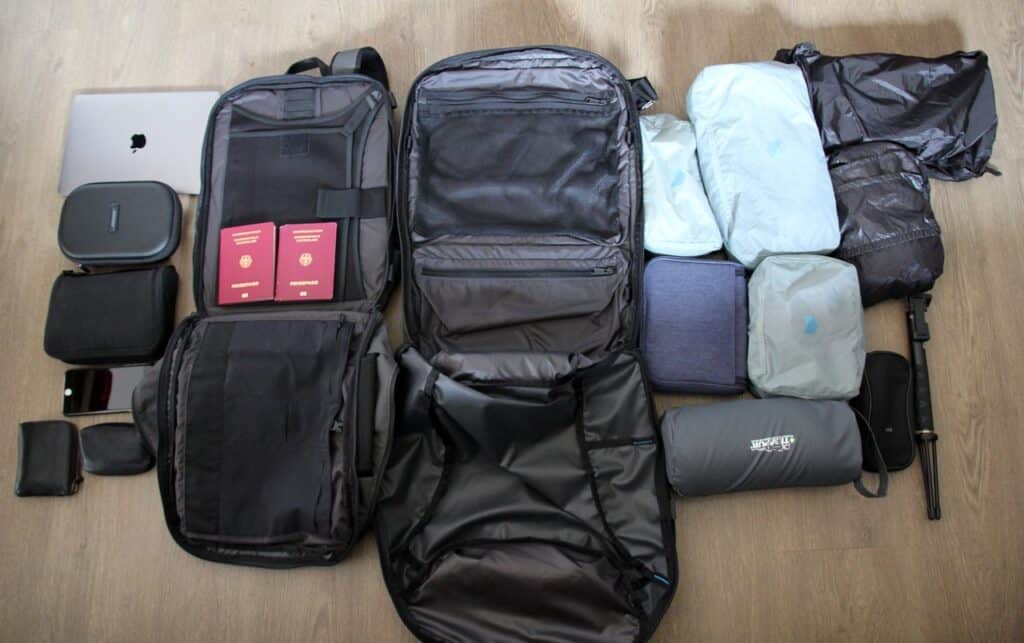
Minimalist packing has become trendy, convincing many Americans it is always the superior method. However, strict carry-on rules mean weight limits of 7 to 10 kilograms on many airlines, plus frequent size enforcement that leads to surprise fees. Some trips, especially long international stays or winter destinations, simply require more gear. Checked baggage sometimes costs only $30–60, while replacing forgotten essentials abroad can exceed $200. The smartest approach considers trip length, purpose, climate, and airline policy rather than blindly forcing ultra-light packing. Flexibility often proves far more practical and economical.
12. Travel Is Only Enjoyable When You’re Young and Energetic

The belief that meaningful travel ends after youth remains surprisingly strong, yet statistics tell another story. In 2026, travelers over 50 years old represent more than 30% of global tourism, with many reporting higher satisfaction levels than younger tourists. Senior-focused tours, accessible transport, medical support services, and comfortable pacing options make travel inclusive and manageable. Many older travelers have stronger finances, patience, and appreciation for culture, allowing richer experiences. With proper planning, realistic itineraries, and health awareness, unforgettable journeys can happen at any age, proving travel is a lifelong privilege, not a youthful phase.
Other Blog Posts You Might Enjoy
www.idyllicpursuit.com (Article Sourced Website)
#Travel #Myths #Americans #Works #Idyllic #Pursuit