
We may earn money or products from the companies mentioned in this post. This means if you click on the link and purchase the item, I will receive a small commission at no extra cost to you … you’re just helping re-supply our family’s travel fund.
Long after airports reopened and borders softened, some U.S. cities started hearing a new language echo across hotel lobbies, outlet malls, and waterfronts. The return of Chinese tourism has not been subtle. It shows up in university tour itineraries, luxury shopping routes, and the places that went viral on screens before they were ever seen in person. For residents, the shift lands in wait times, menu tweaks, and the sense that peak season is no longer only local. The energy is lively, sometimes tense, and always revealing.
New York City, New York
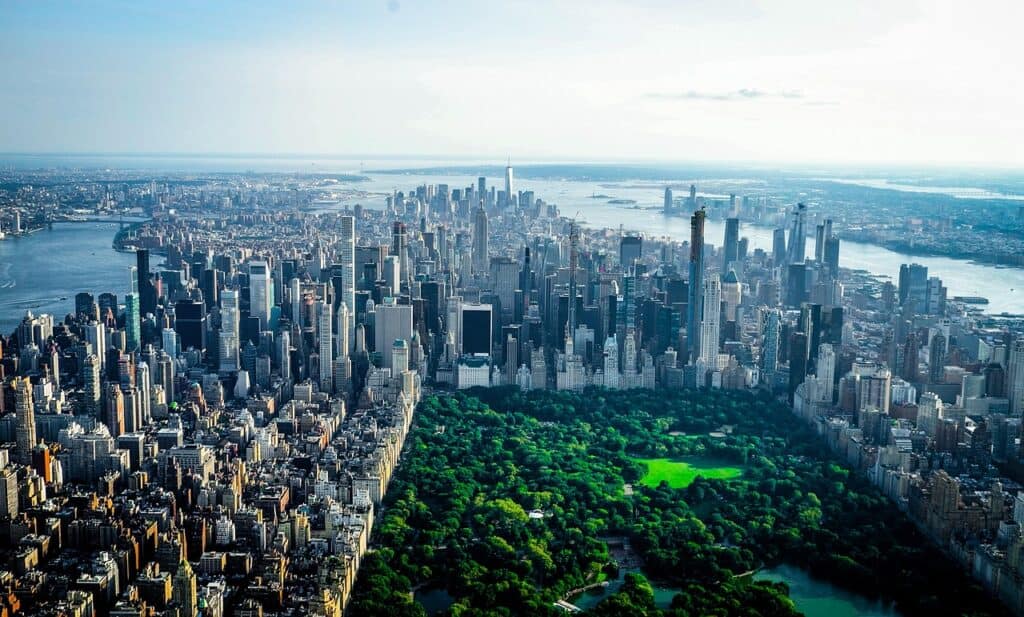
New York’s rebound is loudest on Fifth Avenue and midtown hotels, where Mandarin-speaking guides hold flags high and shopping groups move with purpose. Shop owners welcome the spend, but sidewalks tighten fast near souvenir blocks, where photo stops form sudden walls. Chinatown dining rooms feel the return like family, while weekend commuters groan at the subway crush that swells without warning. In a city built to absorb everything, the change still reads clearly: more languages in line, more luggage on corners, and more crowded moments where New York’s patience gets tested.
Los Angeles, California
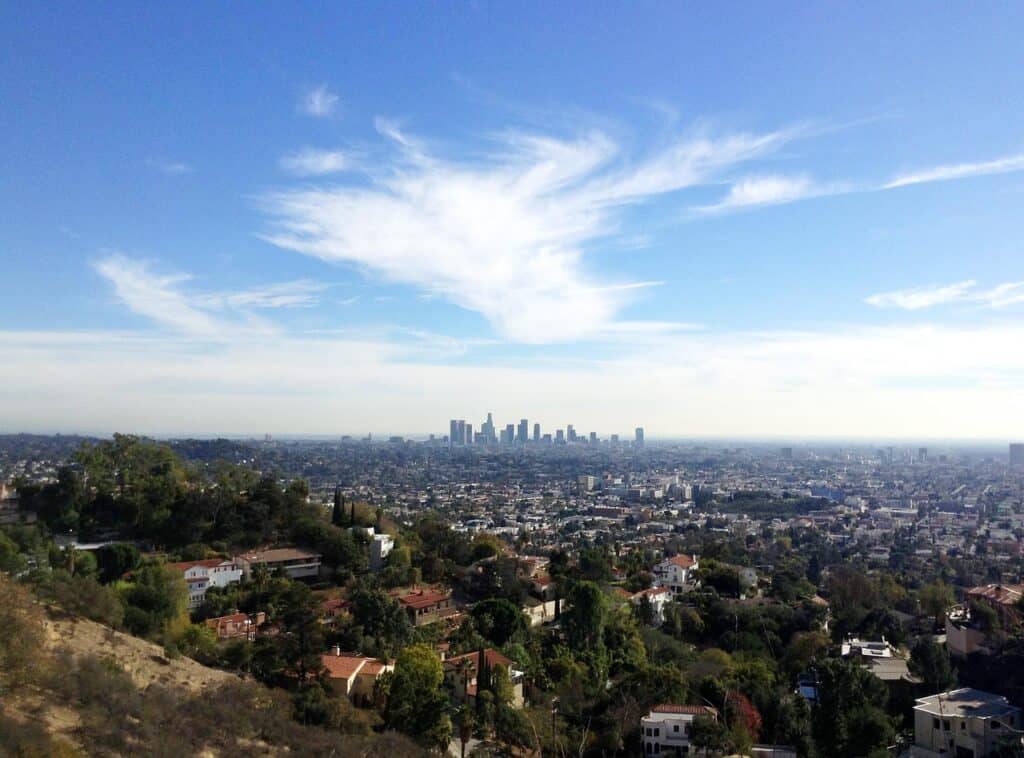
Los Angeles feels the surge as a triangle of Disneyland, Hollywood Boulevard, and Beverly Hills boutiques, with visitors stitching those icons into tight schedules. Locals notice dinner reservations disappearing earlier and Griffith Observatory lines looping the lot on clear nights. More travelers plan independently now, which shifts the pressure onto short-term rentals, breakfast cafés, and ride-share pickup zones that fill before the morning haze lifts. The mood is not only frustration. It is also curiosity, watching the same palm-lined streets deliver totally different vacations depending on who is holding the camera.
Las Vegas, Nevada
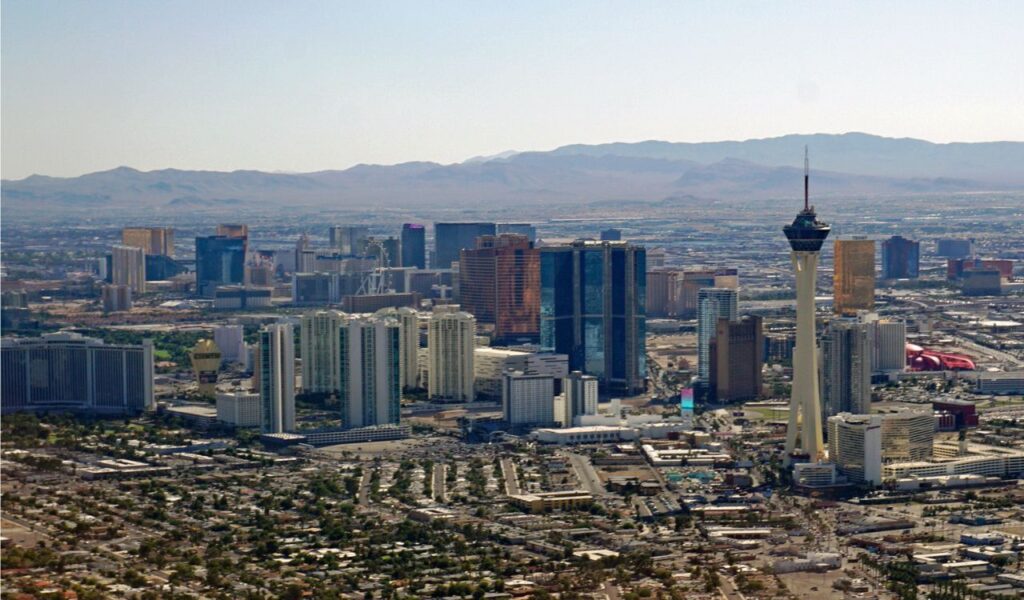
Las Vegas hears more Mandarin on the casino floor than it has in years, and baccarat rooms feel like little seismographs for the broader rebound. Workers say tips climb when the surge hits, but buffets and brunch lines require actual strategy again. Retail staff notice higher-volume luxury shopping during major travel weeks, when bags stack like trophies. Off-Strip locals often feel insulated, yet the airport gets busier, the weekends get louder, and the familiar split returns: the real city running errands, and the spectacle city performing at full volume.
San Francisco, California
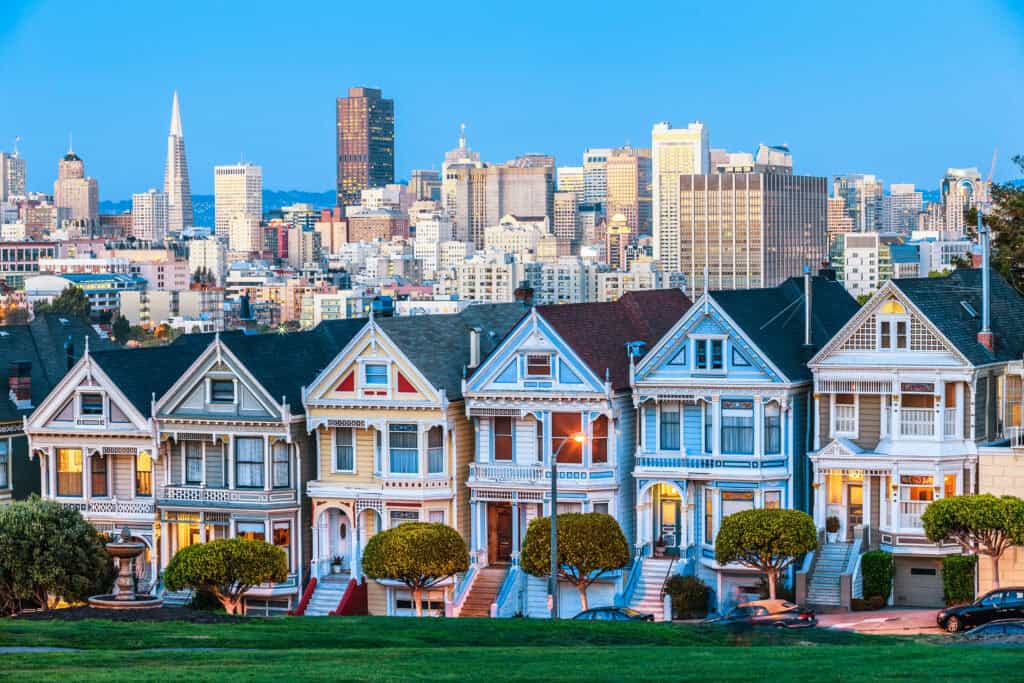
San Francisco’s wave feels intimate because so many trips blend sightseeing with campus tours, tech conferences, or visiting family. In the Sunset and Richmond, grocery shelves, bakeries, and boba counters subtly adjust to what people are asking for. Downtown, workers feel the surge in coffee lines that double in ten minutes and in tour groups that reset the pace on Market Street. The city has wrestled with tourism fatigue before, so the rebound brings a complicated relief: fuller tables, steadier jobs, and a little less quiet than some residents wanted.
Seattle, Washington
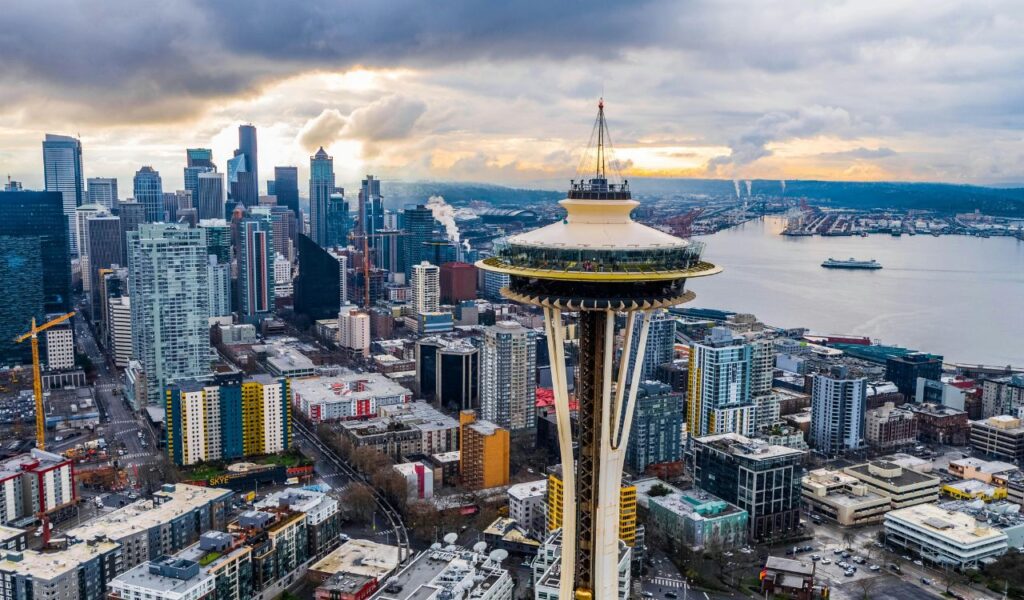
Seattle’s draw mixes Microsoft nostalgia, Amazon curiosity, and that ocean-to-forest contrast that plays well on Chinese social platforms. Pike Place becomes the pressure point, with walkways that feel suddenly narrow on peak days and photo stops that freeze traffic like a soft barricade. Seattle Center lawns fill with families building itineraries around ferry rides, salmon dinners, and skyline views. Residents describe a different soundscape, less rowdy, more observant, yet still changing the rhythm of public space. For tourism workers, the rebound means shifts that matter again and paychecks that feel steadier.
Boston, Massachusetts
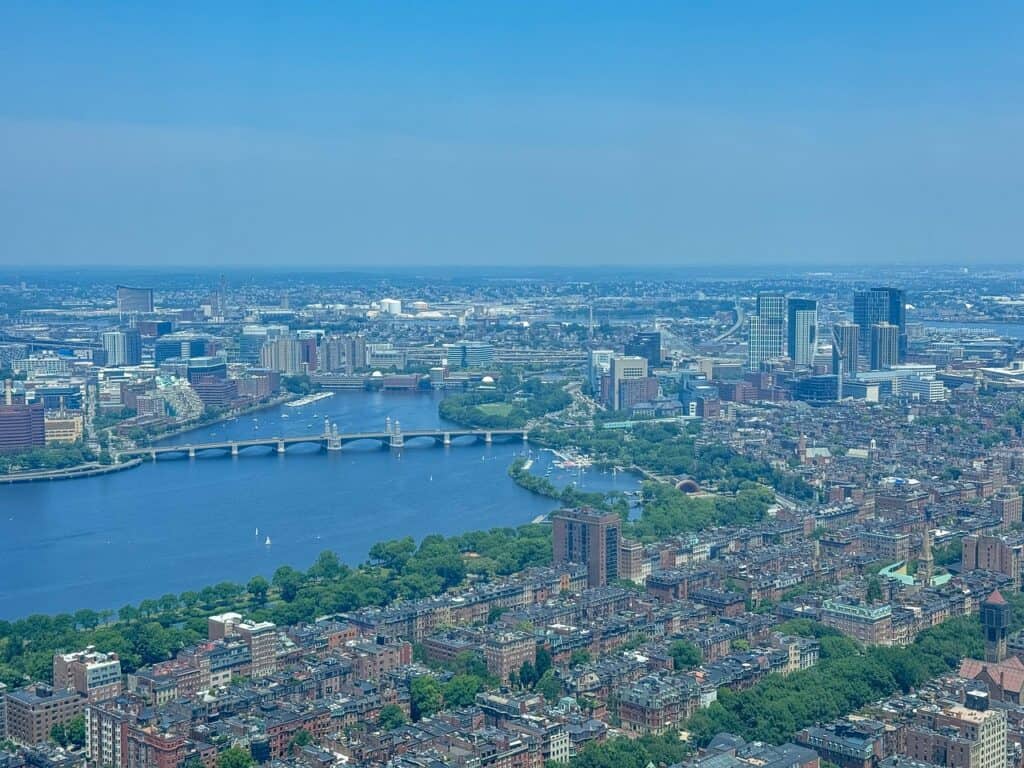
Boston’s surge is tied to Harvard Yard as much as any ballpark, with families touring campuses like they are choosing futures in real time. Hotels near Cambridge run on coffee, nerves, and schedules printed to the minute, and ride-share queues swell at the same predictable corners. Locals feel it on the Charles River paths, where foot traffic thickens during school breaks and sunny weekends. Restaurateurs like the stability. Longtime residents feel the reminder: Boston has always been global, even when it looks like a colonial postcard, and tourism simply makes that truth louder.
Orlando, Florida
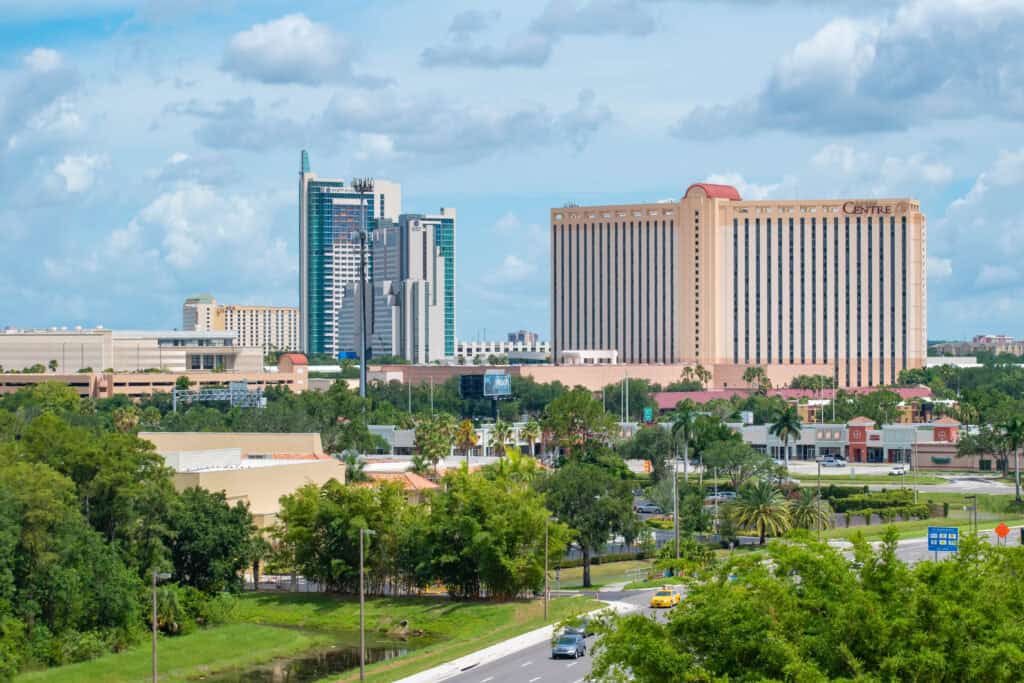
Orlando shows the change at the park gates, where Mandarin maps disappear fast and character breakfasts stretch deeper into the day. Staff say many families stay longer and plan harder, packing each morning with precision that turns minor delays into real stress. The line can shift instantly when a bus unloads, and employees feel the tempo jump before the crowd even reaches the scanners. Outside the parks, locals mostly experience the rebound as traffic and hotel congestion, plus the occasional small moment of warmth when visitors treat a simple photo or parade like genuine magic.
Chicago, Illinois
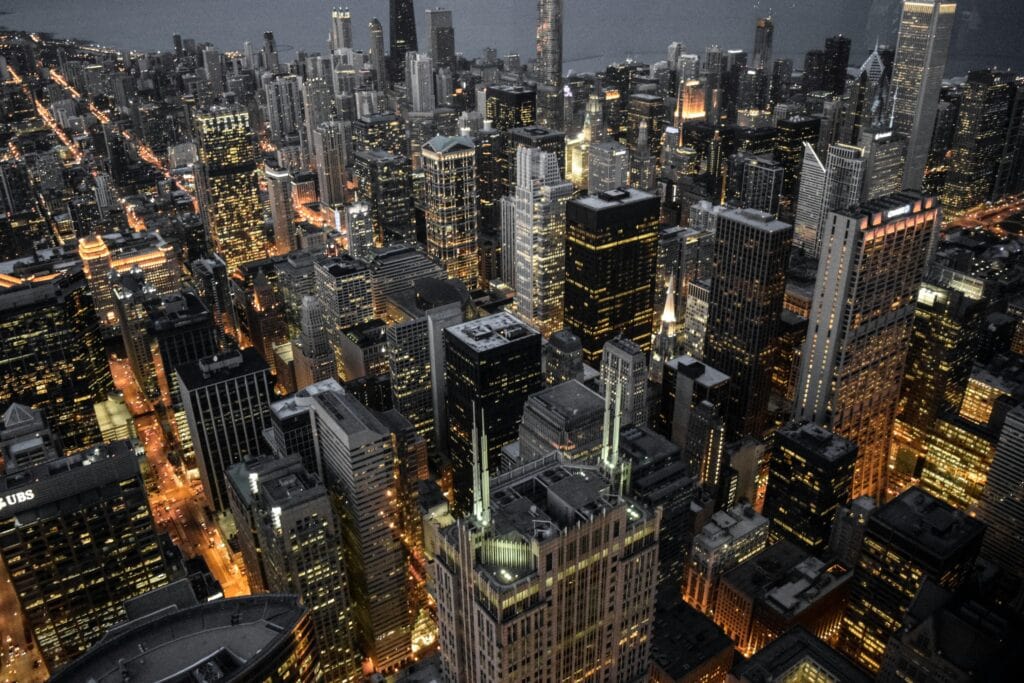
Chicago’s wave concentrates around river cruises, architecture tours, and deep-dish pilgrimages that turn downtown into a moving photo set. Locals notice it on bridge walkways, where scenic pauses stretch sidewalk etiquette and force commuters into little detours. Retail workers appreciate the lift, but morning drivers dodge double-parked buses near Millennium Park and the Art Institute. The city likes being rediscovered, yet it comes with a cost: lunch breaks need planning, popular spots fill earlier, and small delays ripple outward when too many itineraries collide in the same few blocks.
Honolulu, Hawaii
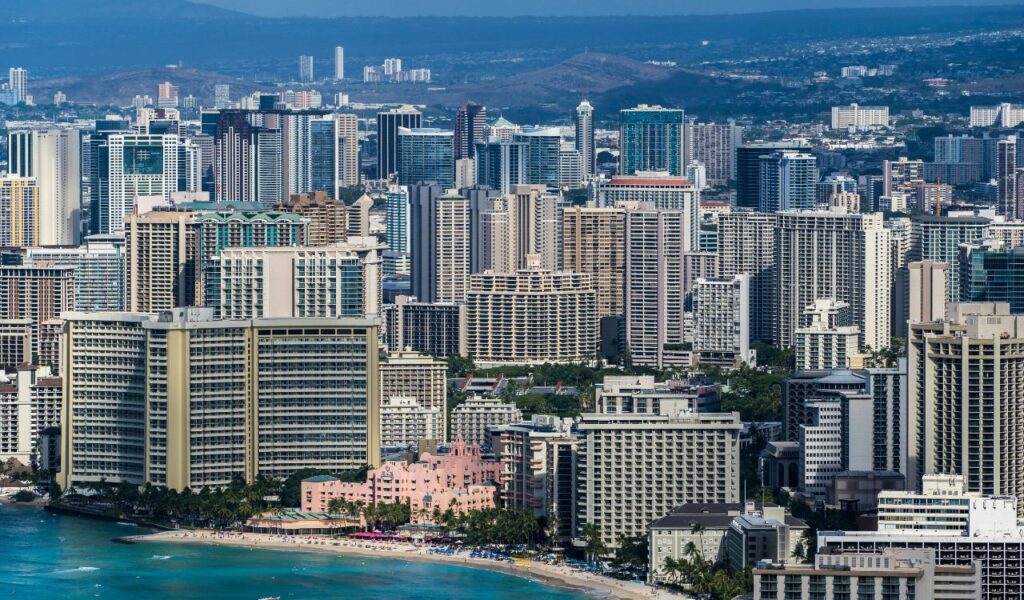
Honolulu’s beaches tell the story before any spreadsheet does. Waikiki lifeguards hear Mandarin mixed into surf lessons, and concierges field more requests for family-style dinners timed around festivals and shopping runs. Locals live with the familiar tension: tourism brings paychecks, but it also adds pressure to move slowly in places that were never built for constant crowds. The presence can feel gentler here, shaped by sunsets and water more than outlets, yet the impact is real in packed sidewalks, fuller buses, and that steady sense that island life is being watched as much as it is being lived.
Houston, Texas
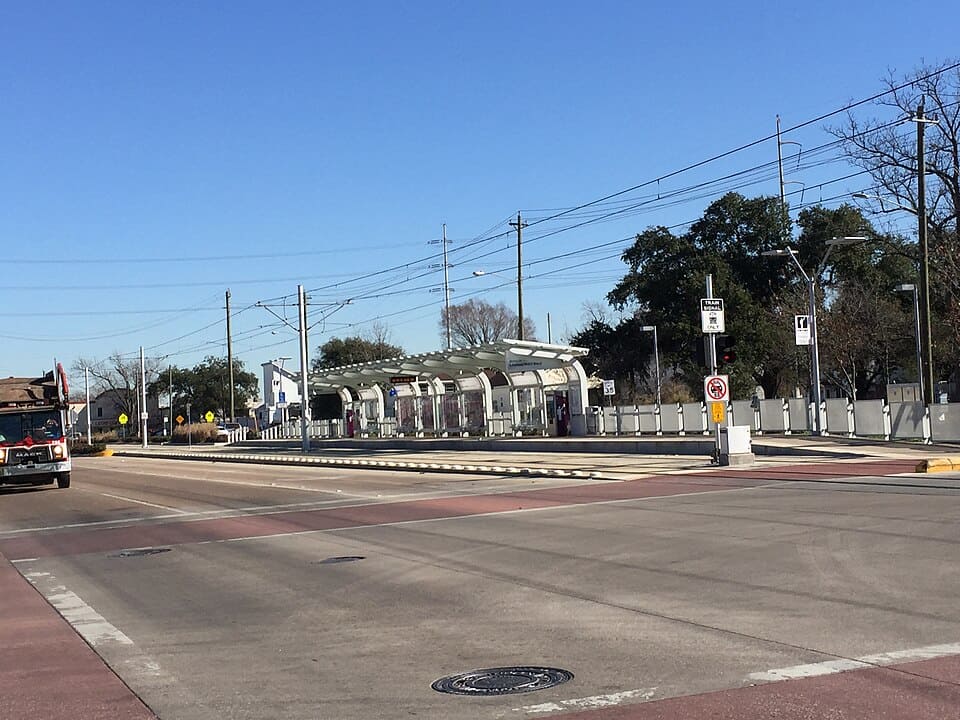
Houston shows up as a destination through business travel, university ties, and family visits that expand into shopping and dining. The effect is visible at the Galleria, where rental fleets cluster near luxury stores, and in neighborhoods where hot pot and dessert cafés quietly add seats. Many locals still seem surprised that people travel far to be here, which is part of Houston’s charm and its blind spot. Hotel managers adapt in practical ways, adjusting breakfast spreads and service language options, because expectations have shifted since five years ago and the market has noticed.
San Diego, California
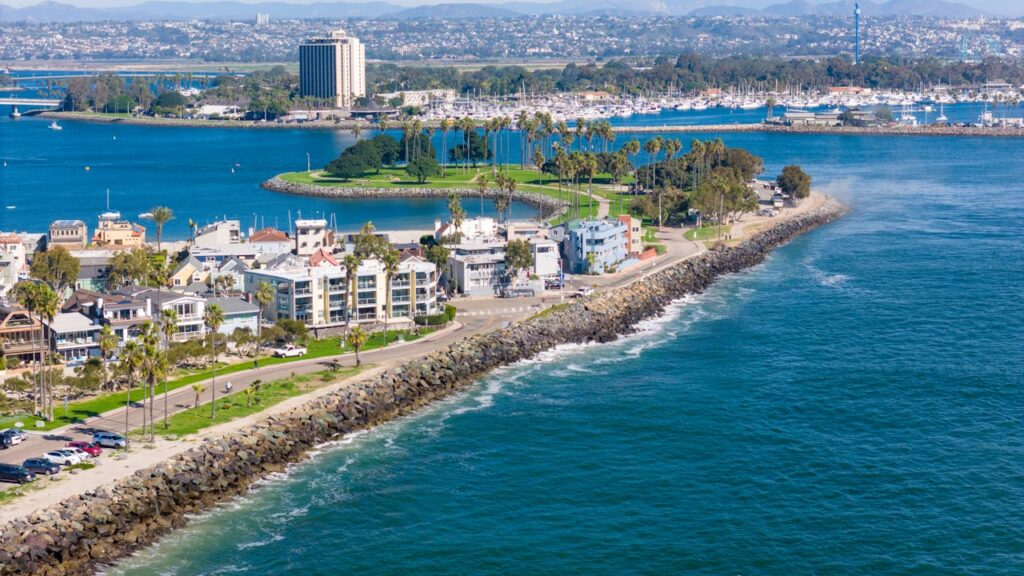
San Diego’s wave begins at the zoo and ends at La Jolla cliffs, where tripods line the railings and sunset becomes a group event. Ride-share drivers talk about airport pickups that turn into mini tours, with visitors asking for beaches, tacos, and the best angle on the water. Lifeguards see more mixed-language families settling in for long afternoons, moving carefully but staying late. For locals, the shift feels light yet persistent. San Diego absorbs visitors like tide pulls footprints: slowly at first, then all at once, leaving the coast busier without losing its calm.
Other Blog Posts You Might Enjoy
www.idyllicpursuit.com (Article Sourced Website)
#Cities #Wave #Chinese #Tourists #Americans #Feel #Idyllic #Pursuit