
We may earn money or products from the companies mentioned in this post. This means if you click on the link and purchase the item, I will receive a small commission at no extra cost to you … you’re just helping re-supply our family’s travel fund.
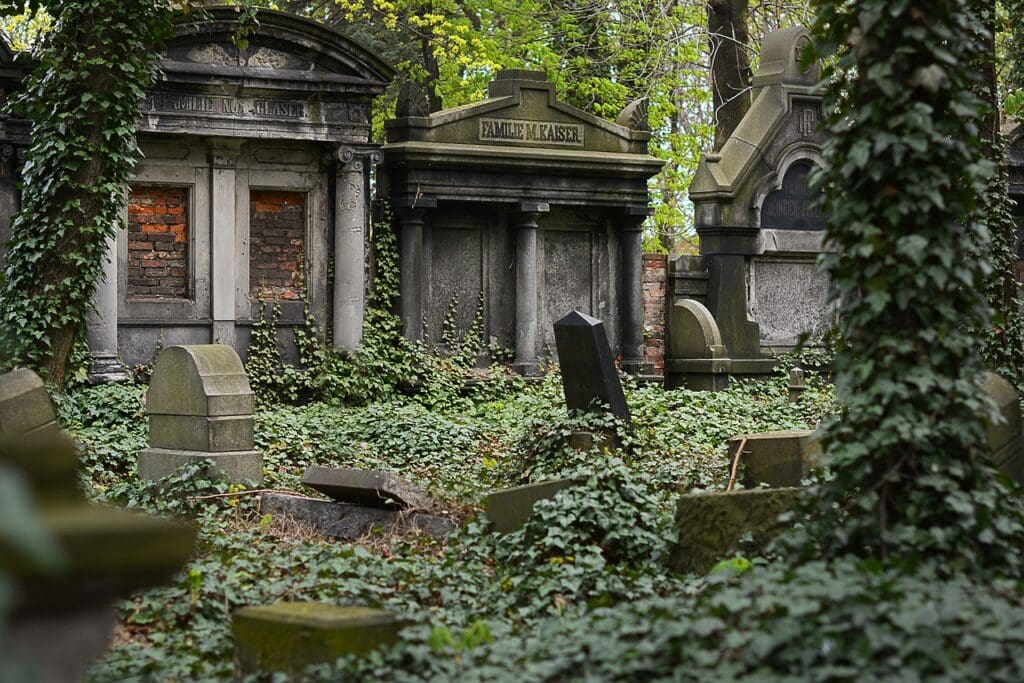
Across the American South, Jewish heritage once flourished in towns where merchants, families, rabbis, and civic leaders helped shape community life for more than a century. Today, many of those stories survive only through fragile buildings, fading cemeteries, dwindling congregations, and aging memories. Migration, economic change, and shrinking populations have left priceless synagogues and burial grounds at risk, with preservation often depending on limited donations and volunteer passion. These places are not just architectural sites; they are emotional anchors, guardians of identity, and physical proof that Jewish history has always been part of Southern life. Here are twelve significant heritage locations that are now vanishing.
1. Temple B’nai Israel, Natchez, Mississippi
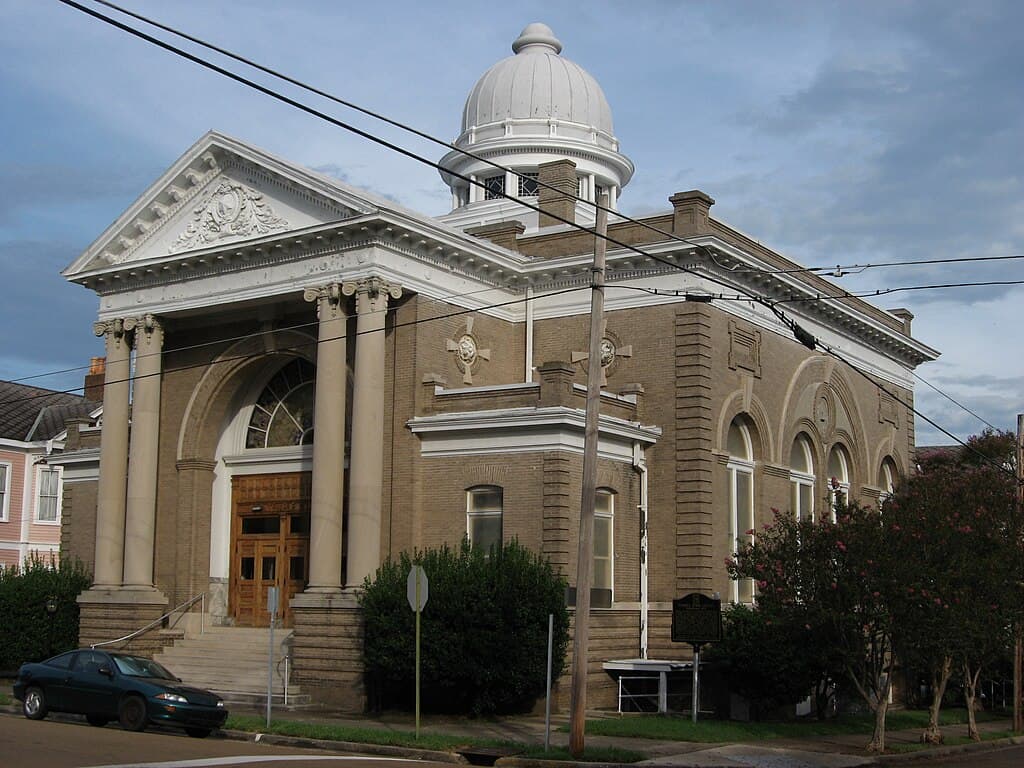
Built in 1905, Temple B’nai Israel once served a thriving community of more than 600 Jewish residents, filling its sanctuary with weddings, holidays, and music. Today fewer than ten Jewish families remain in Natchez, and regular services have disappeared. Maintaining the Romanesque Revival building costs more than $50,000 annually, far beyond what the small local community can support. While preservation groups work courageously, the lack of steady funding and aging population place its future in doubt. Without stronger financial commitment, this landmark may slowly transform from a living spiritual home into only a historical relic remembered through photographs and memories.
2. Temple Meir Chayim, McGehee, Arkansas

Temple Meir Chayim opened in 1947, when southeastern Arkansas supported more than 150 Jewish families engaged in farming, cotton trading, and business. For decades it stood as a vibrant community center, but by 2016 after numbers fell below twenty, the congregation closed. The building now depends on occasional donations totaling less than $10,000 yearly, not enough for lasting preservation. Though protected by historic listing, it lacks a local congregation to animate its interior with prayer or daily life. Its silent sanctuary reflects broader demographic shifts as families left small towns, leaving behind deeply loved but vulnerable heritage spaces across the South.
3. Temple Gemiluth Chessed, Port Gibson, Mississippi
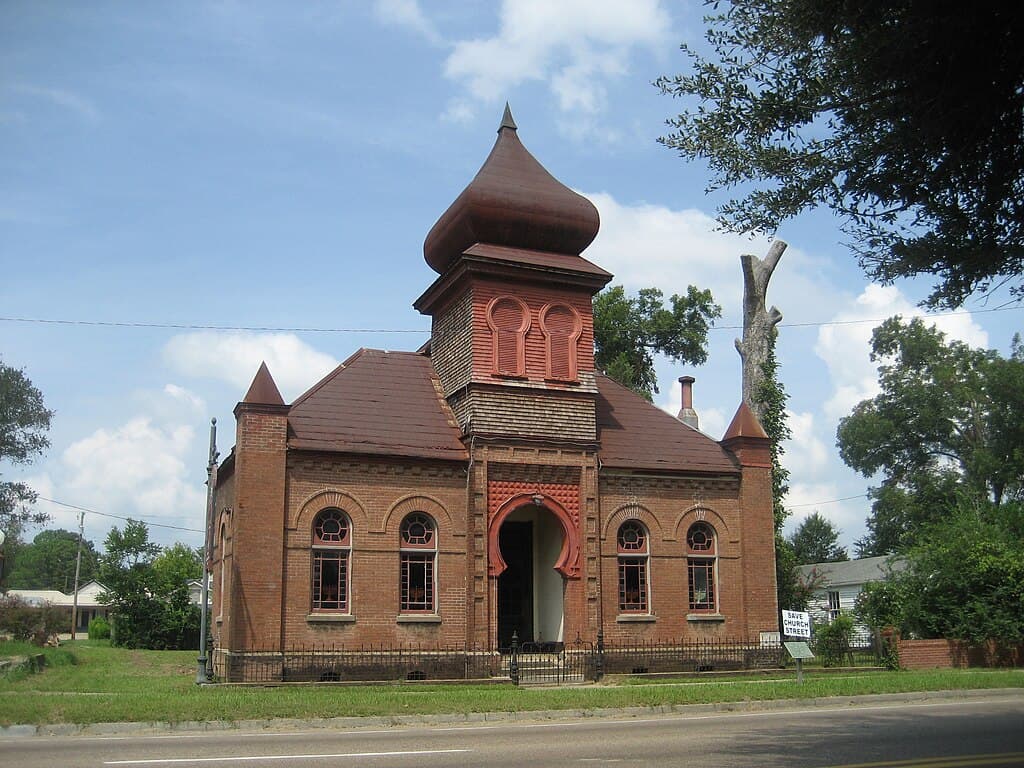
Completed in 1892, Temple Gemiluth Chessed once shimmered with Moorish Revival beauty and symbolized prosperity in Port Gibson, where Jewish merchants owned numerous shops and shaped civic life. Membership that once approached ninety slowly diminished to zero by 1986, ending regular worship. The building still stands through sporadic care, yet restoration estimates exceed $250,000, far beyond local capacity. With no active Jewish community remaining, its stained-glass windows and elegant facade risk decay. What was once a proud expression of faith now survives mainly through memory, preservation hopes, and the determination of distant descendants who refuse to let it disappear.
4. Temple B’nai Shalom, Brookhaven, Mississippi
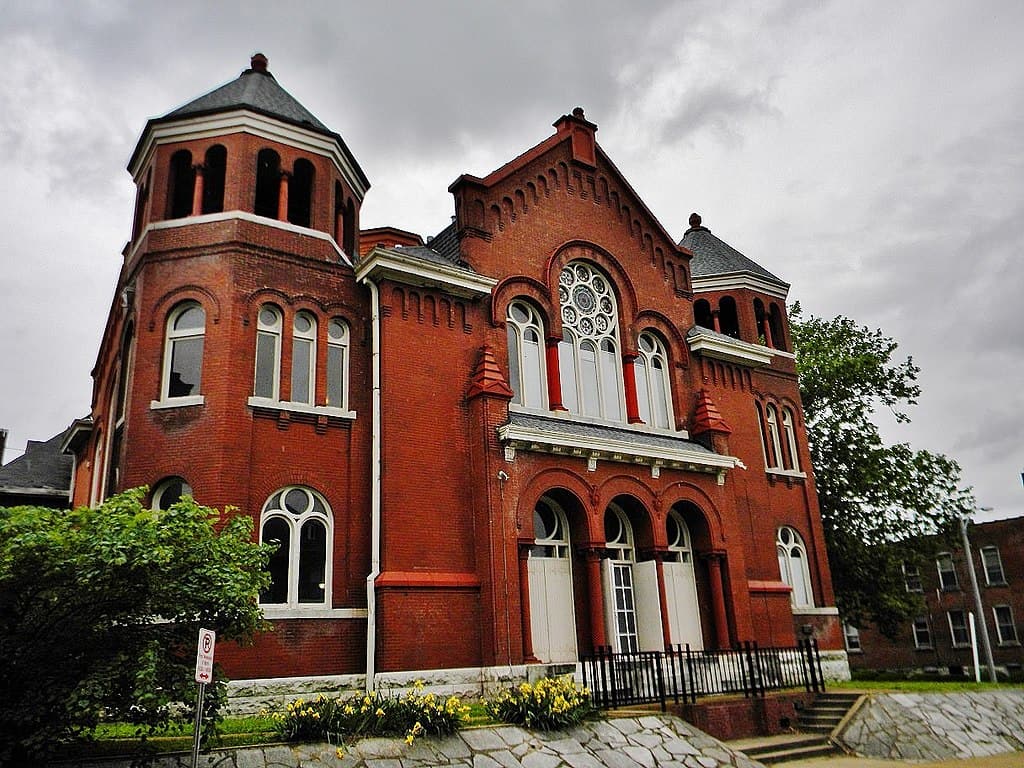
Dating to the late nineteenth century, Temple B’nai Shalom served a lively congregation of more than seventy-five members who helped shape Brookhaven’s cultural and economic identity. By the early 2000s fewer than ten regular worshippers remained, leading to deconsecration and eventual repurposing. The building still hosts occasional cultural programs, but ongoing preservation requires more than $40,000 a year, an amount difficult to secure without a permanent congregation. Though admired as a town landmark, it stands in a fragile position, caught between heritage pride and practical reality, reflecting how once-strong Jewish communities slowly faded across many Southern towns.
5. Coming Street Cemetery, Charleston, South Carolina
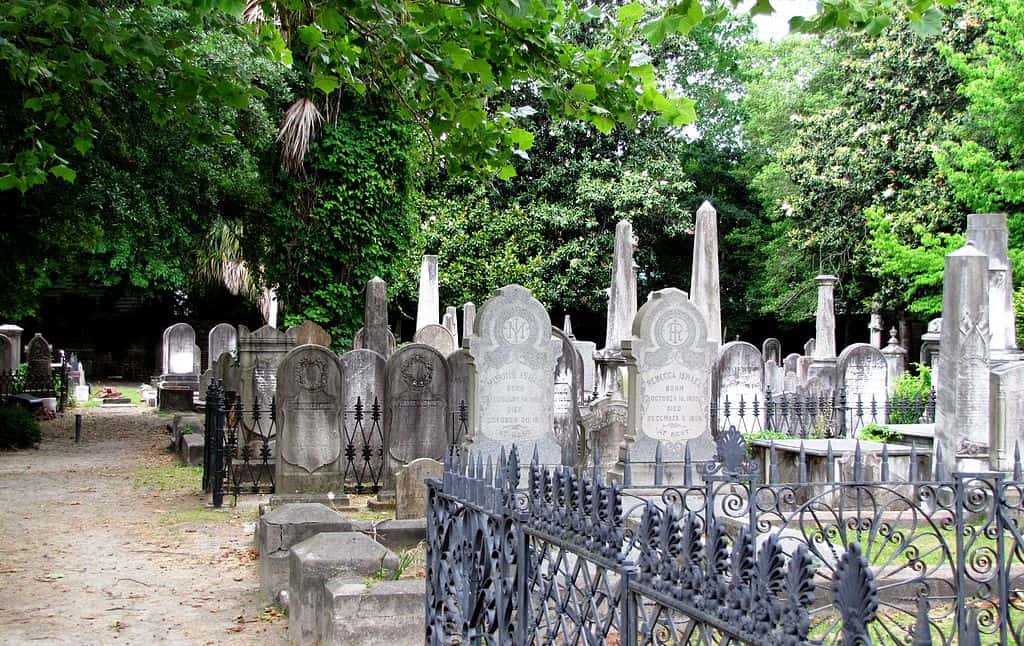
Founded in 1762, Coming Street Cemetery is among the oldest Jewish burial grounds in the United States, with more than 500 graves documenting over 250 years of history. Weather erosion, flooding, and limited conservation resources threaten delicate stones and boundary walls. Restoration efforts often rely on grants under $100,000, insufficient for long-term stabilization and monitoring. As Charleston expands, urban pressures add further concern, and without sustained investment this sacred site risks gradual deterioration. Beyond being a cemetery, it is a testament to early American Jewish resilience and deserves the care necessary to protect its deeply personal historical record.
6. Anshe Chesed Cemetery, Vicksburg, Mississippi
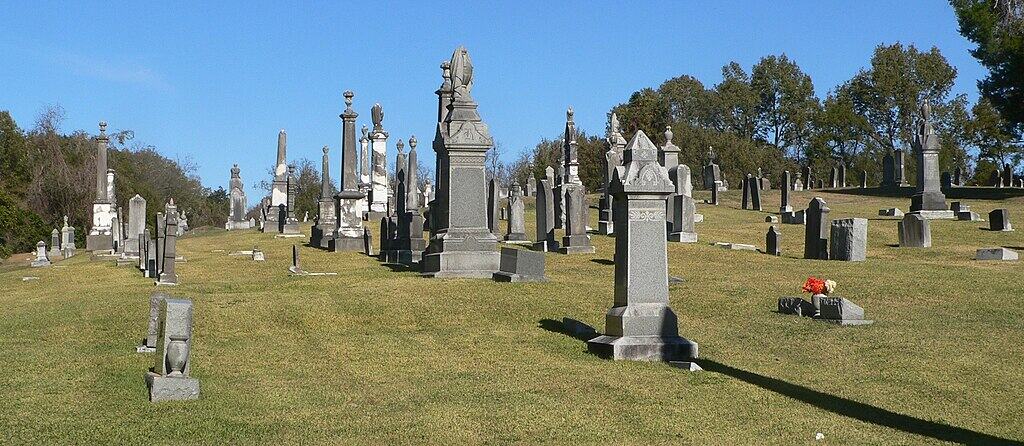
Established in the 1870s, Anshe Chesed Cemetery reflects a congregation that once boasted more than 120 members during its strongest period. With fewer than fifteen Jewish families now connected to the city, consistent maintenance is difficult, and aging monuments face weather damage. Annual funding rarely exceeds $15,000, limiting preservation projects that could stabilize stones, signage, and pathways. The cemetery contains graves tied to Civil War history and regional commerce, making it culturally invaluable. Without renewed interest and structured financial support, this burial ground risks fading physically and historically, erasing a meaningful chapter of Jewish presence in Vicksburg.
7. Jewish Cemetery, Eufaula, Alabama
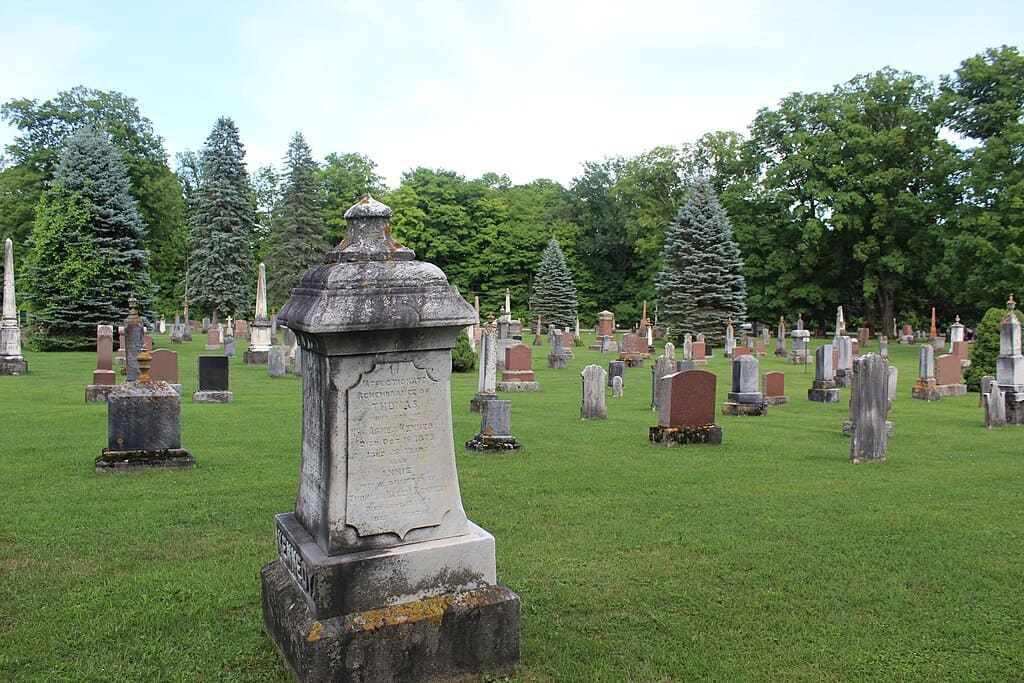
The Jewish cemetery in Eufaula once served a community of nearly forty families who contributed to local trade and civic development during the late 1800s. Today only a small number of descendants remain nearby, making stewardship increasingly fragile. Dozens of graves, some more than 130 years old, show natural wear, while even basic maintenance can cost more than $8,000 annually. Without organized caretaking or long-term funding plans, the site faces slow decline. It stands as a quiet symbol of a once meaningful Jewish presence that shaped the town’s history yet now survives mainly in fragile stone markers.
8. Jewish Cemetery, Natchitoches, Louisiana

Dating to the mid-1800s, the Natchitoches Jewish cemetery preserves the stories of one of Louisiana’s earliest Jewish communities, once home to more than sixty families. Over generations many descendants moved to larger cities, leaving only a few caretakers aging along with the site. Restoration needs exceed $75,000, but consistent support remains difficult to secure. Many headstones approach 170 years of age, requiring careful preservation to prevent irreversible loss. Surrounded by changing demographics and limited local resources, this burial ground depends heavily on distant relatives and historical groups determined to keep its heritage visible and respectfully protected.
9. Temple Mishkan Israel, Selma, Alabama
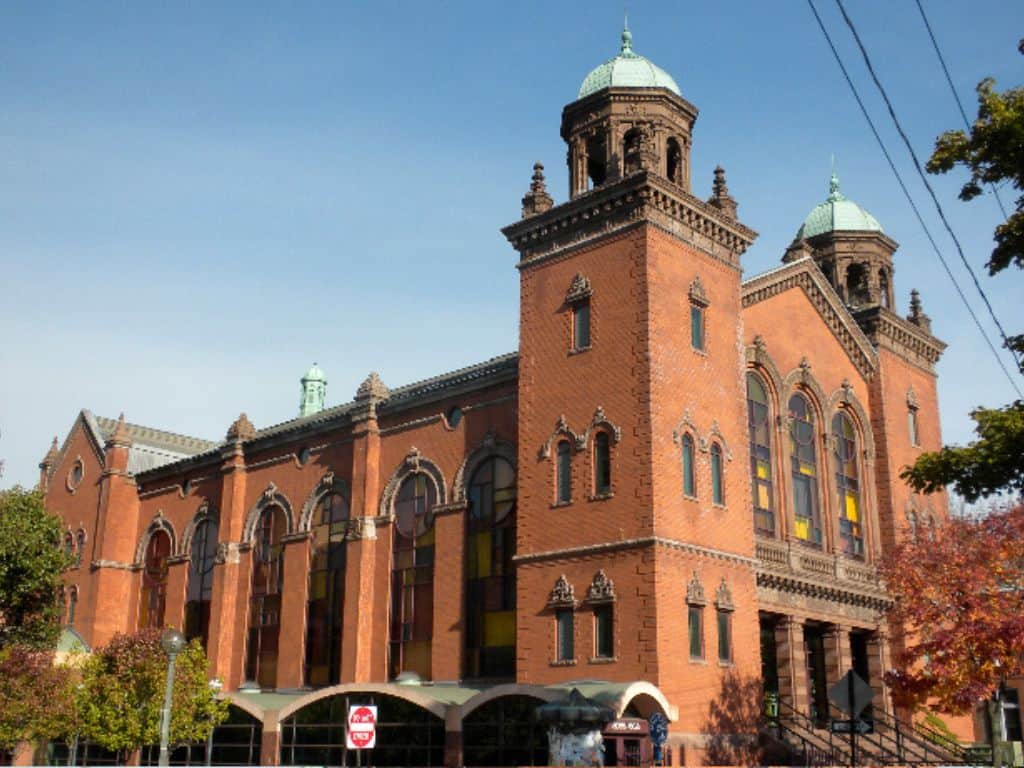
Built in 1900, Temple Mishkan Israel reflects a once significant Selma Jewish community that exceeded 150 members during its most active years. Today only a small number of Jewish residents remain, and services occur sporadically, often supported by visiting clergy. Preservation estimates surpass $200,000, posing heavy financial challenges for a shrinking base. Though volunteers work tirelessly, the absence of regular congregational life leaves the building vulnerable to decline. Its graceful architecture stands as both inspiration and warning, representing endurance yet highlighting how Southern Jewish spaces can easily slip toward inactivity without sustained involvement and dedicated resources.
10. B’nai Israel Synagogue and Cemetery, Thomasville, Georgia
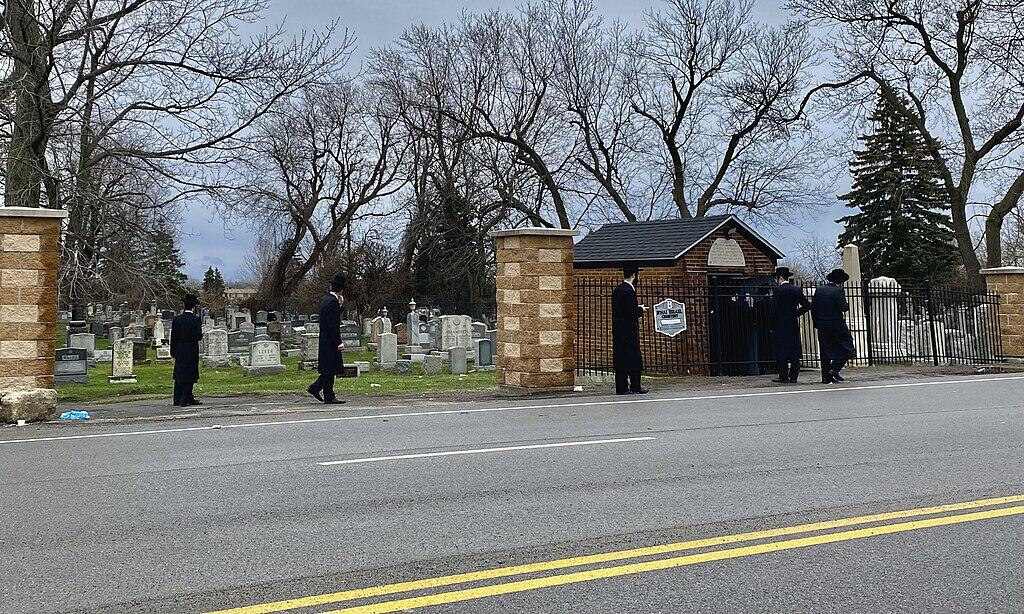
This early twentieth-century Orthodox synagogue once served nearly eighty congregants tied to trade, craftsmanship, and small businesses. Over time membership fell to fewer than fifteen, limiting regular services and community activity. The adjacent cemetery spans more than 110 years of burials and requires constant care to avoid structural and environmental damage. Preservation efforts compete for limited funding generally below $60,000, far short of long-term needs. Although recognized as a historic landmark, sustainability remains uncertain. Its fate mirrors many Southern Jewish communities, where buildings endure physically but active communal life has nearly disappeared, leaving memory as their strongest protector.
11. Temple B’nai Israel, Monroe, Louisiana
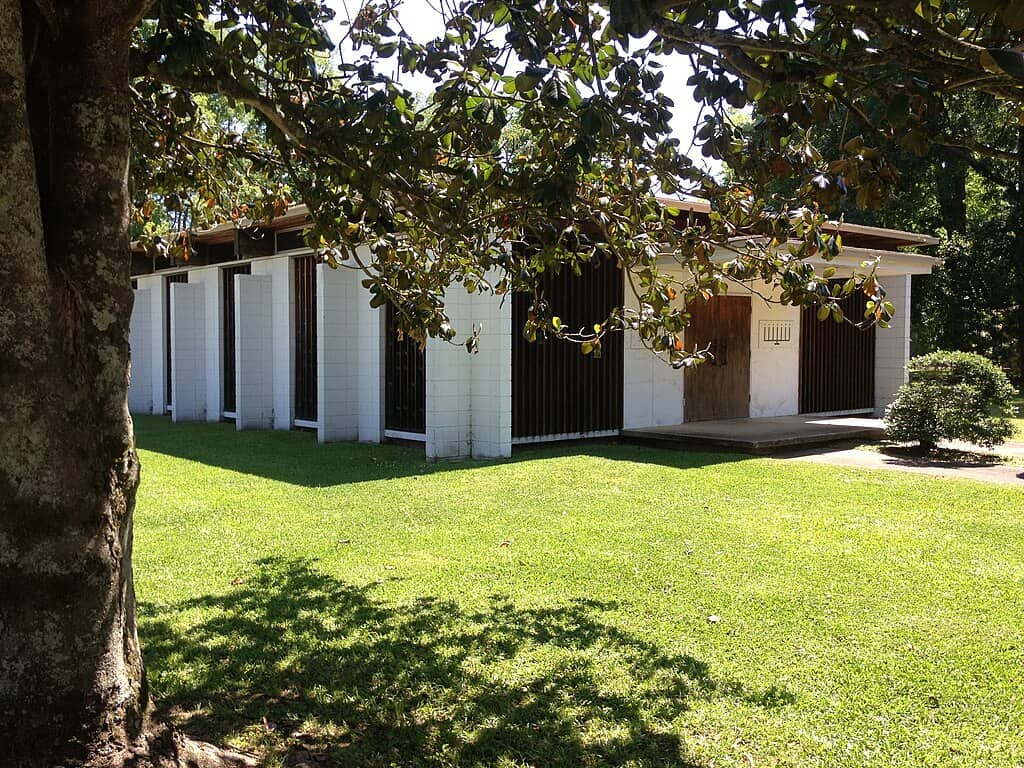
Tracing its roots to the 1860s, Temple B’nai Israel in Monroe once anchored a congregation exceeding 200 members who shaped local business and civic leadership. As population shifts carried families to larger cities, the active community dwindled dramatically. Maintaining the aging structure can require more than $70,000 annually, straining the limited resources of those still connected to it. Though deeply valued by descendants and historians, the temple constantly balances between preservation commitment and financial reality. Without strengthened support and broader engagement, it risks joining the growing list of Southern Jewish landmarks that survive physically but lack vibrant daily life.
12. Regional Small-Town Synagogues and Sites
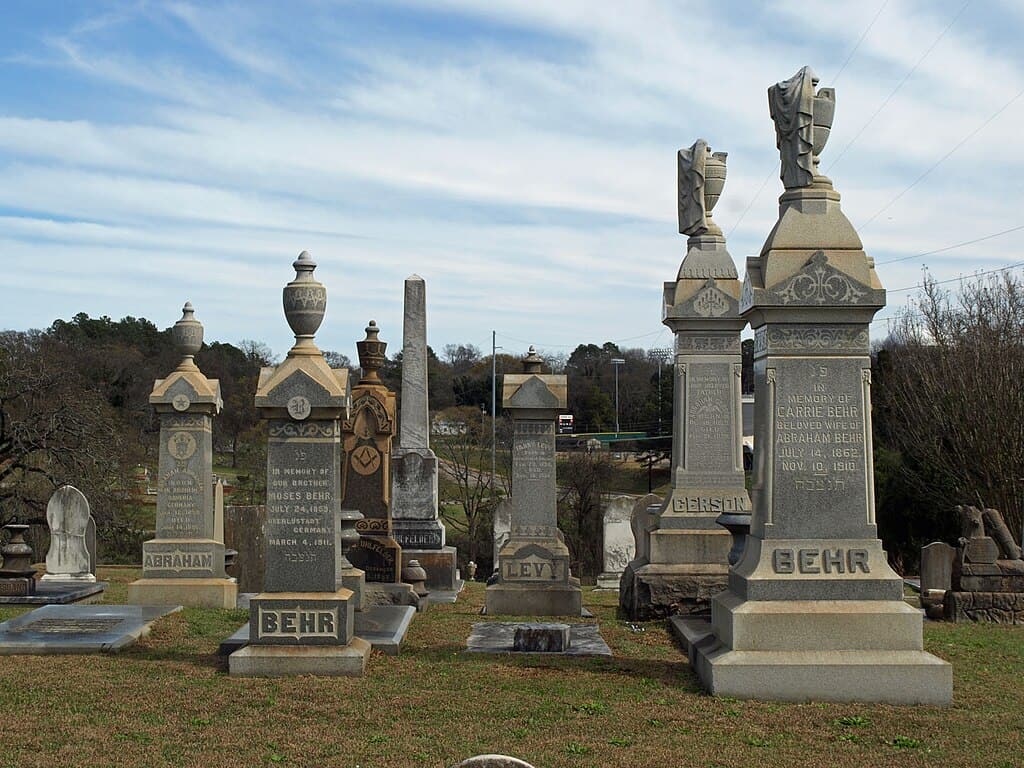
Across Mississippi, Alabama, Arkansas, Louisiana, and Georgia, dozens of former synagogues and cemeteries reflect communities that once hosted between twenty and 150 Jewish families. Many buildings open only a few times each year, while cemeteries rely on donations often under $10,000 annually. With few young members left to inherit caretaking responsibilities, these places quietly deteriorate despite their meaning. Collectively, they represent more than 150 years of history at risk of slipping into obscurity. Their survival depends on heritage organizations, descendants, and community awareness to preserve what remains of Southern Jewish memory before it fades completely.
Other Blog Posts You Might Enjoy
www.idyllicpursuit.com (Article Sourced Website)
#Jewish #Heritage #Sites #South #vanishing #Idyllic #Pursuit