
We may earn money or products from the companies mentioned in this post. This means if you click on the link and purchase the item, I will receive a small commission at no extra cost to you … you’re just helping re-supply our family’s travel fund.

Hotel stays used to come with a quiet promise: a made bed, fresh towels, and a room reset while the city happened outside. Across many U.S. markets, that default has flipped. Hotels still provide cleaning, but stayover housekeeping is often scheduled only if a guest asks, especially at limited-service and extended-stay brands. Staffing gaps and cost pressure help explain why the change has stuck. Not everywhere follows the same script, though. New York City, for example, moved to require daily room cleaning unless a guest declines.
Las Vegas, Nevada
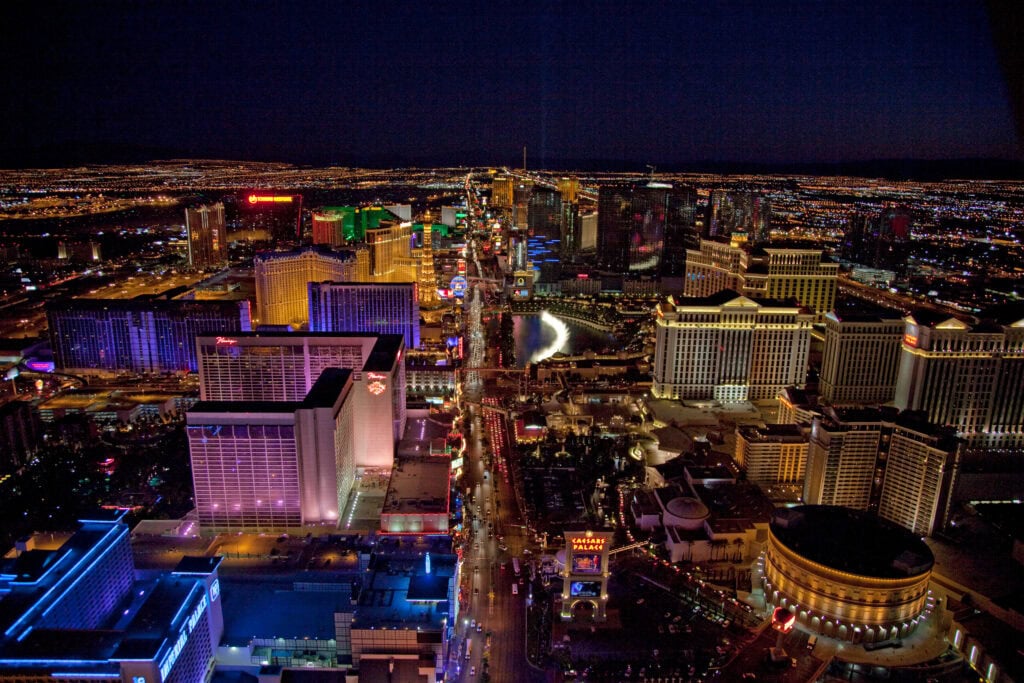
In Las Vegas, the shift is easiest to spot on the Strip, where stayover cleaning may be skipped unless requested, especially at properties outside union-covered contracts. Hotels often offer a checklist instead of a default: trash pickup, towel refresh, a linen change, or a full clean on a scheduled day, sometimes only after a minimum number of nights. The confusing part is consistency, because resort fees rarely spell out how often rooms are actually serviced, and policies can differ sharply between neighboring towers.
Orlando, Florida
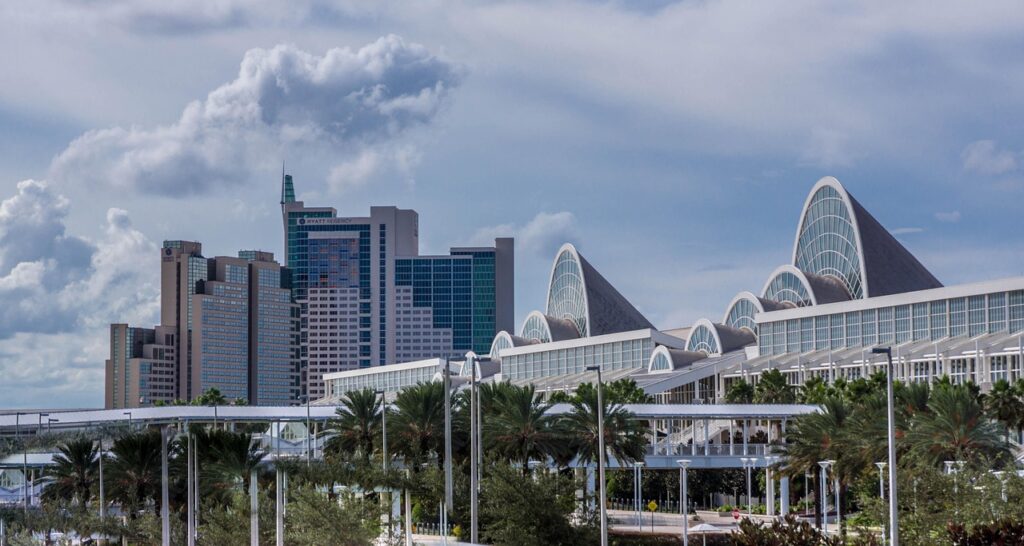
Orlando hotels live on fast turnovers, family suites, and long weekends, which makes on-request housekeeping feel like a practical compromise for stretched teams. Many properties now run on a light-touch model, with full service every few days and add-ons by request, like fresh towels, extra trash liners, or a quick bathroom reset after pool days. The policy is not always stated upfront, so travelers often discover it after a day of heat and crowds, when the room needs a reset and the answer is a scheduled visit, not an automatic one.
Miami, Florida
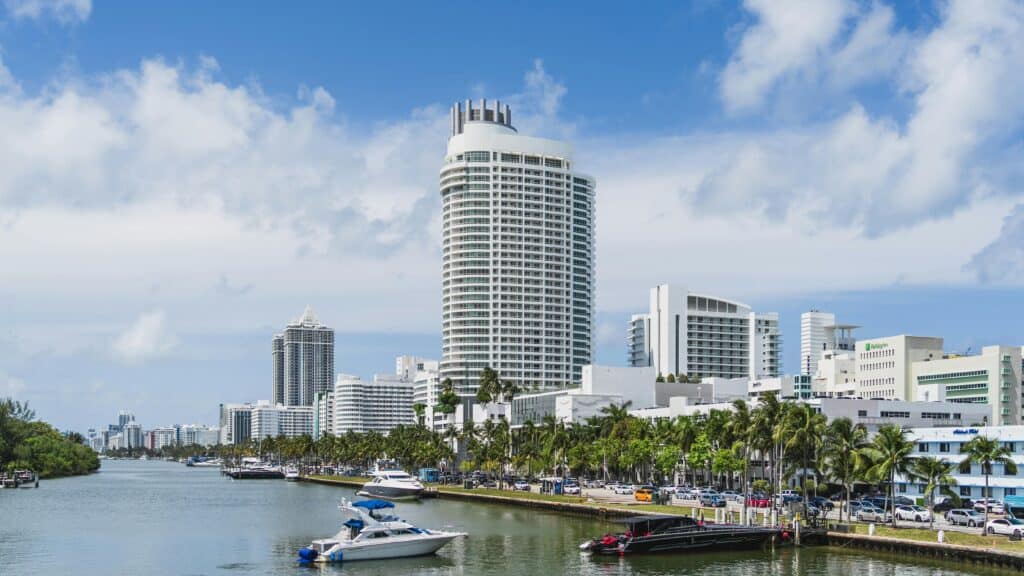
In Miami, the beach energy hides a more transactional hotel routine. Mid-stay cleaning is often reduced unless requested, and the request can come with guardrails: ask by a certain hour, pick a window, or accept a refresh instead of a full clean. With valet-heavy blocks, late nights, and quick weekend stays, many guests spend less time in the room, which makes hotels more comfortable limiting automatic service while keeping turnover crews busy. The surprise is how quickly sand, wet swimsuits, and takeout containers change the equation.
Los Angeles, California

Los Angeles stays are spread across neighborhoods, so a hotel room becomes a base camp, not a sanctuary. Many properties now offer housekeeping only on request or on a limited schedule, especially for short stays where staff can prioritize departures over daily resets. The new normal shows up in small cues: towel exchange cards, extra trash bags in drawers, and QR codes that route service requests through the hotel app or a text line. It works, but it can feel hands-off when long drives and late dinners mean the room needs basic care between check-in and checkout.
San Francisco, California

San Francisco’s hotel scene swings from compact boutique rooms to convention towers, and both have leaned into scaled-back stayover cleaning. Because many visits last one or two nights, hotels focus labor on turnovers, then treat mid-stay service as opt-in, with request cutoffs, limited windows, and occasional restrictions during big conference weeks. In a small room, skipped trash, damp jackets, and no fresh towels become obvious fast, and the soft language around the policy can make it easy to miss unless someone asks directly at arrival.
Seattle, Washington

Seattle’s downtown hotels serve tech travel, cruise departures, and quick weekend escapes, so on-request housekeeping fits the rhythm of short stays and privacy-minded guests. The trade-off shows up on day two: rain gear drying on chairs, coffee cups multiplying, and a trash can that fills faster than expected in compact rooms. Hotels usually offer partial service like towel swaps or trash pickup, but a full clean may require advance notice and a specific time slot, and the room has to stay tidy without the reset that used to be routine.
Chicago, Illinois
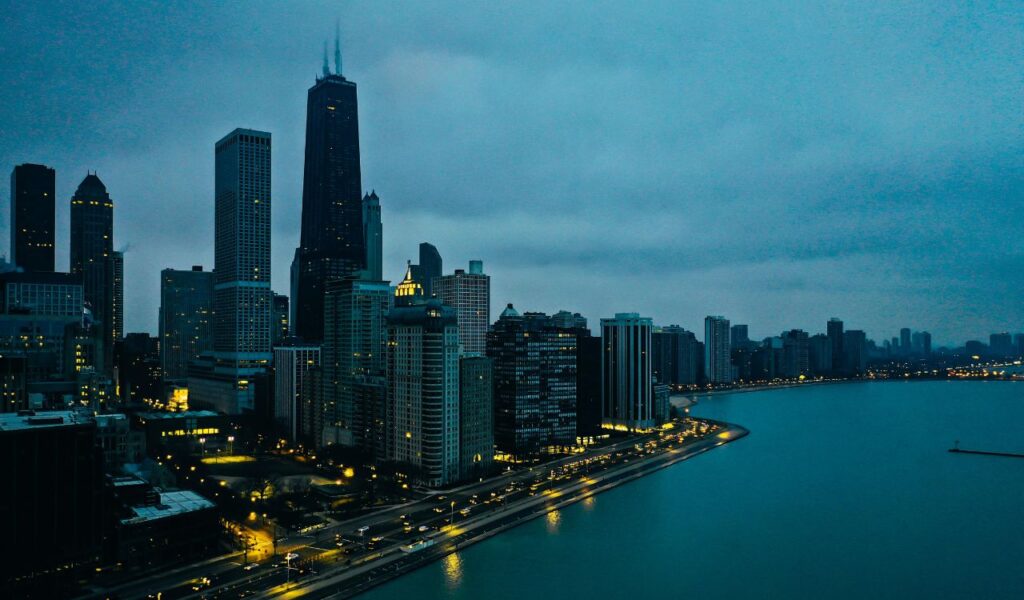
Chicago is built for big crowds, from convention weeks to summer festivals, and staffing those peaks is hard even for large properties. On-request housekeeping has become common across many downtown hotels, with automatic daily cleans more likely at luxury brands, longer stays, or higher rate categories tied to service. The impact feels minor until a packed room follows a late-night show, then a morning scramble happens with no fresh towels unless a request was placed early. Clear communication fixes it, but it is not always offered unless prompted, and the difference between a refresh and a full clean is not always explained up front.
Boston, Massachusetts
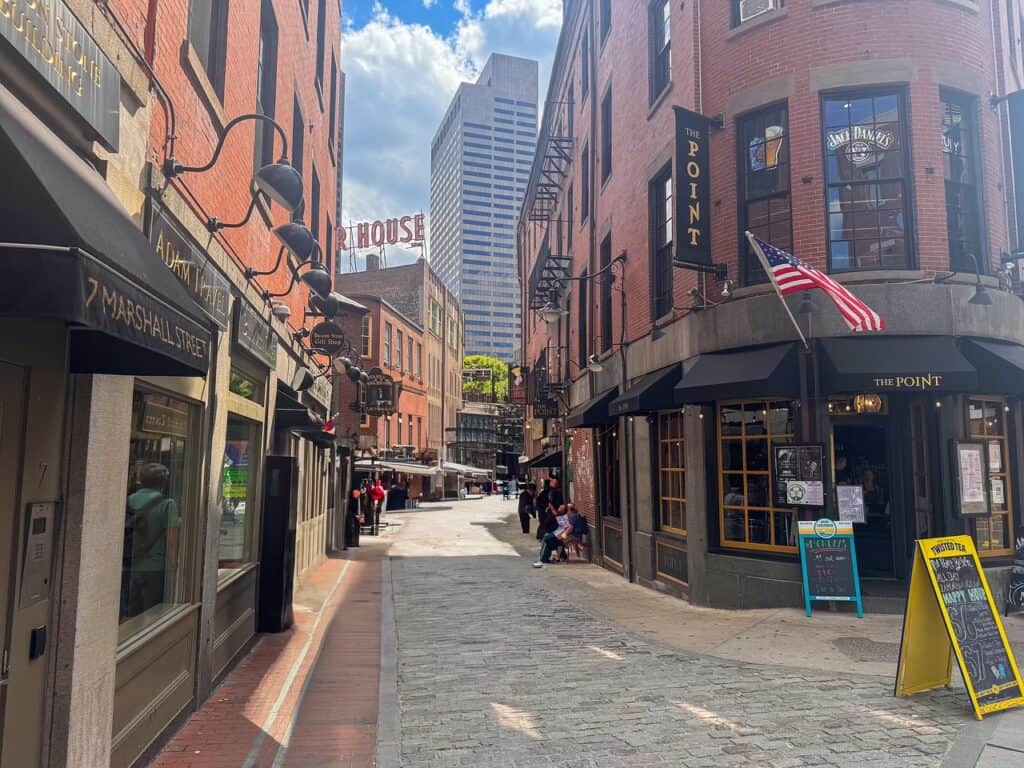
Boston’s compact core pushes hotels to run lean, and housekeeping is one of the first places the new model shows up. Many properties now default to reduced stayover service and treat a full clean as something to request, schedule, and confirm, sometimes with a minimum lead time and limits on same-day turnaround. High occupancy from students, conferences, and weekend tourism rewards quick turnarounds over daily refreshes, but when weather is wet and rooms are small, the lack of a reset can feel larger than the policy makes it sound, especially when add-ons still feel full-service.
Washington, D.C.

Washington’s hotel demand spikes with hearings, conferences, and school trips, so operations are built around predictable check-in and checkout waves. As a result, many hotels offer housekeeping on request during the stay, while keeping turnover teams focused on rooms that need to be ready for the next arrival. Guests often notice the policy in fine print on the key packet or app, not in conversation, and that silence can make the opt-in model feel like a downgrade unless staff clearly explains how to request service, what is included, and what is not, since some hotels treat it as a privacy perk and others as a staffing workaround.
Denver, Colorado
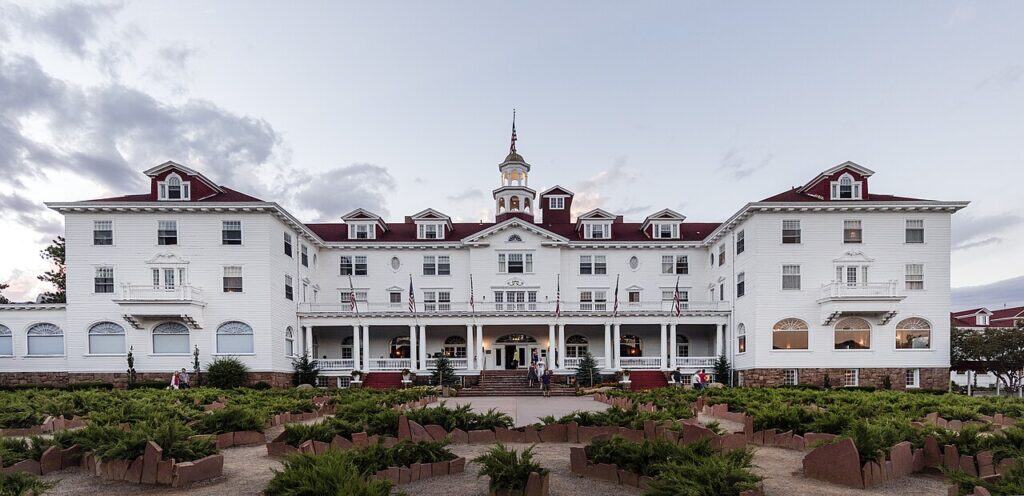
Denver sits at the crossroads of business travel and mountain getaways, and hotels have adopted the same streamlined housekeeping playbook seen nationwide. On-request service is common for two- or three-night stays, especially at limited-service properties that reserve daily cleans for checkouts, long bookings, and high-turnover weekends. The approach makes sense until boots, jackets, and trail snacks turn the room into a staging area. Hotels usually respond quickly once asked, but the default is no longer a daily reset, and that small shift changes how the stay feels after a dusty hike or a snow day, when a simple reset matters.
Other Blog Posts You Might Enjoy
www.idyllicpursuit.com (Article Sourced Website)
#Major #Cities #Hotel #Housekeeping #Request #Idyllic #Pursuit