
We may earn money or products from the companies mentioned in this post. This means if you click on the link and purchase the item, I will receive a small commission at no extra cost to you … you’re just helping re-supply our family’s travel fund.
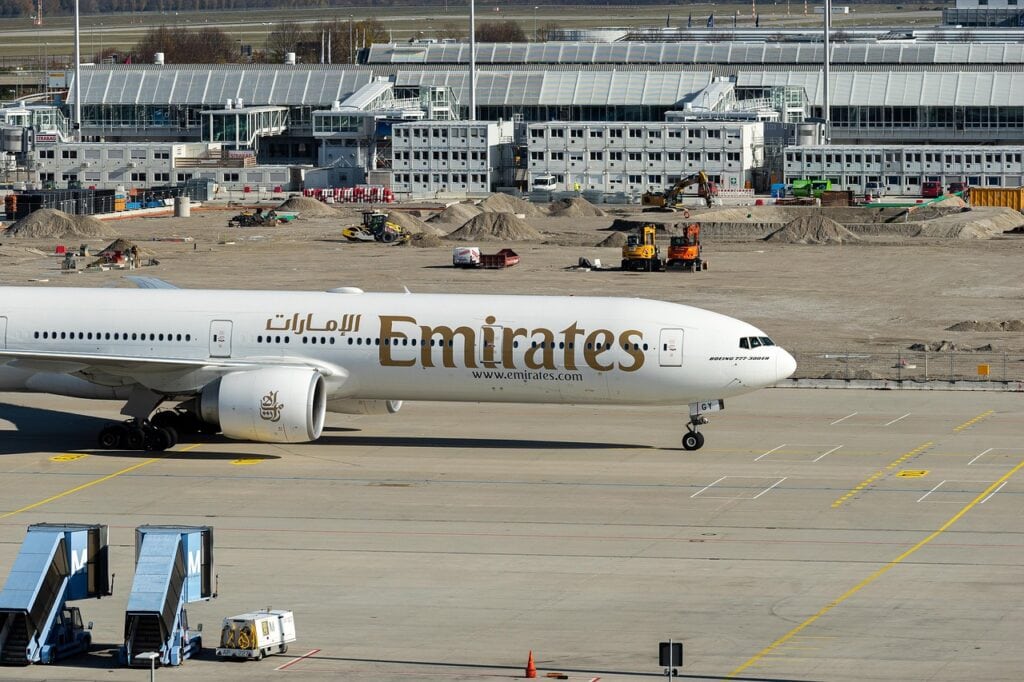
Air travel in 2026 is expected to face serious strain as several of the world’s busiest airports enter peak phases of construction, system upgrades, runway closures, and operational overhauls. These disruptions go far beyond minor inconveniences, often affecting millions of passengers through delays, rerouted flights, and reduced capacity. From megaproject terminals to aging infrastructure finally being replaced, these airports will test traveler patience and airline logistics alike. Understanding where and why disruptions are happening can help travelers plan smarter, avoid risky connections, and anticipate delays well before arriving at the terminal.
1. London Heathrow Airport (LHR) : United Kingdom
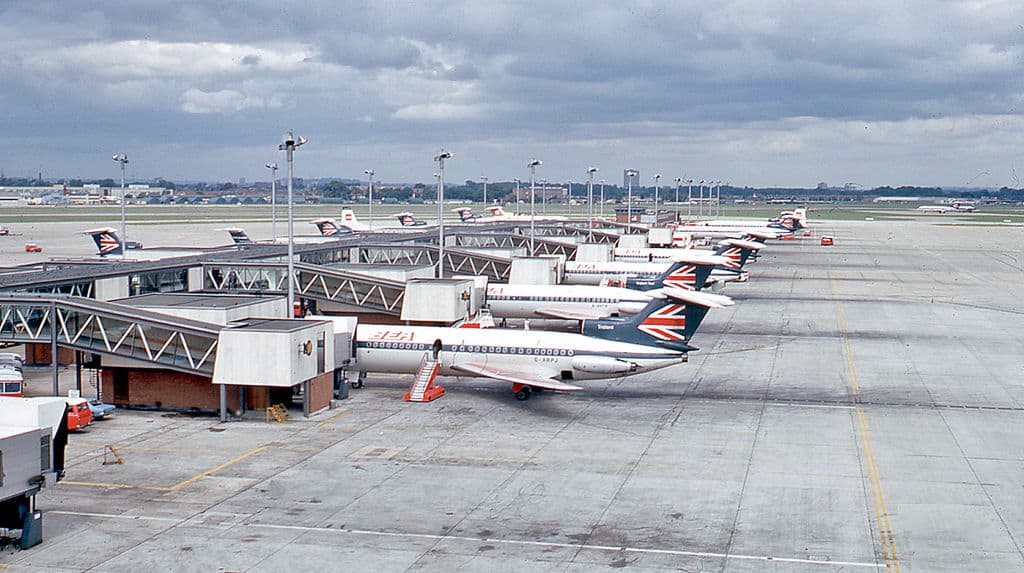
Heathrow is heading into 2026 under intense pressure as infrastructure upgrades collide with already strained capacity. Handling nearly 80 million passengers annually, the airport operates at over 99% runway utilization, leaving no buffer for delays. Electrical system upgrades, terminal refurbishments, and airfield resurfacing are scheduled throughout the year, forcing overnight closures and rolling gate restrictions. Airlines are expected to cut up to 8–10% of peak-hour slots, increasing cancellation risks. With average delays already exceeding 18 minutes per flight, Heathrow’s disruption impact in 2026 is likely to ripple across Europe.
2. Frankfurt Airport (FRA) : Germany
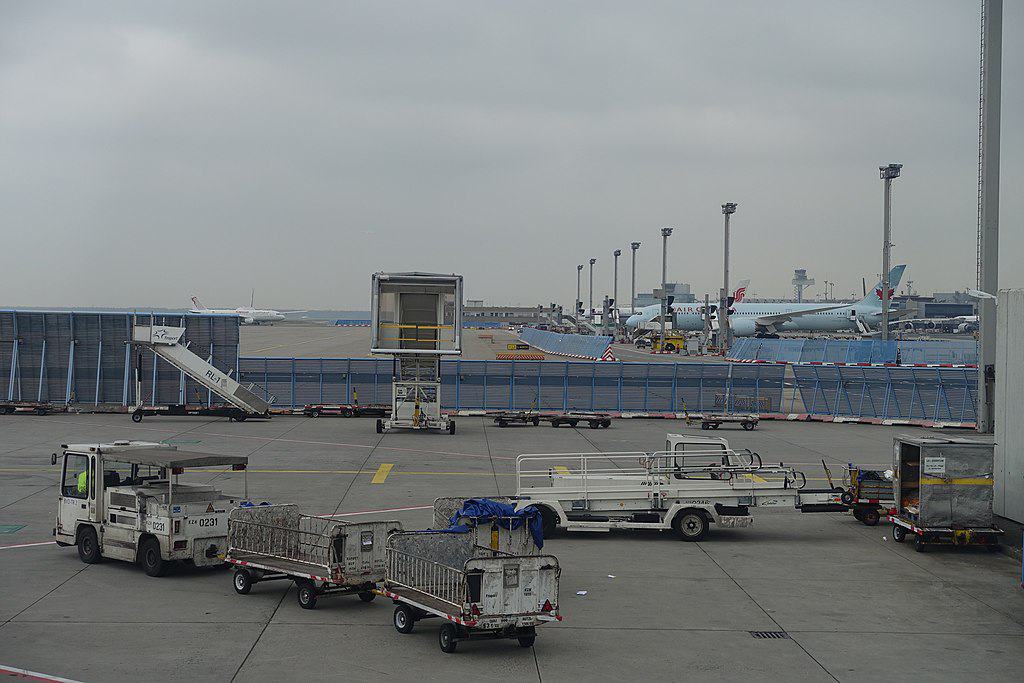
Frankfurt’s long-awaited Terminal 3, a €4 billion project, enters phased activation in 2026, creating one of Europe’s most complex transition periods. The airport serves over 70 million passengers annually, and shifting airlines between terminals will temporarily reduce processing efficiency by an estimated 12%. Construction zones will limit taxiway access, increasing average aircraft ground times by 6–9 minutes. Passenger transfer distances may increase by nearly 30% during interim layouts. While the expansion boosts long-term capacity, 2026 travelers should expect confusion, congestion, and longer connection times.
3. Los Angeles International Airport (LAX) : United States
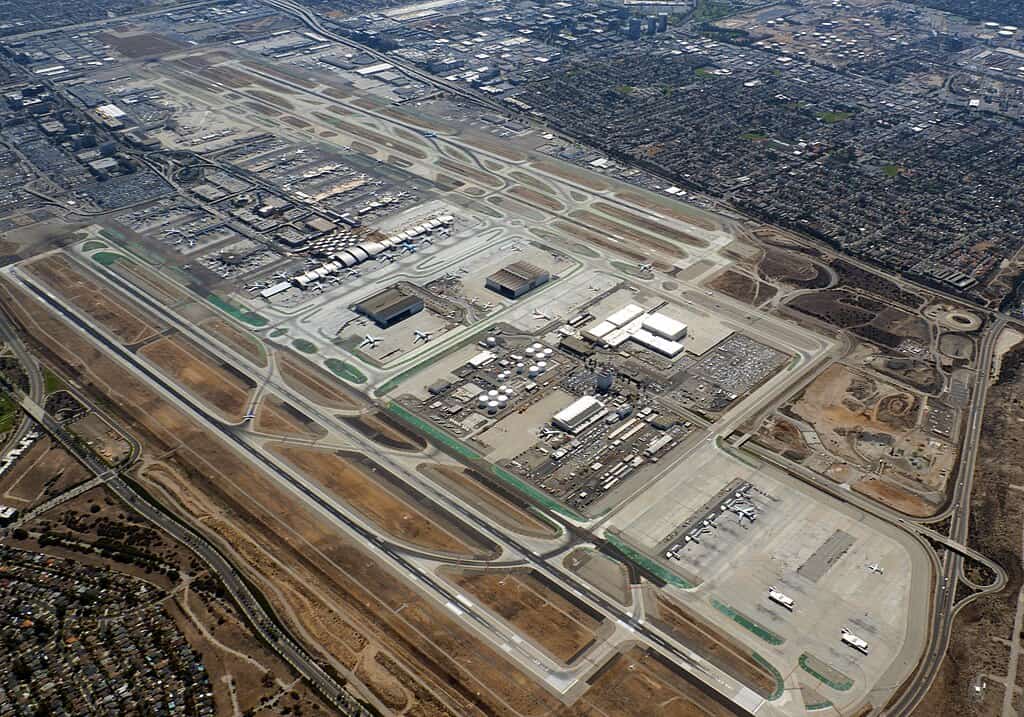
LAX’s multibillion-dollar modernization enters its most disruptive phase in 2026, as final integration work continues on the Automated People Mover and terminal roadways. Serving roughly 88 million passengers per year, the airport already ranks among the top five for U.S. delays. Lane closures are expected to reduce curbside capacity by 25%, while internal transfers may take 15–20 minutes longer than usual. Airlines anticipate schedule padding increases of up to 10%, especially during summer. For international travelers, missed connections and ground congestion will be a serious concern.
4. Paris Charles de Gaulle Airport (CDG) : France
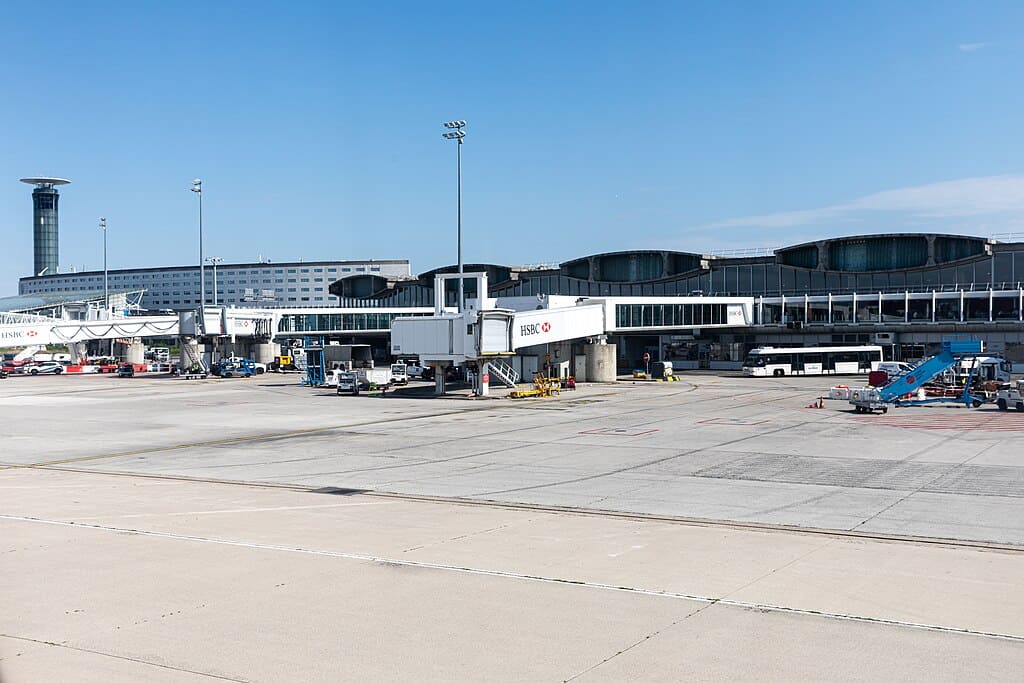
Charles de Gaulle faces overlapping runway rehabilitation and terminal modernization projects throughout 2026, impacting Europe’s second-busiest hub. With over 72 million annual passengers, even minor disruptions cascade quickly. One runway is scheduled for partial closures for nearly 120 days, reducing departure capacity by approximately 15% during peak hours. Terminal renovations will temporarily close over 30 contact gates, forcing more bus boarding operations. Average departure delays are projected to rise beyond 20 minutes, particularly for long-haul flights. CDG’s scale means disruptions will be felt well beyond France.
5. Amsterdam Schiphol Airport (AMS) : Netherlands
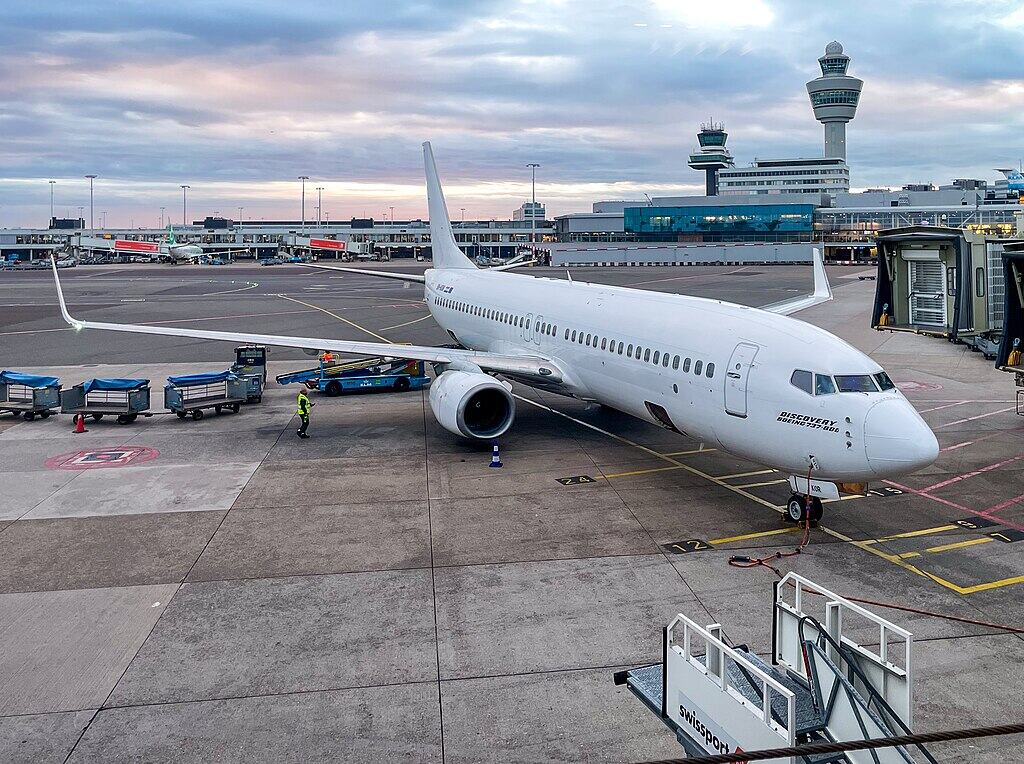
Schiphol continues grappling with capacity caps and infrastructure renewal in 2026, despite handling nearly 65 million passengers in a constrained layout. Runway maintenance schedules will rotate closures, leaving as few as four runways operational at times instead of six. Combined with staffing shortages, daily flight limits could drop by 7–9%. Security wait times are projected to exceed 45 minutes during peak periods. Airlines are already reducing short-haul frequencies, increasing pressure on long-haul operations and making Schiphol one of Europe’s most unpredictable transit hubs in 2026.
6. Dubai International Airport (DXB) : United Arab Emirates
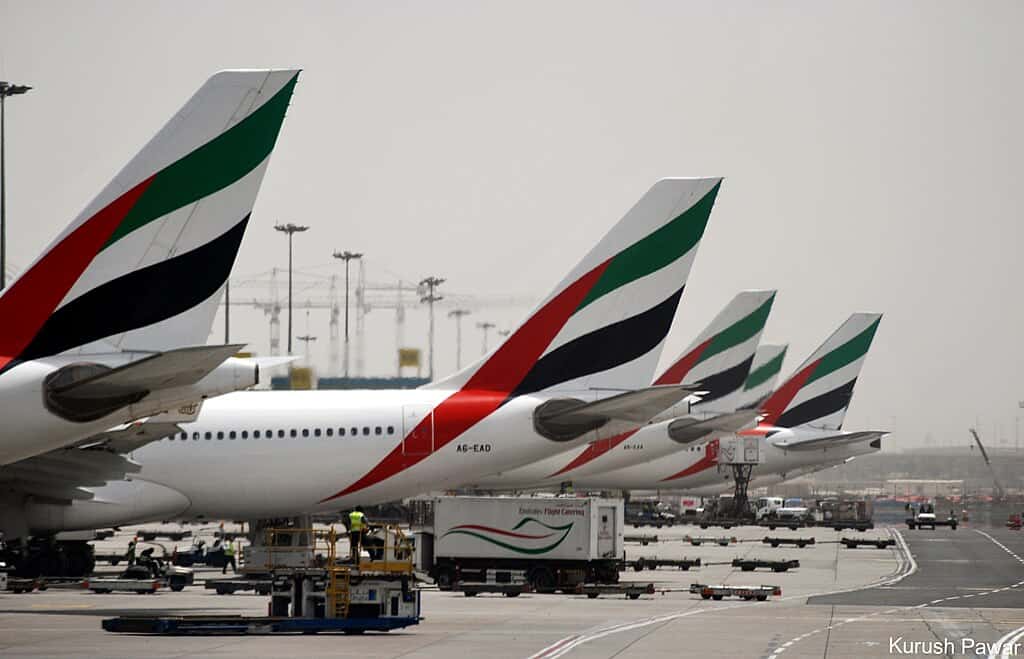
Dubai International, the world’s busiest international airport with over 86 million passengers annually, faces major airside resurfacing and terminal system upgrades in 2026. One runway is scheduled for sequential night closures totaling 90 days, limiting movements by nearly 20 flights per hour during certain windows. Aircraft turnaround times may increase by 10–12%, especially for wide-body jets. While operations remain continuous, even minor disruptions at DXB affect global networks. Passengers should expect schedule changes, longer taxi times, and heightened congestion during overnight departure waves.
7. New York JFK Airport (JFK) : United States
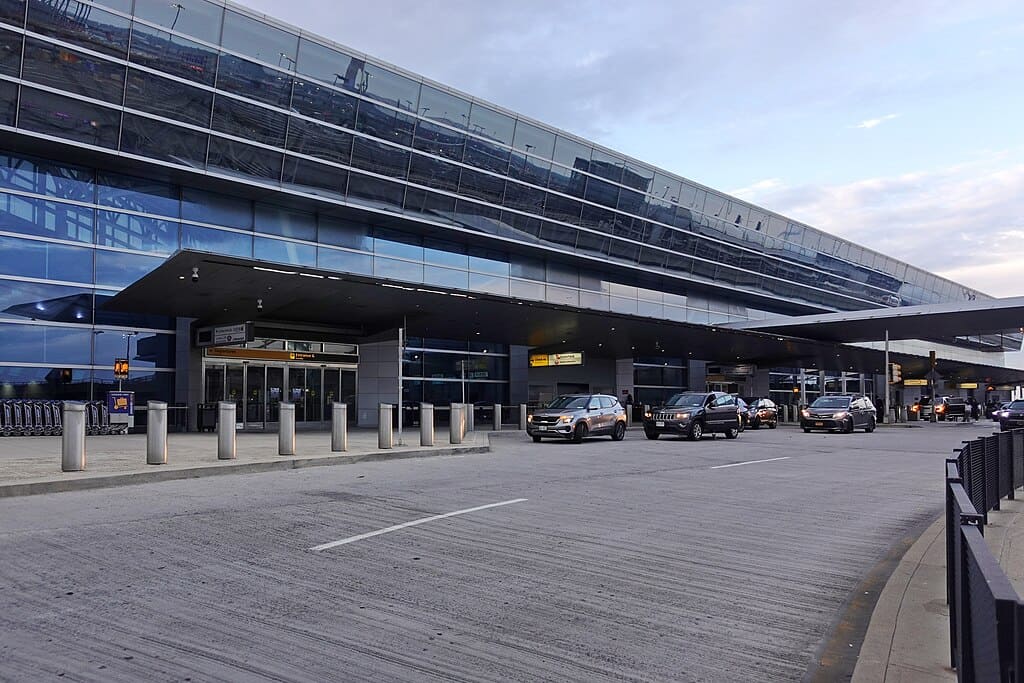
JFK’s $19 billion redevelopment enters a critical construction phase in 2026, affecting terminals, roadways, and airfield access. Handling around 62 million passengers annually, the airport will experience recurring lane closures that reduce vehicle throughput by up to 30%. Terminal consolidations will temporarily shrink gate availability by 8–10%, increasing ground delays. Weather already causes average delays of 21 minutes, and construction adds further strain. International connections, particularly during evening departure banks, will face the highest risk of missed flights and cascading delays.
8. Tokyo Narita Airport (NRT) : Japan
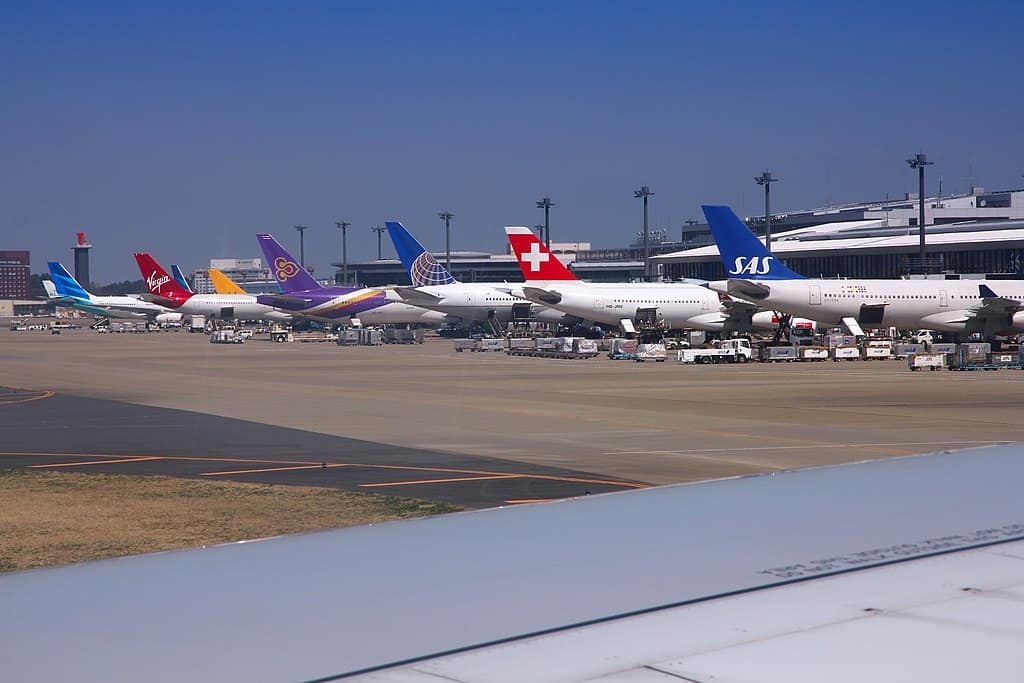
Narita’s long-term expansion accelerates in 2026 as the airport prepares for future demand beyond 45 million passengers per year. Runway extensions and taxiway realignments will restrict nighttime operations, cutting late-hour movements by approximately 15%. Terminal renovations may temporarily close 12–15 boarding gates, increasing bus transfers. While efficiency remains high, connection times could rise by 10–15 minutes. Airlines are adjusting schedules to compensate, but peak holiday travel periods will still see congestion and reduced operational flexibility across Asia-Pacific routes.
9. Sydney Kingsford Smith Airport (SYD) : Australia
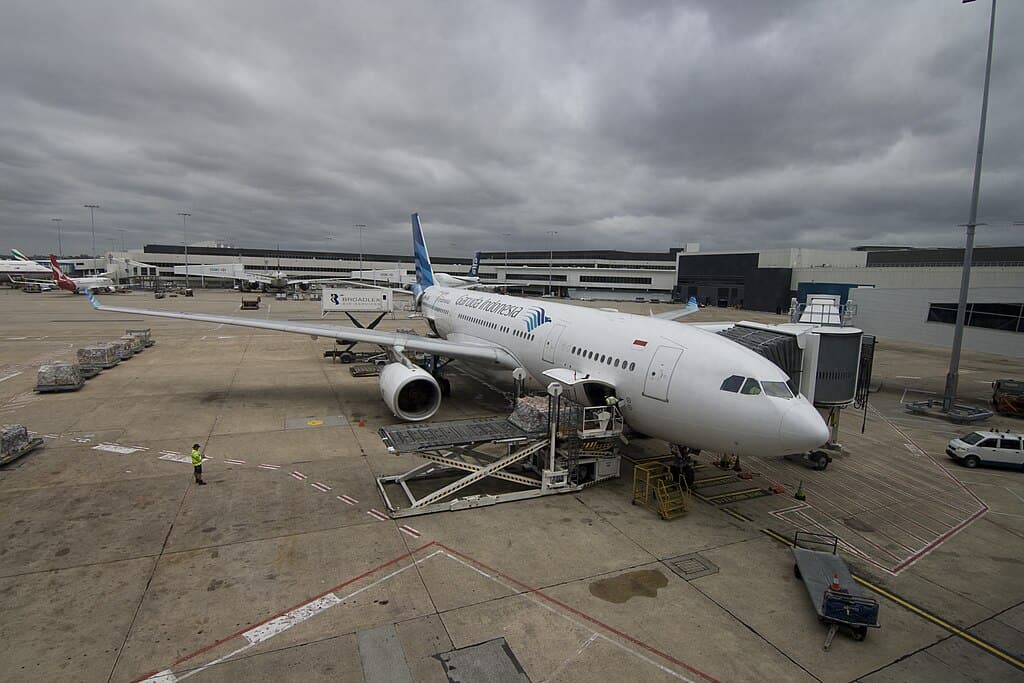
Sydney’s capacity-constrained layout makes any construction especially disruptive, and 2026 brings significant terminal and apron upgrades. With nearly 44 million annual passengers, the airport operates under strict curfews, amplifying the impact of delays. Construction will reduce available aircraft stands by 10%, increasing taxi congestion and gate holds. Average departure delays could exceed 17 minutes during peak seasons. International arrivals are particularly vulnerable, as missed curfew windows can lead to overnight diversions, creating costly disruptions for airlines and travelers alike.
10. Indira Gandhi International Airport (DEL) : India
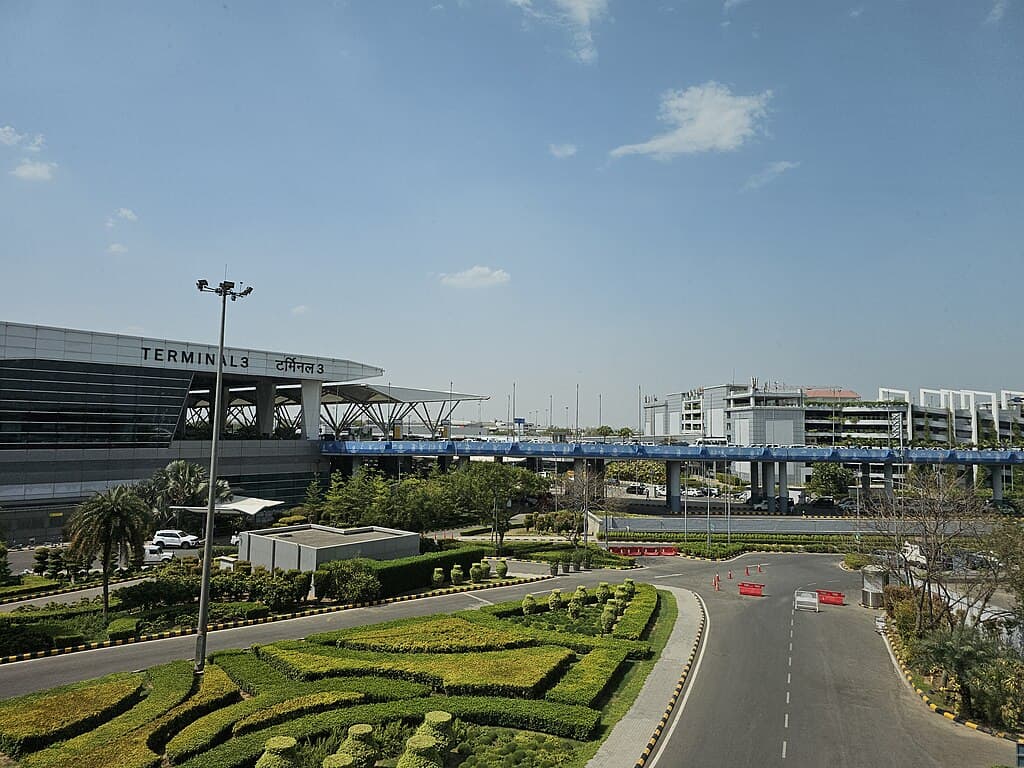
Delhi Airport’s rapid growth pushes infrastructure to its limits in 2026, as expansion and system upgrades occur simultaneously. Serving over 72 million passengers annually, the airport is adding capacity but at the cost of short-term disruption. Runway maintenance schedules may reduce hourly movements by 8–10%, while terminal works increase walking distances by nearly 25% in some zones. Technical upgrades to air traffic systems could cause intermittent delays. With peak-hour congestion already severe, even minor setbacks may trigger widespread schedule instability.
Other Blog Posts You Might Enjoy
www.idyllicpursuit.com (Article Sourced Website)
#Airports #Undergoing #Massive #Disruptions #Idyllic #Pursuit