
We may earn money or products from the companies mentioned in this post. This means if you click on the link and purchase the item, I will receive a small commission at no extra cost to you … you’re just helping re-supply our family’s travel fund.
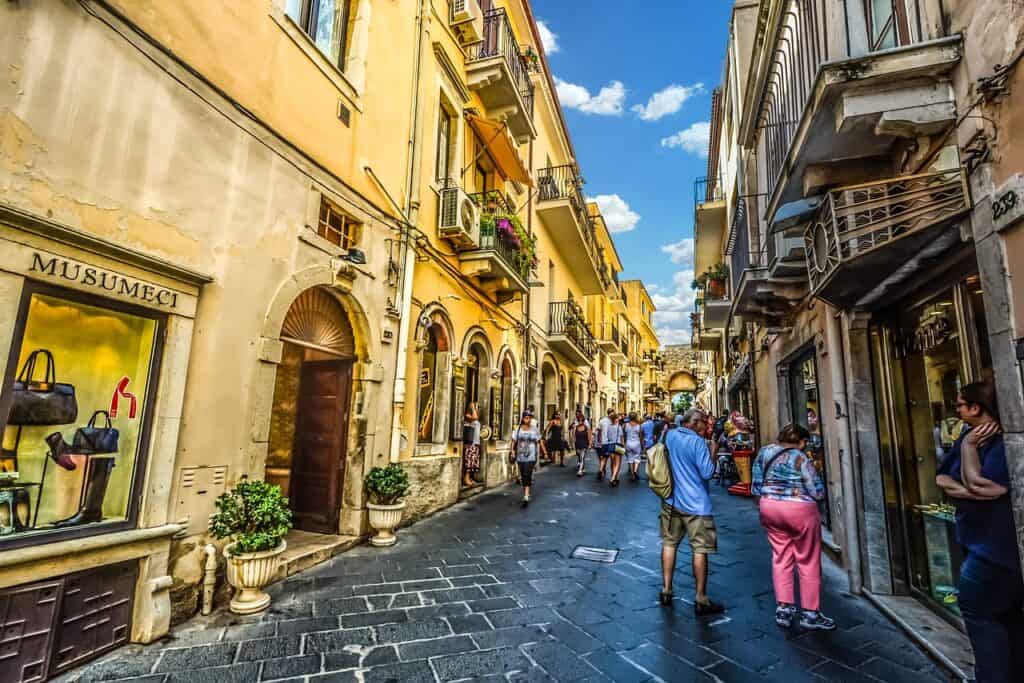
For American travelers accustomed to tapping their card everywhere, certain destinations still operate on rhythms shaped by tradition, habit, and limited digital infrastructure. In these places, “cashless anxiety” becomes a very real travel companion. Whether it’s unreliable networks, small-business preferences, or long-standing cultural norms, carrying physical currency can determine whether your plans unfold smoothly or turn unexpectedly stressful.
1. Germany’s Small Businesses and Markets

Many visitors are surprised that nearly 40% of Germany’s small shops still insist on cash. Independent cafés, bakeries, and market vendors avoid card fees that often add $4–$6 per transaction for them. Even in major cities, “Nur Bargeld” signs appear frequently, especially at weekend stalls or older establishments. Tourists relying on cards may end up scrambling for ATMs, which themselves can charge $5–$7. Keeping some dollars converted to euros ahead of time saves time and frustration.
2. Rural Japan’s Inns, Shrines, and Transit
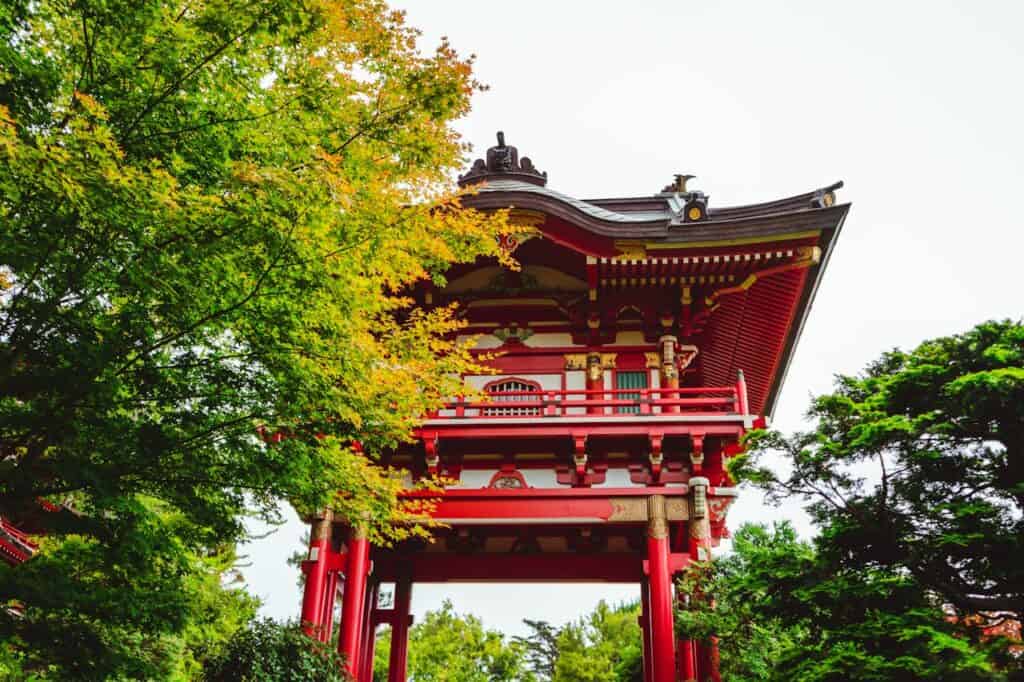
Despite Japan’s modern image, rural regions remain deeply cash-dependent, with about 55% of countryside businesses declining cards entirely. Foreign cards fail on small train machines roughly 30% of the time, and ryokan inns or shrine donation boxes still rely on cash. ATMs outside major cities may charge $3–$6 per withdrawal and can be scarce on weekends. Carrying converted yen ensures smooth movement and prevents stressful detours in remote areas.
3. Italy’s Family-Run Trattorias and Markets
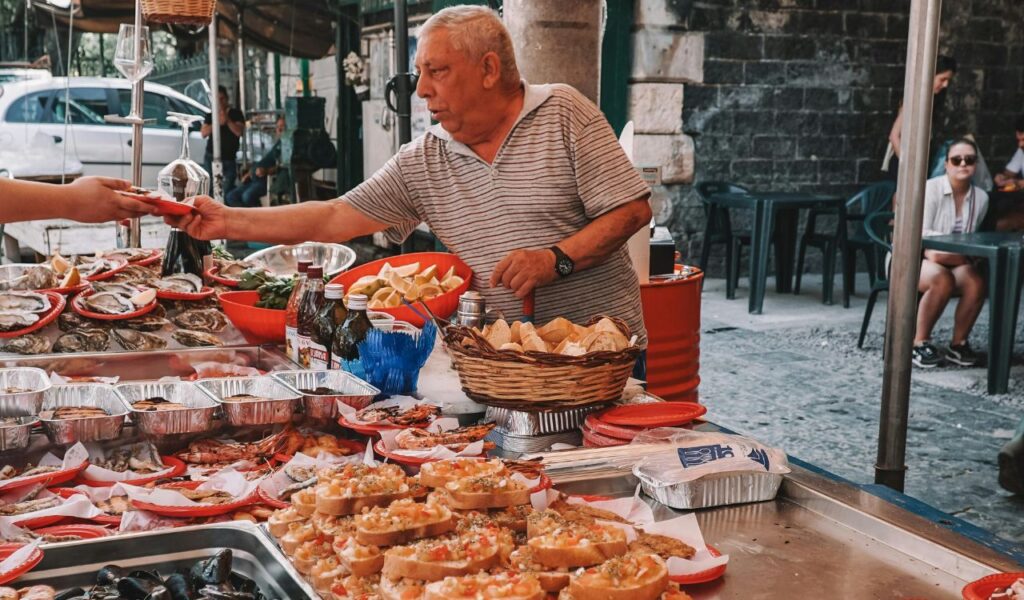
Italy’s beloved trattorias and craft stalls often function without reliable card terminals, with around 50% of smaller establishments still preferring cash. Many vendors also avoid processing small card payments under $15, which slows their service. Tourists wandering old towns frequently encounter cash-only signs when buying snacks or handmade goods. ATMs in historic districts sometimes add $4–$7 in fees, making it smarter to keep a modest amount of euros ready.
4. Greece’s Islands and Remote Villages
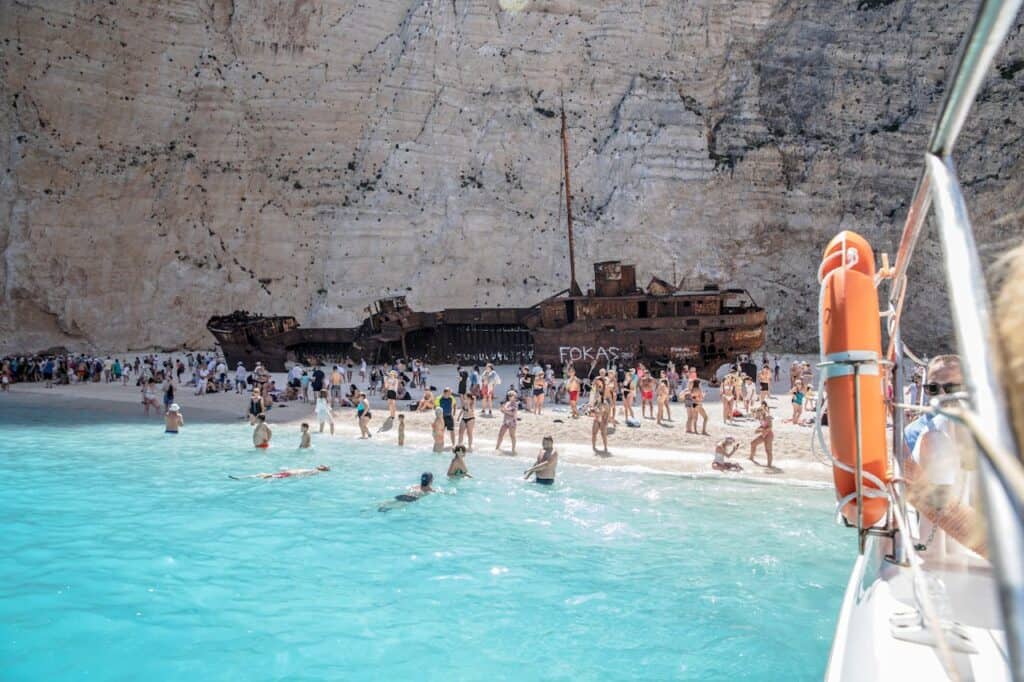
While major Greek islands accept cards widely, in village areas nearly 60% of tavernas and shops still favor cash. Summer crowds often rising 30–40% strain network reliability, causing terminals to fail unexpectedly. Some ferries and beachside rentals also accept cash only. ATMs on smaller islands can charge $5–$8 or even run out of euros on busy weekends. Carrying dollars converted ahead of time is the best way to avoid payment stress during peak travel.
5. Vietnam’s Street Vendors and Rural Transport
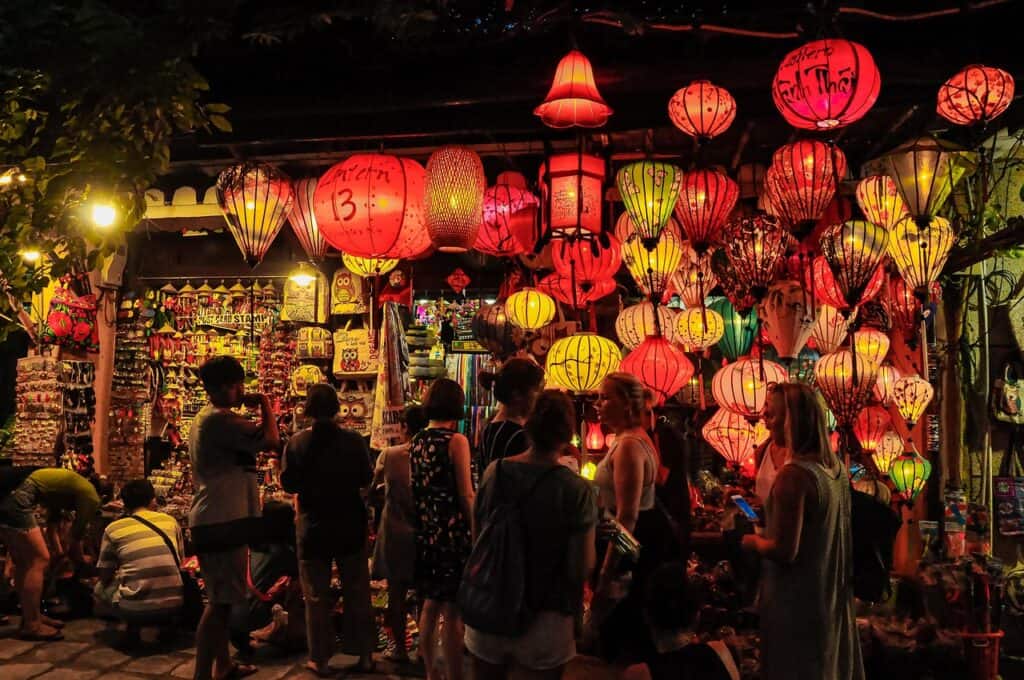
Vietnam’s daily economy remains heavily cash-based, with roughly 70% of transactions still completed by hand. Street food stalls, taxis, and rural buses rarely process cards, and foreign card decline rates hover around 20–25%. Even in cities, smaller shops prefer dong to avoid processing fees that can reach $1–$2 per sale. ATMs often charge $2–$5 per withdrawal, so converting cash beforehand keeps travel flexible and avoids repeated fees.
6. Morocco’s Souks and Traditional Riads
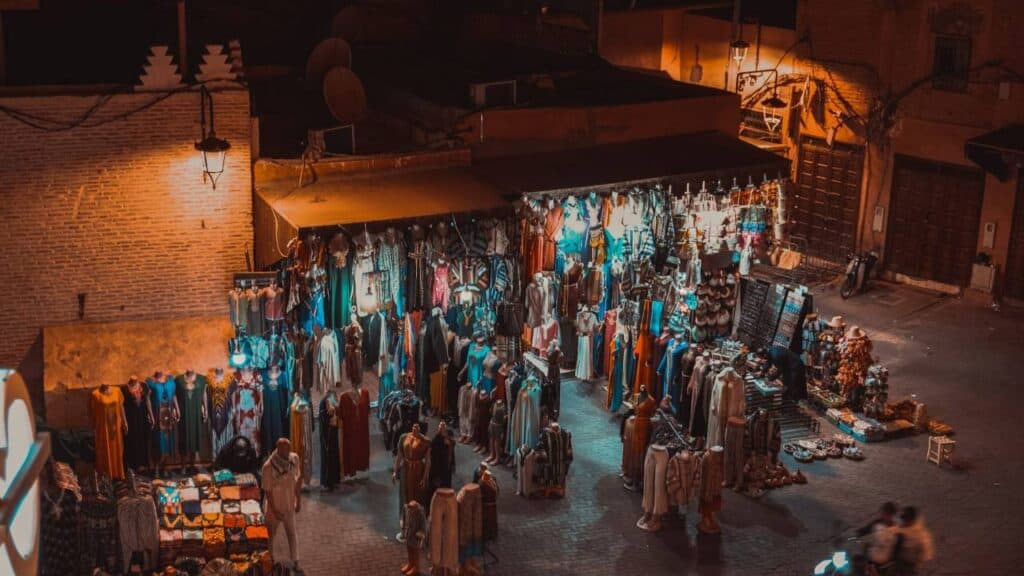
Morocco’s bustling souks operate almost entirely in cash, with about 80% of vendors declining card payments. Negotiations move faster without digital interruptions, and older roads may have terminals that fail 1 in 3 attempts. ATMs in medinas often carry withdrawal fees of $3–$6, and some machines impose low limits. Bringing dirham cash converted in advance helps travelers avoid stalls mid-bargaining and prevents overpaying due to poor exchange rates.
7. India’s Small Vendors and Local Mobility
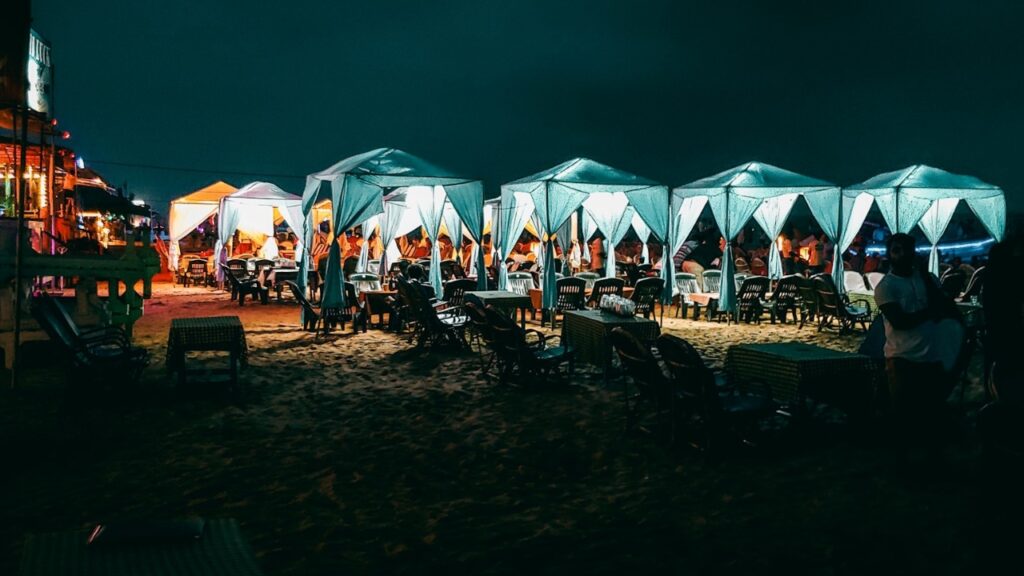
Foreign card transactions in India have a 35% decline rate due to network variations, making cash essential for daily movement. Auto-rickshaws, local eateries, and intercity buses primarily use rupees, especially where 60% of rural markets still avoid digital payments. ATMs in busy areas can have lines stretching 20–30 minutes, and some charge $3–$5 withdrawal fees. Carrying dollars converted to rupees ensures smoother transit and prevents delays.
8. Egypt’s Local Guides, Taxis, and Site Vendors

Egypt relies strongly on cash for everyday tourism, with 65% of vendors near attractions refusing cards. Local guides, taxis, and café owners prefer cash to avoid unreliable networks, and tips are almost always cash-based. ATMs near archaeological sites often limit withdrawals to around $65–$100 per transaction and may add $3–$6 in fees. Having sufficient pounds ahead of time ensures smooth negotiations and quicker interactions during your trip.
9. Nepal’s Trekking Routes and Tea Houses
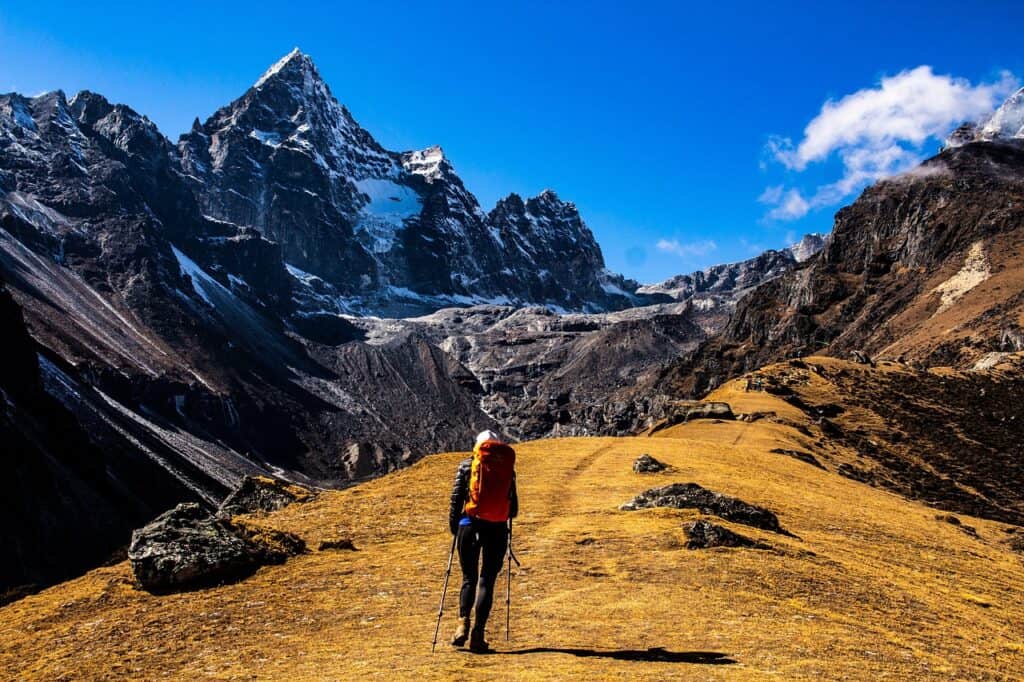
Nepal’s trekking economy is overwhelmingly cash-driven, with 90% of tea houses unable to process cards due to inconsistent electricity and connectivity. Prices for meals and water can rise 20–40% at higher altitudes, and ATMs disappear entirely once you leave Kathmandu. ATMs in cities may also add $4–$6 withdrawal fees. Having a well-planned amount of rupees before starting a trek prevents shortages and keeps multi-day journeys stress-free.
10. Argentina’s Local Shops and Cash Discounts
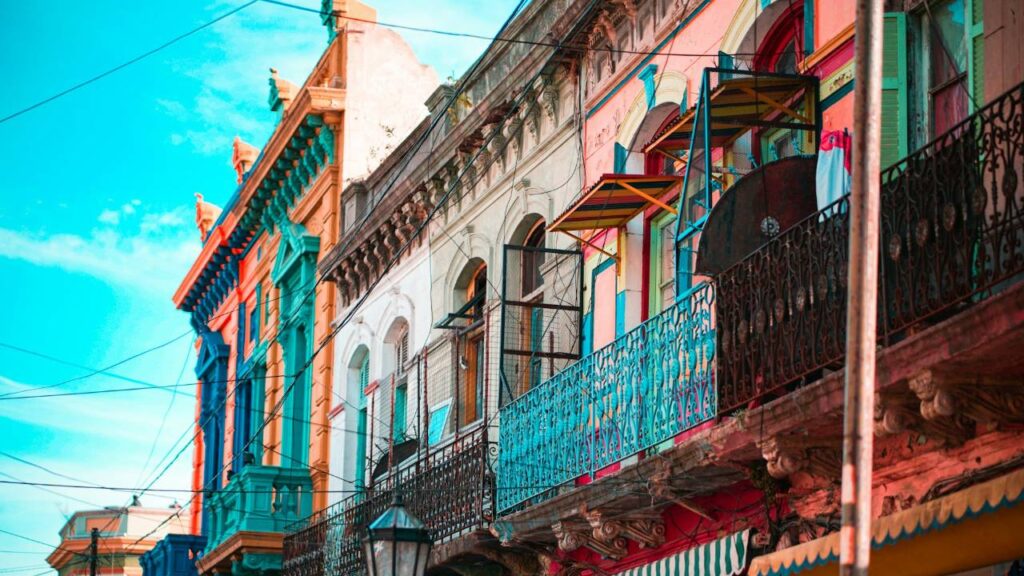
Due to economic fluctuations, nearly 50% of Argentina’s small businesses prefer cash, and many offer 5–10% discounts for cash payments. ATMs often cap withdrawals at $20–$30 USD equivalent per use and may charge $8–$12 in fees, making multiple withdrawals costly. Card conversion rates can also be unpredictable. Carrying dollars to exchange at reputable locations ensures better value and avoids repeated ATM frustration during your stay.
11. Cuba’s Paladares, Casas, and Local Taxis
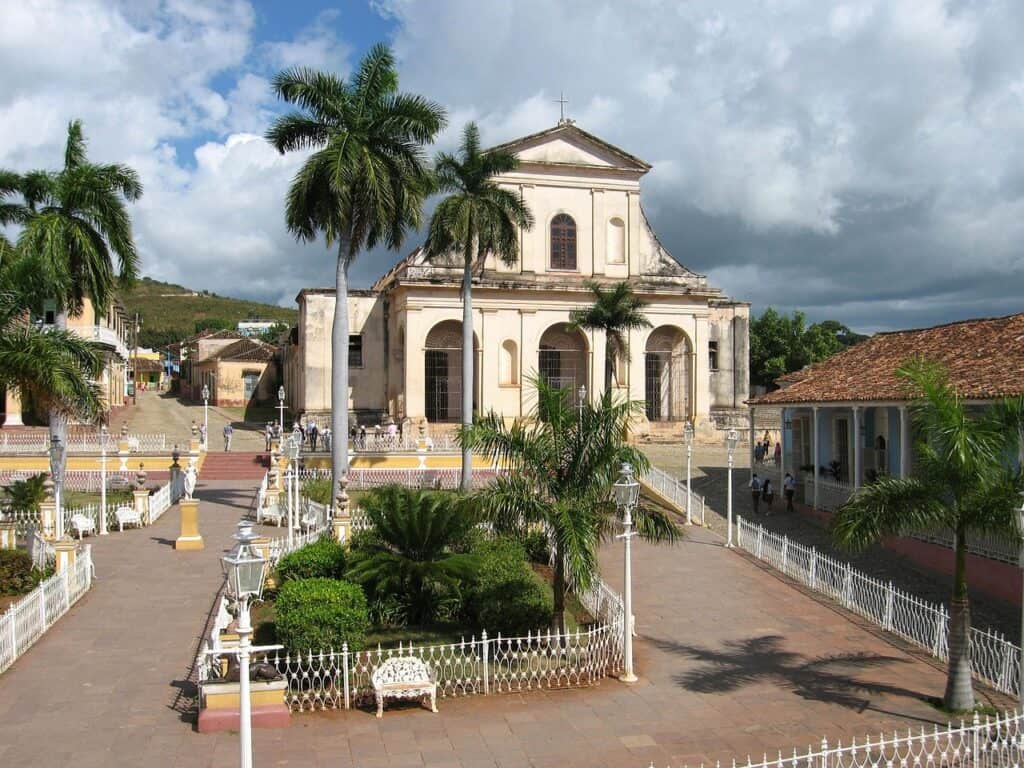
Cuba remains one of the most cash-dependent destinations on earth, with 70–80% of tourist-facing businesses unable to accept foreign cards at all. ATMs rarely work with U.S. bank cards, requiring travelers to bring dollars or euros to exchange on arrival. Meals, taxis, and casa particulares commonly operate exclusively in cash. Without sufficient funds usually recommended at $60–$100 per travel day, visitors can face serious payment obstacles.
12. Tanzania’s Safari Camps and Rural Towns
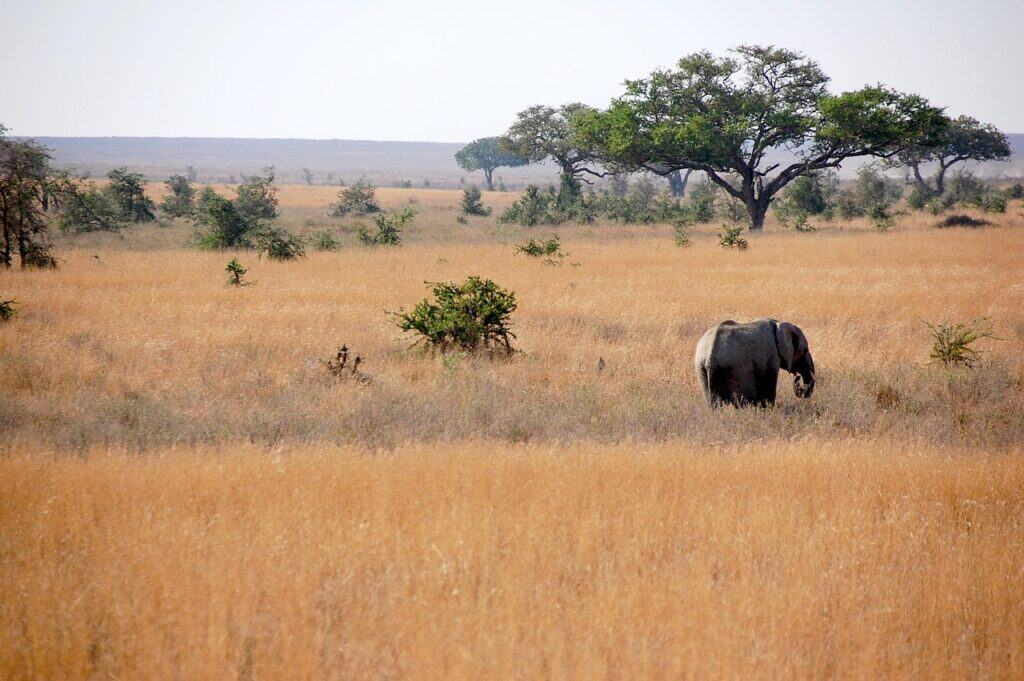
In Tanzania’s tourism zones, about 65% of safari lodges and rural businesses rely on cash because internet dropouts make card terminals unreliable. When cards do work, surcharges of 3–5% are common. ATMs outside large cities can be spaced far apart and may charge $4–$7 per withdrawal. Keeping dollars converted to shillings ensures smooth tipping, reliable payments, and hassle-free travel through national parks and remote communities.
Other Blog Posts You Might Enjoy
www.idyllicpursuit.com (Article Sourced Website)
#Tourist #Destinations #Cash #King #Idyllic #Pursuit