
We may earn money or products from the companies mentioned in this post. This means if you click on the link and purchase the item, I will receive a small commission at no extra cost to you … you’re just helping re-supply our family’s travel fund.
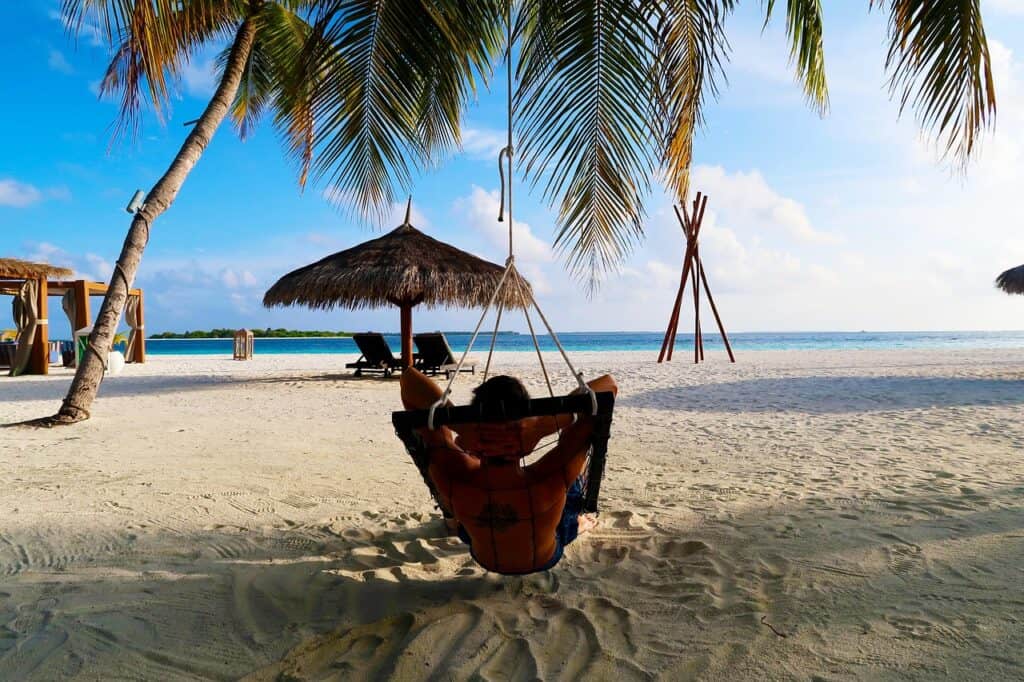
Travelers often budget for flights, hotels, and food but overlook destination-specific taxes that increase trip costs. Many governments now use these fees to manage tourism volume, repair infrastructure, or restore ecosystems strained by heavy visitation. While some charges are small, others add up quickly over days or apply to every visitor regardless of trip length. These fourteen examples highlight how easily an unexpected fee, whether $7 or $100 can impact a traveler’s experience and final budget.
1. Venice, Italy : Day-Tripper Access Fee
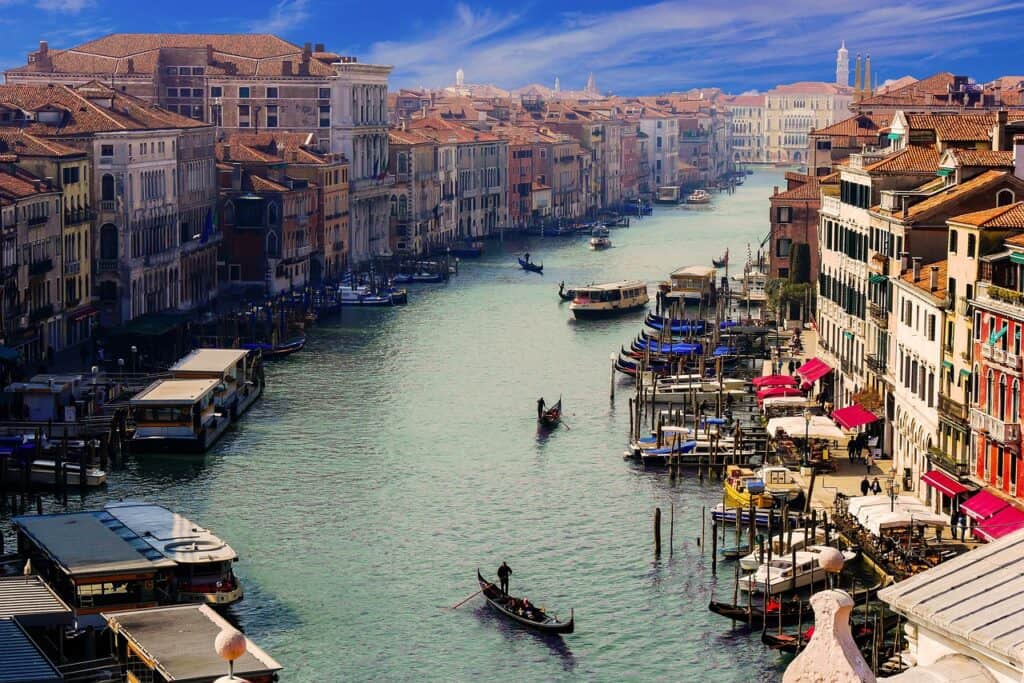
Venice’s day-visitor fee surprises newcomers because it applies even without an overnight stay. On designated high-traffic days, travelers must register online and pay the mandatory $11 access charge before entering the lagoon city. Officials say the fee helps cover crowd-management costs and protects fragile bridges, canals, and public spaces overwhelmed by more than 20 million annual visitors. Tourists who fail to pre-book risk fines, making spontaneous day trips more complicated than many expect.
2. New Zealand : International Visitor Levy
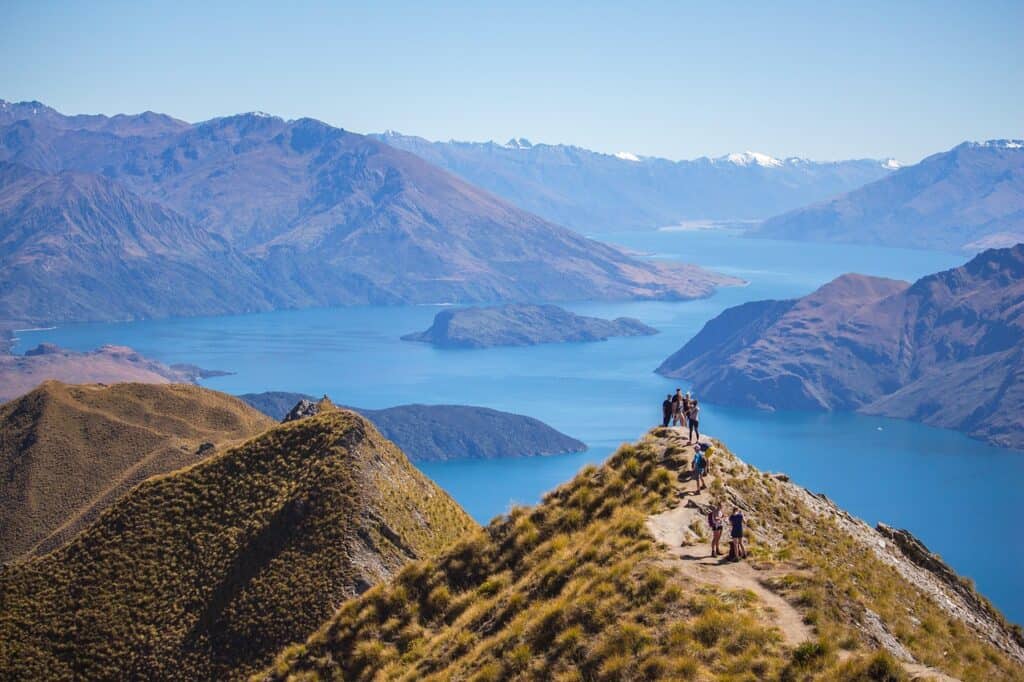
New Zealand attaches its visitor levy to most entry permits, adding $63 to the total cost of visiting the country. The government uses the revenue to maintain national parks, protect endangered species, and improve tourism infrastructure popular with hikers, campers, and adventure seekers. Although the amount is modest compared to trans-Pacific flights, many travelers are caught off guard when the charge appears during the visa or e-travel authorization process, effectively adding a hidden layer to trip planning.
3. Japan : Sayonara Departure Tax

Japan’s departure fee, known as the Sayonara Tax, is automatically added to outgoing tickets and charges each traveler $7upon leaving the country. The funds support upgrades to airports, immigration gates, transport links, and multilingual tourism services that assist millions of visitors annually. Because the tax is embedded within airline pricing, many people don’t know they’ve paid it until reading the fine print. Despite its small amount, it remains one of Japan’s most quietly consistent revenue sources.
4. Lisbon, Portugal : Overnight Tourist Tax

Lisbon charges an overnight tax of $4.40 per guest, per night, and the amount is typically added to hotel bills at checkout. While individually minor, the cost becomes significant during longer stays or when traveling with family. Funds support city maintenance, additional policing, and improvements in heavily visited districts such as Alfama and Baixa. Many first-time visitors are surprised by the added line item, especially when budgeting carefully, but the city sees it as essential to balancing resident life with tourism pressures.
5. Balearic Islands, Spain : Sustainable Tourism Tax
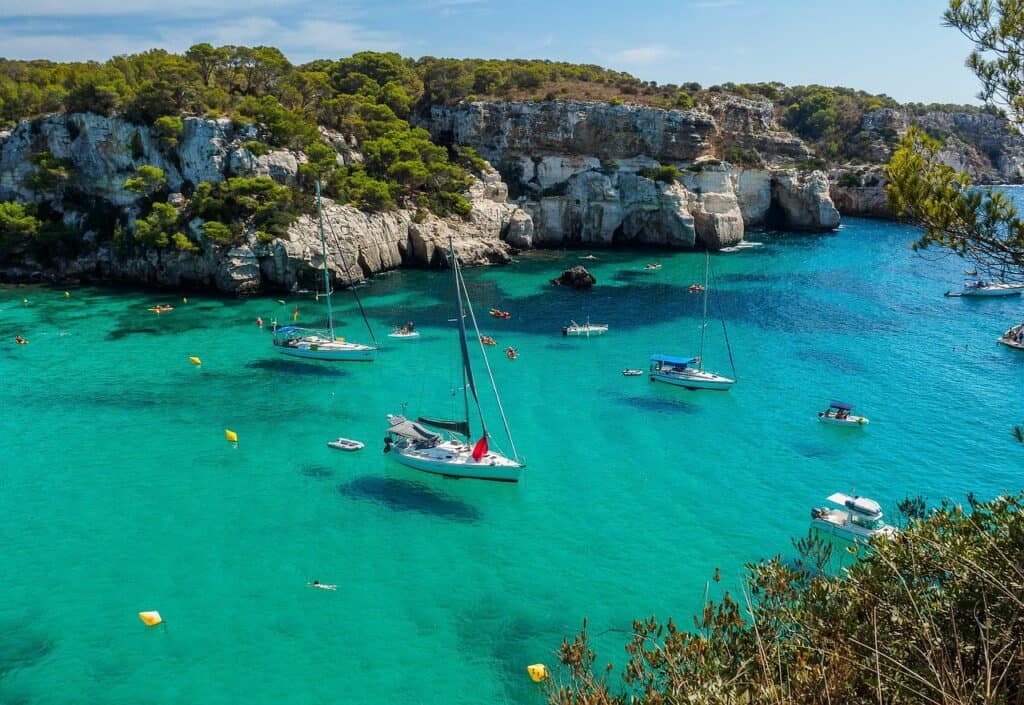
The Balearic Islands impose a sustainability tax that averages $5 per person, per night in standard accommodations. The fee varies based on lodging type, so guests in luxury hotels pay more than those in hostels. Revenue supports dune restoration, beach cleaning, cultural heritage protection, and water conservation across Mallorca, Menorca, and Ibiza. Because the fee is collected on arrival, travelers often discover it unexpectedly, especially those accustomed to all-inclusive packages that rarely highlight such nightly charges.
6. Greece (Islands) : Climate Crisis Resilience Fee
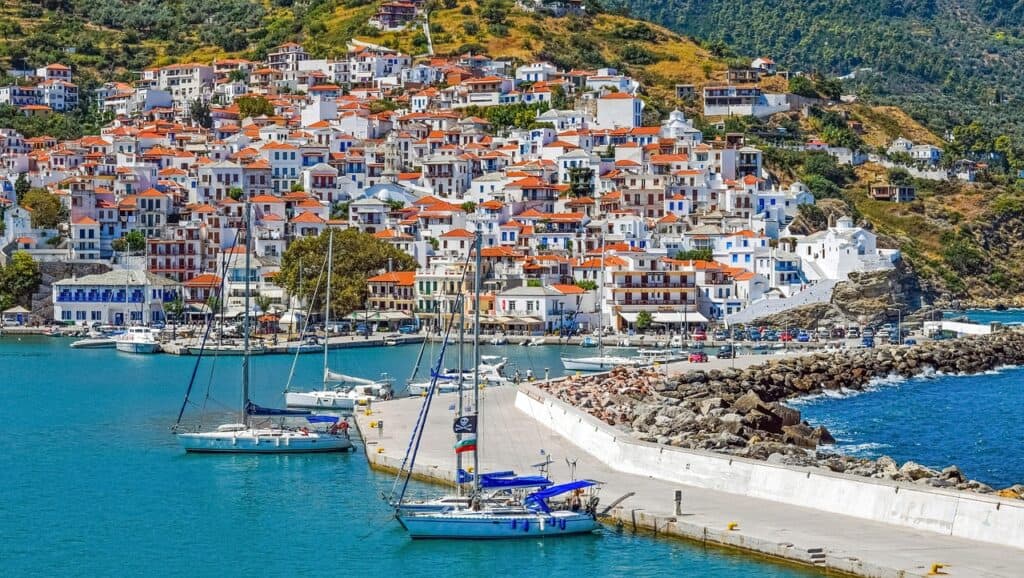
Greece’s updated resilience fee applies widely across hotels and tourist accommodations, with travelers on islands like Mykonos or Santorini typically paying around $22 during peak season. The charge replaces an older, smaller tax and helps repair infrastructure damaged by climate-related events. Many visitors only learn about it when checking into their hotel, where the amount is added per room, per night. As tourism volumes continue rising, Greece argues the fee is necessary to sustain essential public services.
7. Maldives : Green Tax
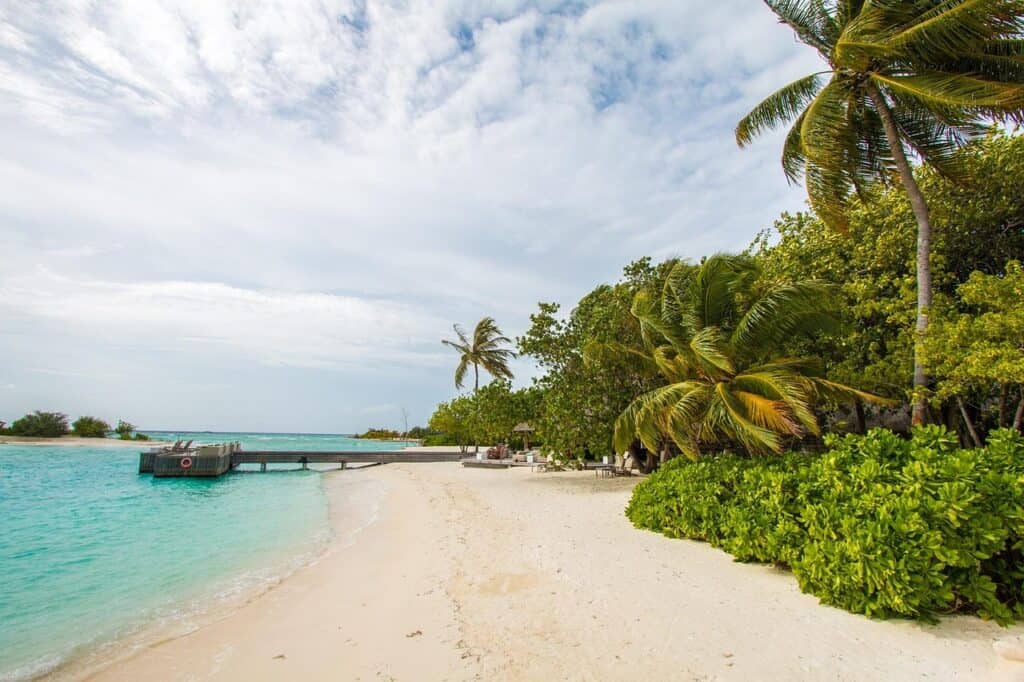
The Maldives charges a Green Tax on every overnight stay, adding $12 per night in resorts and $6 in smaller guesthouses. For week-long trips, this easily becomes a sizable addition to the budget. The funds support waste management, reef conservation, and coastal protection across its more than 1,000 islands. With many visitors focusing on resort rates alone, the tax often appears as a surprise on final bills, illustrating how environmental fees are now embedded into luxury travel experiences.
8. Bhutan : Sustainable Development Fee

Bhutan’s tourism model includes a significant Sustainable Development Fee set at $100 per person, per night for most foreign visitors. This charge supports free healthcare, education, and environmental conservation across the Himalayan kingdom. The fee is part of Bhutan’s “High-Value, Low-Volume” tourism policy, which intentionally limits visitor numbers. Travelers who don’t research thoroughly often react to the high nightly cost, yet the country argues it maintains cultural preservation and minimizes overtourism impacts.
9. Machu Picchu, Peru : Entry Ticket
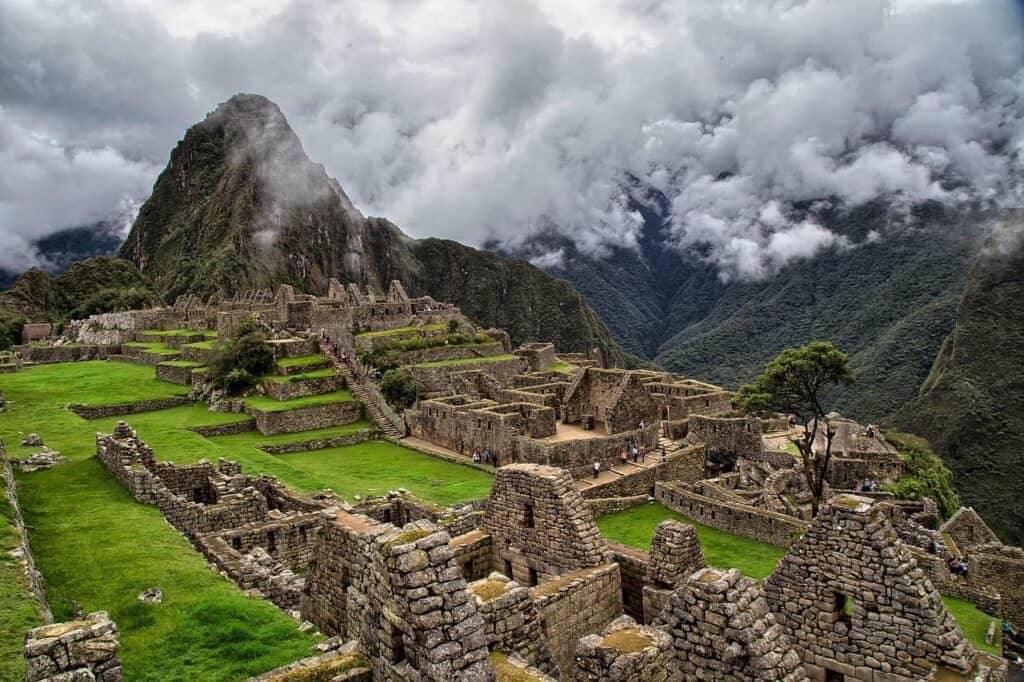
Entry to Machu Picchu requires purchasing a ticket that typically costs $53 for adults choosing standard circuits. Additional options, such as climbing Huayna Picchu or Machu Picchu Mountain, increase the total cost further. Visitors must select specific time slots and circuits in advance, as the site limits daily entries to protect the ruins. The structured system helps manage crowds but surprises many travelers who expect simple, single-price access to Peru’s most iconic archaeological landmark.
10. Bali, Indonesia : Tourist Levy
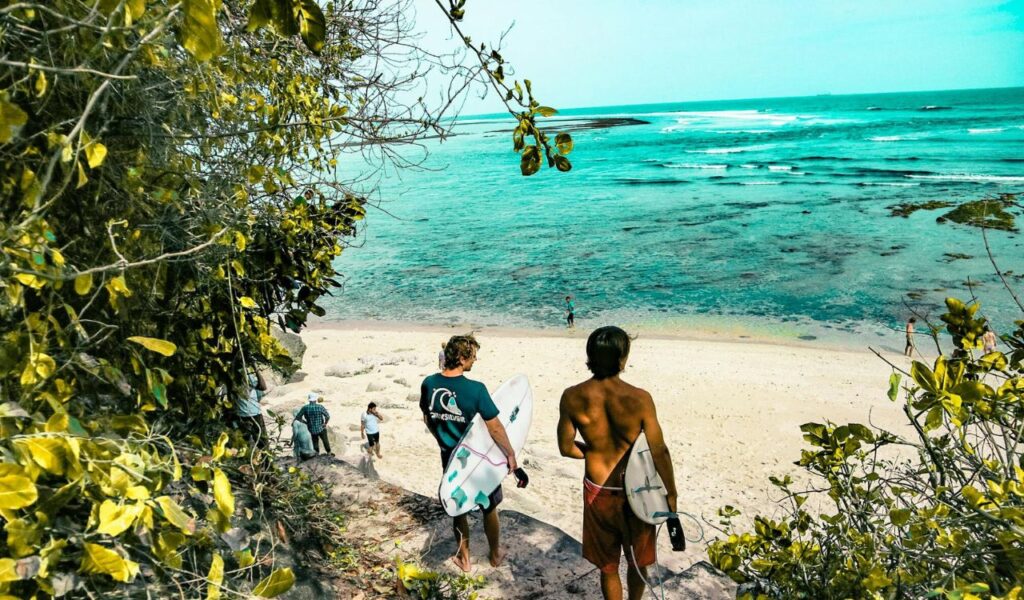
Bali recently introduced a mandatory tourist levy of $10, collected upon arrival or paid digitally before entering the island. Authorities use the revenue to protect temples, repair roads, improve waste management, and preserve cultural performances that draw millions of visitors each year. Although relatively small, the fee can surprise budget travelers who didn’t anticipate a separate charge outside visa costs. Its simplicity, though, makes it one of the more straightforward tourism fees in Southeast Asia.
11. Fiji : Environment & Climate Adaptation Levy
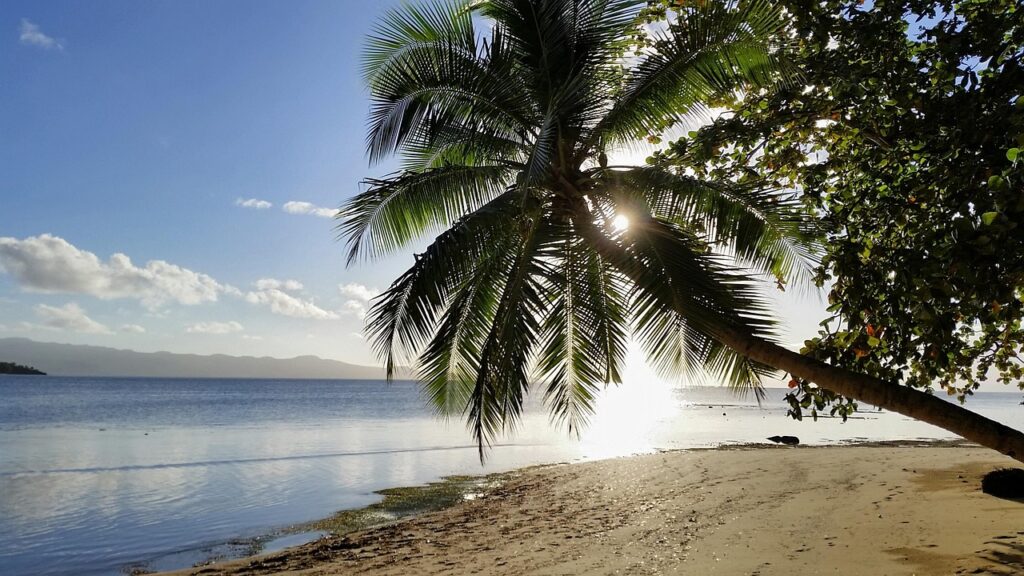
Fiji adds an Environment and Climate Adaptation Levy, averaging $9 per night, to hotel bills across the islands. The funds support disaster response, coastal protection, and renewable-energy projects critical to a nation highly vulnerable to rising sea levels. Because the charge is percentage-based in some accommodations, the nightly figure can vary slightly, leaving many visitors confused when comparing bills. Even so, the levy helps maintain the natural landscapes that make Fiji a global tourism hotspot.
12. Switzerland : Cantonal Visitor Taxes
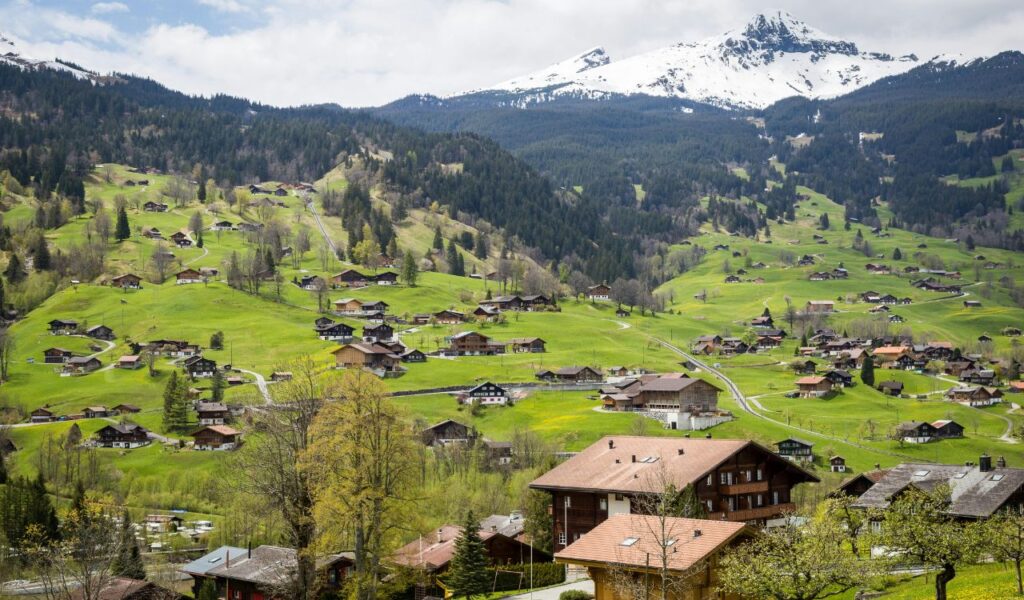
Switzerland’s visitor taxes vary by canton but typically average $7 per person, per night. Travelers often encounter the charge unexpectedly at checkout, since hotel booking platforms rarely highlight it clearly. The fee funds public transportation discounts, trail maintenance, and local tourism boards that support popular mountain towns. Because Switzerland is already known for high prices, the added tax can feel like yet another cost layer, though it ultimately enhances services tourists rely on during their stay.
13. Jamaica : Tourism Enhancement Fee
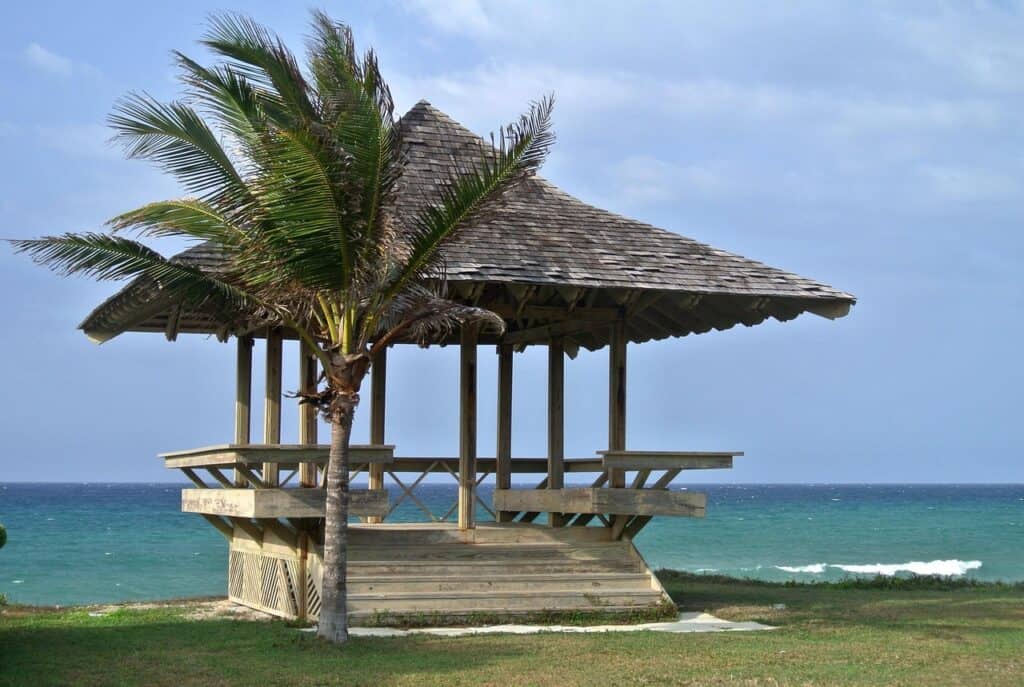
Jamaica collects a Tourism Enhancement Fee of $35 from incoming passengers, usually embedded in airline tickets. The revenue is used to upgrade airports, improve beaches, and fund cultural programs supporting the island’s tourism appeal. Many travelers never notice they paid it until inspecting their receipts closely, making it one of the more invisible fees on this list. Despite its subtle nature, it contributes significantly to Jamaica’s ongoing efforts to modernize its visitor infrastructure.
14. Chile : Easter Island Entry Fee
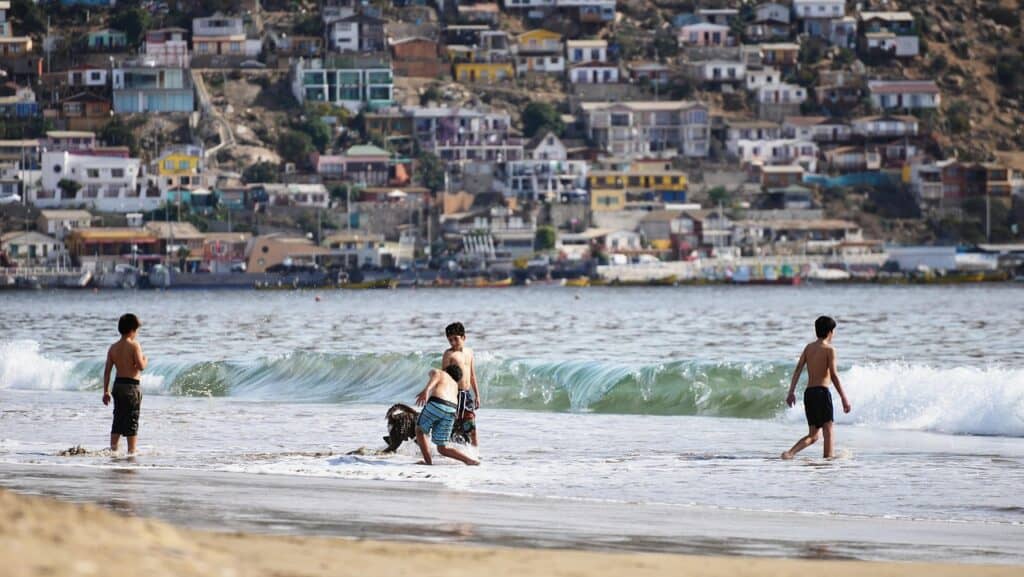
Travelers heading to Easter Island must pay an entry fee of $80 to access Rapa Nui National Park, which contains the island’s famous moai statues. The charge supports archaeological preservation, trail maintenance, and environmental management across one of the world’s most remote inhabited islands. Because flights are already expensive, the extra cost often catches visitors off guard. Still, the fee plays a vital role in protecting fragile cultural sites visited by more than 100,000 travelers each year.
Other Blog Posts You Might Enjoy
www.idyllicpursuit.com (Article Sourced Website)
#Tourist #Taxes #Shock #FirstTime #Travelers #Idyllic #Pursuit