
We may earn money or products from the companies mentioned in this post. This means if you click on the link and purchase the item, I will receive a small commission at no extra cost to you … you’re just helping re-supply our family’s travel fund.

Travel across South America in 2026 offers remarkable scenery, rich culture, and unforgettable experiences, yet safety conditions vary dramatically between countries. Crime trends, economic instability, political tensions, and border issues have shaped new risk patterns for visitors. While millions of tourists still travel safely each year, understanding where caution is necessary helps travelers prepare responsibly. The following list highlights 15 South American destinations that have elevated risk levels in 2026, explaining why conditions worsened, where travelers should be alert, and what numbers reveal about current threats.
1. Venezuela
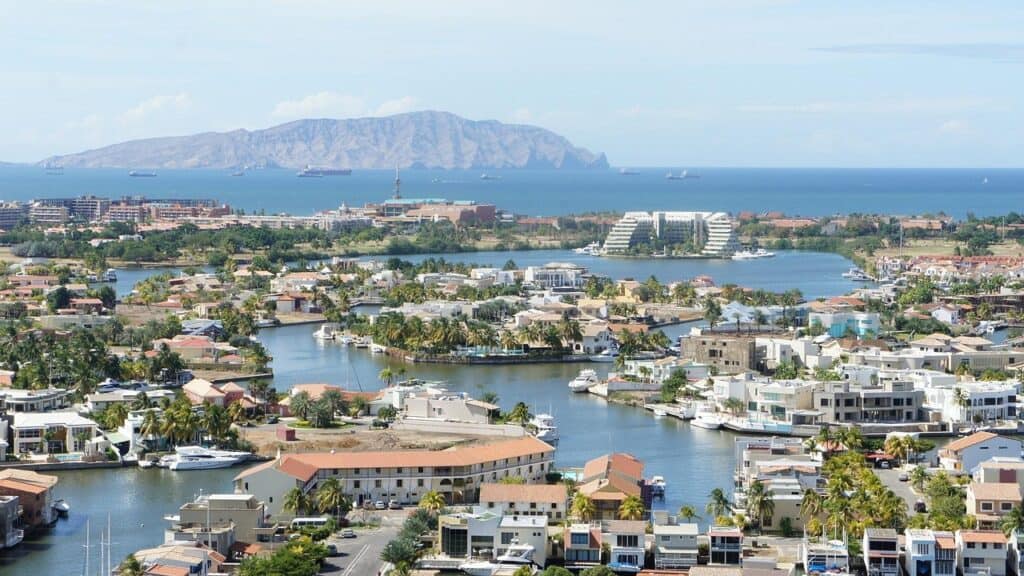
Venezuela remains one of the most dangerous destinations in the region, with crime driven by economic collapse, political tension, and limited law enforcement capacity. In 2025, the country recorded an estimated 40 homicides per 100,000 people, one of the highest rates in South America. Kidnappings, carjackings, and armed robberies continue to affect urban centers such as Caracas and Maracaibo, while shortages in fuel and medical supplies create additional travel disruptions. Tourists face risks from both street crime and sporadic protests, often involving clashes that lead to dozens of annual injuries.
2. Colombia
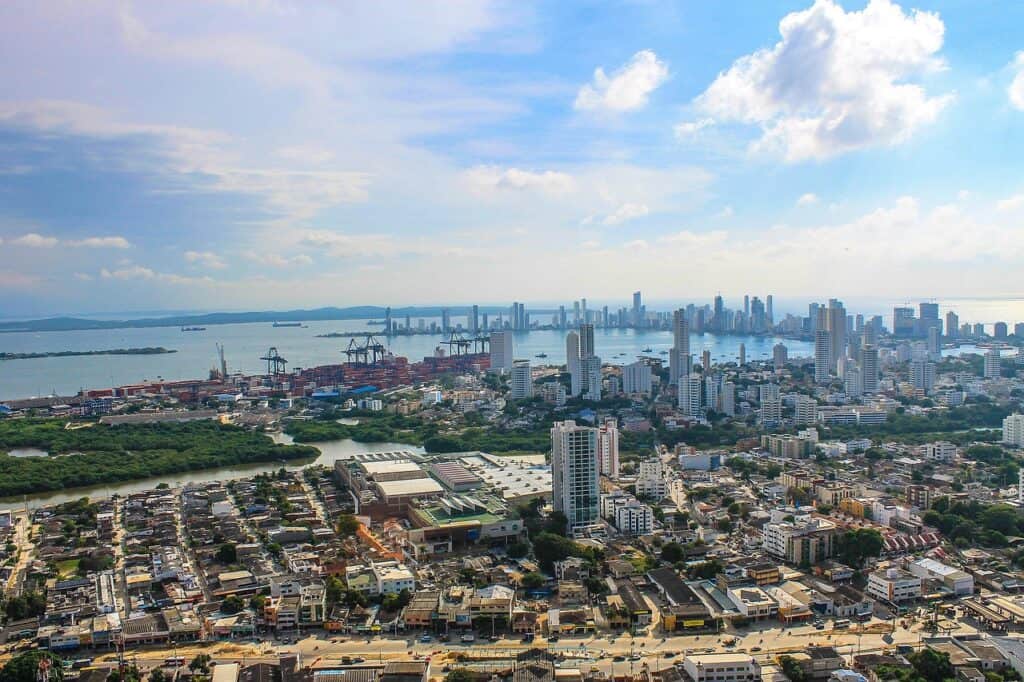
Colombia, though significantly safer than a decade ago, still presents localized danger due to remnants of armed groups and increased urban crime. In 2025, the country registered around 26 homicides per 100,000 residents, with Bogotá, Cali, and Medellín seeing notable spikes in robberies targeting foreigners. Rural zones near the borders with Venezuela and Ecuador remain controlled by illegal armed factions, responsible for over 250 reported kidnappings last year. Tourists should stay within established city areas, avoid remote travel without guidance, and remain alert in nightlife districts where theft rings operate.
3. Brazil

Brazil’s vibrant culture and iconic attractions coexist with persistent security challenges, especially in major cities. In 2025, national crime reports showed approximately 22 homicides per 100,000 inhabitants, though some states, like Bahia and Rio de Janeiro, recorded numbers above 35 per 100,000. Street theft, armed assaults, and express kidnappings occur in crowded areas, especially near beaches and transport hubs. Favelas remain highly dangerous, and tourists often become targets due to visible valuables. Travel advisories continue urging visitors to rely on registered taxis and avoid wandering at night around major tourist zones.
4. Ecuador
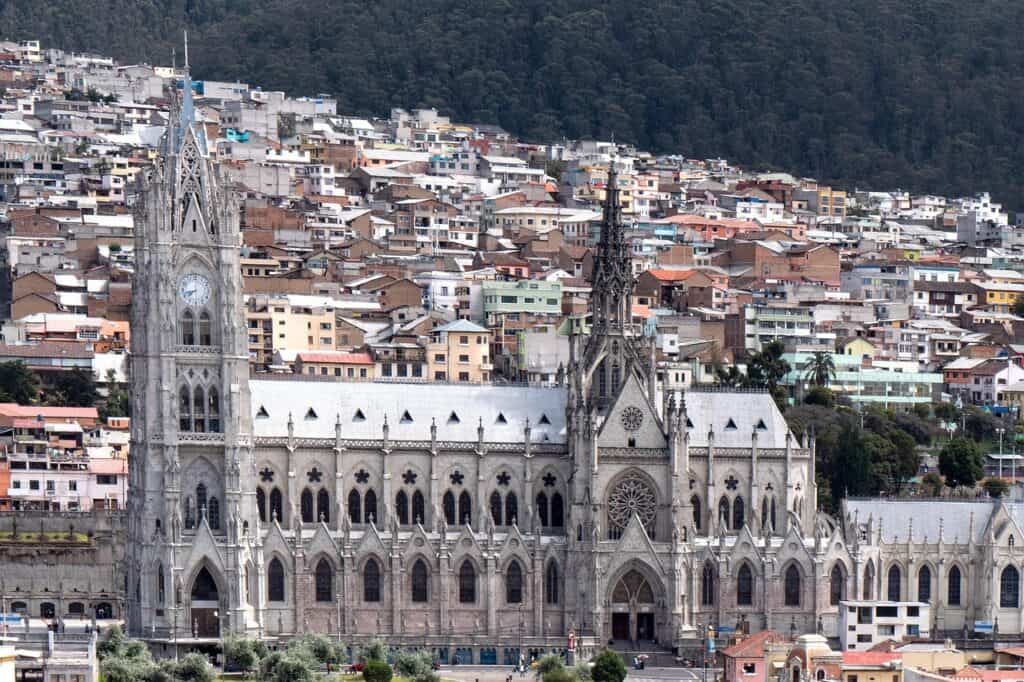
Ecuador saw one of the sharpest escalations in crime in recent years, driven by gang activity and prison-related violence. Between 2021 and 2025, homicide rates surged from 14 to more than 45 per 100,000 people, placing it among the fastest deteriorating environments globally. Coastal cities like Guayaquil and Esmeraldas experience frequent shootings tied to drug-trafficking routes, while kidnappings for ransom have doubled. Even popular tourist areas such as Quito’s historic center report rising cases of pickpocketing and armed robbery, making heightened vigilance essential for visitors.
5. Peru
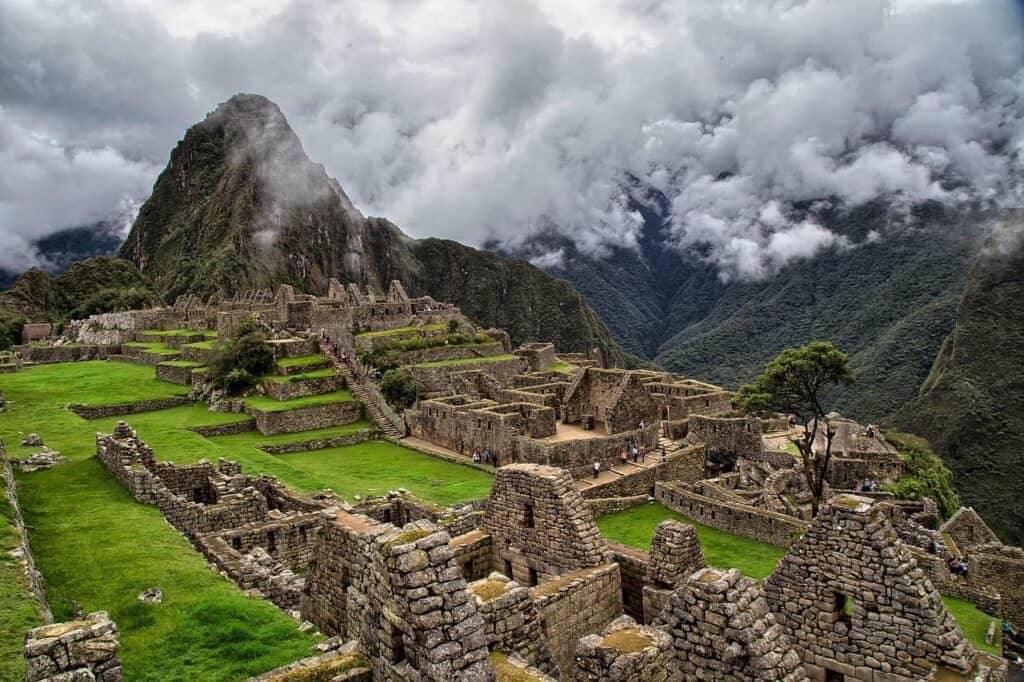
Peru remains a top tourist destination, yet crime and political unrest persist in certain regions. In 2025, authorities logged roughly 2,500 violent robberies nationwide and a homicide rate of 8 per 100,000—moderate but rising. Demonstrations occasionally disrupt travel, especially around Lima and Cusco, with protests in 2024–25 resulting in 60+ injuries near major transit hubs. Some remote areas near the VRAEM zone still have sporadic criminal activity linked to drug trafficking. Despite these issues, sticking to organized tours and monitored routes significantly improves visitor safety.
6. Bolivia
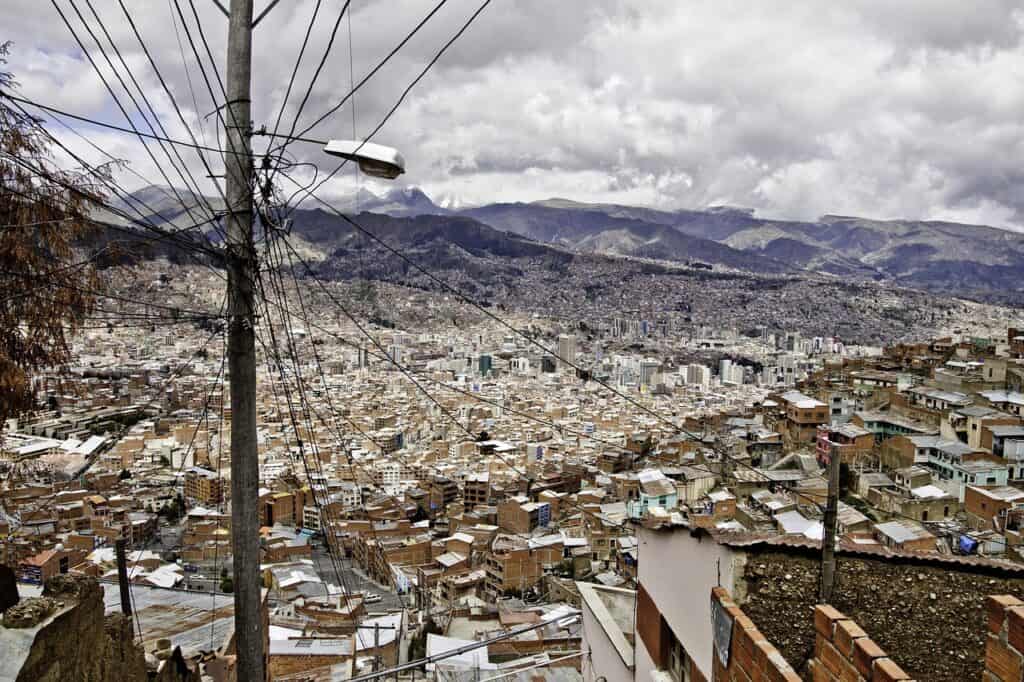
Bolivia is generally calmer than its neighbors, yet it experiences periodic political protests and moderate crime that can impact tourists. The country recorded a homicide rate of around 6 per 100,000 in 2025, but theft and scam incidents involving foreigners increased by roughly 18% year-over-year. Cities like La Paz and Santa Cruz see frequent demonstrations that sometimes turn confrontational, leading to blocked roads and transport delays. Occasional bus robberies on rural routes also pose concerns. Visitors should avoid nighttime travel between regions and stay informed about local protest activity.
7. Paraguay
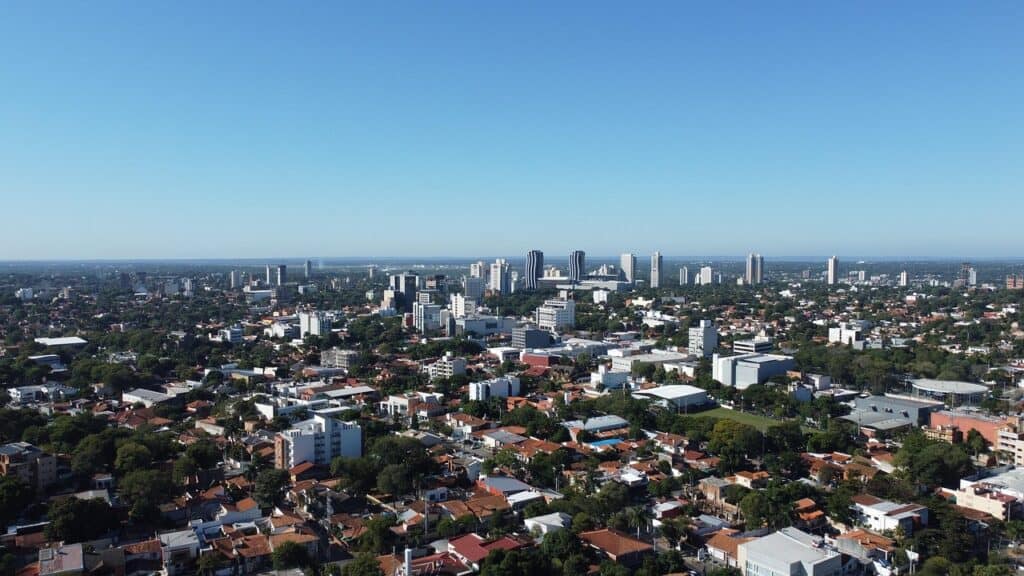
Paraguay’s dangers stem mainly from organized crime networks that influence regions near the borders with Brazil and Argentina. Although the national homicide rate stands at about 9 per 100,000, certain departments exceed 20 per 100,000, reflecting uneven safety conditions. Smuggling corridors around Ciudad del Este experience armed robberies and confrontations between rival groups. Petty crime in Asunción also affects tourists, with police reporting a 15% rise in street thefts in 2025. Visitors should stay in central, well-patrolled districts and avoid wandering isolated border markets.
8. Chile
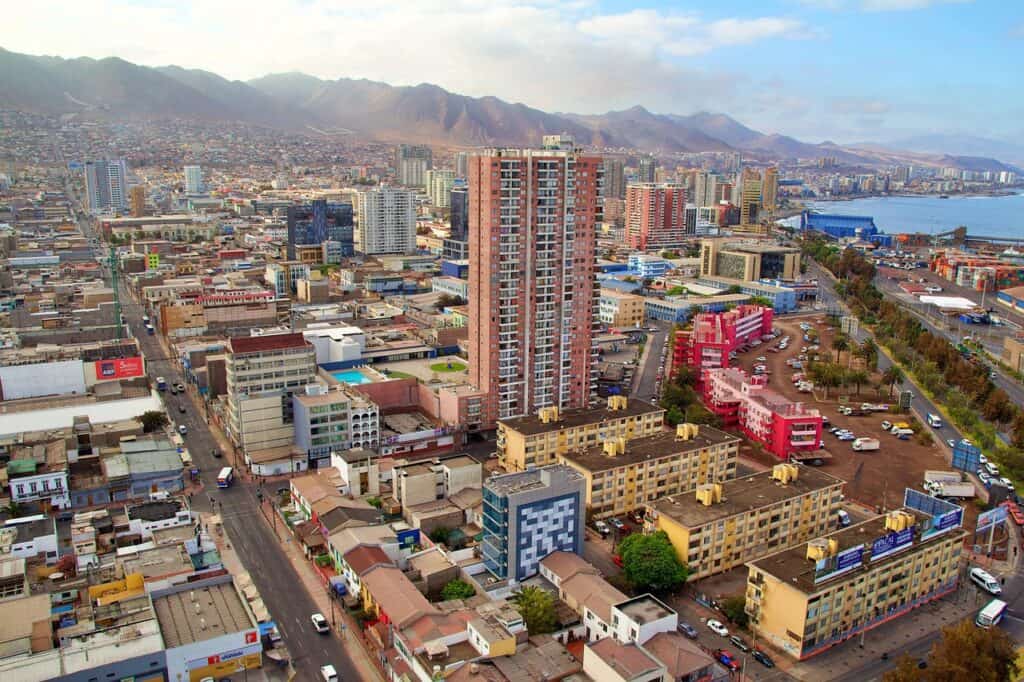
Chile is often viewed as one of the region’s more stable countries, yet crime has increased, particularly in urban areas. In 2025, authorities reported a homicide rate nearing 6 per 100,000, up from 4 per 100,000 just a few years earlier. Santiago and Valparaíso experienced notable spikes in carjackings, with more than 7,000 reported cases nationwide. Economic pressures and organized gangs have contributed to rising assaults near public transportation hubs. Civil protests also occur periodically, disrupting traffic and sometimes causing injuries. Tourists should remain cautious at night and secure valuables carefully.
9. Argentina

Argentina’s economic challenges contribute to rising crime, especially in Buenos Aires, Rosario, and Córdoba. Nationwide statistics show roughly 9 homicides per 100,000 people, but robbery incidents increased by 30% between 2023 and 2025. Foreigners frequently report phone snatching, ATM fraud, and bag thefts in crowded neighborhoods. Border regions in the north experience smuggling-related violence, occasionally spilling into civilian areas. Although tourist zones remain popular and generally manageable, travelers should avoid displaying valuables, use authorized taxis, and stay alert around major transport terminals.
10. Uruguay

Despite being the region’s safest nation, Uruguay still makes the list due to rising urban crime. The country recorded a homicide rate of 11 per 100,000 in 2025, higher than several neighbors once considered more dangerous. Montevideo saw over 20,000 theft cases last year, many involving tourists in waterfront districts. Drug-related confrontations also increased in suburban areas. While violent incidents targeting visitors remain rare, the steady uptick in assaults and robberies requires visitors to stay aware of surroundings and avoid poorly lit coastal paths after dark.
11. Guyana

Guyana faces security concerns tied to limited police resources and elevated violent crime rates. The 2025 homicide figure hovered around 15 per 100,000, while robberies involving weapons were reported in more than 40% of urban theft cases. Georgetown’s central districts remain hotspots for mugging, especially at night. Rural hinterland regions pose additional risks due to illegal mining activity and limited emergency services. Visitors often report issues with unlicensed taxis, which account for a significant portion of tourist-related incidents. Staying within major hotels and using verified transport is essential.
12. Suriname
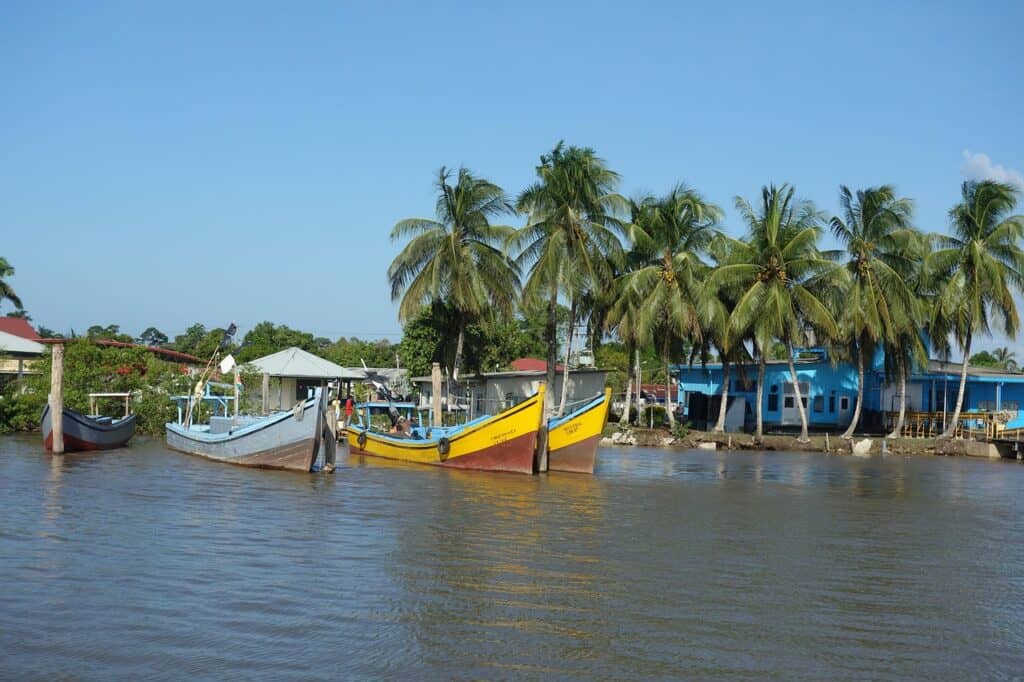
Suriname’s relatively small population experiences disproportionate crime levels, driven partly by trafficking routes along its borders. With a homicide rate near 11 per 100,000 and rising armed robbery numbers in 2025, the capital Paramaribo is where most incidents occur. Burglary and street theft frequently target foreigners unfamiliar with the city layout. Riverine areas also face risks due to piracy-style attacks against small boats, with roughly 25 cases reported last year. Travelers should avoid isolated streets, secure belongings, and rely on reputable guides for interior excursions.
13. French Guiana (France)

Though administratively part of France, French Guiana experiences security challenges similar to neighboring states. The region recorded about 21 homicides per 100,000 in 2025—far higher than mainland France’s 2025 rate of 1 per 100,000. Illegal gold-mining operations deep in the interior contribute to violent confrontations, while border towns see smuggling-driven disputes. Street crime in Cayenne has risen steadily, with police reporting a 20% increase in armed robberies. Visitors should take extra care when exploring markets or traveling toward remote areas.
14. Trinidad & Tobago (Included Regionally for South American Proximity)
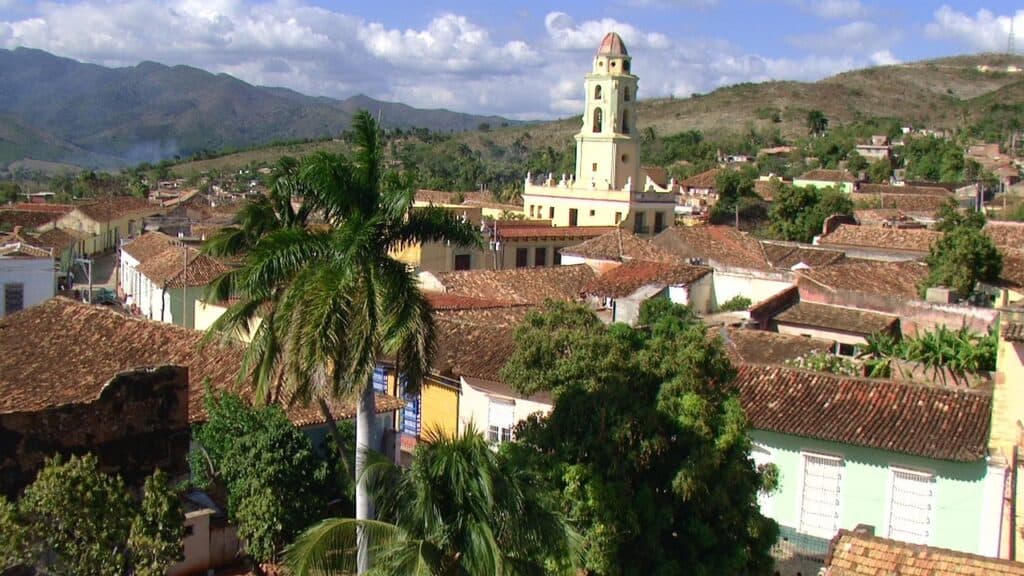
Although technically Caribbean, Trinidad & Tobago is frequently included in regional safety discussions because of its close proximity to South America. The islands recorded around 29 homicides per 100,000 in 2025, driven by gang violence concentrated around Port of Spain. Tourists report increasing incidents of carjackings and nighttime robberies, with authorities documenting over 3,000 violent crimes last year. While tourist districts remain active, venturing into unfamiliar neighborhoods can carry significant risk, especially after dark.
15. Falkland Islands (UK Territory Near South America)

The Falkland Islands remain generally safe, yet their remote nature introduces unique concerns worth noting. Medical capacity is limited, with just one main hospital serving the population, meaning emergencies require evacuation that can cost upwards of $10,000. Weather conditions lead to roughly 150 travel disruptions annually, sometimes stranding visitors. While crime is minimal, averaging fewer than 20 police incidents per year, the island’s isolation demands careful planning, proper gear, and awareness of environmental hazards such as sudden temperature drops.
Other Blog Posts You Might Enjoy
www.idyllicpursuit.com (Article Sourced Website)
#South #American #Countries #Considered #Dangerous #Tourists #Idyllic #Pursuit