
Key Takeaways
- Google launched major Search Console enhancements in November 2025, including branded query segmentation (November 20) and custom chart annotations (November 17)
- Significant ranking volatility occurred throughout November 2025 without a confirmed core algorithm update, emphasizing AI-driven content quality assessments
- Mobile-first indexing refinements and E-E-A-T signal improvements became more prominent in determining search rankings
- AI Overviews expansion and voice search integration reshaped traditional SEO strategies for zero-click search environments
- Query Groups feature in Search Console Insights helps organize content around user intent patterns and topical authority building
November 2025 marked a pivotal moment for digital marketing professionals and site owners navigating the constantly evolving landscape of Google search. While many users expected another broad core algorithm update, Google took a different approach—introducing cutting edge technology enhancements and feature additions without an official core update announcement. This created a unique situation where significant ranking volatility occurred alongside the launch of powerful new tools in Google Search Console.
The absence of a confirmed core update doesn’t mean Google stood still. Instead, the search giant focused on refining AI-driven ranking systems and launching features that provide more accurate attribution for SEO efforts. These changes represent Google’s commitment to constantly working toward better search experiences while giving seo strategists more sophisticated tools for understanding performance data.
For seo fundamentals, November 2025 reinforced that quality content, mobile optimization, and user intent alignment remain crucial. However, the month also introduced new dimensions to consider—from branded query analysis to enhanced data visualization capabilities that help site owners make smarter decisions about their organic search strategies.
November 2025 Algorithm Update Overview
Despite widespread speculation and observed ranking volatility, Google did not announce a broad core algorithm update for November 2025. This departure from traditional quarterly update patterns reflects Google’s evolution toward more frequent, granular algorithmic refinements rather than massive overhauls that create industry-wide disruption.
The ranking volatility observed throughout the month stemmed from ongoing AI-driven improvements to how Google evaluates search intent and content freshness. These refinements operate continuously in the background, making them harder to detect and attribute to specific algorithm updates. For many users tracking their website performance, this created confusion as significant traffic fluctuations occurred without clear explanatory announcements from Google.
Google acknowledged key events during November 2025, including brief search serving issues that temporarily affected result visibility globally. Following the resolution of these technical problems, Google’s AI systems demonstrated enhanced depth in analyzing search intent and user experience signals. This improvement in contextual understanding represents a significant advancement in how search engines process and rank content.
The emphasis has shifted toward contextual authority—a website’s demonstrated expertise within specific topic areas, considered in relation to how those topics connect to broader subject matters. This means that rankings increasingly depend on semantic relationships between content pieces rather than isolated keyword optimization. Websites showing comprehensive coverage of related topics tend to perform better than those with scattered, unconnected content.
For seo strategists, this evolution requires a fundamental shift in approach. Rather than optimizing individual pages for specific keywords, successful strategies now focus on building topical authority through interconnected content clusters that demonstrate comprehensive subject matter expertise.
Major Google Search Console Enhancements
Branded Queries Filter Launch
On November 20, 2025, Google added a significant new feature to the Search Console Performance Report that addresses a long-standing challenge for digital marketing professionals. The branded queries filter allows site owners to separate brand-driven traffic from organic discovery searches, providing more accurate attribution for different types of search performance.
Previously, many users relied on complex regex filters and manual data exports to distinguish between searches for their brand name versus searches where users discovered their content organically. This new feature eliminates that tedious process while offering more precise insights into how brand strength affects overall search visibility.
The integration works seamlessly with existing Performance Report filters, allowing for comprehensive analysis of how branded versus non-branded queries perform across different time periods, devices, and geographic regions. This feature proves particularly valuable for companies investing in both SEO efforts and Google Ads campaigns, as it clarifies which traffic sources drive the most valuable user engagement.
Access to this feature provides decision making capabilities that were previously difficult to achieve without third-party tools. By understanding the split between brand awareness traffic and organic discovery traffic, seo strategists can better allocate resources between brand building activities and content optimization efforts.
Custom Chart Annotations Feature
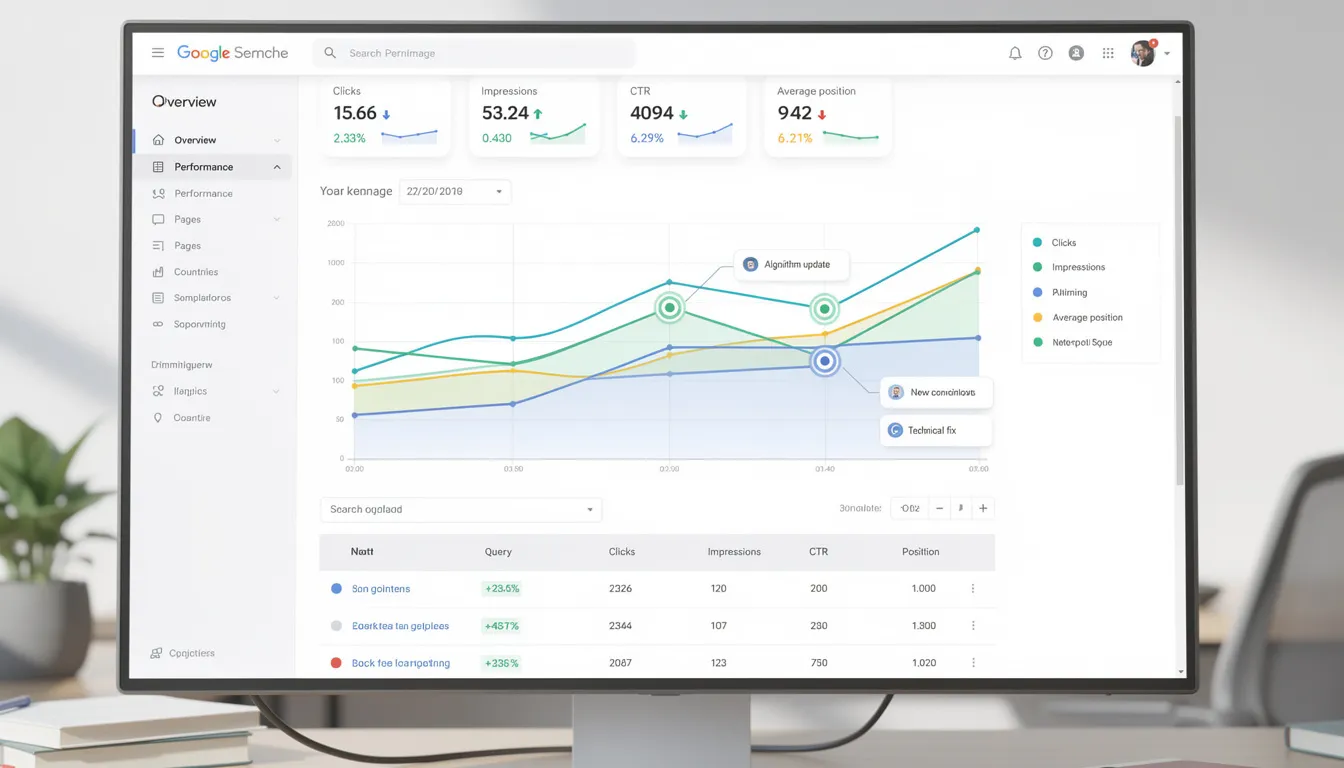
Google launched the custom chart annotations feature on November 17, 2025, transforming how teams collaborate around performance data analysis. This enhancement allows users to embed custom notes directly into performance timelines within Search Console, creating a centralized system for documenting the relationship between search performance changes and specific business activities.
The feature addresses a critical gap in performance monitoring—the ability to correlate traffic fluctuations with campaign launches, site modifications, technical changes, or external market events. Rather than maintaining separate spreadsheets or documents to track these relationships, teams can now annotate their performance charts directly within the Google Search Console interface.
For clients working with SEO agencies, this feature enhances transparency and communication. Annotations can document when specific optimization strategies were implemented, allowing both parties to track the impact of different tactics over time. This capability supports more informed decisions about which SEO efforts deliver the strongest results.
The annotation system integrates with existing performance data, enabling teams to build comprehensive narratives around their search performance trends. This functionality proves particularly valuable during algorithm updates or seasonal traffic patterns, where external factors significantly influence ranking performance.
Query Groups in Search Console Insights
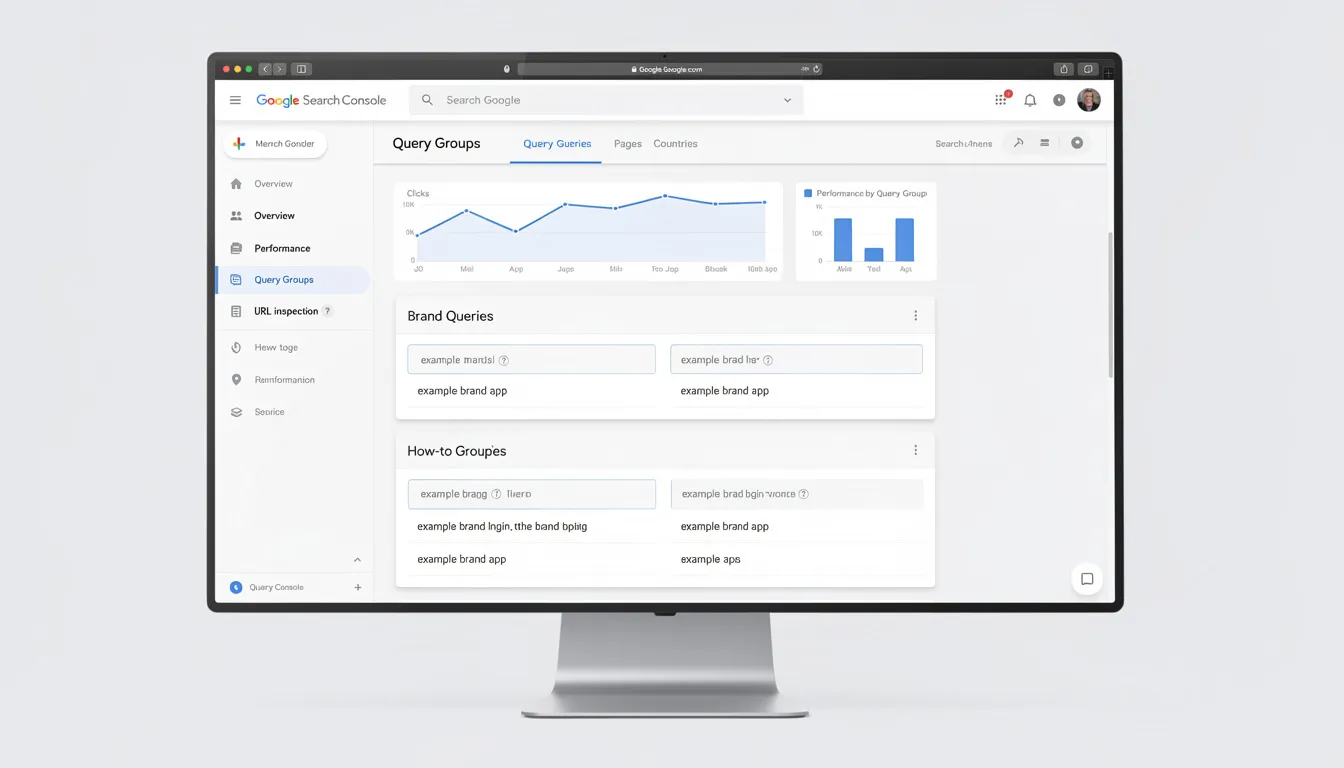
Perhaps the most strategically significant addition to Search Console in November 2025 is the Query Groups feature within Search Console Insights. This functionality organizes related search queries by user intent, providing seo strategists with unprecedented visibility into how different query variations cluster around shared topics and user goals.
Query Groups function by aggregating semantically related queries and categorizing them according to underlying search intent patterns. Instead of presenting flat lists of individual keywords, this feature reveals the broader themes and topics that actually drive user engagement and clicks to websites.
This capability addresses a fundamental challenge in modern SEO—understanding not just which individual keywords generate traffic, but how users conceptualize and search around related topics. The feature supports building content clusters that reflect real-world search behavior rather than artificial keyword groupings based on search volume alone.
For website owners focused on building topical authority, Query Groups provides actionable data for creating comprehensive, interconnected content ecosystems. Rather than optimizing isolated pages for individual keywords, this feature enables strategy development around how multiple related queries cluster together, supporting more sophisticated content planning approaches.
The integration with other Search Console features means that Query Groups data can be analyzed alongside performance metrics, helping identify which topical areas generate the most valuable traffic and user engagement for specific websites.
Content Quality and E-E-A-T Signal Updates
November 2025 saw significant refinements to how Google’s algorithm evaluates content quality, particularly around Experience, Expertise, Authority, and Trustworthiness (E-E-A-T) signals. These improvements reflect Google’s ongoing commitment to surfacing high-quality, trustworthy information in search results while filtering out low-value content that provides poor user experience.
The AI-driven systems now analyze content more contextually, evaluating not just what information is presented, but how it demonstrates real expertise and experience. Author credentials and expert bylines carry increased ranking weight, particularly for topics that require specialized knowledge or professional expertise. This change especially impacts content in health, finance, legal, and other areas where accuracy and authority are crucial for user safety.
Data citations and verified source references have become more important ranking factors, as Google’s systems better recognize and reward content that supports its claims with credible sources. Content that acknowledges limitations or potential drawbacks tends to perform better than purely promotional material, as it demonstrates honesty and comprehensive understanding of topics.
User experience signals are now integrated more deeply with content quality scoring. Pages that keep users engaged, provide clear navigation, and answer questions thoroughly receive ranking benefits beyond traditional keyword matching. This integration means that technical performance and content quality work together to determine search visibility.
The emphasis on topical authority means that websites demonstrating comprehensive coverage of related subjects perform better than those with scattered, unconnected content. Building expertise around specific topic areas through multiple related pieces of content becomes increasingly important for maintaining and improving search rankings.
For content creators, these changes require focusing on demonstrating real experience and expertise rather than simply targeting keywords. Successful content strategies now emphasize building comprehensive topic coverage that showcases deep understanding of subjects and their interconnections.
Mobile-First Indexing Refinements
More than a year after Google’s July 2024 deadline for complete mobile-first indexing implementation, November 2025 updates reinforced the critical importance of mobile optimization for search visibility. Every website is now evaluated primarily through mobile Googlebot for indexing and ranking purposes, making mobile performance the baseline for search success.
The practical implications extend far beyond simple responsive design. Mobile content now controls essential SEO signals including page titles, internal links, image alt text, and structured data implementation. Websites with poor mobile layouts or technical implementation face direct impacts on how Google interprets and ranks their content across all devices.
Performance data shows that mobile page speed directly affects user engagement and search rankings. A single second delay in mobile page load speed can result in losing 32% of visits, making Core Web Vitals optimization essential for maintaining competitive search visibility. Fast-loading mobile pages demonstrably reduce bounce rates while improving user experience signals that Google’s algorithm considers in ranking decisions.
Mobile-first indexing also intersects with Google’s broader emphasis on user experience signals. Clean XML sitemaps, optimized images with proper alt text, and mobile-friendly navigation structures all contribute to better search performance. Websites that excel in mobile user experience often see benefits across desktop search results as well.
Technical SEO considerations for mobile-first indexing include ensuring that mobile versions of pages contain the same important content as desktop versions, implementing proper structured data on mobile pages, and optimizing for lazy loading and other mobile-specific performance techniques.
The continued evolution of mobile search behavior, with increasing voice search usage and local search queries, makes mobile optimization an ongoing priority rather than a one-time implementation task. Websites that stay ahead of mobile performance requirements tend to maintain more stable search visibility as Google’s systems become increasingly sophisticated in evaluating mobile user experience.
AI-Powered Search Feature Expansion
AI Overviews and Voice Search Integration
Google’s continued expansion of AI Overviews throughout November 2025 represents a fundamental shift in how search results are presented and how content must be optimized. These AI-generated summaries appear more frequently in search results, providing users with synthesized information drawn from multiple sources rather than traditional snippet extracts.
The integration with voice search capabilities creates new optimization requirements for content creators. AI Overviews prioritize content that answers questions clearly and conversationally, often drawing from FAQ sections, structured data, and well-organized informational content. This differs significantly from traditional keyword-dense optimization approaches that dominated SEO strategies for decades.
Voice search integration demands content structured around natural language queries and conversational patterns. Users asking questions through voice search expect direct, comprehensive answers rather than lists of potential resources. Content that anticipates and answers related follow-up questions performs better in AI Overview selections.
The feature’s expansion affects traditional click-through rates as users increasingly find answers directly in search results without visiting source websites. This creates both challenges and opportunities—while direct traffic may decrease, content that consistently appears in AI Overviews can establish authority and brand recognition that drives traffic through other channels.
Optimization for AI features requires different technical approaches, including comprehensive FAQ sections, clear header hierarchies, and structured data markup that helps AI systems understand and extract relevant information. Content that demonstrates expertise while remaining accessible to AI interpretation tends to perform best in these new search environments.
Zero-Click Search Environment Adaptation
The expansion of AI features contributes to the growing prevalence of zero-click searches, where users find answers directly in search results without visiting websites. November 2025 updates accelerated this trend, requiring content creators to adapt strategies for maintaining visibility and traffic in environments where direct clicks become less common.
Rich snippets and schema markup implementation become increasingly crucial for content visibility in zero-click environments. Structured data types that clearly define content elements—from product information to article schemas—improve the chances that AI systems will reference and display content in enhanced search features.
Engaging metadata becomes essential for generating clicks when content does appear in traditional search results. Meta descriptions, title tags, and other SERP elements must compel users to click through even when AI summaries provide partial answers to their queries.
Content clusters perform significantly better than isolated pages in AI-driven search results. Websites that build comprehensive topic coverage through interconnected articles demonstrate the topical authority that AI systems recognize and reference more frequently than scattered, unconnected content pieces.
The evolution toward zero-click search doesn’t eliminate the value of organic search traffic—instead, it raises the bar for content quality and user experience. Content that consistently provides value beyond what AI summaries can offer tends to maintain and grow traffic even as search behavior evolves.

Local Search and Featured Snippet Changes
November 2025 updates placed increased emphasis on expertise and credibility signals for local search rankings, reflecting Google’s recognition that local searches often lead to real-world visits and transactions. The algorithm now weighs reviews and verified real-world signals more heavily than before, particularly for businesses where trust and reliability directly impact customer safety and satisfaction.
Featured snippet selection criteria underwent refinements based on algorithmic changes that began in March 2024. Content that provides honest, balanced information—including acknowledgment of limitations or potential drawbacks—gained approximately 3.4 positions on average in search rankings, making it more eligible for featured snippet placement.
Local business trust signals have become more sophisticated in their evaluation. Accurate business hours, current contact information, service area definitions, and operational details like parking availability all contribute to local search visibility. Google Trends data shows that searches for “open now near me” continue rising, making accurate operational information crucial for capturing local traffic.
The integration of local authority factors means that businesses demonstrating real expertise and community connection perform better than those relying solely on traditional SEO tactics. Customer reviews that mention specific expertise, successful project outcomes, and community involvement carry more weight in local ranking algorithms.
Featured snippet optimization now requires original media content—photos, videos, infographics, and tables—alongside well-structured text content. Fresh content that includes current information, comprehensive coverage of topics, and clear ratings or review integration tends to maintain featured snippet positions longer than purely text-based content.
For local businesses, these changes require ongoing attention to maintaining accurate, current information across all digital touchpoints while building genuine community connections and demonstrating real expertise in their service areas.
Technical SEO and User Experience Focus
Core Web Vitals remain fundamental ranking factors following November 2025 updates, with Google’s algorithm becoming increasingly sophisticated in evaluating how technical performance impacts user experience. Sites that excel in mobile page speed, visual stability, and interactive responsiveness continue to see ranking benefits across all search result types.
Structured data implementation supports enhanced visibility in AI-powered search features and voice search results. Schema markup that clearly defines content relationships, product information, article structures, and organizational details helps AI systems understand and reference content more effectively than unmarked content.
Site speed optimization extends beyond basic page load times to include advanced performance metrics like First Contentful Paint, Largest Contentful Paint, and Cumulative Layout Shift. Websites that optimize for these specific metrics often see improvements in both user engagement and search rankings.
Mobile responsiveness requirements have evolved to include not just adaptive layouts but also touch-friendly navigation, appropriately sized text and buttons, and optimized images that load efficiently on mobile networks. Poor mobile user experience directly impacts bounce rates and engagement metrics that influence search rankings.
Internal links structure and XML sitemaps play increasingly important roles in helping Google understand content relationships and topical authority. Websites with clear, logical linking structures that connect related content pieces tend to perform better than those with shallow or confusing navigation architectures.
The integration of user experience signals with traditional SEO factors means that technical optimization and content quality must work together. Websites that excel in both areas tend to maintain more stable search visibility as Google’s algorithm becomes more sophisticated in evaluating overall site quality.
SEO Strategy Adaptations for November 2025 Updates
Content Cluster Development
The introduction of Query Groups and enhanced AI-driven content evaluation requires fundamental shifts in content strategy approaches. Rather than optimizing individual pages for specific keywords, successful strategies now focus on building comprehensive topic coverage through interconnected content clusters that demonstrate subject matter expertise.
Content clusters should reflect how users naturally think about and search for related topics, using Query Groups data to identify genuine user intent patterns rather than artificially constructed keyword groupings. This approach supports building topical authority that AI systems recognize and reward in search rankings.
Effective cluster development involves creating pillar content that provides comprehensive coverage of broad topics, supported by more specific content pieces that dive deep into related subtopics. Internal links between cluster content should follow logical user journey patterns while helping search engines understand content relationships.
The strategy requires ongoing analysis of performance data to understand which topical areas generate the most valuable traffic and user engagement. Google Search Console insights, combined with Query Groups data, provide the foundation for making informed decisions about content development priorities.
Successful content clusters demonstrate expertise through comprehensive coverage while maintaining high content quality standards. Rather than producing large volumes of thin content, the focus should be on creating fewer, more comprehensive pieces that thoroughly address user needs and questions.
Performance Monitoring and Analysis
November 2025’s feature additions require updated approaches to performance monitoring and analysis. The branded queries filter enables more accurate attribution of SEO efforts versus brand awareness activities, helping teams understand which optimization strategies deliver the strongest results.
Custom annotations transform performance tracking by allowing teams to document correlations between traffic changes and specific activities. This capability supports more sophisticated analysis of which tactics drive results while identifying external factors that influence search performance.
Monitoring ranking volatility becomes more complex without confirmed core algorithm updates. Teams must distinguish between genuine algorithmic changes, temporary serving issues, and normal performance fluctuations to make appropriate strategic decisions.
Advanced Web Ranking and similar monitoring tools become essential for detecting subtle ranking changes that might not be immediately apparent in Search Console data. Regular monitoring helps identify trends and patterns that inform strategy adjustments.
The integration of multiple data sources—Google Search Console, Google Analytics, and third-party monitoring tools—provides comprehensive visibility into how search performance connects to broader business outcomes. This holistic approach supports better decision making about resource allocation and strategy priorities.
Preparing for Future Google Updates in 2026
Based on trends established in November 2025, several key areas will likely continue evolving throughout 2026. Content depth and topical authority will become increasingly important as AI systems become more sophisticated in evaluating expertise and comprehensiveness.
E-E-A-T signal strengthening through expert authorship, credential display, and authoritative source citations will remain crucial for maintaining search visibility. Websites that invest in demonstrating real expertise and experience will likely see continued benefits as Google’s evaluation systems become more nuanced.
Voice search optimization and conversational content structure will gain importance as AI Overviews expansion continues. Content creators should focus on natural language patterns, comprehensive FAQ sections, and question-answer formats that AI systems can easily interpret and reference.
Technical SEO foundations including site speed, mobile performance, and structured data implementation will remain essential. However, the bar for technical excellence will likely continue rising as user expectations and Google’s evaluation standards become more demanding.
Monitoring Google Search Central announcements and staying informed about cutting edge technology developments will become increasingly important for staying ahead of algorithm changes. The shift toward more frequent, smaller updates requires ongoing attention to industry developments rather than periodic major adjustments.
Content strategies should emphasize building sustainable, long-term topical authority rather than chasing short-term ranking opportunities. Websites that establish genuine expertise and provide consistent value to users tend to weather algorithm changes more successfully than those focused solely on technical optimization tactics.
Frequently Asked Questions
Was there a confirmed Google core update in November 2025?
No, Google did not confirm a broad core algorithm update for November 2025, despite significant ranking volatility observed across many websites. The fluctuations were attributed to ongoing AI-driven refinements and search serving issues that Google acknowledged during the month.
How do I access the new branded queries filter in Google Search Console?
The branded queries filter is available in the Search Console Performance Report as of November 20, 2025. Navigate to your Performance Report and look for the new filter option that allows you to segment data between branded and non-branded search queries for clearer traffic analysis.
What makes the custom chart annotations feature valuable for SEO teams?
Custom chart annotations, launched November 17, 2025, allow SEO teams to add context directly to performance data timelines. This helps correlate traffic changes with specific campaigns, site modifications, or external events, making it easier to understand cause-and-effect relationships in search performance.
How should I optimize content for AI Overviews and voice search in 2025?
Focus on conversational content structure, comprehensive FAQ sections, and clear answers to common questions. Use structured data markup, optimize for featured snippets, and ensure your content directly addresses user intent with concise, authoritative information that AI can easily extract and summarize.
What E-E-A-T improvements should I prioritize after the November 2025 updates?
Prioritize adding expert author bylines with credentials, citing verified and authoritative sources, and demonstrating real experience in your content topics. Focus on building topical authority through comprehensive content clusters rather than standalone articles, and ensure your website clearly establishes trustworthiness through transparent contact information and expertise indicators.
liquid.digital (Article Sourced Website)
#Google #Search #November #Updates #Complete #Guide #Algorithm #Features