
We may earn money or products from the companies mentioned in this post. This means if you click on the link and purchase the item, I will receive a small commission at no extra cost to you … you’re just helping re-supply our family’s travel fund.
Summer in the southern United States has always meant heat, but the baseline is shifting. Recent heat waves have pushed heat index values well into the danger range for millions across the Gulf Coast and Southeast, with cities like New Orleans, Memphis, and Jacksonville hitting 110–120°F on the worst days. Climate outlooks now favor above-average temperatures across the southern tier, nudging travelers toward cooler seasons and higher latitudes when planning 2026 trips.
New Orleans, Louisiana
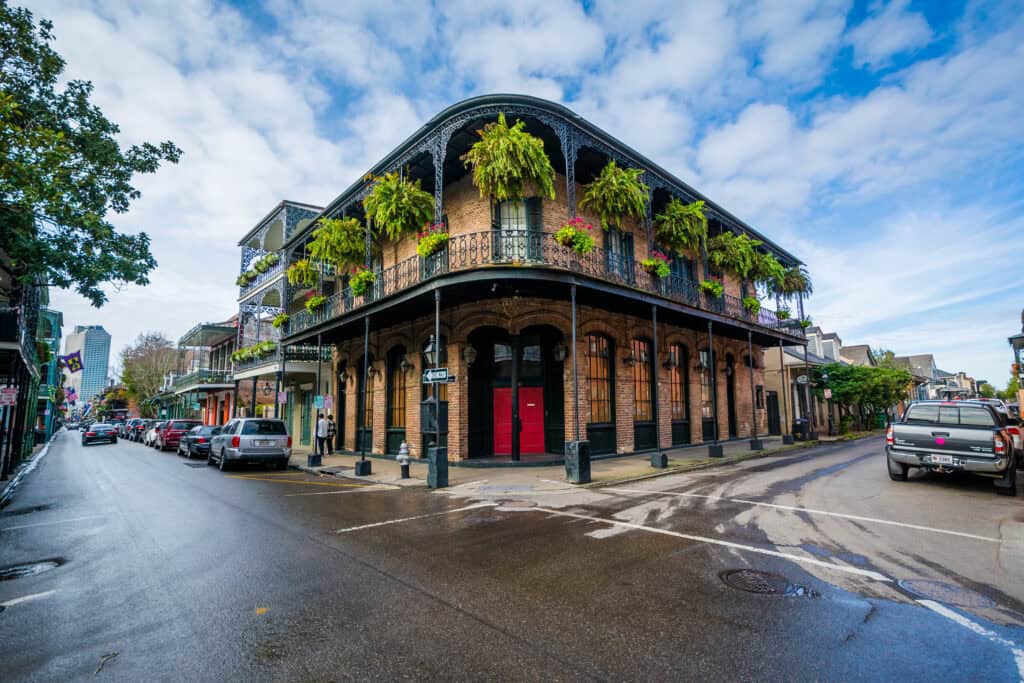
New Orleans has never been shy about humidity, but recent summers have crossed a new threshold. Heat index values around 110°F already triggered early heat advisories in 2025, with forecasters warning that July and August will only intensify that trend. Street festivals, walking tours, and long afternoons along the Mississippi become harder to enjoy when nights stay hot and air-conditioning feels less like comfort and more like survival gear.
Miami and South Florida
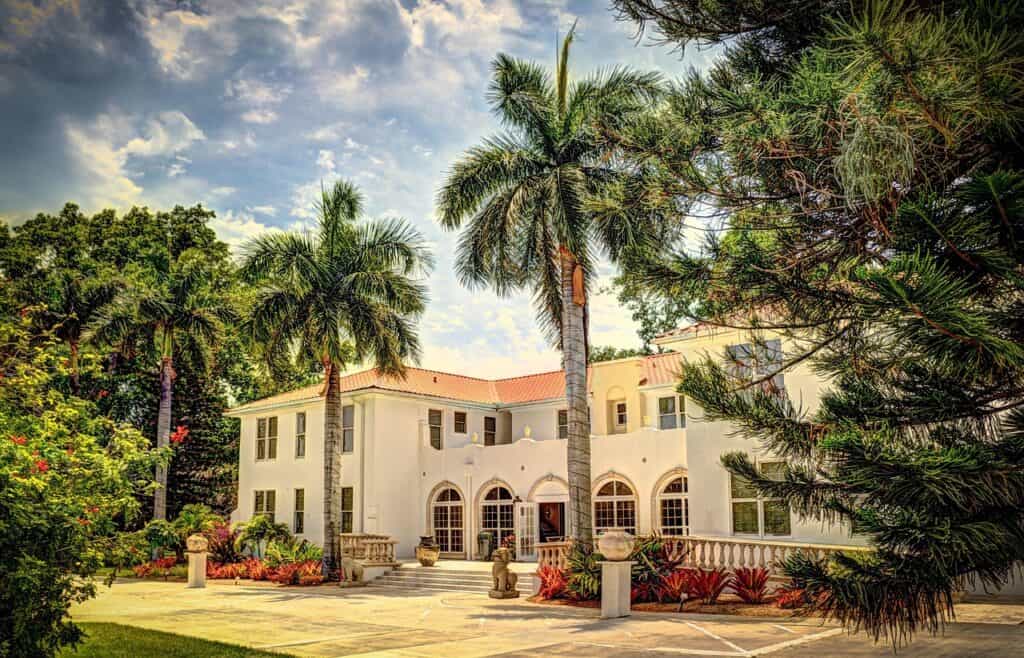
Miami and neighboring coastal counties sit on the front lines of extreme heat and long-term climate risk. Analysts project billions in annual climate-related damages for South Florida by 2050, driven in part by rising temperatures layered on top of flooding and storms. By 2026, summer visits increasingly pivot to quick indoor escapes and shoulder-season trips, as days above 95°F with intense humidity turn simple beach plans into health calculations rather than carefree breaks.
Orlando, Florida
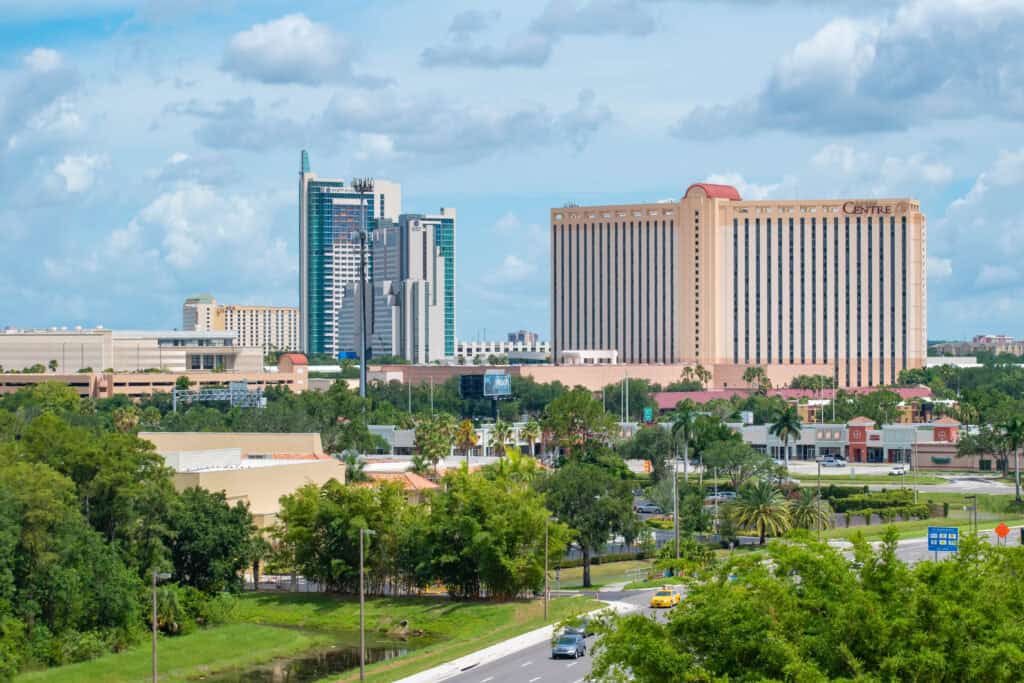
Orlando’s theme parks once marketed summer as peak family season; the climate now pushes in the opposite direction. Recent heat waves already drove heat index values near or above 110°F across Florida, with records broken in cities like Tampa and Jacksonville. Standing in hour-long queues on concrete under that kind of heat is more than uncomfortable for young children and older adults. As a result, 2026 trip planning increasingly favors spring breaks and late-fall holidays instead of July.
Gulf Shores and Orange Beach, Alabama
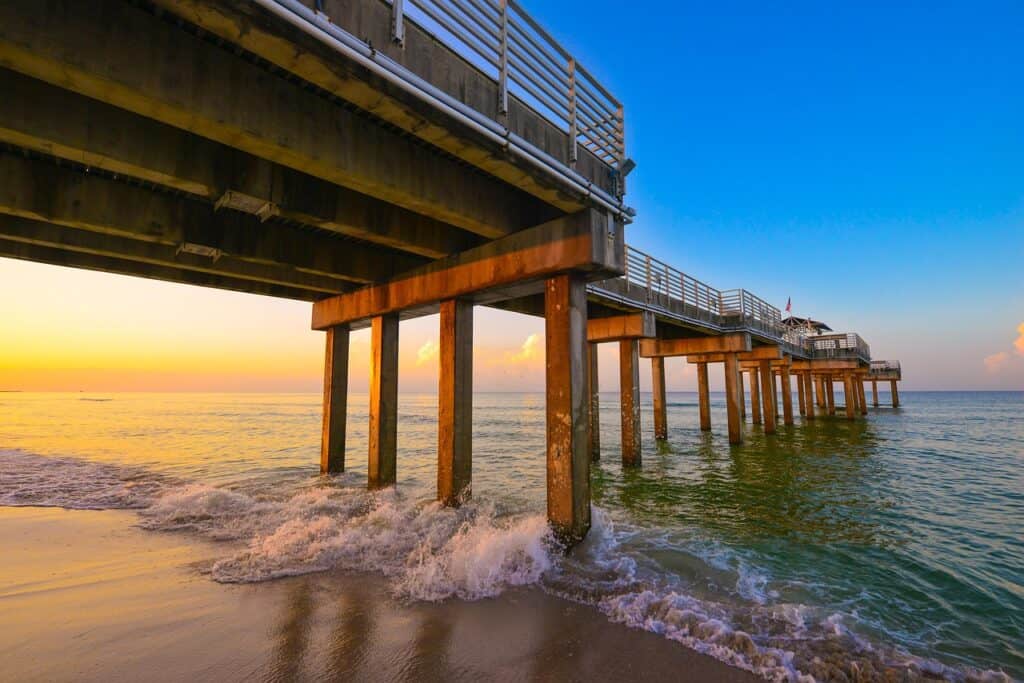
Gulf Shores built its identity on breezy beach houses and slow afternoons along the water. Climate projections for the Southeast show days above 95°F becoming far more common, with temperatures over 100°F increasingly likely under higher-emission paths. On the ground, that means midday sand too hot for bare feet and hazy horizons as humidity spikes. Summer visitors lean into dawn and dusk outings, while more families quietly reschedule coastal escapes into May or early October.
Biloxi and the Mississippi Gulf Coast
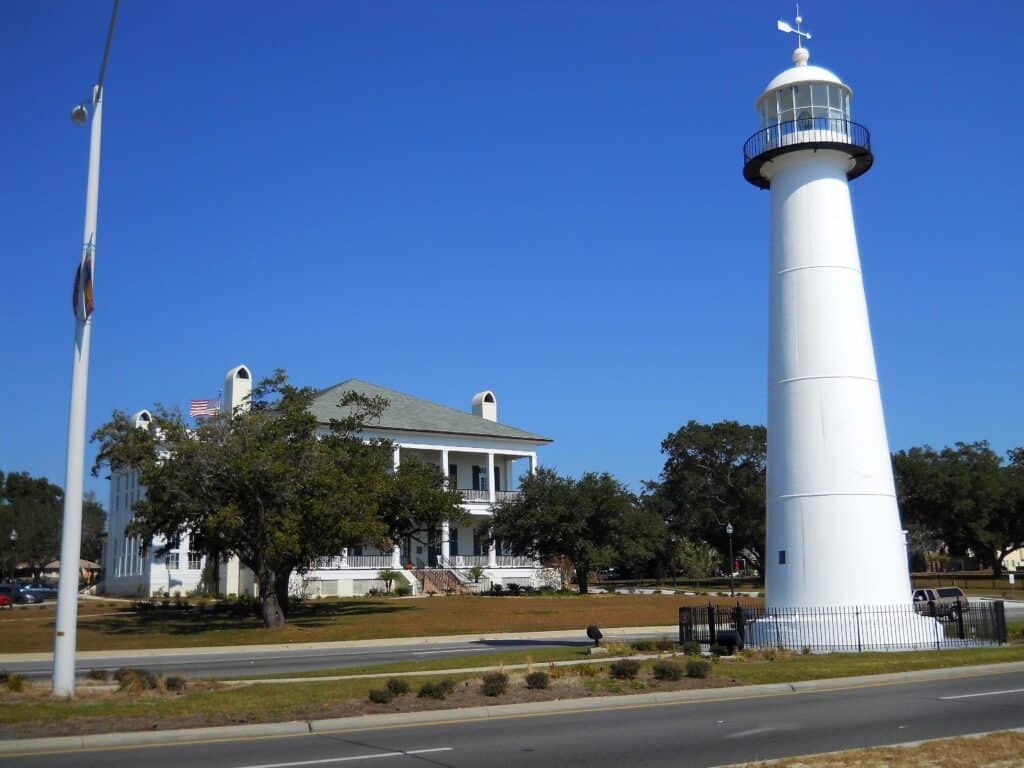
Casino lights and coastal breezes once helped Biloxi break up the long Gulf summers, but the region now sits inside a corridor projected to see high climate-related costs from extreme heat and storms. Consecutive days with triple-digit heat index readings strain outdoor festivals, fishing charters, and even short boardwalk strolls. Local tourism boards are already pivoting toward promoting shoulder seasons, when sea breezes still feel pleasant instead of like hot air from an open oven.
Houston and Galveston, Texas
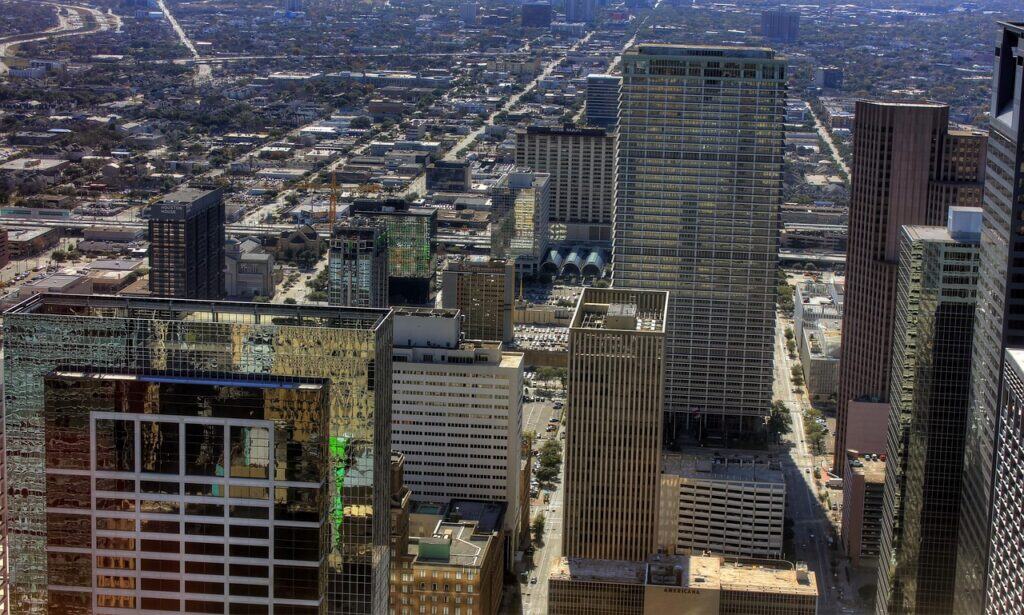
Houston is no stranger to muggy heat, yet recent summers have delivered longer, more intense stretches of high heat index conditions that reach dangerous levels. For visitors, linking a city break with beach time in Galveston becomes less attractive when midday walks feel punishing and even evenings stay steamy. Conferences, sports trips, and family gatherings increasingly circle early spring and late fall dates, leaving the core of summer to those who have no choice but to endure it.
San Antonio, Texas
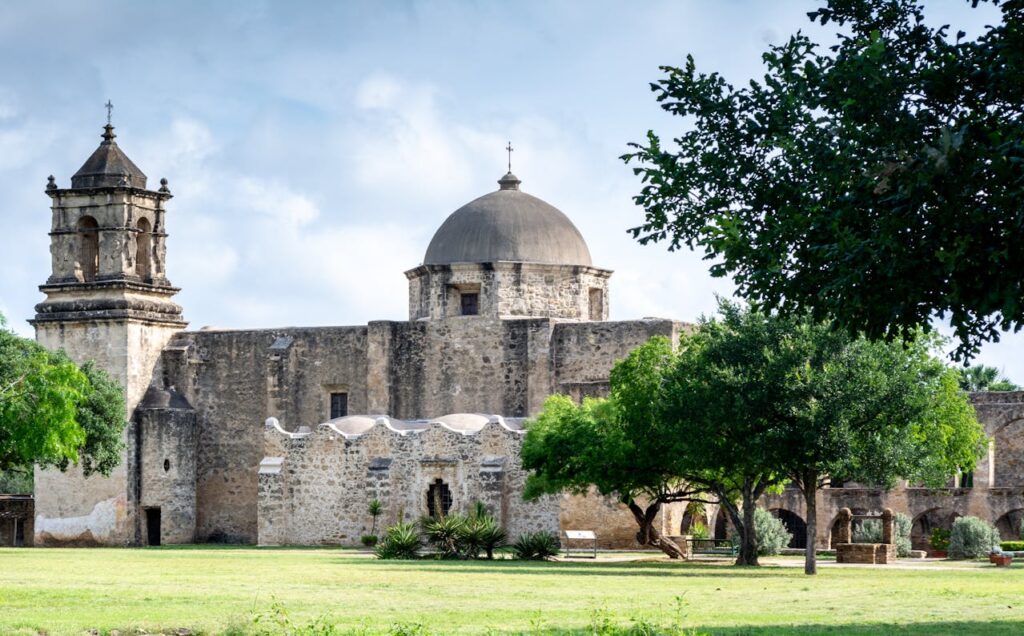
San Antonio’s River Walk and historic missions shine in mild weather, but the stone, pavement, and river-hugging layout trap heat during prolonged warm spells. Forecasts show the broader southern tier leaning toward hotter-than-normal summers, reinforcing a trend already visible on the ground. Afternoon strolls turn into tactical missions to find shade and air-conditioning, and outdoor festivals rely on misters and medical tents. By 2026, many travelers simply slide plans into March or November instead.
Phoenix, Arizona
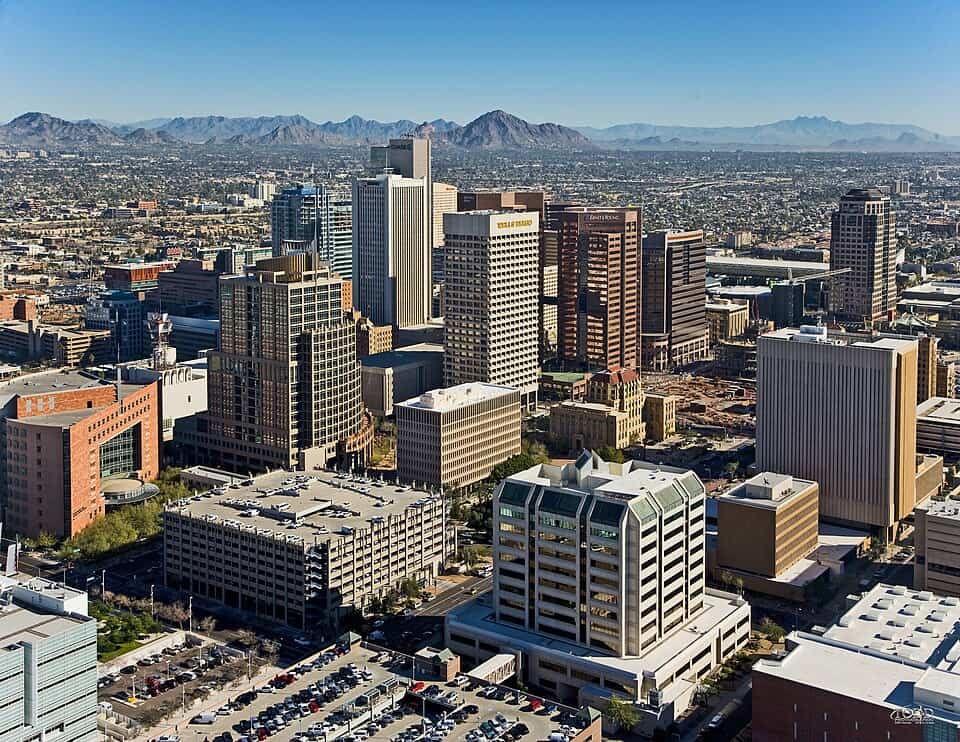
Phoenix has long marketed dry heat as manageable; record-breaking summers are testing that claim. The broader Southwest has seen repeated June and July heat waves, with cities breaching 110°F and shattering previous records. At those extremes, daytime hiking, patio dining, and even short walks between hotel and restaurant become risky. Tourism still thrives in winter and shoulder months, but by 2026, a growing share of potential visitors quietly cross peak-summer Phoenix off their calendars.
Las Vegas, Nevada
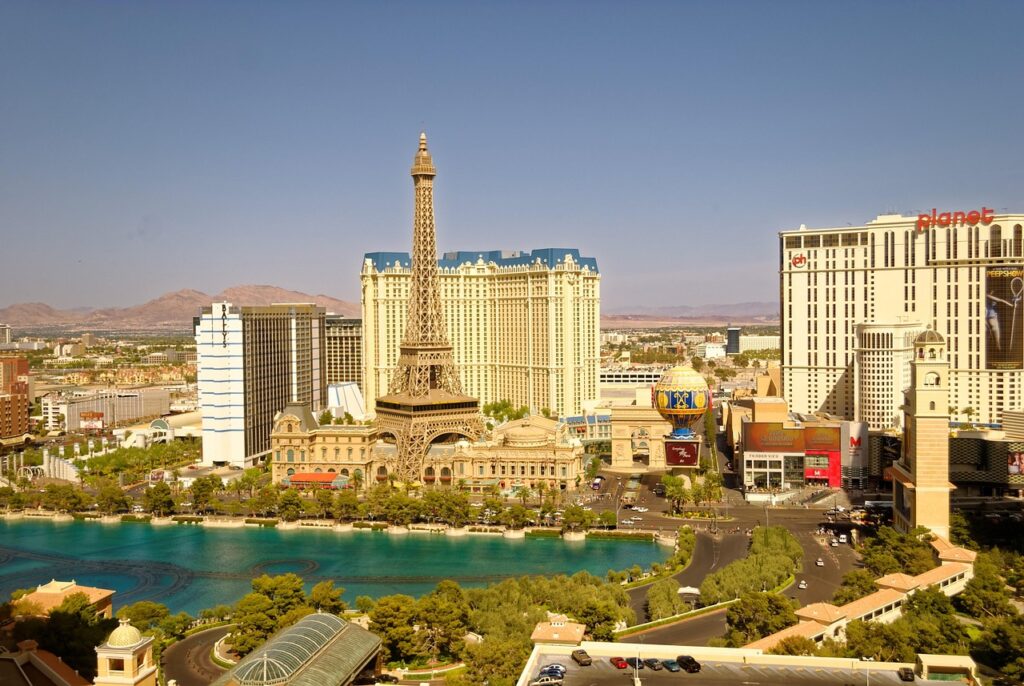
Las Vegas holds strong appeal year-round, yet summer heat is increasingly at odds with its walkable Strip and outdoor-focused spectacles. Forecasts and recent events show the city breaking its own temperature records, with triple-digit highs stacking up across June, July, and August. Air-conditioned casinos help, but street-level experiences and day trips to nearby desert sites lose their charm when heat pushes toward the “danger” range on official heat index charts.
Key West, Florida
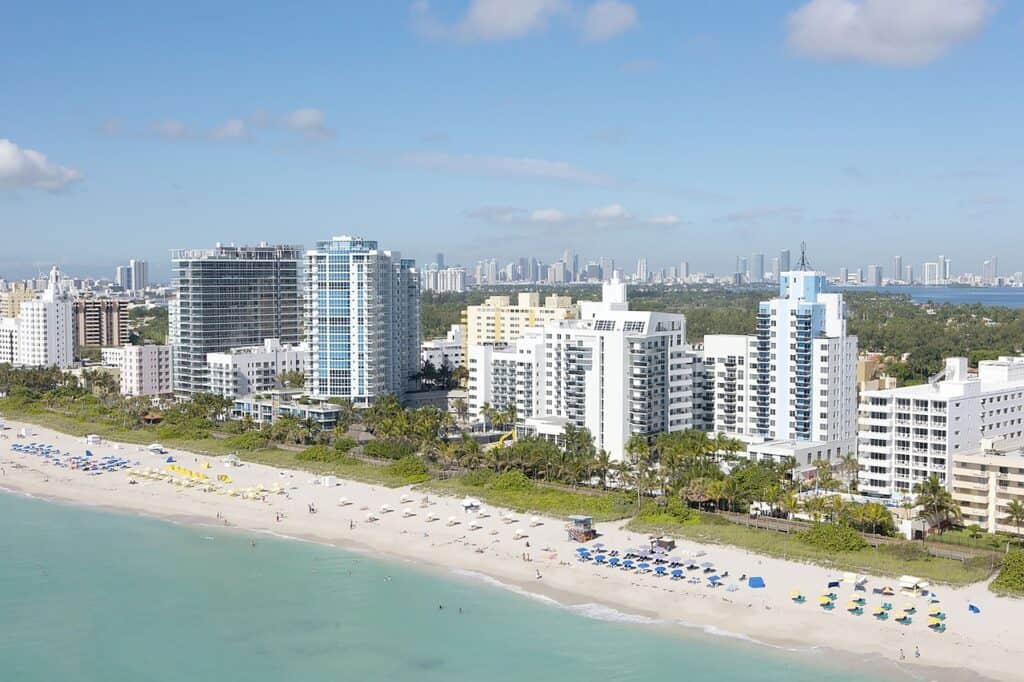
Key West once sold itself as a place where the heat felt softened by constant breezes. Rising sea-surface temperatures and humidity translate into nights that barely cool down and days that feel like walking through a warm bath. Regional coverage of extreme heat and climate risk along the Gulf and South Florida coast underscores how exposed the island chain has become. By 2026, more visitors are expected to favor winter sunsets over August afternoons on Duval Street.
Charleston, South Carolina
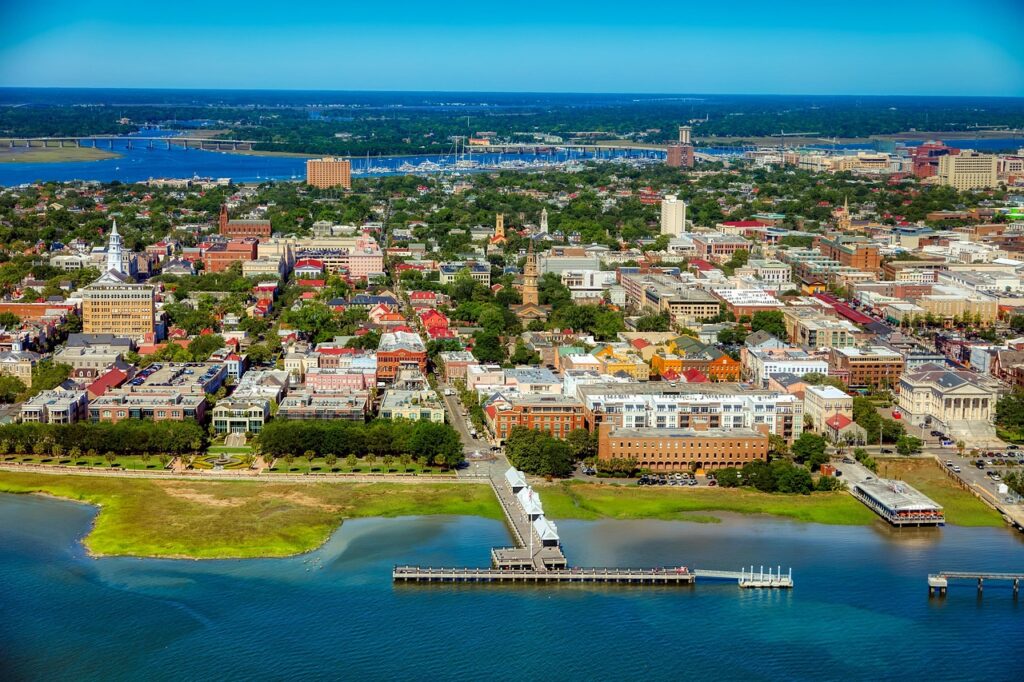
Charleston’s charm rests on walkable streets, old houses, and long, lingering meals outdoors. Increasingly frequent heat waves across the Southeast, with heat index readings well above 100°F, complicate that lifestyle during midsummer. Shade trees and sea breezes can only do so much when humidity soars and nighttime lows stay high. Tour operators and hotels already notice stronger demand in late spring and early fall, when history tours feel romantic rather than exhausting.
Savannah, Georgia
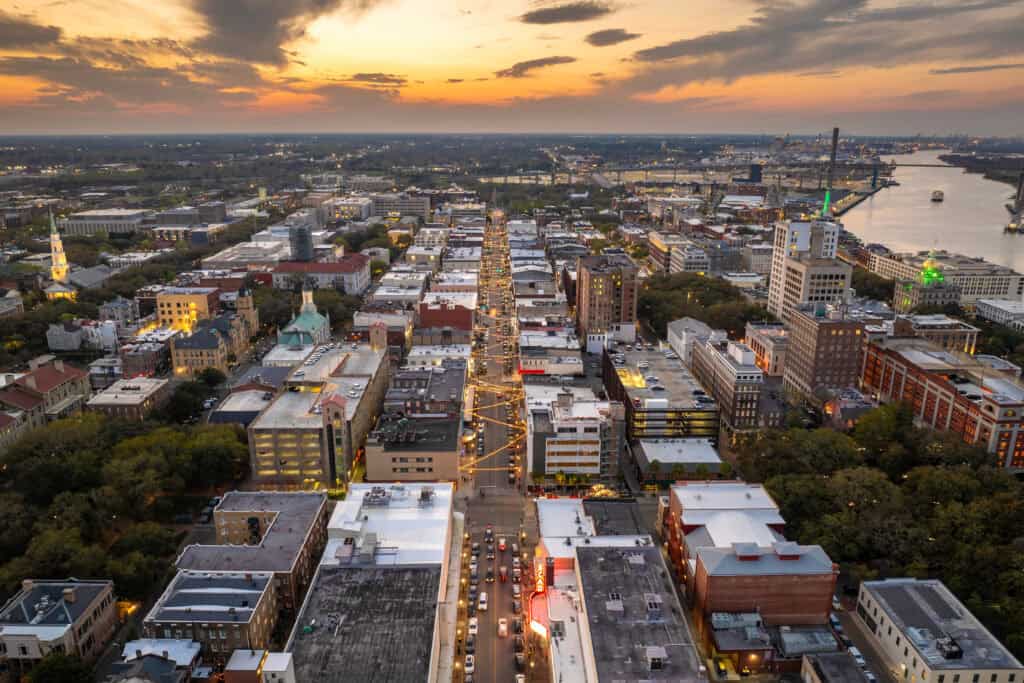
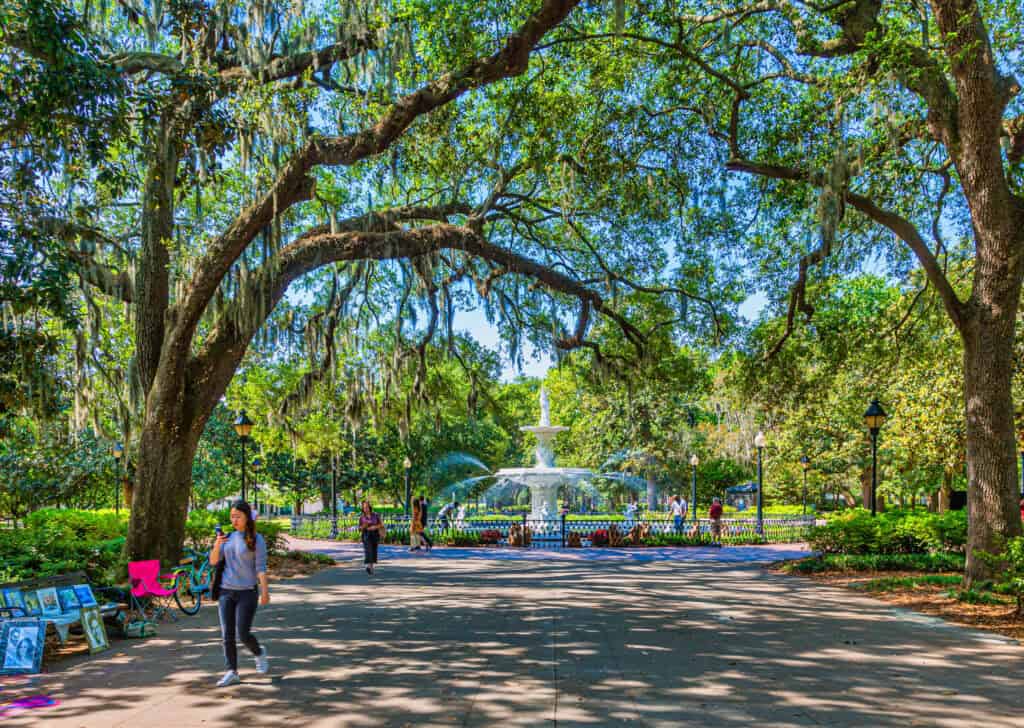
Savannah’s oaks and squares create an image of gracious Southern ease, but thick air and rising temperatures make summer visits more taxing than postcards suggest. The broader region has been swept into large heat events that put millions under alerts, including cities from the Gulf Coast to the Carolinas. In 2026, the city will still draw travelers, but more of them will plan stays when walking tours, cemetery visits, and riverfront walks can be enjoyed without constant calculations about shade and hydration.
Other Blog Posts You Might Enjoy
www.idyllicpursuit.com (Article Sourced Website)
#Southern #Destinations #Hot #Summer #Tourism #Idyllic #Pursuit