
We may earn money or products from the companies mentioned in this post. This means if you click on the link and purchase the item, I will receive a small commission at no extra cost to you … you’re just helping re-supply our family’s travel fund.
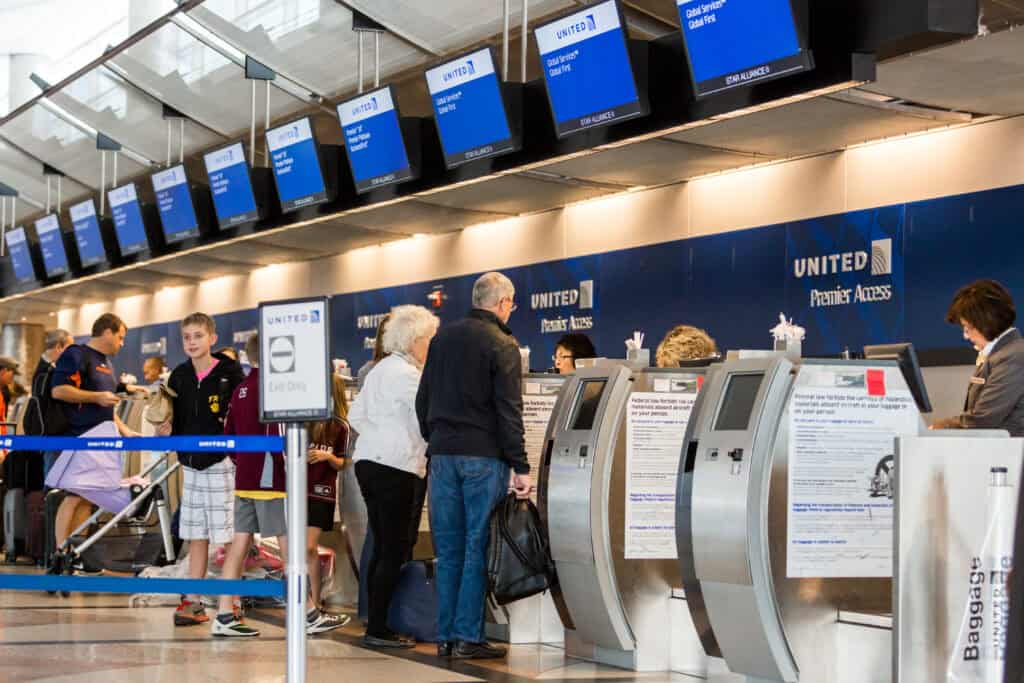
By mid-2025, tourism officials started saying out loud what booking data had been hinting at for months: the United States was losing ground with international visitors. Forecasts showed inbound spending dipping even as other major destinations moved into full recovery mode. A strong dollar, geopolitical tensions, and shifting safety perceptions all played their part. Layered on top were Donald Trump’s return to the White House and a set of hard-edged immigration and travel decisions that reshaped how welcome many travelers felt.
International Arrivals Finally Turned Negative
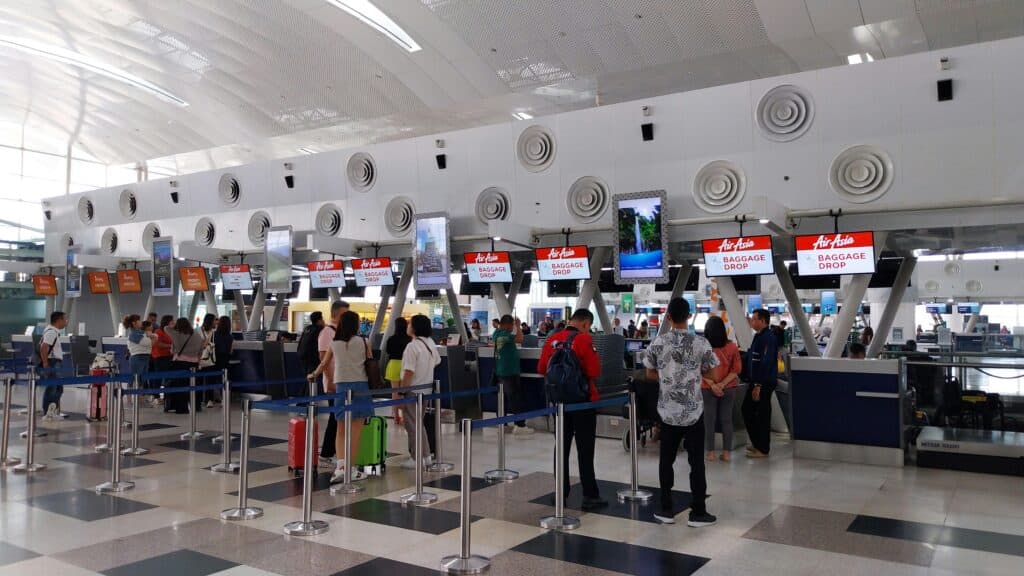
After several years of steady rebuilding from pandemic lows, 2025 broke the pattern. Research groups tracking visitor flows reported that overseas arrivals to the US were down several percentage points compared with 2024, even as most of the world moved in the opposite direction. Analysts warned that the slide was not just a blip tied to fuel prices or airline schedules. It reflected deeper concerns about policy unpredictability, rhetoric, and the sense that other countries were easier to visit.
Spending Forecasts Sent A Clear Warning
Spending told the same story. The World Travel & Tourism Council and other industry groups projected a noticeable drop in international visitor outlays in 2025, even as domestic travel more or less held steady. One estimate pegged the hit at roughly 7 percent, or about $12.5 billion in lost revenue. That shortfall rippled through hotel jobs, restaurant payrolls, and tax collections in gateway cities. Economists stressed that once long-haul travelers change habits, winning them back can take years.
Travel Bans Returned To The Center Of Debate
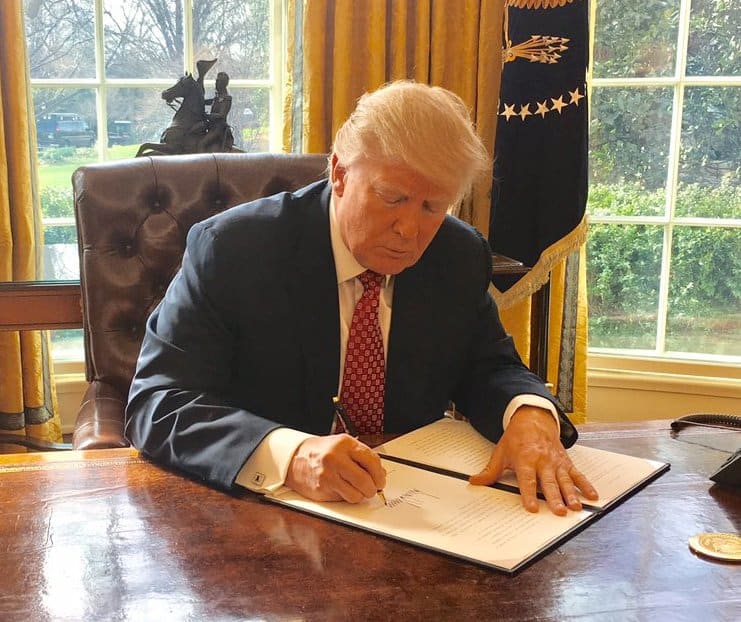
Trump’s 2025 executive order restricting or banning entry from a group of countries revived memories of the earlier travel bans from his first term. The new rules covered nearly 20 nations, including several with young, growing populations that normally feed global tourism flows. Supporters framed the order as a national security measure; critics argued it sent a broader message that the US was narrowing its welcome. Even travelers from unaffected countries absorbed the signal that policies could change quickly.
Visa Delays Turned Interest Into Canceled Trips

Behind the headlines about bans sat another quieter drag: getting a visa interview often took months. Tourism and business groups warned that outdated systems, staffing gaps, and tighter screening combined to create waits so long that travelers simply shifted plans elsewhere. Some reports suggested that these bottlenecks alone could cost tens of millions of potential visitors across 2025. For many would-be tourists, the hurdle was not just policy on paper, but the sheer effort required to clear the bureaucracy.
Politics Became Part Of Destination Choice
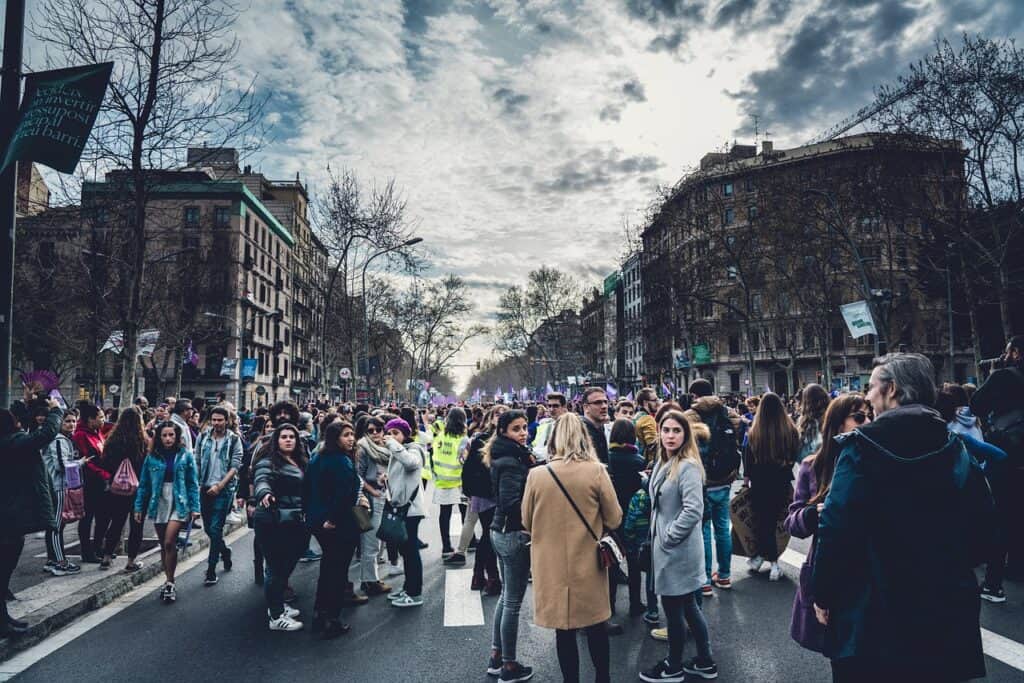
Travel has always been emotional, and global news cycles in 2025 ensured US politics were rarely off-screen. Analysts noted that sharper rhetoric around immigration and security, paired with high-profile policy announcements, weighed on international sentiment. Survey work and booking data pointed to travelers choosing Canada, Europe, or parts of Asia instead when planning long-haul trips. The United States still held enormous cultural pull, but for some visitors, the tone from Washington quietly tipped the scales toward other options.
Strong Dollar Made The US Feel Overpriced
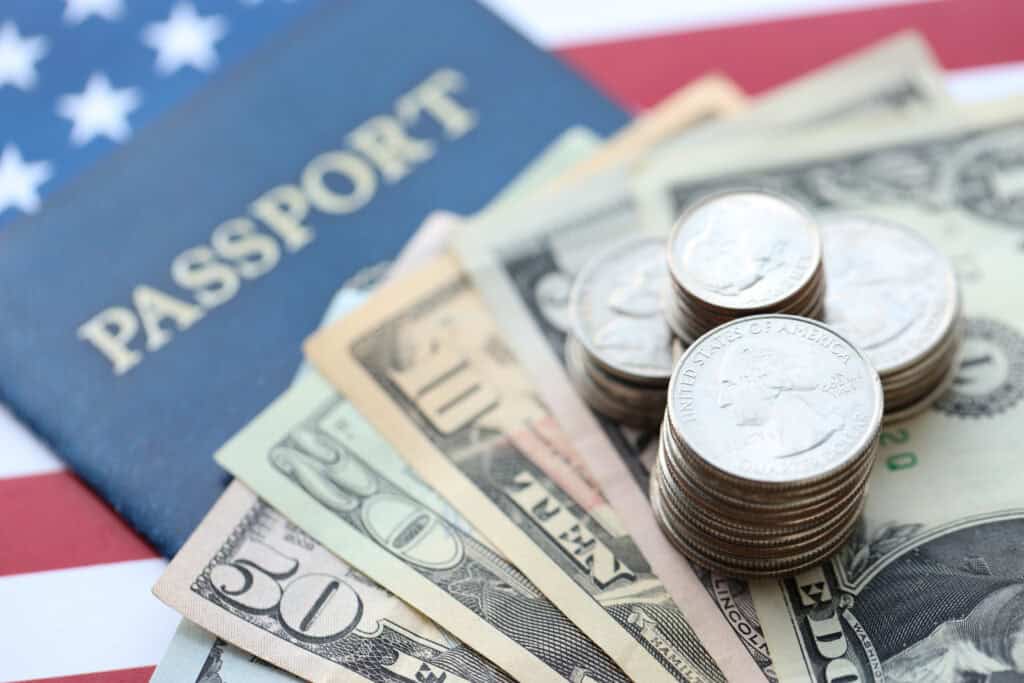
Even without politics, the math looked tougher. A strong US dollar made hotel rooms, restaurant meals, and attraction tickets feel significantly more expensive when converted from other currencies. Industry estimates suggested that currency effects, combined with airfares and inflation, pushed some trips from “stretch” into “out of reach.” In that context, any perception of extra hassle at the border or additional fees landed even harder. Travelers who once might have absorbed the cost premium instead looked for better value elsewhere.
New Fees Sent Mixed Messages To Foreign Visitors
While officials talked about rebuilding tourism, some high-profile price moves told a different story. Increases in fees for travel authorizations and other entry-related charges signaled that foreign visitors were being asked to shoulder more of the cost of coming to the US. Supporters framed those steps as fiscally responsible and aligned with an “America First” philosophy. Tourism advocates countered that, taken together, higher fees eroded the country’s competitiveness at a moment when rivals were aggressively courting visitors.
National Parks Became A Flashpoint

The decision to add a sizable surcharge for non-US visitors to major national parks, on top of existing entry fees, crystallized anxieties in the sector. Critics argued that turning parks into a two-tier system undermined their global reputation as shared treasures. Small businesses in gateway towns worried that higher park costs would discourage long-haul travelers who often spend heavily on lodging and tours. The policy’s framing as a patriotic, taxpayer-first move highlighted the tension between revenue goals and openness.
Safety Perceptions Shifted In Subtle Ways
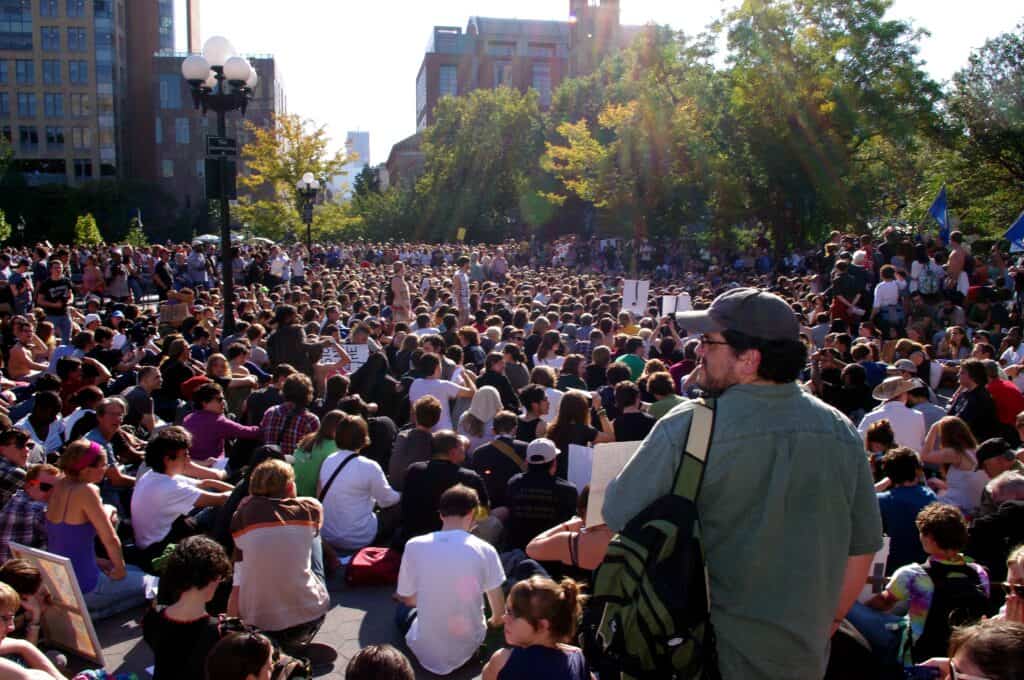
Alongside formal rules, softer concerns played a role. News coverage of protests, high-profile crimes, and tense political rallies contributed to a narrative in some countries that the US felt less predictable than before. Tourism researchers noted that even without direct threats, families and older travelers often factor perceived social stability into destination decisions. In 2025, that calculus sometimes worked against American cities, especially when competing with places marketing themselves as calm, orderly, and easy to navigate.
Other Blog Posts You Might Enjoy
www.idyllicpursuit.com (Article Sourced Website)
#Tourism #Hit #Trumps #Policies #Idyllic #Pursuit