
We may earn money or products from the companies mentioned in this post. This means if you click on the link and purchase the item, I will receive a small commission at no extra cost to you … you’re just helping re-supply our family’s travel fund.
In recent years, big-box chains and drugstores have started talking about shoplifting and “organized retail crime” in the same breath as rent, wages, and interest rates. By 2025, that language has hardened into a justification for closing specific stores, often in dense urban corridors or long-struggling neighborhoods. The picture on the ground is messy. Shrink is real, but so are thin margins, e-commerce pressure, and uneven recovery after the pandemic. For workers and locals, the result is simple: another set of dark storefronts.
Target, When “Organized Retail Crime” Becomes The Headline

Target executives have spent several earnings calls pointing to rising shrink and “unacceptable” loss levels at a small group of locations. In some cities, those words were soon followed by closure notices, especially where stores already faced high security costs and uneven sales. Public statements emphasize safety for staff and shoppers alongside theft concerns. At street level, the loss of a mid-priced general retailer often leaves only dollar stores or pricey boutiques as realistic options for everyday shopping.
Walgreens, Shuttered Drugstores And Locked-Up Shelves
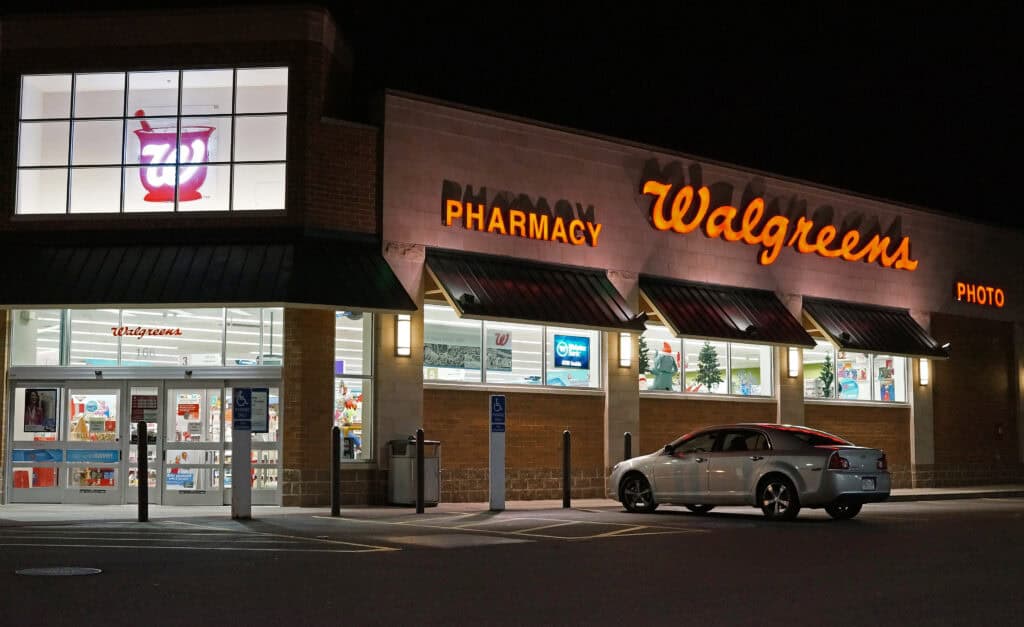
Walgreens has become a symbol of the theft debate, with viral images of aisles locked behind plexiglass and news of urban store closures. Company leaders have at times acknowledged overestimating the scale of organized crime, then still leaned on shrink as part of the explanation when they exit particular neighborhoods. For residents, especially older adults and people without cars, a closed pharmacy can mean longer trips for basic prescriptions. The narrative of “uncontrollable” theft often lands hardest on those least able to absorb the disruption.
Walmart, Underperforming Stores With A Shrink Problem
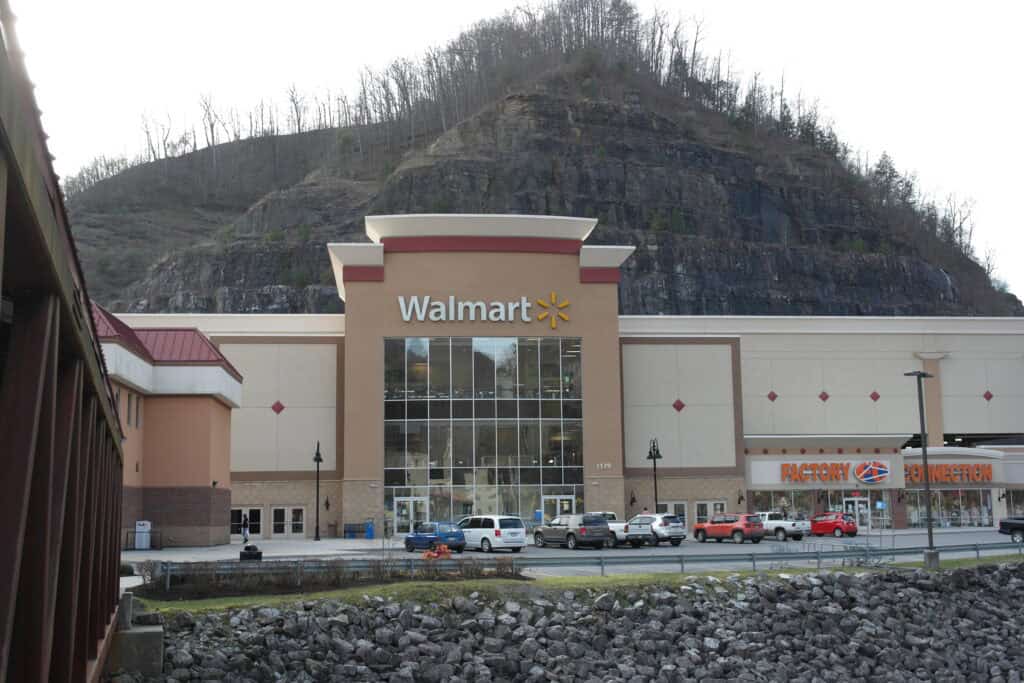
Walmart routinely describes shuttered locations as underperforming, but top leaders have also warned that theft could lead to higher prices and more closures. In some communities, those comments and a sudden store shutdown feel closely linked, especially where local officials have been publicly sparring with the company over crime and security. The world’s largest retailer has the leverage to walk away from sites where the math no longer works. Shoppers and workers, meanwhile, inherit longer commutes and fewer job options, whatever the official cause.
Dollar Tree And Family Dollar, Thin Margins, High Risk
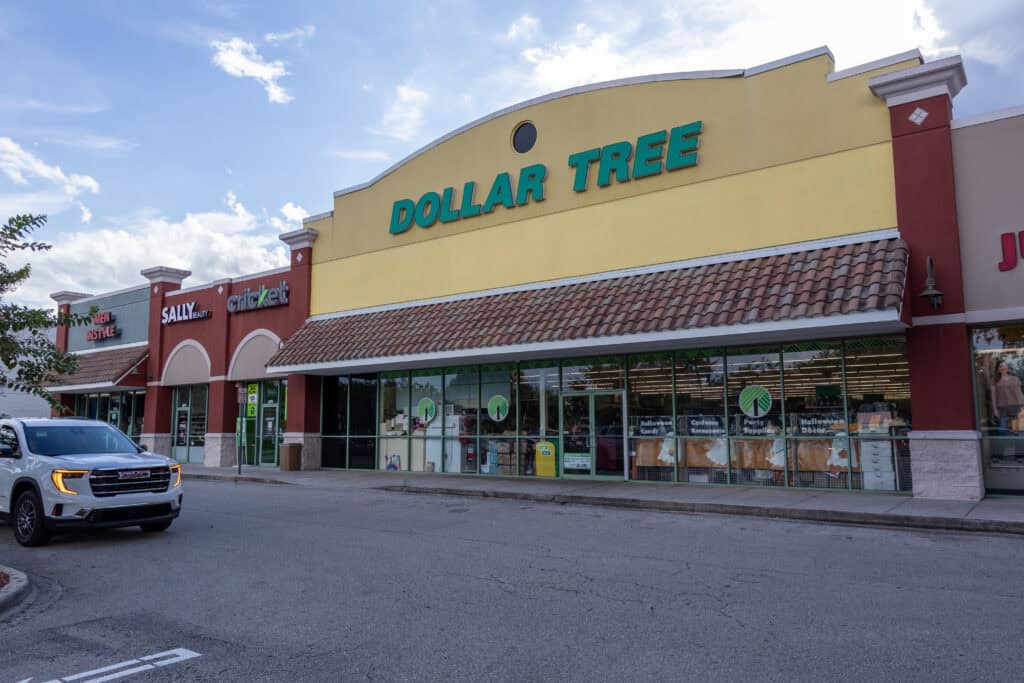
Dollar Tree and its Family Dollar banner operate on razor-thin margins, so small swings in shrink can hit hard. Executives have talked openly about closing hundreds of underperforming stores while also framing theft and violence as part of the pressure. In practice, that often means low-income neighborhoods lose one of the few places where groceries, toiletries, and household goods are still sold in small, affordable quantities. The chain’s struggle exposes how fragile discount retail can be when safety costs spike.
CVS, Convenience Shrink Turning Into Closures
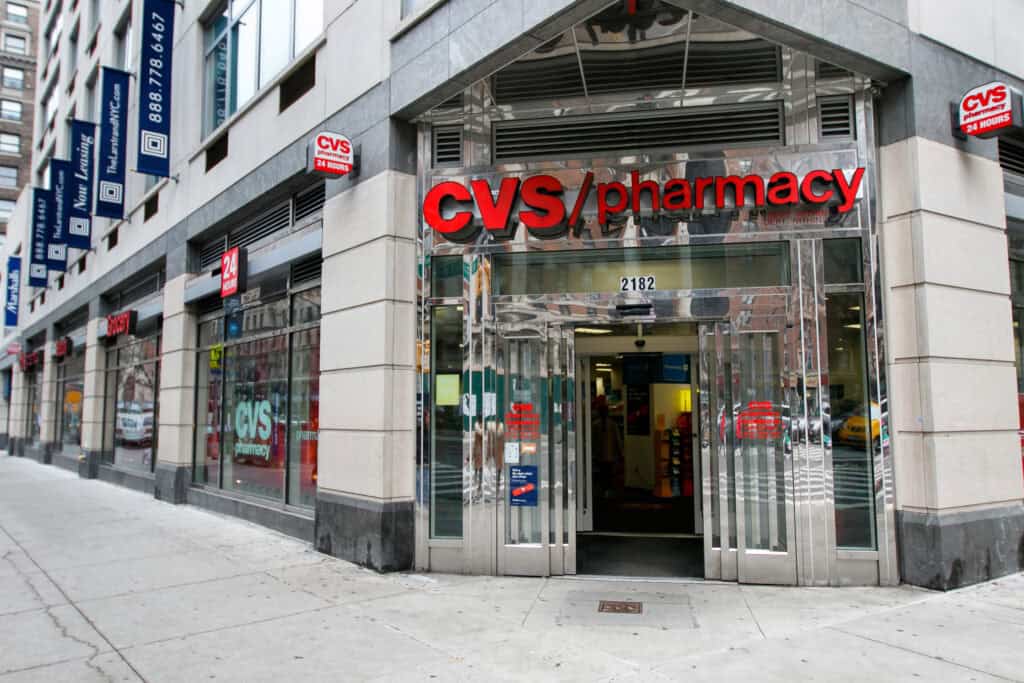
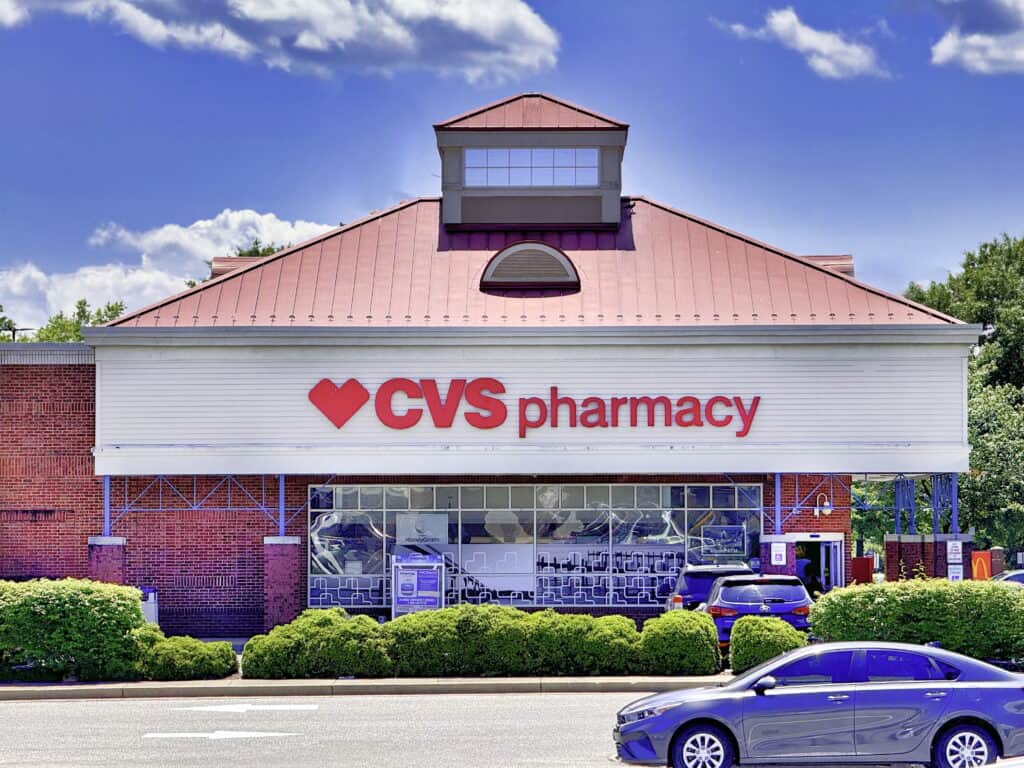
CVS locations were designed around convenience: quick prescriptions, basic groceries, and grab-and-go essentials. Rising shrink and more frequent incidents have pushed the chain to install more locked cases and, in some markets, walk away from stores entirely. Official messaging tends to blend theft with broader “portfolio optimization,” but employees describe a day-to-day grind of watching aisles and absorbing tense encounters. When a CVS closes, the impact shows up in empty former anchors on city corners and in new gaps in local health access.
REI, Outdoor Gear Meets Urban Crime Reality
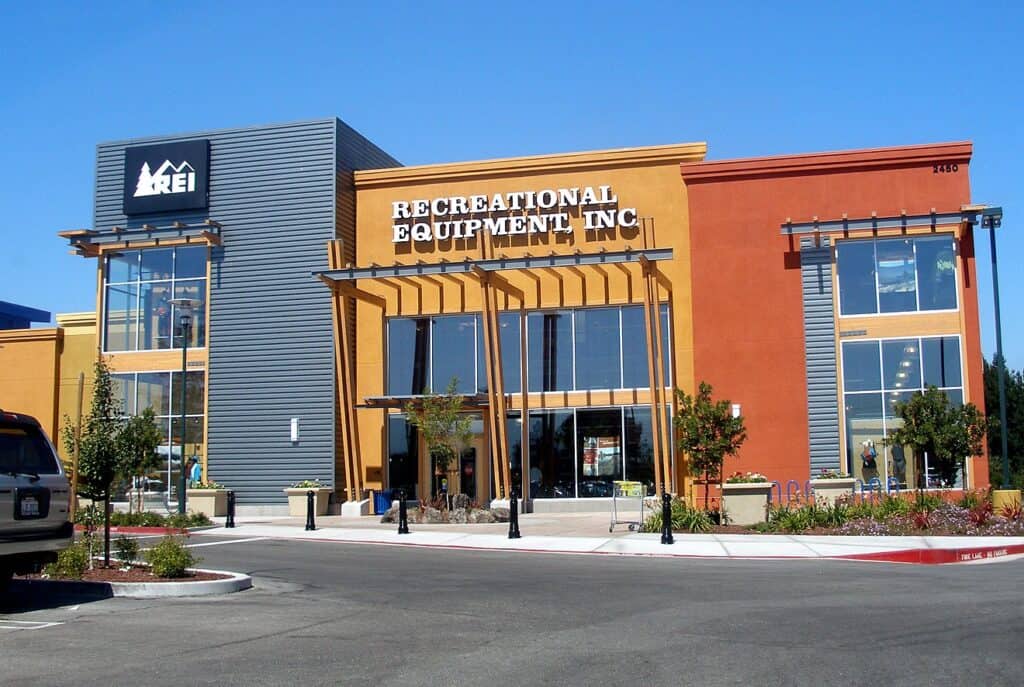
REI’s decision to shut a prominent urban store after repeated break-ins and safety incidents became a touchstone in debates about crime and retail. The co-op’s model depends on high-value inventory that is easy to resell, making smash-and-grab operations particularly damaging. Staff accounts from some locations describe a steady drip of theft that wears down morale along with balance sheets. When a brand that markets community and sustainability pulls out, the message to locals can feel blunt: risk outweighed even strong member loyalty.
Nordstrom, Flagship Exits And Downtown Decline
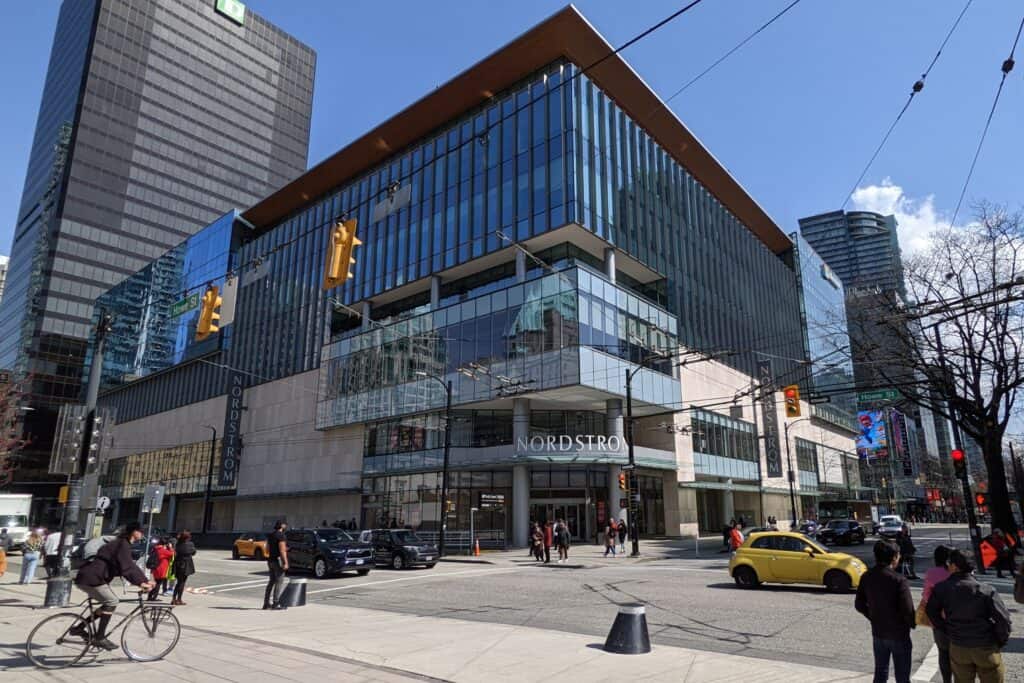
When Nordstrom closes a major city store, the reasons usually mix high rents, shifting foot traffic, and public safety concerns. Executives have cited “unsafe conditions” and loss in some downtown districts where shoplifting and organized retail crime are part of a larger urban strain story. These flagships once anchored whole shopping ecosystems, pulling in smaller tenants and restaurant traffic. Their departure leaves hollowed-out malls and dark display windows that reinforce a feedback loop: fewer shoppers, more vulnerability, and even less reason to stick around.
Whole Foods Market, High-End Groceries, High Shrink
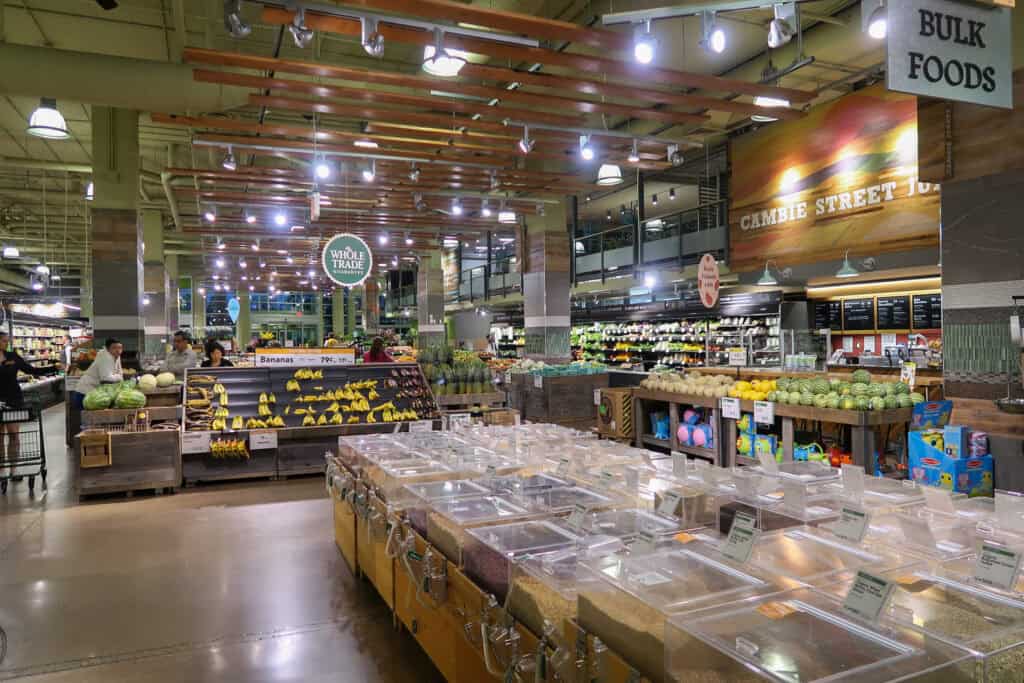
Whole Foods has quietly closed or downsized certain high-profile urban locations after citing safety issues, repeated incidents, and business underperformance. Premium products with high resale value make these stores attractive targets, while strict loss-prevention policies can strain relations with staff and nearby residents. When a large grocery leaves a dense neighborhood, it rarely gets replaced with an equivalent option. The result can be a patchwork of corner stores and delivery services that do little to help residents who already struggle with food access.
Nike, Brand Stores Retreat From Street-Level Trouble
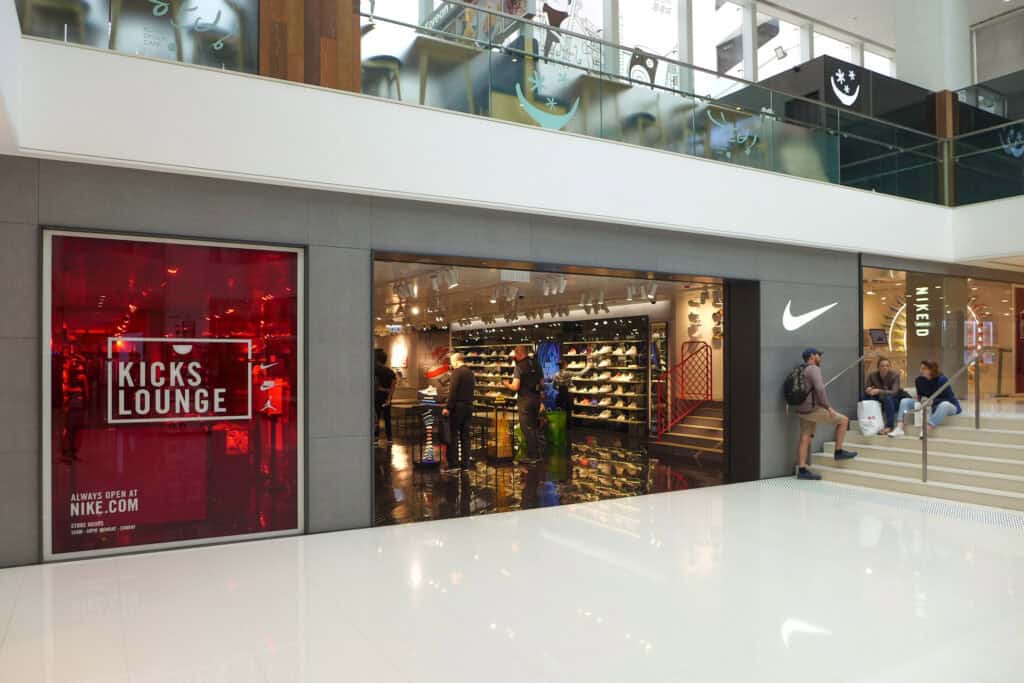
Nike’s branded stores were once designed as bright, high-energy showcases on busy shopping streets. In several cities, the company has scaled back or closed locations after repeated thefts, break-ins, and public safety concerns, even as it invests more heavily in online sales. Sneakers and apparel are among the easiest goods to flip quickly, which makes physical stores a tempting target. As doors lock and windows board up, the surrounding blocks feel the loss of both jobs and steady foot traffic that once made streets safer.
Other Blog Posts You Might Enjoy
www.idyllicpursuit.com (Article Sourced Website)
#Major #Retail #Chains #Closing #Locations #Due #Uncontrollable #Theft #Idyllic #Pursuit