
We may earn money or products from the companies mentioned in this post. This means if you click on the link and purchase the item, I will receive a small commission at no extra cost to you … you’re just helping re-supply our family’s travel fund.
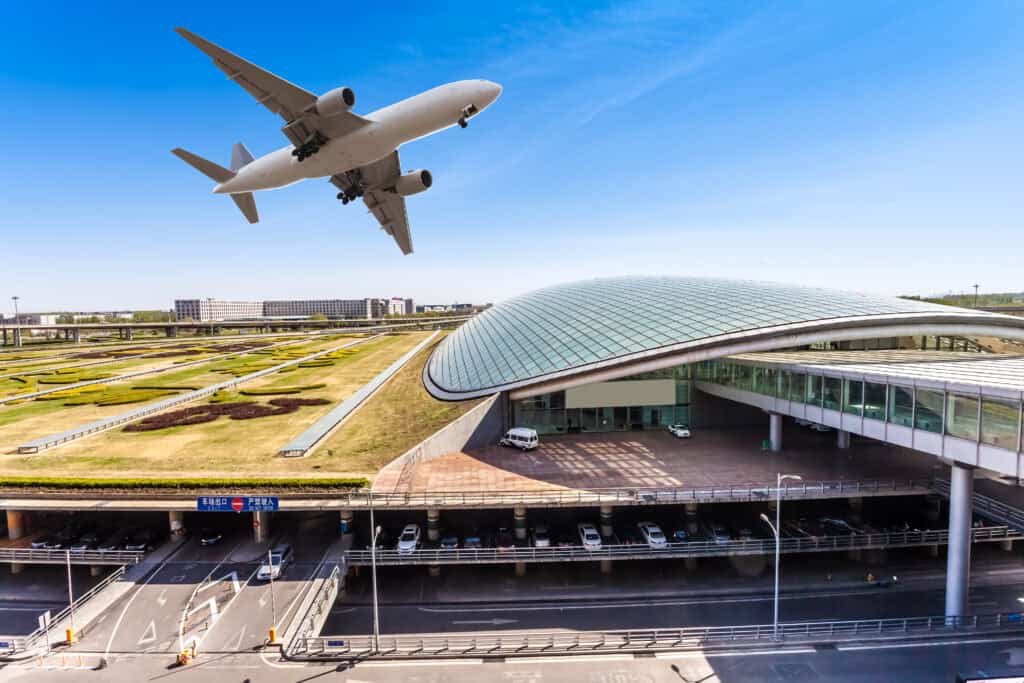
For some airports, the journey does not start at boarding; it starts at the curb. Sprawling terminals, endless concourses, and complicated layouts can turn even a short connection into an unplanned workout. Moving walkways, trains, and shuttle buses help, but they do not erase the sheer distance many passengers cover between check-in, security, and the farthest gates. These giant hubs move huge numbers of people every day, but they also quietly demand a surprising amount of stamina.
Dallas Fort Worth International Airport (DFW), United States

DFW sprawls across several terminals connected by the Skylink train, yet the walks still add up fast. Long, straight concourses and widely spaced gate clusters mean a traveler can easily cover more than a mile getting from security to a remote boarding door. Tight connections often translate into brisk power walks past food courts and moving walkways. For anyone changing terminals without much time, this North Texas hub feels almost like an indoor cross-country course.
Denver International Airport (DEN), United States
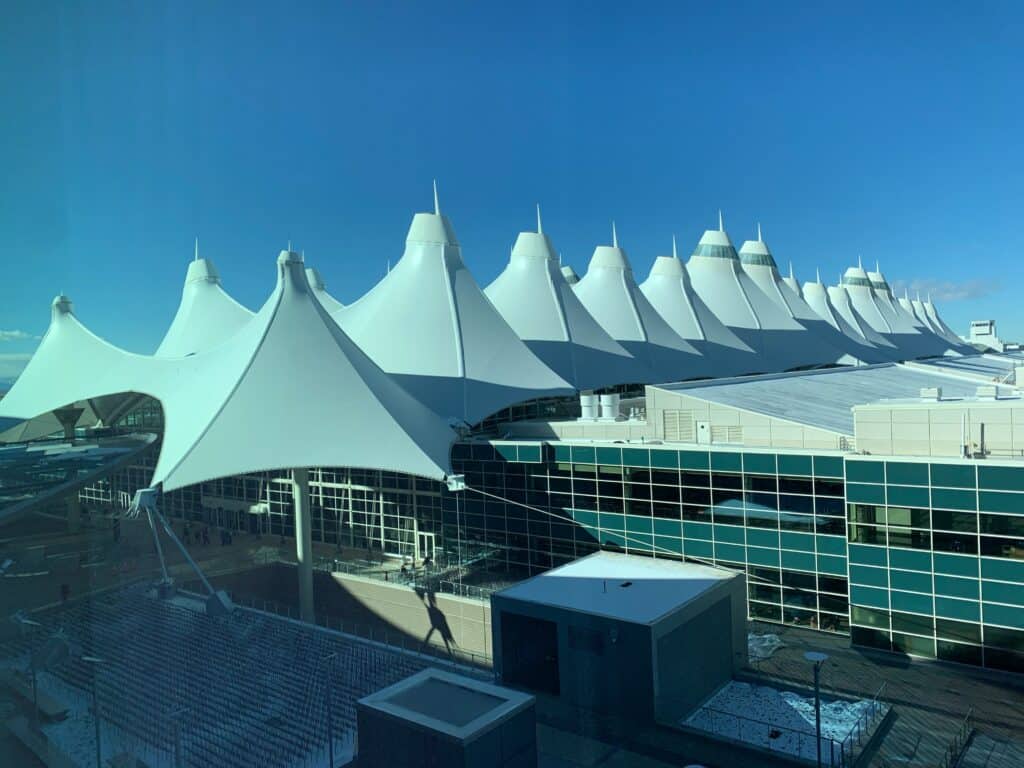
Denver funnels nearly all passengers through a single main terminal before sending them out to three separate concourses. That design creates dramatic mountain views and a striking tented roof, but also notable walking distances. Concourse B alone feels endless, with gate numbers stretching into what seems like triple digits. Even with the underground train, travelers regularly log serious steps moving between train platforms, food options, and distant gate arms that extend deep into the airfield.
Hartsfield Jackson Atlanta International Airport (ATL), United States
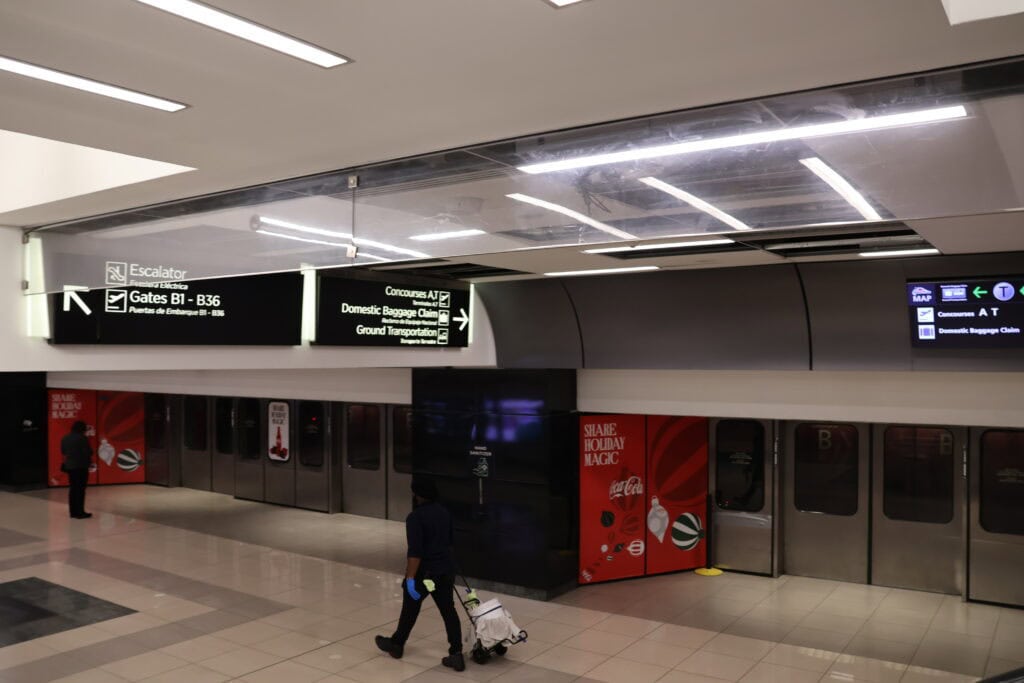
Atlanta combines enormous traffic with a linear design that stacks concourses one after another. The Plane Train and underground walkways help, yet anyone who skips a train stop or encounters a crowd can find themselves trekking through multiple concourses on foot. The walks are long, brightly lit, and often packed with rolling bags. On days when one security checkpoint backs up and another clears, passengers sometimes cross huge stretches of terminal just chasing shorter lines.
Chicago O’Hare International Airport (ORD), United States
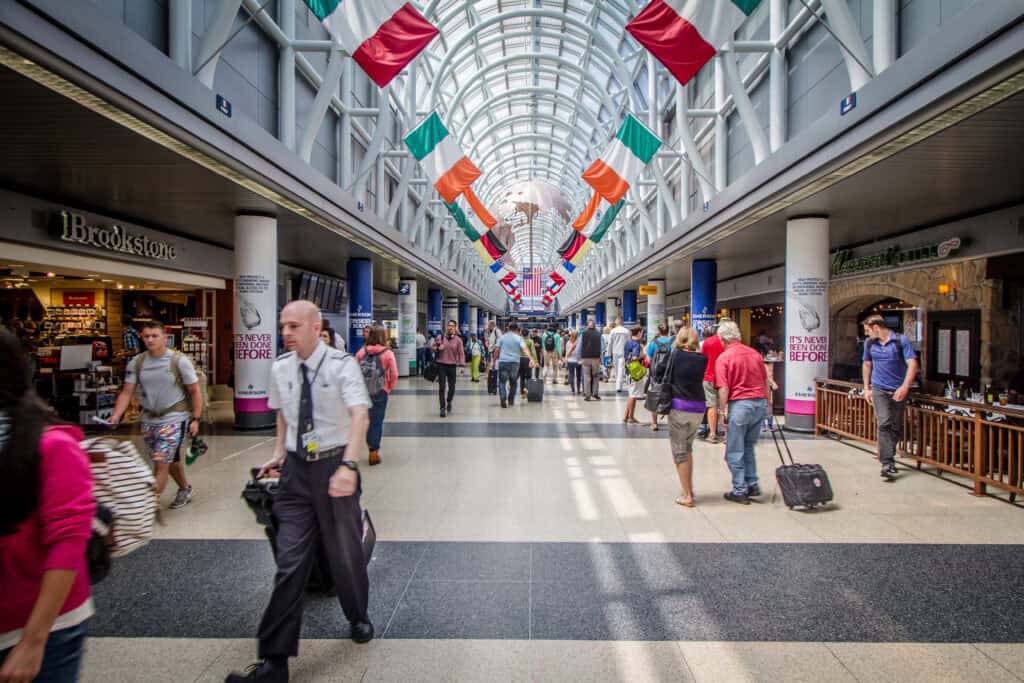
O’Hare’s maze of terminals and concourses has long been a favorite subject of road-warrior complaints. The airport links different airline zones with tunnels, connector corridors, and occasionally confusing signage. A connection that looks simple on a map can involve long walks, escalators, and detours around construction or renovations. The international terminal sits apart from some domestic gates, turning certain itineraries into extended hikes that test both legs and patience on busy travel days.
Los Angeles International Airport (LAX), United States
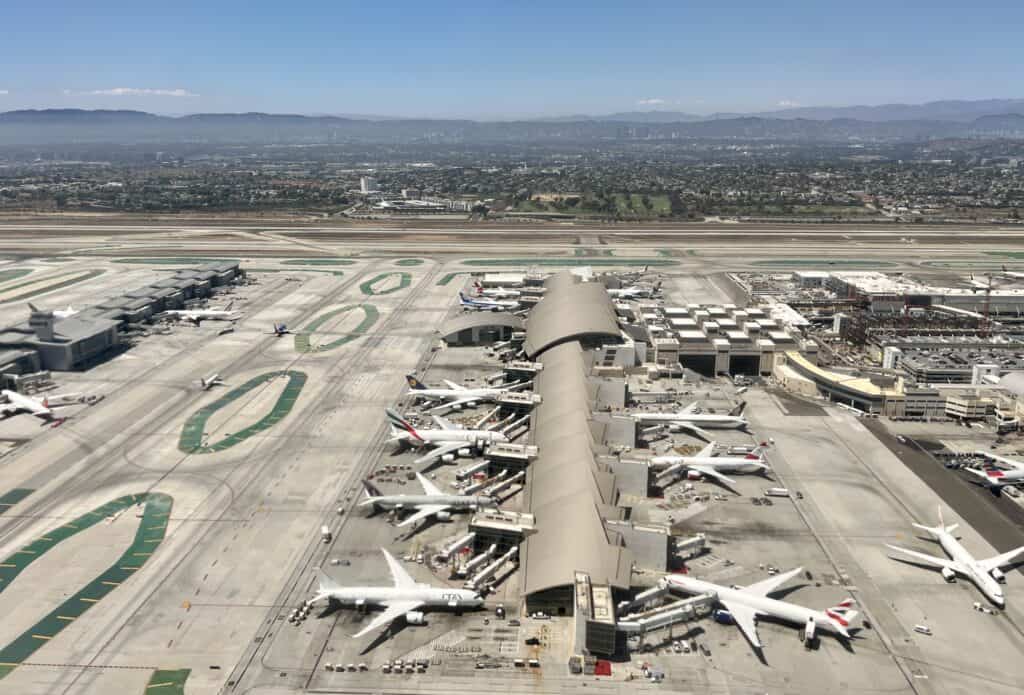
LAX wraps its terminals around a horseshoe road, but the walking reality is more complex than the diagram suggests. Airside connections between terminals have improved, yet many routes still require long indoor walks, outdoor segments, or shuttle rides. The Tom Bradley International Terminal and its west gates add another long branch to navigate. Construction zones and shifting detours often force extra steps, and anyone changing between far-flung terminals can feel every inch of the airport’s size.
John F. Kennedy International Airport (JFK), United States
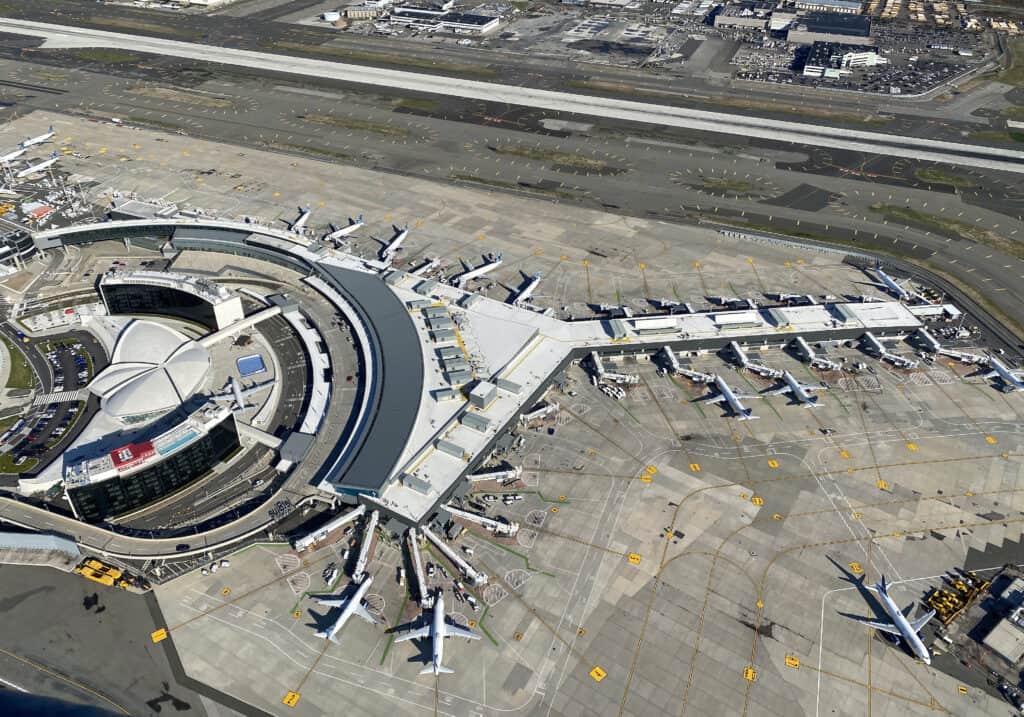
JFK spreads its operations across multiple terminals, each with its own personality and internal sprawl. Long concourses, complex security zones, and sometimes indirect routes between buildings combine to create serious walking distances. The AirTrain eases movement landside, but once inside a terminal, passengers may face wide stretches of carpet, duty-free maze corridors, and gate areas tucked far from the main spine. International transfers in particular can feel like marathons with passport checks added along the way.
Paris Charles de Gaulle Airport (CDG), France
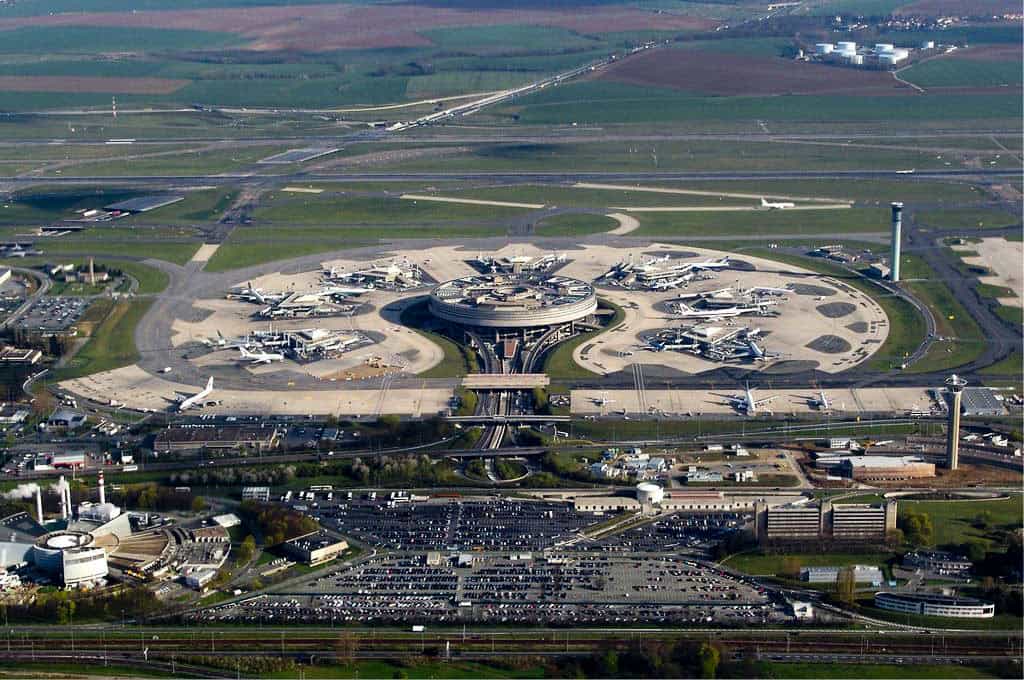
Charles de Gaulle is infamous among frequent flyers for long corridors, split-level transfers, and signage that requires close attention. Terminals 2E and 2F, in particular, send passengers along lengthy glass-walled hallways and up and down flights of escalators between checkpoints. Shuttle buses and trains knit the campus together, yet the distance between arrival gates and passport control can feel daunting after an overnight flight. Missed moving walkways or misread signs only amplify the steps.
Amsterdam Schiphol Airport (AMS), Netherlands
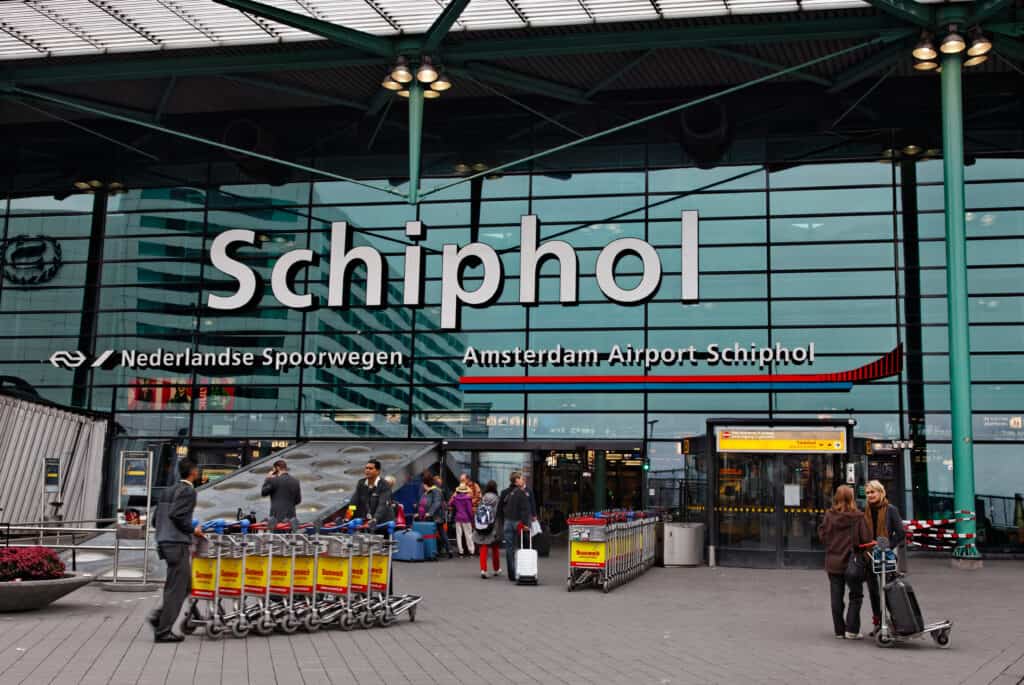
Schiphol technically uses a single-terminal concept, but that terminal stretches out into long piers that seem to run to the horizon. Once a traveler passes security, the walk to far gates can involve long, uninterrupted stretches past shops and seating zones. The airport’s clear signage and large windows make the journey pleasant, yet the distances remain significant, especially in the low-cost or regional sections. During busy banks of flights, those walks become slow-moving rivers of rolling luggage.
London Heathrow Airport (LHR), United Kingdom
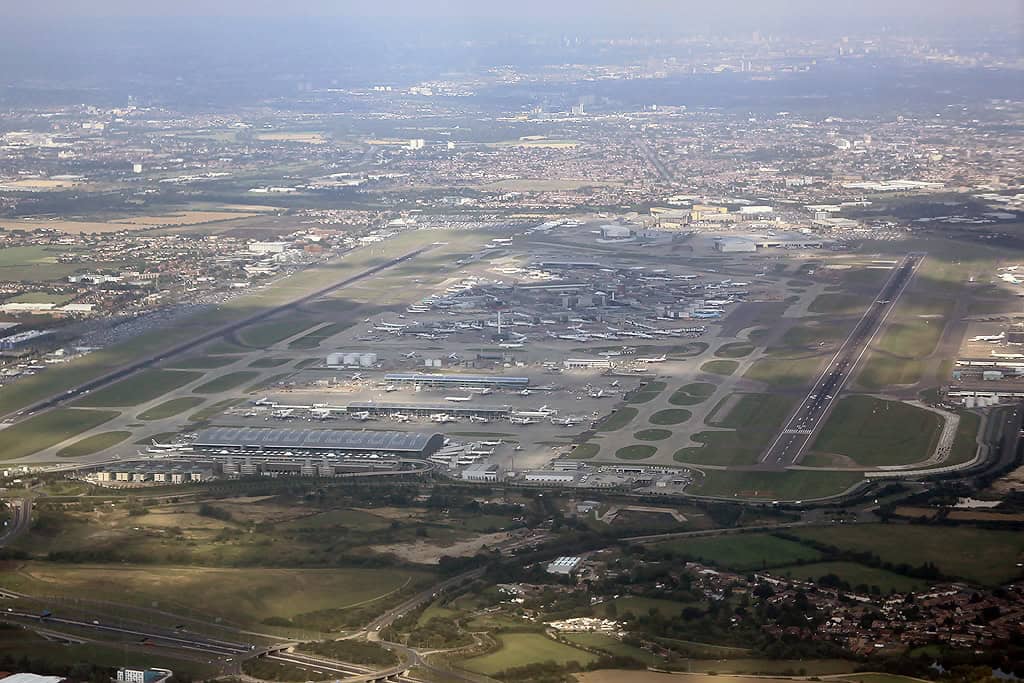
Heathrow’s multiple terminals each come with their own internal geography, and some of the most challenging walks occur entirely within a single building. Terminal 5, for example, extends through several satellite gate areas accessed by trains and long corridors. International connections between terminals overlay extra bus rides and security checks onto already substantial walks. Even experienced travelers often build in generous buffers here, knowing that a change in departure gate can add thousands of steps to a day.
Dubai International Airport (DXB), United Arab Emirates
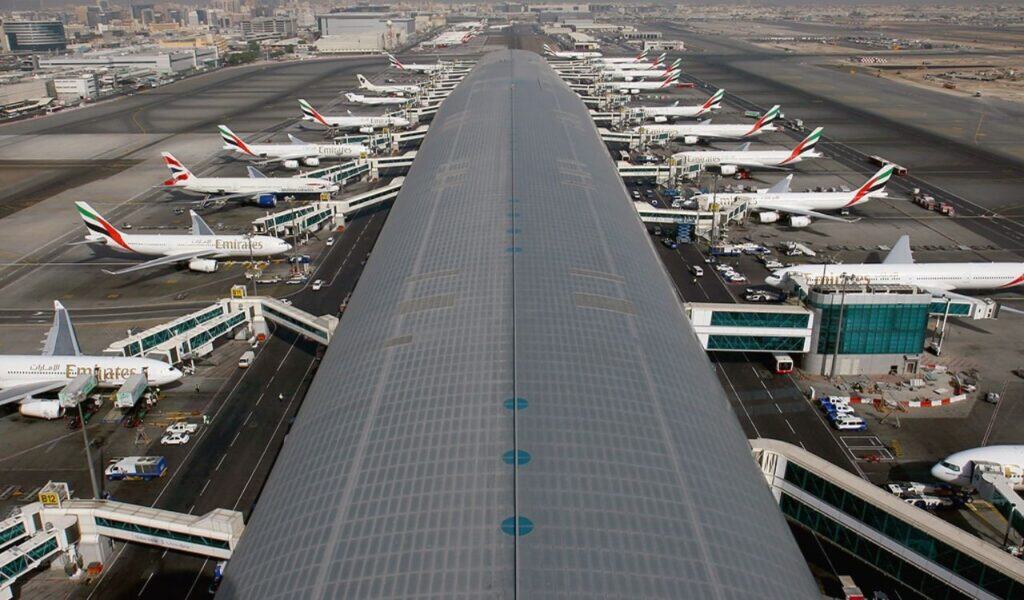
Dubai’s main terminals stretch across glittering halls filled with shops, lounges, and towering atriums. That spectacle comes with distance. Concourse A for long-haul flights, connected by train, sends passengers down extended gate arms where walking from one end to the other can feel like crossing a small town. Overnight banks of flights amplify the strain, as tired travelers hike between distant gates and immigration or navigate long walks just to reach widely spaced restrooms and food outlets.
Beijing Daxing International Airport (PKX), China
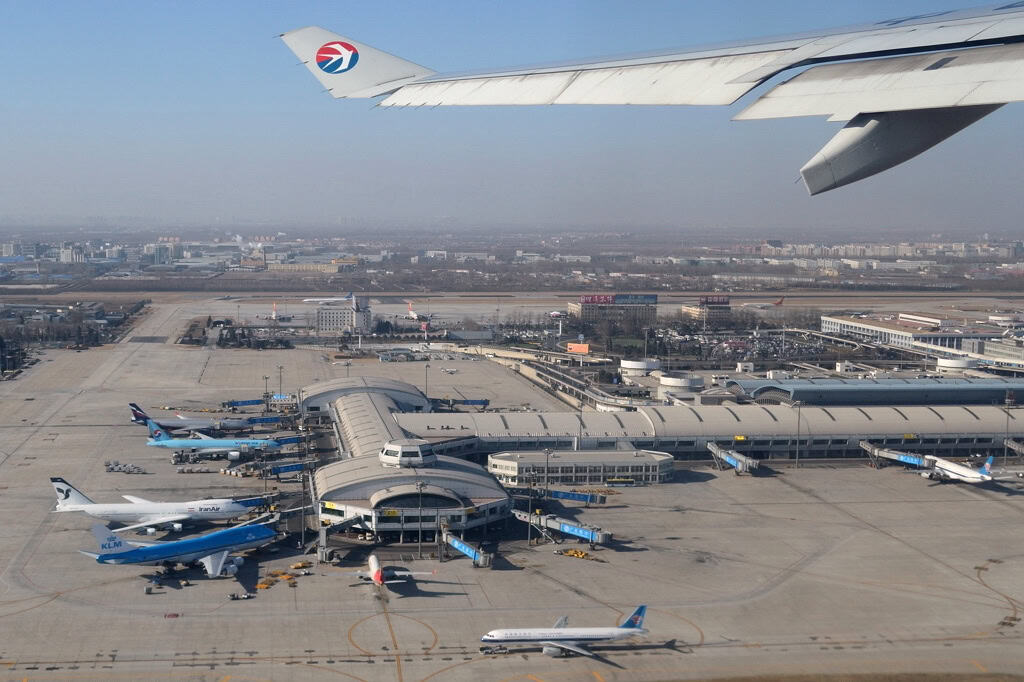
Beijing Daxing opened with a striking starfish-shaped design meant to minimize travel time, yet its scale still impresses the legs. The central hall fans out into long piers, and although planners tried to shorten average distances, many gates still sit a substantial walk from security. High ceilings, futuristic architecture, and wide corridors create a sense of grandeur that can make distances feel even larger. For travelers with large carry-ons, the combination becomes a slow, deliberate trek.
Istanbul Airport (IST), Turkey
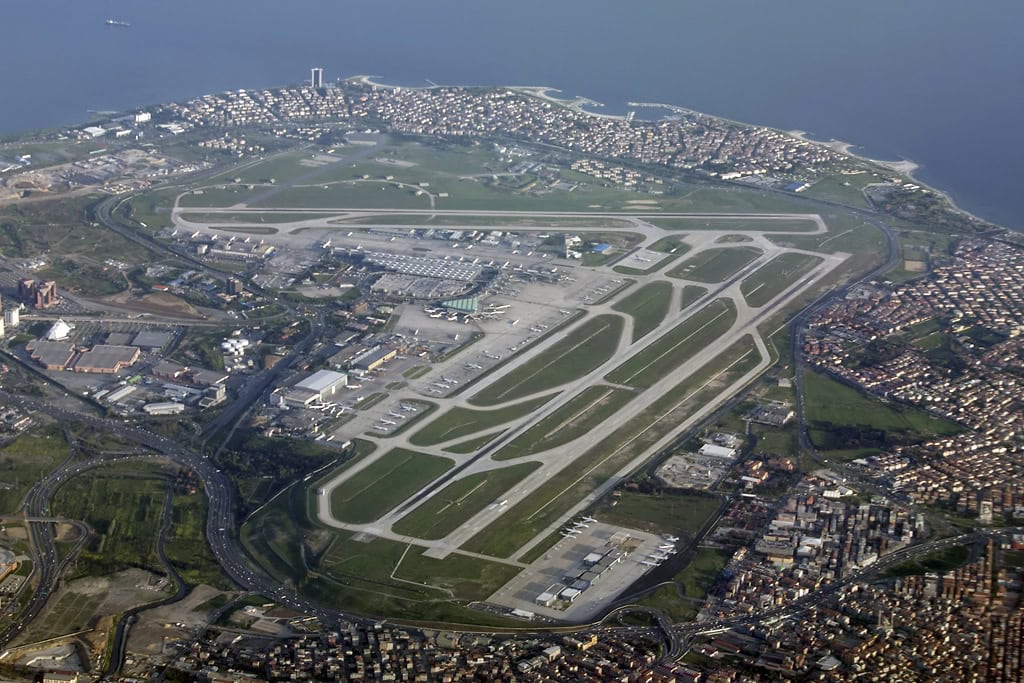
Istanbul’s new airport was built for volume and future growth, and its main terminal ranks among the largest enclosed spaces in the world. That size translates into long walks from check-in to security, then on through shopping plazas and out to distant gate clusters. The lack of multiple terminal buildings keeps everything technically under one roof, but distances between some domestic and international gates remain formidable. During peak transfer waves, even the moving walkways can feel too short for the crowds.
Hong Kong International Airport (HKG), China
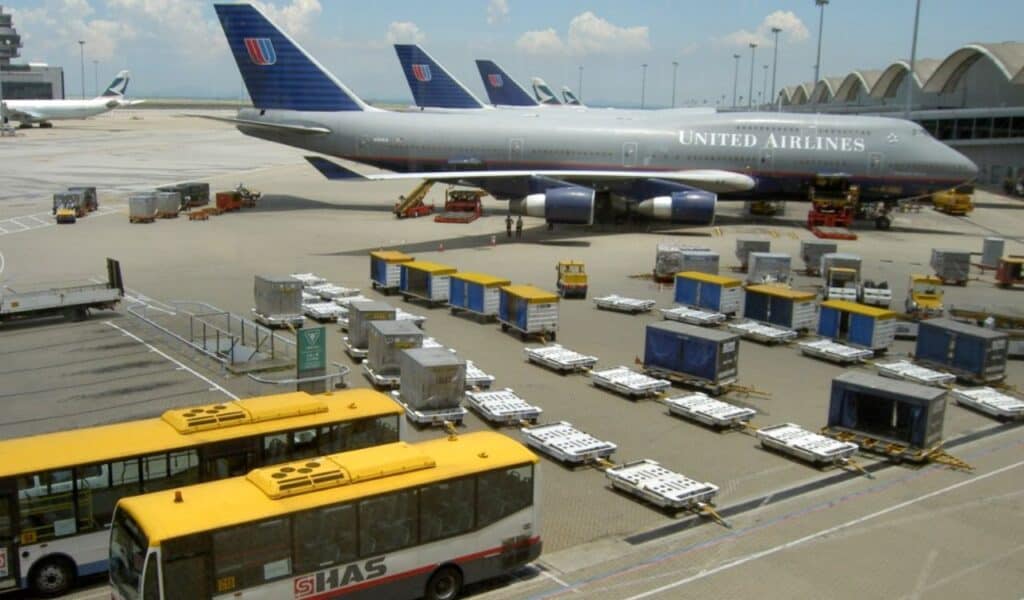
Hong Kong’s island airport combines sleek design with significant distances, especially for flights using gates at the far ends of its long piers. Automated people movers help bridge some gaps, yet there are still long stretches where passengers simply walk. Transfers between immigration, baggage, and connecting flights can involve multiple levels and extended corridors. For travelers already tired from long-haul flights, the last push to a distant gate often feels like the final leg of the journey.
Singapore Changi Airport (SIN), Singapore

Changi earns praise for comfort, but its terminals and connecting corridors are far from compact. Butterfly gardens, sunflower decks, and indoor waterfalls add delight, yet walking between some gate areas and attractions can take considerable time. The Jewel complex further expands the campus, introducing another series of bridges and escalators. Even with efficient trains and clear wayfinding, travelers clock serious step counts simply moving from arrival gate to immigration and on to baggage claim or rail links.
Seoul Incheon International Airport (ICN), South Korea
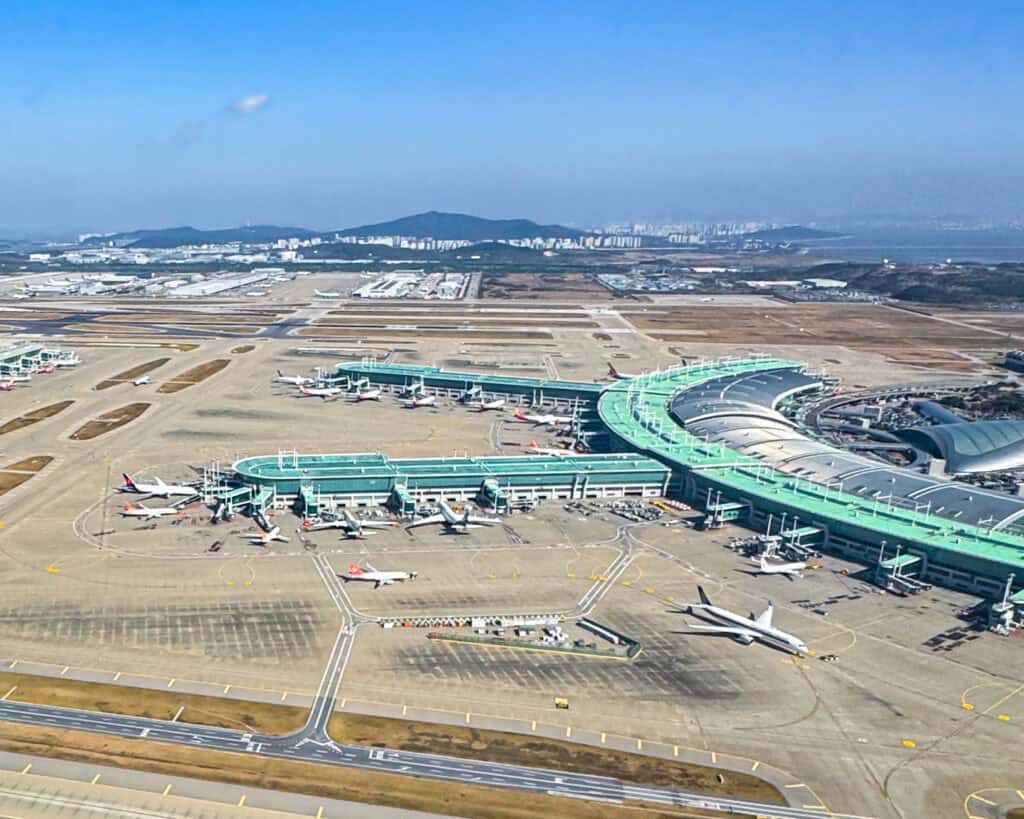
Incheon’s terminals stretch along the runways, with long concourses that accommodate wide-bodied aircraft and large passenger volumes. The combination of rail links, central plazas, and extended gate fingers creates journeys that can feel surprisingly long, especially during winter when outdoor transfers are less appealing. The airport’s clean design and orderly flows soften the experience, but travelers often still face significant walks between transit security, lounges, and the most remote gates serving long-haul departures and arrivals.
Other Blog Posts You Might Enjoy
www.idyllicpursuit.com (Article Sourced Website)
#Massive #Airports #Youll #Walk #Miles #Reaching #Gate #Idyllic #Pursuit