
We may earn money or products from the companies mentioned in this post. This means if you click on the link and purchase the item, I will receive a small commission at no extra cost to you … you’re just helping re-supply our family’s travel fund.
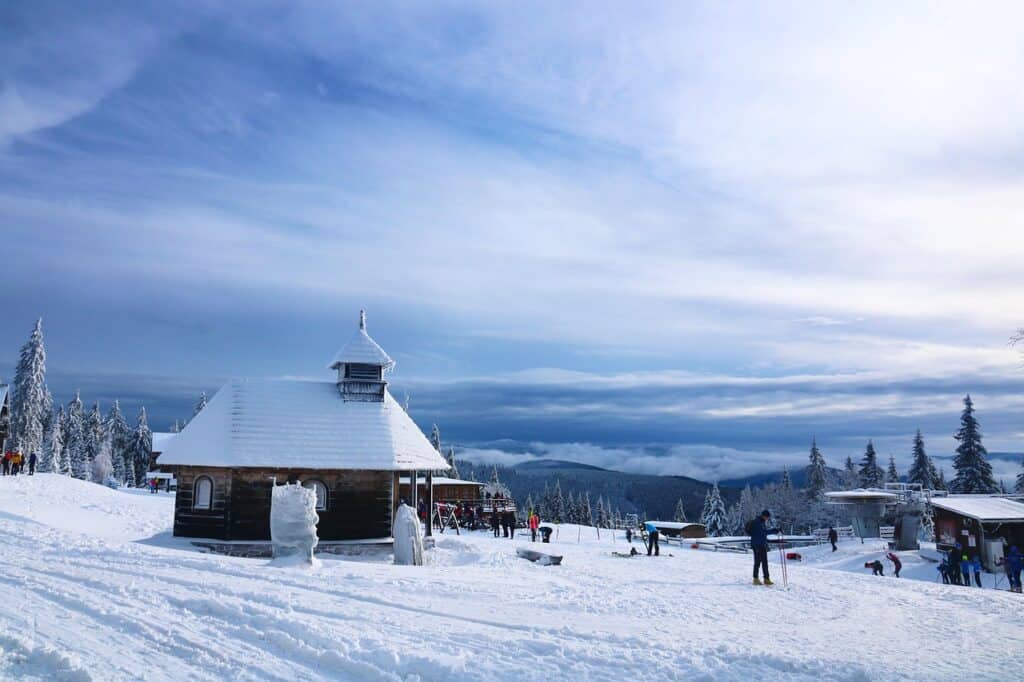
As climate change reshapes weather patterns, vacationers increasingly seek destinations that balance natural beauty with resilience. Mountain and lake towns in the U.S. often provide cooler summers, freshwater access, and lower risks from hurricanes, sea-level rise, and wildfires. For 2026, experts highlight towns where you can enjoy outdoor recreation, scenic lakes, and mountains while staying relatively safe from extreme climate events. Here’s a curated list of nine towns, each with practical data and enticing experiences.
1. Duluth, Minnesota
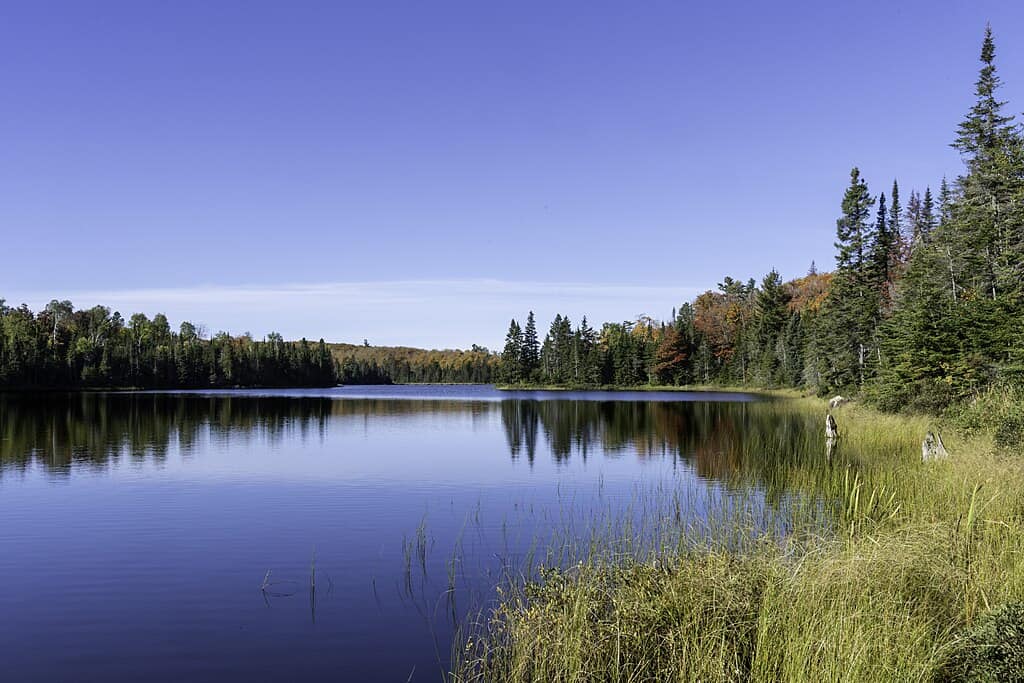
Duluth, population 86,000, rests at 600–1,500 feet above sea level along Lake Superior’s western tip. The lake holds 2,900 cubic miles of freshwater, moderating summer heat and reducing storm extremes. With cold snowy winters and mild summers, it avoids hurricanes, sea-level rise, and major wildfires. Visitors enjoy hiking Spirit Mountain, kayaking along the rugged North Shore, and sailing across the lake. Its port, breweries, and cultural sites complement outdoor adventures. Experts cite Duluth’s inland position and large freshwater buffer as key factors for climate-resilient travel in 2026.
2. Traverse City, Michigan
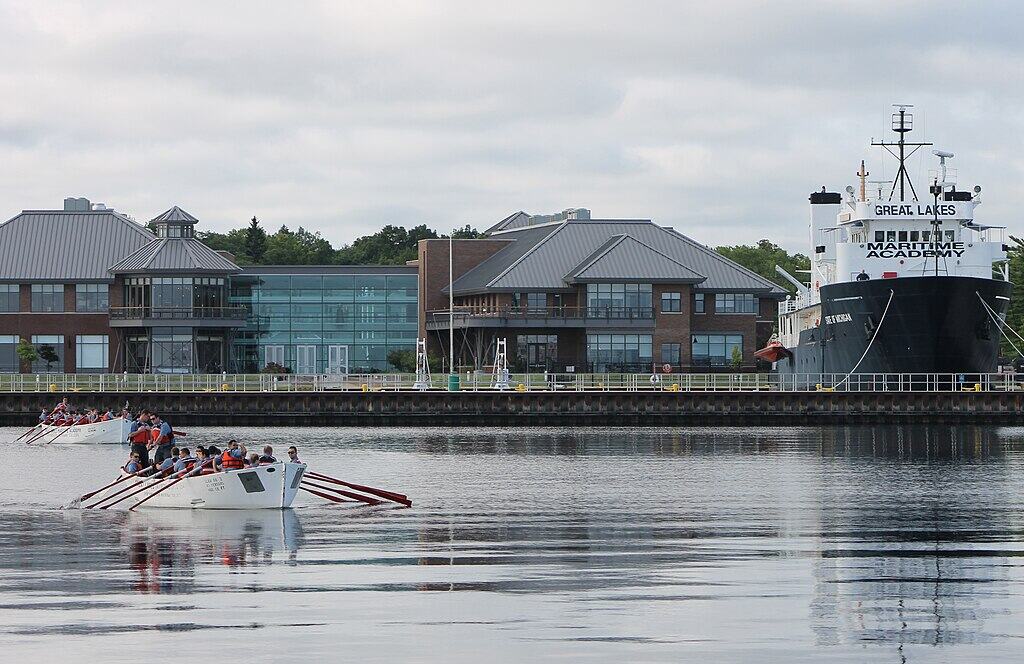
Nestled on West Grand Traverse Bay, this town of 16,000 enjoys temperate summers in the mid-70s°F. Its lakes and rolling hills offer kayaking, boating, and fishing year-round. The Great Lakes region avoids hurricanes and coastal flooding, while wildfire risk is low. Traverse City features over 200 wineries, sandy beaches, and culinary delights. Winter brings snowshoeing and cross-country skiing. With calm waters, scenic trails, and a climate-safe profile, it combines outdoor adventure with cultural experiences, making it a reliable choice for travelers seeking lakeside beauty and moderate weather.
3. Big Sky, Montana
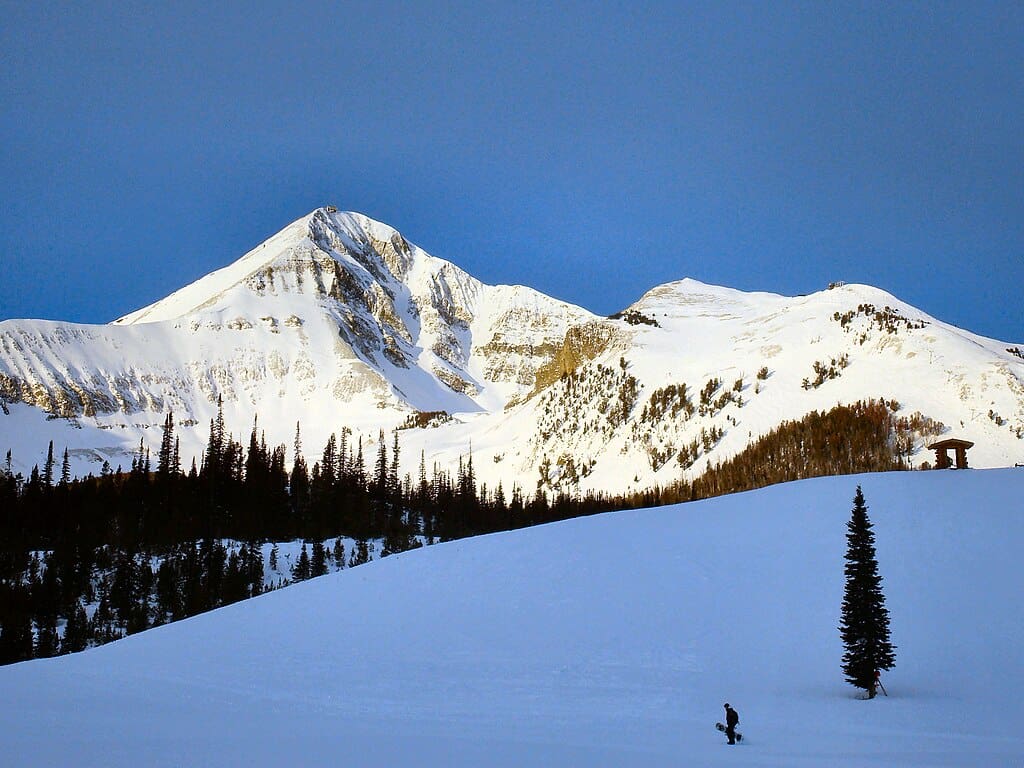
Big Sky, at 7,500 feet elevation, lies near peaks above 11,000 feet in the Rocky Mountains. Cool summers and snowy winters provide hiking, horseback riding, and skiing. Annual visitors have grown over 90%, drawn to Gallatin River fly fishing and Yellowstone access 60 miles south. Its inland mountain location reduces hurricanes, flooding, and coastal storms. Managed forest areas mitigate wildfire risks. Spas, music festivals, and local arts enhance the experience. Big Sky blends rugged scenery with adventure and climate resilience, offering a mountain retreat with predictable weather and minimal extreme-event exposure.
4. Lake Placid, New York
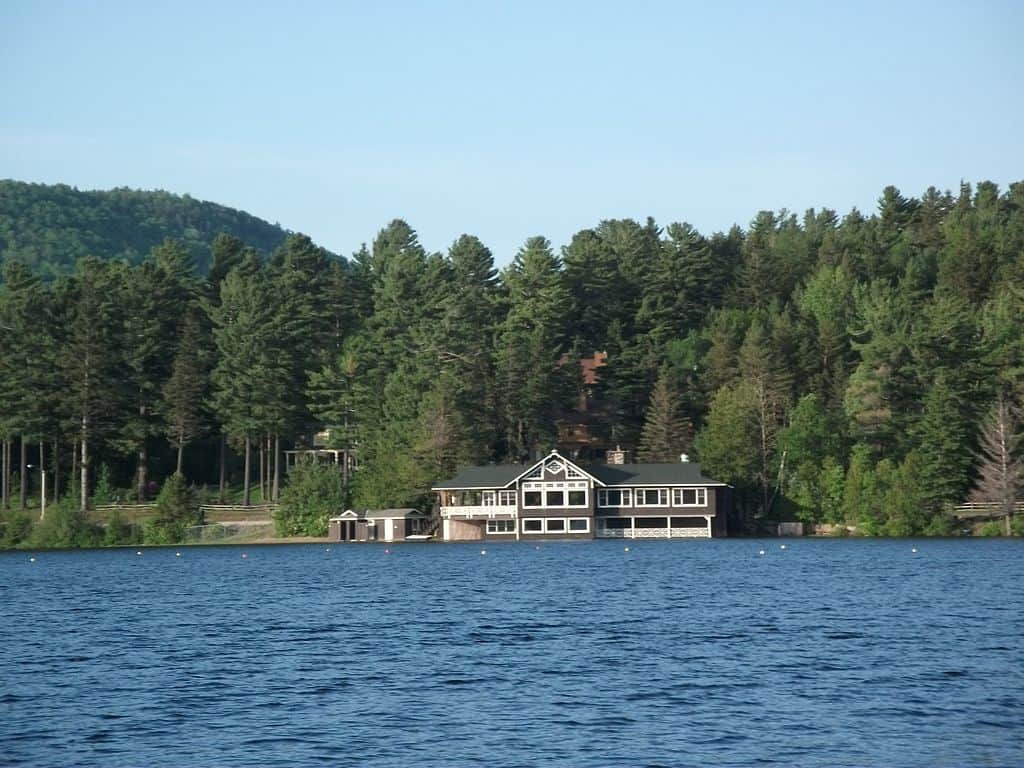
Lake Placid, population 2,500, sits in the Adirondacks with peaks up to 4,800 feet and hundreds of lakes. Famous for hosting two Winter Olympics, it offers skiing, gondolas, and hiking. Summers average 60–70°F, ideal for paddleboarding on Mirror Lake. Inland elevation keeps hurricanes, flooding, and major wildfires at bay. Autumn foliage draws visitors, while winter supports Nordic trails and ice skating. Its museums, breweries, and farmers’ markets enrich the small-town charm. Lake Placid combines alpine beauty, freshwater lakes, and consistent seasonal weather, making it a reliable and scenic 2026 destination.
5. Marquette, Michigan

Marquette covers 20 square miles with 8 square miles of water on Lake Superior’s southern shore. Cool summers and snowy winters create year-round outdoor opportunities. The lake’s vast volume moderates temperature extremes, and the city avoids hurricanes, sea-level rise, and wildfires. Hiking, kayaking, skiing, and beachcombing attract visitors. Downtown features local restaurants, breweries, and cultural events. This freshwater city balances nature and urban amenities while offering a climate-resilient escape. Marquette exemplifies how lake access, elevation, and moderate weather make a destination safer for vacation planning in 2026.
6. Coeur d’Alene, Idaho
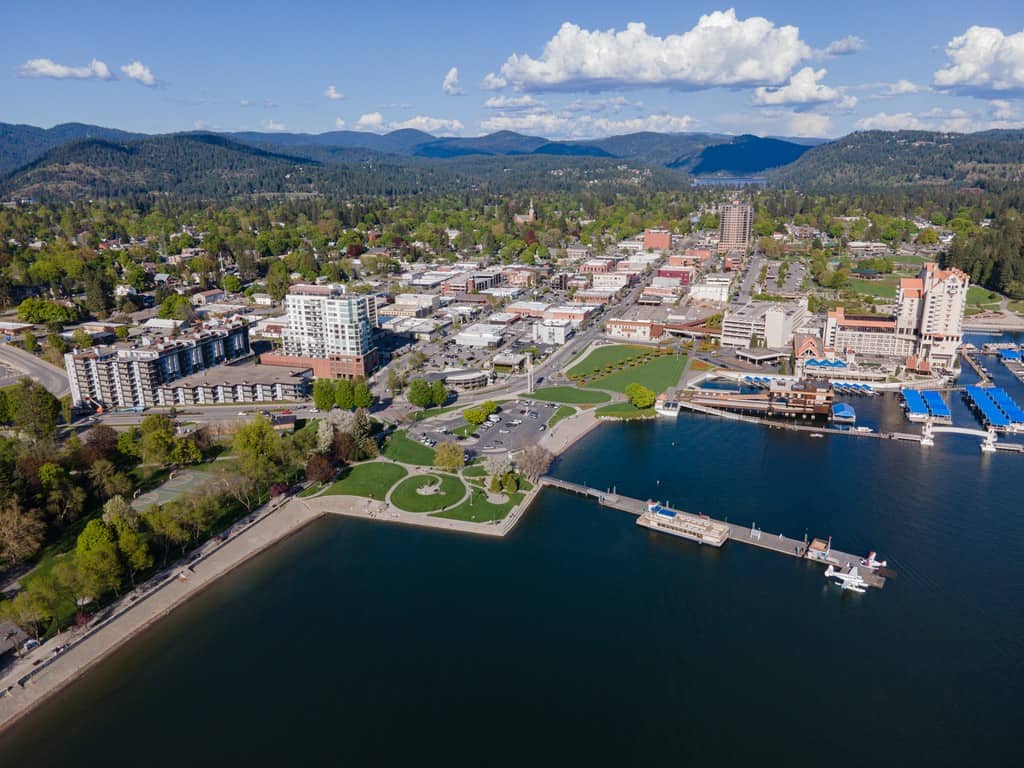
Coeur d’Alene, population 55,000, lies on 25 miles of lake shoreline with 100 miles of accessible waterfront. Summer temperatures are mild, while nearby mountains maintain cool conditions. Its inland location avoids hurricanes, flooding, and major sea-level concerns. Managed forests reduce wildfire risk. Visitors enjoy kayaking, fishing, hiking, and biking. Silverwood Theme Park, local breweries, and scenic trails provide cultural and recreational balance. Fall foliage and winter snowshoeing add seasonal variety. Coeur d’Alene offers a mountain-lake combination with predictable weather, freshwater abundance, and a safe climate profile.
7. Bend, Oregon
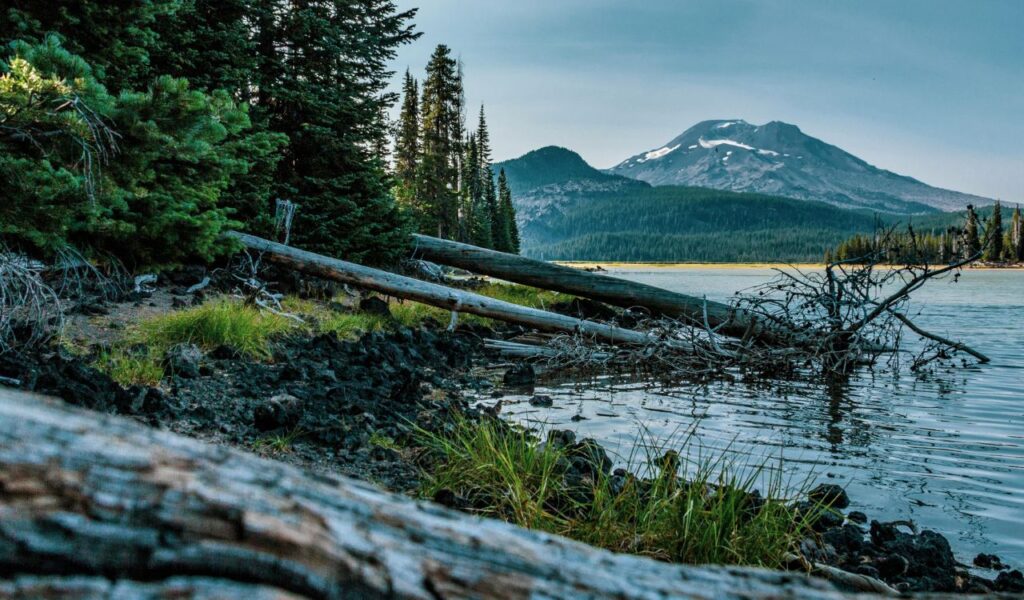
Bend, population 100,000, sits at 3,600 feet with the Cascade Mountains and Deschutes River nearby. It has dry summers averaging 80°F and snowy winters supporting skiing. Inland location shields it from coastal storms and sea-level rise. Wildfire risk exists but is mitigated by forest management. Outdoor activities include river rafting, hiking, mountain biking, and fishing. Bend’s craft breweries, art galleries, and music festivals complement nature experiences. With lakes, rivers, and mountains, Bend provides an adventurous yet climate-conscious retreat for 2026 travelers seeking reliable weather and scenic beauty.
8. Truckee, California
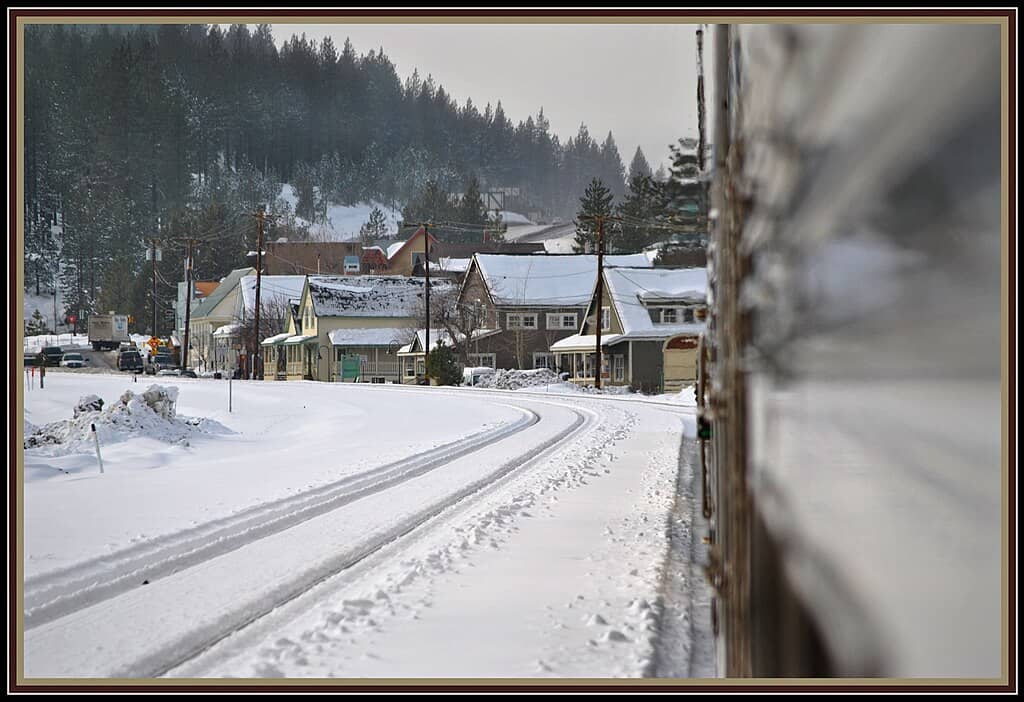
Truckee, at 5,817 feet elevation near Lake Tahoe, has cool summers averaging 75°F and snowy winters ideal for skiing. The population is roughly 16,000. Its inland mountain location reduces hurricane and coastal flooding risk, though wildfires require awareness. Visitors enjoy lake recreation, hiking, mountain biking, and historical downtown exploration. Truckee combines natural beauty with cultural events, from farmers’ markets to music festivals. Its elevation moderates heat, while the lake system provides freshwater activities. Climate experts highlight Truckee as a safer, scenic option balancing mountains, lakes, and predictable weather for summer and winter vacations.
9. Sunriver, Oregon
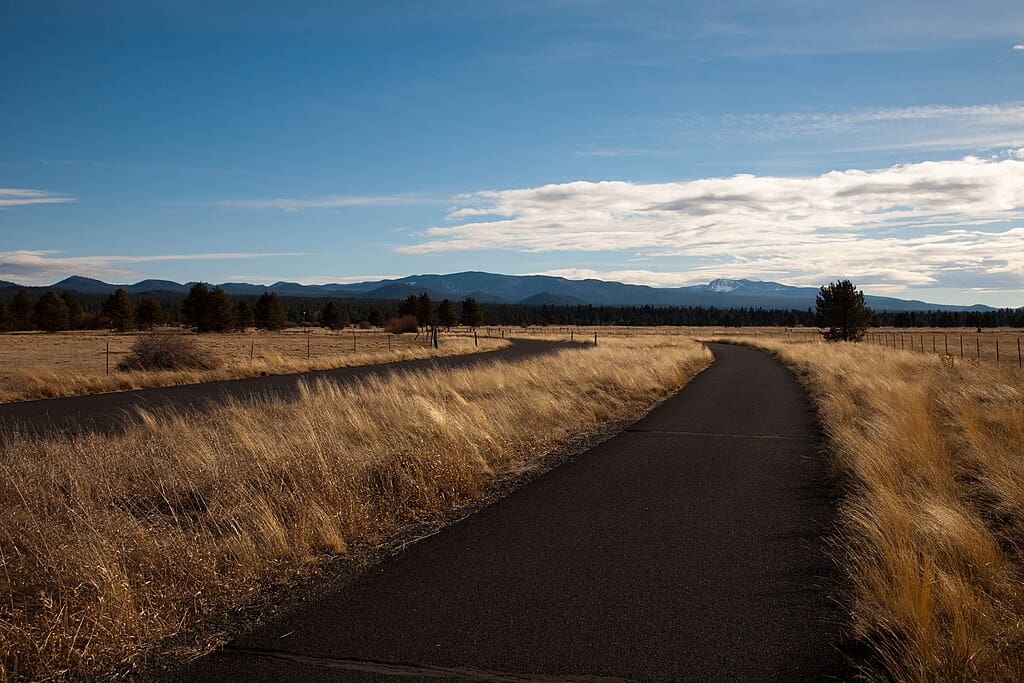
Sunriver, population 1,900, lies at 4,170 feet along the Deschutes River near volcanic buttes. Summers reach mid-80s°F, winters bring snow for skiing and snowshoeing. Its inland location protects from hurricanes and sea-level rise, while forest management lowers wildfire exposure. Visitors enjoy river kayaking, mountain biking, golfing, and hiking. Sunriver Resort amenities and local art festivals add cultural appeal. The town’s lakes, rivers, and accessible mountain trails offer a four-season retreat. Sunriver exemplifies a low-risk, climate-conscious vacation destination with freshwater, elevation, and scenic diversity.
Other Blog Posts You Might Enjoy
www.idyllicpursuit.com (Article Sourced Website)
#Mountain #Lake #Towns #Climate #Scientists #Call #Safer #Bets #Vacations #Idyllic #Pursuit