
We may earn money or products from the companies mentioned in this post. This means if you click on the link and purchase the item, I will receive a small commission at no extra cost to you … you’re just helping re-supply our family’s travel fund.
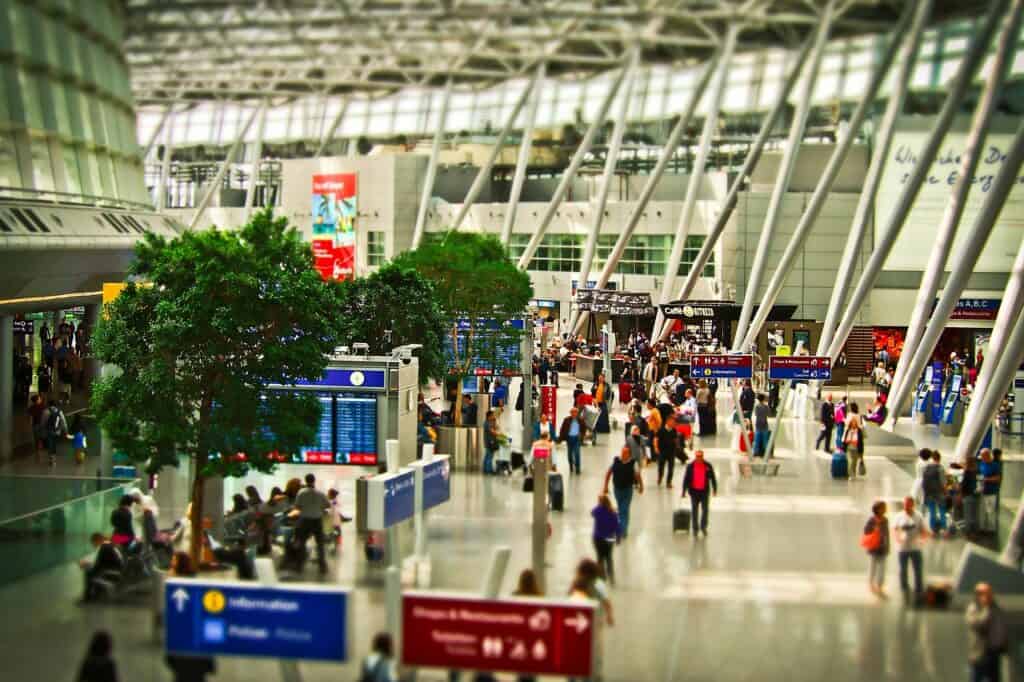
Air travel in the United States is shifting in ways that are easy to miss until a familiar itinerary suddenly routes somewhere new. Legacy airlines are scanning for airports with room to add gates, steady local demand, and operations that do not collapse at the first weather hiccup. Some places have spent years expanding terminals and fixing chokepoints, and the payoff is finally visible. Others sit in metros gaining people and jobs faster than older hubs can absorb. Together, these airports outline where broader connectivity is likely to deepen next.
Nashville International Airport, BNA

Nashville’s boom is no longer just weekend tourism and music calendars. Airlines see a metro that keeps adding residents, employers, and year-round travel demand, which matters more than a single seasonal spike. Terminal expansion work has created breathing room for more coordinated departure waves, and that makes schedules easier to build and easier to protect when the day gets busy. With strong local traffic and more space to stage growth, BNA reads like an airport moving from popular destination gateway toward something closer to a true connecting platform.
San Antonio International Airport, SAT
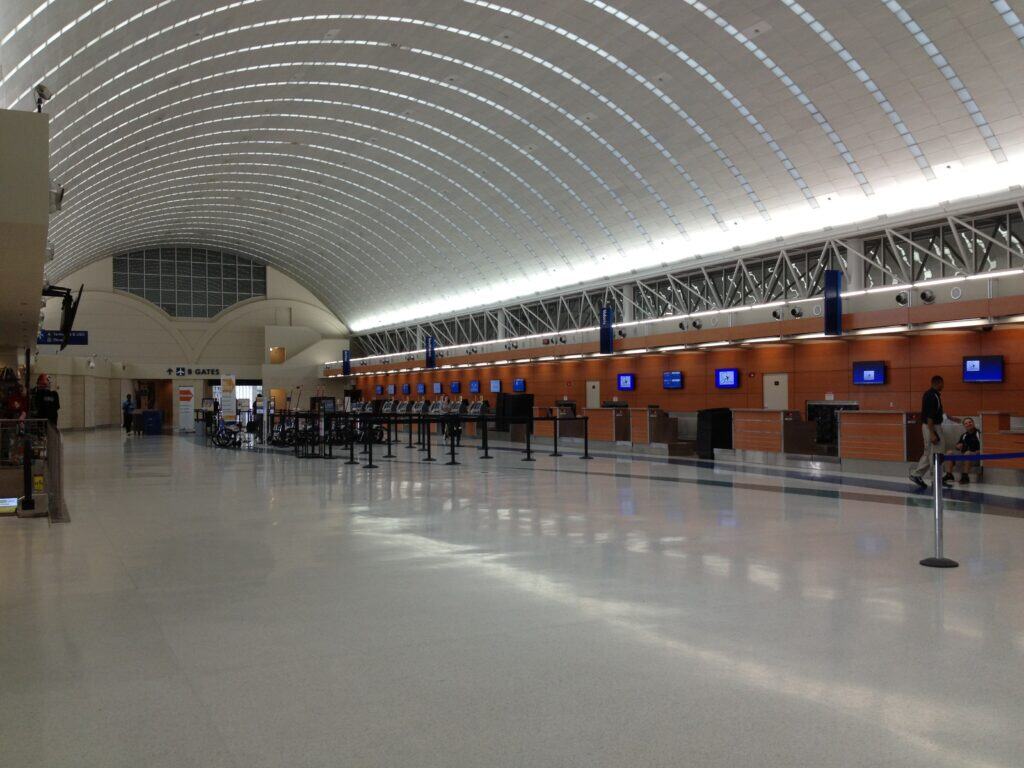
San Antonio sits in a rare overlap of military travel, medical demand, and a tech scene that moves people in every month of the year. That mix gives airlines a steadier base than pure leisure markets. Modernization plans add gates and improve airfield capacity, which means carriers can scale without hitting immediate ceiling limits. SAT also benefits from its position inside Texas, where route options are plentiful and reroutes are practical when weather disrupts larger hubs. For legacy carriers, it looks like a place where reliability and growth can actually coexist.
Raleigh-Durham International Airport, RDU
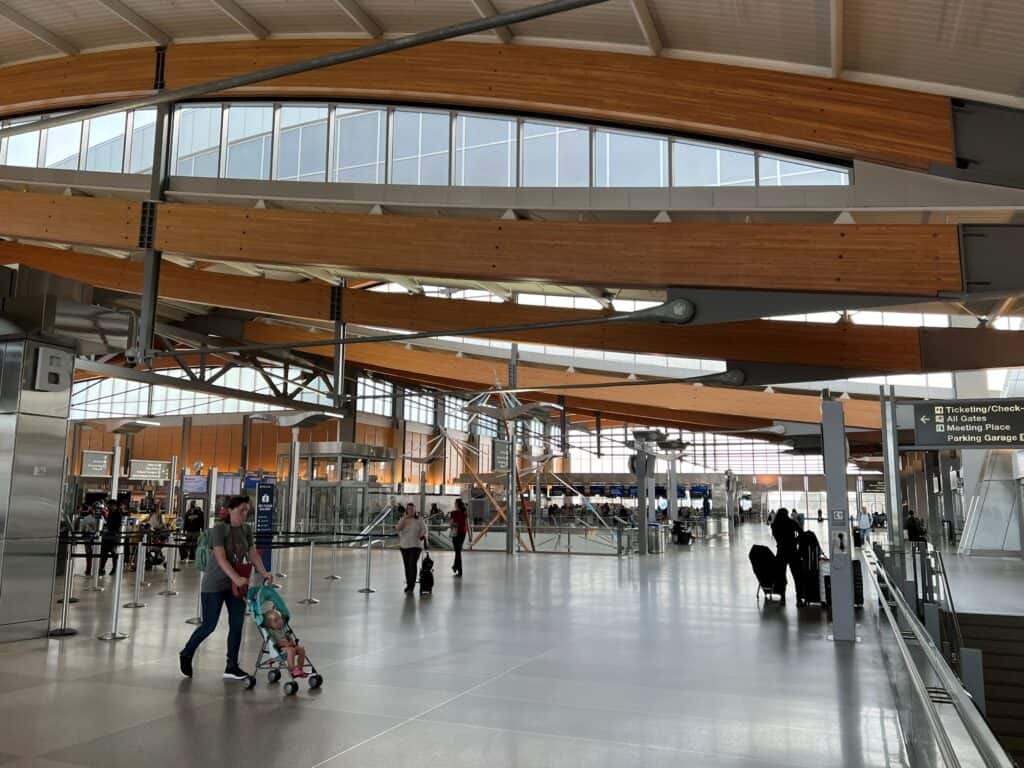
RDU rides on a research economy that travels constantly, not occasionally. The region’s universities and tech firms generate business demand that fills flights outside of holiday peaks, which is exactly what airlines want when building durable networks. Upgrades that support larger aircraft and more mainline service make expansion easier, and lighter congestion than major East Coast hubs helps protect on-time performance. As more companies land in the Triangle and population growth stays strong, RDU starts to feel less like a strong regional airport and more like a hub candidate with momentum.
Cincinnati Northern Kentucky International Airport, CVG

CVG still carries the bones of a former hub, and that matters. The infrastructure is there, the layout supports efficient movement, and operations often feel calmer than crowded Midwest alternatives. Short taxi times and generally predictable conditions help airlines keep schedules tight without burning time on the ground. As the Cincinnati region strengthens, local demand gives carriers more reason to commit beyond a few marquee routes. CVG’s appeal is the combination that is hard to fake: space, speed, and a geography that makes routing in any direction feel clean.
Salt Lake City International Airport, SLC

Salt Lake City rebuilt its terminal with connecting traffic in mind, and the design shows it. Wide concourses, clear wayfinding, and efficient passenger flow make tight connections less fragile, which is gold for any airline running banks of arrivals and departures. Its central location helps link the Mountain West to both coasts without adding awkward detours. Tourism demand from ski season and national parks adds predictable surges, while the local economy keeps business travel steady. SLC pairs new infrastructure with dependable operations, which is exactly how a hub strengthens over time.
San Jose Mineta International Airport, SJC
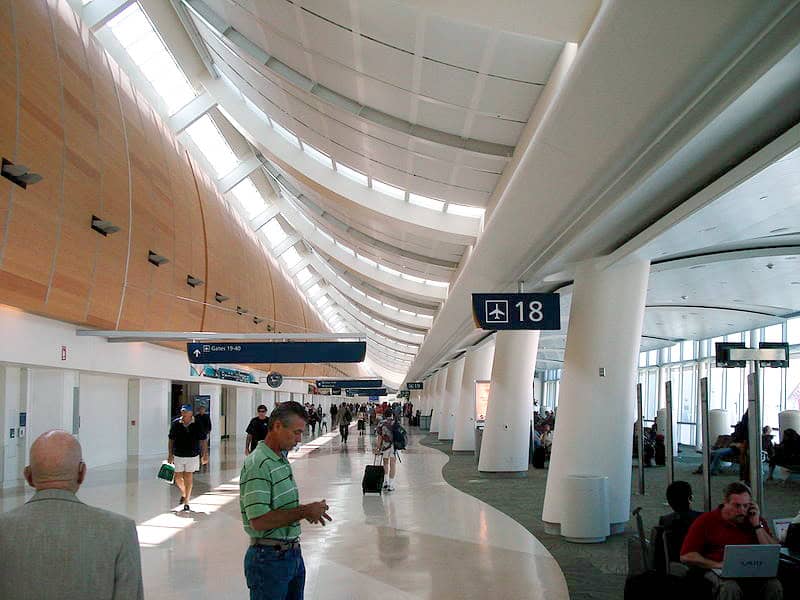
San Jose offers something airlines value but cannot buy: predictability inside a high-demand region. It serves the heart of Silicon Valley while avoiding some of the chronic congestion that drags down larger Bay Area airports. Improvements to taxiways and gate flow help carriers run tighter schedules with fewer cascading delays. Tech-driven travel demand stays consistent across the year, so routes do not rely on a single season to survive. As airlines look for growth without constant operational penalties, SJC stands out as a calmer platform that still sits in a powerful market.
Fort Lauderdale-Hollywood International Airport, FLL
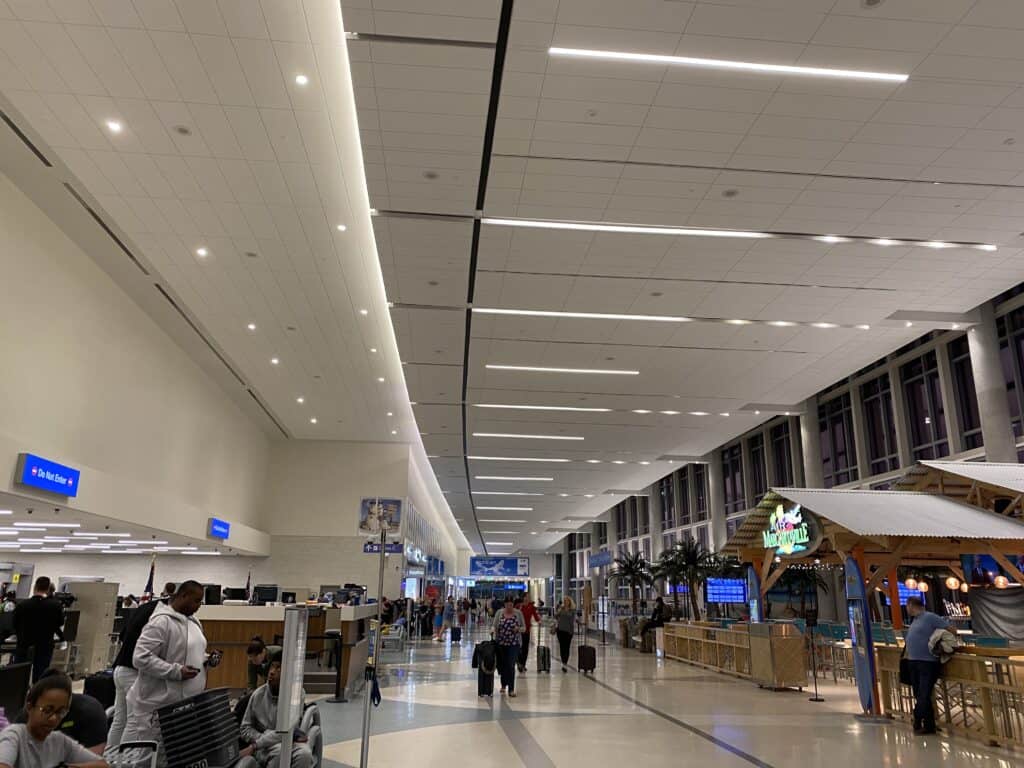
FLL has outgrown its old identity as a simple leisure gateway. Airlines now see South Florida demand spreading beyond Miami, supported by population growth and rising international traffic. Upgraded concourses and faster turnaround potential make it easier to run more complex schedules without losing time on the ground. For legacy carriers, FLL offers a rare mix: strong local demand, strong visitor demand, and a layout that can still absorb additional flying. As networks in Florida evolve, FLL looks like a logical place to build more coordinated connections without fighting the same congestion patterns.
Kansas City International Airport, MCI
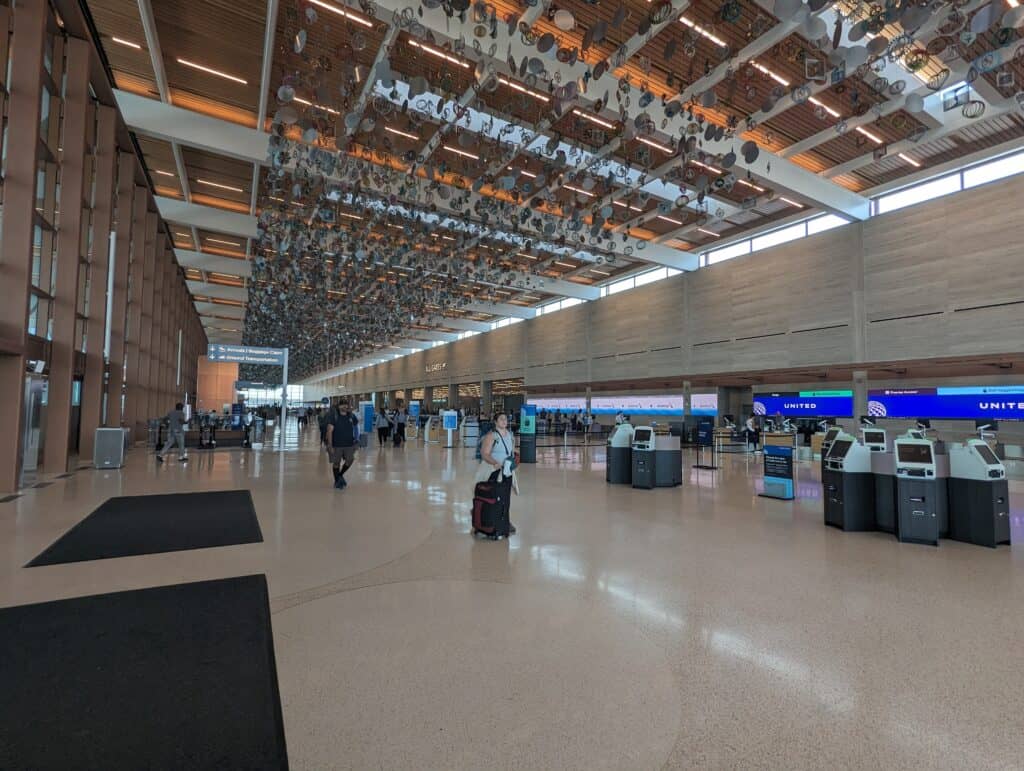
Kansas City’s new terminal changed the airport’s ceiling almost overnight. Modern layouts improve passenger movement, security flow, and gate efficiency, all factors airlines weigh when deciding where to concentrate service. The region’s growing business base adds steadier demand than the old stereotype of flyover traffic, and the central geography supports clean domestic routing without extreme stage lengths. Airlines also like airports that can expand without constant construction chaos, and MCI has room to do that. With better facilities and a stronger local market, it now fits the profile of a serious growth node.
Portland International Airport, PDX

Portland draws a mix of business travelers, outdoor tourists, and creative industry traffic that keeps the airport busy across seasons. Renovation work is aimed at easing congestion and improving how gates and corridors handle peak flows, which matters for airlines trying to schedule coordinated arrival and departure windows. Carriers also see PDX as a connector for smaller Northwest cities into larger national markets, not only as a destination. The airport’s generally calm operations and loyal local demand give it a steady base. As upgrades finish, PDX looks positioned for deeper network commitments.
Other Blog Posts You Might Enjoy
www.idyllicpursuit.com (Article Sourced Website)
#U.S #Airports #Poised #Major #Legacy #Airline #Hubs #Idyllic #Pursuit