
We may earn money or products from the companies mentioned in this post. This means if you click on the link and purchase the item, I will receive a small commission at no extra cost to you … you’re just helping re-supply our family’s travel fund.

Airlines love to advertise “faster, smarter, better” in-flight Wi-Fi, yet many passengers feel the opposite once they’re airborne. The problem isn’t a single failure but a combination of technical limits, cost pressures, and changing passenger behavior. While aircraft connectivity has improved on paper, real-world usage has exploded even faster. From overcrowded networks to outdated hardware, the gap between expectation and reality keeps widening. Below are nine detailed reasons explaining why in-flight Wi-Fi often feels slower, less reliable, and more frustrating today, despite years of upgrades and bold promises.
1. Too Many Passengers Sharing Too Little Bandwidth
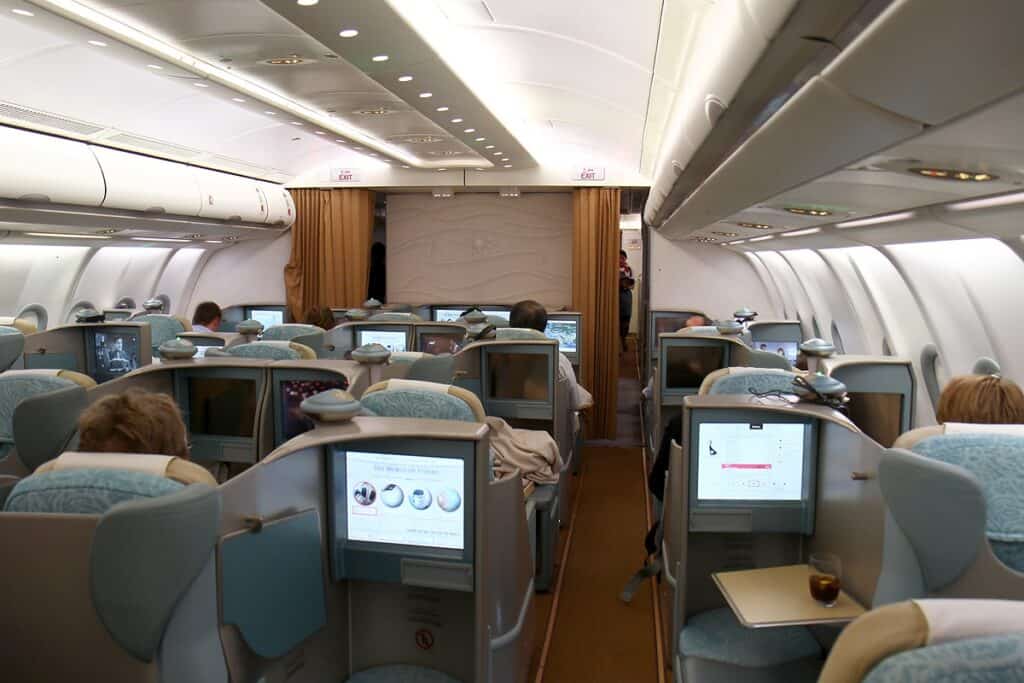
In-flight Wi-Fi works on a shared bandwidth model, meaning every connected passenger draws from the same limited pool. A typical narrow-body aircraft may have 30–70 Mbps total capacity, while wide-body jets average 50–100 Mbps under ideal conditions. When 150 passengers connect at once, individual speeds can drop below 0.5 Mbps. A single HD video stream needs around 5 Mbps, so just ten streamers can overwhelm the system. As device ownership per traveler has risen to 2.8 devices per passenger, congestion has become unavoidable, making Wi-Fi feel worse on fuller flights.
2. Aircraft Speed and Altitude Create High Latency
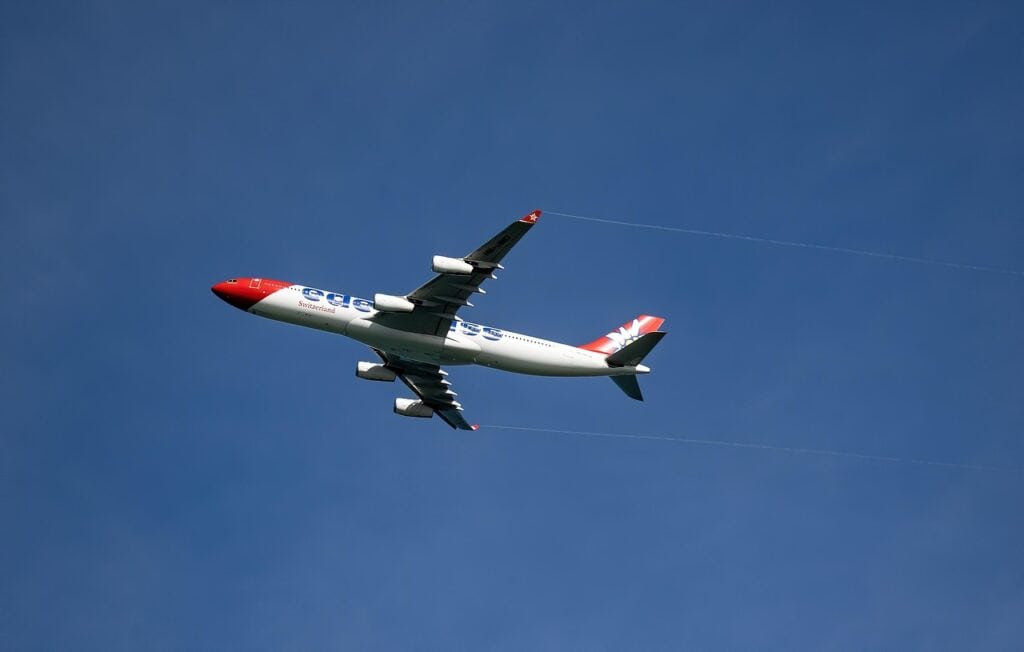
Commercial jets cruise at 35,000–40,000 feet and speeds near 900 km/h, forcing constant handoffs between satellites or ground stations. This results in latency ranging from 600 to 900 milliseconds, compared to 20–40 milliseconds on the ground. Even when speeds seem acceptable, high latency makes pages load slowly, video calls stutter, and cloud apps fail. Every handoff increases packet loss by roughly 1–3%, compounding delays. Physics simply works against airborne connectivity, and no amount of branding can fully overcome the reality of maintaining internet links at near-supersonic travel speeds.
3. Satellite Capacity Hasn’t Kept Pace With Demand
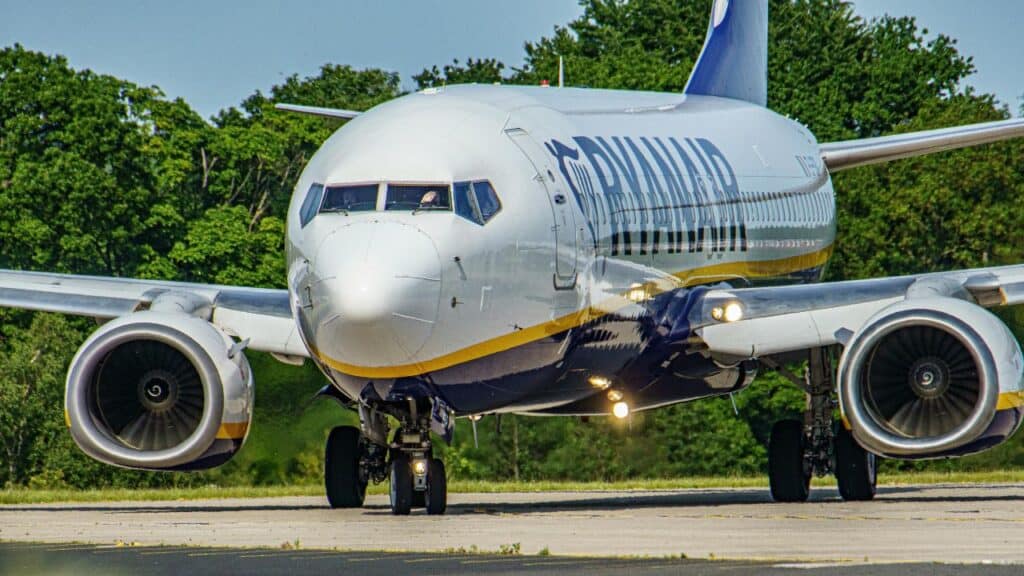
Modern aircraft rely mostly on satellite systems, but capacity growth hasn’t matched usage growth. Global aviation connectivity demand has increased by over 300% since 2018, while satellite bandwidth allocation per aircraft has risen by only 70–90%. Geostationary satellites serve thousands of aircraft simultaneously, forcing aggressive bandwidth sharing. Even newer low-Earth-orbit systems, though faster, still cap individual aircraft at roughly 150–220 Mbps. When dozens of planes share the same satellite footprint, congestion spikes. The result: advertised “next-gen” Wi-Fi that still slows to a crawl during peak travel hours.
4. Airlines Are Flying With Mixed, Uneven Technology
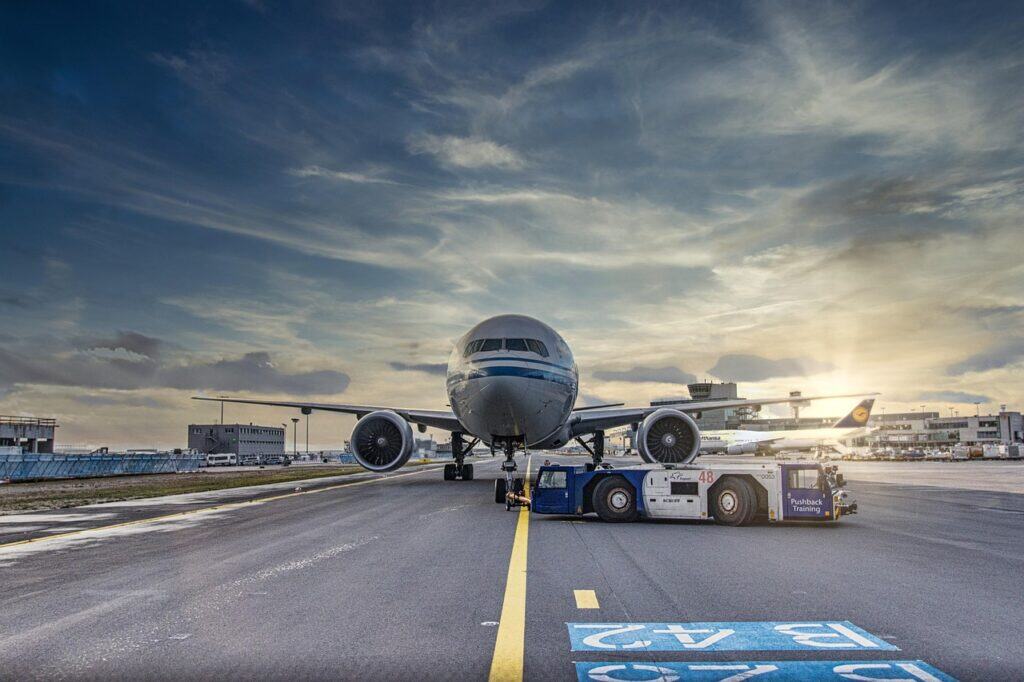
Most airline fleets are technological patchworks. A single airline may operate aircraft with three to five different Wi-Fi systems, installed across different years. Older planes may still use systems delivering 10–20 Mbps, while newer ones reach 100+ Mbps. Passengers booking the same route experience wildly different performance depending on aircraft assignment. Retrofitting one plane can cost $250,000 to $500,000, so airlines upgrade slowly. This uneven rollout creates the illusion that Wi-Fi is deteriorating, when in reality passengers are constantly bouncing between old and new technology without clear expectations.
5. Cost Pressures Limit Real Improvements
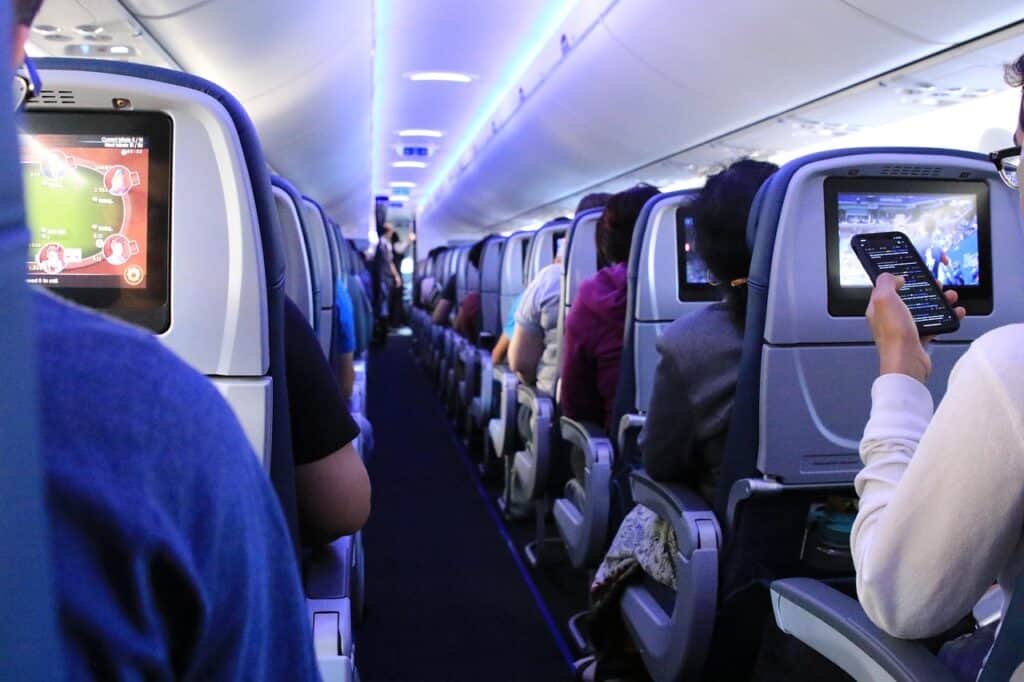
Providing in-flight Wi-Fi is expensive. Airlines pay $1–3 million per aircraft per year for satellite bandwidth, maintenance, and licensing. Yet surveys show over 65% of passengers expect Wi-Fi to be free. To control costs, airlines cap speeds, restrict streaming, or throttle usage after 100–200 MB. Even when Wi-Fi is labeled “high-speed,” backend limits reduce real performance. Because connectivity rarely generates significant profit, airlines prioritize minimal functionality over premium speed. The service works just well enough to exist, but not well enough to feel genuinely modern.
6. Streaming and Cloud Apps Changed Usage Patterns
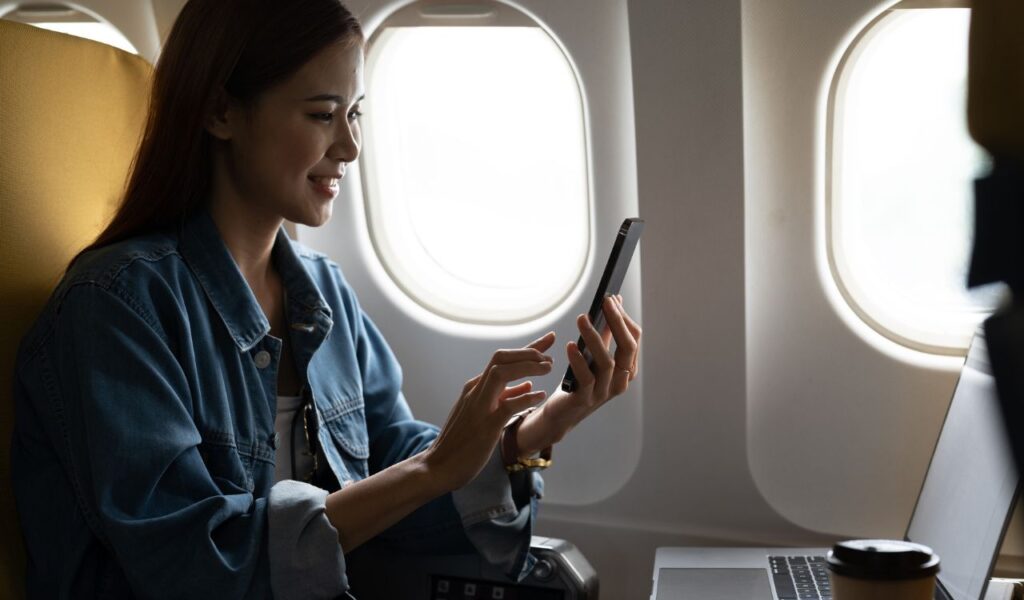
In 2012, most passengers checked email or text-based websites, using less than 50 MB per flight. Today, the average connected passenger consumes 350–500 MB, driven by cloud storage, social media video, and background app syncing. Automatic updates alone can use 100 MB without user awareness. Airline networks weren’t designed for constant video buffering or cloud authentication. As usage per passenger has increased nearly 10× in a decade, the system feels slower—even if raw bandwidth has technically improved. The network isn’t failing; it’s being used far beyond its original design.
7. Throttling and Traffic Prioritization Are Common
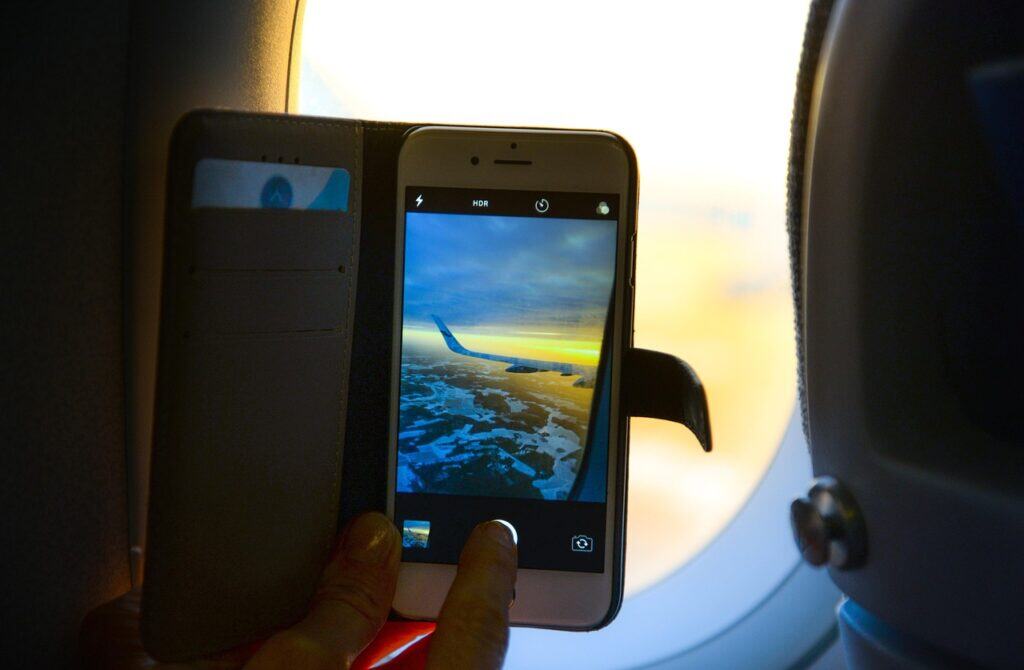
To prevent total collapse, airlines quietly manage traffic. Streaming services may be capped at 1–2 Mbps, video calls blocked entirely, and large downloads slowed after brief bursts. Some airlines reserve up to 40% of bandwidth for crew operations and cockpit data. During peak usage, individual speeds may be deliberately reduced to 256–512 Kbps. Passengers perceive this as “bad Wi-Fi,” even though it’s an intentional control measure. The experience feels inconsistent because throttling adapts in real time, making performance unpredictable from minute to minute.
8. Onboard Hardware Ages Faster Than Expected
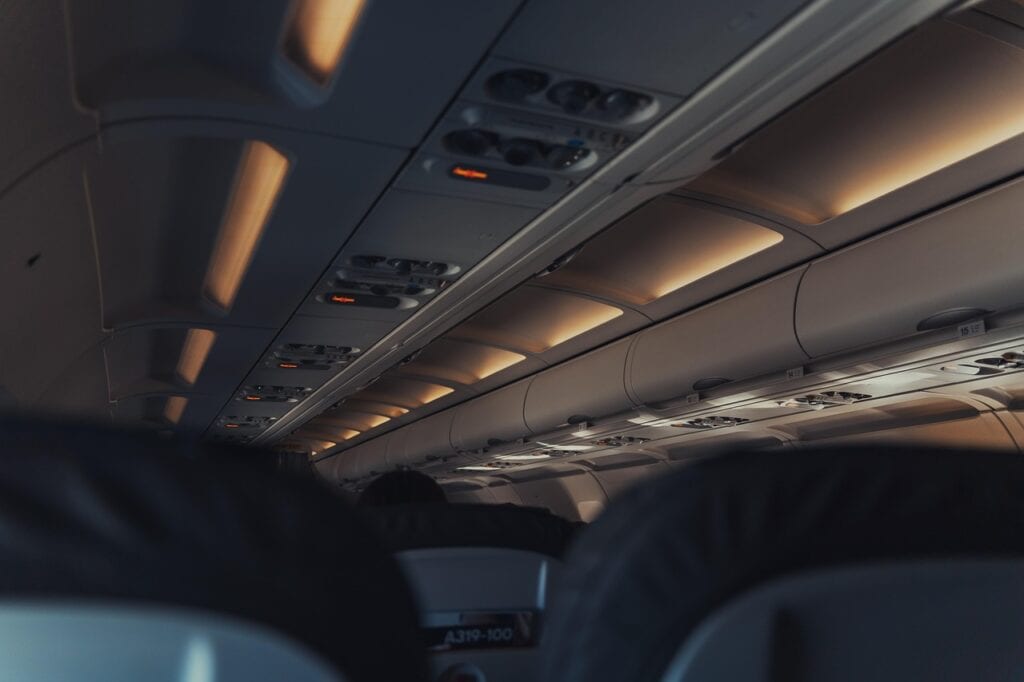
Cabin Wi-Fi routers, antennas, and modems face extreme temperature shifts, vibration, and pressure changes. Their effective lifespan is often 6–8 years, yet many remain in service for over 10 years. Aging hardware can reduce throughput by 20–30%, even if the satellite link is strong. Software updates help only marginally. Unlike smartphones, these systems can’t be easily swapped mid-life. As aircraft age, Wi-Fi performance quietly degrades, creating the impression that connectivity is worsening across the industry, even when satellites and networks remain unchanged.
9. Passenger Expectations Have Risen Faster Than Technology
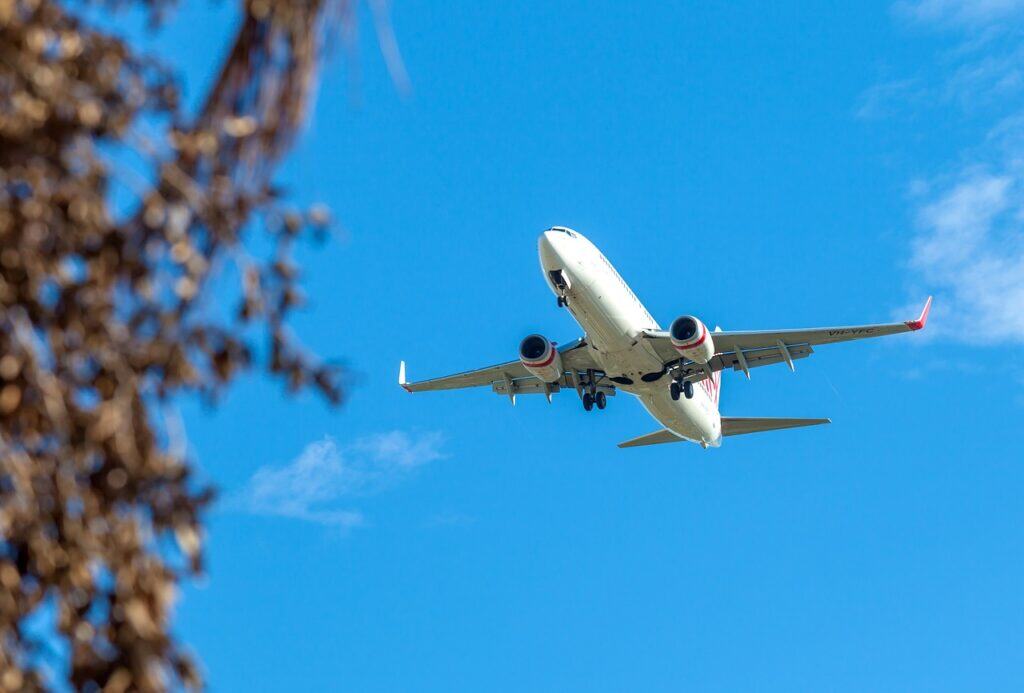
In 2010, airborne internet at 0.1 Mbps felt impressive. In 2026, passengers expect 10–50 Mbps, similar to home broadband. Ground networks now deliver 5G speeds exceeding 300 Mbps, reshaping perception. Even a solid in-flight speed of 5 Mbps feels inadequate by comparison. Surveys show 72% of travelers rate Wi-Fi as “bad” if it can’t stream video smoothly. The technology has improved, but expectations have improved faster. The gap between what Wi-Fi delivers and what passengers expect is the biggest reason it feels worse than ever.
Other Blog Posts You Might Enjoy
www.idyllicpursuit.com (Article Sourced Website)
#Reasons #InFlight #WiFi #Worse #Idyllic #Pursuit