
We may earn money or products from the companies mentioned in this post. This means if you click on the link and purchase the item, I will receive a small commission at no extra cost to you … you’re just helping re-supply our family’s travel fund.
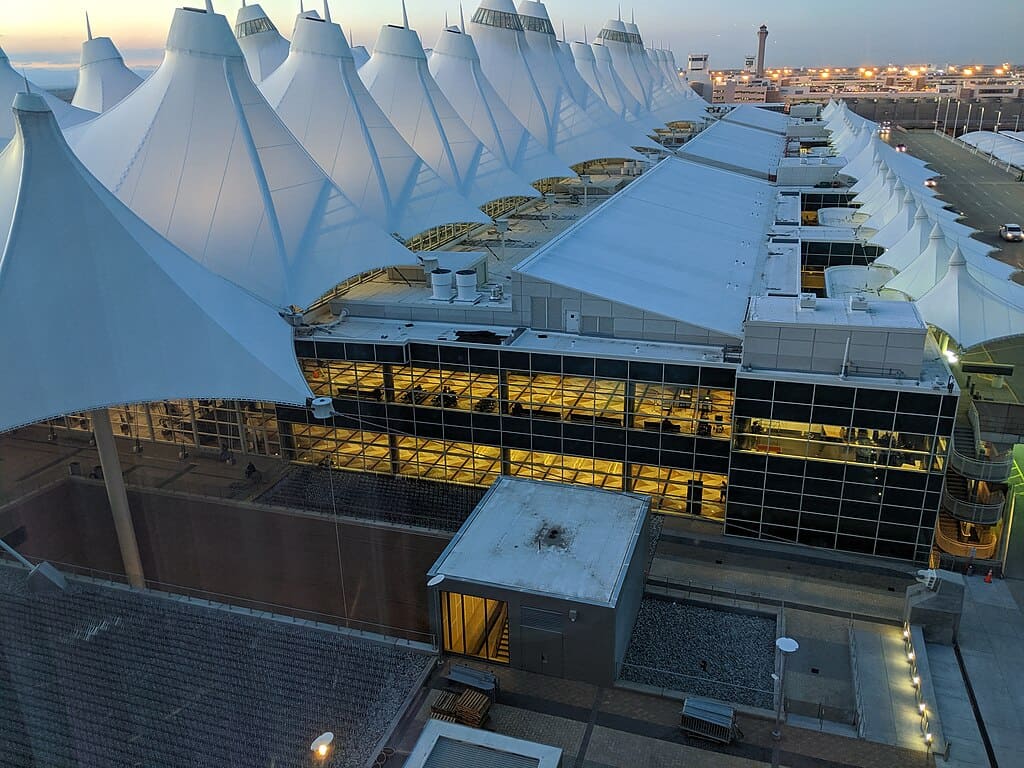
Air travelers often judge airports by comfort and convenience, but pilots evaluate them very differently. Factors like runway length, surrounding terrain, airspace congestion, weather volatility, and strict operational rules can turn popular airports into demanding workplaces. None of the airports below are unsafe, yet each carries quirks that quietly raise pilot workload and stress. From mountain-induced performance limits to short runways squeezed by dense cities, these airports require precision, experience, and constant situational awareness. Here’s an in-depth look at nine major U.S. airports that many pilots privately prefer to avoid, along with the technical reasons behind those opinions.
1. San Diego International Airport (SAN), California
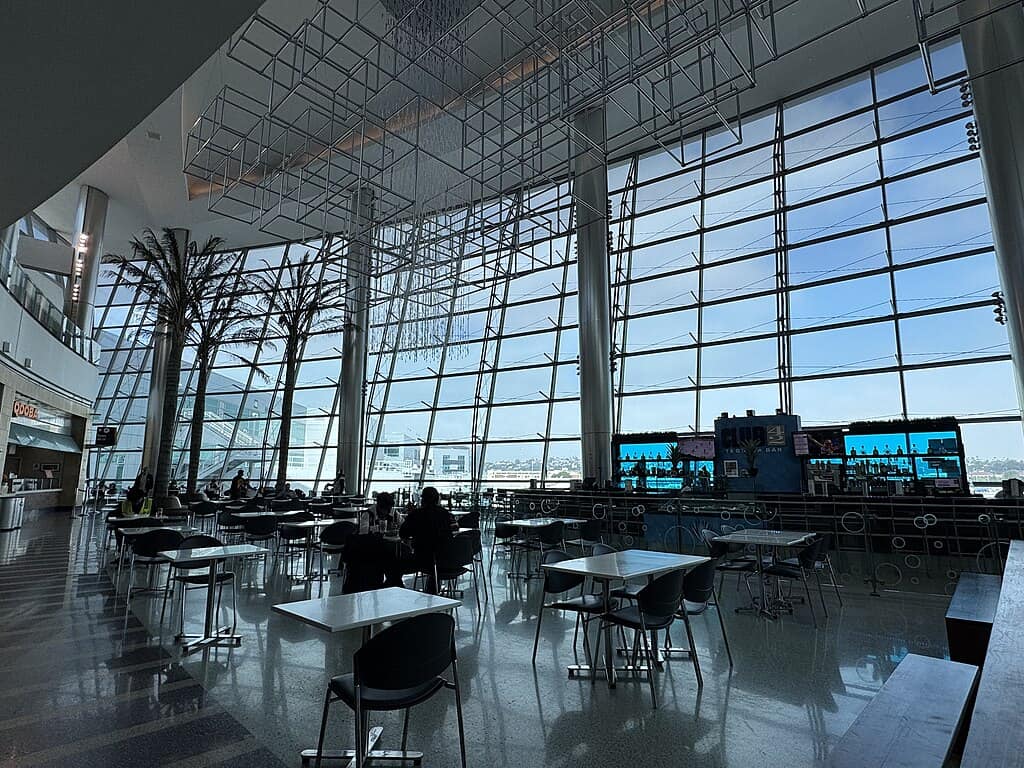
San Diego International is one of the busiest single-runway airports in the U.S., handling roughly 25 million passengers annually on a lone 9,401-foot runway. Pilots must fly a steep, curved visual approach to Runway 27, descending low over downtown buildings before crossing Interstate 5 just seconds before touchdown. Coastal winds frequently shift direction, and marine layers reduce visibility without much warning. With no parallel runway and limited go-around space due to terrain and airspace, delays ripple quickly. Taxiways are tight, and peak-hour spacing leaves little margin for correction, increasing cockpit workload.
2. Aspen–Pitkin County Airport (ASE), Colorado

Aspen sits at 7,820 feet above sea level, where thin air significantly reduces aircraft performance. Its primary runway measures only 8,006 feet, yet jets must contend with steep mountain walls and rapidly changing alpine weather. Pilots often fly a special curved RNAV approach with strict descent profiles, leaving limited room for error or go-arounds. Winter temperatures, snow contamination, and gusty downdrafts add complexity. Density altitude regularly exceeds 9,000 feet, increasing landing speeds and stopping distance. Even experienced crews must undergo special training before operating scheduled flights here.
3. LaGuardia Airport (LGA), New York
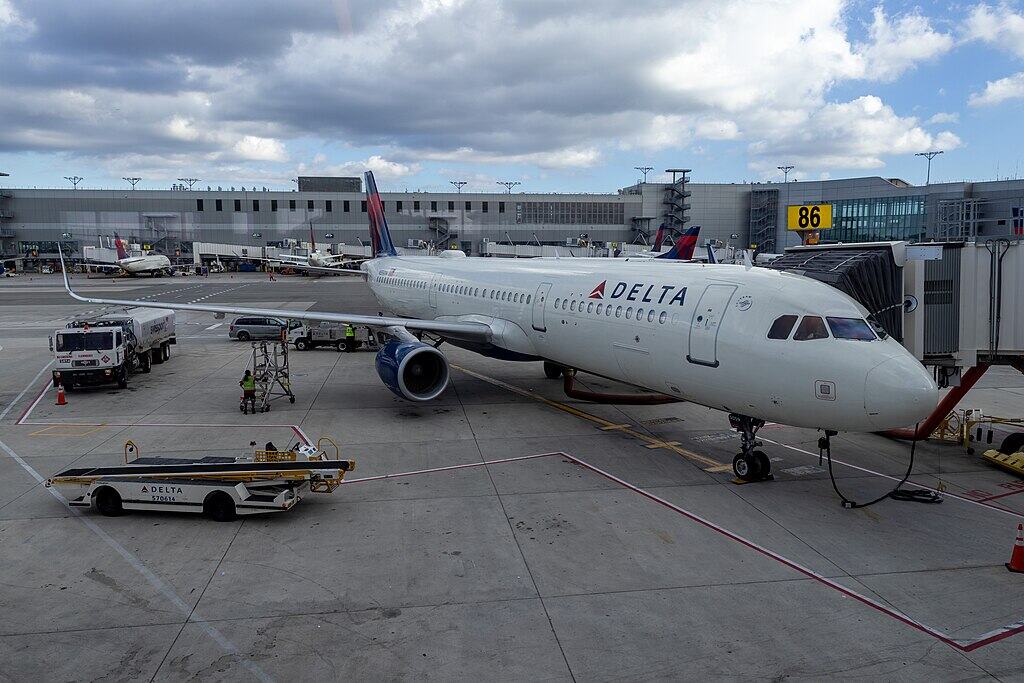
LaGuardia handles over 30 million passengers per year despite having relatively short runways, the longest stretching just 7,003 feet. Surrounded by water and dense urban development, pilots must manage precise approaches while navigating some of the most congested airspace in the world. Departures require sharp climb gradients to avoid obstacles and neighboring airports like JFK and Newark. Sudden wind shifts off the East River can destabilize approaches, while constant ATC frequency changes add cognitive load. Even with modern terminals, the airfield remains unforgiving.
4. Chicago Midway International Airport (MDW), Illinois
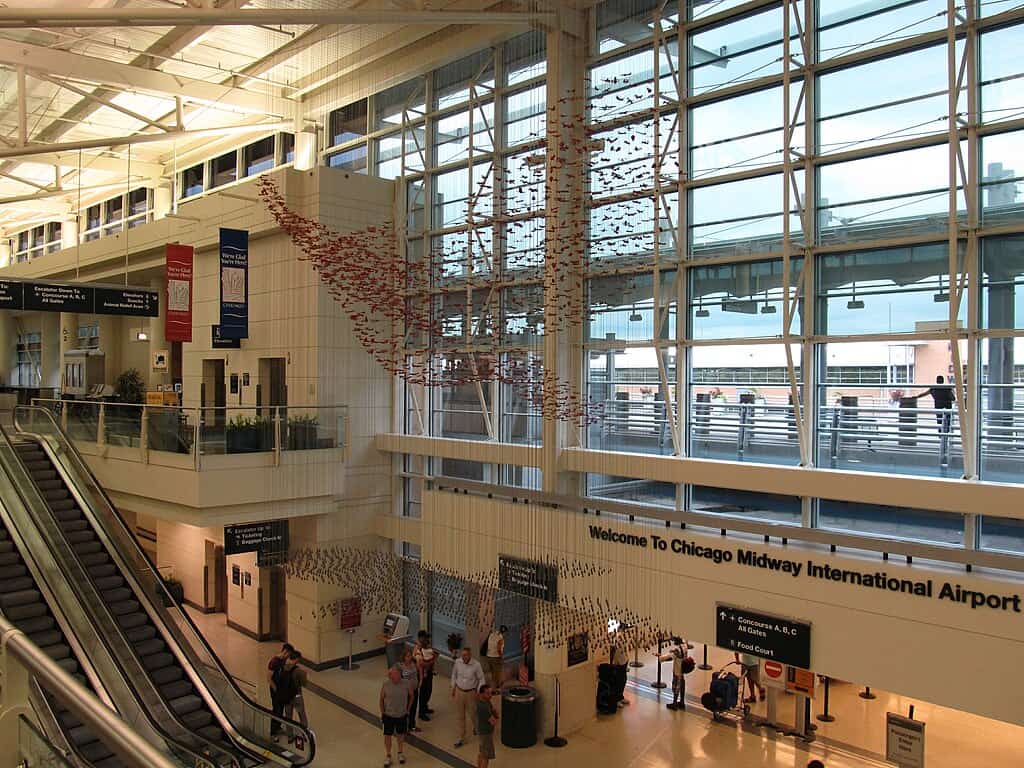
Midway processes nearly 20 million passengers annually on runways that average only about 6,500 feet. Located in a dense residential area, pilots face strict noise-abatement procedures and minimal overrun space. Winter operations are especially demanding, as snow and ice reduce braking effectiveness on already short runways. Gusty Midwest crosswinds are common, forcing precise control inputs during landing. Taxiways are compact, and aircraft must maneuver carefully around closely spaced runways. For pilots, Midway demands accuracy from approach to shutdown.
5. Ronald Reagan Washington National Airport (DCA), Virginia
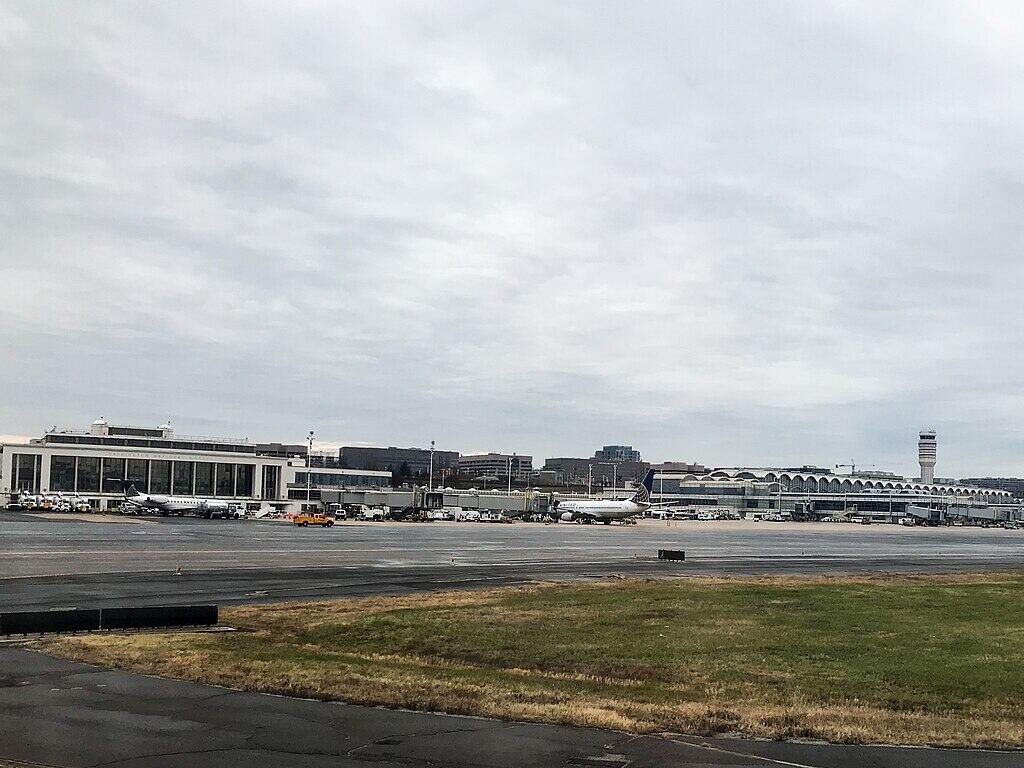
DCA’s challenges stem less from runway length and more from airspace complexity. With a longest runway of 6,869 feet and over 24 million passengers annually, pilots must fly the River Visual approach, hugging the Potomac to avoid restricted airspace. Any deviation risks violating sensitive zones near government buildings. Helicopter traffic is constant, and ATC instructions are rapid and precise. Curfews, slot controls, and noise rules further complicate planning, making every arrival and departure a high-focus operation.
6. John Wayne Airport (SNA), California
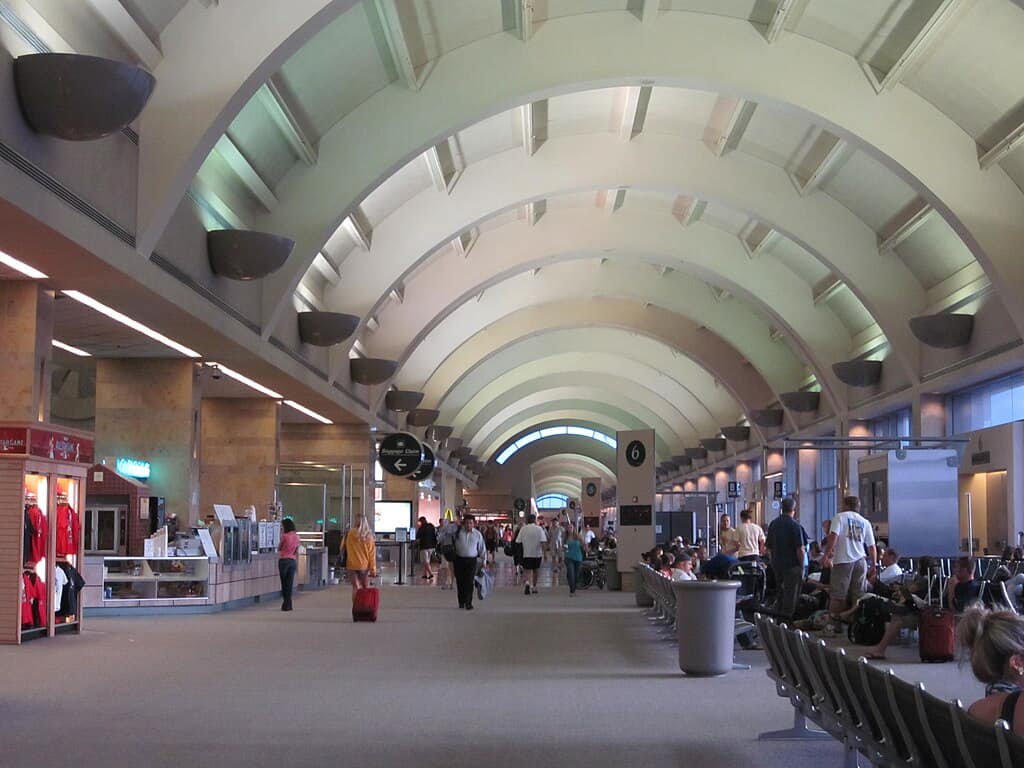
John Wayne’s main runway measures just 5,701 feet, one of the shortest used by large commercial jets in the U.S. Noise restrictions require pilots to perform a steep climb immediately after takeoff, followed by a reduced-thrust segment over residential areas. Arrivals demand firm, accurate touchdowns to ensure adequate stopping distance. With nearly 11 million passengers annually, traffic density adds pressure. Warm Southern California temperatures can increase density altitude, subtly reducing performance margins and leaving little tolerance for miscalculation.
7. Reno Tahoe International Airport (RNO), Nevada
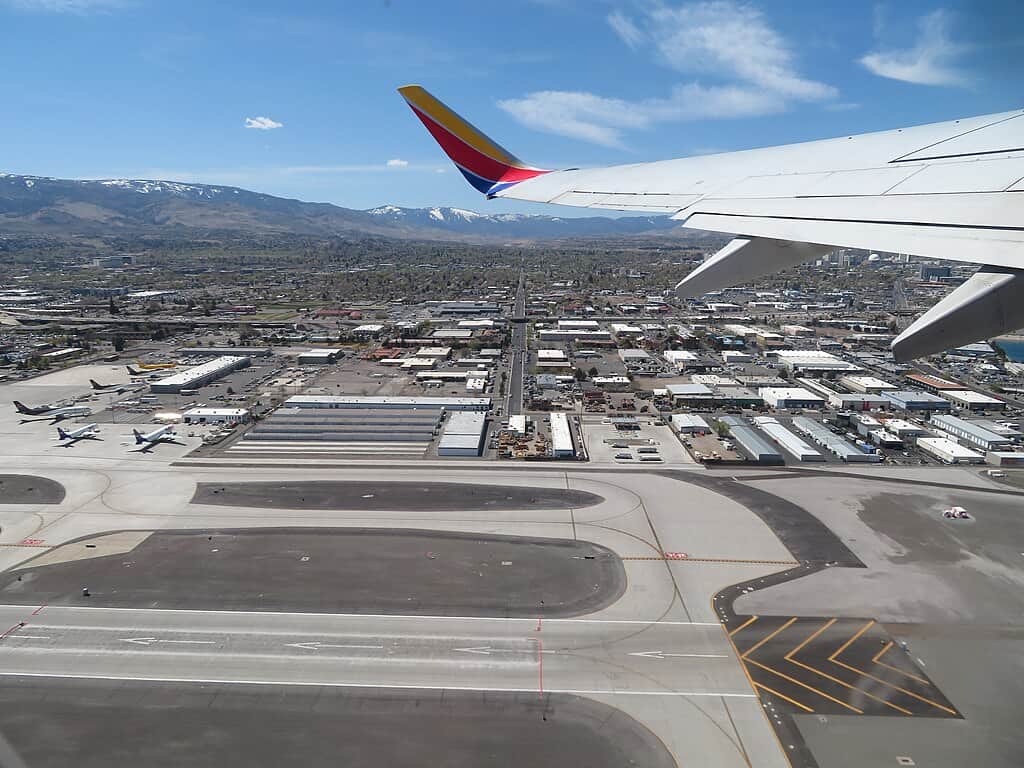
At an elevation of 4,415 feet, Reno combines high-desert conditions with surrounding mountain terrain. Its longest runway is 11,001 feet, yet strong crosswinds, mountain wave turbulence, and sudden wind shear are common, especially in winter. The airport handles around 4 million passengers annually, but weather can change rapidly as Pacific systems cross the Sierra Nevada. Pilots must carefully manage descent planning and fuel reserves, knowing diversions may be necessary when turbulence or visibility deteriorates unexpectedly.
8. Denver International Airport (DEN), Colorado
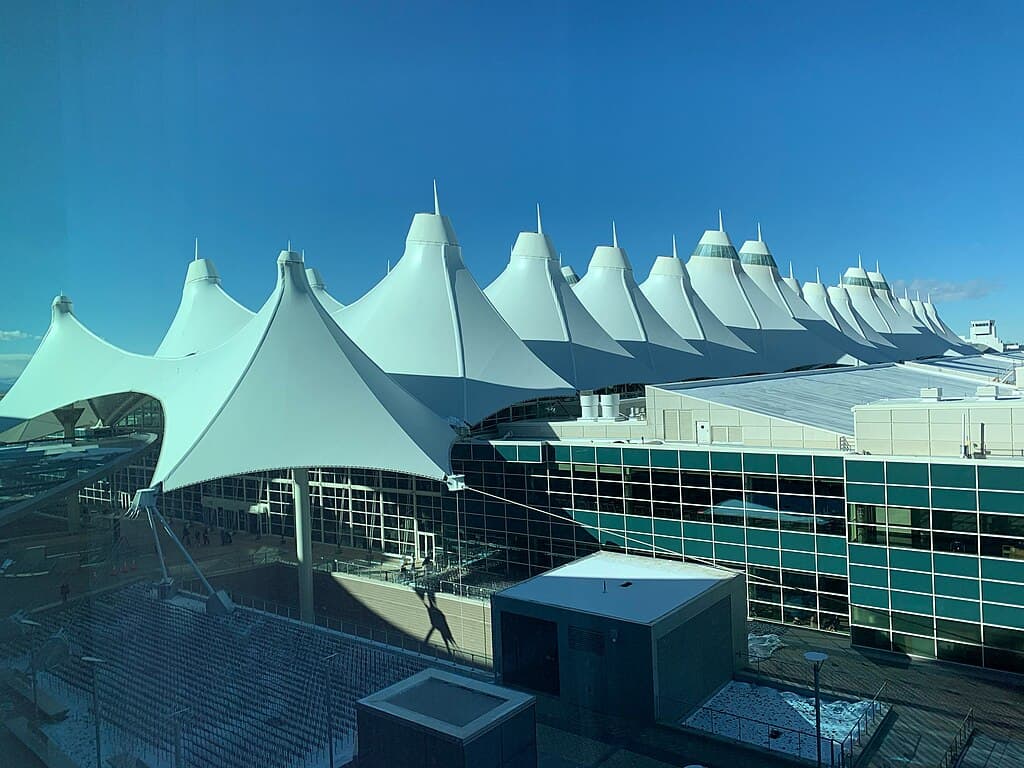
Despite massive runways exceeding 16,000 feet, Denver’s 5,434-foot elevation presents unique challenges. Aircraft performance is affected by thin air, requiring longer takeoff rolls and reduced payloads during hot summer days. DEN handles over 75 million passengers annually, making it one of the busiest airports in the world. Sudden thunderstorms, hail, and powerful gust fronts are frequent. Long taxi distances increase workload and fuel burn, while rapidly shifting weather demands constant recalculation from flight crews.
9. Boston Logan International Airport (BOS), Massachusetts
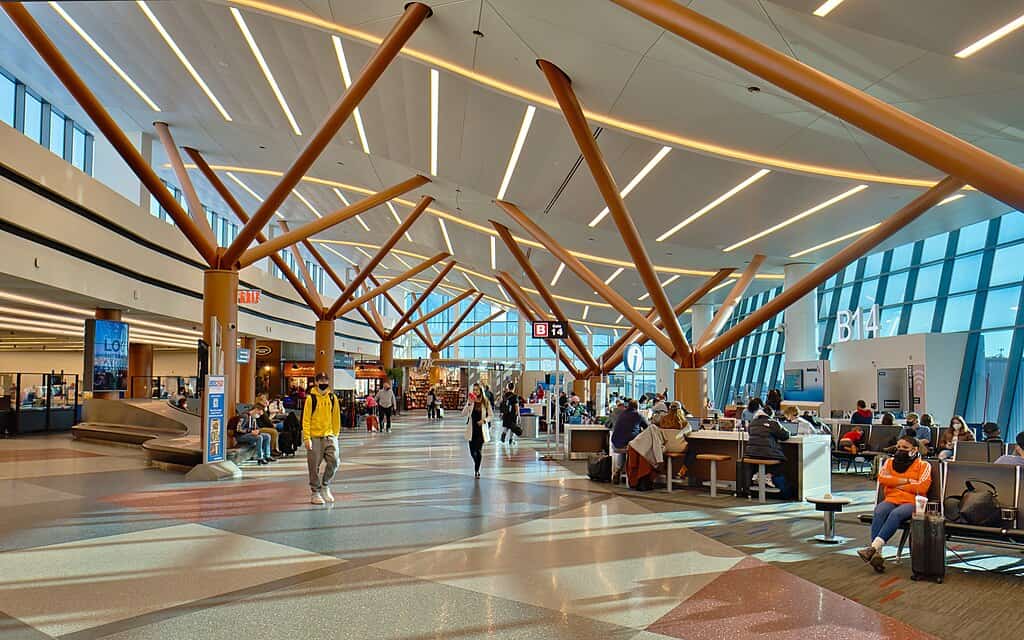
Boston Logan processes roughly 40 million passengers each year within a compact airfield bordered by water. Runways intersect at unusual angles, and strong coastal winds often produce challenging crosswind landings. Winter snowstorms frequently disrupt operations, while summer fog reduces visibility. Pilots must remain alert to fast-changing runway configurations and complex taxi routes. Proximity to downtown limits expansion, leaving little room for error during peak traffic periods and making BOS a consistently demanding airport to operate.
Other Blog Posts You Might Enjoy
www.idyllicpursuit.com (Article Sourced Website)
#Major #U.S #Airports #Pilots #Secretly #Prefer #Avoid #Idyllic #Pursuit