
We may earn money or products from the companies mentioned in this post. This means if you click on the link and purchase the item, I will receive a small commission at no extra cost to you … you’re just helping re-supply our family’s travel fund.
Some trips start as a scene that refuses to leave the mind. A skyline shot, a desert horizon, a diner booth where fictional decisions felt real. Film and TV travel works best when it becomes more than a selfie mission. The strongest versions borrow the mood of the story, then let the real place take over with better light, slower pacing, and a few smart stops that fit the region. These ten experiences are grounded in real locations, but they aim for something bigger: a day that feels cinematic without pretending life is scripted.
Monument Valley Sunrise Like a Classic Western
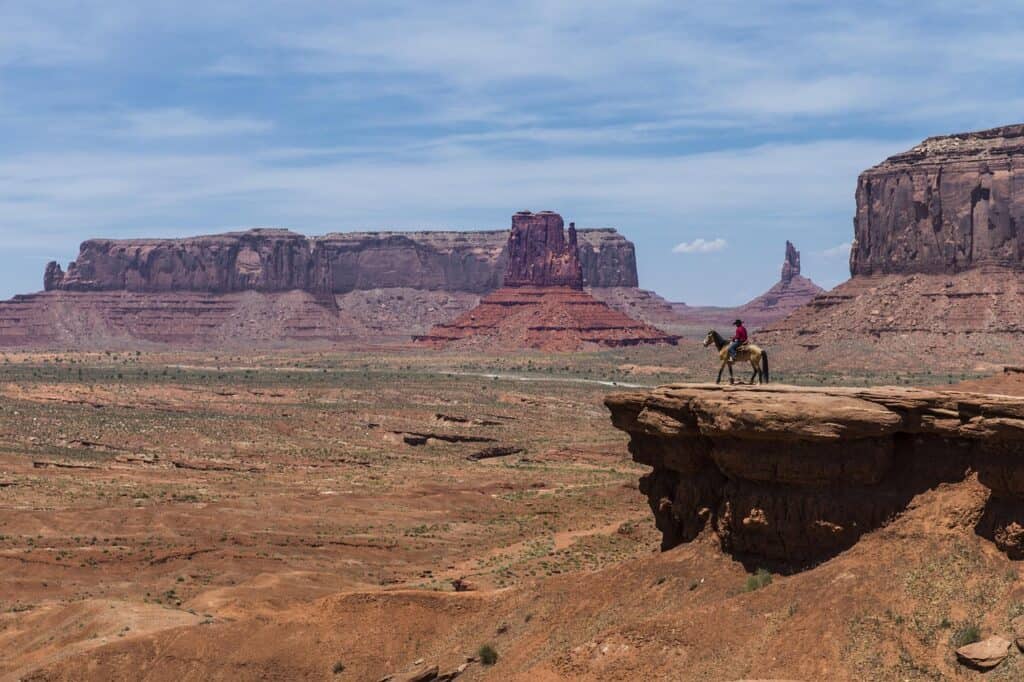
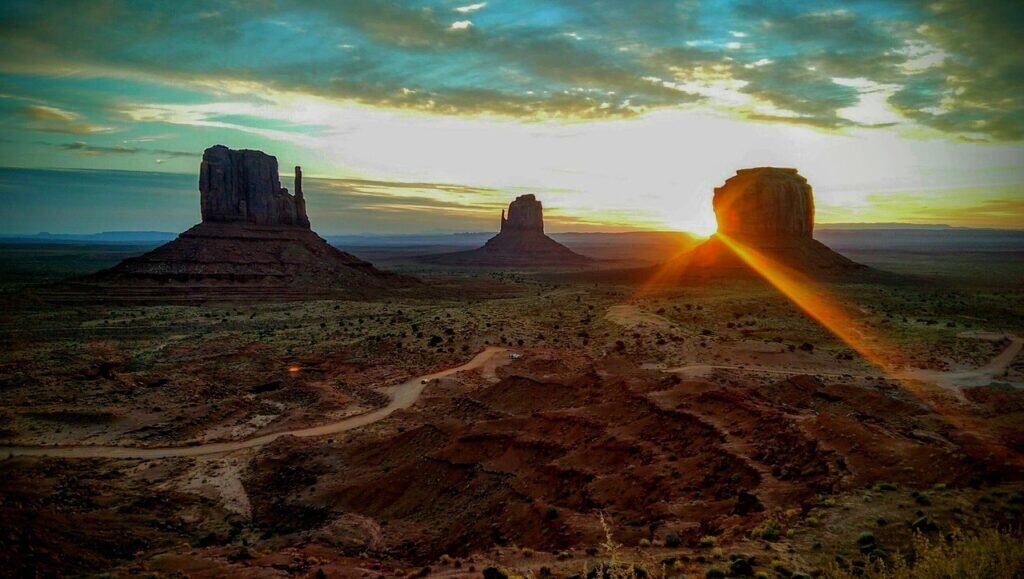
Monument Valley is the shortcut into the western imagination, because those buttes and open roads set the visual language for decades of movies. John Ford used the valley in classics like “Stagecoach” and returned for “The Searchers,” helping lock that skyline into American film memory. The best experience is quiet and simple: show up before sunrise, let the first light turn the rock copper, then drive slowly through the viewpoints without rushing. John Ford’s Point is still the pause that makes it click, less about reenacting a scene and more about realizing the landscape is the main character.
The “Rocky” Run Up the Philadelphia Museum of Art Steps

Philadelphia turned a staircase into a ritual, and it happened because “Rocky” made effort look dignified, not glamorous. The museum’s east entrance has 72 steps, and the run is famous enough that people arrive with that music in their heads even if they do not play it. The experience works best early, before tour buses and school groups fill the terrace, when breath and footsteps set the pace. After the climb, the view down the Benjamin Franklin Parkway is the real reward, a wide, clean line of city that makes the moment feel earned. A quick loop through the museum afterward keeps it from being a single stunt.
A Slow Walk Through Savannah’s “Forrest Gump” Square
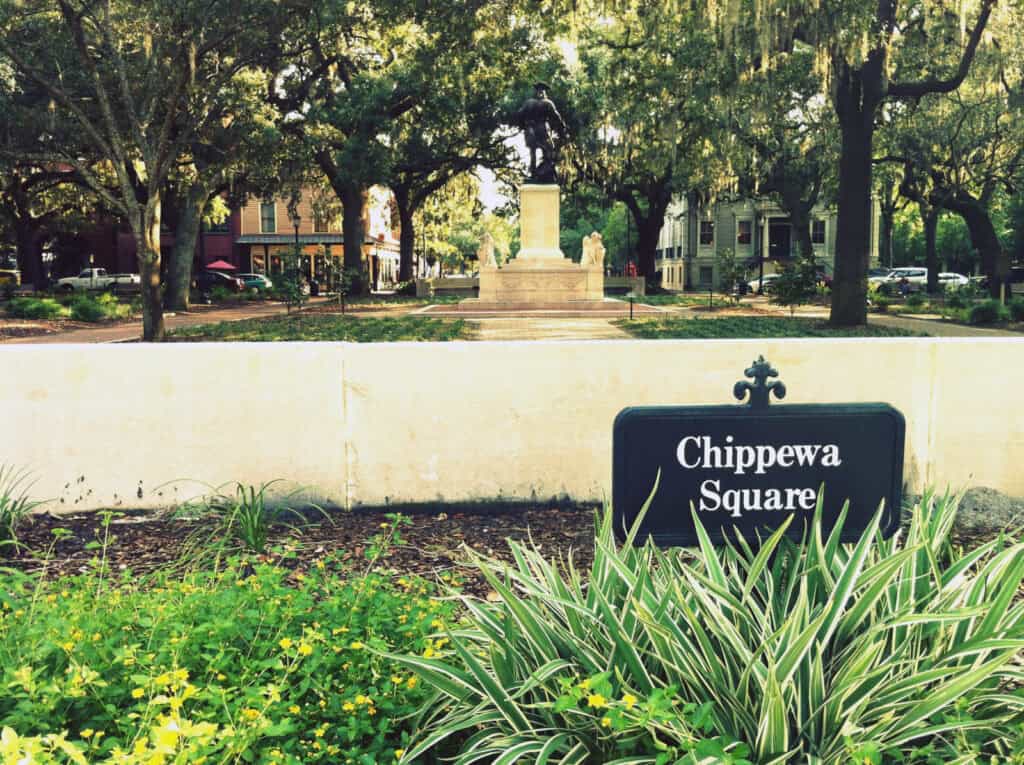
Savannah’s grid of squares already feels like a set, but Chippewa Square carries a specific memory from “Forrest Gump.” The original bench is no longer in the square, and one of the film benches sits at the Savannah History Museum, which is a more honest stop than hunting for a prop that moved on. What still works is the mood: live oaks, ironwork shadows, and that gentle downtown pace that makes strolling feel like a plan, not filler. The best version ends with museum time, then coffee nearby, letting Savannah’s softness do the work instead of forcing nostalgia.
Twilight Mood Trip on the Olympic Peninsula
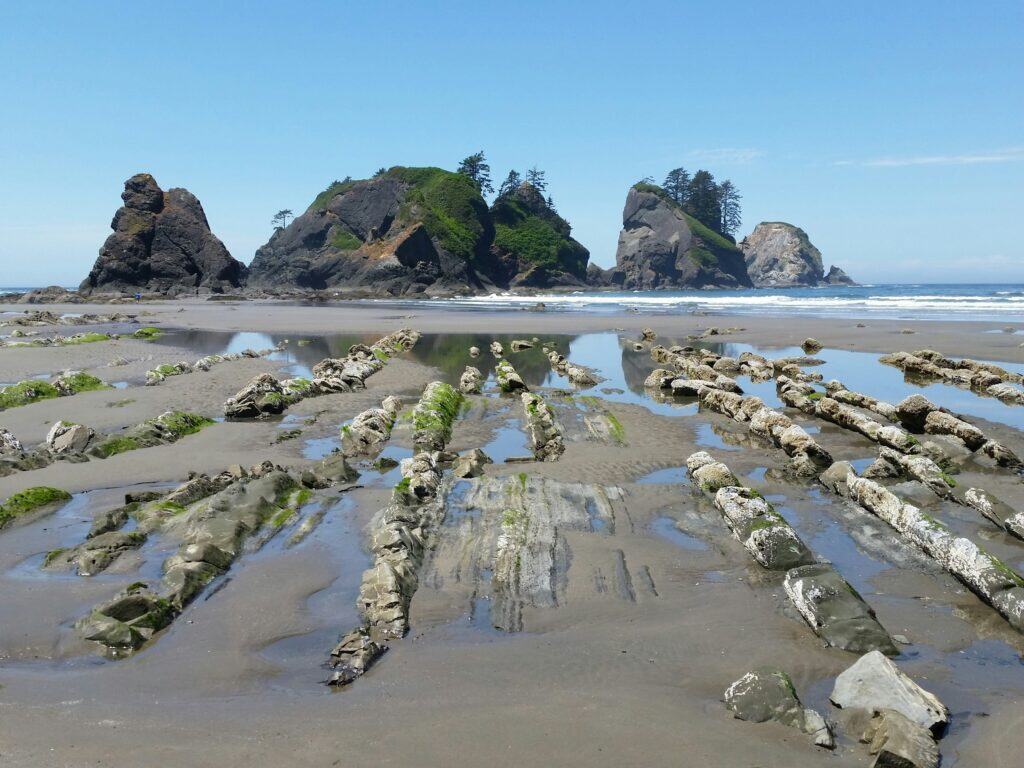
“Twilight” made Forks famous for rain, evergreens, and coastal fog, and the Olympic Peninsula can deliver that atmosphere without trying too hard. Forks and La Push are the obvious stops, but the best experience is more about weather than fandom, because the mood is the point. A gray beach walk with driftwood and surf noise sets the tone, followed by a mossy forest detour where everything looks soaked and vivid. Plans land better when they embrace early nights and slow dinners, because the region’s calm, damp quiet is what made the story stick. The day feels cinematic when it stays grounded in the landscape.
A “The Walking Dead” Walking Tour in Senoia
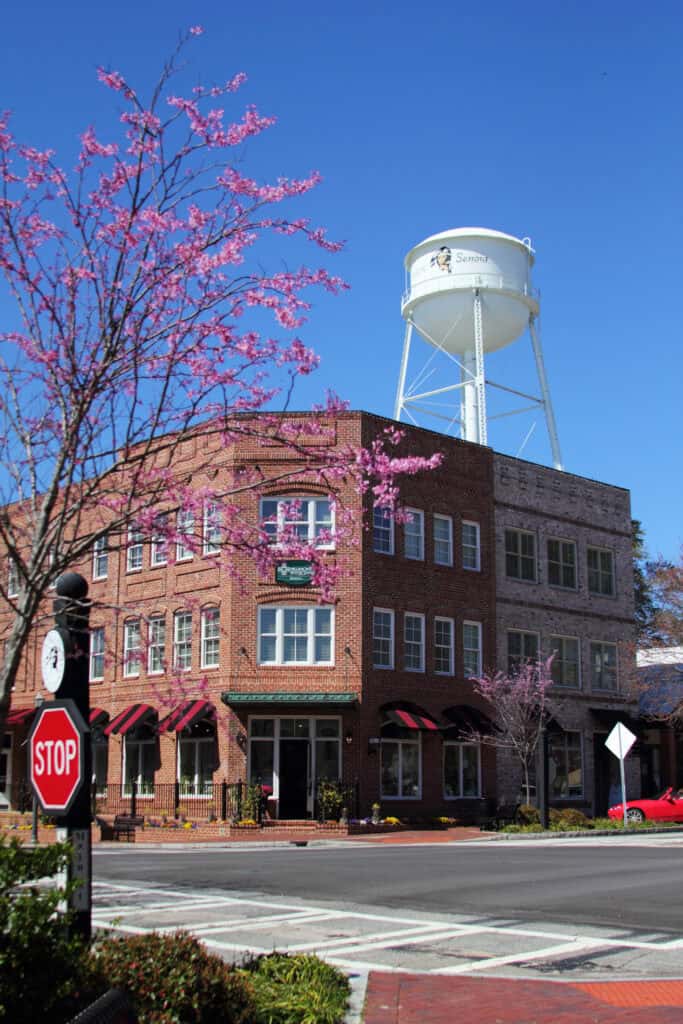
Senoia became a TV landmark through “The Walking Dead,” and guided tours help visitors see recognizable spots without turning the town into a trespassing scavenger hunt. The experience works because the town is small and readable, with storefront streets that feel normal in daylight, which makes the show’s chaos feel even stranger in hindsight. A good tour adds practical context about how scenes were staged and how production affected the area, then leaves time for a calm meal or a slow browse. That quiet after the tour is part of the punchline, because the real town is peaceful, and the contrast stays with people longer than the photo.
“The Goonies” Coast Loop From Astoria to Haystack Rock
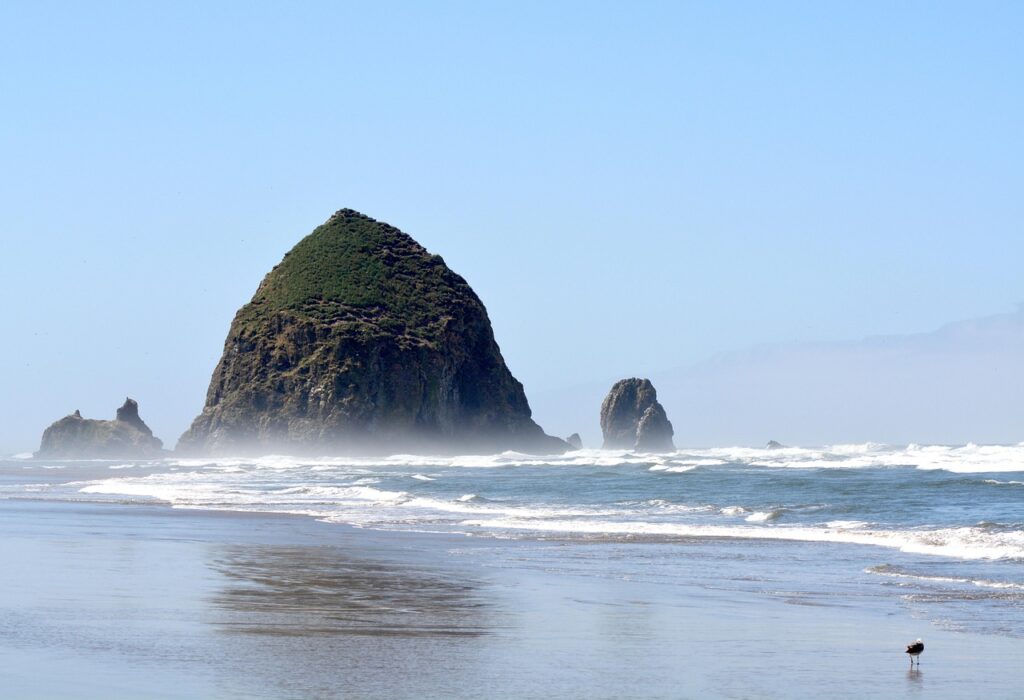
Astoria leans into “The Goonies,” but the day is better when it becomes a full Oregon coast loop. The famous house sits in a real neighborhood and should be treated with respectful distance, then the trip can move on to viewpoints, riverfront walks, and the kind of seafood stop that feels earned after wind. Cannon Beach and Haystack Rock bring the cinematic shoreline, especially in moody light when fog arrives like a scene change. The experience lands when it stops chasing exact angles and starts enjoying the coast itself, because the region’s weather and scale already feel like a movie without anyone trying.
A “Sex and the City” West Village Stroll
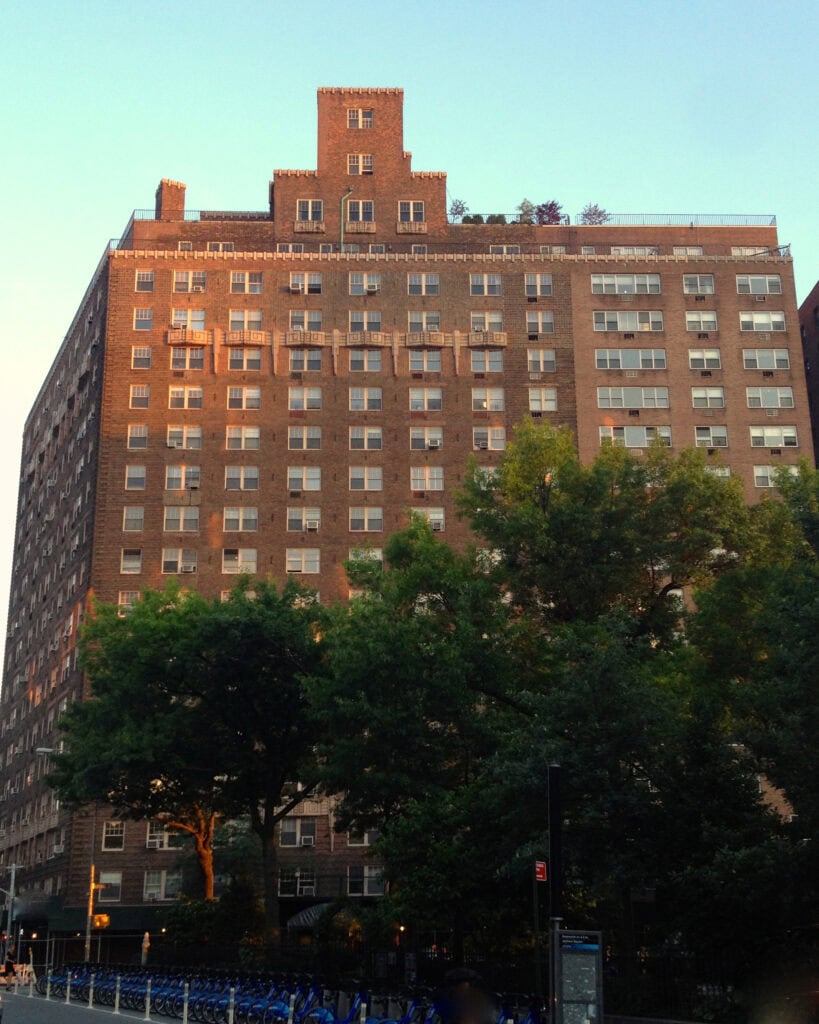
New York is packed with filming lore, but “Sex and the City” turns it into a specific kind of walk, a West Village day built on sidewalks, stoops, and café windows. Carrie’s apartment exterior stoop is on Perry Street, and the surrounding blocks deliver the show’s texture, brownstones, quiet corners, and streets that invite lingering. The best itinerary stays simple: wander, people-watch, add a Central Park pause, then pick a bakery or cocktail stop that feels like the city now, not just a tribute to the past. The magic is not reenactment. It is noticing how the neighborhood still does effortless charm.
Chicago’s “Ferris Bueller” Day-Off Itinerary
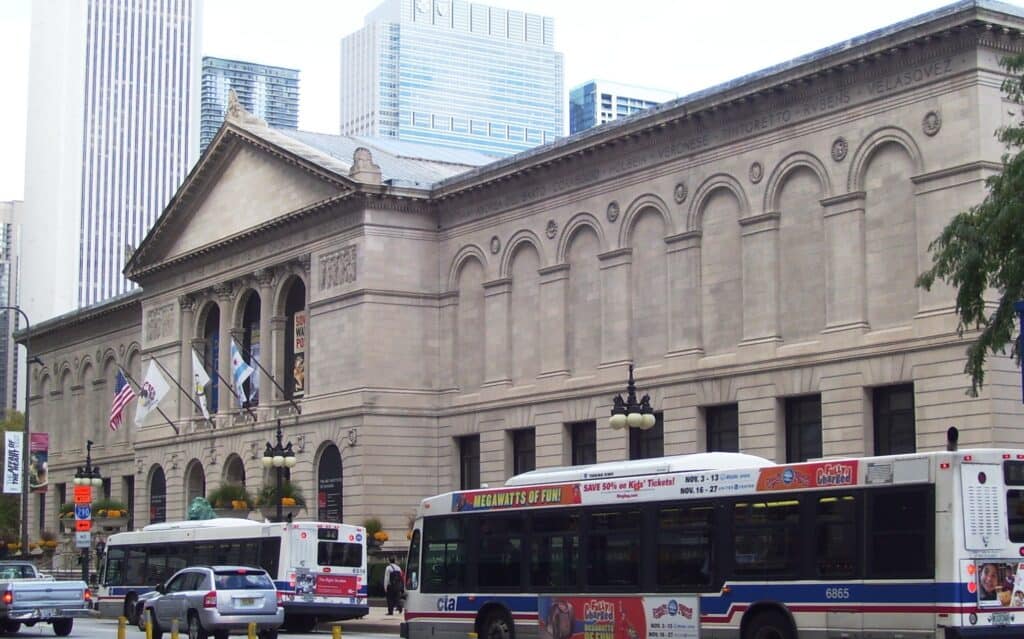
“Ferris Bueller’s Day Off” works as a real day because the highlights are real, and Chicago makes moving between them feel natural. The Art Institute delivers the quiet reset, where museum rooms slow everything down and make the city feel thoughtful instead of loud. Wrigley Field brings the opposite energy, bright and social, even if the game is replaced by a stadium tour on the wrong day. Between them, the lakefront and downtown streets do the connecting, so the trip stays fluid. The best timing is midweek, when lines are shorter and the city feels less like an event and more like itself.
Los Angeles Nights Through “La La Land”
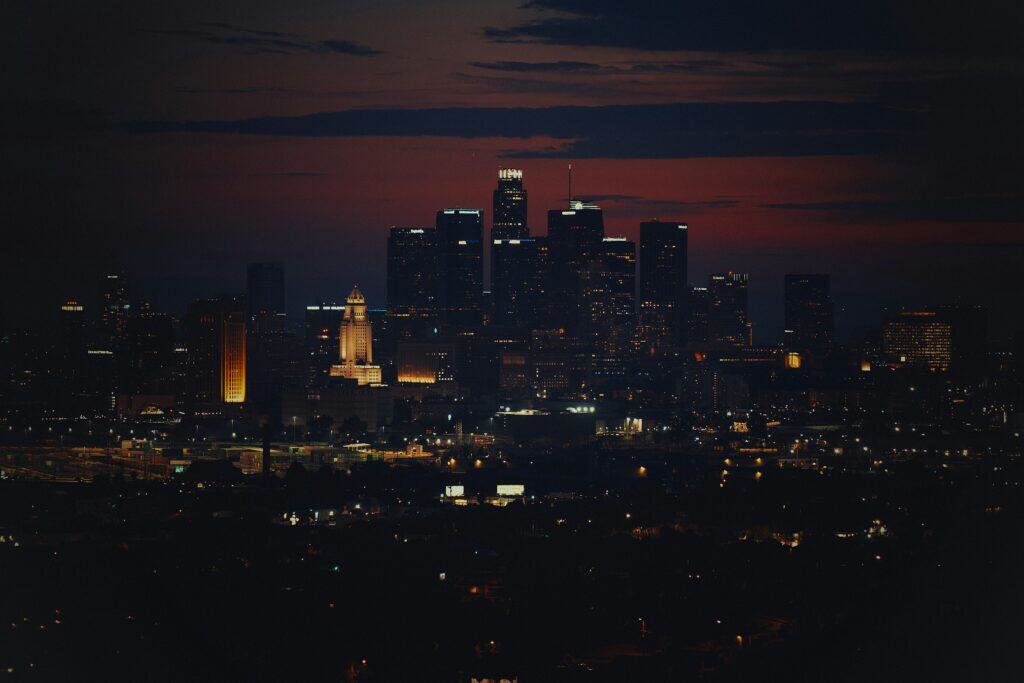
“La La Land” made Los Angeles feel tender, and the locations still carry that tone when the timing is right. Griffith Observatory is the anchor, less because of one scene and more because the view makes the whole city look coherent for a moment. Angels Flight adds a small, old-school detail downtown that keeps the night from being only about skyline shots. The best experience is built like a simple evening: dusk at a viewpoint, a short ride, then a late walk where neon and warm air make the city feel briefly walkable. It is not about copying choreography. It is about letting Los Angeles do what it does after dark.
Other Blog Posts You Might Enjoy
www.idyllicpursuit.com (Article Sourced Website)
#American #Travel #Experiences #Inspired #Film #Locations #Idyllic #Pursuit