
We may earn money or products from the companies mentioned in this post. This means if you click on the link and purchase the item, I will receive a small commission at no extra cost to you … you’re just helping re-supply our family’s travel fund.
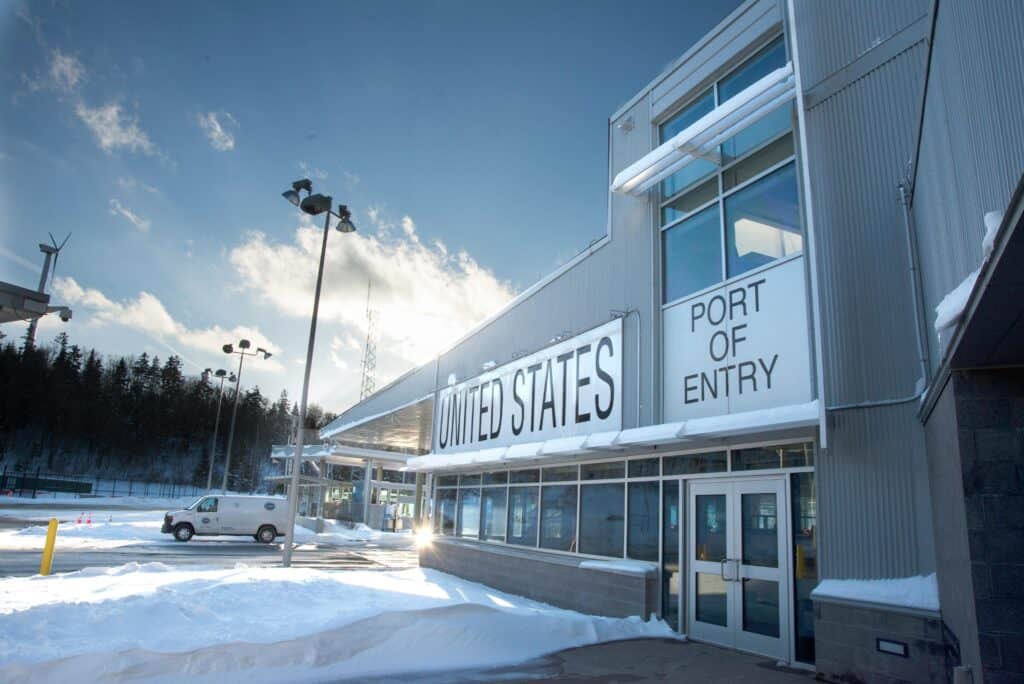
Border crossings can feel routine until a small rule change turns a normal drive into a delay. In 2026, U.S. entry and exit checks for Canadians and Mexicans often lean harder on digital records, biometrics, and paid documents that used to be simple. Some updates speed lines. Others add new proof requirements that matter later, especially when past travel is questioned. The shift is quiet, but it is real, and it rewards travelers who treat paperwork like part of packing.
Universal Photos Are Expanding at Land Ports
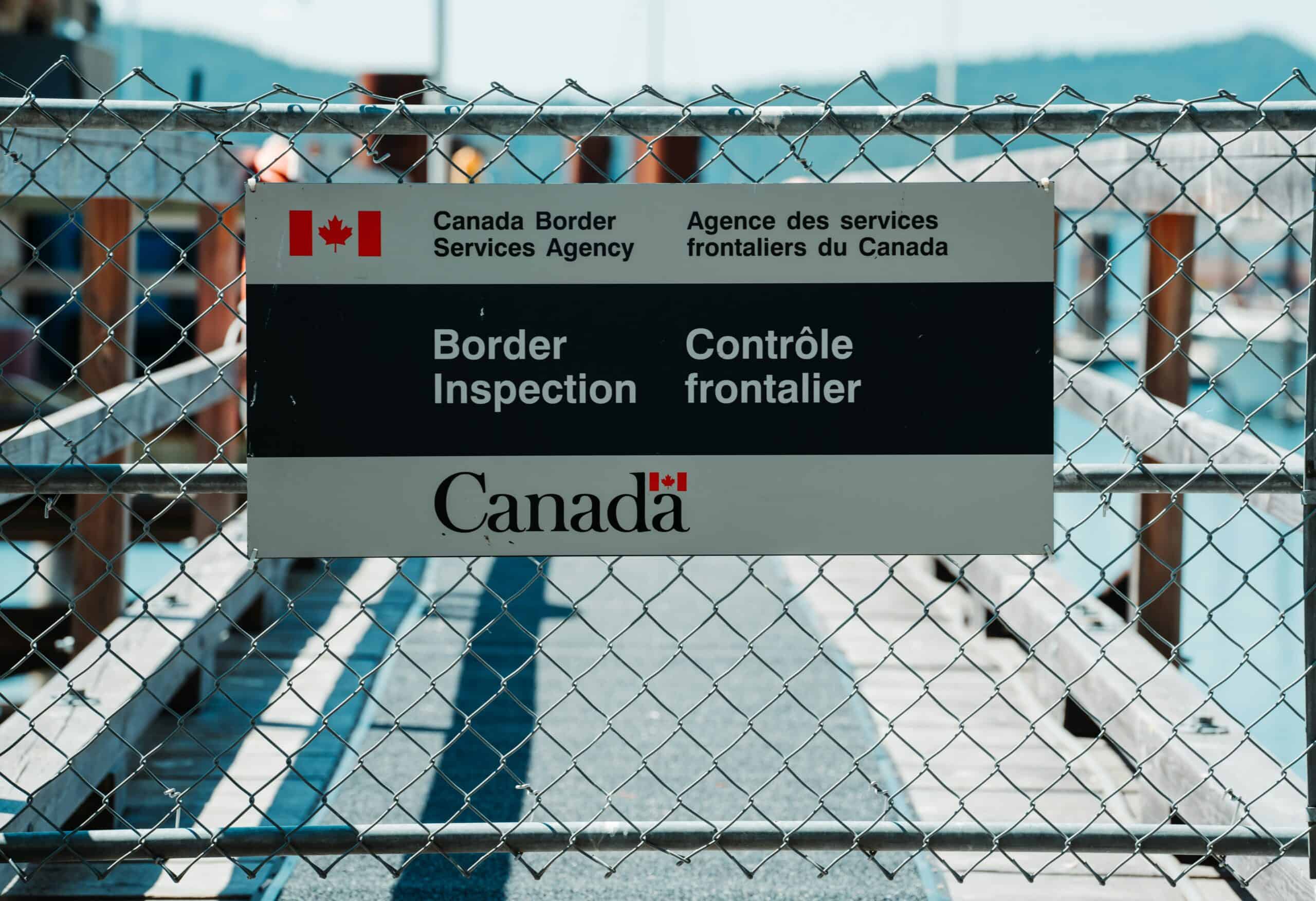
A federal rule effective Dec. 26, 2025, broadens CBP authority to take facial photographs of many noncitizens at entry and exit, including land ports, not only airports. In 2026, Canadians and Mexicans should expect the camera to be routine and tied to identity matching, even at smaller crossings and during quick turns back home, because land travel is being folded deeper into the same biometric entry-exit system used elsewhere. The snapshot is quick, but it supports departure tracking, and it can shape how a later officer reads a travel history when dates, status, or documents do not line up in the record.
A Self-Reported Exit Option Is Rolling Out
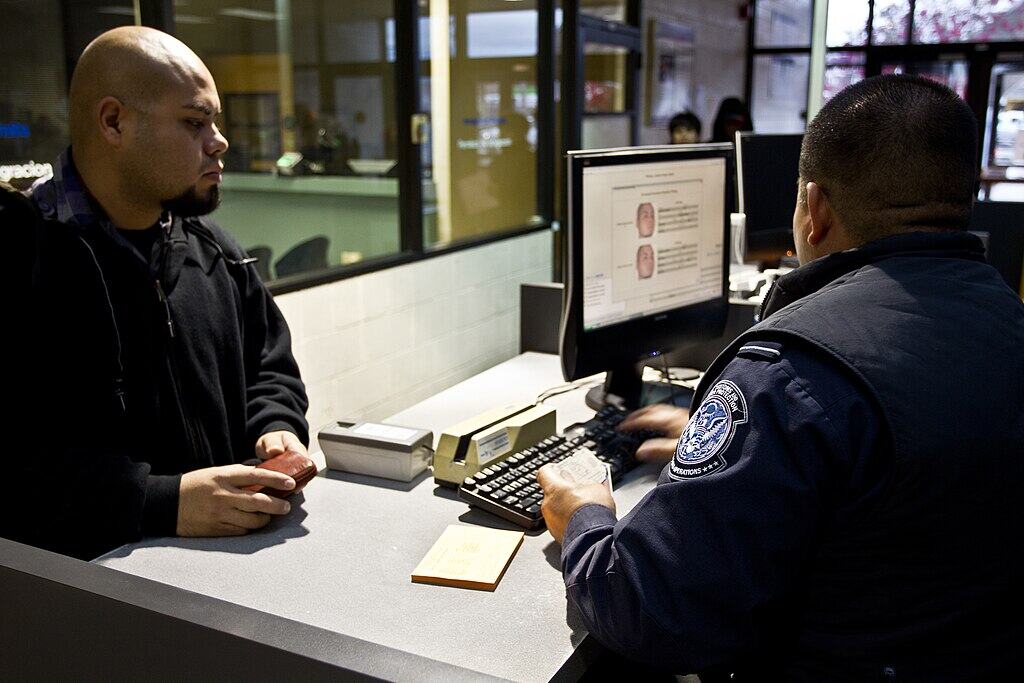
CBP is rolling out a voluntary self-reported exit feature through the CBP Home app for travelers who fall under I-94 requirements, which often includes longer stays and trips beyond the immediate border zone. It allows a departing traveler to submit passport details, a facial image, and geolocation from outside the United States, aimed at creating a clearer land-border exit record when no officer is present. In 2026, that extra proof can reduce headaches when an older trip appears open-ended in the system and a traveler needs a clean history for work, school, renewals, rentals, or a new entry.
Land-Border I-94 Fees Have Jumped

For border trips that require a Form I-94 at a land port, the price is no longer the small fee many people remember, and it can add up quickly for families traveling together. The total is $30, combining the long-standing $6 charge with an additional $24 set by federal law and shown for FY 2026, so the sticker shock is real at the counter, especially on return days when lines are already tense. Mexican visitors using a B visa encounter it most often, but Canadians who need an I-94 for deeper travel or longer stays also feel it, and the fee applies per traveler who needs the record.
Paper I-94 Stubs Keep Fading Out

/Freepik
Land ports increasingly rely on electronic I-94 records instead of a paper stub handed over at inspection, and the paper habit is becoming unreliable across many crossings. That sounds minor until an employer, school, or later inspection asks for the admit-until date and the traveler has nothing saved beyond memory, a boarding pass, and a vague guess at the time limit. In 2026, the smarter routine is to retrieve the electronic I-94 after entry, check it for errors in name, passport number, and class of admission, then save a PDF because corrections can take time and affect paperwork later in the year.
More Steps Are Moving to Phone Apps

CBP has leaned into apps that shift tasks away from the booth, including tools that support provisional I-94 steps and show land-border wait times before a vehicle reaches the lanes. For high-volume crossings, it changes the rhythm of a trip, with more preparation done earlier and less form-filling while cars stack behind and officers try to keep traffic flowing, which can reduce the risk of a rushed mistake. In 2026, crossings feel less like paperwork at a window and more like a digital checklist, and the practical basics become simple: charged phones, workable signal, and saved confirmations that can be shown quickly.
Trusted Traveler Programs Have a New Price Floor
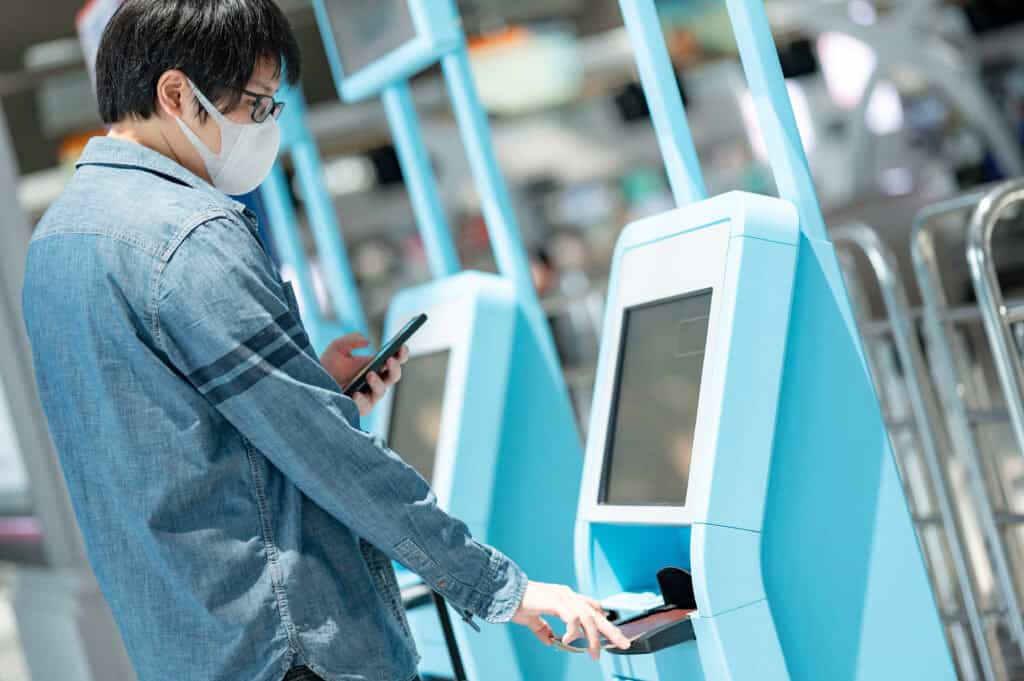
Fees for Global Entry, NEXUS, and SENTRI have been standardized at $120 for adult applicants, resetting what frequent crossers should budget for enrollment and renewals. The bigger point is what the fee signals: continued investment in vetted lanes, kiosks, and staffing that separates predictable crossings from the general queue on peak days, plus a push to manage growing demand. In 2026, the difference is not subtle, but the tradeoff remains: conditional approval comes first, then interviews and wait times, and renewal dates can sneak up on commuters who cross often without planning well ahead.
Ready Lanes Reward RFID Documents Only
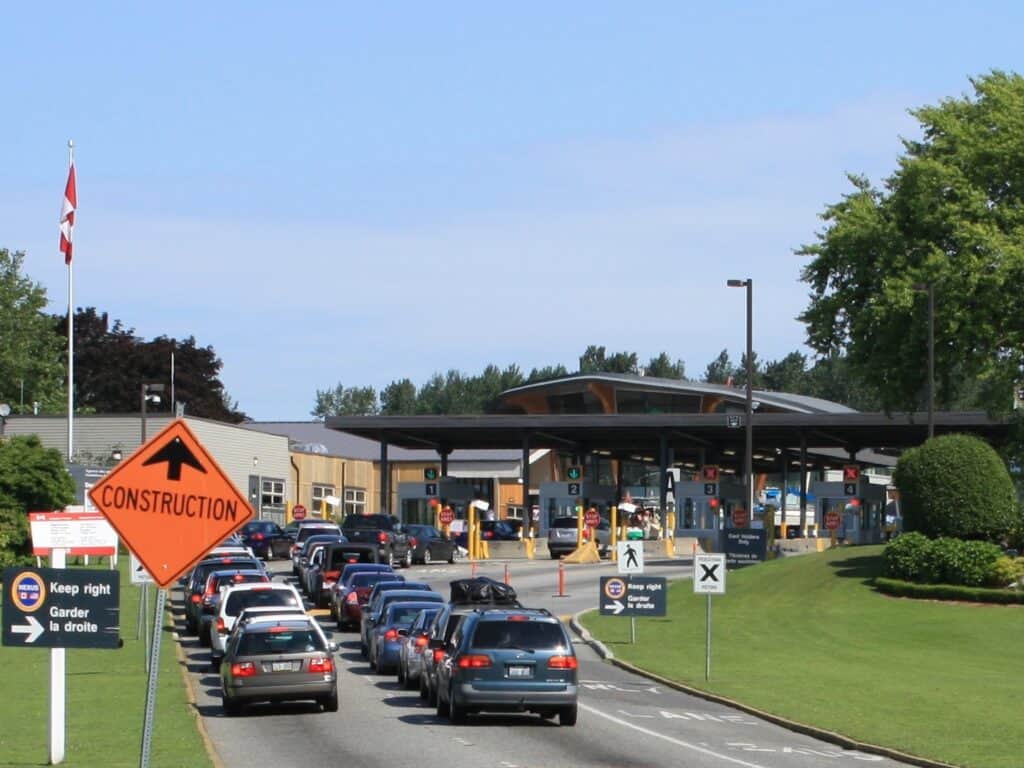
Ready Lanes are built for RFID-enabled documents such as passport cards, enhanced IDs, and trusted traveler cards, and the rule applies to every passenger in the vehicle. If one person lacks an eligible RFID document, the lane choice becomes a mistake that can trigger a reroute, a longer wait, and a reset to the back of another line, wasting the advantage the lane was meant to provide. In 2026, document type still drives timing as much as traffic volume, from the busiest U.S.-Mexico ports to major U.S.-Canada crossings where quick scans and strict lane rules keep cars moving, and phone photos do not count.
Interviews Are Getting Easier to Finish

CBP has expanded interview options for trusted programs, including Enrollment on Departure at select airports for conditionally approved applicants who already completed the online steps. That matters because the hardest part of joining has often been finding an appointment, not proving eligibility, and some regions have long backlogs that force people to plan around work and school schedules. In 2026, more travelers will finish enrollment during ordinary travel time after an international arrival, turning a scheduling problem into a practical step handled while already in transit, with less calendar stress.
Other Blog Posts You Might Enjoy
www.idyllicpursuit.com (Article Sourced Website)
#U.S #Border #Canadians #Mexicans #Idyllic #Pursuit