
We may earn money or products from the companies mentioned in this post. This means if you click on the link and purchase the item, I will receive a small commission at no extra cost to you … you’re just helping re-supply our family’s travel fund.
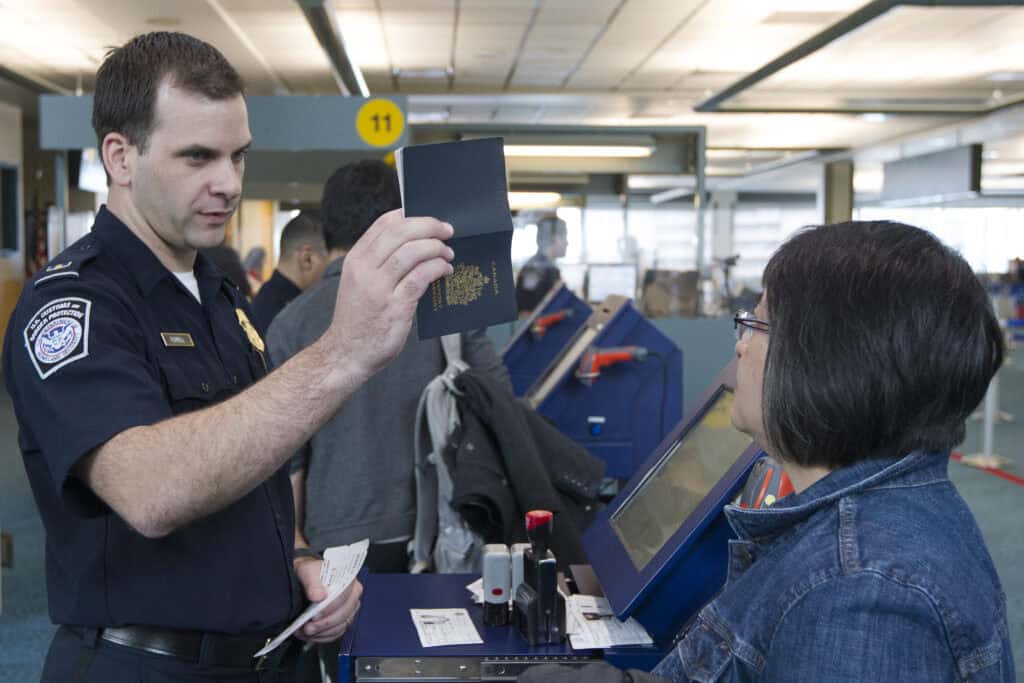
U.S. border screening can feel personal because it happens fast, under bright lights, with bags open and a line behind the booth. Officers are trained to confirm identity, admissibility, and intent, and the questions often sound simple while carrying real consequences. Most problems come from vague stories, mismatched documents, or answers that drift under stress. A calm, factual response paired with the right paperwork keeps the moment short and the trip intact. The goal is not perfect wording, just consistency and honesty that matches the passport stamp being requested.
What Brings the Trip to the United States?
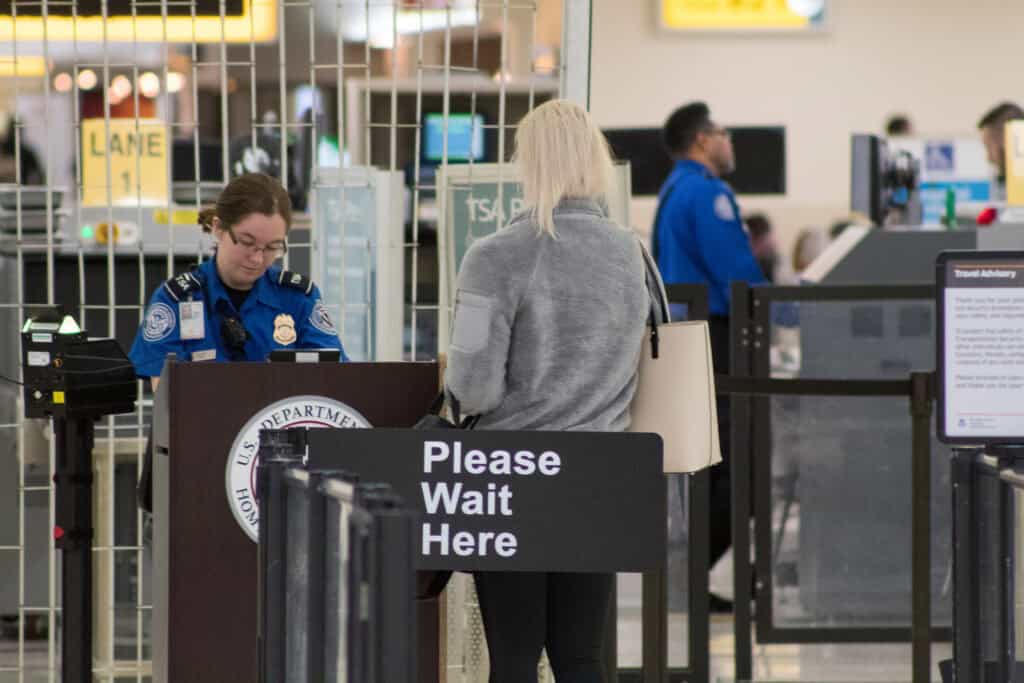
Officers start here because purpose is the spine of admissibility, and the answer has to match the document in hand. The strongest reply is plain and specific: sightseeing in one city, a two-day conference, a family wedding, or a school term, with dates that line up with tickets, bookings, and any invitation. When details are messy, it helps to state what is confirmed, offer a simple schedule, name who is being met and where, mention the return plan in one sentence, and avoid jokes or overexplaining, because a drifting story can sound like hidden intent even when none exists.
Where Will the Stay Be Based?

A clear address helps officers judge intent and prevents the interview from turning into a fishing expedition. A traveler can name the first night’s hotel, a host’s full address, or campus housing, and keep a confirmation, contact name, and phone number ready if asked, ideally in a form that works offline. Vague answers like staying with a friend without a location invite follow-ups, so adding the hotel name or building, neighborhood, city, and how the host is connected, plus the date the stay ends and the next stop, keeps the story credible, stable, and easy to verify quickly.
How Long Will the Stay Last?
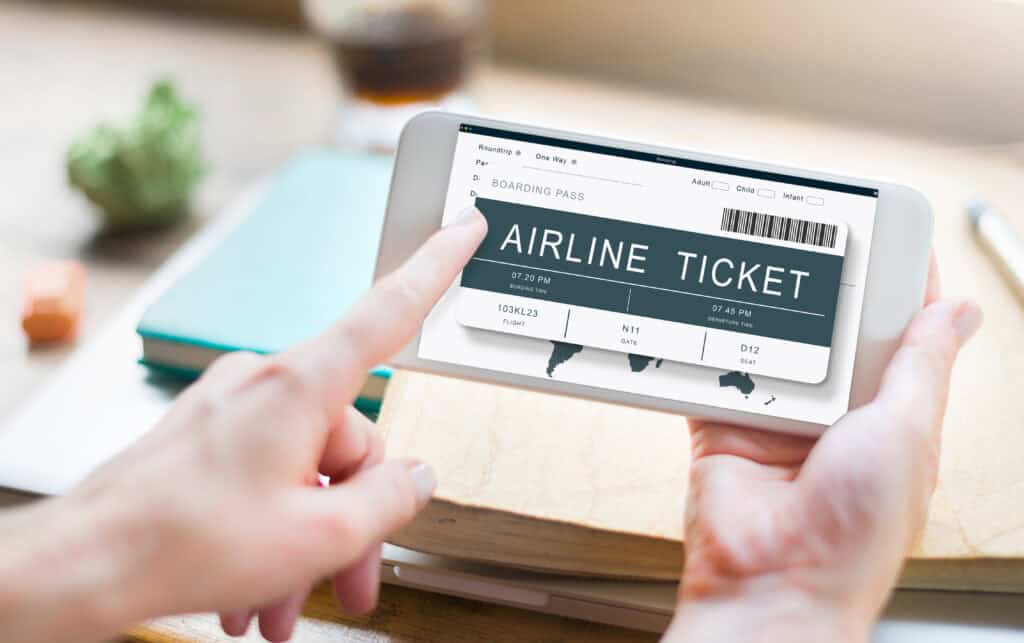
Length of stay is a compliance check, and the timeline should fit the purpose, funds, and past travel pattern. A clean answer includes entry and exit dates and a quick reason for the duration, such as a 10-day holiday, a three-week family visit, or a one-semester program, with the return flight or onward ticket ready. If plans are flexible, stating the latest departure date, naming what would trigger an earlier return, and tying the timeline to a job, a school term, or home obligations reduces the chance an officer hears uncertainty as a plan to linger beyond what is allowed.
Will Any Work Be Done While in the United States?

This question sounds sharp because it separates routine admission from situations that require different status, approvals, or a different visa class. The safe response describes activities in simple terms and ties them to the correct category, avoiding language that implies paid labor, hands-on services, volunteering that replaces paid work, or ongoing work for a U.S. entity outside authorization. For students and workers, carrying an I-20 or DS-2019, an approval notice, or an employer letter listing role, dates, and location helps the answer match the record the officer is already checking in the system.
How Is the Trip Being Paid For?
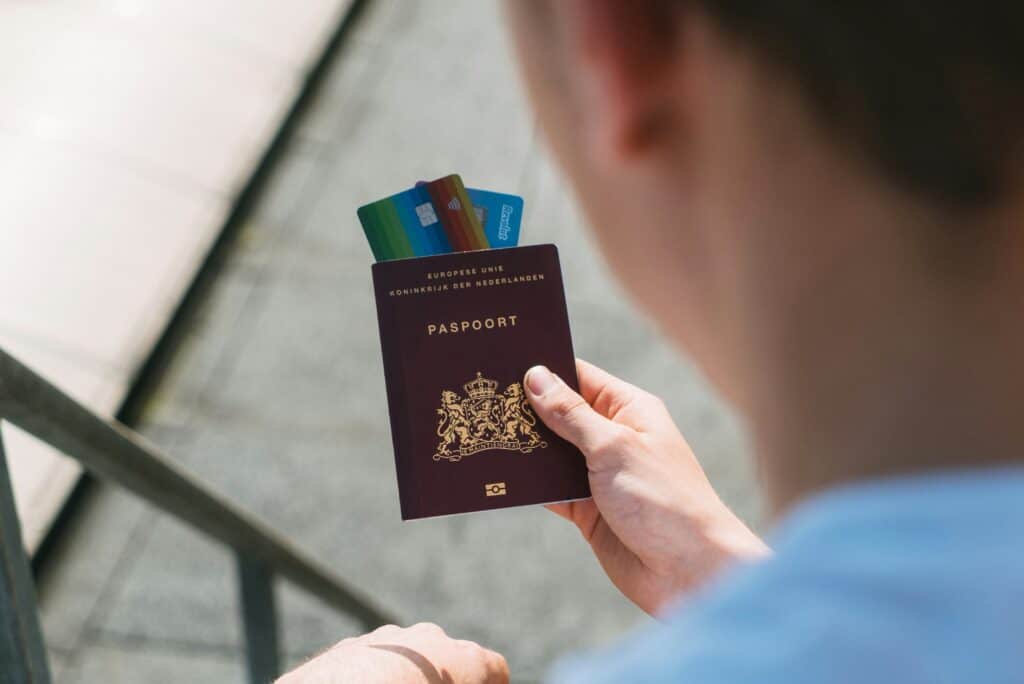
Money questions are about realism and incentives, not curiosity, because a short visit still has to be financially believable. A calm answer names the funding source, such as personal savings, an employer, or a sponsor, and matches the story to a card, a bank letter, or a budget that covers lodging, transport, and daily costs. When a sponsor is involved, having a simple statement, contact details, and proof of prepaid hotels or a host address, plus a clear plan for return travel, keeps the conversation factual instead of turning into awkward guessing while a line forms behind the booth.
Has There Been Any Past Trouble at a Border or With a Visa?
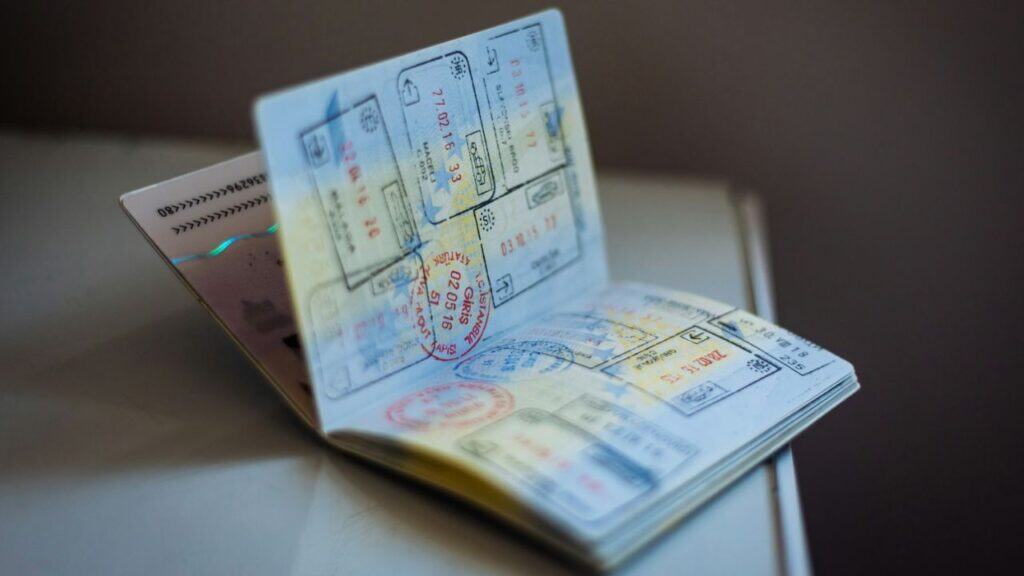
Officers ask about prior overstays, refused entry, or cancellations to test credibility and spot patterns that can change admissibility. The best approach is direct honesty, even when the history is uncomfortable, paired with short context and any official paperwork that shows resolution, compliance, or the outcome of a case. Trying to minimize or contradict records usually backfires, because travel history is visible, and inconsistencies create more scrutiny than the original issue, so it helps to stick to facts, dates, and what changed since then, rather than trying to argue the past.
Are Any Restricted Items Coming in Today?
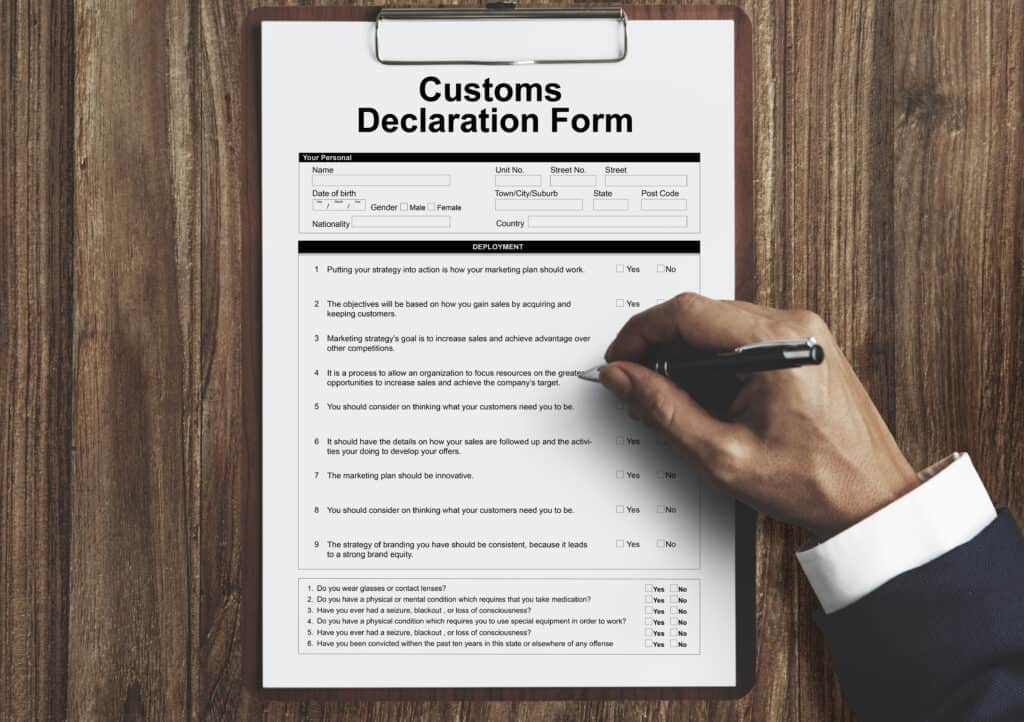
Customs questions can feel accusatory, but they are routine, and a straightforward answer keeps the interaction brief. Declaring food, large amounts of cash, business samples, medications, agricultural items like fruit or seeds, or gifts when required is safer than gambling on silence, especially because bags can be searched and declarations are recorded. If something is uncertain, asking the officer how to declare it reads as cooperation, and it prevents a small mistake, like forgetting a snack bag or a packed sandwich, from becoming the moment that derails an otherwise normal entry.
May an Officer Check a Phone or Laptop?
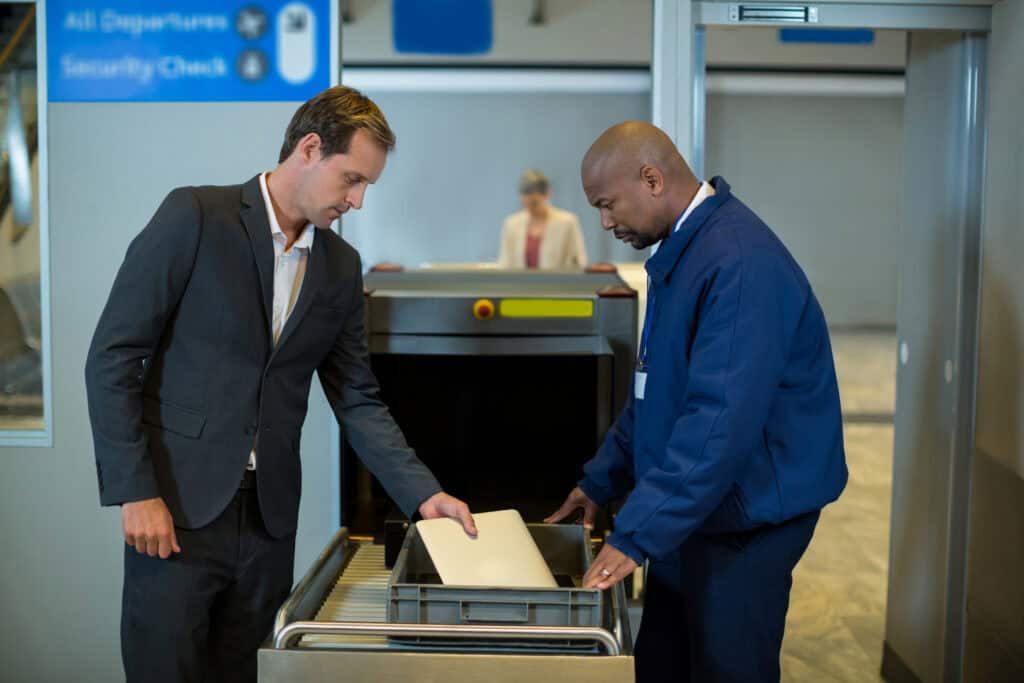
Device questions can rattle even calm travelers, but the goal is usually verification and risk screening, not humiliation. CBP can inspect electronic devices at the border, and secondary inspection may include requests for access or passwords, with refusal sometimes leading to device detention or admissibility issues. The safest posture is respectful and steady: keep devices organized before travel, respond calmly to instructions, avoid deleting material while in line, and ask what process applies when sensitive work, confidential client material, or legal communications are on the device.
Other Blog Posts You Might Enjoy
www.idyllicpursuit.com (Article Sourced Website)
#Terrifying #U.S #Border #Screening #Questions #Asked #Answer #Idyllic #Pursuit