
We may earn money or products from the companies mentioned in this post. This means if you click on the link and purchase the item, I will receive a small commission at no extra cost to you … you’re just helping re-supply our family’s travel fund.
History usually gets told as a clean chain of causes and effects, but some stories keep wobbling outside that neat frame. Dates, names, and events line up in ways statisticians can explain, yet the gut still says this alignment feels strange. These coincidences do not prove destiny or secret plans; they do highlight how odd reality can look when patterns snap into place. Even experts admit that a few of these tales live closer to campfire territory than tidy textbook footnotes.
Mark Twain’s Life Bracketed By Halley’s Comet
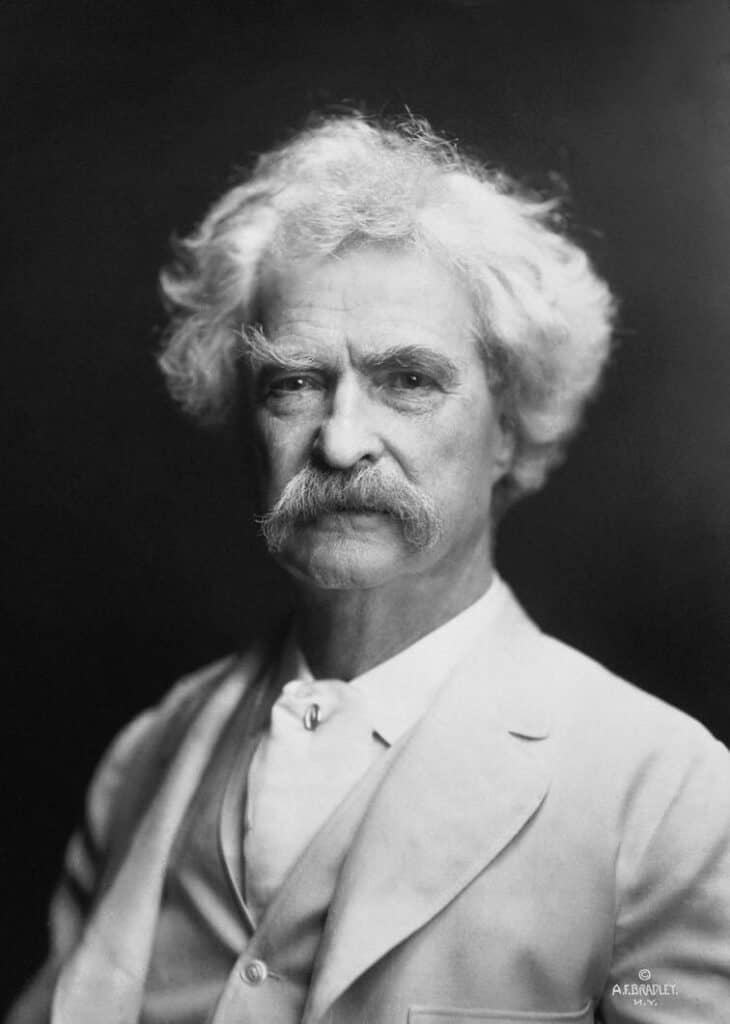
Mark Twain liked to joke that he came in with Halley’s Comet and meant to go out with it as well, a line delivered with his usual dry grin. He was born in 1835, shortly after the comet’s bright pass, and died in April 1910, the day after it returned to the inner solar system. Astronomers note that the comet reappears roughly every 75 or 76 years, so someone was bound to match that rhythm eventually. Even so, the timing fits Twain’s theatrical persona so neatly that it feels oddly scripted, as if the universe appreciated his sense of timing and decided to play along.
The Titan Story That Echoed Titanic
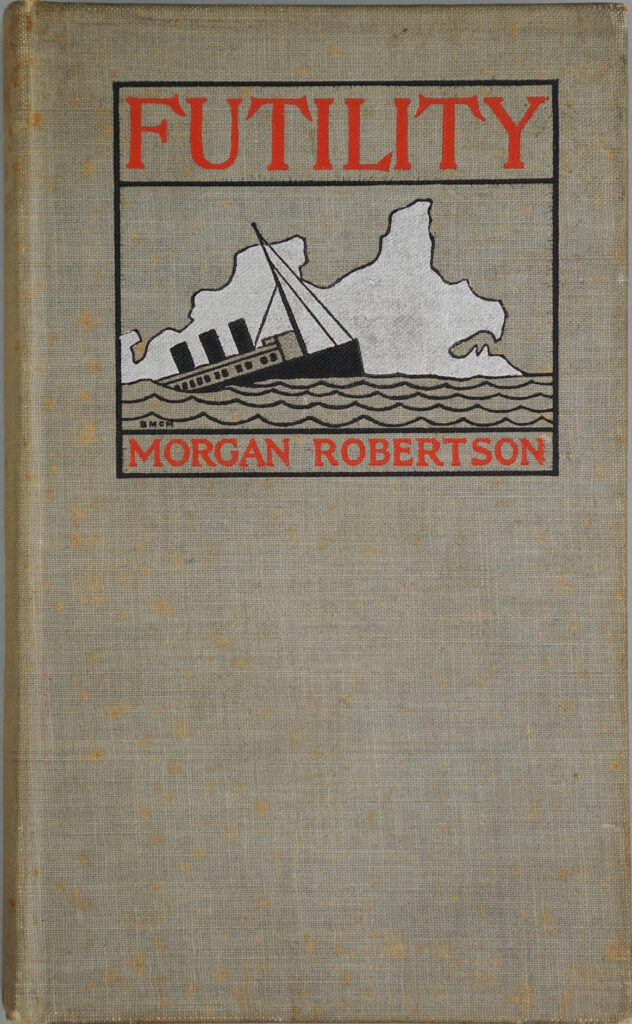
In 1898, writer Morgan Robertson published a novella about a gigantic luxury liner called Titan that struck an iceberg in the North Atlantic and sank in April with too few lifeboats on board. Fourteen years later, Titanic met an eerily similar fate on its maiden voyage, also marketed as practically unsinkable and also fatally short on lifeboats. Shipbuilding trends and hubris were well known in Robertson’s day, which helps explain his premise in rational terms. Even so, the tight match in name, route, month, and disaster keeps unsettling readers long after both ships went down.
Poe’s Fictional Cabin Boy And A Real Richard Parker
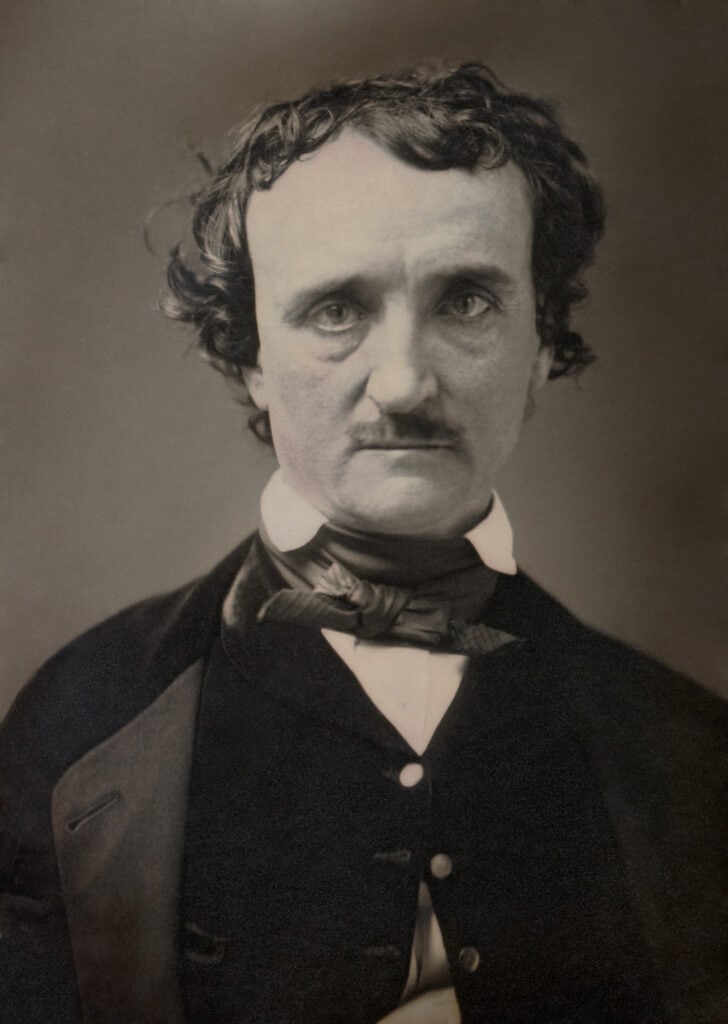
In 1838, Edgar Allan Poe wrote a brooding sea tale in which shipwrecked sailors, starving and desperate, draw lots and kill a young cabin boy named Richard Parker to survive. Almost half a century later, the yacht Mignonette sank, leaving four men adrift; the real crew ended up killing and eating their cabin boy, whose name also happened to be Richard Parker. The resulting trial reshaped British thinking on necessity, murder, and the limits of survival at sea. Legal scholars can parse the precedent in detail, yet the repeated name still feels unnervingly scripted to most people who hear it.
Franz Ferdinand’s Car Plate And The Armistice Date
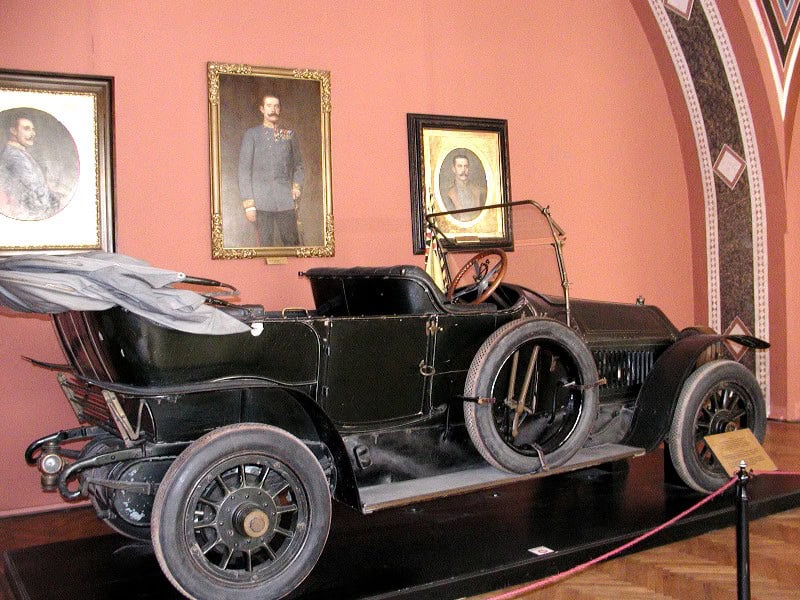
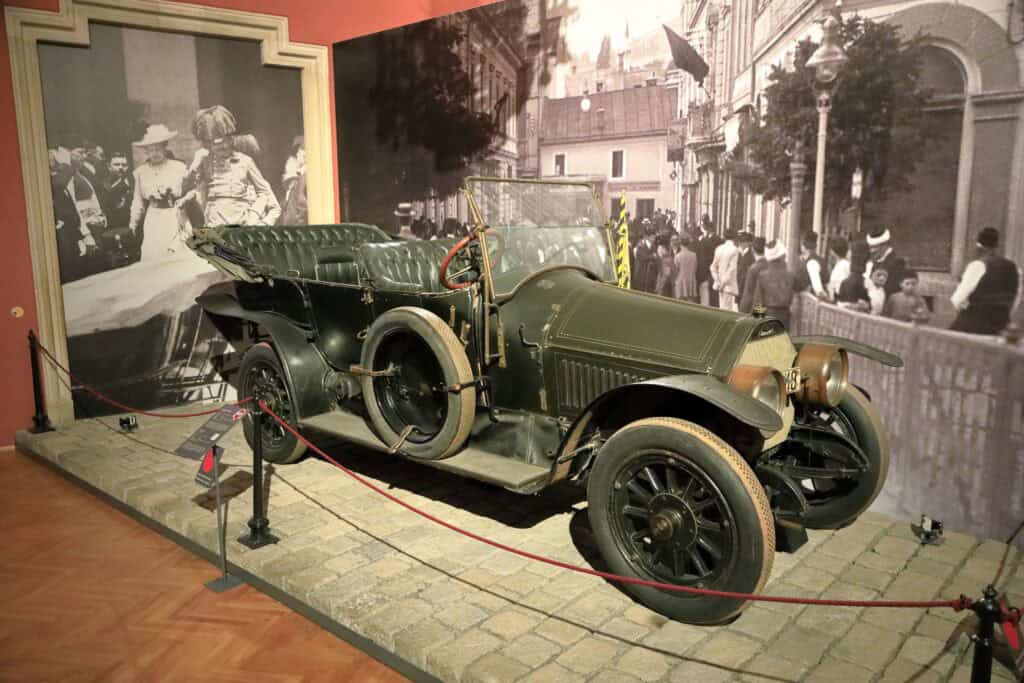
The assassination of Archduke Franz Ferdinand in Sarajevo is remembered as the spark that set World War I in motion and reshaped the 20th century. Decades later, historians and trivia fans noticed that the license plate on his car read A III 118, which can be read as echoing 11 11 18, the date of the Armistice that ended the war. Number plates in the empire followed bureaucratic rules, not coded prophecy, and no one at the time remarked on it. Still, the photo of that car now feels like a dark visual spoiler glued to the moment history cracked, impossible to unsee once it is pointed out.
A Church Explosion With An Entire Choir Running Late
On a March evening in 1950, a gas leak destroyed West Side Baptist Church in Beatrice, Nebraska, blowing out windows and leaving the building in ruins. The explosion occurred at 7:27 p.m., just minutes after the choir was scheduled to begin practice and fill the sanctuary with voices. Every one of the 15 choir members happened to be late for a different reason, from car trouble and babysitting to a stubborn homework assignment. Statistically, people do run behind, yet the fact that no one stood inside at that exact moment still feels like probability stretched to its thinnest edge.
Finnish Twins Lost On The Same Road Hours Apart
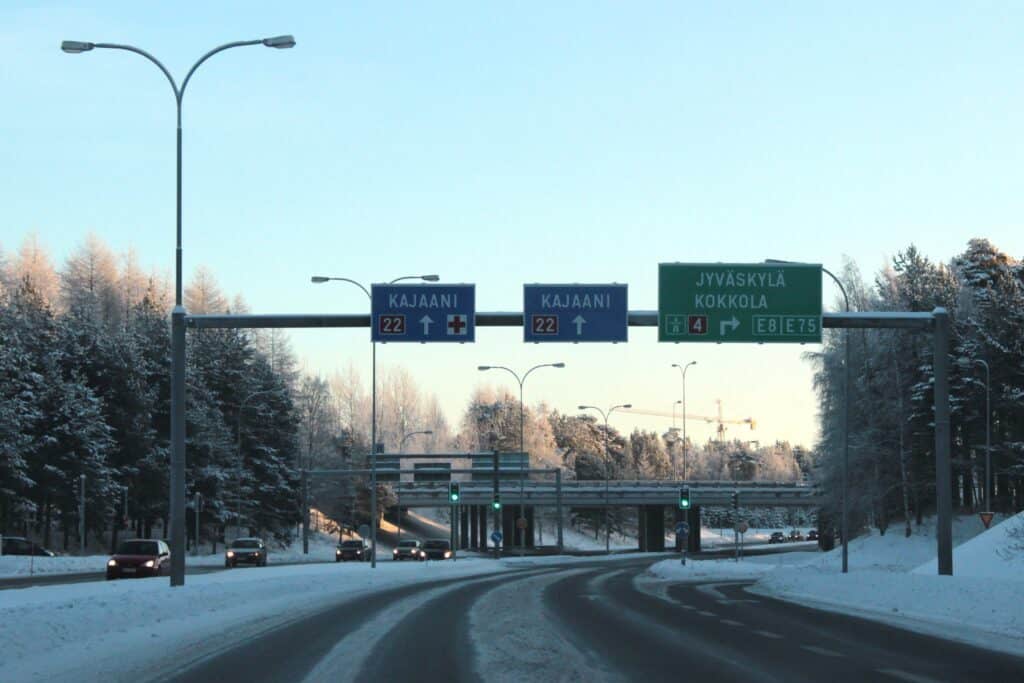
In March 2002, two 71-year-old identical twin brothers in Finland died in separate bicycle accidents on the same stretch of road, only hours apart. Each man was struck by a truck while crossing an icy highway near the town of Raahe, first one twin and then, about 2 hours later, the other in almost the same spot. Police officers on the scene called the pairing historic and admitted they had never seen anything like it in their careers. Shared age, routines, and environment raise the odds of similar risks, yet the near-matching deaths still feel chillingly precise to most observers.
Lincoln And Kennedy’s Persistent Pattern Myth
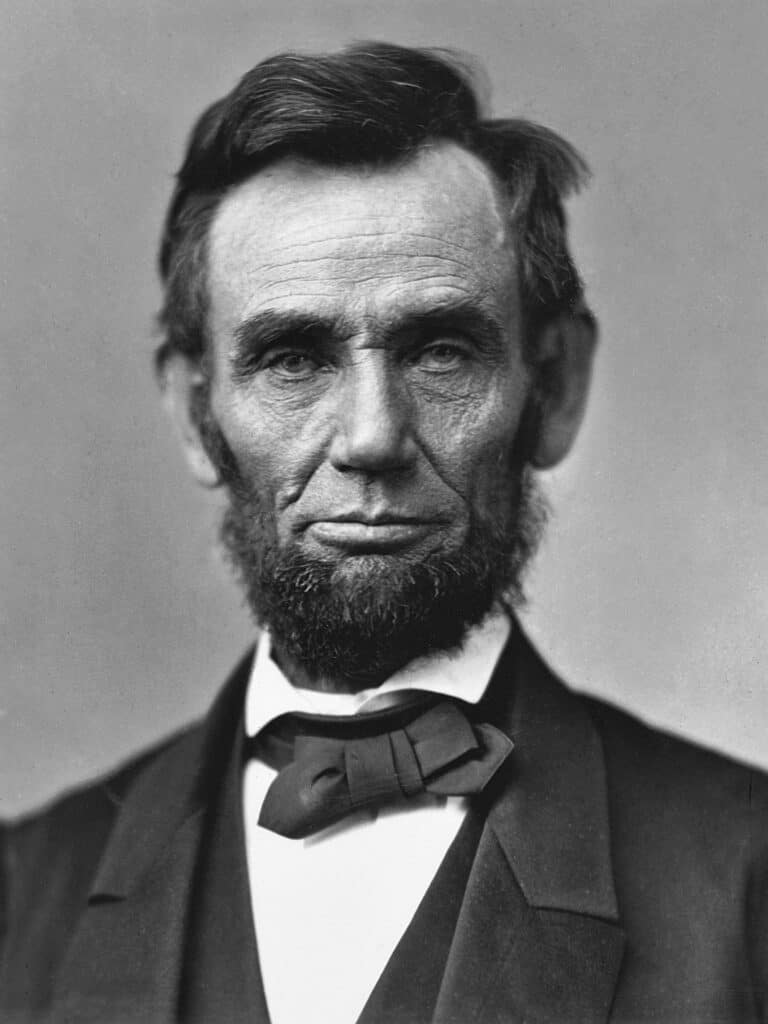
The supposed parallels between Abraham Lincoln and John F. Kennedy have been traded in classrooms and tabloids for decades. Both were elected in years ending in 60, both were succeeded by presidents named Johnson, both were shot in the head on a Friday, and both deaths shook a divided country. Skeptical historians have shown that many claimed details are false, cherry-picked, or mathematically unremarkable when viewed against all presidents. Yet the pattern refuses to die in popular culture, proving how eagerly people stitch scattered facts into stories that feel fated.
King Umberto And His Astonishing Double
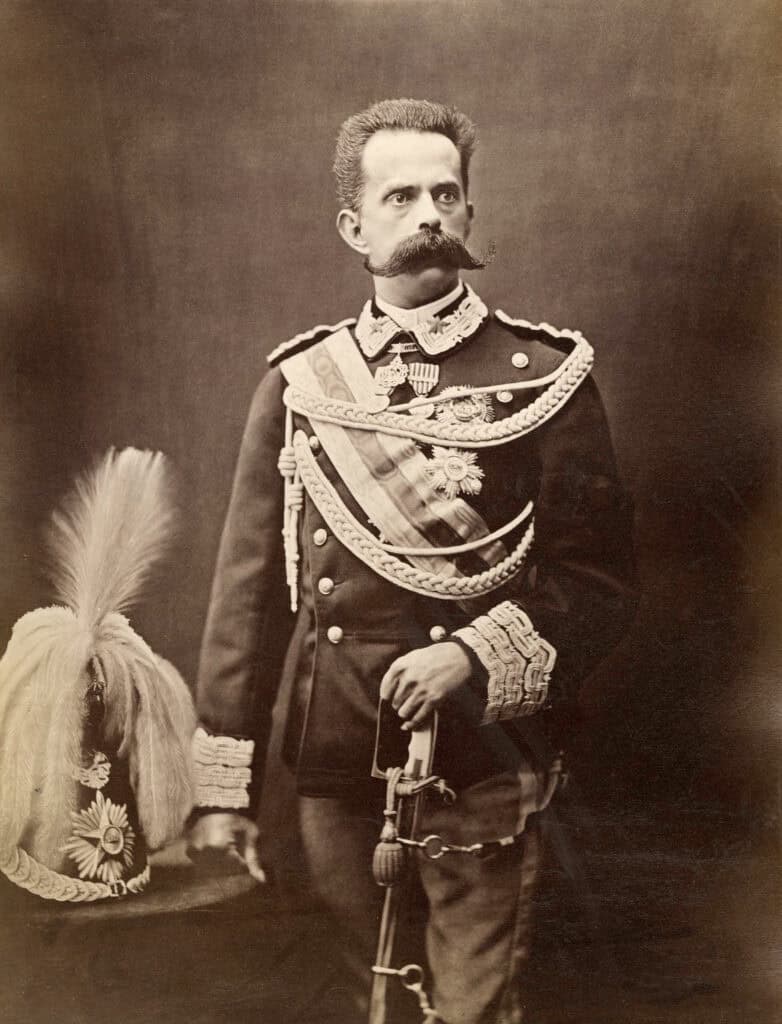
In 1900, King Umberto I of Italy dined at a small restaurant in Monza and noticed that the owner looked remarkably like him, down to build and facial features. Conversation revealed that both men were named Umberto, had been born in the same town on the same day, had married women named Margherita, and had sons named after Victor Emmanuel. The restaurant reportedly opened on the day Umberto became king. Soon after, news came that the restaurateur had been shot; the king himself was assassinated later that same day, sealing the story in eerie symmetry.
Other Blog Posts You Might Enjoy
www.idyllicpursuit.com (Article Sourced Website)
#Strange #Historical #Coincidences #Baffle #Experts #Today #Idyllic #Pursuit