
We may earn money or products from the companies mentioned in this post. This means if you click on the link and purchase the item, I will receive a small commission at no extra cost to you … you’re just helping re-supply our family’s travel fund.

For years, certain places were sold as gentle landing spots after decades of work: mild winters, friendly neighbors, manageable costs, and not much drama. In 2026, many of those “retirement havens” still look perfect in brochures, but the reality on the ground feels less simple. Property booms, thin public services, and smarter criminals have pushed new risks into otherwise calm streets. Older residents still enjoy the sunshine and routine, yet more of them now keep one eye on neighborhood chats, police dashboards, and their own bank statements.
Sunbelt Golf Communities Feeling The Pressure
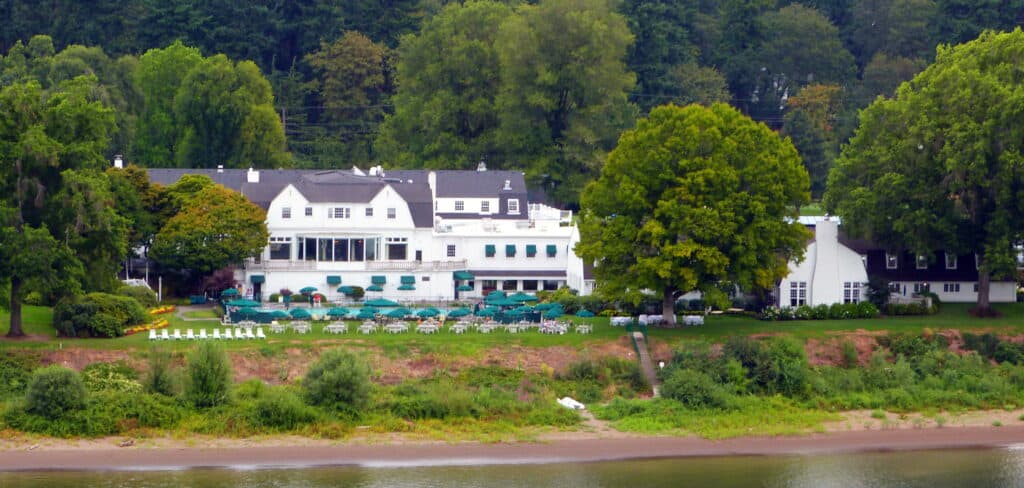
Across the Sunbelt, planned golf communities still promise quiet cul-de-sacs and security gates that keep the world at arm’s length. Local reports often describe a different rhythm: more package thefts, more car break-ins near clubhouses, and occasional home invasions that rattle long-settled residents. Rapid regional growth brings workers, delivery drivers, and visitors past those gates, and screening does not always keep pace. Security cameras, patrols, and neighborhood watch groups expand each year just to preserve the calm that once felt automatic.
Coastal Condo Belts Facing Opportunistic Crime

Oceanfront condo corridors in Florida, the Carolinas, and parts of Texas still attract retirees with long views and walkable boardwalks. Seasonal vacancies and short-term rentals, however, create predictable gaps that burglars and petty thieves learn to read. Storage cages, parking decks, and side entrances become weak points in buildings that feel polished from the lobby. Scam contractors and fake maintenance workers add a quieter threat, turning basic repairs into moments when an older owner’s trust can be leveraged against them.
“Safe” College Towns Turning Into Pricey Hotspots
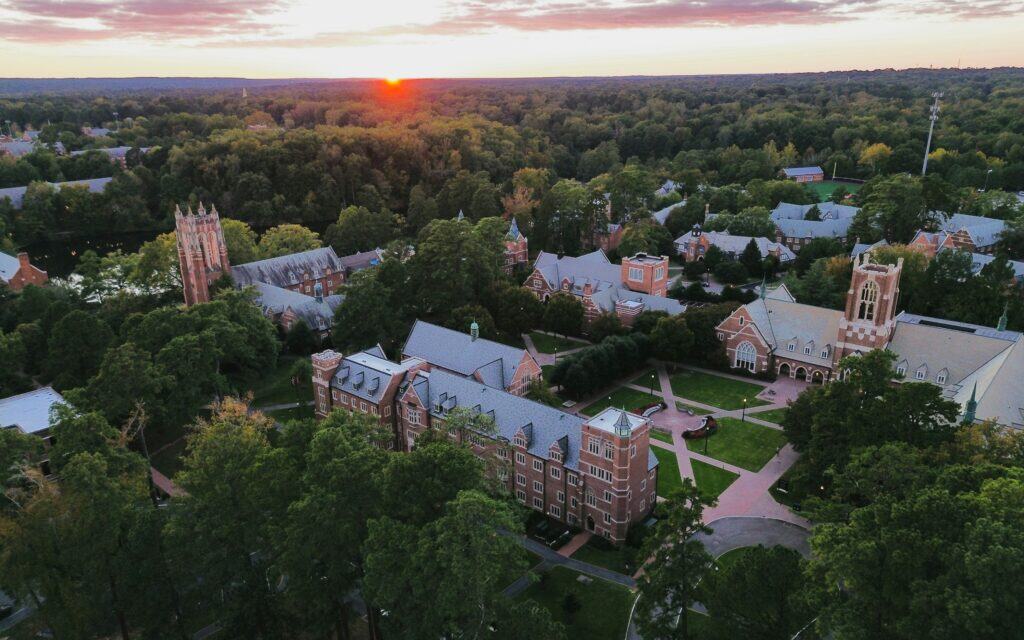
College towns built reputations on bookstores, leafy streets, and reliable hospitals, making them easy to pitch as smart retirement bases. As investors and remote workers pile in, some of these cities now juggle higher rents, visible homelessness, and more property crime near newly fashionable districts. Bikes vanish from porches, catalytic converters disappear from parking lots, and seniors in once-quiet streets hear sirens more often at night. The same youthful energy that once felt charming can also bring tensions that local police struggle to cover evenly.
International Beach Enclaves With New Warnings

Abroad, beach towns that marketed heavily to foreign retirees still lean on images of hammocks and low living costs. Recent warnings and local reporting in some regions describe kidnappings, extortion, and fraud that specifically target older, obviously foreign homeowners. Criminal groups pay attention to routines, social media posts, and loose local enforcement to choose marks. For retirees who believed they had stepped outside national worries back home, small incidents now hint that distance and palm trees do not automatically equal safety.
Mountain Retreat Towns Grappling With Strain

Highland towns built around fresh air and trailheads remain dream destinations for people leaving big cities behind. Over time, second homes and constant tourism have stretched already limited police, fire, and rescue services that cover huge, difficult terrain. Break-ins at empty cabins, theft from cars at trailheads, and occasional violent incidents can mean long waits in bad weather or at night. Residents still love the quiet, but more of them now accept that remoteness and thin staffing come with tradeoffs when something serious happens.
Suburban Cul-De-Sacs Battling Scam Artists

Suburban streets that look unchanged since the 1980s now sit in the crosshairs of highly organized fraud operations. Phone and online schemes probe older homeowners with fake grandchild emergencies, bogus tech support, and polished investment pitches that sound reassuringly familiar. Doorstep scams follow, with unlicensed roofers or driveway crews pressing hard for quick cash before anyone can check credentials. The main crime scene is no longer the corner or the park; it is the mailbox, the screen, and the doorbell.
Resort-Style Villages With Internal Crime Stories

Large, resort-style retirement villages that run on golf carts, pools, and club calendars project a tidy, managed serenity. Inside that bubble, human problems continue as usual; they simply play out in closer quarters and on private channels. Financial abuse among acquaintances, domestic violence, and occasional serious assaults surface in local records and community forums even when marketing stays bright. As populations age in place and densities rise, disputes over noise, pets, or property lines sometimes escalate beyond what community security can casually smooth over.
Digital “Anywhere” Havens For Remote Retirees

A growing group of retirees now chooses motion over fixed havens, cycling through rentals, house sits, and long stays abroad. On social media, the lifestyle looks like pure freedom. In practice, constant change multiplies exposure to weak landlords, insecure Wi-Fi, and unfamiliar legal systems when money vanishes. Cybercrime and cross-border fraud hit older adults especially hard when pensions, savings, and healthcare accounts all run through the same devices. The dream of living “anywhere” is still real, but it now quietly demands serious digital and financial defenses.
Other Blog Posts You Might Enjoy
www.idyllicpursuit.com (Article Sourced Website)
#Retirement #Havens #Rising #Crime #Idyllic #Pursuit