
We may earn money or products from the companies mentioned in this post. This means if you click on the link and purchase the item, I will receive a small commission at no extra cost to you … you’re just helping re-supply our family’s travel fund.
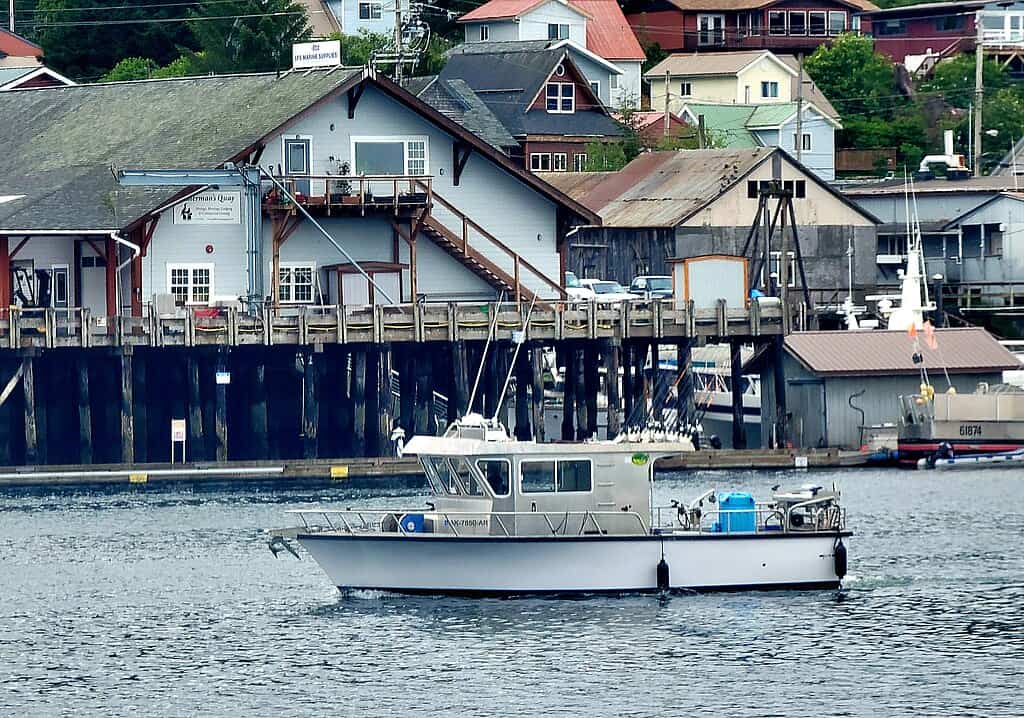
Long before Alaska joined the United States in 1867, Russia controlled the territory for more than 120 years, leaving behind forts, churches, and communities that reshaped the region. From 1741 to 1867, Russian traders, missionaries, and administrators established settlements focused on fur trading, shipbuilding, and Orthodox Christianity. While many posts disappeared after the sale to the U.S. for $7.2 million, several survived and remain accessible today. These eight historic settlements preserve physical landmarks, living traditions, and documented records that reveal how Russian America functioned and how its legacy still shapes modern Alaska.
1. Sitka (New Archangel)
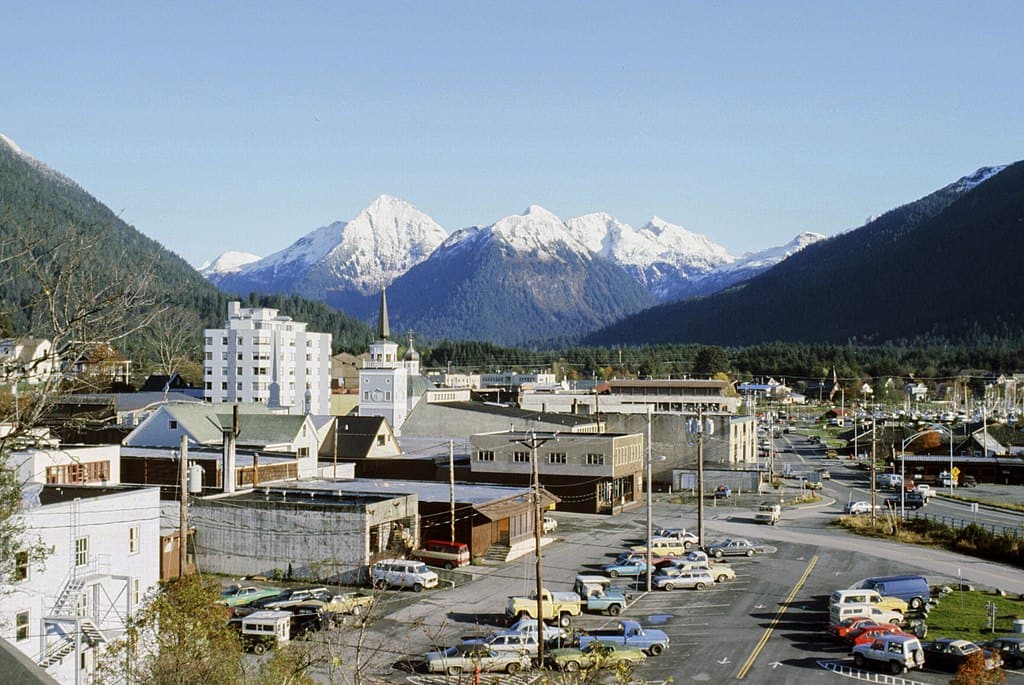
Founded in 1799, Sitka served as the capital of Russian America from 1808 until 1867. It was home to roughly 800 residents at its peak, including Russian officials, Creoles, and Tlingit people. Sitka was the administrative center of the Russian-American Company, which controlled over 586,000 square miles of territory. Today, the town has about 8,400 residents and remains one of Alaska’s most historically intact communities. St. Michael’s Orthodox Cathedral, originally built in 1848, anchors the skyline, while Sitka National Historical Park preserves the site of the 1804 Battle of Sitka, a defining conflict of Russian colonial rule.
2. Kodiak
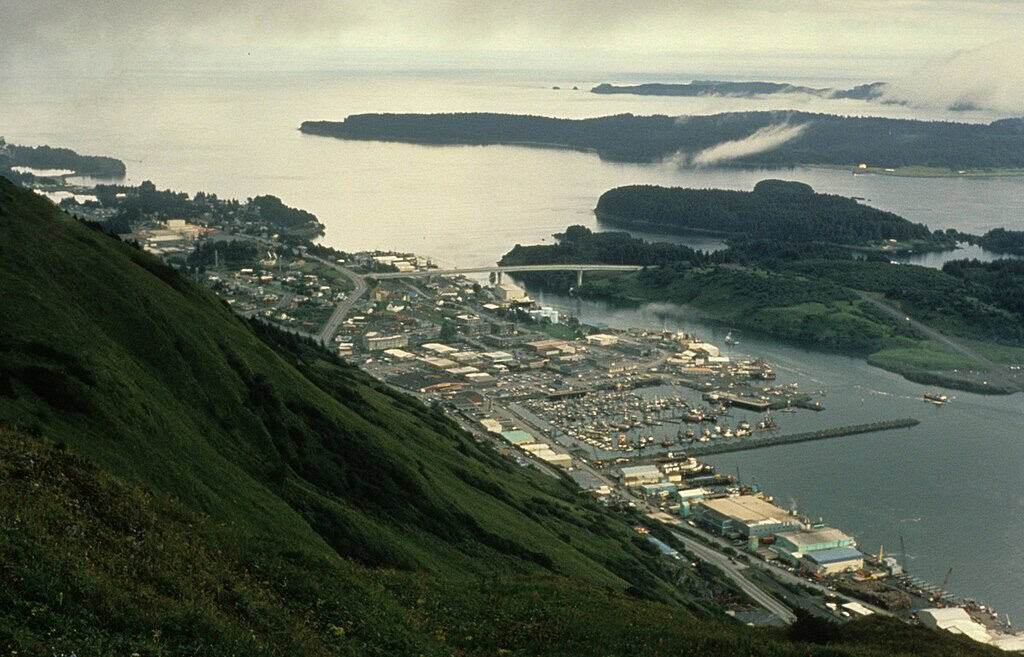
Established in 1784, Kodiak was Russia’s first permanent settlement in Alaska and an early headquarters of the Russian-American Company. By 1800, more than 300 Russian settlers and thousands of Alutiiq people lived in the surrounding area. Kodiak supported shipyards, warehouses, and hunting fleets supplying sea otter pelts worth millions in modern dollars. Today, the city has a population of about 5,500 and remains accessible by air and sea. The Holy Resurrection Russian Orthodox Cathedral, founded in 1795, continues active services, while local museums preserve records spanning over 240 years of continuous settlement.
3. Unalaska (Iliuliuk)
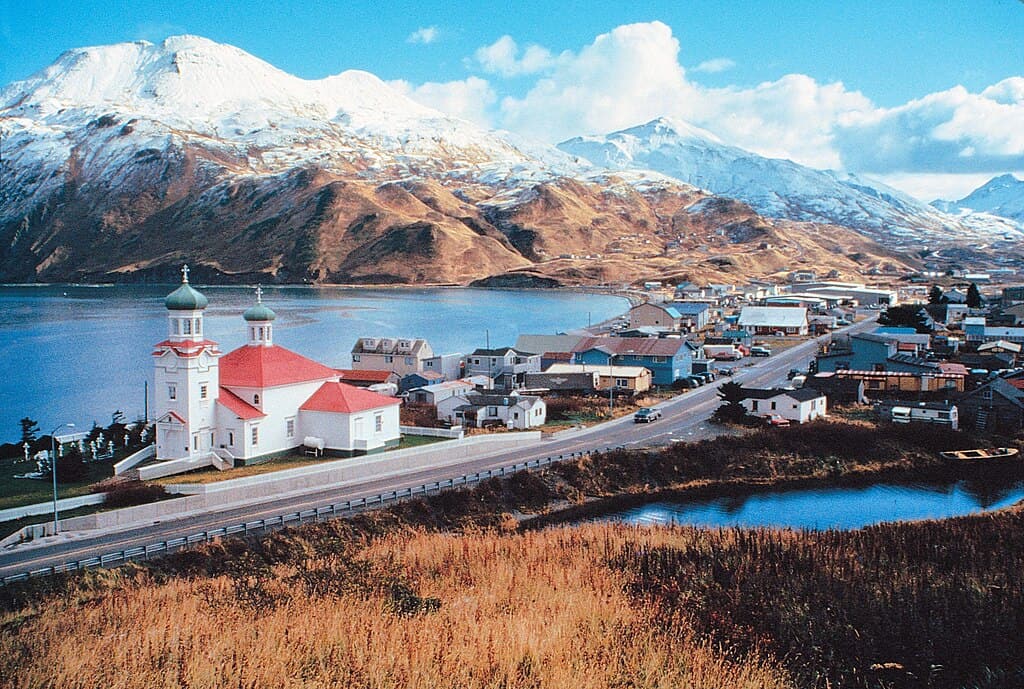
Russian traders reached Unalaska in the 1750s, making it one of the earliest colonial footholds in Alaska. The settlement of Iliuliuk became a vital supply station along the 1,200-mile Aleutian chain, supporting expeditions across the North Pacific. At its height, Unalaska housed around 400 residents and multiple warehouses. Today, roughly 4,200 people live in the city. The Church of the Holy Ascension of Christ, built in 1826, still holds original icons and artifacts dating back nearly 200 years, making it one of the oldest surviving Russian Orthodox churches in North America.
4. Kenai
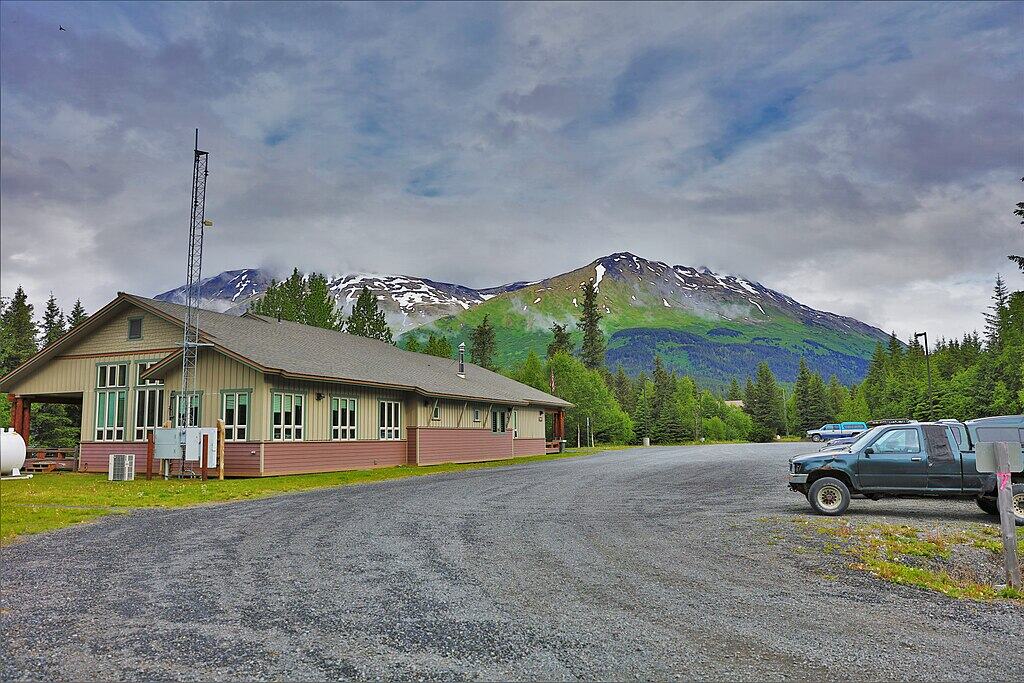
Kenai was founded in 1791 as Fort St. Nicholas along the Kenai River, about 160 kilometers southwest of Anchorage. The fort protected Russian trading routes and supported agriculture, fishing, and timber production. By the early 1800s, it served as a key supply hub feeding settlements across Cook Inlet. Modern Kenai has grown to approximately 7,900 residents. The Holy Assumption of the Virgin Mary Russian Orthodox Church stands on its original location, marking over 230 years of religious continuity. Archaeological remains and historical maps confirm Kenai’s role as one of Russia’s longest-operating Alaskan outposts.
5. Nikolskoye
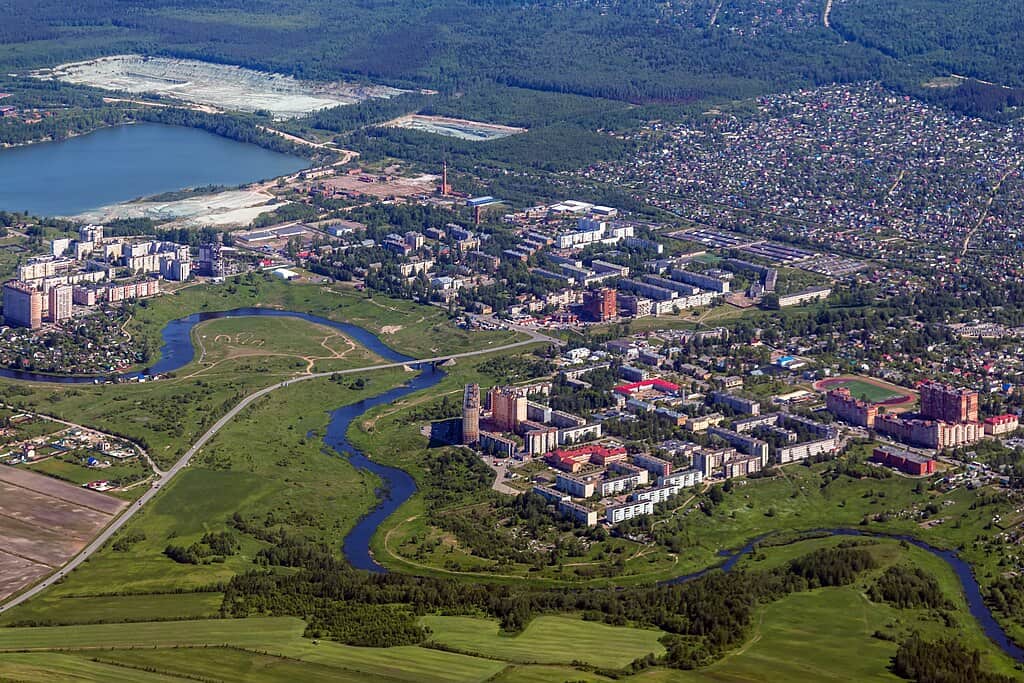
Nikolskoye, located on Umnak Island, was established in the late 1700s after Russian traders relocated Aleut communities to consolidate fur operations. It is among the oldest continuously inhabited settlements in Alaska, with more than 220 years of recorded history. Today, the village has a population of roughly 20 residents, maintaining strong cultural continuity despite its isolation. Russian Orthodoxy remains central to community life, with traditions passed down through generations. Unlike abandoned colonial posts, Nikolskoye represents a living settlement where Russian-era influence blends with Indigenous identity rather than existing solely as a preserved historical site.
6. Karluk
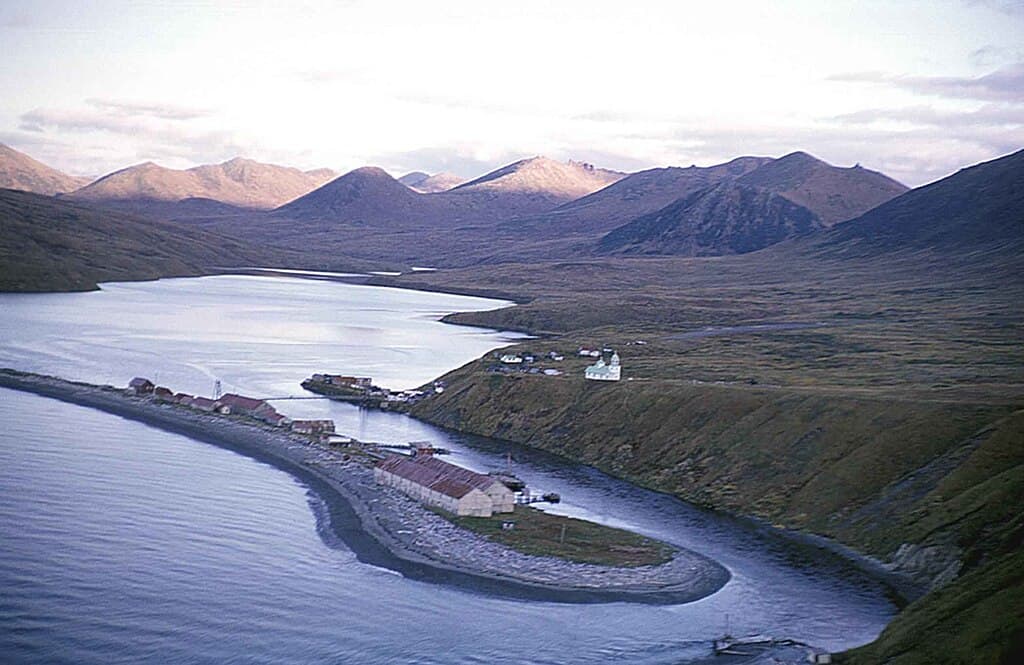
Karluk originated in the late 18th century as a Russian fur trading and supply site on Kodiak Island’s western coast. Its strategic river access supported transport and later commercial fishing. By the mid-1800s, Karluk had become an important salmon hub, producing thousands of tons annually. Today, the village has about 40 residents and is accessible only by boat or small aircraft. While few original Russian structures remain, documented church sites and archaeological findings confirm its colonial origins. Karluk’s layout and subsistence practices still reflect patterns established during Russian rule more than two centuries ago.
7. Akutan
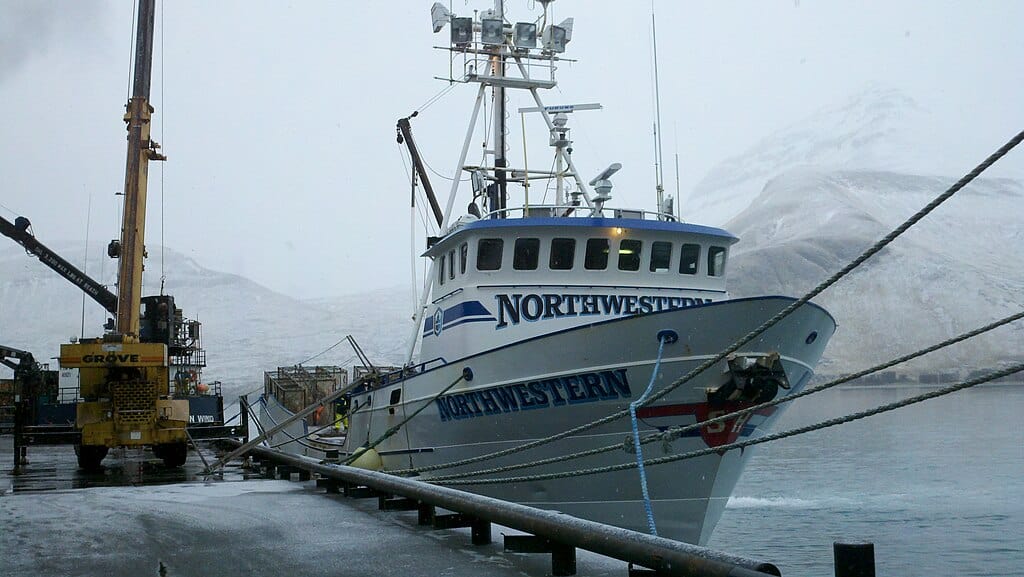
Russian settlers arrived in Akutan in the late 1700s, drawn by its deep harbor and rich marine resources. The settlement supported hunting fleets and later transitioned into a fishing center. Today, Akutan has a population of approximately 1,000 residents and hosts one of Alaska’s largest seafood processing facilities. Russian Orthodox traditions remain evident through religious observances and historic burial grounds. Although modern industry dominates the economy, the village’s original placement and cultural framework trace directly back to Russian colonial planning, demonstrating how economic priorities shaped long-term settlement patterns in the Aleutian Islands.
8. Old Harbor
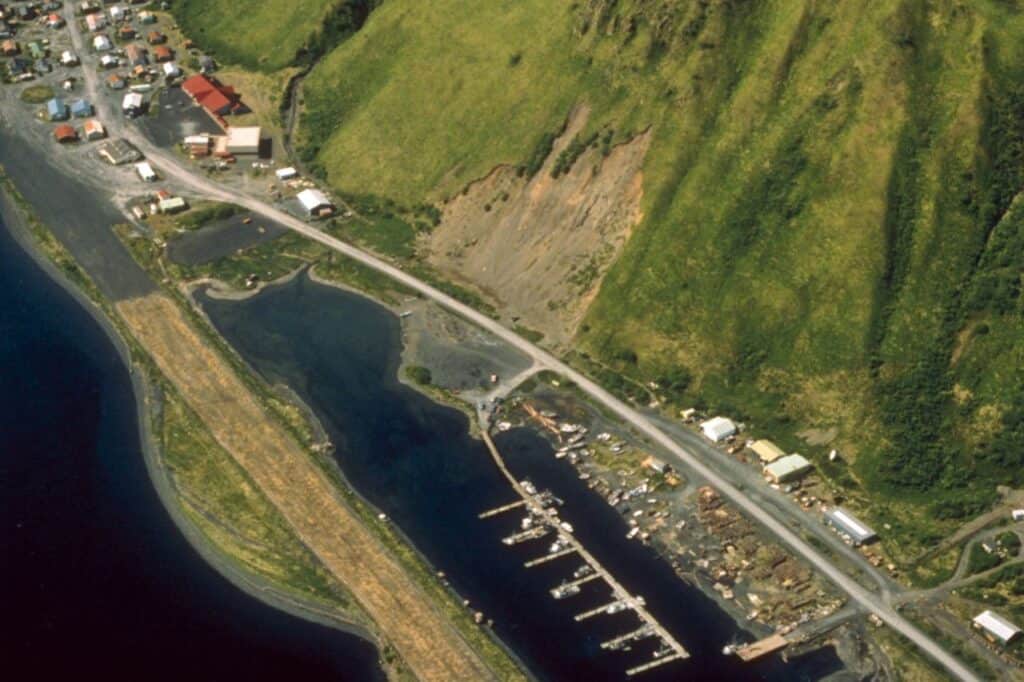
Old Harbor emerged in the late 18th century as a Russian-supported settlement on Kodiak Island, serving as a seasonal hunting and transport site. Over time, it developed into a permanent community supporting fur operations and coastal travel. Today, Old Harbor has around 220 residents and remains accessible primarily by air or boat. While most Russian-era buildings no longer stand, Orthodox traditions, place names, and historical records preserve its origins. The village offers insight into how small Russian settlements evolved into enduring Indigenous communities shaped by colonial trade networks rather than administrative power.
Other Blog Posts You Might Enjoy
www.idyllicpursuit.com (Article Sourced Website)
#Historic #Russian #Settlements #Alaska #Visit #Today #Idyllic #Pursuit