
We may earn money or products from the companies mentioned in this post. This means if you click on the link and purchase the item, I will receive a small commission at no extra cost to you … you’re just helping re-supply our family’s travel fund.

Digital nomads are no longer a niche travel story. In beach towns, mountain cities, and historic capitals, remote workers arrive for months, rent apartments, and build routines that look closer to residency than vacation. That shift brings steady spending to cafes, markets, gyms, and tour operators, but it also changes housing, wages, and the politics of public space. Some places welcome the cash and new ideas. Others feel priced out, crowded out, or sidelined by policy that moves slower than demand.
Pressure On Rents And Long,Term Housing
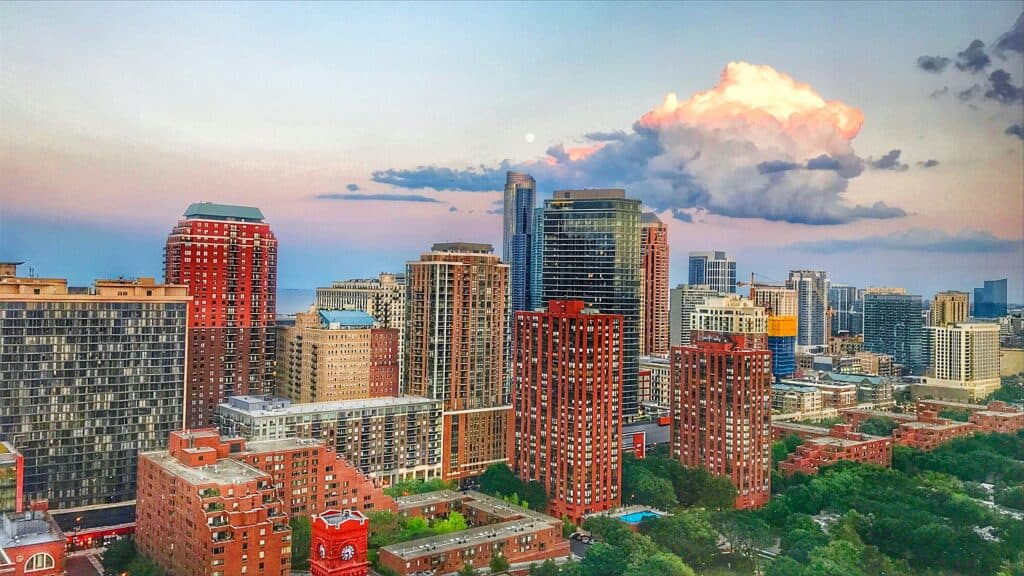
When remote workers pay month-to-month rates pegged to stronger currencies, landlords often pivot from local leases to short-stay pricing, even on streets with no tourism history. That tightens supply, nudges rents upward, and can displace residents who cannot compete with international budgets or handle sudden deposit demands, cleaning fees, and utility markups. City leaders then face a political squeeze: tourism revenue looks good on paper, but teachers, service workers, and young families struggle to live near jobs and schools, and the backlash lands on city hall through caps, licensing fights, and heated neighborhood meetings.
New Demand For Cafes, Coworking, And Third Places

Nomads spend like locals: coffee, lunches, gym passes, scooter rentals, laundry runs, and coworking desks that renew each month, creating revenue that is steadier than weekend tourism. That stability helps small businesses survive shoulder seasons, supports coworking studios, and keeps niche services alive, from repair shops to language tutors and pet sitters, while new cafés optimize for outlets, fast Wi-Fi, long sits, and quiet playlists. The downside is subtle but real: tables turn slower, prices creep up, and residents who once used these spots as community hubs get priced out of their own routines, one latte at a time.
Service Jobs Shift Toward English,Language, High,Touch Work

As long-stay visitors arrive with remote salaries, local businesses adjust toward premium, English-language service: specialty fitness, private drivers, concierge rentals, boutique wellness, and high-touch tours built around convenience. That can raise earnings for some workers and reward language skills, but it can also widen wage gaps inside the same town and pull talent away from schools, clinics, and public-facing roles that rarely match tips. Traditional services, from markets to family cafés, may struggle to hire, and the economy tilts toward what visitors want this month rather than what residents need every week, year-round.
Tax Revenue Grows, But Informality Grows Too

Longer stays can increase tax receipts through lodging taxes, business licenses, and higher retail sales, especially when coworking spaces and rentals register and follow local rules. Yet a shadow economy often expands in parallel: under-the-table sublets, cash-only rentals, informal guiding arranged through group chats, and pop-up visa services that vanish when problems appear. Governments struggle to capture revenue without choking demand, and enforcement can look selective if it targets small hosts while big operators slip through, feeding cynicism, bribery rumors, and sharper politics about fairness, rules, and who pays.
Real Estate Development Speeds Up, Sometimes Past Local Needs

Developers follow signals, and nomad demand sends a clear one: build small, furnished units near cafes, beaches, and walkable cores, with flexible leases and work-friendly layouts. Construction creates jobs and can revive neglected buildings, but it also shifts investment away from family housing and local priorities like clinics, schools, and transit that do not pencil out as quickly. When the market chases short-term returns, towns risk becoming seasonal shells that function best for temporary residents, leaving locals with longer commutes, fewer stable rentals, and main streets that cycle through tenants every year while services lag.
Infrastructure Improves, But It Is Not Free
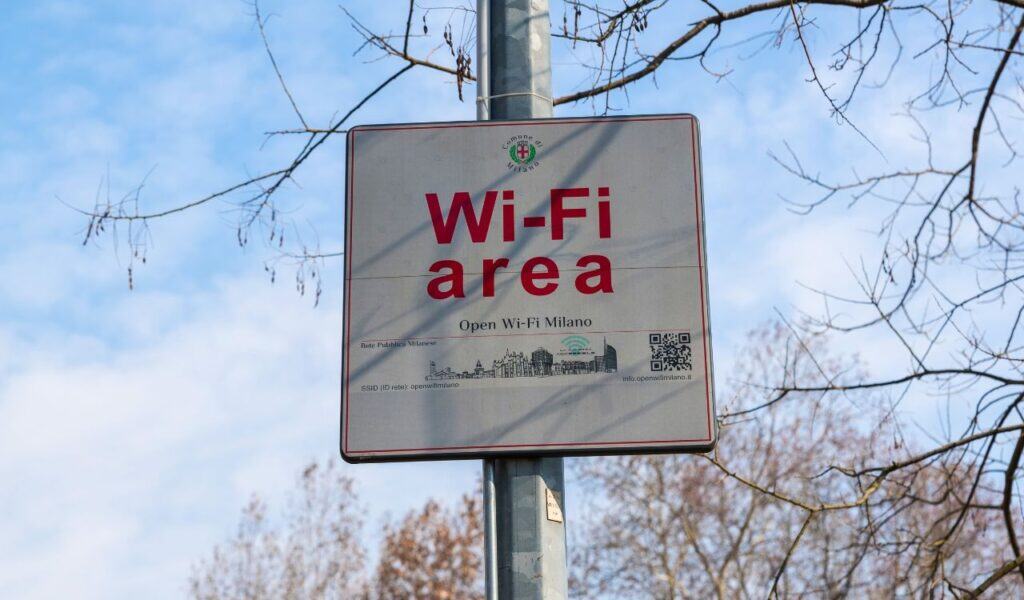
Remote workers vote with their laptops, so destinations invest in fast internet, reliable power, safer sidewalks, better lighting, and stronger waste collection to stay competitive. Those upgrades can benefit everyone, and in some places they finally justify improvements residents have requested for years, like bus shelters, park maintenance, safer crossings near schools and clinics, and more consistent emergency response. The cost shows up elsewhere: budgets stretch, water and energy use rises, and popular districts get prioritized over outlying neighborhoods, creating a two-speed city that sharpens resentment when locals feel last in line for basics.
Local Entrepreneurship Gains New Customers And New Competition
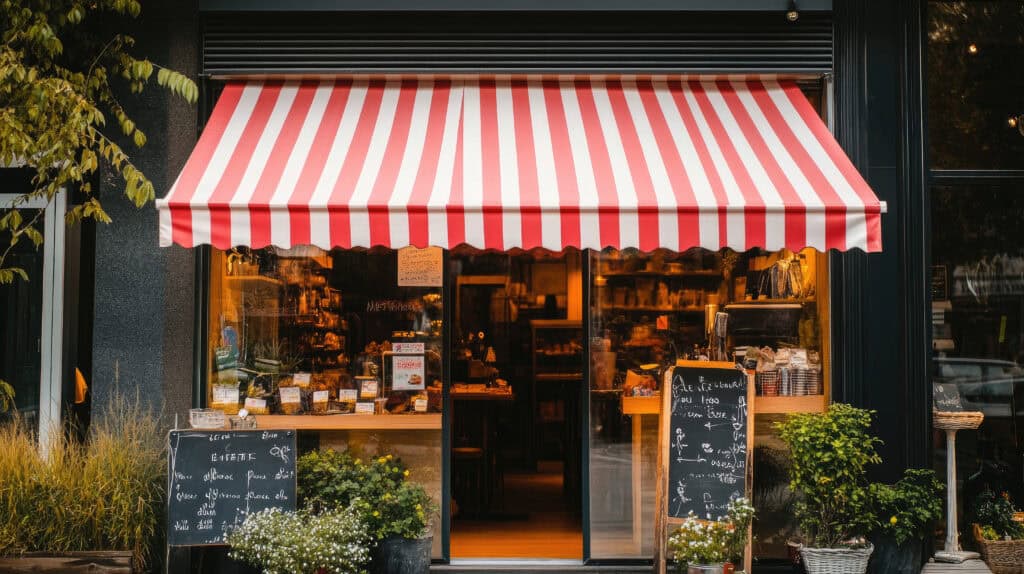
Nomad communities can boost local founders by creating demand for language schools, cooking classes, niche tours, healthy food, and specialized services, plus a network effect that spreads good businesses quickly. At the same time, outsiders sometimes open similar ventures, import pricing expectations, and capture the most profitable segments, especially in wellness, cafés, and property services where branding matters more than permits. The healthiest economies channel nomad spending into local ownership and fair wages, so growth feels shared instead of extracted, and residents do not have to choose between pride and frustration.
Other Blog Posts You Might Enjoy
www.idyllicpursuit.com (Article Sourced Website)
#Ways #Digital #Nomads #Impacting #Local #Economies #Popular #Travel #Destinations #Idyllic #Pursuit