
We may earn money or products from the companies mentioned in this post. This means if you click on the link and purchase the item, I will receive a small commission at no extra cost to you … you’re just helping re-supply our family’s travel fund.
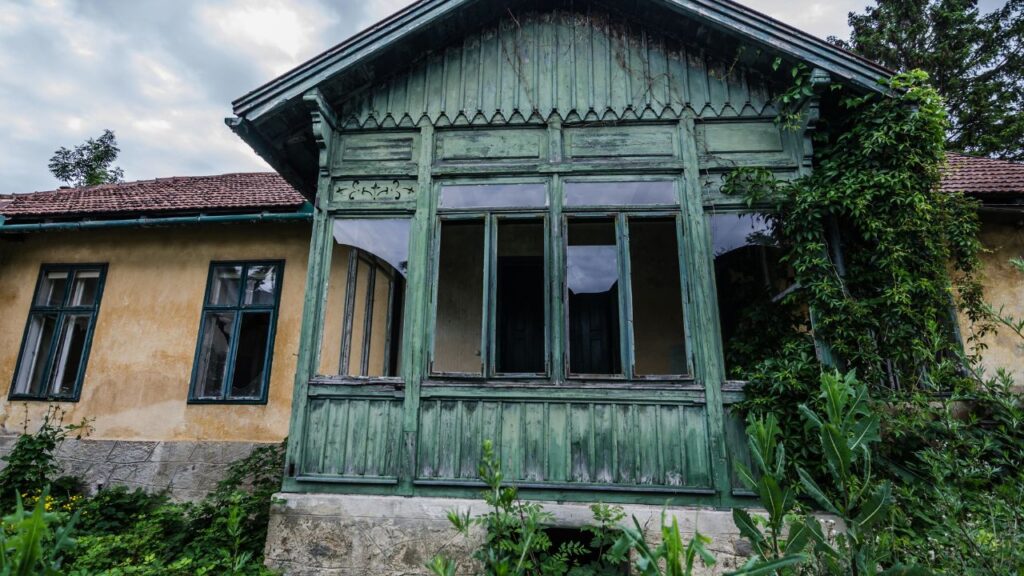
Guesthouses in the 1970s had a charm all their own—warm hospitality, quirky decor, and a whole lot less regulation. But look closer, and you’ll find rules and customs that would raise serious eyebrows today. From lax security to communal everything, the ‘70s guesthouse was a wild west of travel norms. Here are 14 vintage rules that modern travelers would find completely baffling.
Smoking Indoors Was Encouraged
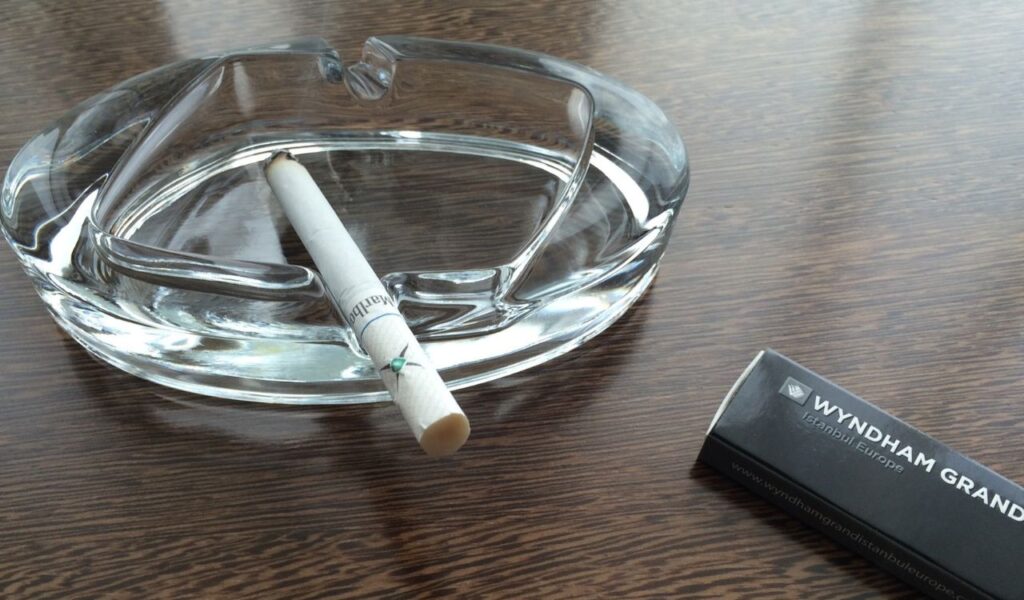
In the ’70s, smoking wasn’t just allowed—it was practically a guesthouse amenity. Ashtrays were set out in every room, smoke drifted through hallways, and no one blinked if you lit up during breakfast. Guests could chain-smoke in bed, in common areas, even in shared bathrooms. Today, this would violate just about every health code and fire safety regulation out there—but back then, it was just part of the atmosphere.
No ID Required at Check-In

Want to book a room? Just walk in, sign a ledger, and pay cash—no ID, no card, no fuss. Guesthouses rarely asked for photo identification, and forget about background checks or reservations. Everything ran on trust and the honor system. That anonymity might sound freeing, but it also meant there were no records if things went sideways—a very different world from today’s strict check-in protocols.
Quiet Hours? Not a Thing
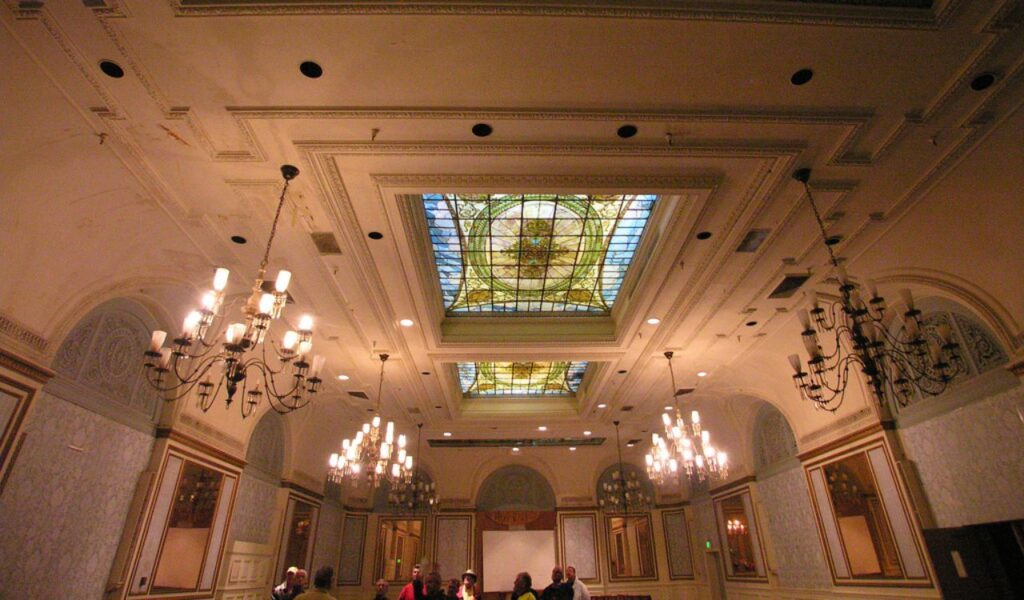
Noise control in 1970s guesthouses was basically nonexistent. Guests watched TV with the volume cranked, played records into the night, and chatted loudly in hallways without concern. Thin walls and creaky floorboards only amplified the chaos. Complaining about noise made you the problem, not the solution. If you needed silence, you brought earplugs—or more likely, just got used to the party.
Kids Could Run Wild
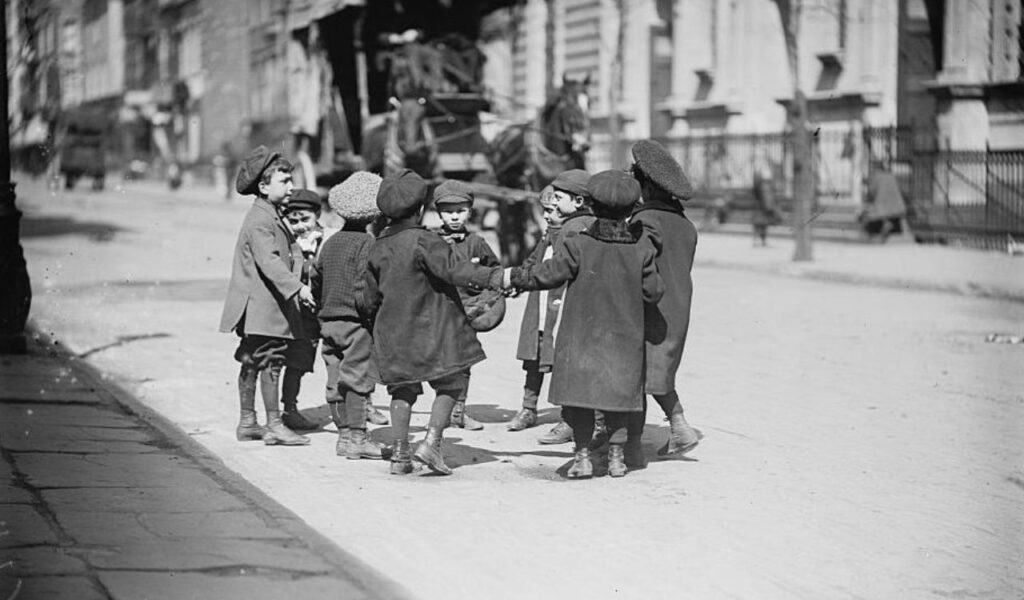
Child supervision in the ‘70s was pretty hands-off. Guesthouses were often like open playgrounds where kids roamed unsupervised from room to room or hung out with strangers in common areas. They played tag in the halls, jumped on furniture, and were rarely shushed. It wasn’t considered neglect—it was just normal. Today, that kind of freedom would give modern parents a panic attack.
Clothing Optional in Some Areas

Depending on the vibe and location, some guesthouses leaned into the era’s anything-goes mentality—especially in saunas, hot tubs, or sunbathing areas. A “clothing optional” policy might be posted or, more often, just implied. Nudity wasn’t scandalous, it was natural. For today’s travelers used to spa robes and posted rules, walking into a 1970s guesthouse courtyard could be a real shock.
Cash Only, No Exceptions
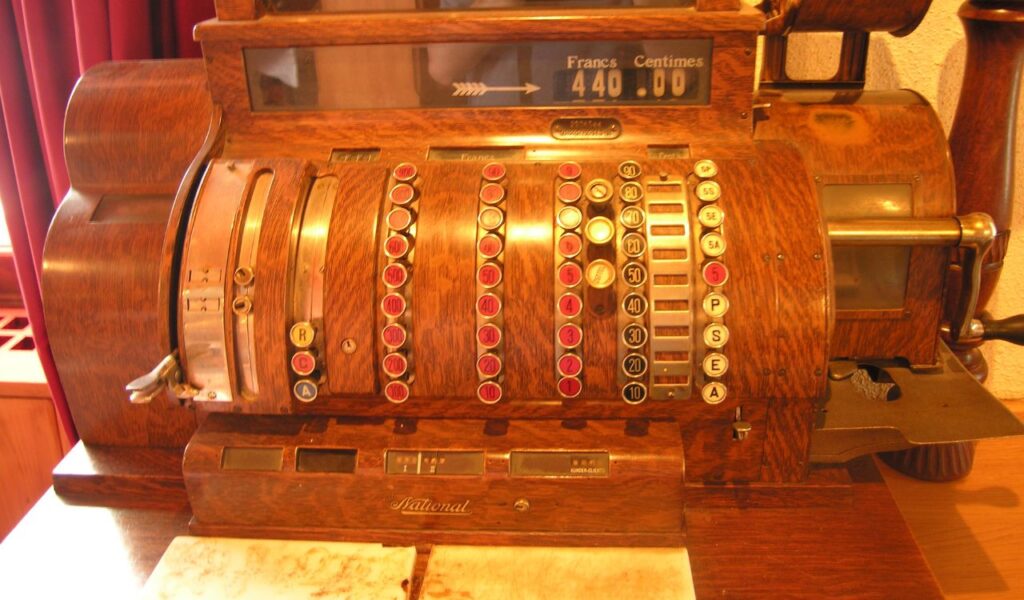
Guesthouses in the ’70s operated on a cash-is-king model. Credit cards were rare, and forget about online booking or paying in advance. Travelers carried physical currency, and often settled bills by tossing bills on the counter at checkout. This also meant no refunds, no receipts, and little recourse if something went wrong. While charmingly simple, it left guests with zero paper trail.
Wild, Clashing Decor Was the Norm
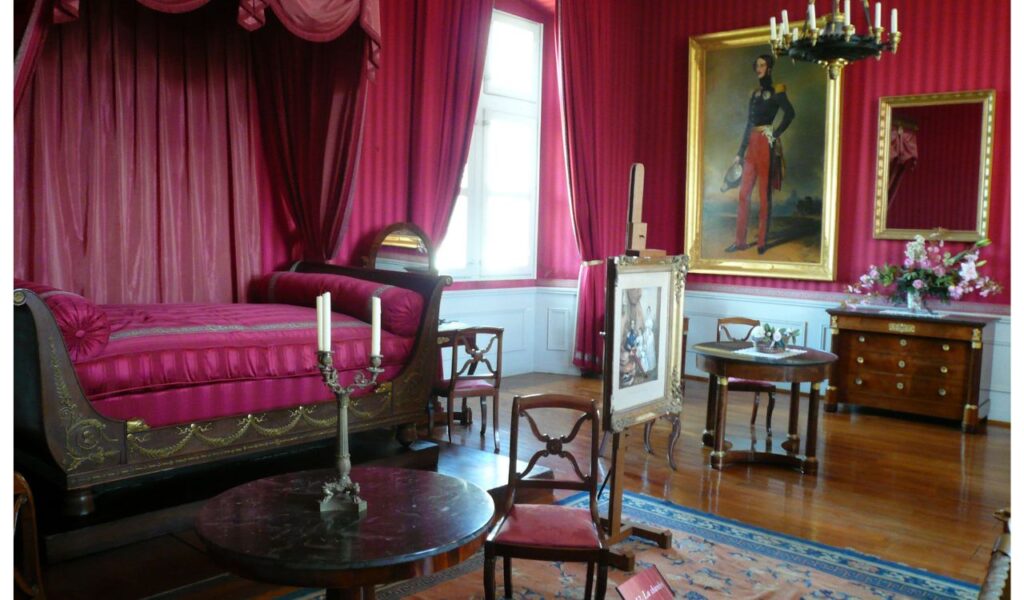
The décor of a ’70s guesthouse was nothing short of psychedelic. Think lava lamps, orange shag carpeting, beaded curtains, and floral wallpaper—all in the same room. Mismatched furniture and DIY charm were seen as cozy, not tacky. To modern travelers used to clean, minimalist Airbnb aesthetics, it’d be like stepping into a groovy time warp you can’t unsee.
No Guarantee of Temperature Control
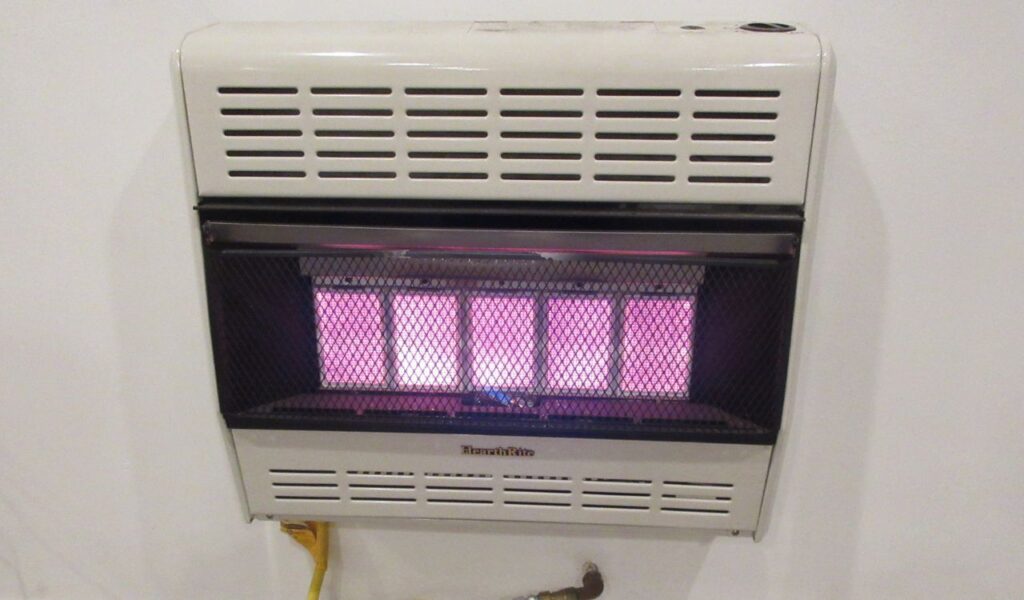
If your room was too hot or freezing cold, that was just part of the experience. Many guesthouses lacked air conditioning or had heaters that barely worked. Blankets and portable fans might be your only defense. Complaining wasn’t really an option—it was expected you’d tough it out. Today’s travelers are used to climate control and thermostats, but back then, comfort came second.
Free Cigarettes and Booze Over Bottled Water

Complimentary offerings weren’t granola bars and water bottles—they were matchbooks, ashtrays, and sometimes even a bottle of sherry. Guesthouses leaned into what their guests actually used, which in the ‘70s meant booze and smokes. It wasn’t uncommon for rooms to have stocked mini-bars with no locks, or a “welcome drink” that was straight whiskey. Times and tastes have changed.
You Cleaned Up After Yourself
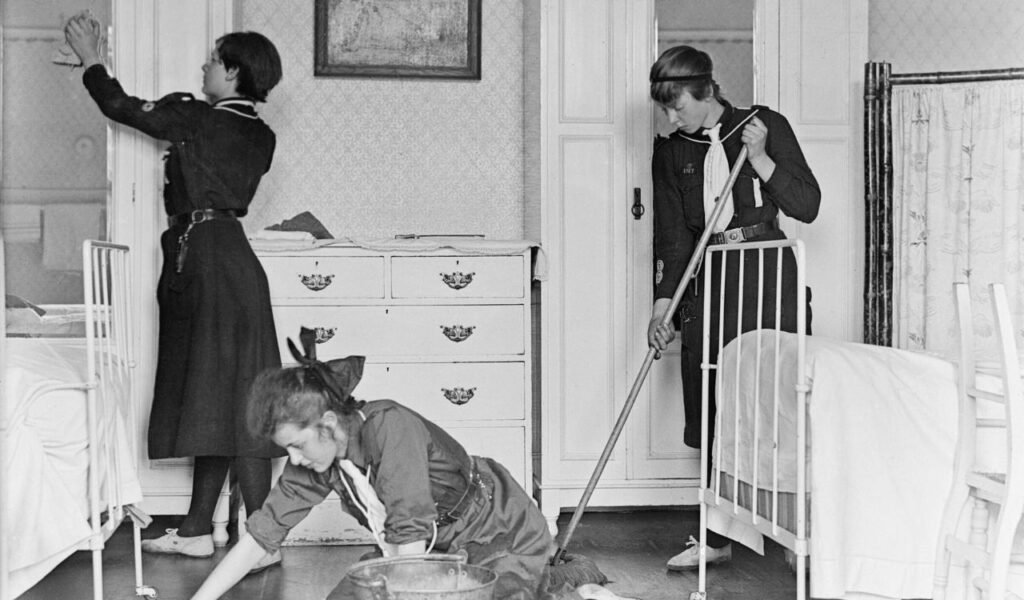
Housekeeping was minimal, and guests were often expected to reuse towels for days. Linens might be changed weekly, not daily, and extra toilet paper wasn’t guaranteed. Some places even posted signs asking guests to make their own beds. This frugality was pitched as eco-friendly before that was a trend, but mostly, it was just a lack of staff. No turndown service here.
Live-In Pets and Furry Roommates
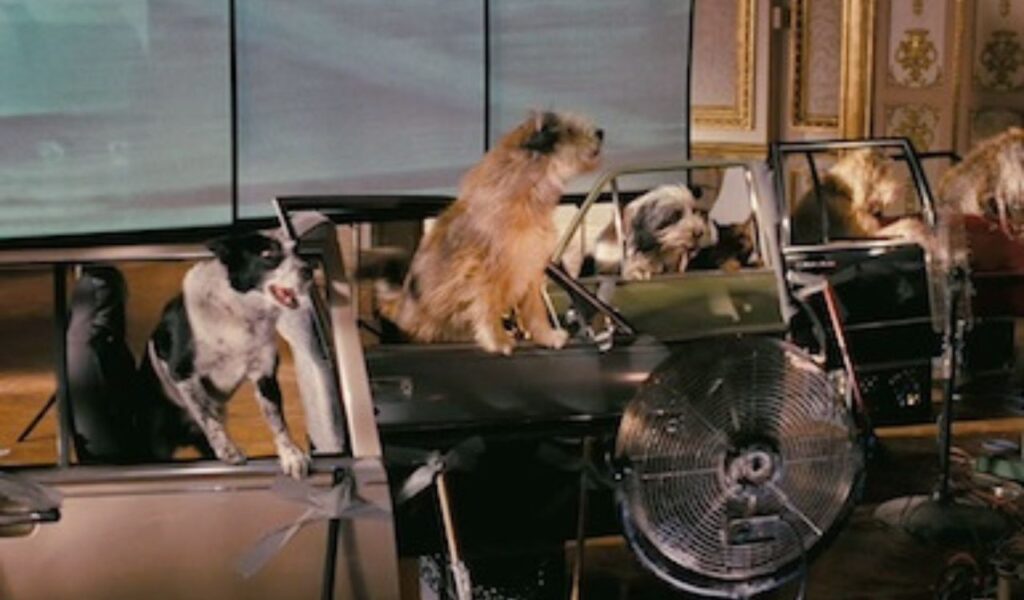
Many guesthouses had a resident dog, cat, or even bird—often lounging in the lobby or curled up on a couch. Sometimes they belonged to the owner; sometimes they just showed up and stayed. Pet policies were unspoken and very relaxed. Allergies? Not their problem. Modern travelers expecting spotless, pet-free lodging would be stunned by the casual presence of animal guests.
Shared Bathrooms Were Standard
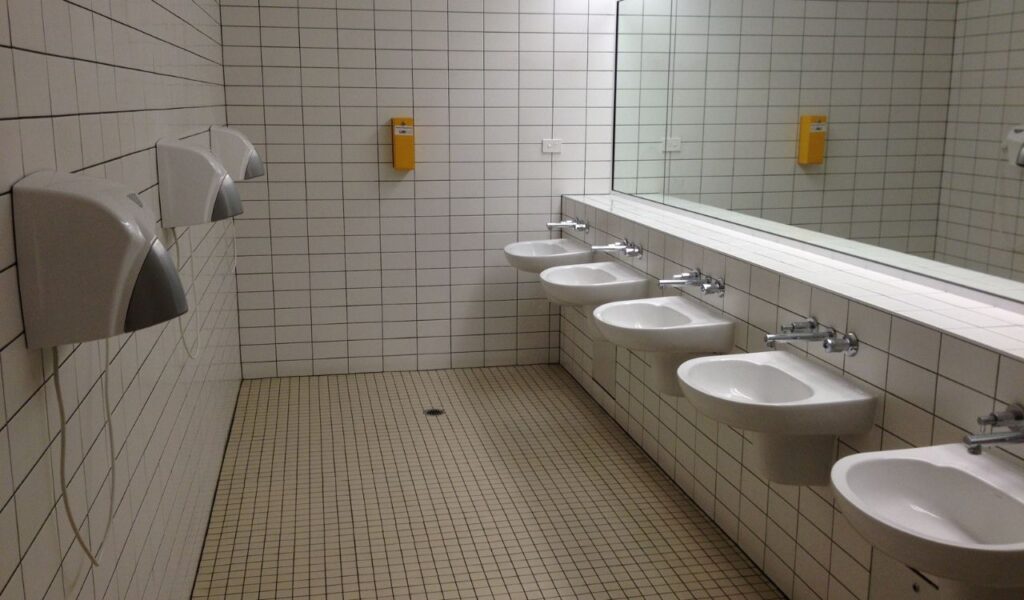
Booking a room with a private bathroom was considered a luxury in the ’70s. Most guesthouses offered shared hallway bathrooms, complete with creaky locks, old tubs, and thin soap. You might have to wait your turn, share hot water, or get to know strangers a little too well. For travelers today who expect en-suites and privacy, this throwback setup would be a major culture shock.
The Party Didn’t Stop
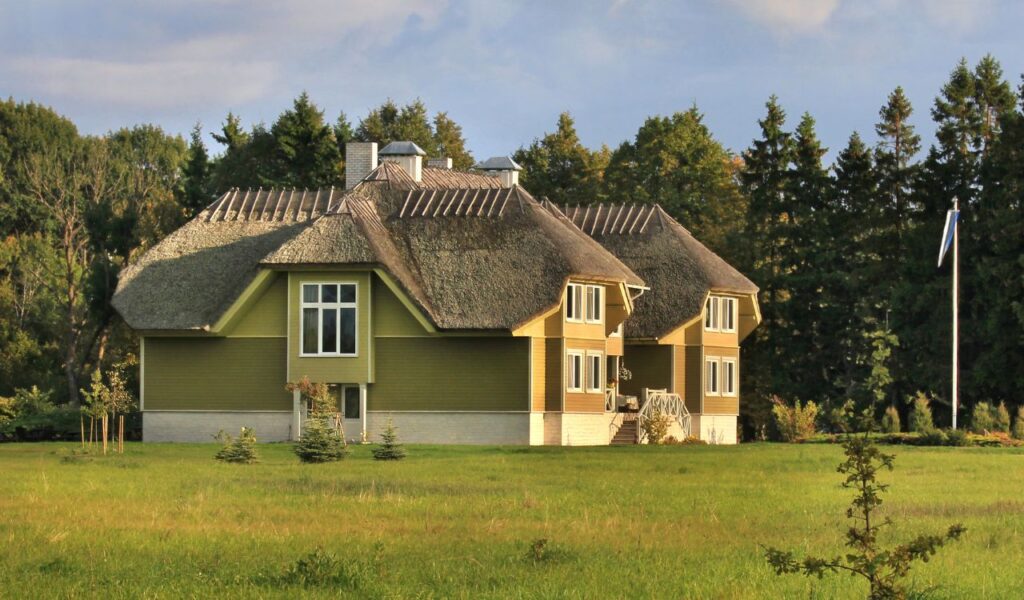
In many guesthouses, especially near beaches or college towns, socializing late into the night was expected. Lounges stayed open, music played, and guests mingled freely—sometimes with the owner leading the charge. There were no enforced curfews or noise ordinances. The place might quiet down around 3 a.m.—if at all. For modern travelers seeking rest and quiet, this would be an endurance test.
Privacy Was a Suggestion, Not a Guarantee
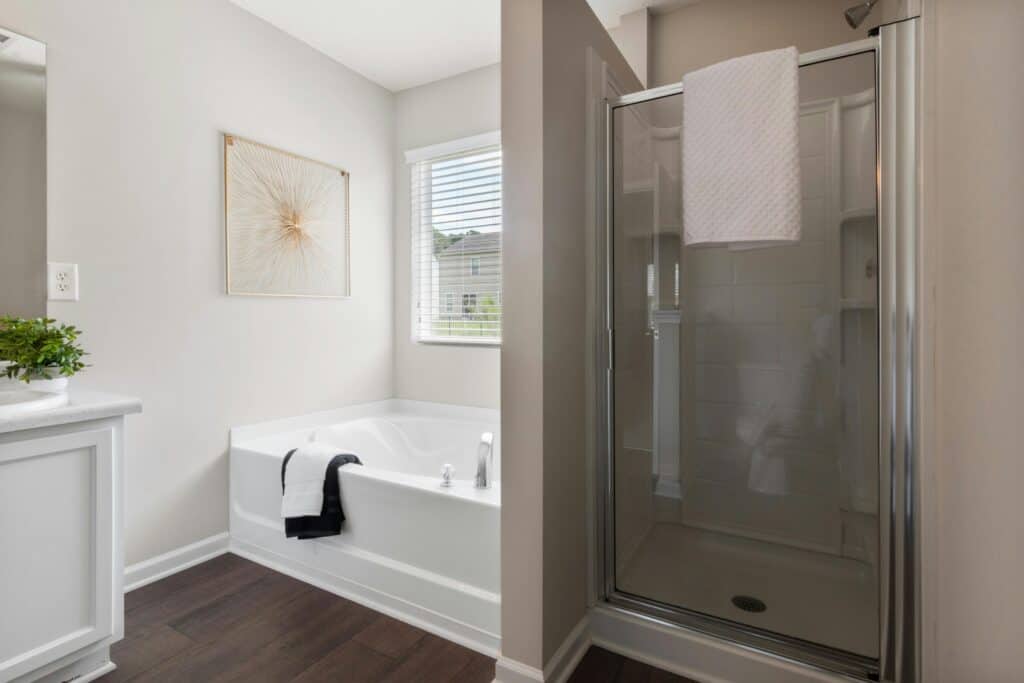
Room doors rarely had secure locks, and keys were sometimes interchangeable from one room to the next. Owners and staff occasionally entered without knocking to drop off towels or check on heaters, and guests wandered freely through halls and lounges without much separation between personal and communal space. Modern travelers used to deadbolts, digital key cards, and Do Not Disturb signs would find the casual approach to privacy hard to believe.
Other Blog Posts You Might Enjoy
www.idyllicpursuit.com (Article Sourced Website)
#Vintage #Guesthouse #Rules #70s #Shock #Modern #Travelers #Idyllic #Pursuit