
We may earn money or products from the companies mentioned in this post. This means if you click on the link and purchase the item, I will receive a small commission at no extra cost to you … you’re just helping re-supply our family’s travel fund.
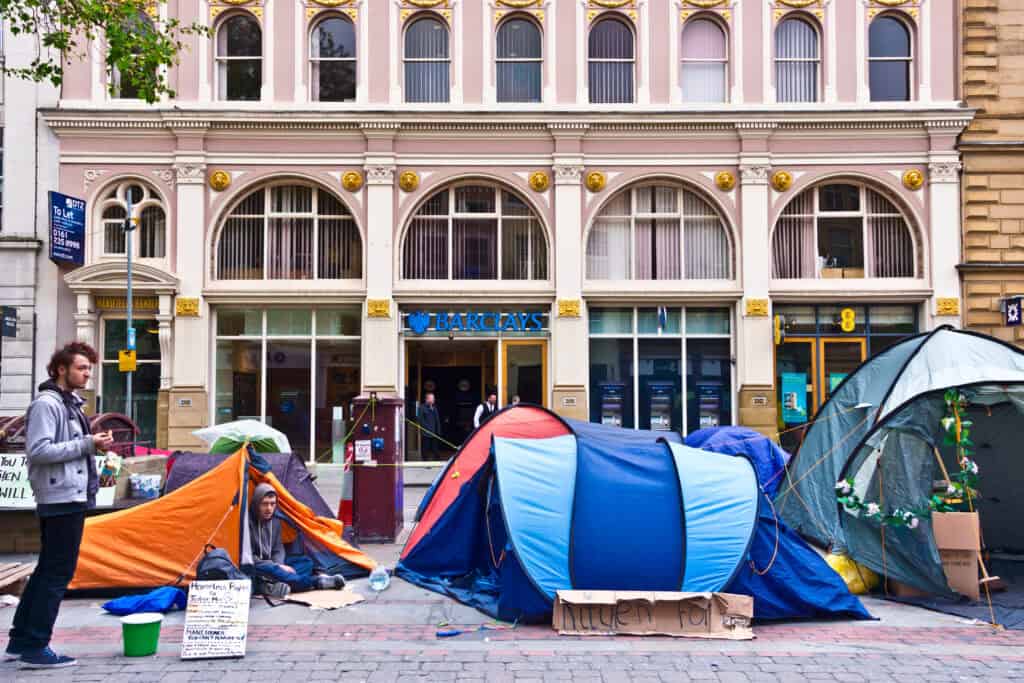
Homelessness in the United States is often framed as a big city story, yet some of the sharpest contrasts now show up in postcard towns. Mountain gateways, wine country streets, and pastel beach blocks host visitors in one lane and unhoused neighbors in the next. Tourism money flows through hotels and tasting rooms, while some locals sleep in vans, tents, and aging motels. These places remain beautiful, but their sidewalks carry a quieter reality that many travelers never quite expect.
Santa Cruz, California
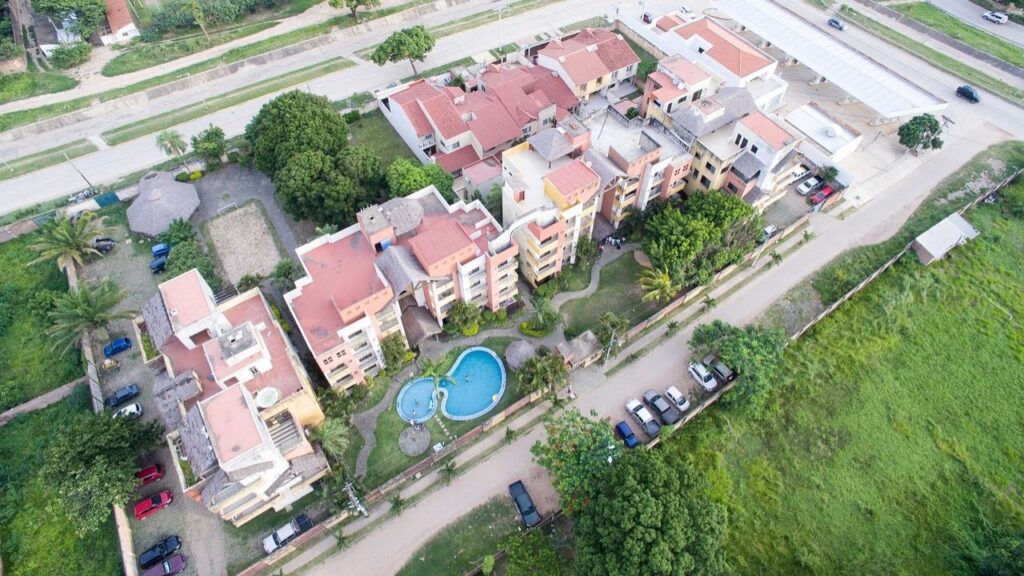
Santa Cruz markets sun, surf, and a classic boardwalk, so many visitors arrive expecting nothing more complicated than beach days and ice cream. Walk a few blocks inland and the picture changes, with tents near the river, vans stacked along side streets, and outreach teams doing quiet triage on familiar doorsteps. High rents, student demand, and limited year round jobs all squeeze local workers, while service agencies juggle winter shelters, safe parking lots, sobering centers, overflow motel vouchers, and residents who now sleep within sight of the rides and neon.
Santa Barbara, California
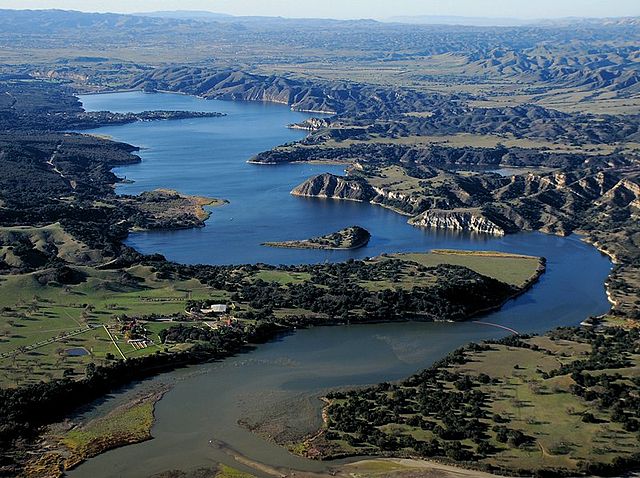
Santa Barbara sells a coastal dream of sunsets, wine rooms, and palm lined promenades, so discomfort rarely makes it into the brochures. Along creeks, freeway edges, and tucked corners near downtown, people sleep in tents, cars, and makeshift camps that move whenever enforcement sweeps through. Local groups experiment with safe parking, cabin villages, and motel conversions, but housing prices still float far above service wages, leaving many residents balancing shifts at hotels or cafes with nights spent one step from the street.
Monterey, California
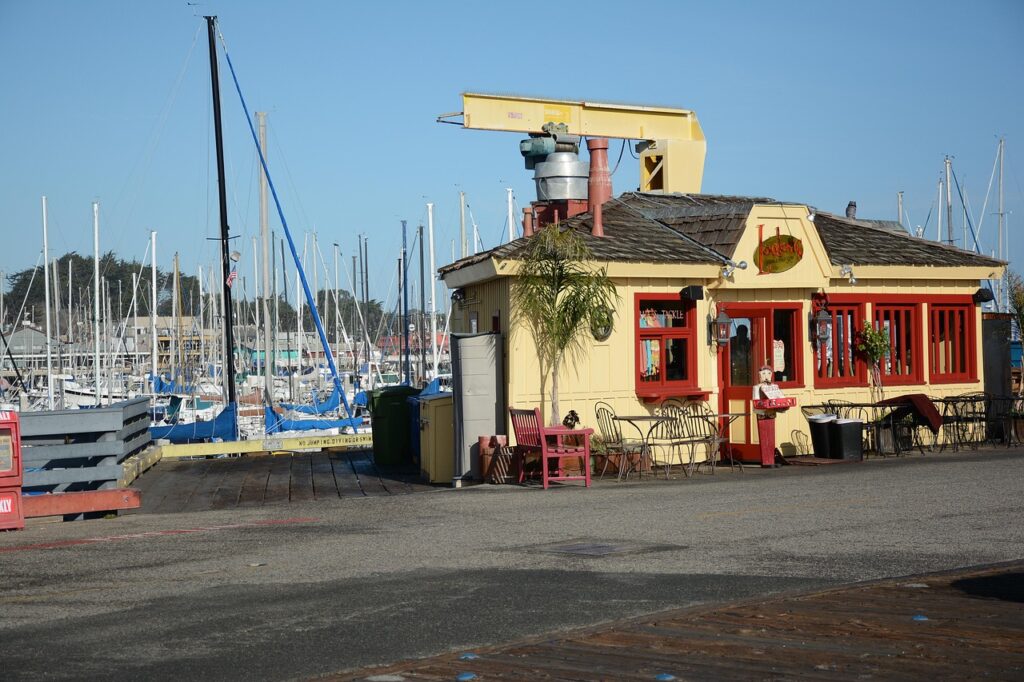
Monterey promises aquariums, sea otters, and coastal trails, yet the same paths also serve as corridors for people living outside. Parking lots near the water become overnight shelter for vans and RVs, while sections of shoreline and bike trails show signs of long term camping. Local debates circle around encampment cleanups, safe parking programs, and where people can go when tourist season fills every cheap room. The view stays beautiful, but the edges of it tell a story of households pushed out of a limited, expensive rental market.
Bend, Oregon
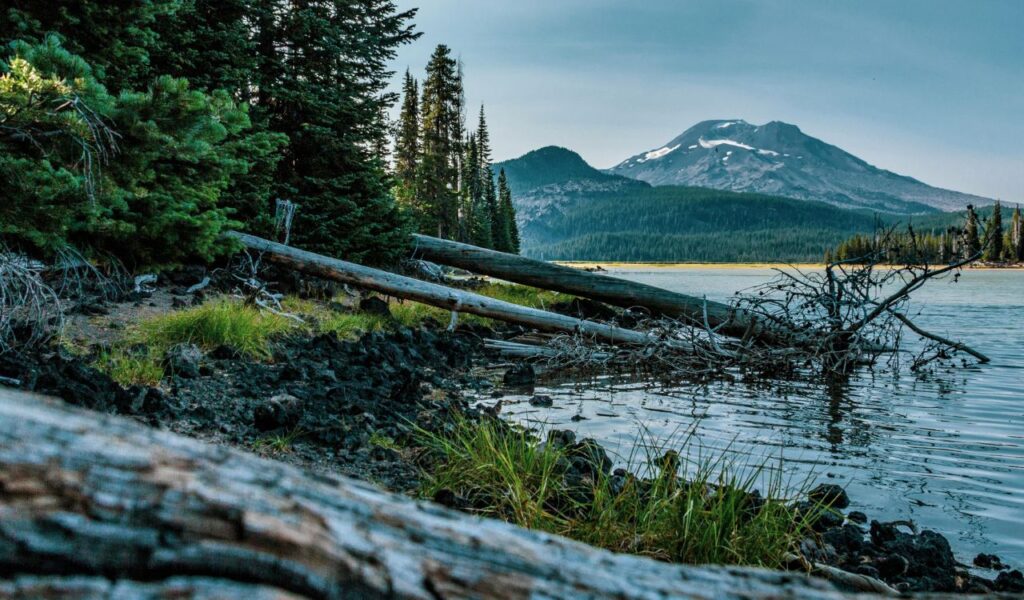
Bend sells itself as a base camp for ski days, river floats, and brewery patios, yet many service workers and longtime residents now sleep in cars, campgrounds, or scattered forest sites. A hot housing market and steady stream of remote arrivals have pushed rents beyond what seasonal or hourly wages can handle. Tents and RVs appear along highway edges and industrial streets, while the city experiments with shelter villages and sanctioned camps. The same trailheads that draw visitors now sit a short drive from makeshift communities trying simply to hang on.
Asheville, North Carolina
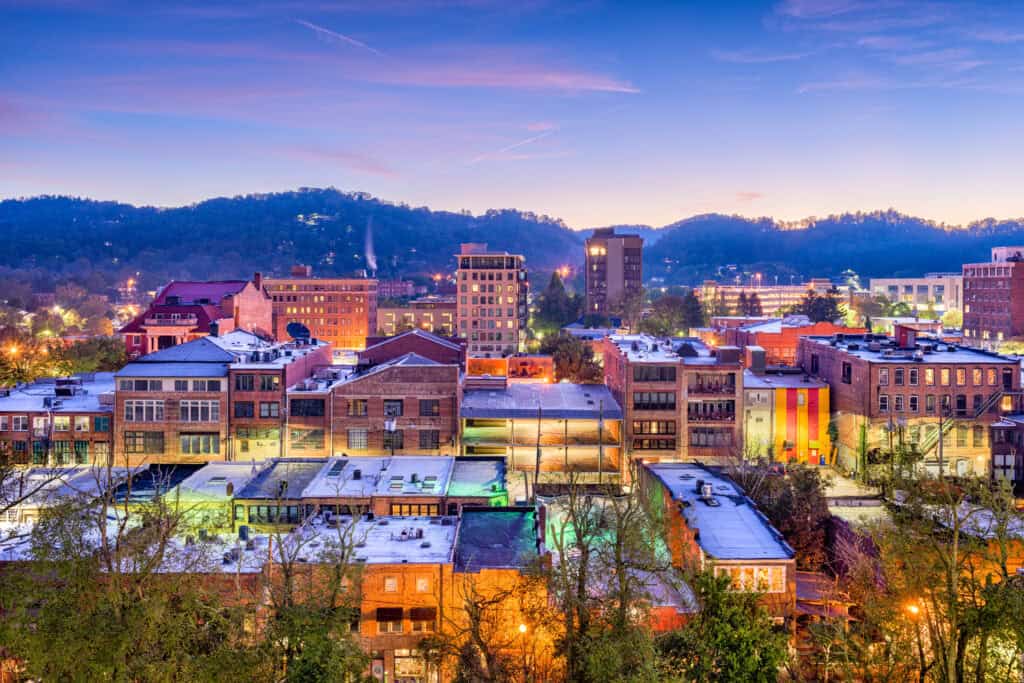
Asheville’s public image leans on craft beer, music, and mountain views, but downtown sidewalks and riverfront parks tell a more complicated story. People sleep in doorways near music venues, and tents cluster under highway ramps that frame the city’s arts districts. Rising rents, limited mental health support, and disaster displacement have all played a part, leaving outreach teams trying to cover a wide area with modest resources. Visitors remember murals and breweries; residents also remember nights when flooding or cold pushed neighbors into visible crisis.
Boulder, Colorado
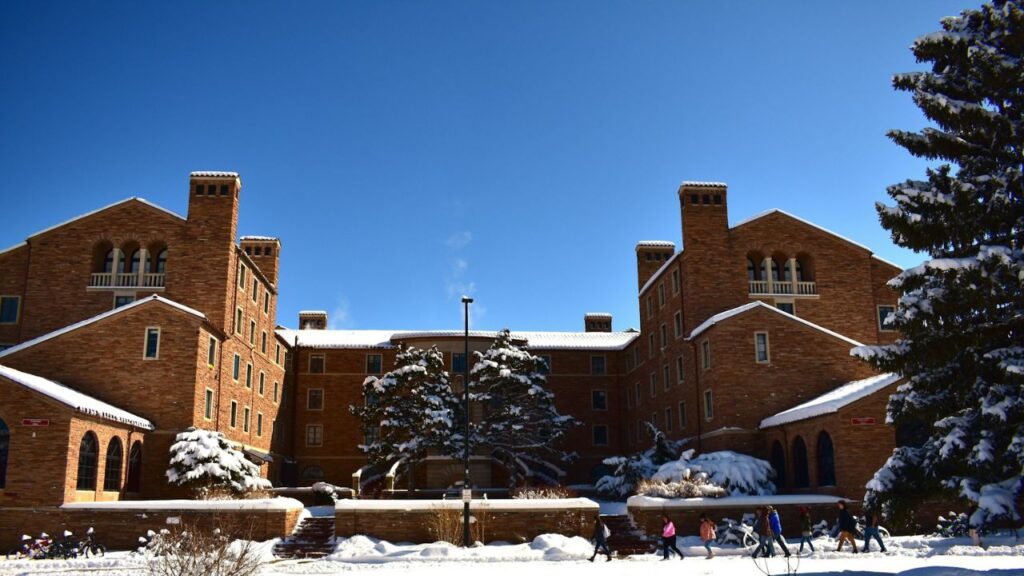
Boulder markets trailheads, tech jobs, and a lively pedestrian mall, yet its creek paths and underpasses show how many people now live outside. Camping bans and encampment cleanups shift tents from one stretch of town to another, even as shelters and day services try to build trust. High housing costs and limited deeply affordable units mean that some residents cycle between couches, cars, and riverbanks. Hikers and shoppers often share the same blocks as outreach teams offering coffee, blankets, and small steps toward something more stable.
Fort Collins, Colorado
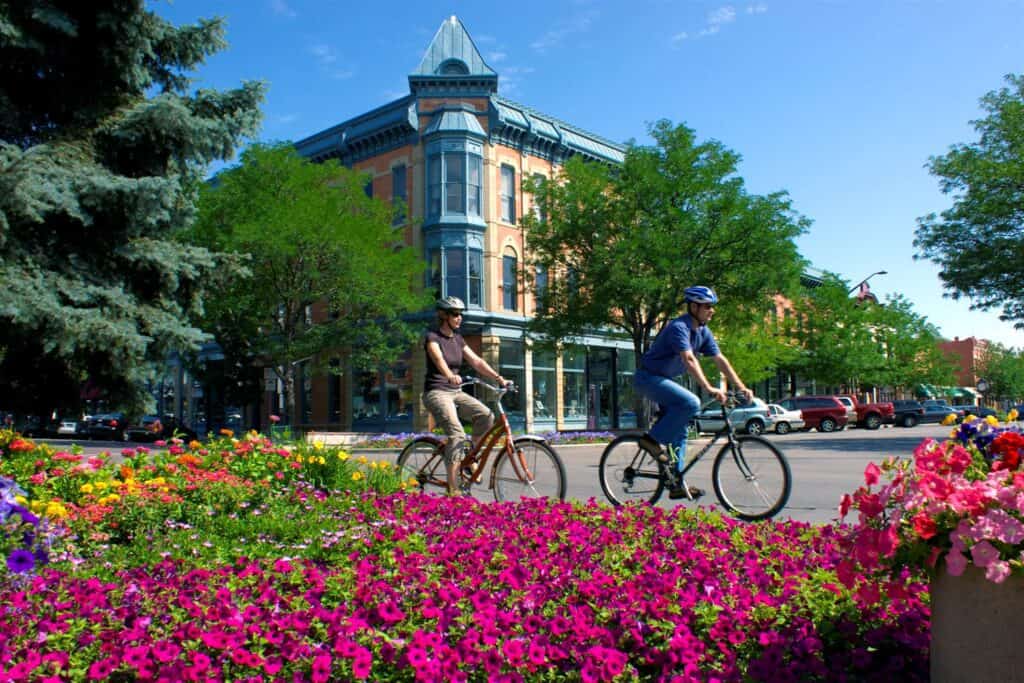
Fort Collins presents Old Town as a storybook square of lights, patios, and live music, yet the surrounding blocks reveal a quieter crisis. Some residents spend nights in shelters or on mats in church basements, while others rotate between cars, storage units, and tents along the river. Chronic homelessness and addiction strain local services, even as the city invests in outreach teams and supportive housing. The same plaza that hosts festivals by day can, after closing time, become a place where people simply try to stay warm and unnoticed.
Bozeman, Montana
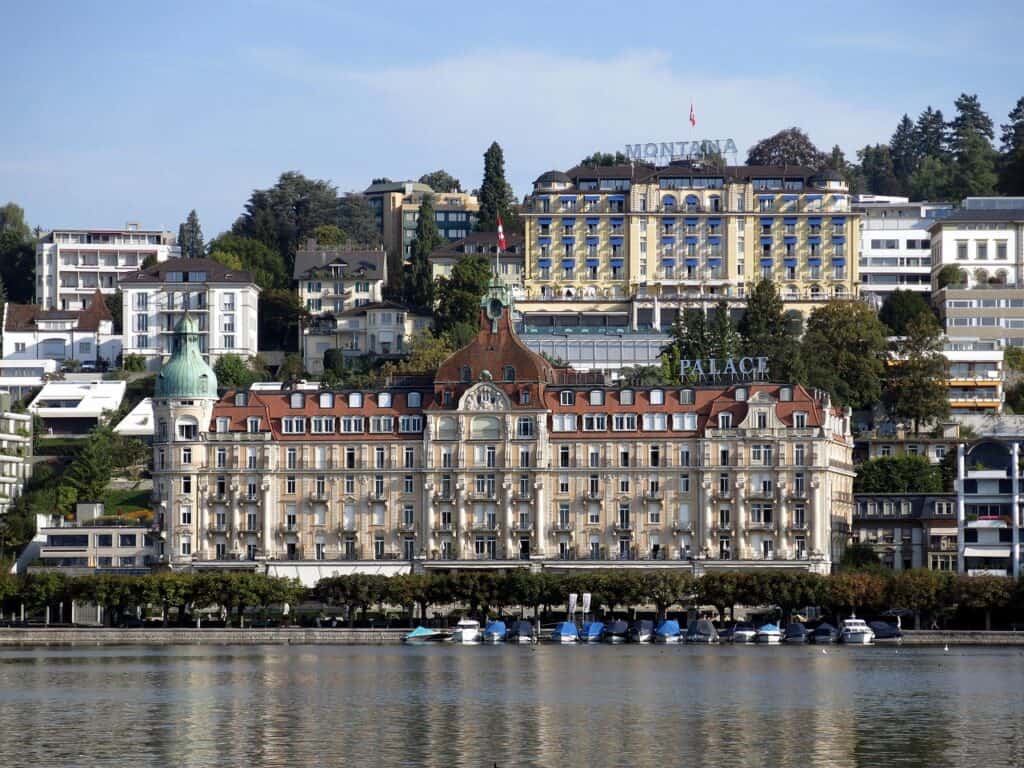
Bozeman’s marketing leans on fly rods, ski passes, and co working spaces, a polished gateway image for Yellowstone and nearby resorts. Behind that, longtime residents talk about rent jumps, disappearing workforce housing, and friends forced to leave town after a single setback. Some people sleep in cars at trailhead pullouts or cluster in encampments that draw sudden attention when complaints spike. Nonprofits and faith groups try to keep a safety net stitched together, even as development keeps pulling the region’s prices farther from what local wages can carry.
Missoula, Montana
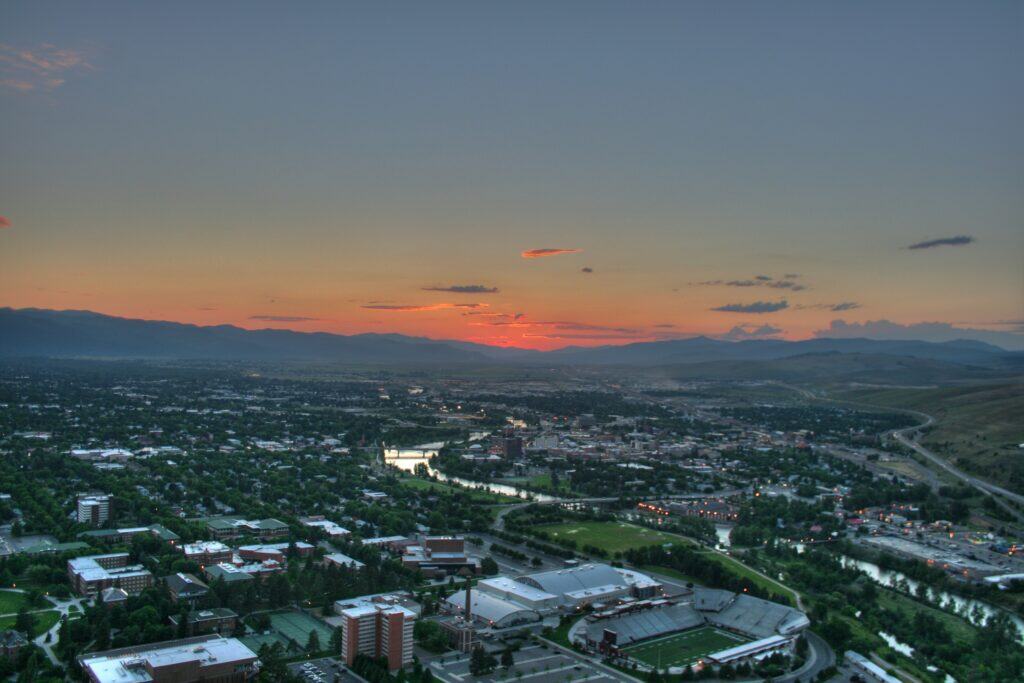
Missoula feels relaxed at first glance, with river surfers, college energy, and busy patios, but the Clark Fork’s banks and nearby parks often double as makeshift neighborhoods. Outdoor sleeping bans and encampment rules shift where people can stay, not whether they need somewhere. Shelters and sanctioned camps offer partial relief, yet waitlists and strict rules can leave many outside. The same trails that carry joggers and cyclists also carry outreach workers hauling backpacks of snacks, wound care supplies, and forms that might open a door indoors.
Kalispell, Montana
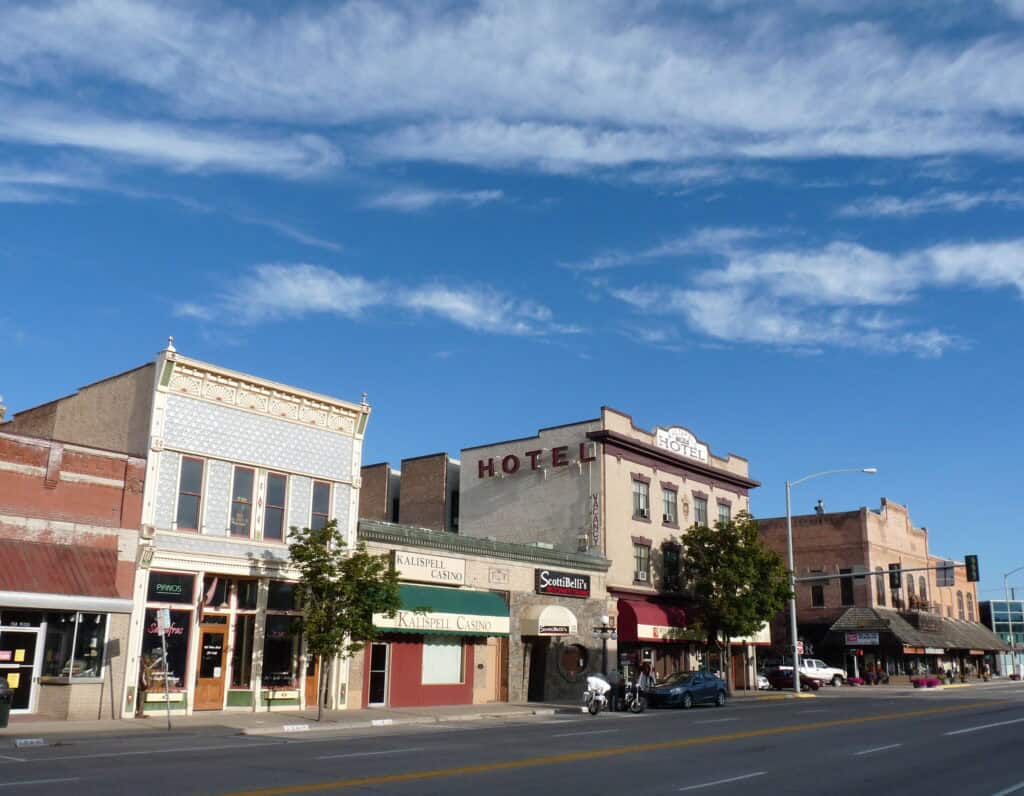
Kalispell sits on the route to Glacier National Park, so visitors often remember lake views and antique shops more than anything else. Locals, though, can point to people sleeping in doorways, vacant lots, and church parking areas as rents rise and older motels fill with long term tenants. Debates over camping bans, bench removals, and shelter funding reveal a town still deciding how to respond. The tension between welcoming tourists and pushing unhoused neighbors out of sight has become a steady undercurrent in local conversations.
Key West, Florida
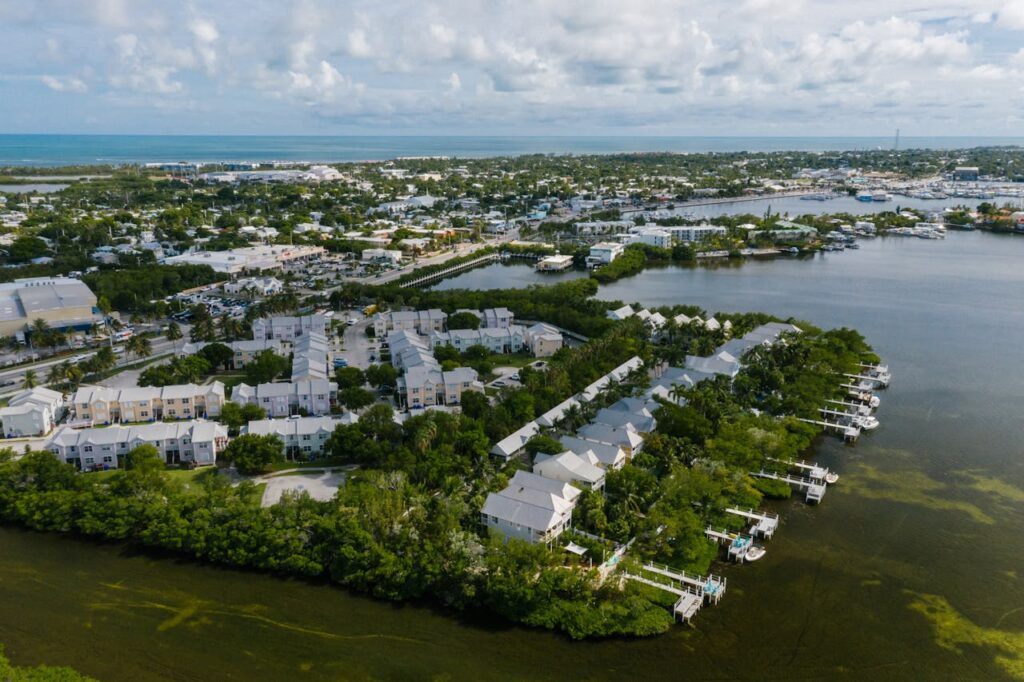
Key West sells sunset celebrations, pastel guesthouses, and roosters in the streets, yet housing on a narrow island has always been precarious. Some workers live on boats, in crowded rooms, or in informal camps tucked between tourist blocks and industrial corners. Efforts to enforce camping rules collide with the reality that many low wage jobs support the same tourism economy that fills hotels. Outreach teams and small shelters try to bridge the gap, but geography, storms, and limited land keep the pressure on people with the least cushion.
Santa Fe, New Mexico
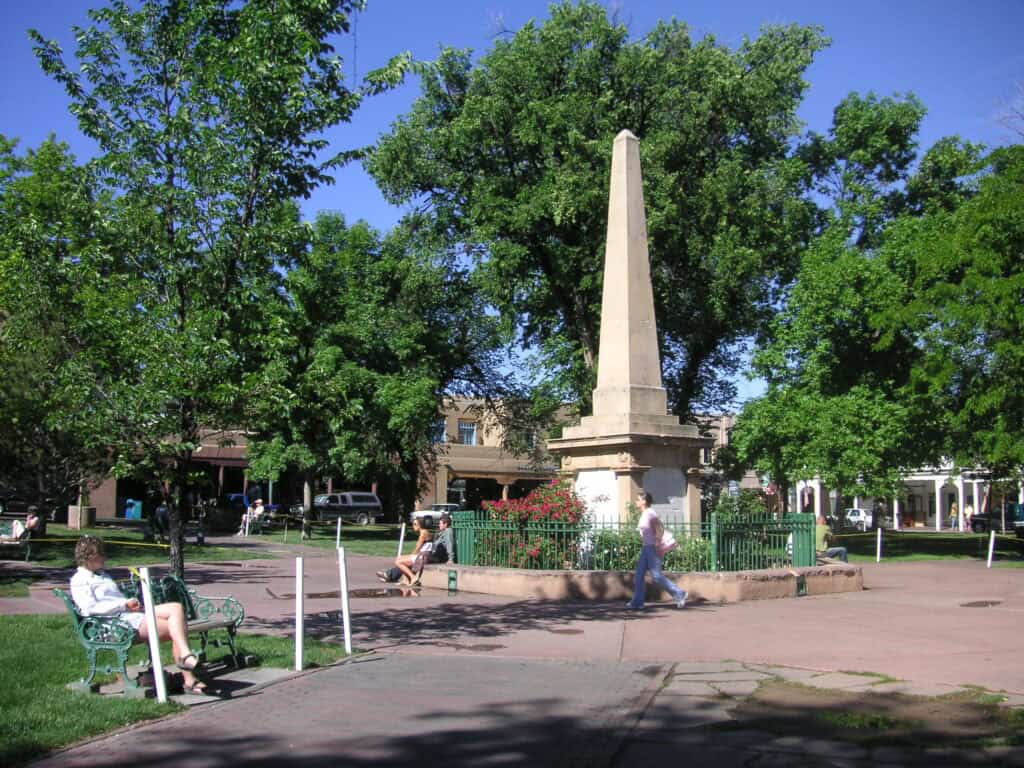
Santa Fe’s galleries, adobe walls, and glowing plaza make it feel curated, yet behind the art market sits a harder edge. Service workers and elders on fixed incomes face rents that track with luxury demand, not local paychecks. Some sleep in cars near big box stores or move between couch offers until those dry up. The city has turned old hotels into supportive housing and raised targeted taxes to fund affordable units, but change moves slowly. Visitors browse jewelry; caseworkers track lists of people hoping simply to keep a mailing address.
Flagstaff, Arizona
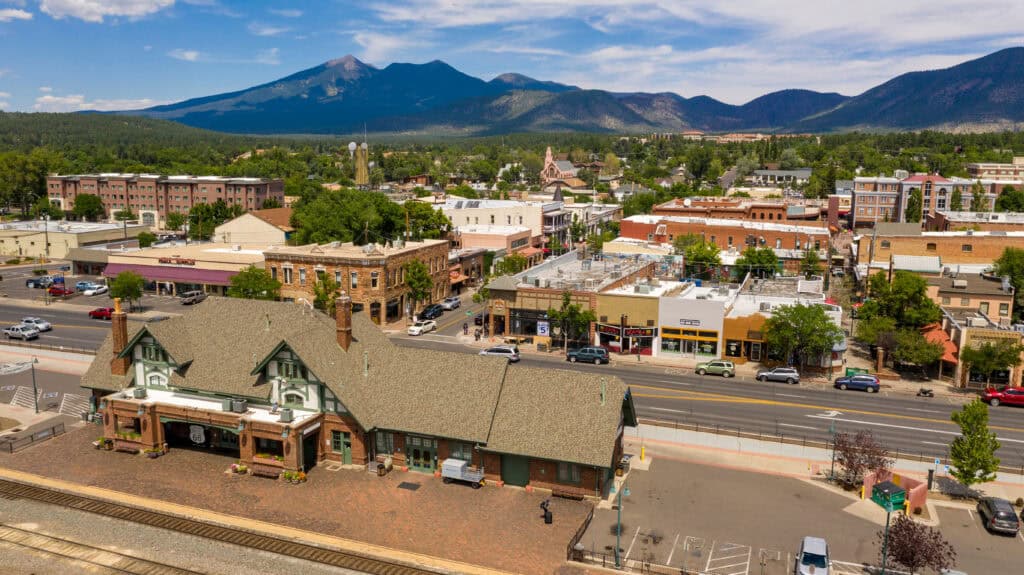
Flagstaff advertises pine shade, historic Route 66 blocks, and quick access to Grand Canyon overlooks. At the same time, school liaisons and shelters report families living in motels, cars, and doubled up apartments that unravel after one lost shift. Youth and young adults can slip into couch surfing that does not show up on official counts. Local groups have added beds and transitional housing, yet demand still outpaces capacity. The same streets that host parades and festivals also serve as survival routes for people carrying everything they own in a backpack.
Grants Pass, Oregon
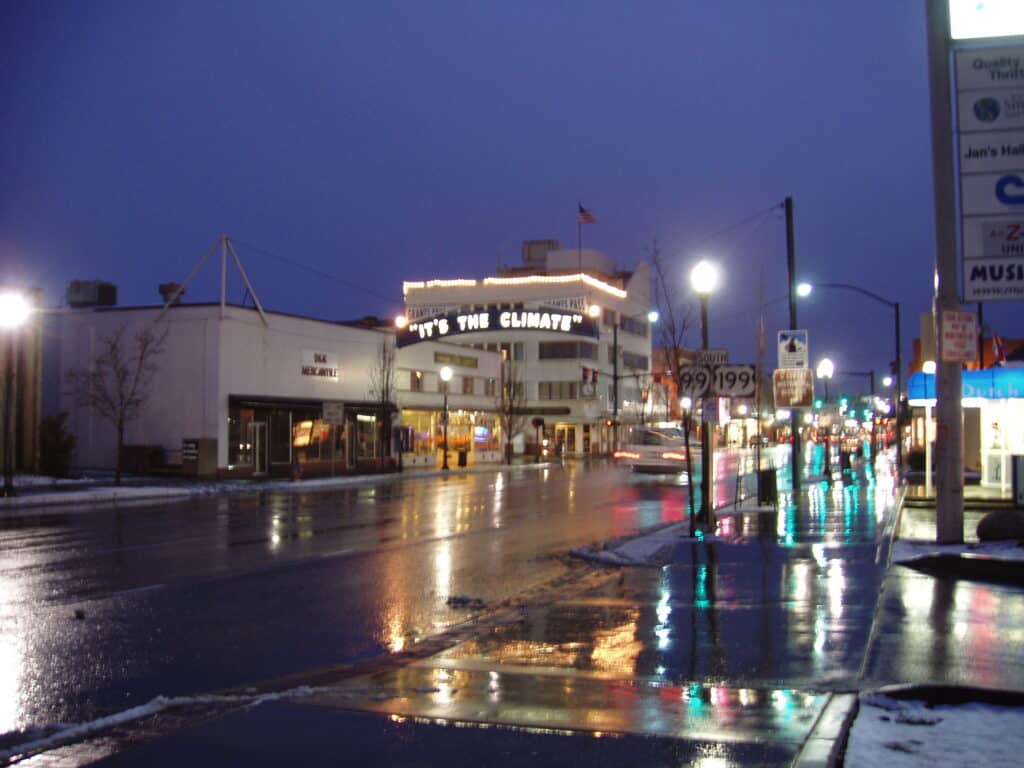
Grants Pass leans on rafting brochures and downtown festivals tied to the Rogue River, which looks calm and effortless in photos. Along its banks and nearby lots, tents and makeshift shelters tell a different story about people priced out of stable rentals or pushed out of nearby towns by stricter ordinances. Legal fights over camping bans and park use leave residents, business owners, and unhoused neighbors in a constant state of uncertainty. The jet boats keep running, while service providers argue that safe, legal places to sleep remain the real missing piece.
Other Blog Posts You Might Enjoy
www.idyllicpursuit.com (Article Sourced Website)
#U.S #Towns #Surprising #Homeless #Problem #Tourists #Dont #Expect #Idyllic #Pursuit