
We may earn money or products from the companies mentioned in this post. This means if you click on the link and purchase the item, I will receive a small commission at no extra cost to you … you’re just helping re-supply our family’s travel fund.
Budget travel depends on choosing destinations where everyday costs remain manageable. Some cities, however, are expensive not because of luxury choices but because even basic needs carry premium price tags. In these places, accommodation, meals, transport, and simple sightseeing can quickly overwhelm modest budgets. While every city listed below offers world-class culture and unforgettable experiences, the financial reality makes them difficult to enjoy without significant spending power. For travelers trying to stretch their money, these destinations often demand more than they give back.
1. Singapore
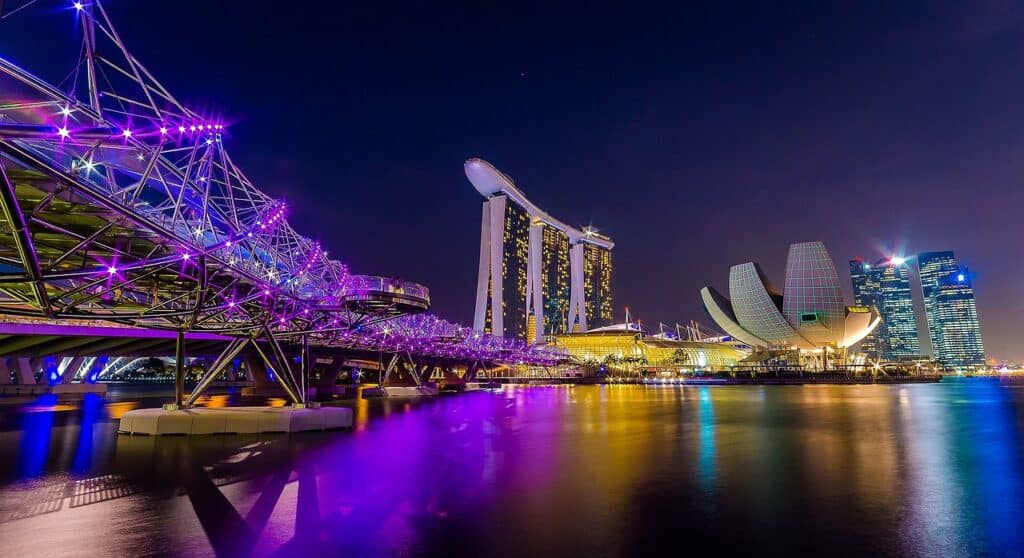
Singapore is clean, efficient, and visually stunning, but its prices hit budget travelers fast. Budget hotels usually start between $95–130 per night, while centrally located options exceed $200. Hawker meals cost $5–8, but restaurant dishes rise sharply to $25–40. Public transport averages $7–10 daily, and attraction entry fees like Marina Bay SkyPark hover around $20–25. Alcohol is heavily taxed, with beer often costing $10–14. Even cautious travelers regularly spend $145–160 per day, making long stays financially exhausting.
2. Zurich
Zurich combines postcard scenery with relentless everyday costs. Hostel beds often range from $65–80, while budget hotels typically exceed $150 per night. A casual lunch costs $25–30, and restaurant dinners frequently reach $45–55. Groceries are expensive, often 35% higher than EU averages. Public transport passes cost around $10–12 daily, and coffee averages $6–7. Even free lakeside views don’t offset routine spending, with daily travel costs commonly exceeding $160, even without luxury activities.
3. Geneva
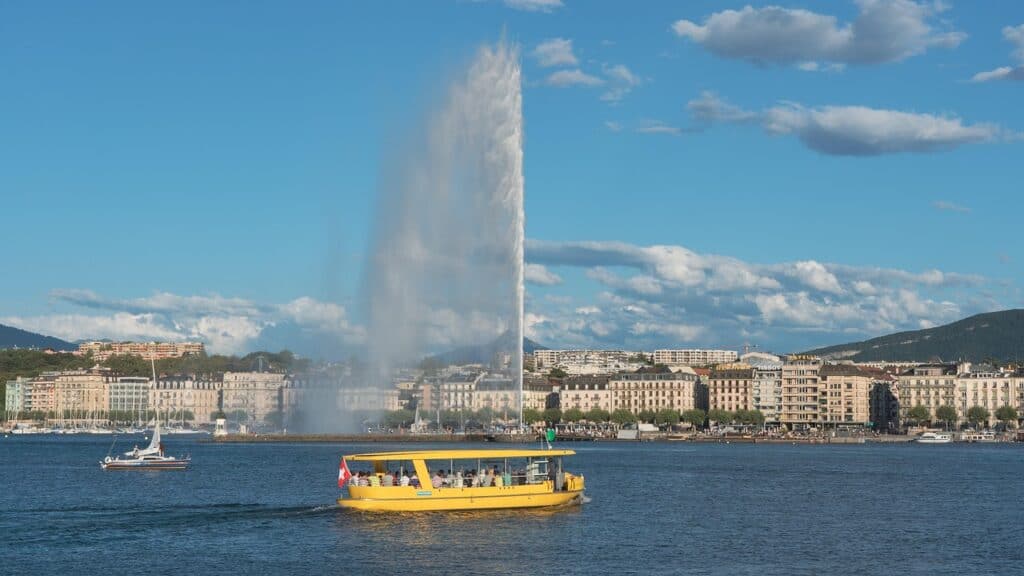
Geneva’s refined atmosphere comes with steep financial expectations. Budget accommodations usually begin around $145–170 per night, with limited hostel availability. Simple meals average $30–35, while restaurant dining regularly exceeds $50. Public transport costs roughly $9 per day, and everyday groceries are among Europe’s most expensive. While some museums are free, basic living expenses remain high. Travelers who avoid splurging still spend about $155–170 daily, making Geneva especially difficult for those trying to control costs.
4. New York City
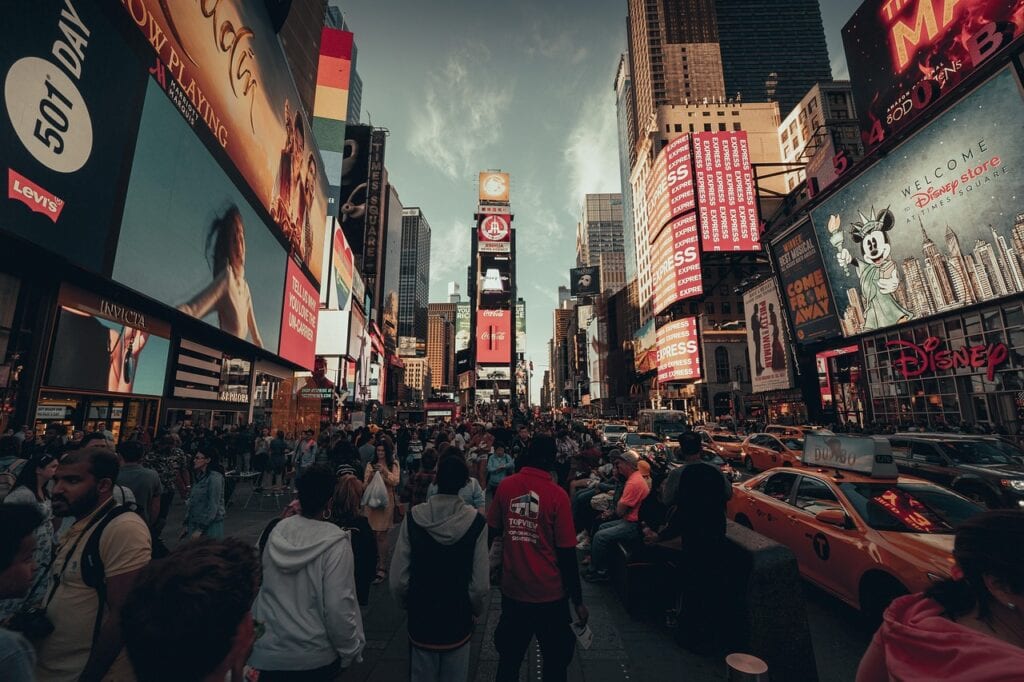
New York City’s energy is unmatched, but affordability is rare. Hostel beds range from $60–90, while budget hotels often exceed $180 per night. Casual meals cost $20–25, and restaurant dining climbs to $35–45. Subway fares are $2.90 per ride, adding up quickly. Major attractions like observatories charge $30–45. With taxes and tipping culture, even restrained travel styles lead to daily expenses of $155–170, making NYC challenging for budget-focused trips.
5. London
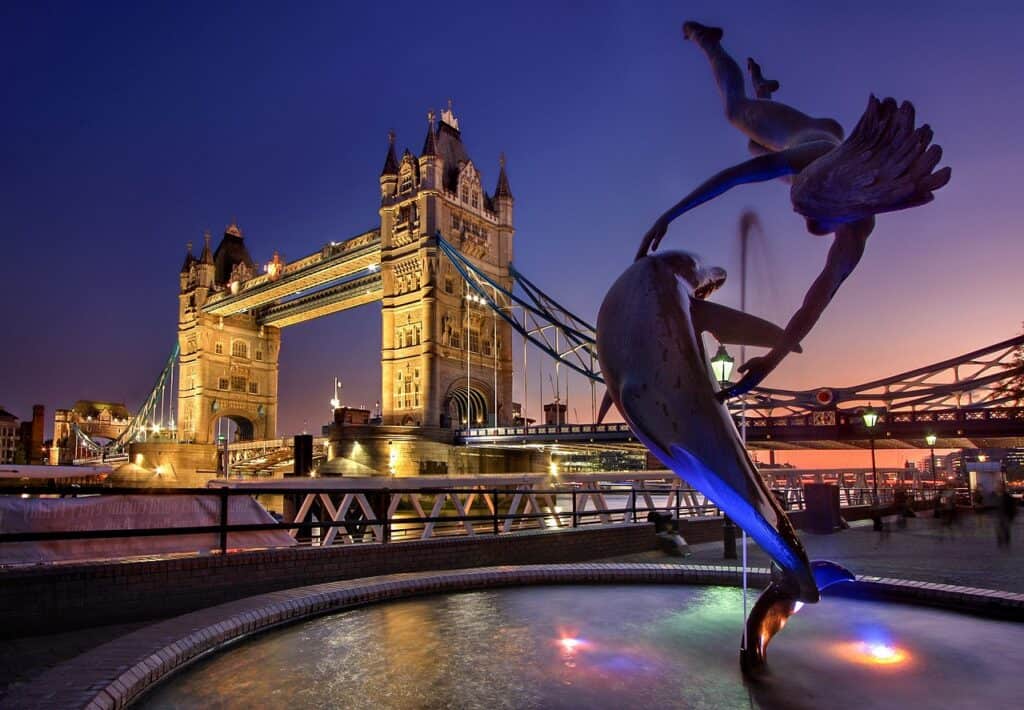
London’s historic appeal hides persistent high costs. Budget hotels commonly range from $130–160 per night, while hostel beds average $45–60. Daily transport using Oyster cards costs $15–20. Casual meals average $18–25, while pub dining and restaurants rise higher. Many popular attractions cost $25–35. Combined expenses frequently push daily spending to $145–165, leaving little flexibility for travelers hoping to explore without financial stress.
6. Tokyo
Tokyo offers safety and efficiency, but prices vary sharply. Capsule hotels average $45–60, while standard budget hotels range from $95–130 per night. Meals can be affordable at $7–10, though transport averages $8–12 daily depending on distance. Attractions, observation decks, and themed experiences cost $15–30. Convenience store purchases add up quietly. Despite savings on food, daily expenses still reach $125–145, particularly for first-time visitors.
7. Paris
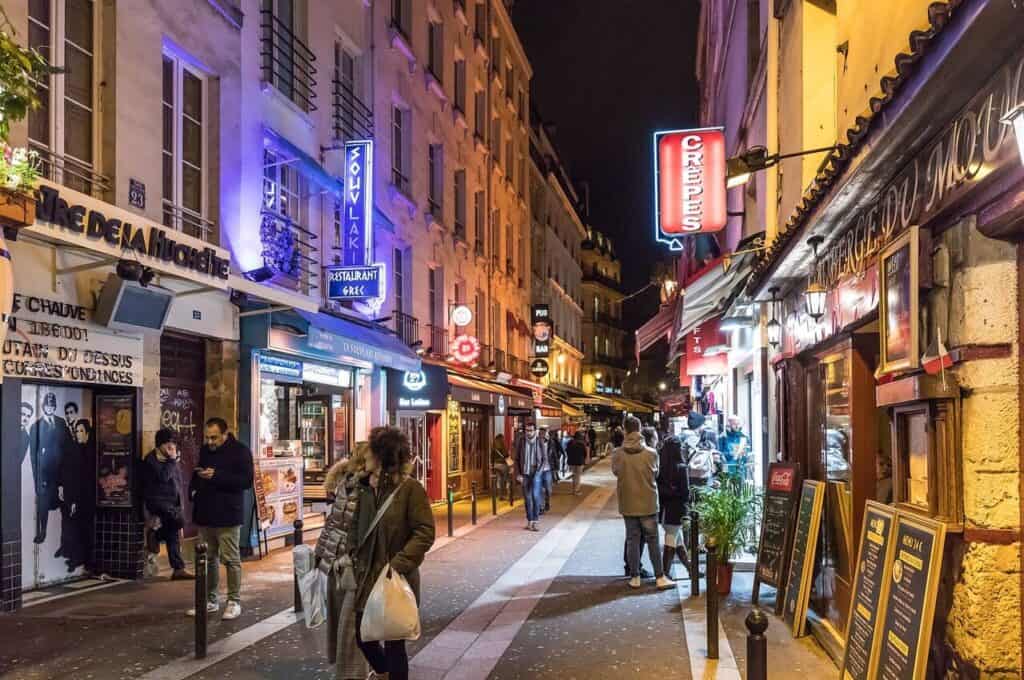
Paris slowly drains budgets through layered expenses. Budget hotels generally start at $120–150 per night, often far from major sights. Café meals cost $20–25, while restaurant dinners reach $35–45. Metro passes average $9–11 daily, and museum entry fees range from $15–25. Tourist zones inflate prices for snacks and drinks. Even without indulgence, travelers often spend $135–160 per day, making Paris less forgiving than expected.
8. Hong Kong

Hong Kong’s skyline is iconic, but its prices reflect severe space limitations. Budget hotel rooms typically cost $95–135 per night, often offering barely 120–150 sq ft of space. Local eateries provide meals for $8–15, yet western restaurants regularly exceed $30. Public transport is efficient at $6–8 daily, but sightseeing adds pressure, with Peak Tram tickets costing $15–20. Groceries are costly, especially imported items. Even without splurging, travelers usually spend $135–150 per day, making extended stays difficult on tight budgets.
9. Oslo

Oslo consistently ranks among Europe’s most expensive cities. Budget hotels rarely fall below $145–170 per night, while hostel beds often exceed $60. A simple meal costs $25–30, and restaurant dinners regularly pass $50. Alcohol is heavily taxed, with beer priced at $10–12. Public transport costs $9–11 daily, and groceries remain expensive even for self-catering. Outdoor scenery may be free, but everyday expenses push daily spending to $165–180, creating constant financial strain for budget travelers.
10. Copenhagen
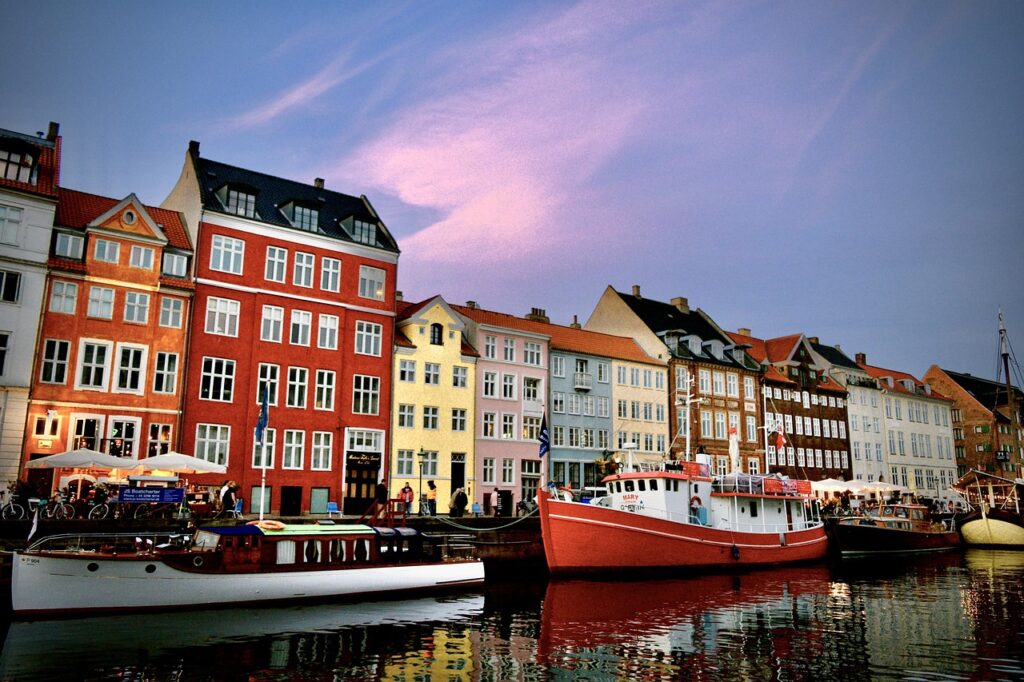
Copenhagen pairs stylish living with relentless pricing. Budget hotels usually range from $150–180 per night, while hostel options are limited and competitive. Street food averages $15–20, and restaurant meals climb to $35–45. Public transport costs about $10 per day, and major attractions like Tivoli Gardens charge $20–25. Alcohol prices further inflate costs, especially at night. Despite its bike-friendly layout, daily expenses often reach $150–170, leaving little room for spontaneous experiences on a budget.
11. Reykjavik
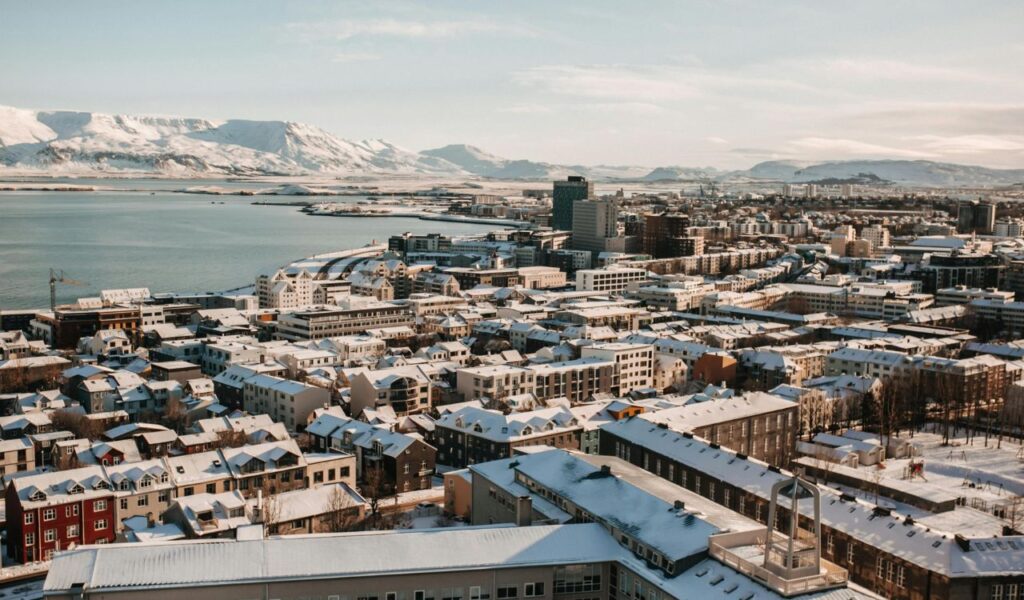
Reykjavik’s dramatic landscapes come at a steep financial cost. Budget hotels frequently exceed $165–195 per night, while hostels average $55–70. Meals cost $25–35, and restaurant dining rises quickly beyond that. Public transport is limited, pushing travelers toward tours costing $70–100. Grocery prices are high, even for basics like bread and milk. With food, lodging, and activities combined, daily spending commonly reaches $170–190, making Reykjavik one of the least forgiving cities for budget travel.
12. San Francisco
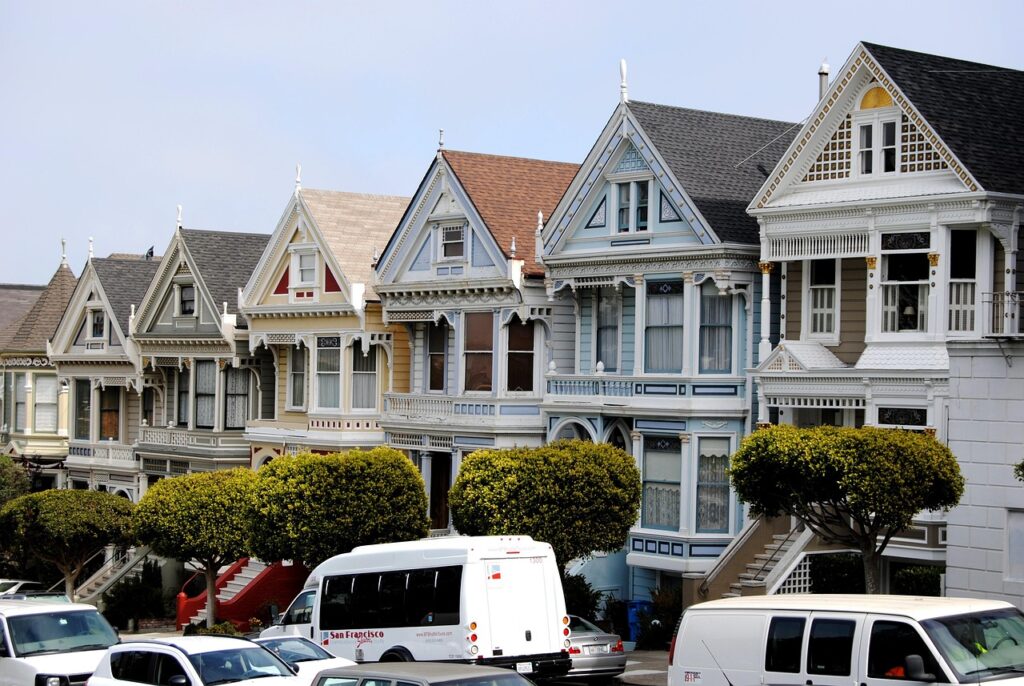
San Francisco’s innovation-driven economy keeps prices high year-round. Budget hotels usually start at $160–200 per night, while hostel beds range from $55–75. Casual meals cost $20–25, and dining out often exceeds $40. Public transport averages $8–10 daily, while attractions and tours range from $25–45. Added taxes and service charges quietly increase totals. Even travelers avoiding luxury experiences often spend $155–170 per day, making cost control difficult in the city.
13. Tel Aviv
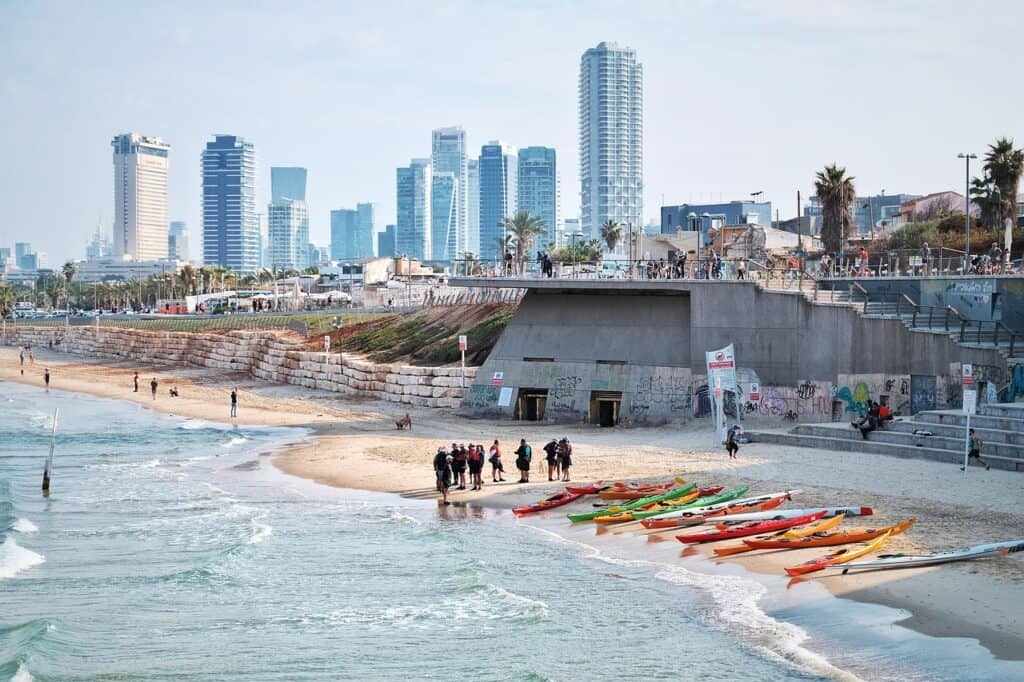
Tel Aviv’s relaxed beach culture hides its financial intensity. Budget hotels typically range from $130–165 per night, especially near the coastline. Meals average $22–30, while sit-down restaurants climb higher. Public transport is relatively affordable at $6–8 daily, but prices rise quickly in tourist districts. Cafés, nightlife, and beachfront dining inflate everyday spending. Even with moderate choices, travelers commonly spend $140–160 per day, making Tel Aviv unexpectedly demanding for budget-conscious visitors.
14. Sydney
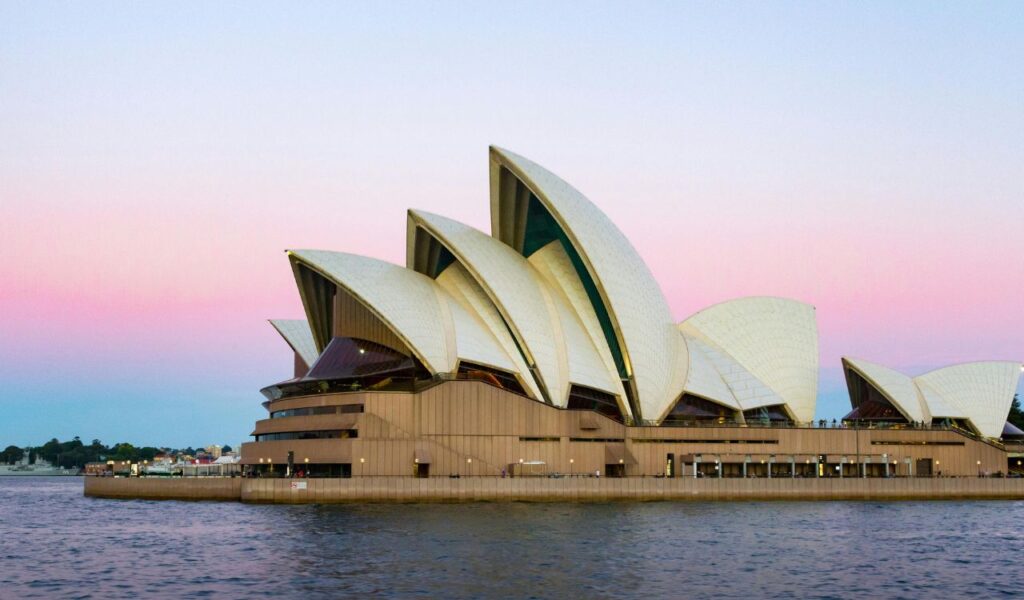
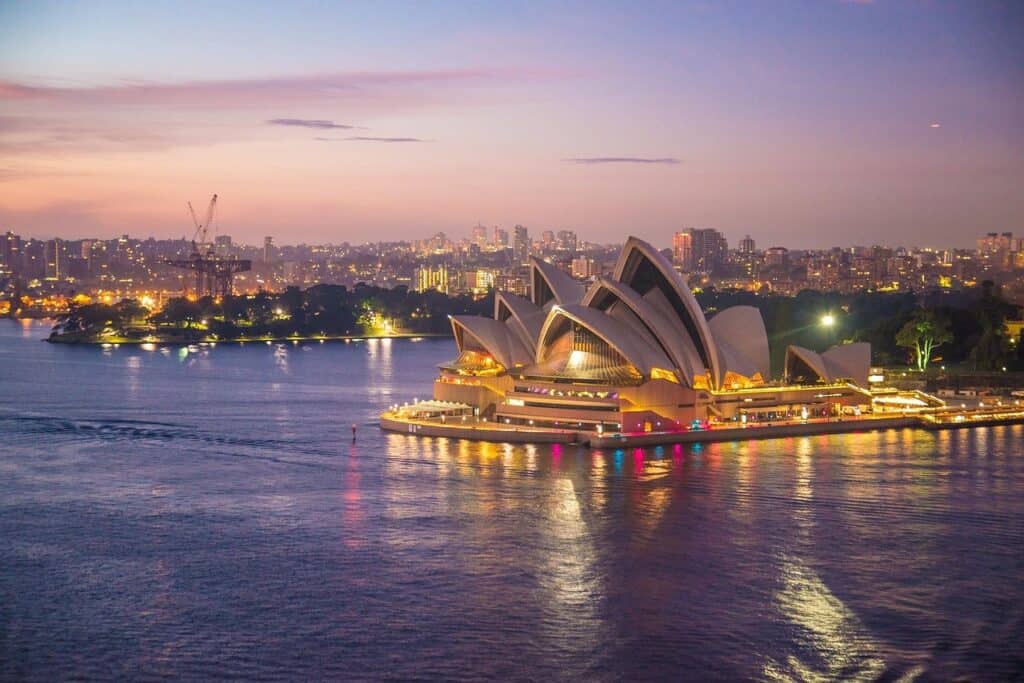
Sydney blends coastal beauty with high urban costs. Budget hotels usually range from $120–155 per night, while hostels average $45–60. Meals cost $18–25, and restaurant dining often exceeds $35. Public transport averages $10–12 daily, and popular activities like harbor cruises cost $30–45. Groceries and coffee are also pricey. Combined expenses frequently push daily spending to $145–165, especially for travelers staying near the city center.
Other Blog Posts You Might Enjoy
www.idyllicpursuit.com (Article Sourced Website)
#Expensive #Cities #World #Avoid #Budget #Traveler #Idyllic #Pursuit