
We may earn money or products from the companies mentioned in this post. This means if you click on the link and purchase the item, I will receive a small commission at no extra cost to you … you’re just helping re-supply our family’s travel fund.
Despite tourism and tech creeping into every corner of the country, some places remain wild, quiet, and untouched. These are the places where GPS might fail, roads disappear, and you remember what silence sounds like. From Alaska’s tundra to hidden desert canyons and vast northern forests, here are 13 U.S. locations where remoteness is more than a vibe—it’s a way of life.
When Distance Becomes the Whole Point
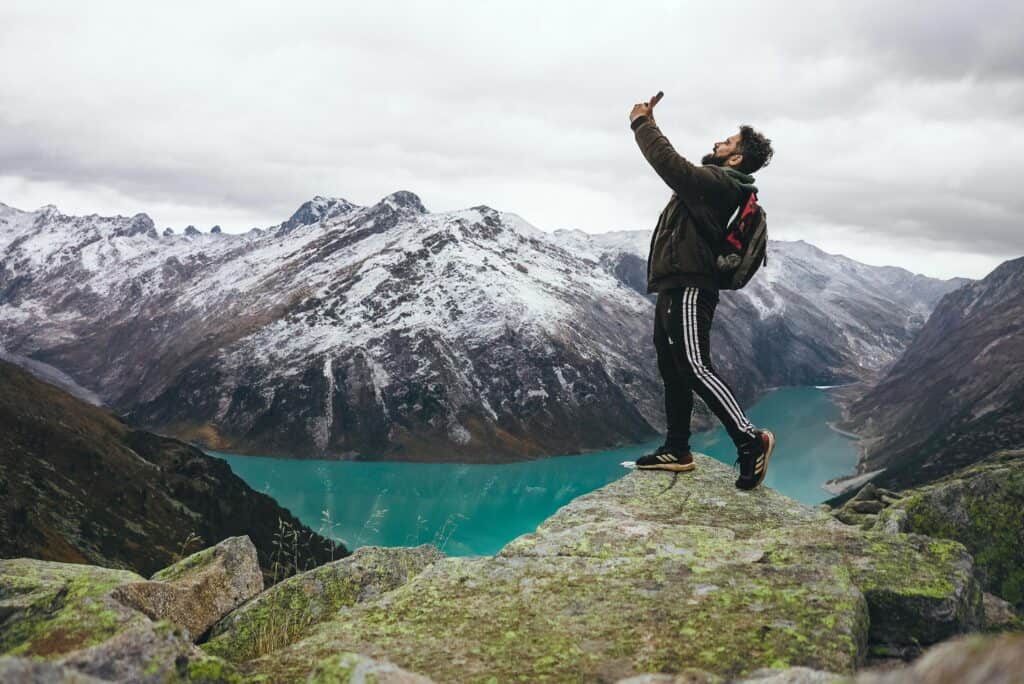
Some remoteness is about geography. Other times, it’s about intention. These places don’t just happen to be far away, they actively resist convenience. No gift shops, no shuttle buses, no easy way in or out. The effort it takes to reach them is part of the experience, filtering out casual visitors and leaving space for the people who truly want quiet. What you gain is something most destinations can’t sell anymore: the feeling of being somewhere that doesn’t care who you are.
The Maze, Utah
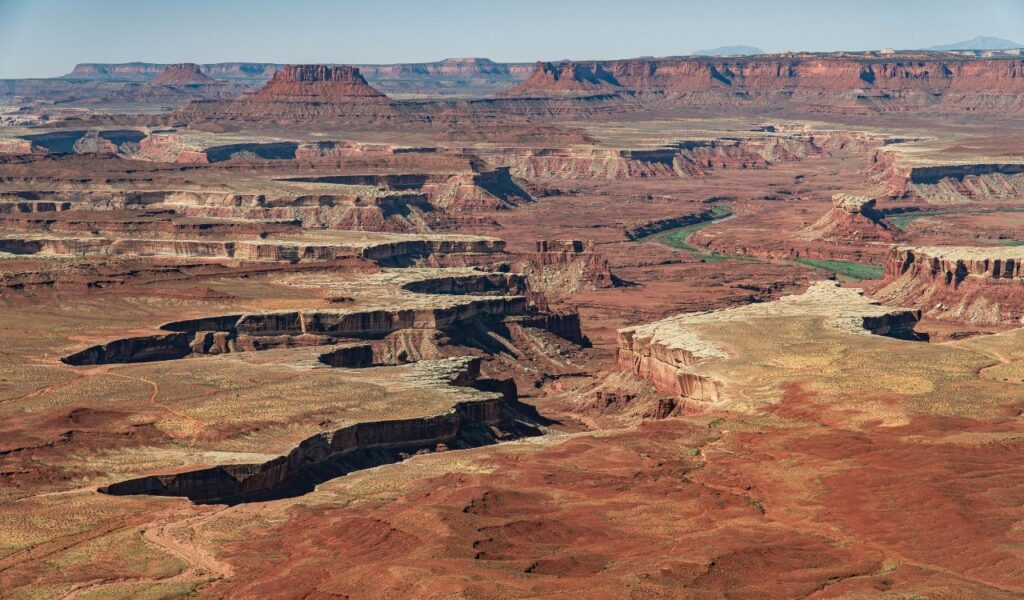
This hidden corner of Canyonlands is one of the most remote spots in the U.S. Reaching it requires hours of off-road driving and serious self-sufficiency. Once inside, you’ll find a maze of canyons, cliffs, and silence. No cell service, no crowds, and barely a footprint in sight. It’s a backpacker’s dream if you’re equipped with maps, water, and good judgment. Navigation is tough, and the isolation is real.
Bob Marshall, Montana
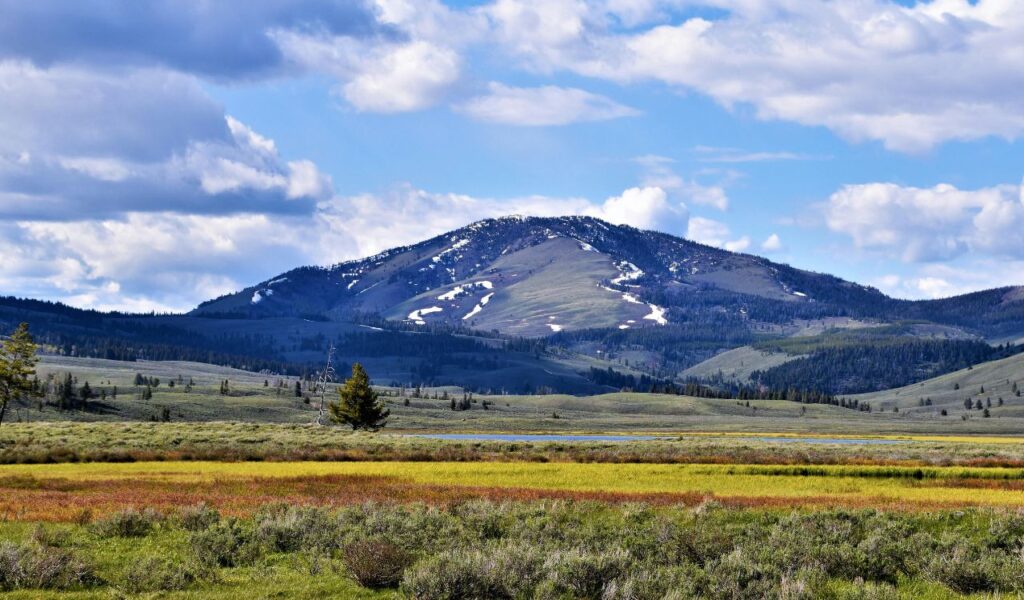
The Bob Marshall Wilderness Complex spans over a million acres of rugged peaks, glacial valleys, and unspoiled forest. It’s grizzly country and one of the few areas in the lower 48 with no roads slicing through it. Visitors hike or ride horseback through this remote wilderness, where encounters with people are rare and with wildlife, common. Prepare for primitive camps, cold rivers, and big sky silence.
Frank Church, Idaho
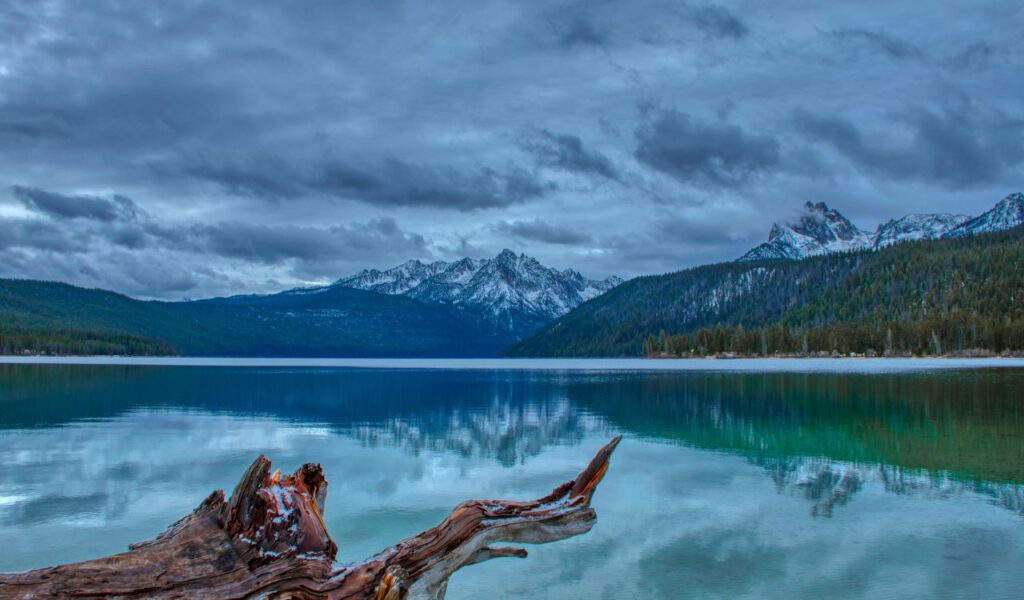
Idaho’s Frank Church River of No Return Wilderness is the largest wilderness area in the lower 48. It’s known for sheer canyons, roaring rivers, and vast solitude. Backpackers and rafters navigate it for days without seeing another soul. With no permanent structures, no cell service, and deep rugged terrain, it’s a place where nature fully takes over and modern life feels very far away.
Hawks Rest, Wyoming
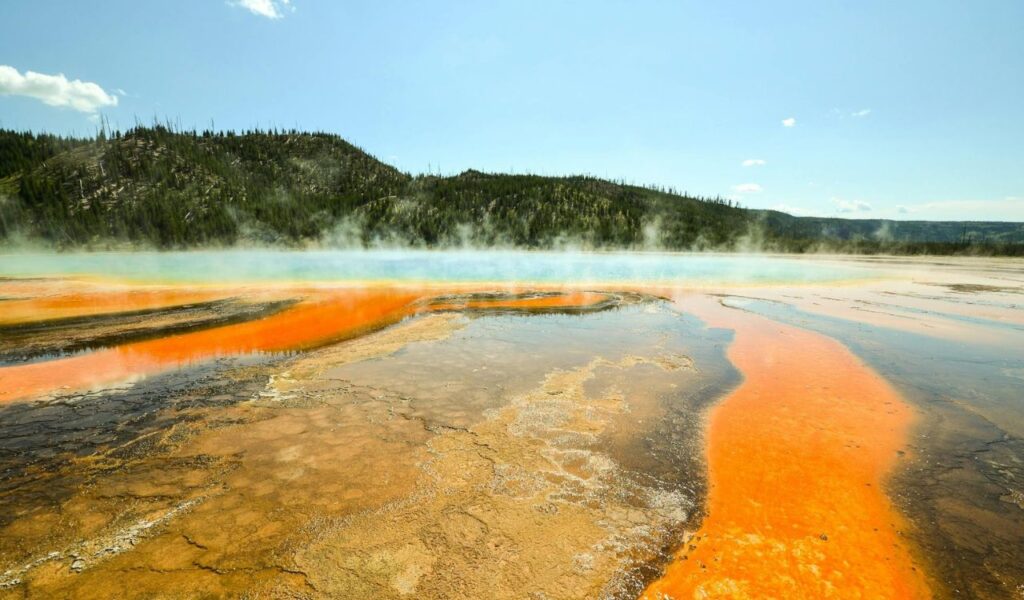
Hawks Rest, deep inside Yellowstone’s ecosystem, is the most remote location in the continental U.S. It’s over 30 miles from any road, surrounded by wilderness in every direction. Getting there takes multiple days of backpacking through bear country, across rivers, and over ridges. You’ll find no signs, no crowds, and no distractions—just raw nature and the distant sound of wind through pine.
Boundary Waters, Minnesota
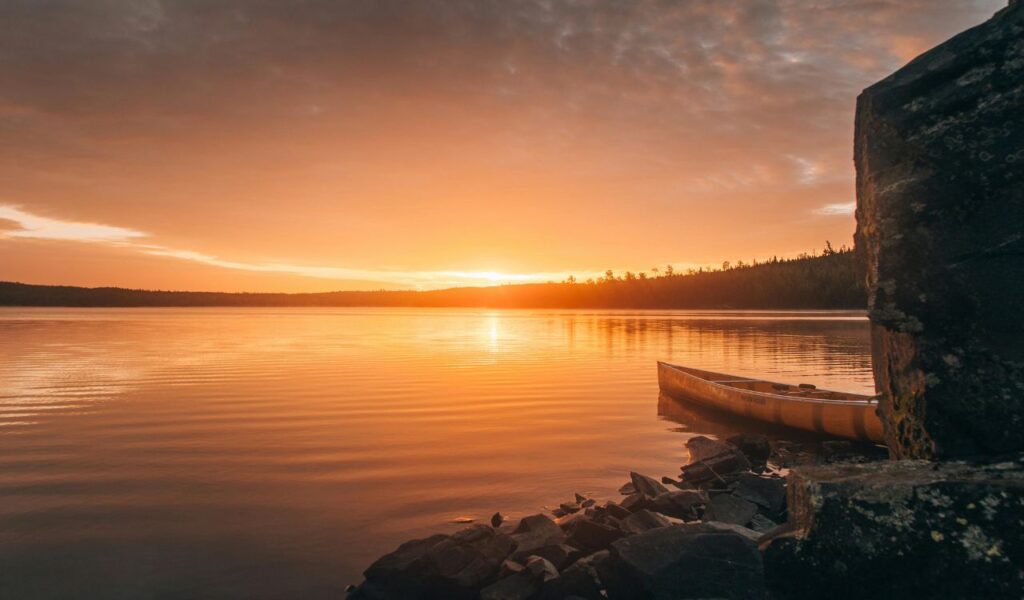
In northern Minnesota, the Boundary Waters Canoe Area offers a million acres of interconnected lakes and forest. With no roads, this region is explored by paddle and portage. You might go days without seeing anyone. Campsites are first-come, first-served clearings, and the soundtrack is loons, wolves, and paddle strokes. For true silence and solitude, it doesn’t get much better.
North Cascades, Washington

Towering peaks, glaciers, and alpine lakes make this Washington range one of the wildest in the country. The North Cascades are steep and roadless in many areas, which keeps the crowds away. Backpackers here face challenging climbs and unpredictable weather, but the payoff is solitude, stunning views, and deep immersion in nature. It’s one of the most underrated wild spots in the West.
Selway Bitterroot, Montana
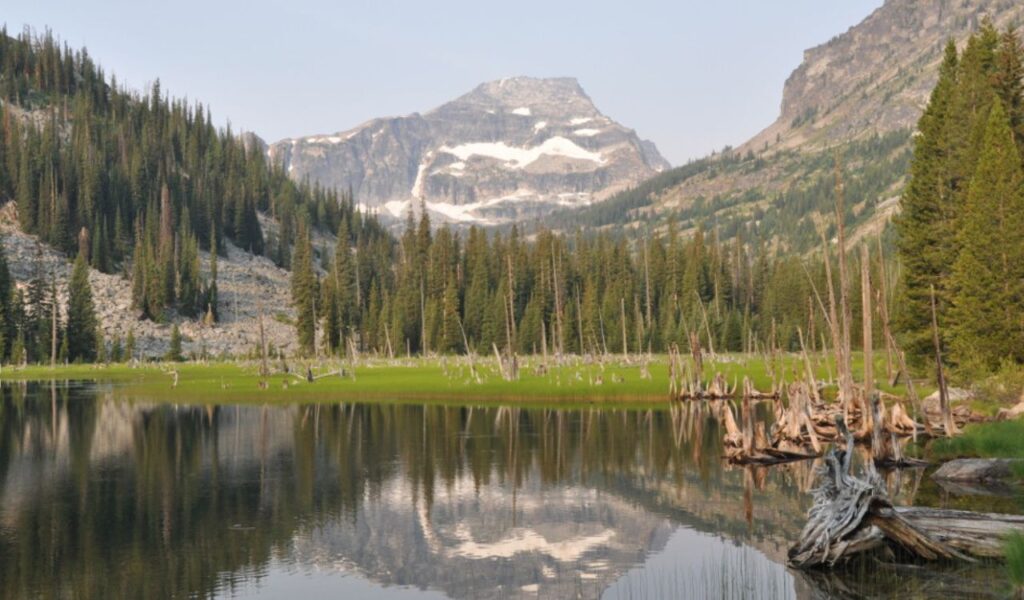
Straddling Idaho and Montana, this vast wilderness is as raw and remote as it gets. Trails are long, terrain is tough, and you’re on your own. The Selway River slices through forested valleys, while wildlife roams undisturbed. Backpackers often go a week without seeing another person. If you want backcountry camping, river crossings, and absolute quiet, this is your place.
Owyhee Canyonlands, Oregon
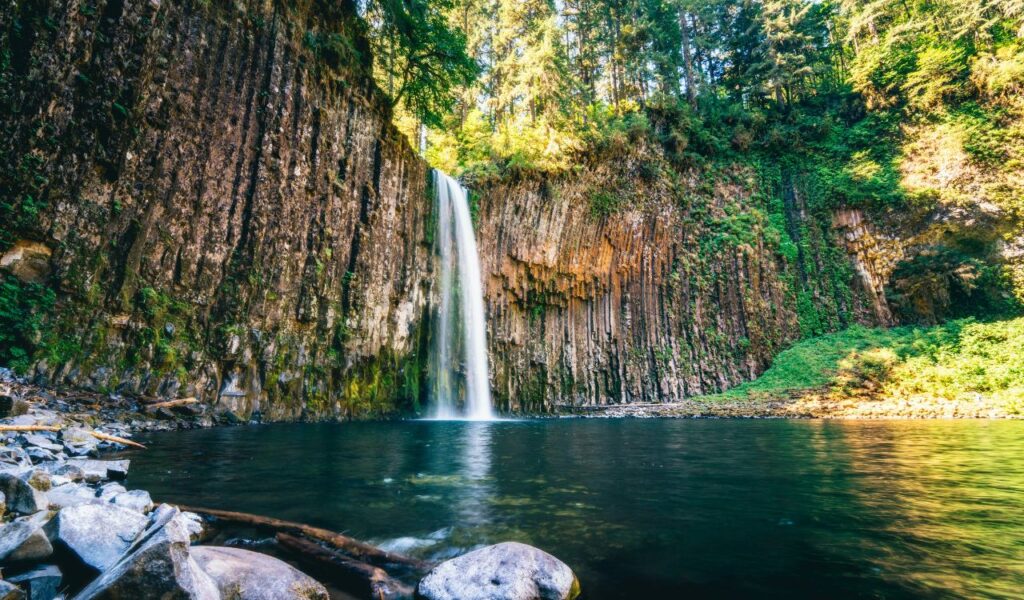
Tucked into the corner where Oregon, Idaho, and Nevada meet, the Owyhee Canyonlands are stark, beautiful, and completely off the radar. Few roads lead in, and most trails are faint or nonexistent. Expect sagebrush plateaus, twisting canyons, and wide-open skies. It’s not unusual to spend a full day out here and see nothing but wild horses and volcanic cliffs.
Lake Clark, Alaska
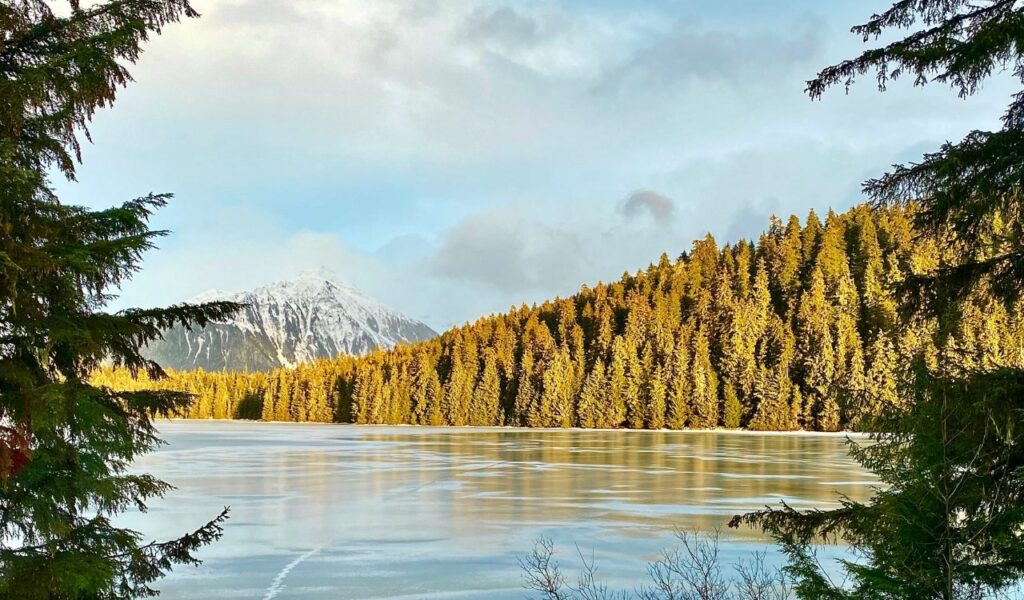
This remote Alaska national park is only reachable by bush plane or boat. Lake Clark offers wild rivers, active volcanoes, and brown bears fishing for salmon. There are no roads and no tourist crowds just glacier-fed lakes and tundra. Whether you’re kayaking or hiking into the backcountry, you’ll experience a version of wilderness that most people never touch.
Aleutian Islands, Alaska
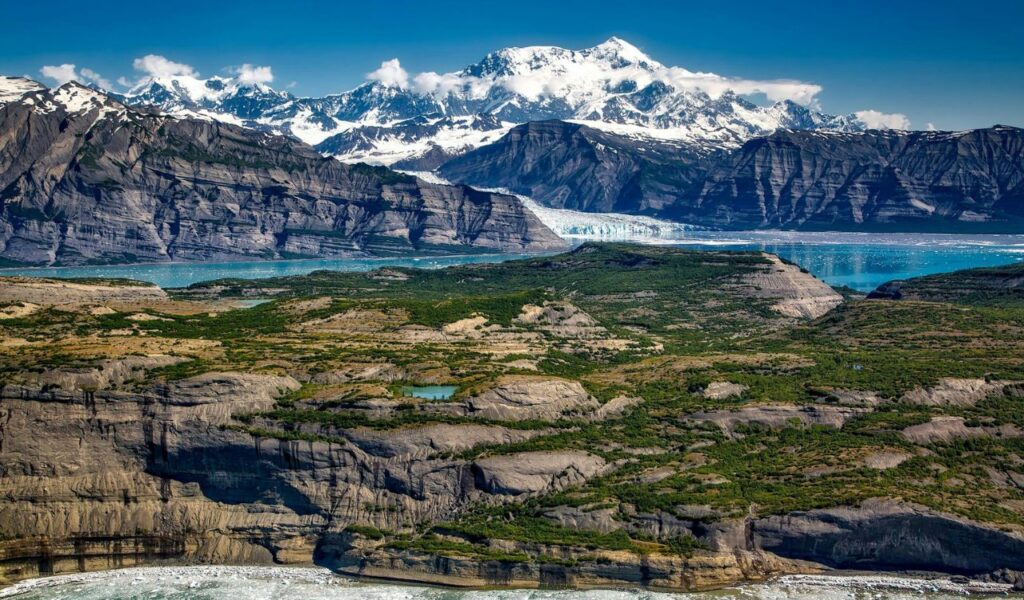
Stretching far west from Alaska’s mainland, the Aleutians are raw, windswept, and rarely visited. Volcanic peaks rise from stormy seas, seabirds nest in cliffs, and human presence is minimal. Access requires serious logistics, often by boat or charter plane. But for those who make the trip, the remoteness and wild beauty are unparalleled. This is isolation in its purest form.
Denali Wilderness, Alaska
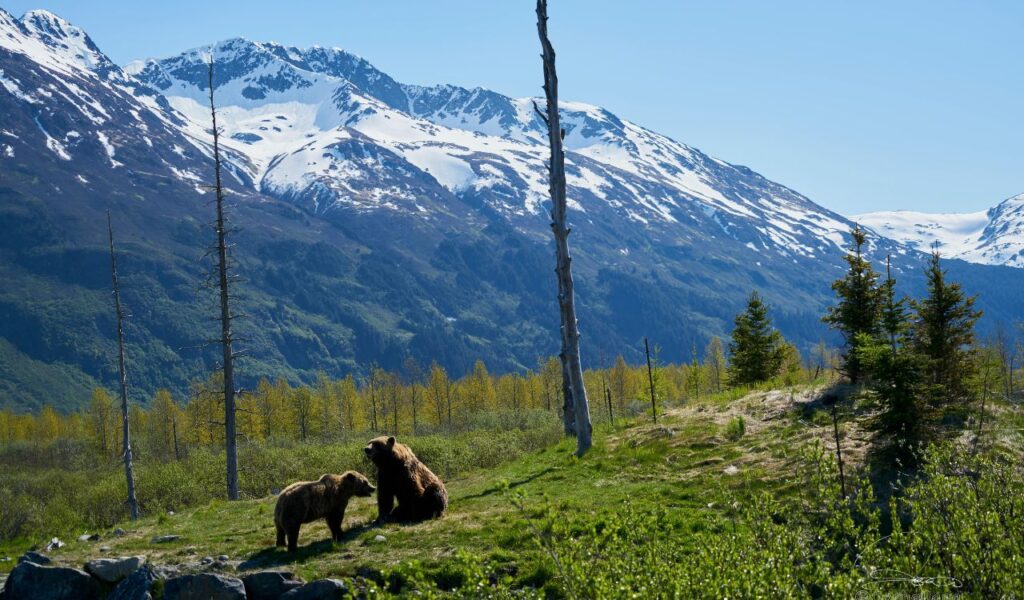
Beyond the park road, Denali becomes a vast no-trail expanse of tundra and mountains. You choose your route, camp wherever you like, and navigate by map and compass. With grizzlies, moose, and dramatic weather, it’s both challenging and unforgettable. Rangers issue permits only to those who can prove they’re prepared—because once you’re out there, you’re truly on your own.
Hundred Wilderness, Maine
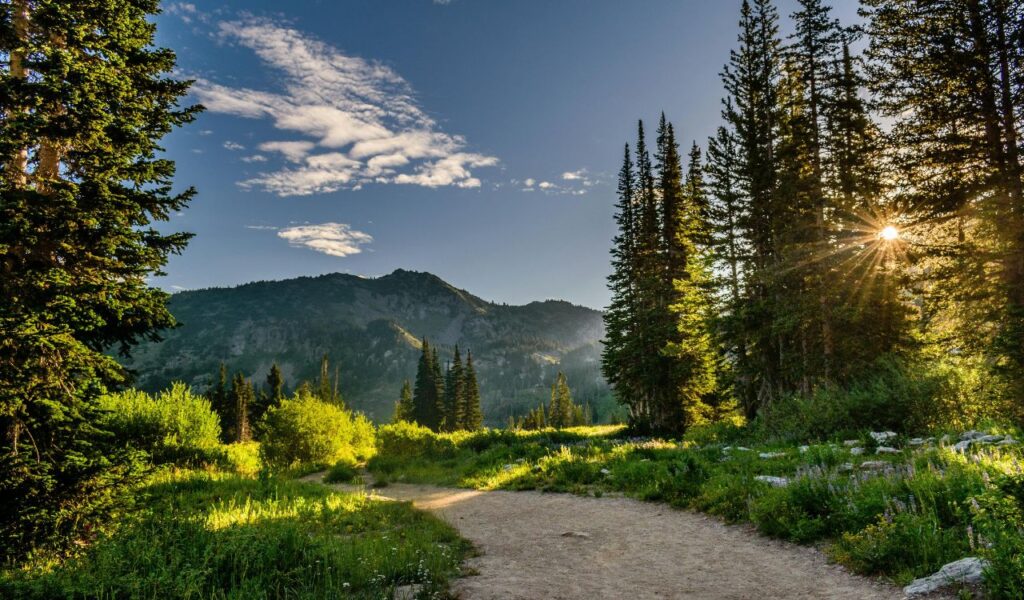
Maine’s 100-Mile Wilderness is the most remote stretch of the Appalachian Trail. No towns, no roads, no resupply. Just forest, lakes, and rugged trail. Backpackers carry everything they need for a week or more. This stretch challenges even experienced hikers, but the reward is days of uninterrupted quiet, starry nights, and the deep solitude of New England’s last great wildland.
Hoh Rainforest, Washington
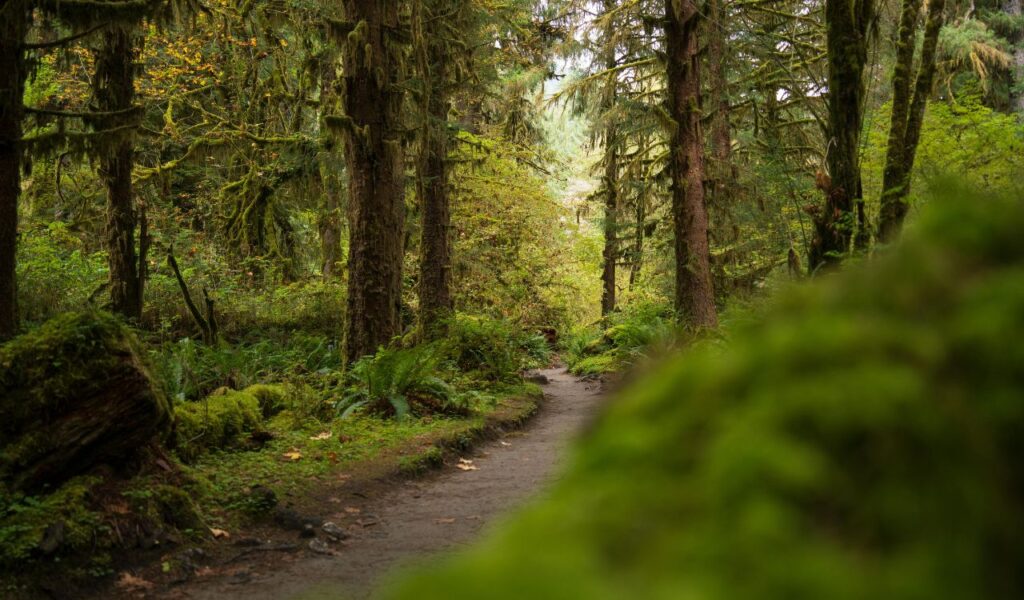
The Hoh, nestled in Olympic National Park, is one of the quietest places in the U.S. Covered in moss, soaked by rain, and bursting with green, it feels prehistoric. The deeper you hike, the fewer people you’ll see—just elk, ferns, and stillness. A project called “One Square Inch of Silence” even works to keep this rainforest free of manmade noise. It’s wet, wild, and wonderfully remote.
Gates of the Arctic, Alaska
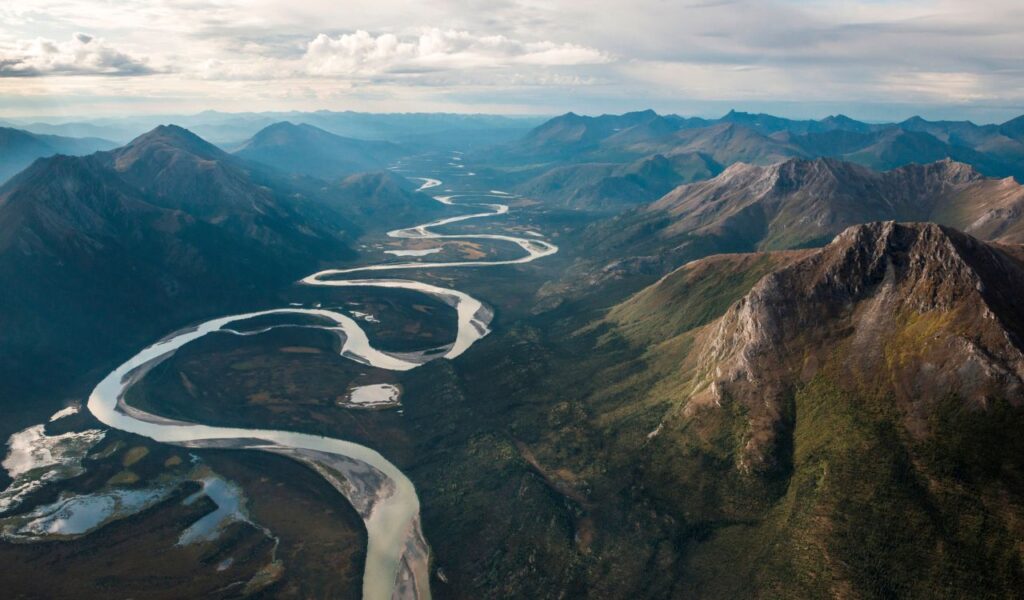
Far above the Arctic Circle, this park is nearly untouched by people. There are no roads, trails, or facilities—just mountains, rivers, and tundra stretching to the horizon. Backpackers and fly-in adventurers navigate by compass and river, often going days without contact. The silence is profound, interrupted only by wind or wildlife. Here, remoteness isn’t a feature; it’s the entire experience, and every step feels like stepping into a world few have seen.
Other Blog Posts You Might Enjoy
www.idyllicpursuit.com (Article Sourced Website)
#Remote #U.S #Places #Feel #Wild #Untouched #Idyllic #Pursuit