
We may earn money or products from the companies mentioned in this post. This means if you click on the link and purchase the item, I will receive a small commission at no extra cost to you … you’re just helping re-supply our family’s travel fund.
Not every breathtaking landscape wears the title “national park.” Across the U.S., dozens of state parks rival their bigger, more famous counterparts with dramatic cliffs, vast forests, and untouched beauty. They’re often quieter, more affordable, and just as wild. If you’re looking for nature that feels epic but without the packed parking lots, these 12 state parks deliver the same sense of awe and might even make you question why they aren’t national parks already.
1. Custer State Park, South Dakota
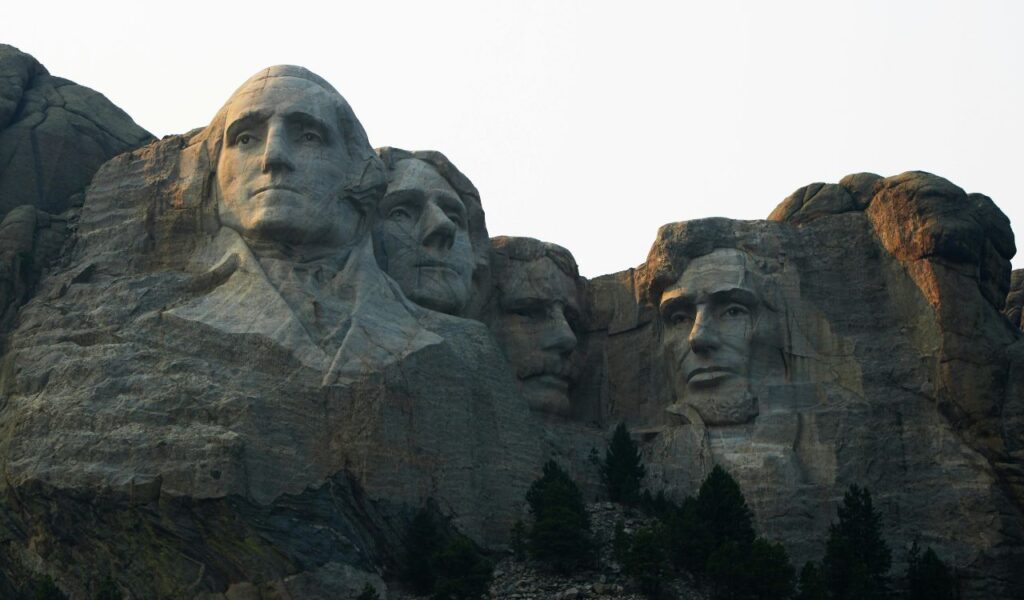
Custer State Park could easily fool you into thinking you’ve wandered into Yellowstone. It’s home to rolling grasslands, granite spires, and massive bison herds that roam freely. The scenic Needles Highway twists through jaw-dropping rock tunnels and forested peaks, while Sylvan Lake sparkles like a hidden alpine gem. Wildlife spotting is effortless here you’ll likely see pronghorn, elk, and even mountain goats. The park’s 71,000 acres feel untamed but inviting, offering everything from peaceful hikes to open-road adventures without the tourist congestion found in nearby national parks.
2. Dead Horse Point State Park, Utah
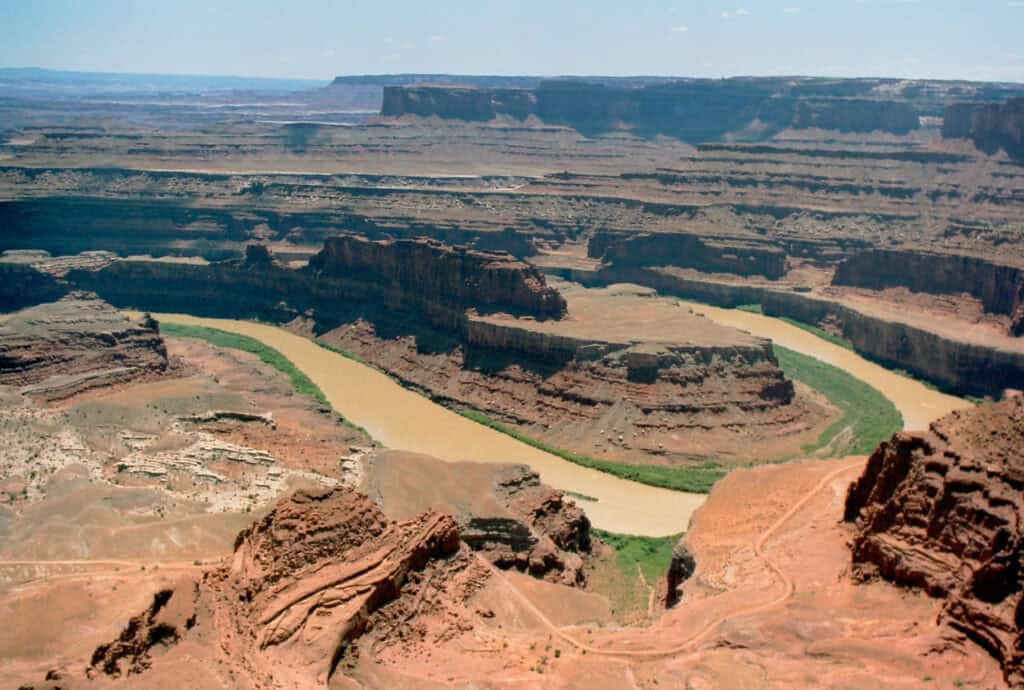
This park delivers views that rival Canyonlands National Park right next door. Dead Horse Point overlooks a dramatic bend in the Colorado River, framed by deep red cliffs that glow gold at sunset. The park’s scenic drives and short trails let you absorb vast desert panoramas without needing a backcountry permit. Despite its smaller footprint, the sense of scale is enormous; you can watch weather roll across miles of canyon from a single overlook. It’s also one of Utah’s top spots for stargazing, with skies so dark they almost look digital.
3. Julia Pfeiffer Burns State Park, California
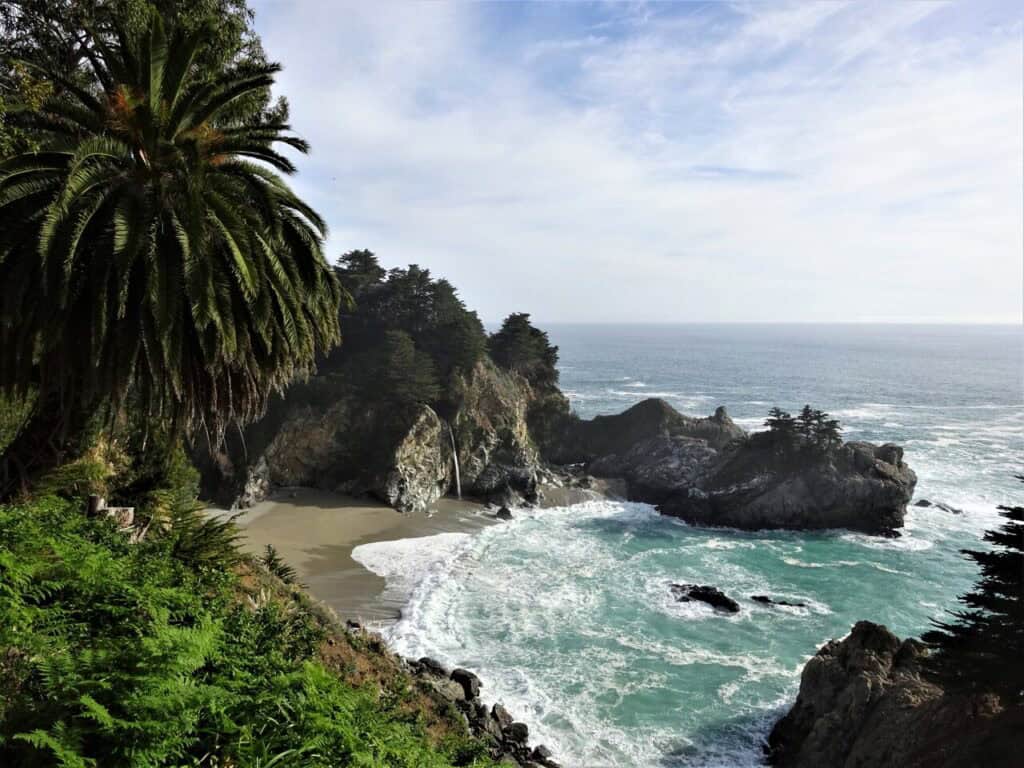
If Big Sur is California’s coastline at its most cinematic, this state park is the scene everyone remembers. Julia Pfeiffer Burns State Park is best known for McWay Falls, an 80-foot waterfall that drops directly into the Pacific Ocean. But beyond the photo ops, you’ll find redwood groves, coastal bluffs, and trails that smell like salt and pine. It’s small but immersive, the kind of place where ocean mist meets forest air. Even longtime Californians stop here and quietly admit it feels like a national treasure hiding in plain sight.
4. Baxter State Park, Maine
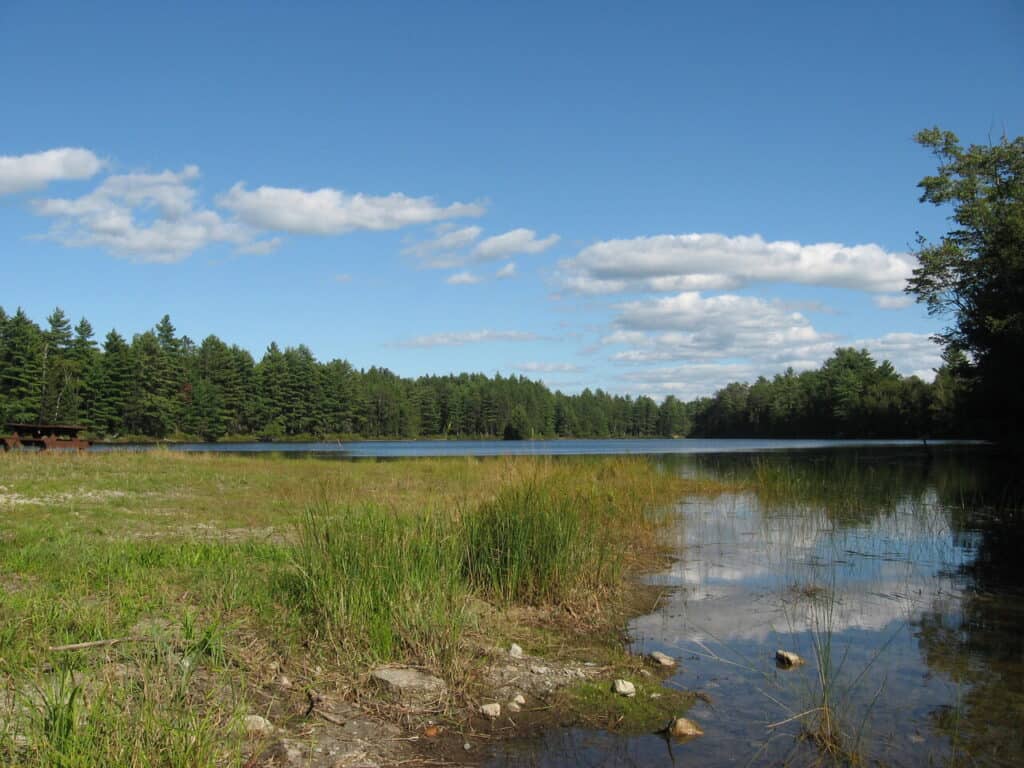
This remote stretch of northern Maine is pure wilderness so much so that it inspired the creation of a nearby national monument. Baxter State Park is dominated by Mount Katahdin, the highest peak in the state and the endpoint of the Appalachian Trail. The terrain is rugged, the lakes are glassy, and the silence is almost absolute. There are no paved roads or concessions here, just hundreds of miles of trails and the chance to truly disconnect. If you crave the wild heart of New England, this is where you’ll find it.
5. Valley of Fire State Park, Nevada
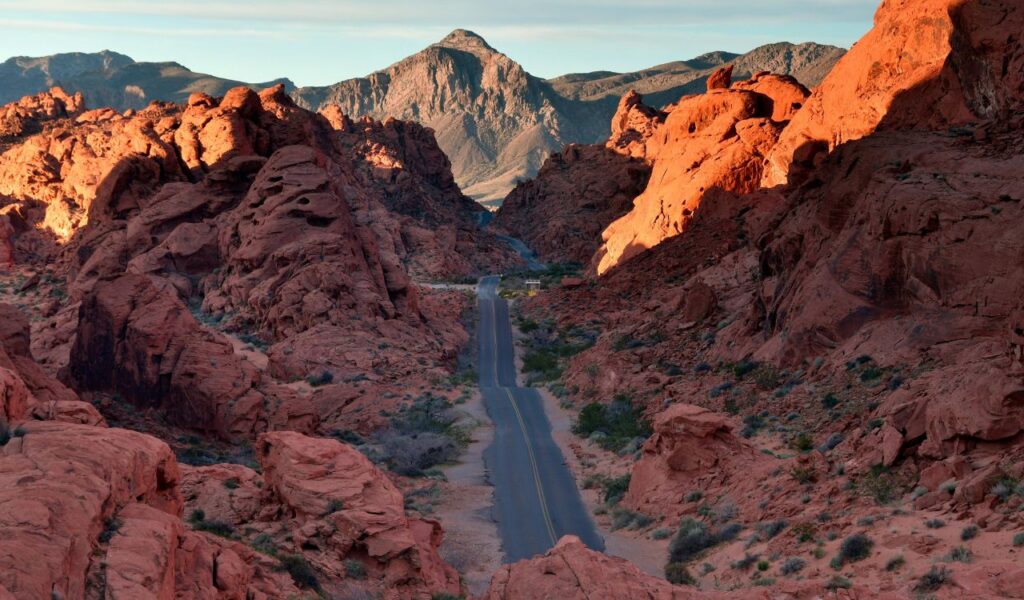
Less than an hour from Las Vegas, Valley of Fire feels like another planet. Its red sandstone formations catch the light in ways that seem unreal, shifting from orange to pink as the sun moves. Ancient petroglyphs etched into the rock tell stories thousands of years old. Hike through narrow slot canyons or stand among giant wave-like rocks that rival anything in Arizona’s famed deserts. Despite its proximity to a major city, the park remains quiet once you leave the parking lot just wind, heat, and color everywhere you look.
6. Franconia Notch State Park, New Hampshire
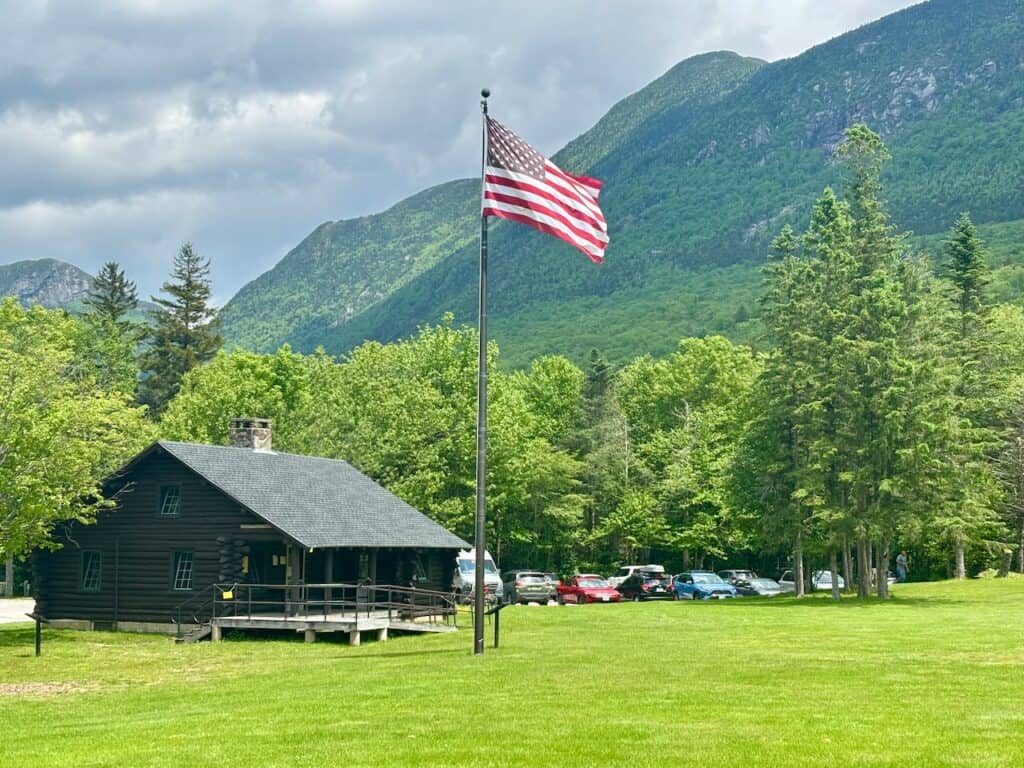
Nestled in the White Mountains, Franconia Notch has that unmistakable national park mix of grandeur and intimacy. You can hike the steep trail to the Flume Gorge, where waterfalls rush between sheer granite walls, or take the aerial tram to Cannon Mountain for views that stretch for miles. In fall, the entire park bursts into color, rivaling anything in Vermont or Maine. It’s easy to forget this isn’t federally protected land; it feels that wild and timeless.
7. Silver Falls State Park, Oregon
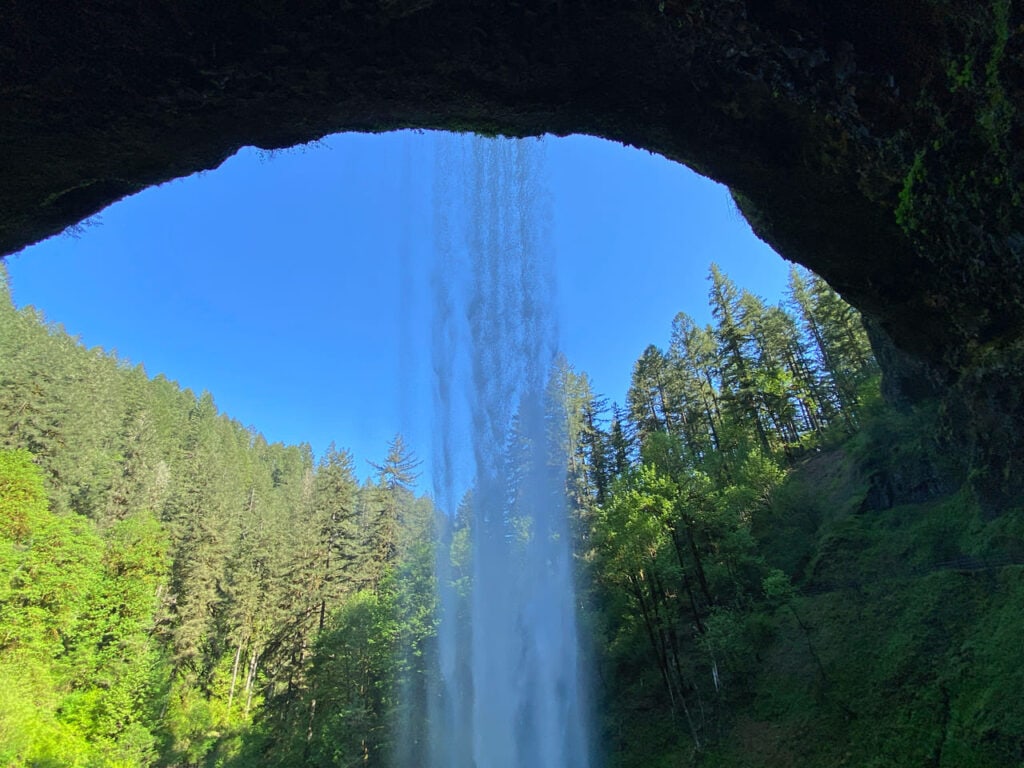
Oregon calls Silver Falls the “crown jewel” of its park system, and it’s not exaggerating. The Trail of Ten Falls loop lets you walk behind waterfalls that crash through mossy canyons and fern-filled forests. Every bend in the path reveals another scene that looks straight out of a fantasy film. The air smells clean and damp, filled with the sound of constant rushing water. This park proves that beauty doesn’t need elevation or desert vistas; it can be lush, green, and endlessly moving.
8. Letchworth State Park, New York
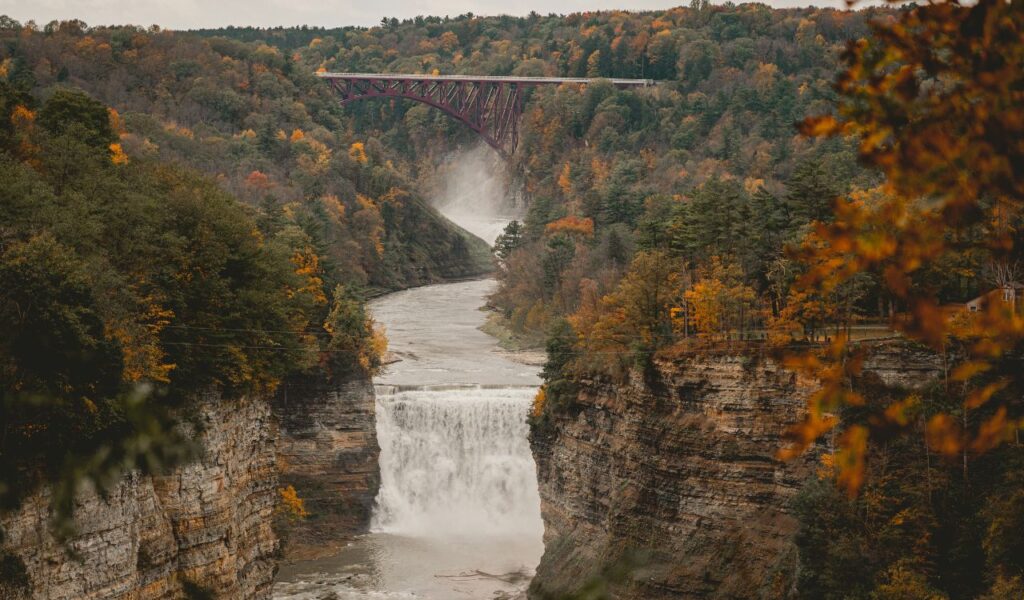
Nicknamed the “Grand Canyon of the East,” Letchworth State Park lives up to the hype. The Genesee River cuts through massive cliffs that rise hundreds of feet, creating a string of dramatic waterfalls. The park’s scenic viewpoints, especially near Inspiration Point, feel like something you’d find in the West. Yet it’s all within a few hours of major cities. With hot air balloon rides, river rafting, and miles of hiking trails, Letchworth delivers both serenity and adventure. It’s a national park in spirit if not in title.
9. Goblin Valley State Park, Utah
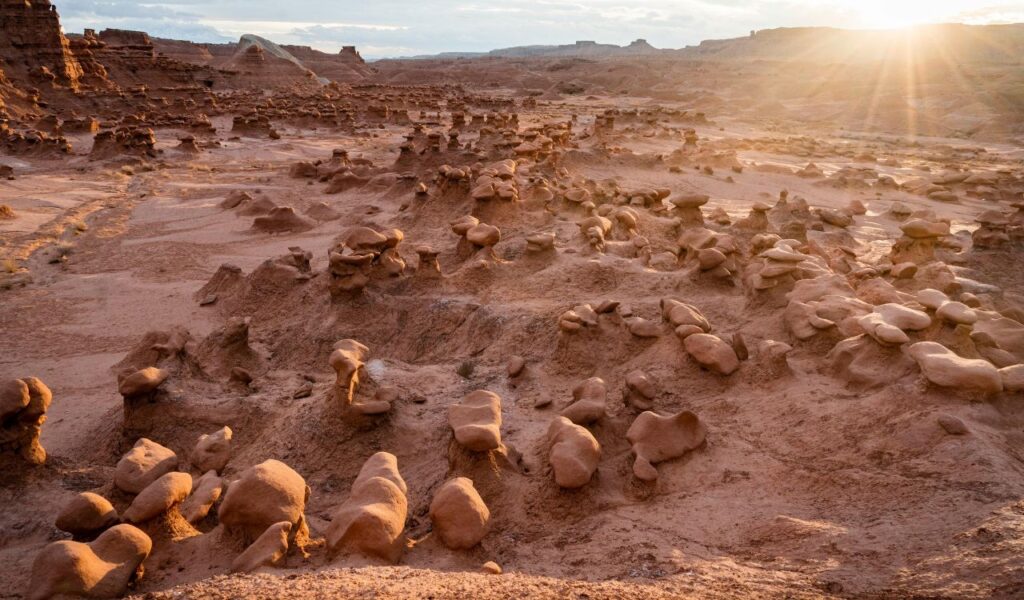
If you’ve ever wondered what Mars might look like, Goblin Valley gives you a clue. The landscape is covered with thousands of mushroom-shaped rock formations called hoodoos, sculpted by centuries of wind and rain. It’s small enough to explore in a day, but the scenery feels enormous and strange in the best way. The light shifts constantly, changing the colors of the rocks from red to brown to almost purple. At night, the stars appear endless, earning the park gold-tier status for dark skies.
10. Prairie Creek Redwoods State Park, California
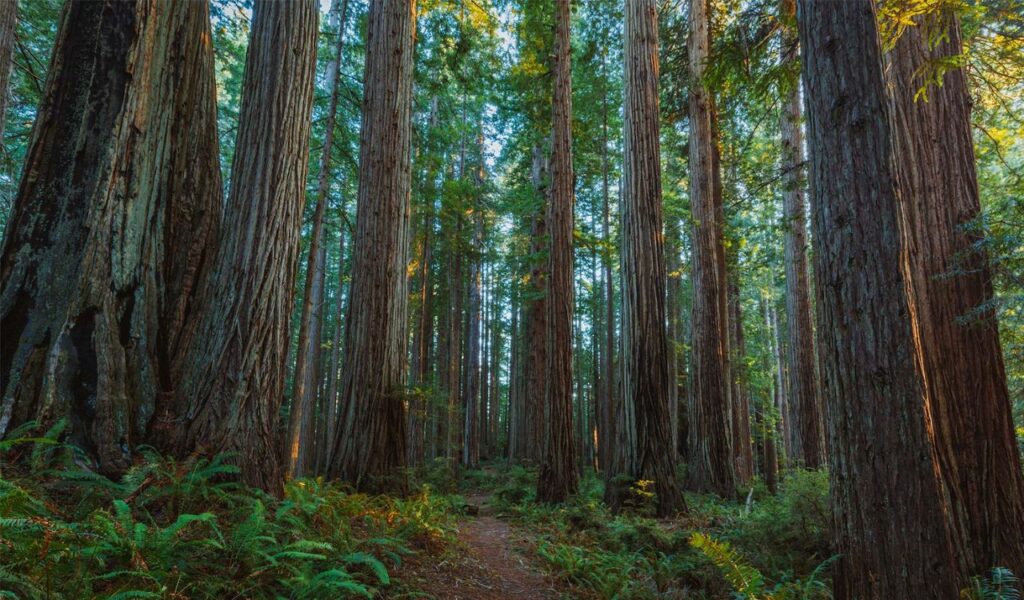
Part of California’s redwood region, Prairie Creek is technically a state park but managed in partnership with the National Park Service. That tells you something about its quality. The park’s towering redwoods, elk meadows, and fog-draped trails are pure magic. Fern Canyon, one of its main attractions, is so lush it was used in a Jurassic Park film. Walking through it feels otherworldly; green walls dripping with water, the sound of your footsteps softened by ferns. Few places on Earth feel more alive.
11. Fall Creek Falls State Park, Tennessee
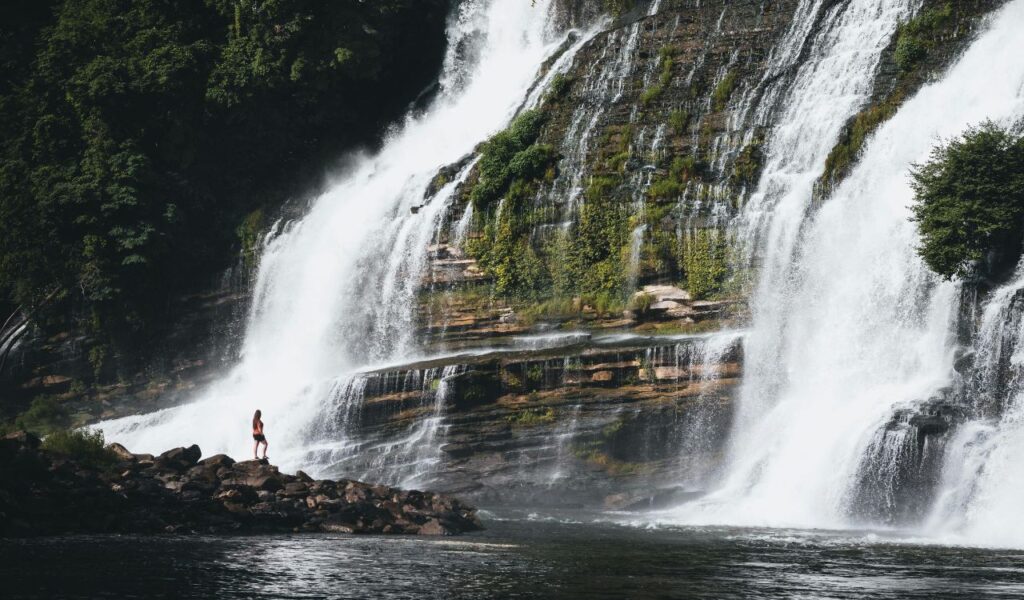
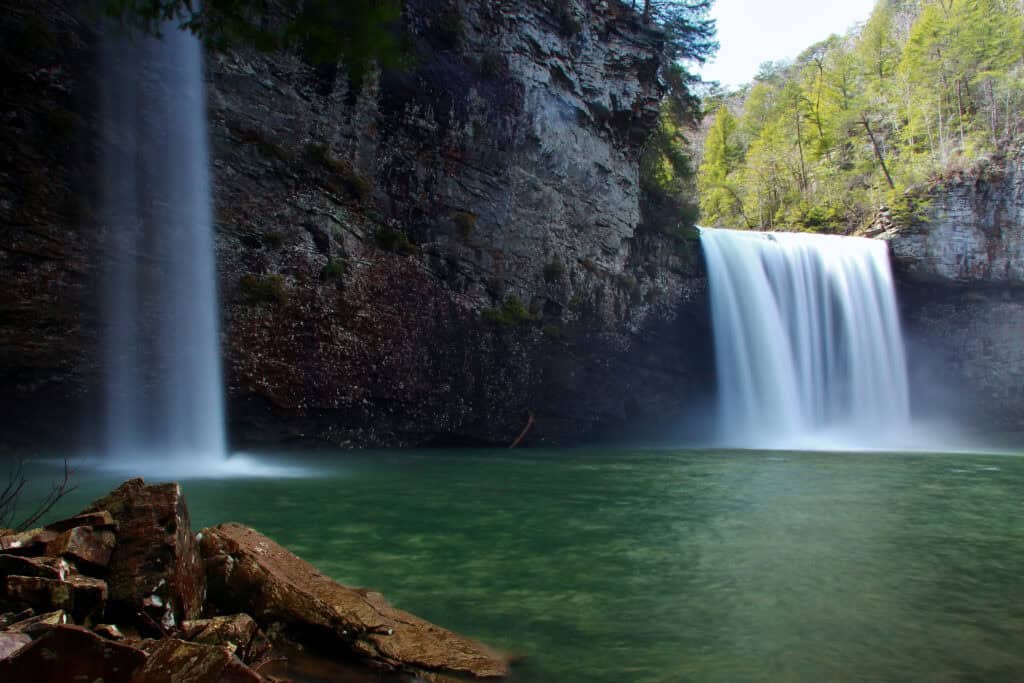
This park centers around one of the tallest waterfalls in the eastern U.S.; a 256-foot drop into a shaded gorge. Fall Creek Falls State Park has deep forests, calm lakes, and sandstone cliffs that draw climbers and hikers year-round. Its trails range from casual strolls to challenging canyon routes, making it a favorite for families and seasoned adventurers alike. The park’s variety of landscapes makes it feel larger than it is, a slice of Tennessee wilderness that deserves national attention.
12. Porcupine Mountains Wilderness State Park, Michigan
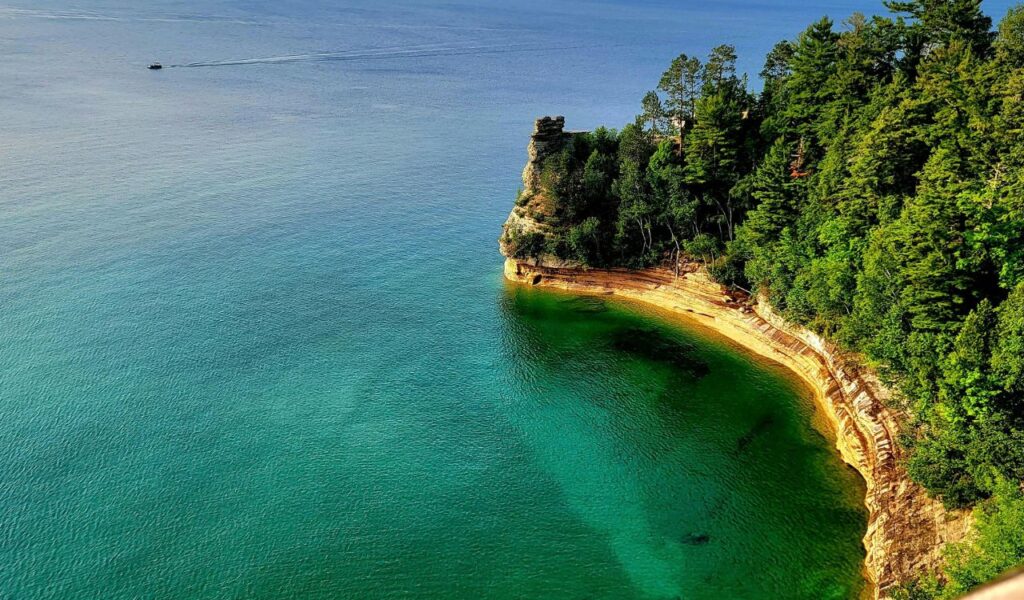
Known locally as “the Porkies,” this massive park in Michigan’s Upper Peninsula offers true solitude. You can hike through old-growth forests, paddle across mirror-like lakes, and watch the sunset from Lake of the Clouds overlook a view that could headline any national park brochure. In fall, the hills explode in color, and in winter, the park turns into a silent wonderland of snow and ice. It’s a reminder that the Midwest’s natural beauty runs deeper than many realize.
Other Blog Posts You Might Enjoy
www.idyllicpursuit.com (Article Sourced Website)
#U.S #State #Parks #Pass #National #Parks #Author #Kathy #Haan