
We may earn money or products from the companies mentioned in this post. This means if you click on the link and purchase the item, I will receive a small commission at no extra cost to you … you’re just helping re-supply our family’s travel fund.

High-altitude hiking is a thrilling challenge that rewards you with dramatic views, stronger lungs, and a true sense of accomplishment. It also pushes your body in unique ways, making preparation essential for both safety and enjoyment. When hiking above 8,000 feet, the thinner air, colder temperatures, and unpredictable weather demand more than basic fitness. With the right planning, training, and gear, you can turn these challenges into a successful and memorable mountain experience.
1. Build Endurance Gradually
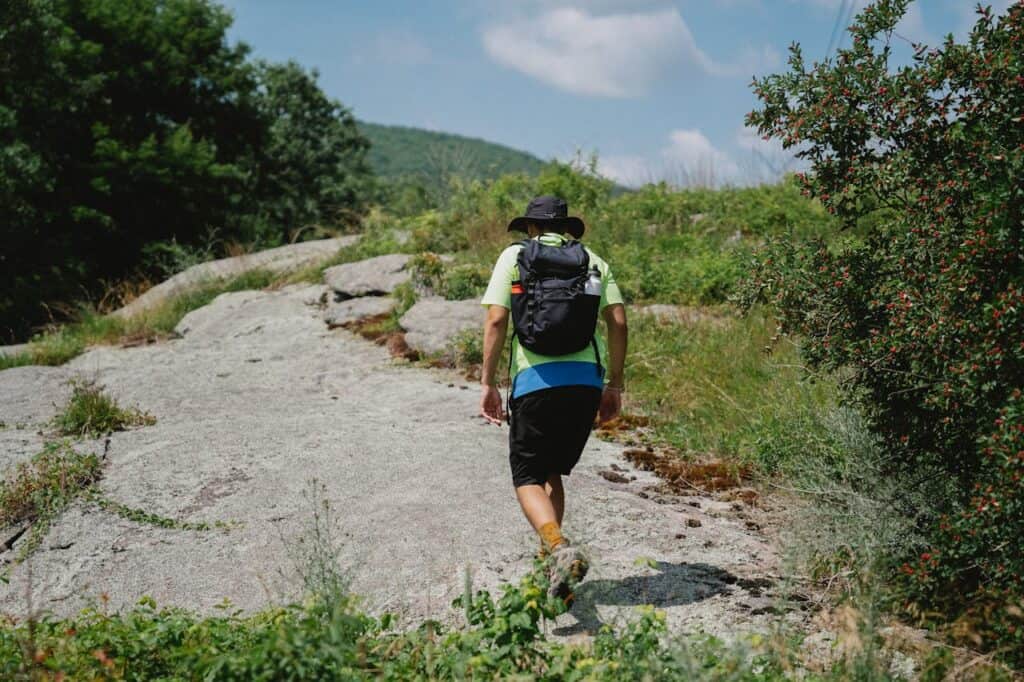
Cardiovascular endurance is the foundation of high-altitude hiking, so give yourself time to prepare. Weeks before your trip, integrate longer and steeper hikes into your routine along with interval training that elevates your heart rate. Strengthen core muscles, legs, and lungs by mixing in stair climbs, cycling, or running hills. The goal is not speed but resilience, so you can sustain effort for hours in thinner air. Consistency pays off as your body adapts, leaving you stronger and steadier when elevation rises sharply.
2. Spend Time at Moderate Elevations
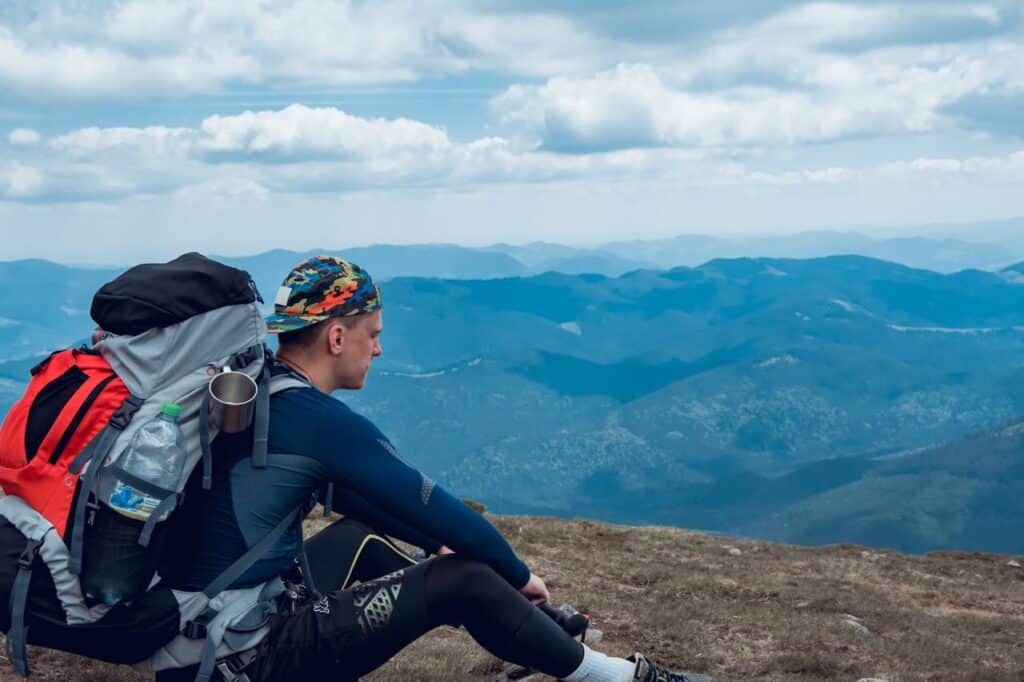
One of the most effective ways to prepare for altitude is to expose your body gradually. If possible, plan short trips or overnight stays at moderate elevations, around 5,000 to 7,000 feet, before heading higher. This practice allows your bloodstream to adjust to reduced oxygen while you learn how your body responds. Even a few days at these levels ease the transition to greater heights, lowering the risk of altitude sickness. Think of it as training your system to acclimate step by step.
3. Learn the Signs of Altitude Sickness
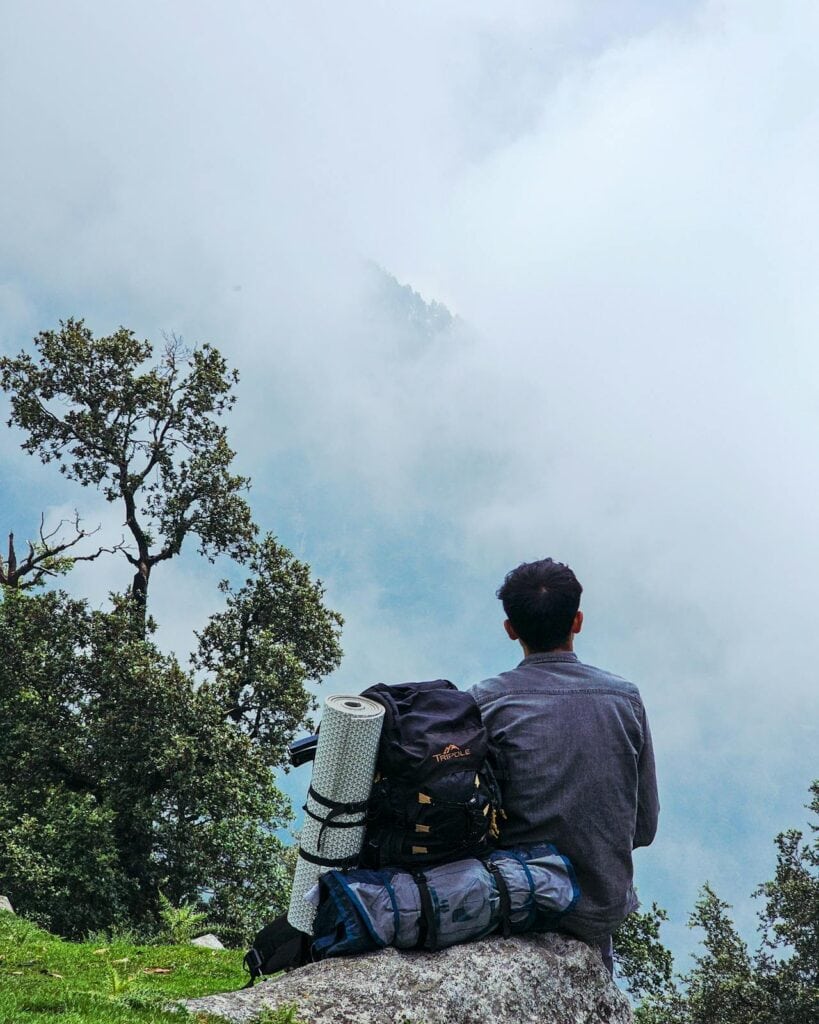
Altitude sickness can strike even experienced hikers, so awareness is your first defense. Early symptoms often feel like a mix of flu and exhaustion, including headache, nausea, dizziness, and shortness of breath. More serious forms can progress to confusion, fatigue, or dangerous swelling in the lungs or brain. Knowing these warning signs helps you act quickly, whether by resting, hydrating, or descending in elevation. Recognizing that no one is immune arms you with the respect altitude demands.
4. Hydrate More Than Usual
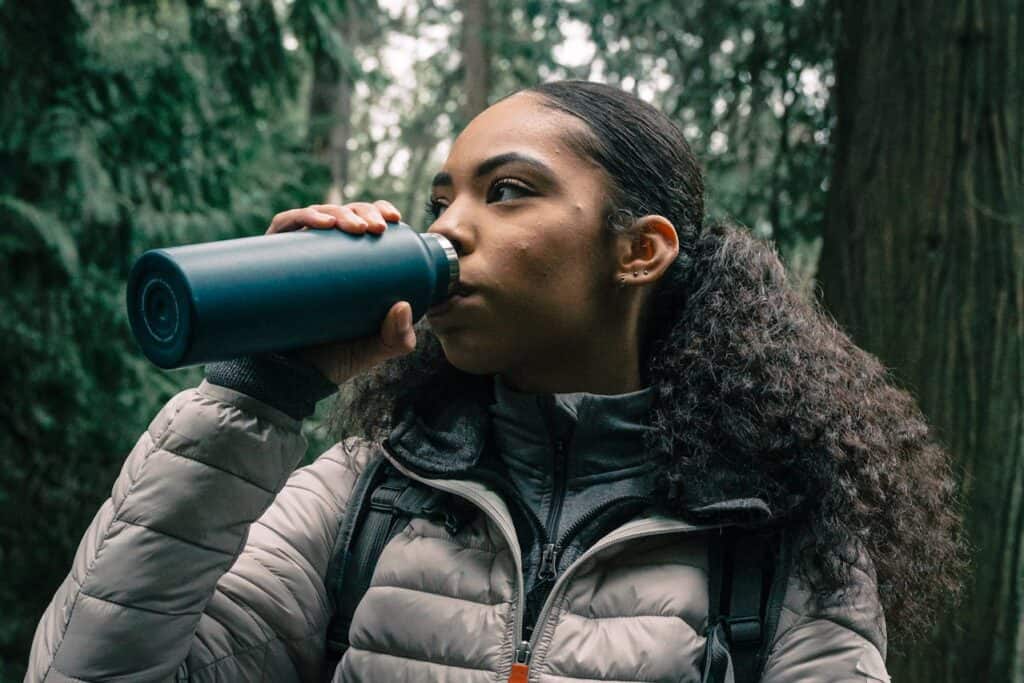
At higher altitudes, your body dehydrates faster due to dry air and increased respiration. Make water a priority long before you feel thirsty by sipping consistently through the day. Add electrolyte powders or tablets to support balance and prevent cramping. A simple trick is to monitor urine color, keeping it pale rather than dark. Even mild dehydration can amplify altitude sickness symptoms, so drinking more than usual is a small but powerful way to protect your stamina and comfort.
5. Fuel Your Body with the Right Foods
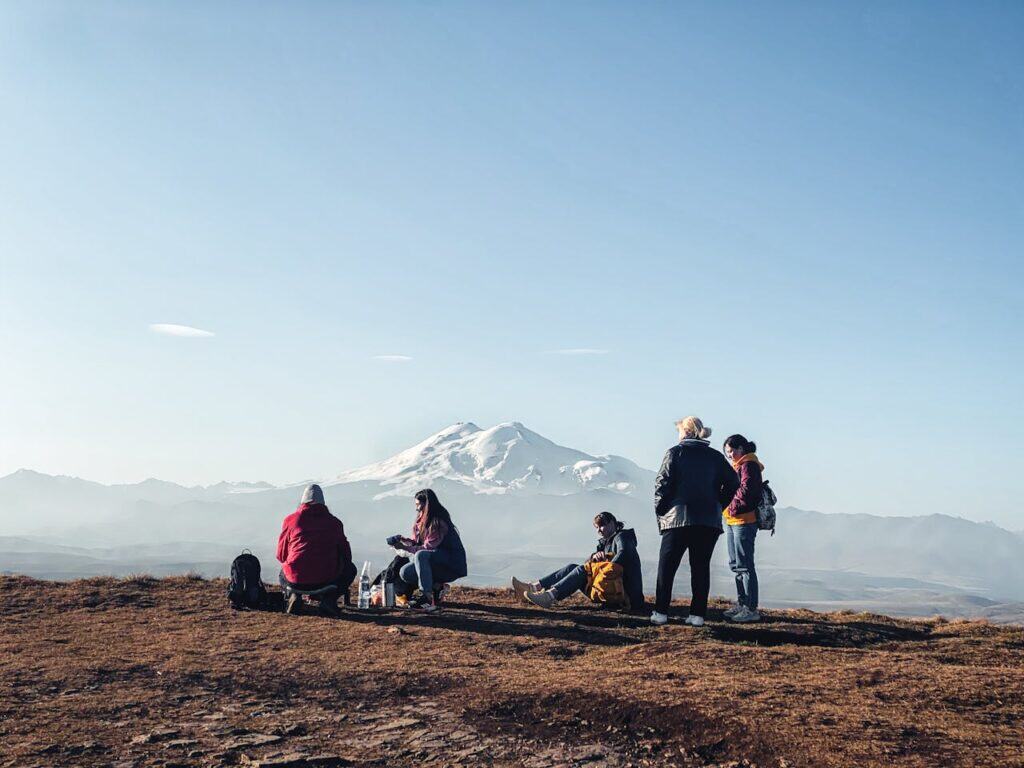
Nutrition plays an underrated role in altitude performance. Lean proteins, whole grains, vegetables, and fruits provide steady energy to power your muscles. Complex carbs are particularly valuable since your body uses oxygen more efficiently when burning them compared to fats. Small, frequent meals also aid digestion and keep blood sugar stable. Avoid heavy, greasy foods before strenuous climbs, as these can slow you down. Eating wisely not only keeps you moving but also boosts mood and recovery in thinner air.
6. Train with a Backpack
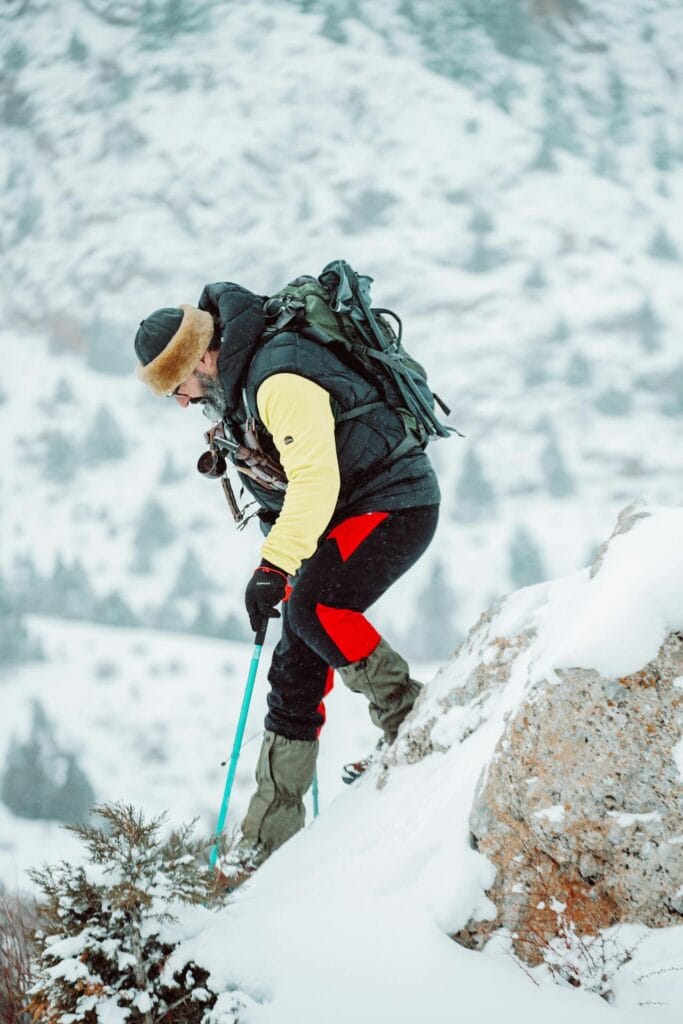
Carrying gear feels different when the air is thinner, so train with a loaded backpack before your hike. Start with a light load, then add weight gradually until it matches your planned gear. Practice moving on uneven trails and uphill climbs while adjusting your straps for comfort. This strengthens your shoulders, hips, and back, while also teaching you how to balance with extra weight. By training this way, the pack feels like a natural part of your body when elevation challenges arrive.
7. Dress in Breathable Layers
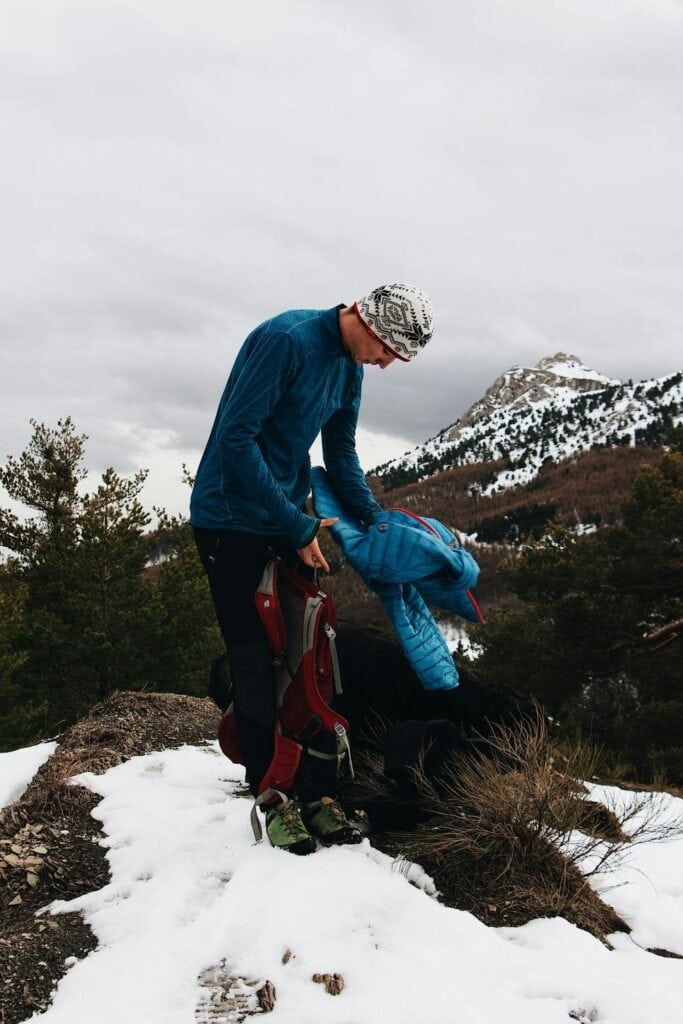
Weather in the mountains shifts rapidly, often swinging from intense sun to cold winds. Layering clothing keeps you adaptable without overheating or chilling. Begin with a moisture-wicking base, add insulating mid-layers, and top with a windproof jacket. Avoid cotton, which traps moisture and loses warmth. Gloves, hats, and gaiters are compact but make a significant difference in comfort. When you master layering, you stay dry and warm, letting you focus fully on the trail instead of the climate.
8. Pace Yourself Wisely
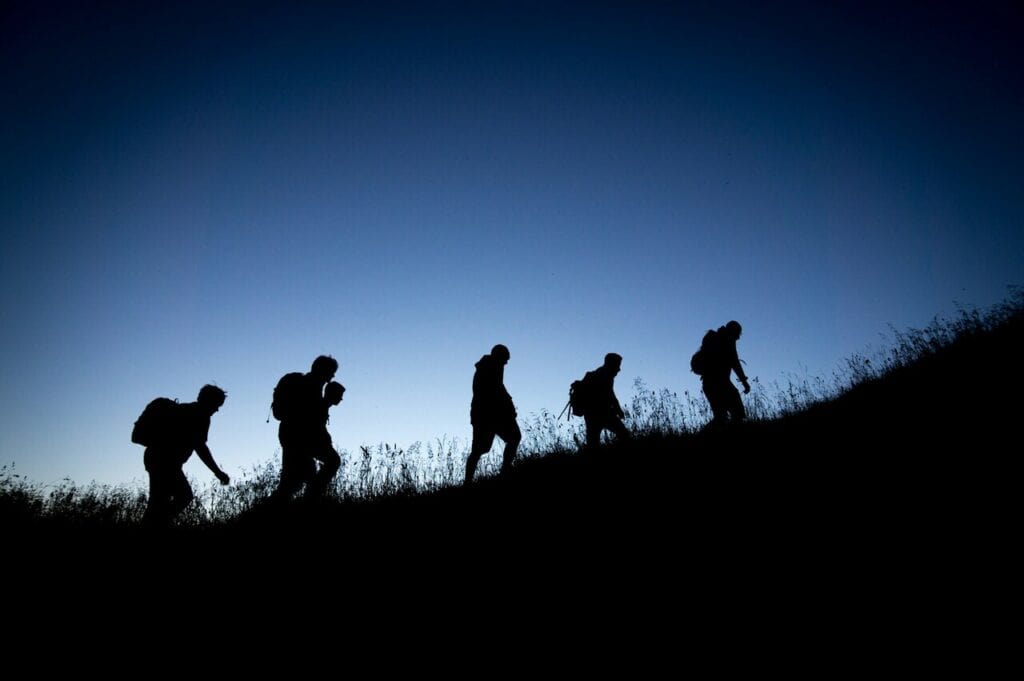
Charging ahead at high altitude backfires quickly, leaving you winded and drained. Instead, adopt a steady pace that respects the thinner air. Practice “rest steps,” pausing briefly after each stride on steep ascents, and coordinate breathing with movement. Slow and controlled motion conserves energy and reduces the buildup of fatigue or dizziness. Remember, efficiency outweighs speed in the mountains. By pacing wisely, you protect your strength and improve endurance over hours of hiking at elevation.
9. Protect Yourself from the Sun
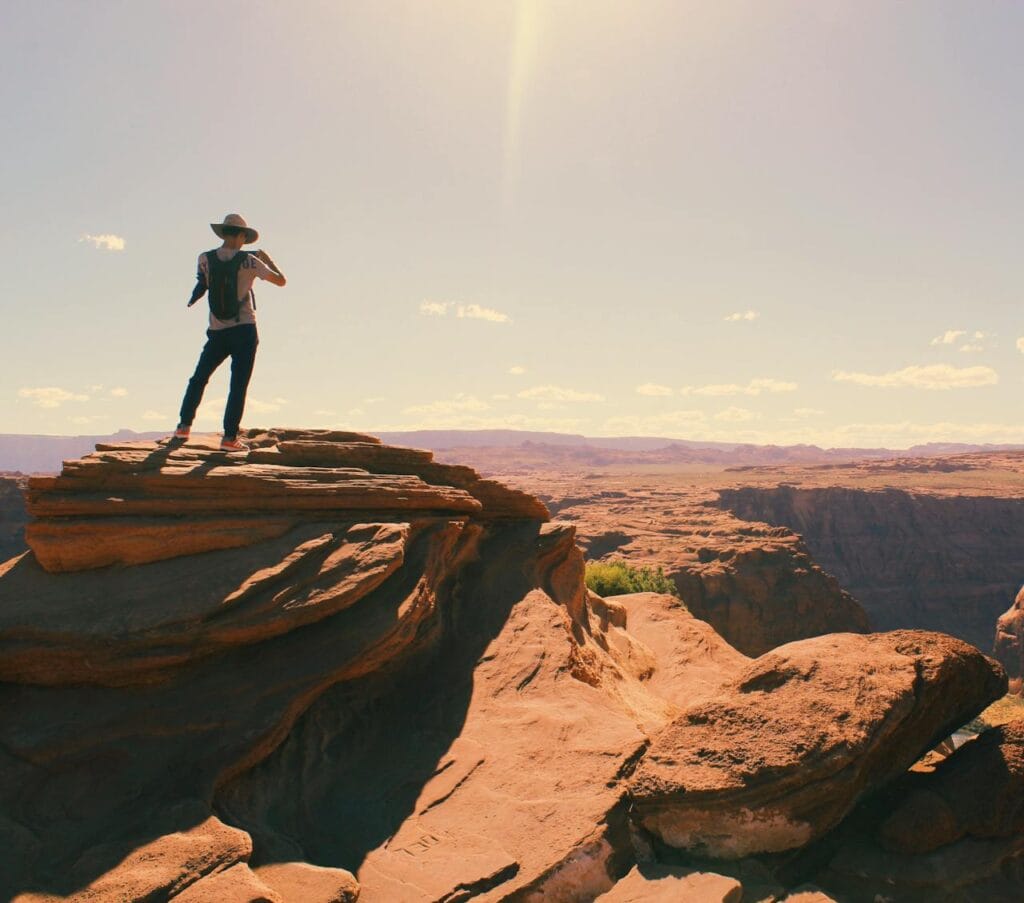
High-altitude sun exposure is stronger because the atmosphere is thinner, allowing ultraviolet rays to hit harder. Even on cloudy days, the glare and reflection from snow or rock can cause burns. Apply broad-spectrum sunscreen generously, reapply every two hours, and wear sunglasses with UV protection and side shields. A brimmed hat adds shade but does not replace sunscreen. Taking sun protection seriously helps you avoid sunburn and the fatigue that comes from excessive exposure at elevation.
10. Prepare for the Mental Challenge
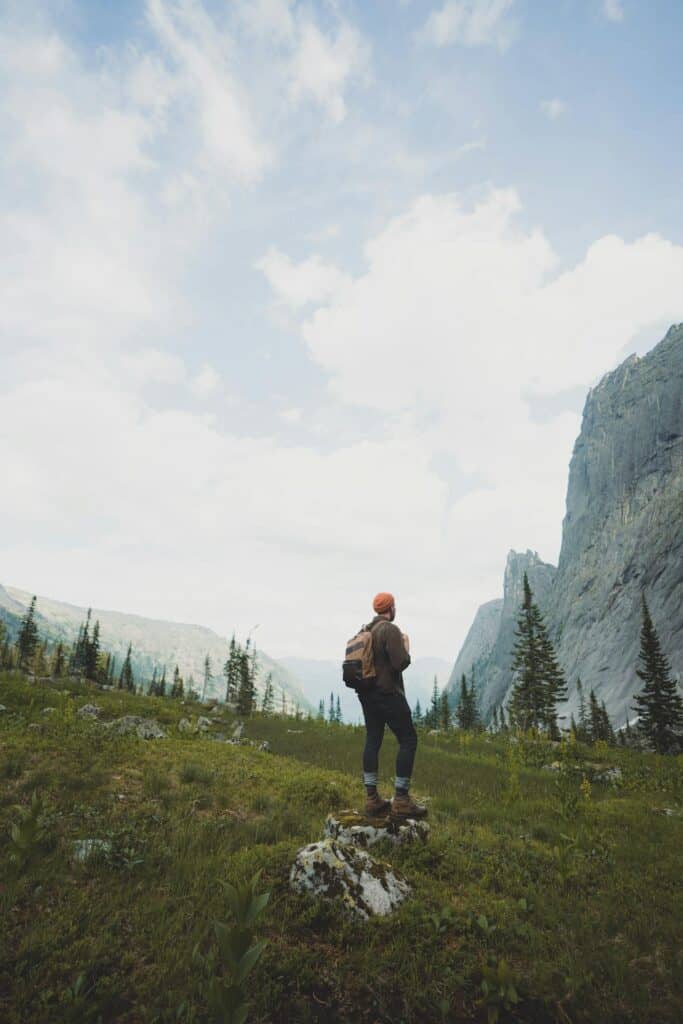
Altitude affects not only your body but also your mindset. The slower pace, colder air, and longer effort can test your patience. Preparing mentally means expecting discomfort, visualizing difficult climbs, and committing to steady progress regardless of setbacks. Bring motivators like music, mantras, or memorable goals tied to the hike. Mental resilience keeps you moving forward when fatigue whispers that quitting is easier. By building a tough mindset, you gain satisfaction that extends well beyond the summit.
11. Know When to Turn Around
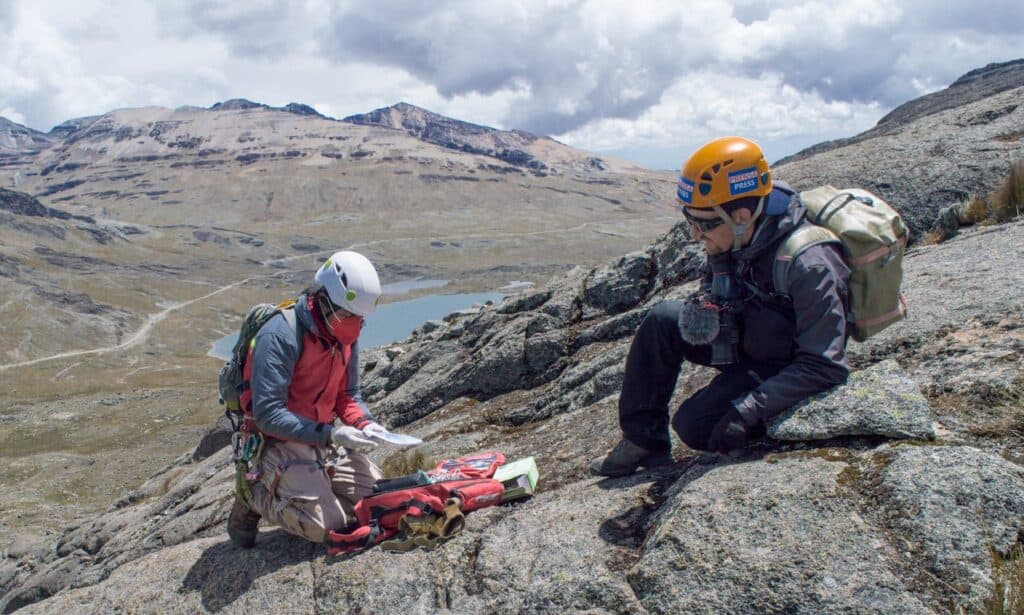
Perhaps the most practical advice for altitude hiking is accepting limits. Mountains will always be there, but your health and safety cannot be replaced. Learn to evaluate conditions honestly: worsening weather, severe fatigue, or signs of altitude sickness mean it is smarter to descend. Turning around is not failure but proof of responsibility. Experienced climbers know retreating keeps future adventures possible. Trusting your judgment and valuing safety ensures you return stronger for the next challenge.
12. Plan Extra Time for Weather and Recovery

High-altitude trips move on mountain time, not schedules. Build flexibility into your plan so you are not forced to push through bad weather or fatigue. Afternoon storms, cold snaps, and strong winds are common above treeline, and recovery takes longer in thin air. Allowing buffer days reduces pressure and gives your body room to rest, hydrate, and acclimate properly. Extra time often makes the difference between a rushed struggle and a confident, enjoyable climb.
Other Blog Posts You Might Enjoy
www.idyllicpursuit.com (Article Sourced Website)
#Practical #Steps #Prepare #HighAltitude #Hikes #Idyllic #Pursuit