
We may earn money or products from the companies mentioned in this post. This means if you click on the link and purchase the item, I will receive a small commission at no extra cost to you … you’re just helping re-supply our family’s travel fund.
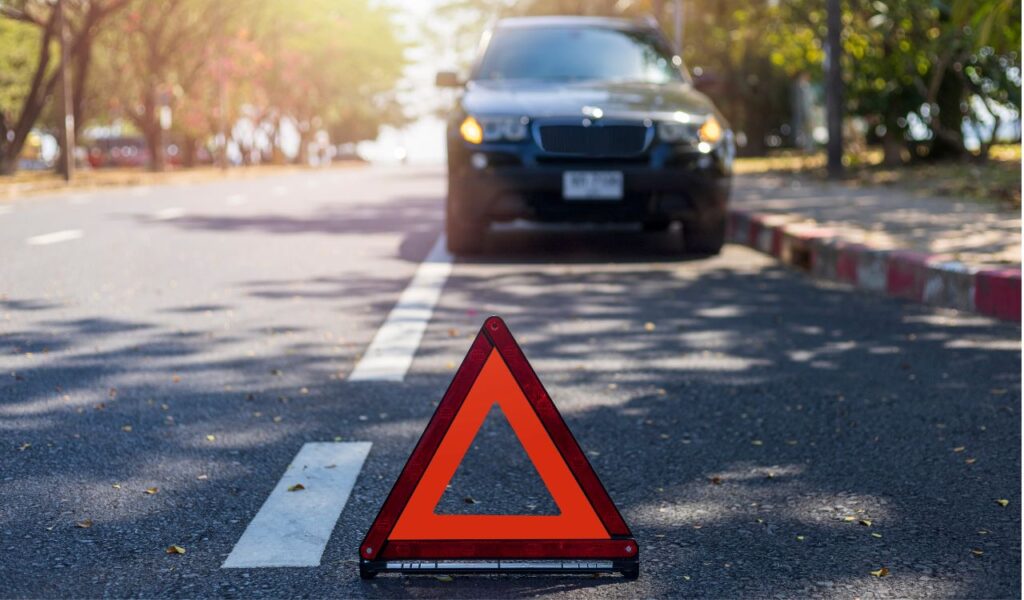
Driving laws evolve with time, but some outdated road rules still linger in driver’s ed materials and public perception. Whether it’s old myths about headlights or habits from the era before modern safety tech, many rules simply don’t apply today. Knowing which ones no longer matter can help you drive smarter and avoid needless stress. Let’s break down 12 road rules that might’ve once made sense, but don’t hold up anymore in 2025.
Hand Signals Instead of Indicators

Once essential before car indicators were standard, hand signals are now obsolete in regular driving. Today, functioning blinkers are the clear, expected way to communicate turns or lane changes. Hand signals should only be used if your indicators fail, and even then, only in daylight and safe conditions. Relying on them can confuse other drivers and increase risk, especially in fast or dense traffic.
Honking to Pass or Alert Others

It used to be common to honk when overtaking or warning someone, especially on narrow or rural roads. But now, excessive horn use is considered rude or even aggressive. Most modern vehicles and roads are designed to allow clear, visual signaling. Use of mirrors, indicators, and awareness makes honking unnecessary in most situations, reserving it for emergencies is now the widely accepted norm.
Barefoot Driving Is Illegal

Many drivers still think it’s against the law to drive barefoot. In fact, it’s legal in most countries, including the U.S. and Pakistan. While it’s not illegal, it may be unsafe bare feet can slip off pedals or fail to apply enough pressure. For control and grip, it’s usually better to wear flat, secure shoes. But rest assured, you’re not breaking the law by kicking off your shoes to drive.
Headlights Only at Night
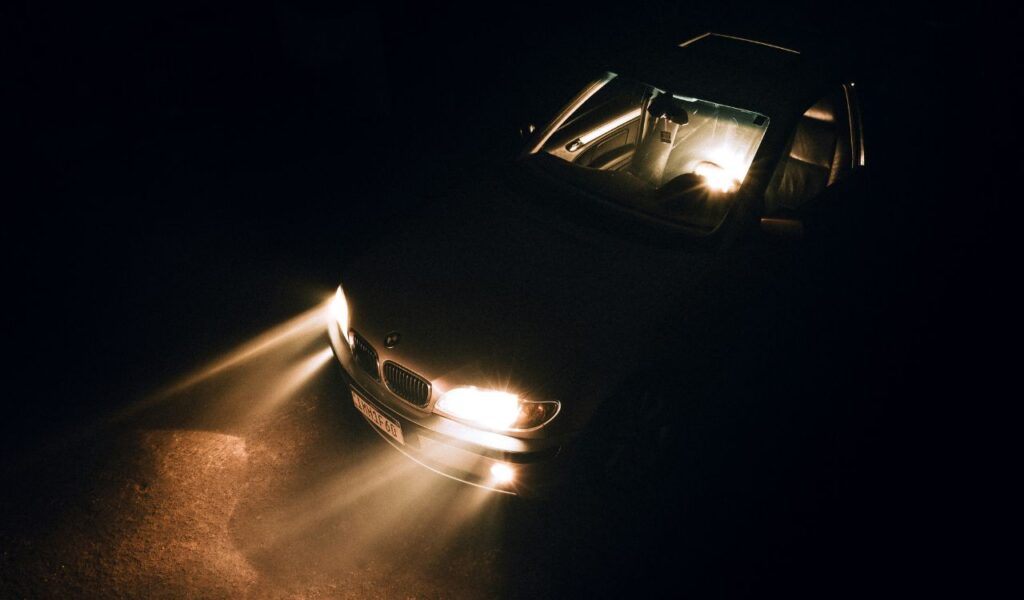
There’s an old belief that headlights should only be used at night to avoid battery drain. Today, daytime running lights are built into most vehicles to improve visibility during rain, fog, or low-light conditions. Using headlights in poor visibility helps prevent accidents and is often legally required. You won’t hurt your battery—and you’ll help other drivers see you clearly on the road.
Flashing Headlights to Yield

Flashing headlights once meant “go ahead” or “I’m letting you pass,” but it’s fallen out of favor. This gesture is now discouraged due to the potential for confusion or accidents. Instead of informal signals, rely on established traffic rules. Flashing lights can be misinterpreted, especially by tourists or new drivers, leading to misjudged moves. When in doubt, follow the right of way.
Right Lane Means Fast Lane

The old idea that the right lane is always for fast drivers doesn’t hold everywhere anymore. Modern highway systems often vary their lane usage based on traffic flow, tolls, or signage. In some areas, overtaking can happen in any lane depending on conditions. Following signs and road markings is safer than assuming outdated rules. Don’t rely on lane stereotypes—observe your surroundings.
All Phone Use While Driving Is Illegal
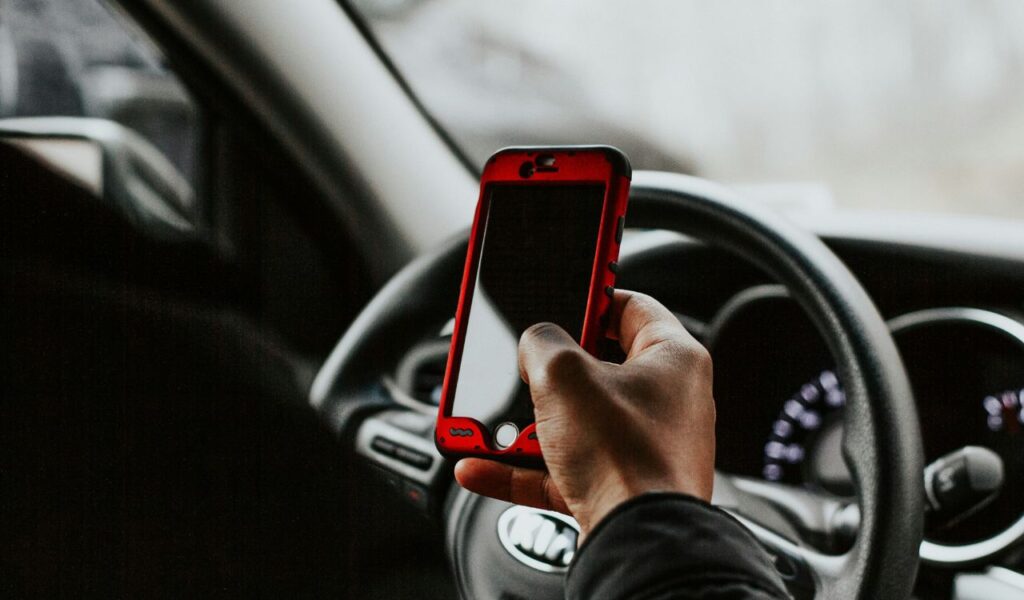
While holding a phone while driving is banned in many places, hands-free use isn’t. In fact, modern cars are designed to integrate Bluetooth, voice assistants, and touch-free dashboards for calls and navigation. Older advice warned against all mobile use, but that’s evolved. The key is to avoid distractions. If you can use your phone safely through your car’s interface, it’s allowed.
Seatbelts Are Only for Front Passengers

A dangerous belief still lingers: that passengers in the back seat don’t need to wear seatbelts. This has been proven false. In crashes, unbuckled back-seat passengers can seriously injure others or themselves. That’s why most traffic laws now require everyone in the car to wear a seatbelt. No matter where you sit, buckling up is critical for safety and often legally required.
Downshifting on Hills Instead of Braking

Drivers were once taught to downshift when going downhill to avoid using brakes too much. While this may still help in extreme conditions, modern brake systems are designed to handle slopes effectively. Overusing downshifting now adds unnecessary wear to your engine and transmission. Controlled braking is safer and more efficient in most driving scenarios trust your brakes.
Wide Left Turns from the Center

Older advice told drivers to swing wide left from the center or even cross into the other lane. This causes collisions. Today, the rule is simple: turn left from the leftmost position close to the divider without invading the opposite side. Modern traffic flow and oncoming vehicles make wide turns dangerous. Keeping your turn tight and predictable is the safer, recommended move.
Yield to Honking Vehicles

In the past, honking often meant “move now” or “let me go first,” especially in chaotic traffic. But that’s not how right-of-way works. Honking doesn’t override traffic rules. Yielding should depend on signs, lights, and lane markings not who honks the loudest. Don’t let aggressive drivers push you into unsafe decisions. Follow the law and drive with calm, not noise.
Using Hazard Lights While Driving Slowly

Many drivers still believe turning on hazard lights while driving slowly—say, in heavy rain or fog—is a good safety signal. In reality, this can confuse others about whether your vehicle is stopped or moving. Hazard lights are meant only for emergencies when your car is stationary or disabled. If visibility is poor, switch on your headlights or fog lights instead, and stay in the right lane.
The through-line

Most of these “rules” stuck around because they once solved real problems: dim lights, weak brakes, no signals, no tech. Cars changed. Roads changed. The advice didn’t always keep up.What actually helps in 2025 is boring and effective: follow posted signs, use the tools your car was built with, communicate predictably, and minimize distractions. When customs clash with current law or common sense, trust the system that everyone else on the road is using now—not the habits we inherited.If you want one takeaway to carry forward, it’s this: clarity beats tradition. Drive in a way that’s obvious to other drivers, supported by modern safety features, and aligned with today’s rules. That’s how you reduce stress, tickets, and close calls—without giving up courtesy or confidence.
Other Blog Posts You Might Enjoy
www.idyllicpursuit.com (Article Sourced Website)
#Outdated #Road #Rules #Dont #Follow #Anymore #Idyllic #Pursuit