
We may earn money or products from the companies mentioned in this post. This means if you click on the link and purchase the item, I will receive a small commission at no extra cost to you … you’re just helping re-supply our family’s travel fund.
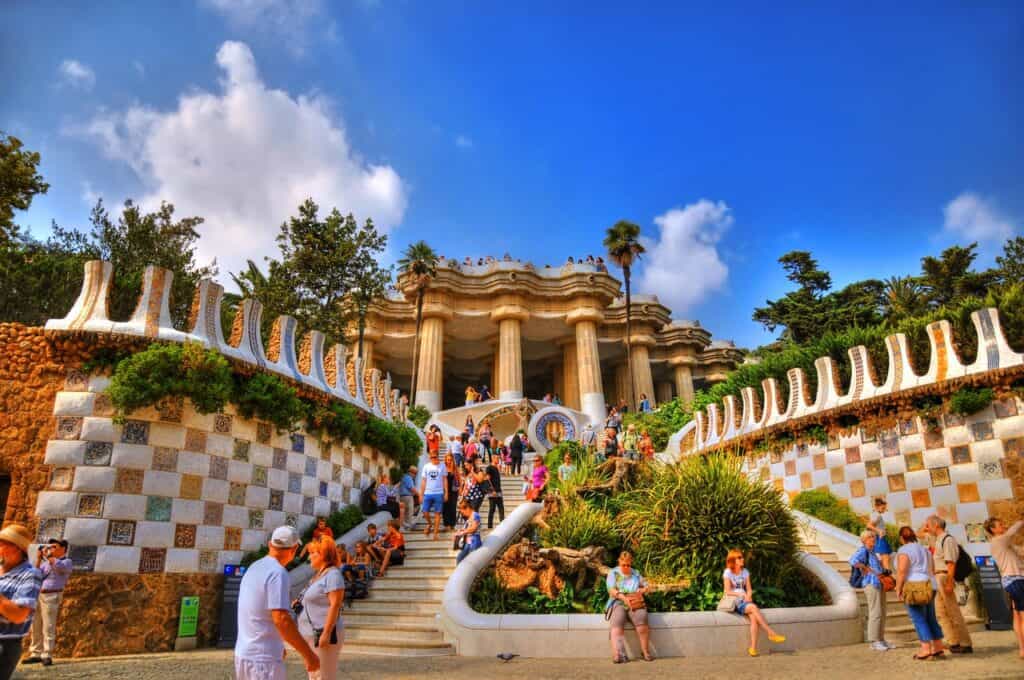
In many major destinations, the tension around tourism has shifted from mild annoyance to a deeper cultural fatigue. Local routines are disrupted, rents climb, and familiar neighborhoods feel rewritten by visitors who come seeking a curated version of life abroad. American travelers are only part of the crowd, yet their volume, pace, and expectations tend to stand out. Beneath the polite smiles, many residents express a quiet wish that guests arrive with more curiosity and less entitlement, honoring the fact that real people live behind every famous landmark.
Barcelona, Spain
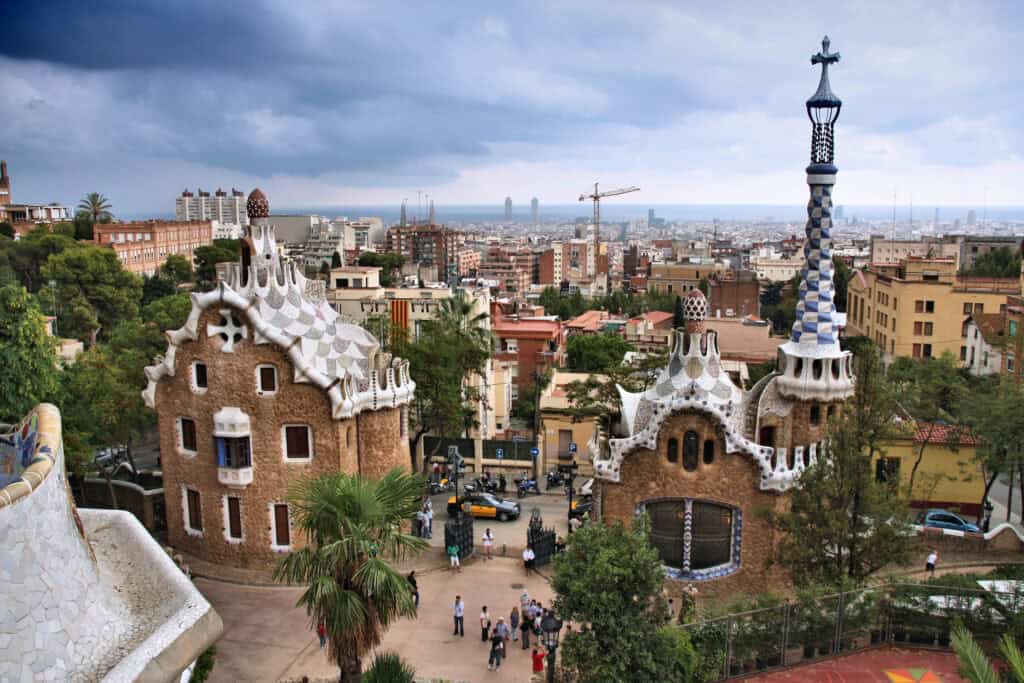
Barcelona’s residents often describe feeling pushed to the margins of their own neighborhoods as tourism floods every corner of the old city. Late-night balcony noise, crowds spilling through narrow alleys, and short-term rentals replacing family apartments feed a sense of displacement. American visitors add to the strain when they treat the Gothic Quarter like a 24-hour beach town rather than a dense, aging community. The frustration is rooted in daily life: people want to sleep, shop, and raise kids without navigating a constant festival staged for outsiders.
Venice, Italy
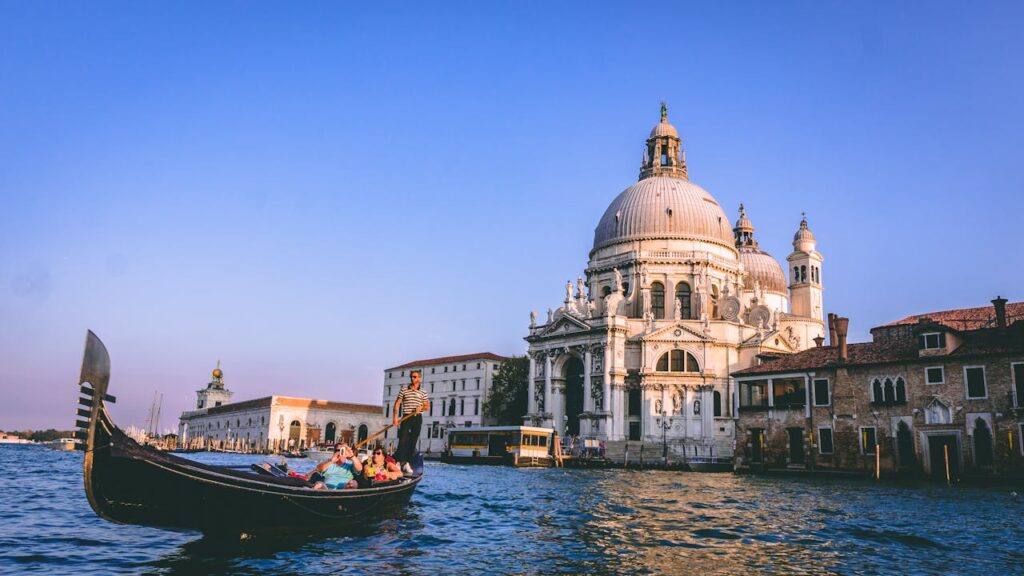
Venice was already fragile before cruise ships and mass tourism amplified the pressure, and locals now speak openly about exhaustion. Many feel that visitors, including Americans, wander the city as if it exists for pictures alone, ignoring the delicate rhythm of markets, churches, and residential canals. When strangers block bridges for long photo shoots or shout across courtyards built for quiet, the friction grows. Venetians are not angry at tourism itself; they are tired of living inside someone else’s fantasy without the room to maintain their own routines.
Paris, France
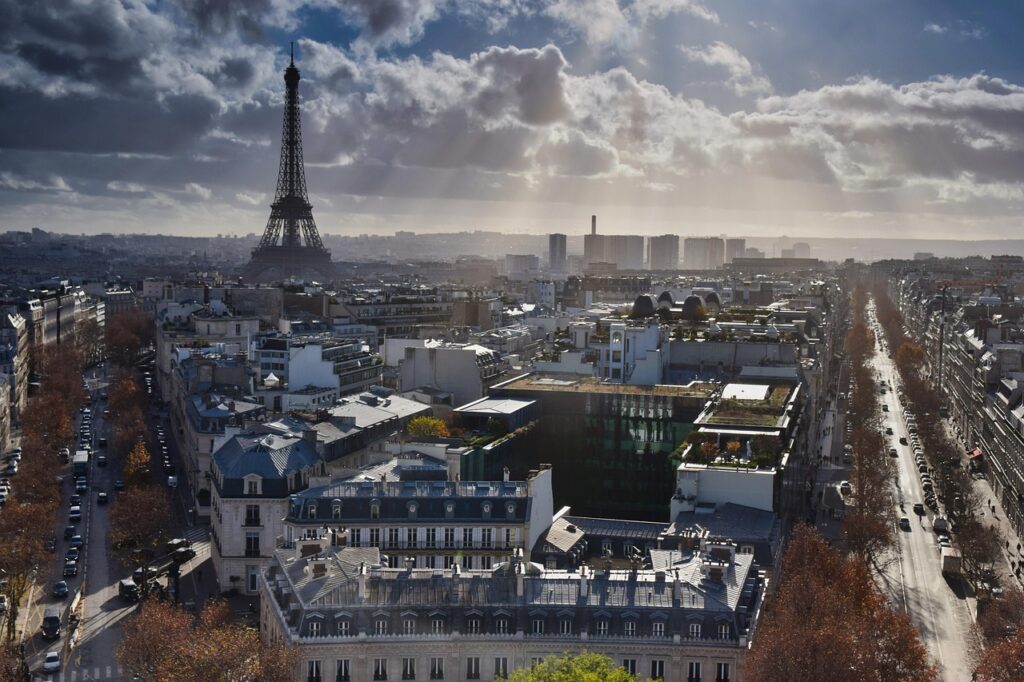
Parisians handle millions of visitors a year, but certain behaviors wear patience thin, especially when guests ignore simple etiquette. Residents mention frustration with tourists who speak loudly on terraces, skip greetings, or insist that servers adapt instantly to American habits. Some popular districts now feel staged for images instead of conversation, and locals quietly retreat to less photographed streets. The unease is not about disliking foreigners; it is about wanting the city to remain a lived-in place rather than a backdrop engineered to match cinematic expectations.
Amsterdam, Netherlands
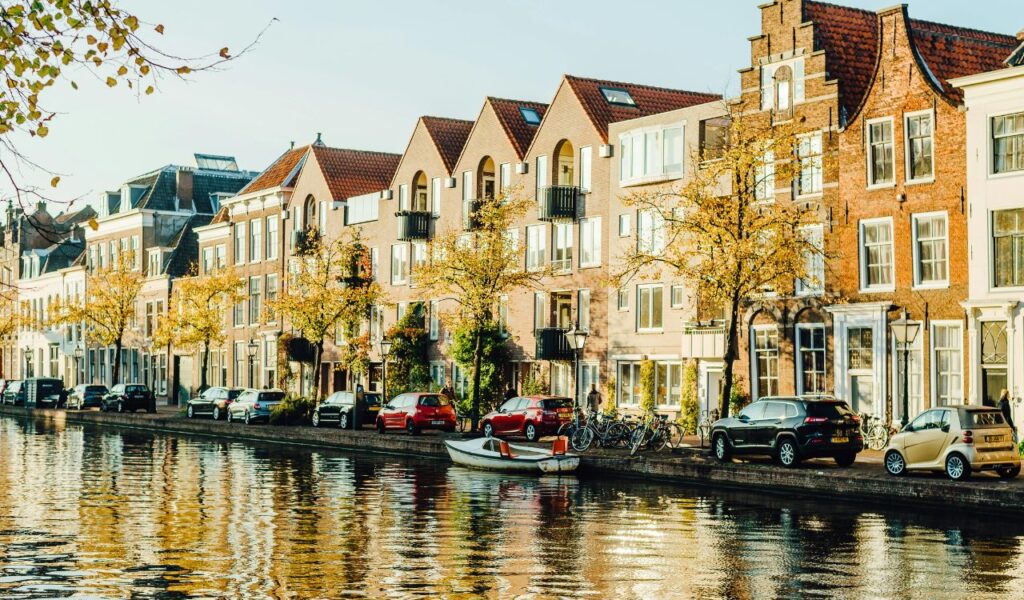
Amsterdam’s charm depends on narrow lanes, bikes flowing like water, and a balance between resident life and visitor curiosity. Locals say that balance breaks when party tourism takes over, especially in central districts where shouting, drinking, and reckless biking collide. Americans often get grouped with other English-speaking crowds whose volume and confidence outpace their awareness of local norms. The irritation does not stem from tourism itself, but from the constant effort required to protect a small, densely lived city from becoming one long weekend for outsiders.
Kyoto, Japan
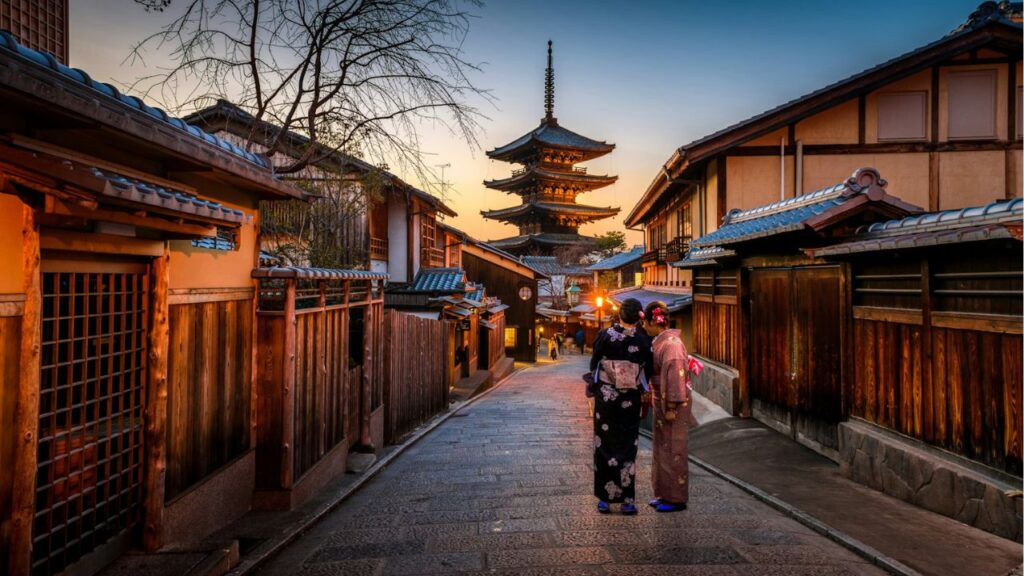
Kyoto carries a sense of quiet heritage that visitors frequently miss in their rush for iconic photos. Residents grow weary of tourists blocking narrow streets, chasing geiko and maiko, and speaking loudly in spaces meant for reflection. American travelers sometimes arrive with a stylized idea of “traditional Japan” and force the environment to match it, ignoring signs and subtle etiquette. What locals want is simple: space to live their cultural traditions without feeling turned into set pieces for someone else’s imagined version of the past.
Reykjavik And Iceland’s South Coast
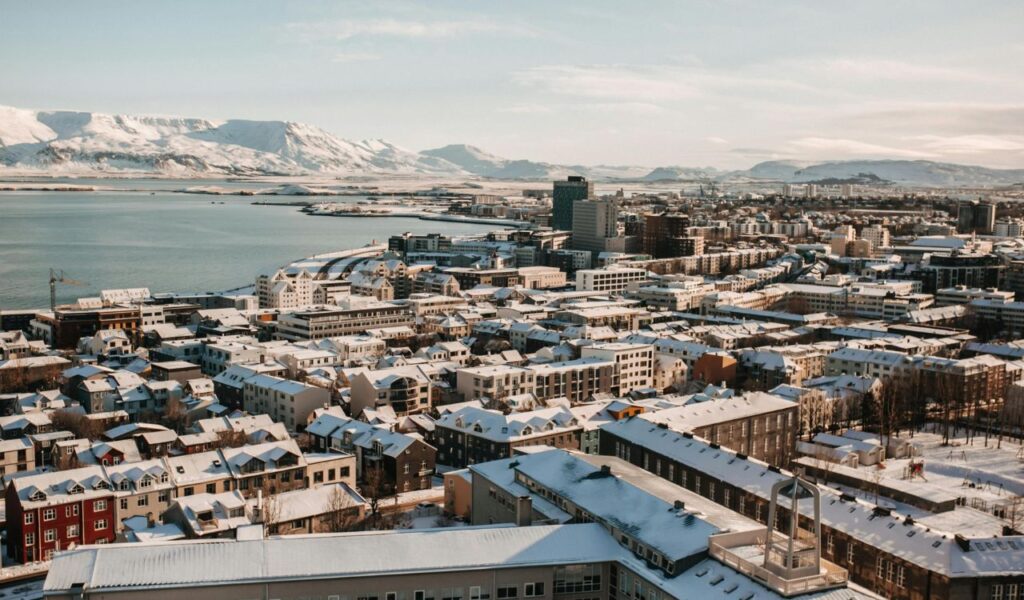
Iceland’s landscapes once felt remote, but a tourism boom reshaped daily life across the island. Reykjavik locals describe a downtown dominated by tour groups, souvenir shops, and visitors asking for constant convenience in a place shaped by unpredictable weather. Along the South Coast, farmers field complaints about off-road driving, damaged moss beds, and crowds at fragile natural sites. American travelers are part of that surge, and residents now push for more mindful behavior that respects both the land and the communities that maintain it.
Dubrovnik, Croatia
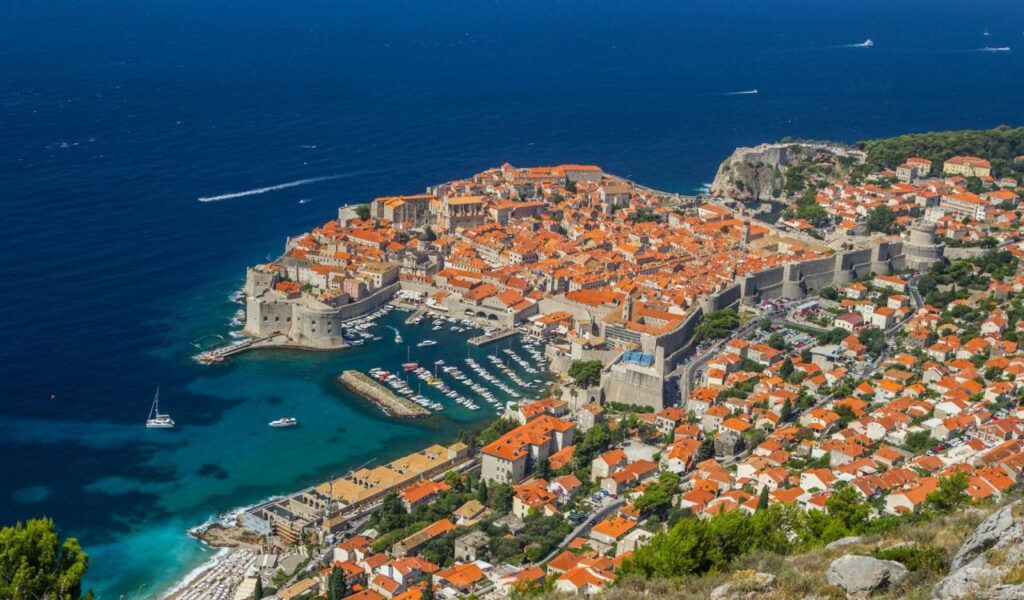
Dubrovnik’s old town has become both a real home and a global stage. Locals say the shift became stark when movie and TV fans arrived mainly to trace fictional scenes rather than engage with the city’s long history. American tourists often show up eager for reenactments, crowding steep stairways and treating residential corners like props. The result is a sense that the city’s identity is being overwritten by a fantasy version exported abroad. Residents simply want visitors to notice the living community behind the stone walls.
Lisbon, Portugal
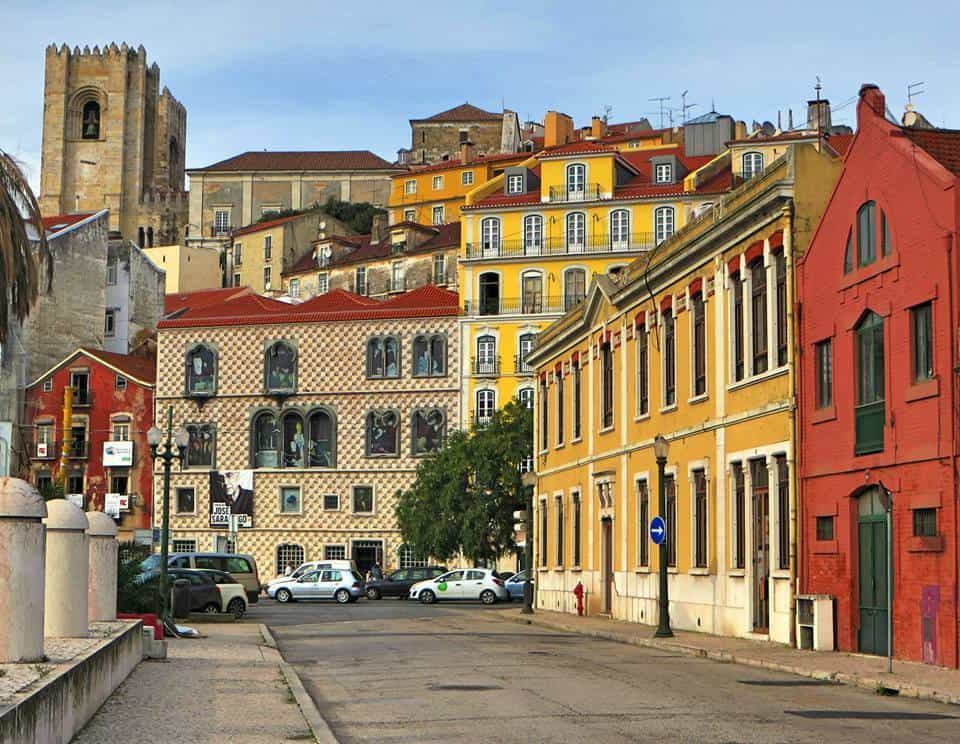
Lisbon’s rapid rise in popularity has created sharp cultural friction, especially in historic neighborhoods where rents now outpace local incomes. Residents mention seeing cafés pivot entirely toward American tastes, English replacing Portuguese on menus, and long-term homes converted into short-stay rentals. The pressure builds when working families are priced out by remote workers who treat the city as a lifestyle upgrade. Locals still welcome visitors, but they hope for guests who understand the social cost of constant reinvention.
Bali, Indonesia
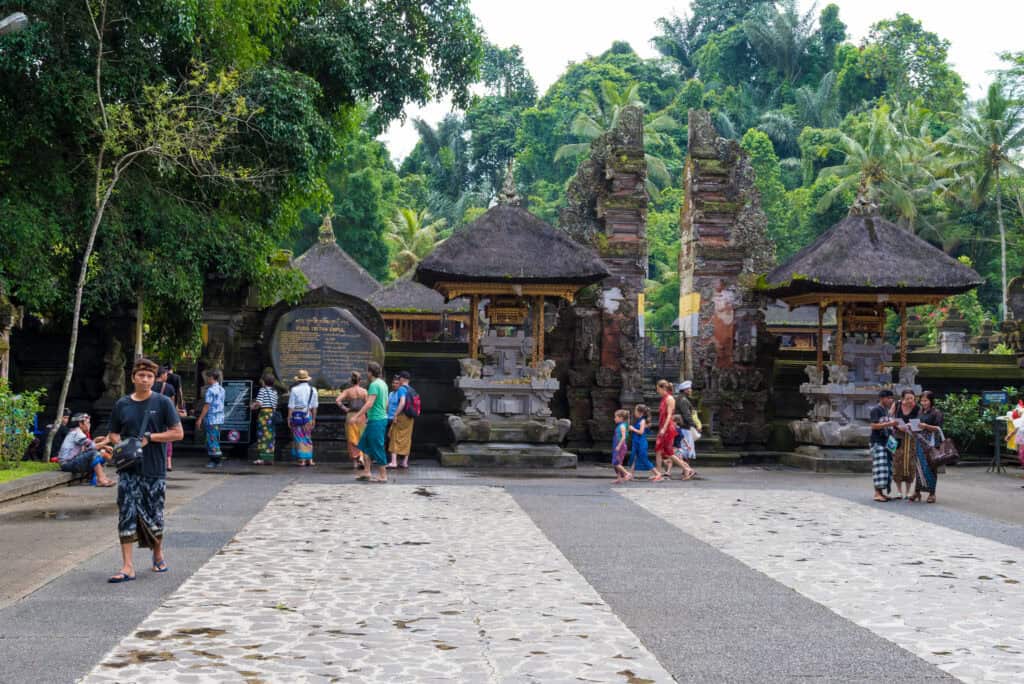
In Bali, irritation often comes from travelers who arrive seeking freedom without acknowledging local rules or spiritual practices. Residents describe tourists posing on temple steps in swimwear, ignoring dress codes, or treating ceremonies as quirky performances. American nomads sometimes set up communities that operate on imported norms instead of adapting to Balinese rhythms. This erodes the sense of respect that holds village life together. Locals are not hostile; they are tired of culture being mined for content without care for the people who live it.
Prague, Czech Republic
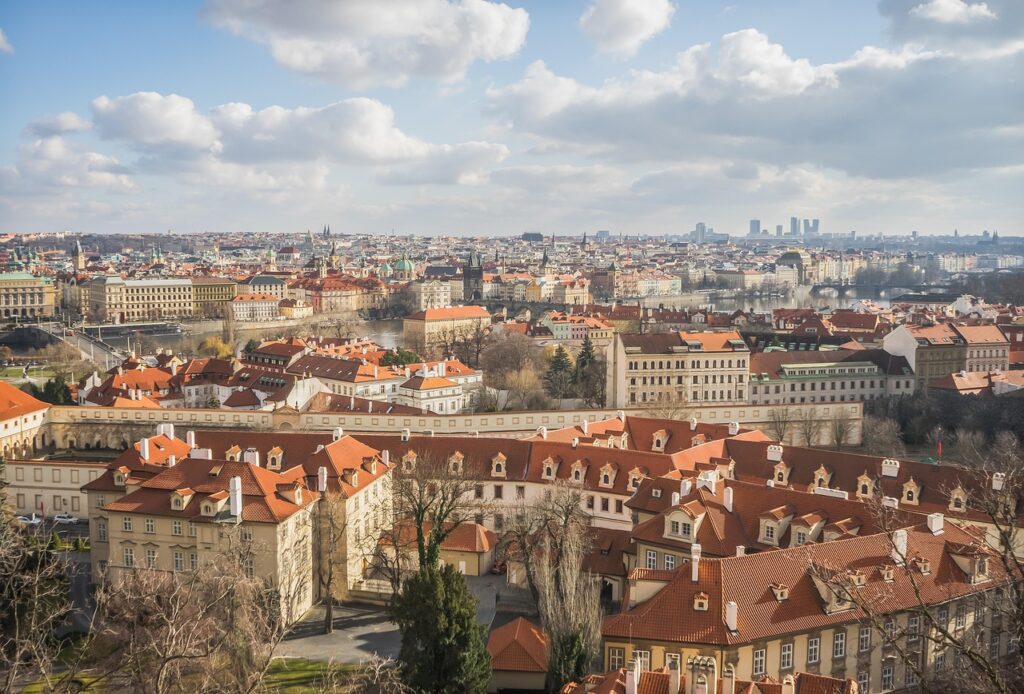
Prague’s medieval center draws huge crowds, and locals speak about losing everyday spaces to souvenir stalls and pub crawls. American tourists, often loud and enthusiastic, contribute to the atmosphere of nonstop celebration that spills late into residential hours. Residents describe feeling displaced by the constant revelry, especially when stairwells, trams, and small squares become extensions of bar scenes. The irritation surfaces because locals want their city to remain livable, not just affordable entertainment for short-term guests.
Bangkok, Thailand
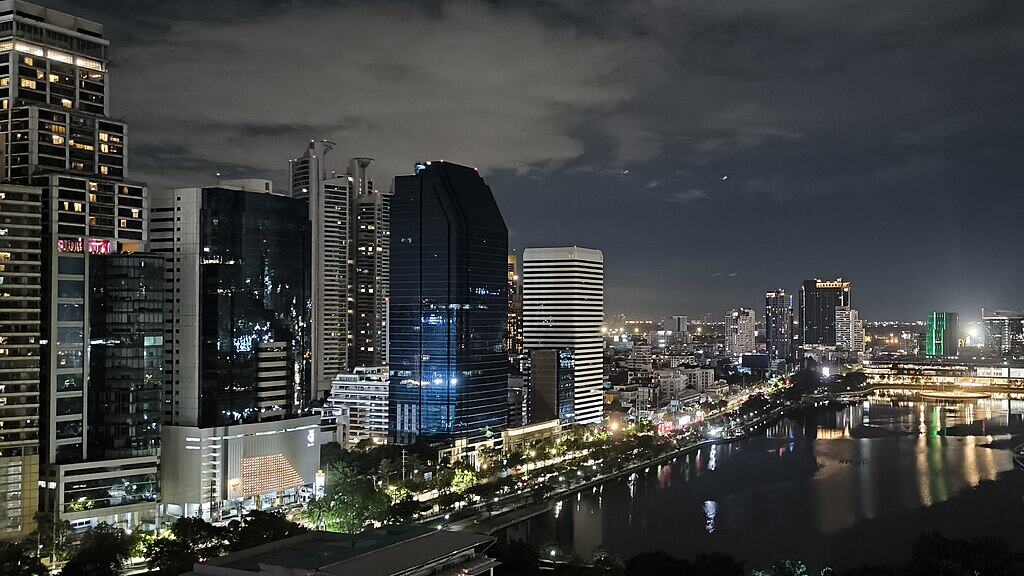
Bangkok moves at a rhythm shaped by vendors, shrines, family restaurants, and relentless traffic, and many locals feel that visitors miss this rhythm entirely. Some American travelers treat nightlife corridors as the whole city, ignoring customs around dress, speech, and temple etiquette. Street vendors describe frustration with tourists who bargain aggressively or film them without asking. Residents do not resent tourism; they resent being treated as colorful background instead of people maintaining a vast and complex city.
Mexico City, Mexico
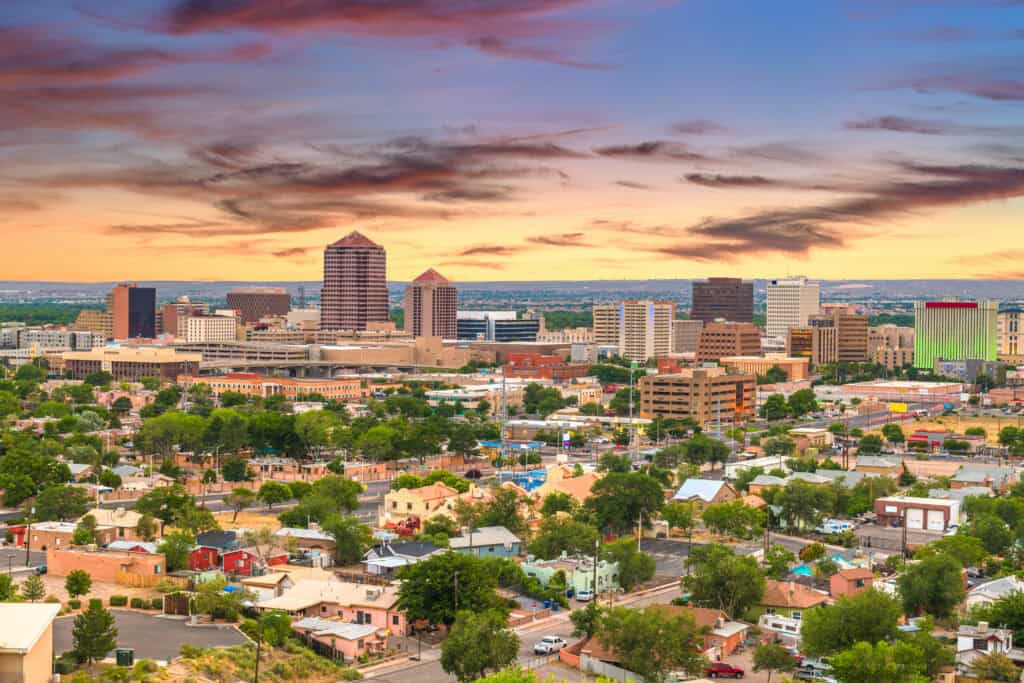
Mexico City has seen a surge of American visitors and remote workers, and cultural tension has followed. Locals note rising rents, English-first menus, and neighborhoods shifting toward outsider tastes. The irritation grows when visitors comment on street vendors, noise, or daily life as if those elements exist for staging rather than survival. Residents want the city’s culture appreciated, not remodeled. Their concern is real: a vibrant, historic community risks being reshaped into something that reflects foreign imaginations more than local roots.
Other Blog Posts You Might Enjoy
www.idyllicpursuit.com (Article Sourced Website)
#International #Cities #Locals #Tired #American #Tourists #Idyllic #Pursuit