
We may earn money or products from the companies mentioned in this post. This means if you click on the link and purchase the item, I will receive a small commission at no extra cost to you … you’re just helping re-supply our family’s travel fund.
As the United States approaches its 250th year, many travelers are searching for places that feel historically meaningful without the overwhelming crowds that gather at the biggest patriotic sites. These quieter destinations offer layered stories, scenic landscapes, and opportunities for reflection while still capturing the spirit of 1776. From frontier forts to mountain trails, each location holds threads of the nation’s origins and evolution, often visited by fewer than 150,000 people annually, making them perfect for a calmer but still powerful commemorative journey.
1. Saratoga National Historical Park, New York

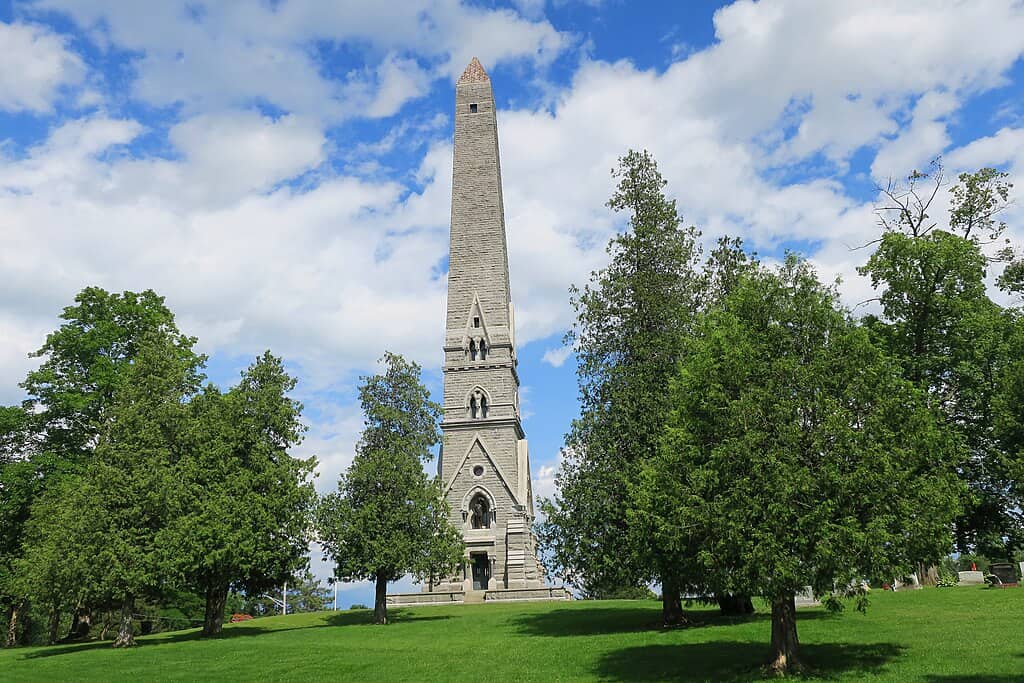
The rolling fields of Saratoga, visited by about 110,000 people each year, offer a serene setting to understand the 1777 turning point that reshaped the Revolution. The park’s 10-mile scenic drive, quiet viewpoints, and well-marked trails create room to explore strategies used by opposing forces without the pressure of heavy crowds. Standing along the ridgelines where the British advance collapsed, you feel how momentum shifted not through spectacle but through measured decisions and terrain. Saratoga’s blend of open landscapes, historical markers, and interpretive stops creates a contemplative experience that makes the victory feel both intimate and monumental.
2. Morristown National Historical Park, New Jersey

Morristown draws fewer than 90,000 visitors a year, allowing travelers to absorb the enormity of Washington’s harsh 1779–1780 winter encampment at a slower pace. With temperatures historically dropping below −15°C and soldiers living in over 1,000 hand-built huts, the site reveals the emotional and physical strain behind endurance. Walking the forested trails around Jockey Hollow, you sense the tension between scarcity and resolve that shaped this period long before independence was assured. The preserved farmhouse headquarters and reconstructed barracks anchor the landscape’s quiet, giving space for reflection on leadership, resilience, and the fragile thread the Revolution once hung upon.
3. Fort Stanwix, New York
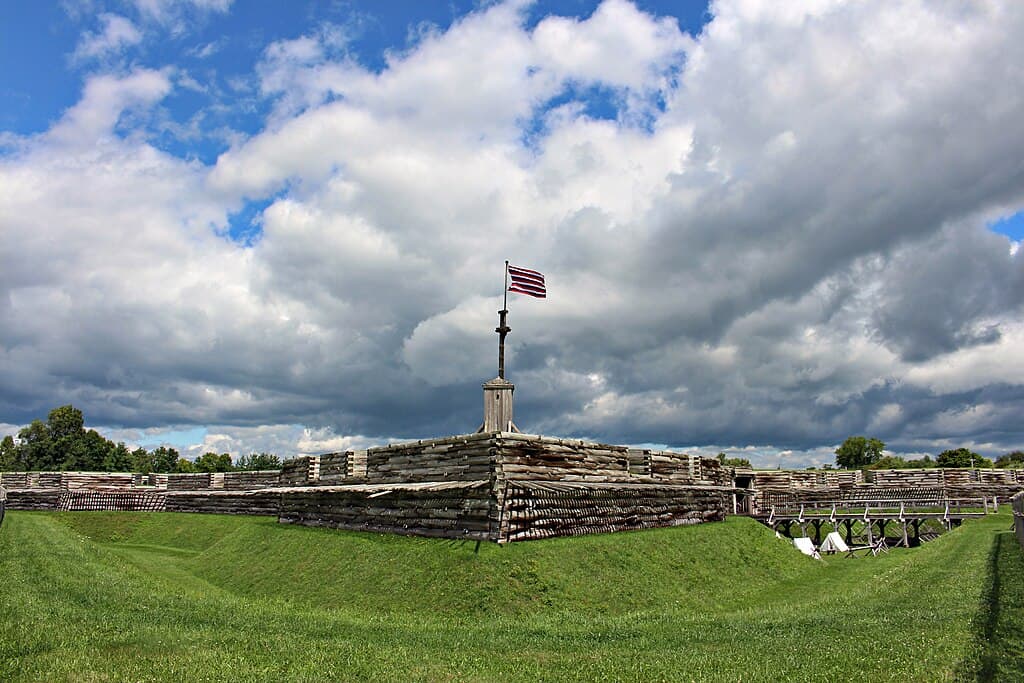
Reconstructed Fort Stanwix, which welcomes around 70,000 yearly visitors, offers a clearer look at the diplomatic and military crossroads of the northern frontier. Its square-shaped, star-influenced layout and detailed interiors reveal the pressures faced by soldiers, Indigenous nations, and settlers navigating contested territory. The 1768 treaty negotiated here affected nearly 250,000 square miles of land claims, underscoring how the Revolution extended beyond battlefields. Because the site rarely feels crowded, guides can explain the nuanced alliances that shaped the region’s future, letting you absorb stories of negotiation, cultural tension, and shifting power in a rhythm that feels thoughtful and unhurried.
4. Newport, Rhode Island
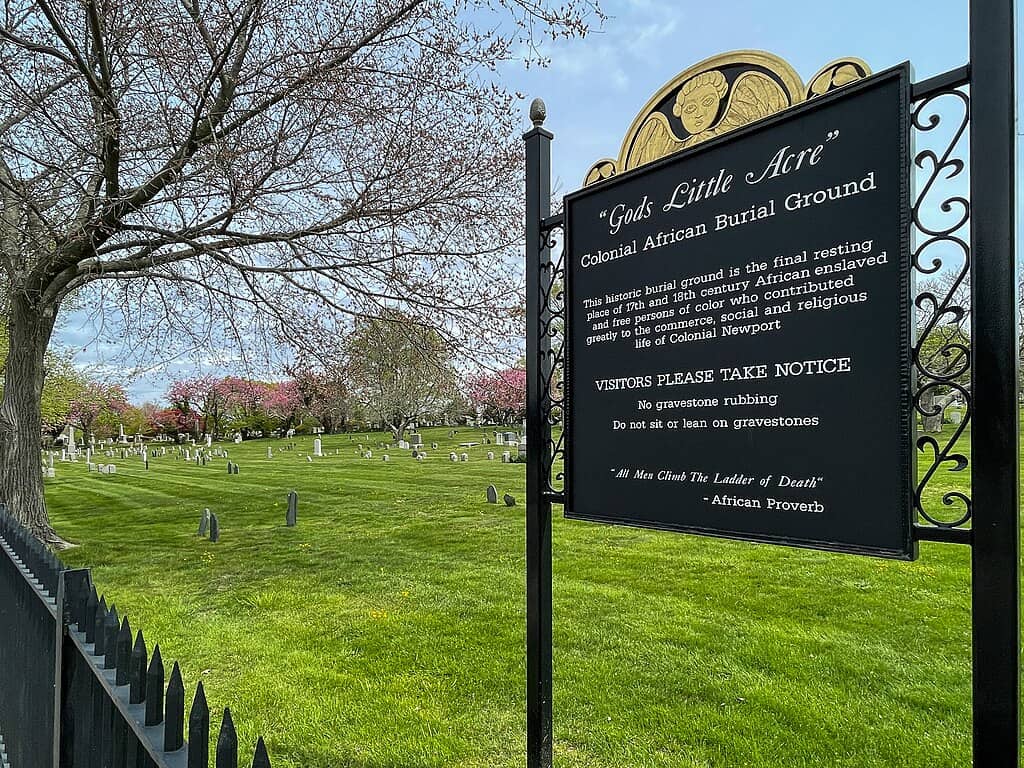
Newport receives nearly 1.2 million visitors annually, yet relatively few focus on its Revolutionary War history, leaving its forts and colonial lanes surprisingly calm. Sites like Fort Adams, spanning 20 acres, and the waterfront district offer insights into French-American cooperation and maritime strategy that supported independence. Walking the narrow streets lined with 18th-century homes, you experience how trade flows, privateering, and political alliances shaped the coastal economy. With sea breezes softening the atmosphere and foot traffic dispersed across multiple neighborhoods, Newport provides a historically rich but relaxed setting that blends ocean scenery with layers of cultural memory.
5. Yorktown Battlefield, Virginia
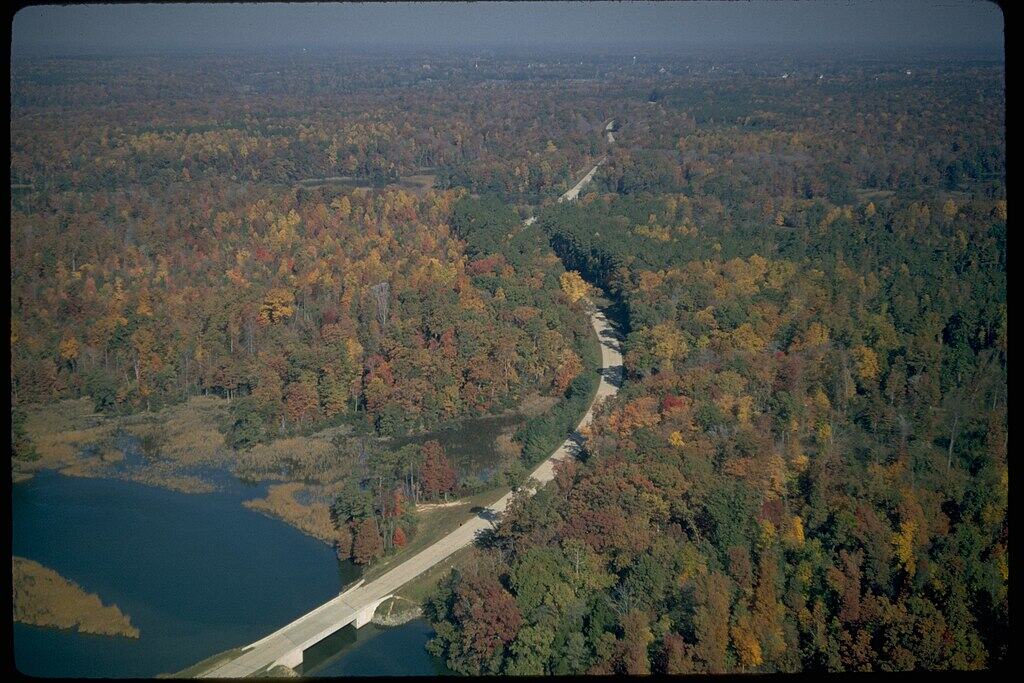
Despite being the site of the 1781 surrender, Yorktown draws far fewer crowds than nearby Williamsburg, averaging around 500,000 visitors per year across its expansive grounds. The battlefields stretch over 5,000 acres, offering space to stand where allied strategy boxed in British forces. Earthworks, siege lines, and quiet riverfront paths outline how the war’s final chapter unfolded in a coordinated push involving more than 16,000 soldiers. Without dense tour groups, you can linger at Redoubts 9 and 10, absorbing how the culmination of months of planning and cooperation led to a symbolic and practical victory that reshaped the world.
6. Hudson Valley Heritage Route, New York
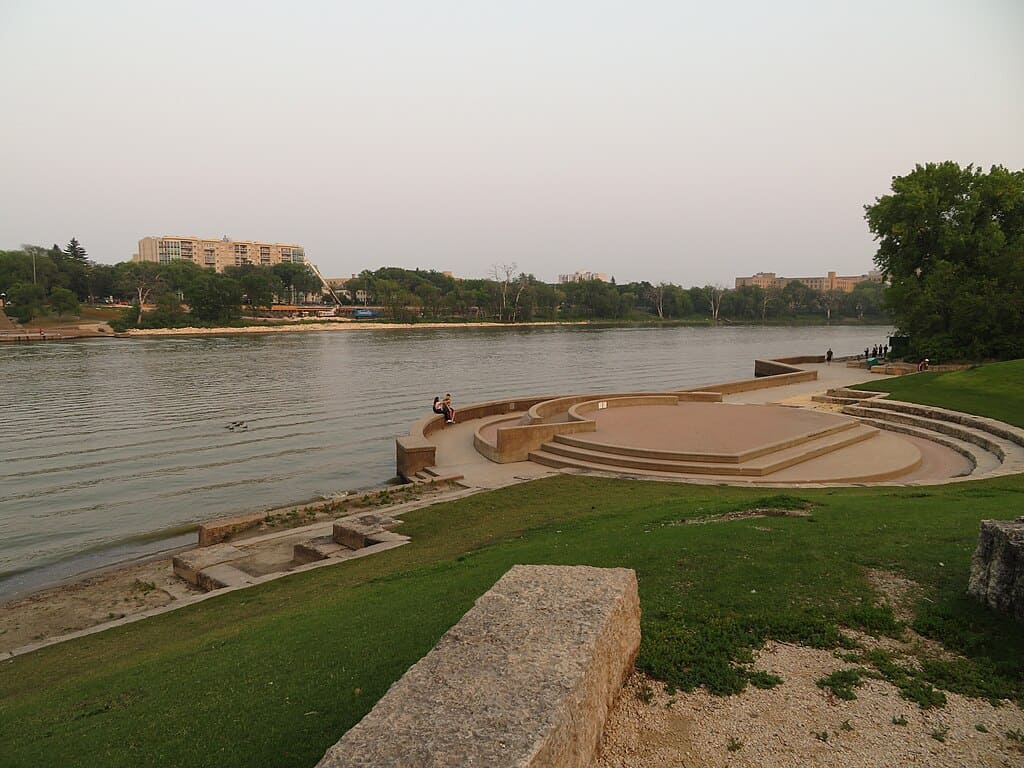
The Hudson Valley spans roughly 150 miles, connecting towns that collectively welcome millions yet still feel open due to their spread. Kingston’s 1777 capital site, Newburgh’s Washington Headquarters, and river overlooks form a chain of experiences blending countryside tranquility with foundational history. The region’s dozens of heritage markers and waterfronts reveal how politics, trade, and geography shaped early American identity. Farm markets, ferry ports, and forests soften the journey, letting visitors explore at their own pace. Because travelers disperse across multiple communities, the area retains a slow, steady rhythm ideal for thoughtful America 250 travel.
7. Western Pennsylvania Frontier Route
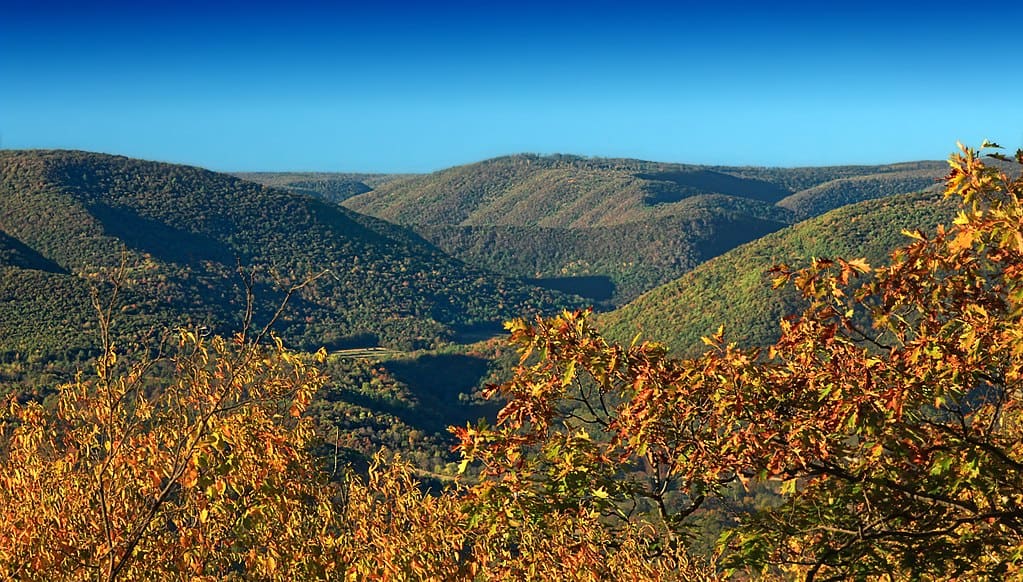
Stretching from Pittsburgh to the Allegheny foothills, this region sees modest visitation—many sites draw fewer than 50,000 guests a year—giving the frontier story rare breathing room. Fort Ligonier’s 8-acre reconstructed complex shows how supply lines, diplomacy, and early military engineering influenced Revolutionary strategy. Elsewhere, rolling farmland hints at the Whiskey Rebellion, where more than 500 armed citizens challenged tax policy in 1794. Driving these quiet roads lets you encounter small museums, scenic ridges, and preserved forts that reveal how revolution and nation-building unfolded far from major cities, shaped by resilience, debate, and rugged terrain.
8. Camden and the Backcountry Trail, South Carolina
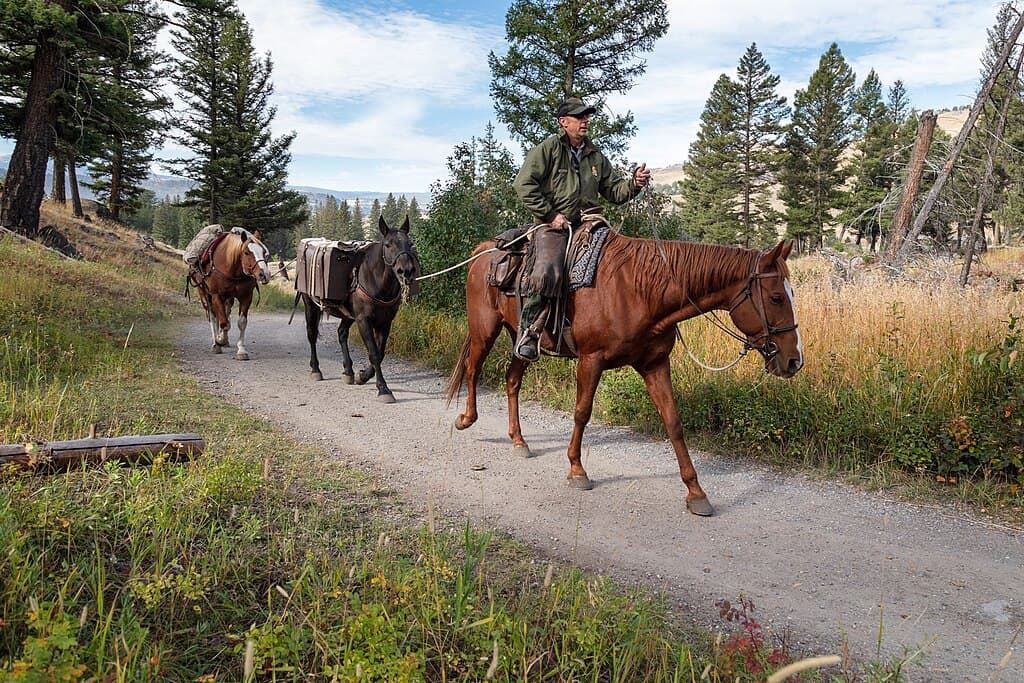
The historic town of Camden attracts about 55,000 annual visitors, keeping its battlefields and museums peaceful despite their importance. The 1780 battlefield spans over 2,000 acres, illustrating how British and Patriot forces clashed in one of the war’s most decisive southern encounters. Nearby sites connected by short drives reveal backcountry skirmishes and the lived experiences of farmers, militia fighters, and families navigating shifting loyalties. With pine forests, open fields, and interpretive stations spread across a wide area, the region offers a quiet environment to understand how grassroots resistance shaped the Revolution’s dramatic southern turn.
9. St. Augustine, Florida

Although St. Augustine receives more than 2 million visitors a year, most crowd its Spanish-colonial core, leaving British-era and Revolutionary-era locations calm. The massive Castillo de San Marcos, built with 400,000 coquina blocks, illustrates how global rivalries shaped America’s early borders. British occupation from 1763 to 1783 influenced policy shifts affecting thousands across the Southeast. Walking quieter streets beyond the main plaza reveals layered histories tied to trade routes, cultural blending, and contested loyalties. Its coastal setting, combined with dispersed foot traffic, helps create a thoughtful environment to explore the Revolution’s lesser-known southern dimensions.
10. Harpers Ferry, West Virginia
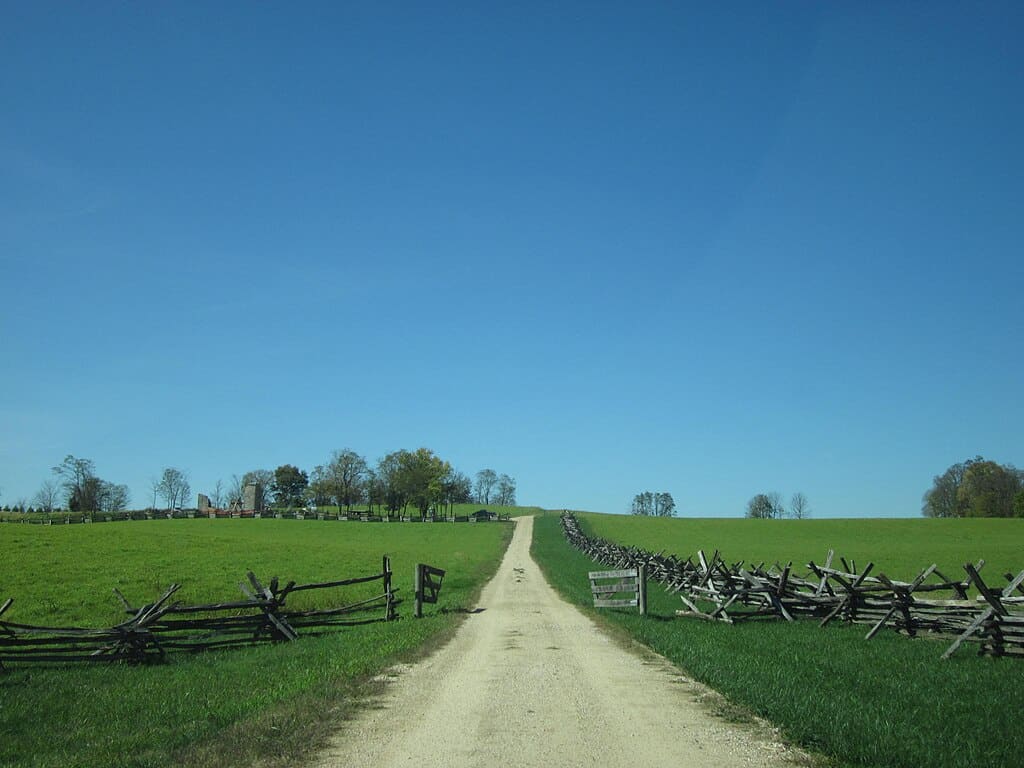
Harpers Ferry receives about 300,000 visitors annually, significantly fewer than major Civil War destinations, leaving its Revolutionary echoes and abolition history pleasantly calm. The town sits at the meeting point of two rivers and the Appalachian Trail, making its geography central to its layered story. While the 1859 raid dominates memory, earlier military planning and transportation networks reveal how the Revolution’s legacy shaped later conflicts. With steep streets, panoramic overlooks, and accessible trails totaling more than 20 miles, the area offers natural and historical depth without the congestion found in larger heritage hubs.
11. Overmountain Victory Trail, Carolinas to Tennessee
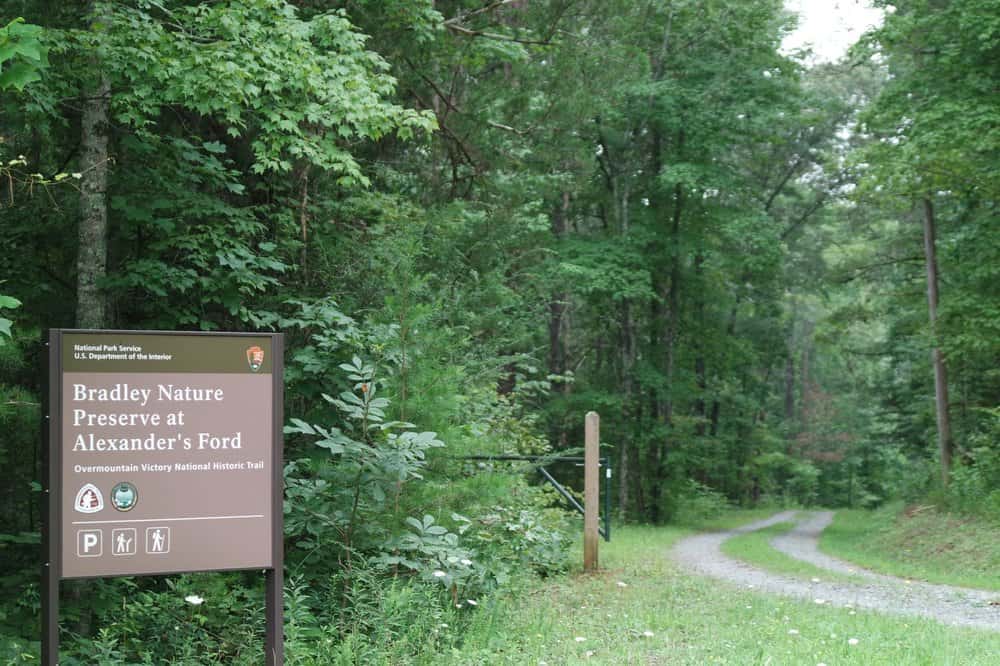
Stretching 330 miles across four states, the Overmountain Victory Trail commemorates the 1780 campaign that brought roughly 900 militia fighters over rugged ridges to the pivotal Battle of Kings Mountain. Because the route is part driving corridor, part hiking path, crowds are naturally dispersed. Meadows, forest passes, and interpretive stops help travelers visualize the urgency and cooperation behind the journey. Many segments receive only a few thousand visitors yearly, making it easy to experience the landscape’s solitude. The trail’s blend of scenery, story, and physical movement makes it an ideal reflective America 250 pilgrimage.
12. Greater Philadelphia Beyond Independence Hall, Pennsylvania
While Independence Hall draws over 4 million visitors yearly, many nearby heritage neighborhoods remain quiet. Sites like Elfreth’s Alley, founded in 1703, and lesser-known museums highlighting Black, immigrant, and Quaker histories provide a deeper understanding of the city’s role in shaping American ideals. Wandering the wider waterfront, urban trails, and historic residential blocks reveals how politics, printing, and community networks fused to drive independence. Because these areas spread across several districts, foot traffic stays light, creating a relaxed but still meaningful way to explore the city during America’s 250th year.
Other Blog Posts You Might Enjoy
www.idyllicpursuit.com (Article Sourced Website)
#America #Trips #Avoid #Crowds #Feel #Revolutionary #Idyllic #Pursuit