
We may earn money or products from the companies mentioned in this post. This means if you click on the link and purchase the item, I will receive a small commission at no extra cost to you … you’re just helping re-supply our family’s travel fund.
Travel used to start with a stop at the bank. Bills went into money belts, hotel safes, and shoe boxes in the trunk. Now a growing number of parks, theme parks, and resorts quietly refuse paper money at the gate, on the slopes, or at the snack stand. Card readers and phones handle almost everything, and anyone who arrives with only cash has homework to do before the fun starts. These changes promise efficiency, but on the ground they reshape how simple vacation days actually feel.
Death Valley National Park, California
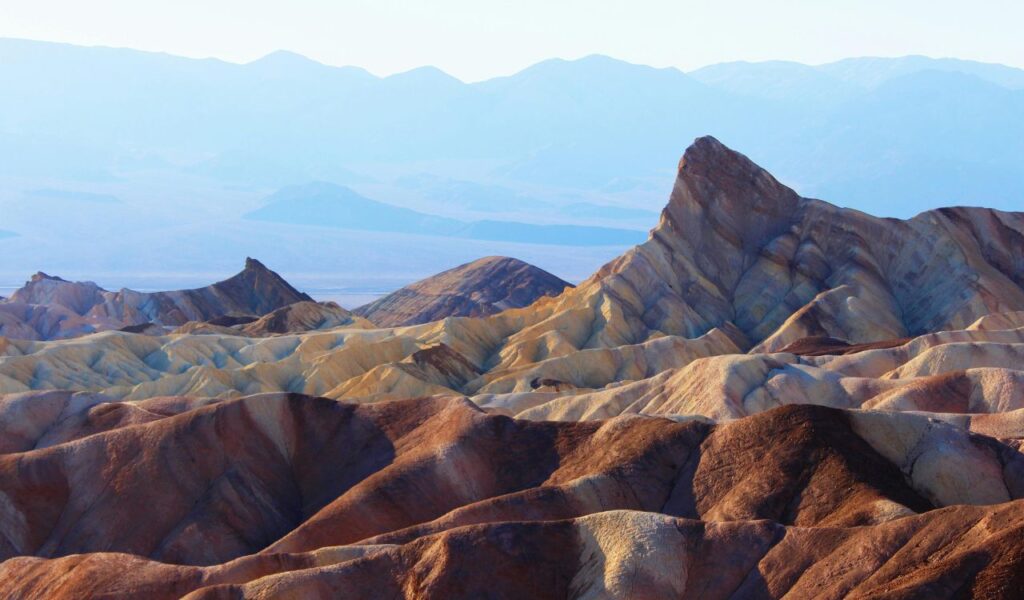
Death Valley sets the rules early. Entrance stations and fee machines now accept only cards after the park realized handling cash cost more than it earned. Anyone who arrives with bills is sent to outside vendors or online portals before driving in. Rangers say the system saves time, yet the shift takes away the familiar road trip ritual of paying at the booth and rolling forward. It turns the first moment in the desert into a quiet check of wallets and signals instead of sand and sky.
Rocky Mountain National Park, Colorado

Rocky Mountain National Park feels timeless until the gate comes into view. Every fee is now card based, from day passes to timed entry and backcountry permits, forcing travelers who rely on cash to track down prepaid passes in nearby towns. What used to be a spontaneous drive into the mountains now depends on whether a card swipe works. The scenery still delivers, but the entrance experience feels more like a quick transaction than the start of an unplugged day above the tree line.
Sequoia And Kings Canyon National Parks, California

Among the giant sequoias, the only thing that still feels old is the trees themselves. Sequoia and Kings Canyon now run entrance fees, campground payments, and many backcountry charges as card only transactions. Kiosks and websites pick up the work paper envelopes used to handle. That shift speeds up lines on crowded weekends and cuts down on staff time spent counting bills in small offices. It also changes the tone of arrival, trading the ritual of slipping cash into a box for a quick tap before anyone even smells the forest air.
LEGOLAND California Resort, Carlsbad

At LEGOLAND California, every ride and bright plastic brick sits inside a tightly controlled cashless bubble. Tickets, food stalls, arcade style games, and even hotel front desks now insist on cards or digital wallets. Reverse ATMs step in for families who still travel with paper money, turning bills into prepaid cards that can be used across the resort. Parents and grandparents often discover this only after promising snacks or souvenirs, which can turn the first hour into a hunt for the right kiosk instead of a dash toward the nearest roller coaster.
Hersheypark, Pennsylvania
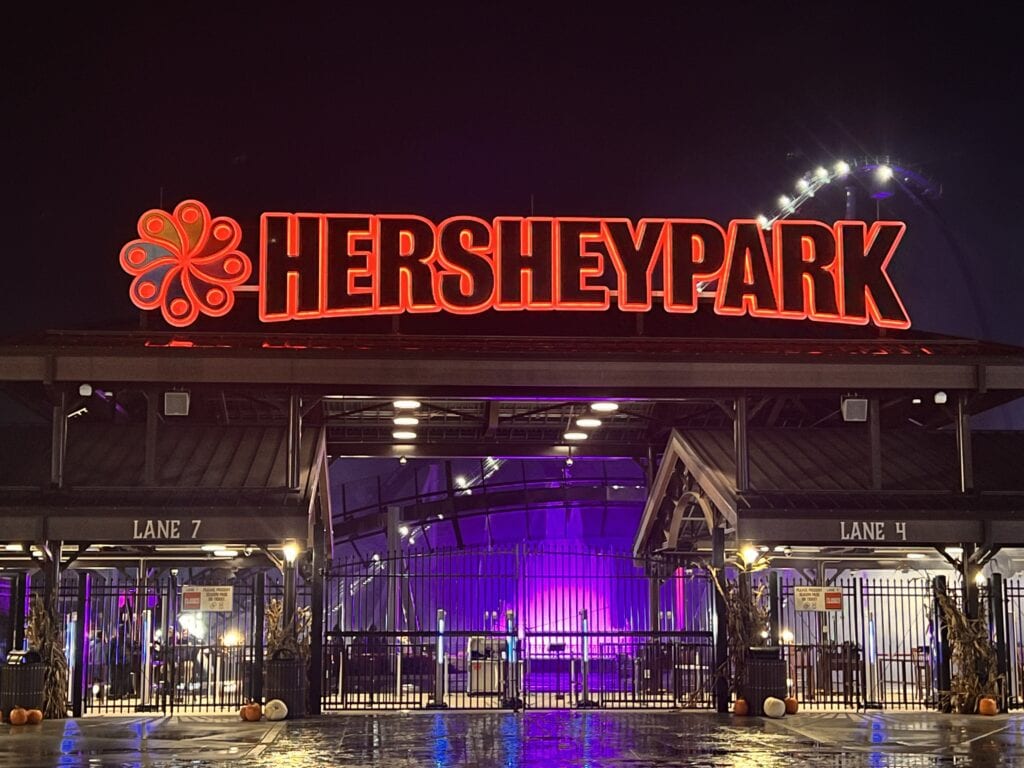
Hersheypark trades on nostalgia, yet the money rules are purely modern. The park no longer accepts cash at restaurants, games, or shops, pushing every purchase through credit cards, gift cards, or phone based payments. Cash to card kiosks help convert saved allowance money and gift envelopes into usable balances, but there is still a moment of surprise for visitors who expected bills to work anywhere. The smell of chocolate, popcorn, and sunscreen remains exactly as remembered, even as every small treat now leaves a clean digital trail instead of a handful of change.
Cedar Point, Ohio
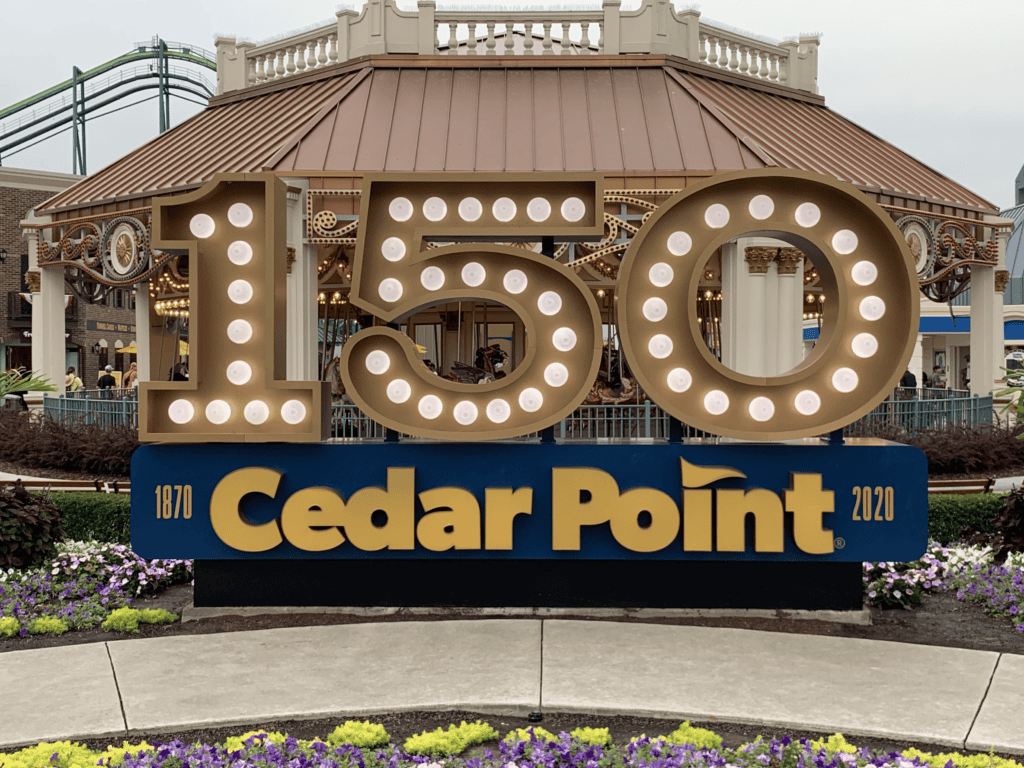
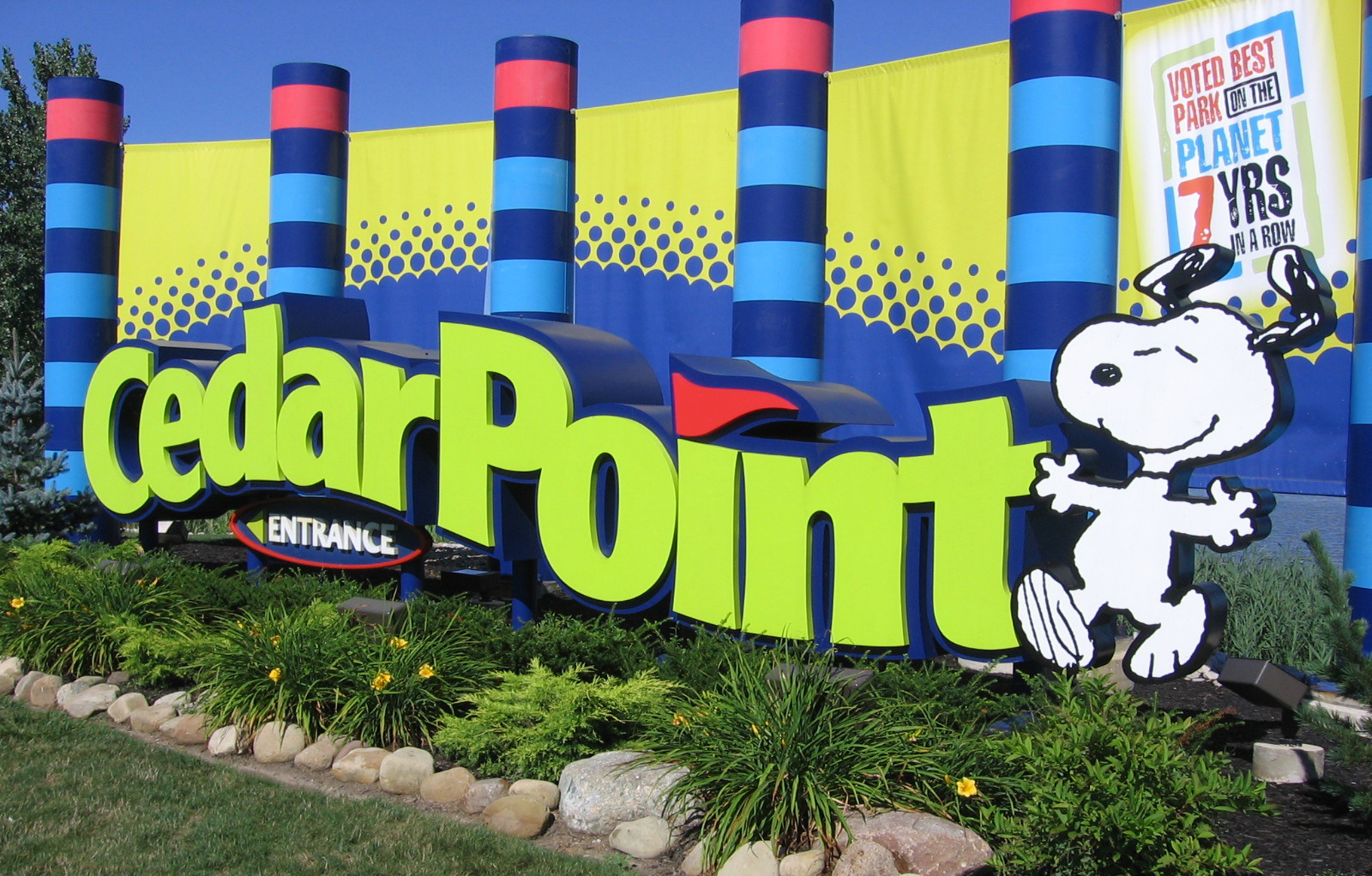
At Cedar Point, adrenaline is analog but payments are not. The park, marina, and most on site vendors operate as cash free zones, so every ticket, locker, and drink goes through a chip, tap, or magstripe. Guests who arrive with pockets full of bills have to visit a cash to card machine before they can settle into the rhythm of ride lines and midway games. Once that hurdle is cleared, checkouts move quickly, but the shift underlines how even classic amusement parks now depend on invisible financial rails almost as much as on steel track and cables.
SeaWorld Orlando And Busch Gardens Tampa Bay, Florida
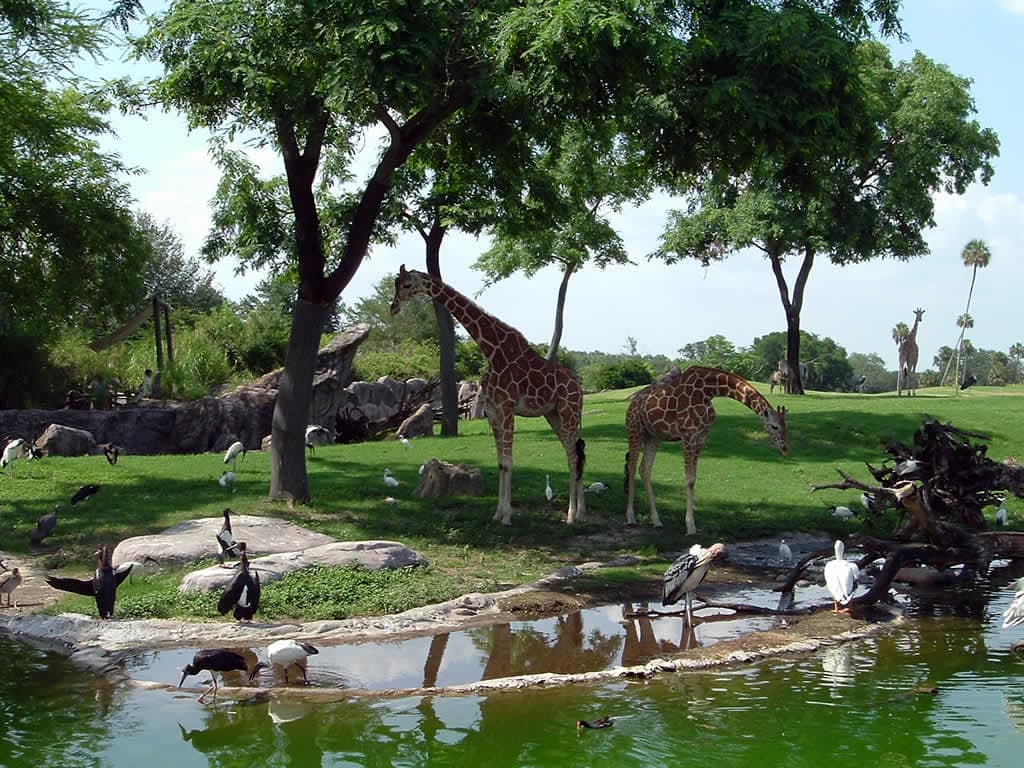
SeaWorld Orlando and Busch Gardens Tampa Bay both lean into spectacle, from orca shows to towering coasters, yet behind the scenes the rule is simple: no cash. Parking, tickets, food, and in park souvenirs all require cards or mobile payments, supported by reverse ATMs for anyone still relying on paper. Families juggling ponchos, strollers, and sunscreen add one more task to the day as they convert bills to stored value. For the parks, the payoff is less time handling cash and fewer armored trucks; for visitors, it is one more system to understand before the gates truly open.
Busch Gardens Williamsburg, Virginia
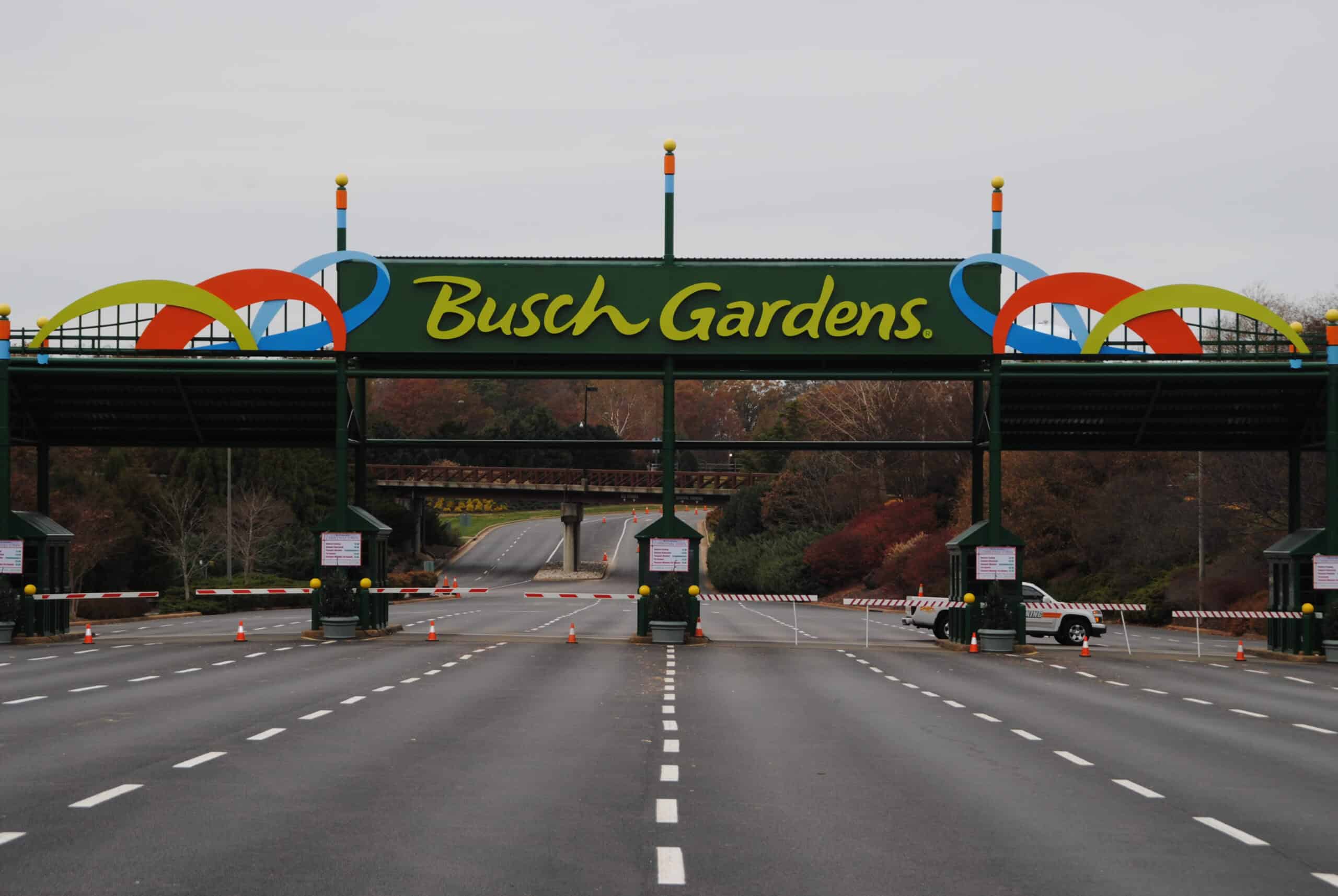
Busch Gardens Williamsburg wraps guests in faux European streets, but the financial side feels firmly twenty first century. The park now handles nearly all transactions through cards, phone payments, and prepaid wristbands, leaving cash outside the fences. School groups, tour buses, and international visitors sometimes learn this at the turnstiles, when chaperones have to steer everyone toward the nearest conversion kiosk. Once inside, lines tend to move faster at food stands and shops, yet the old habit of tucking emergency bills into a daypack offers less comfort than it once did.
Midwest Family Ski Resorts, Upper Midwest
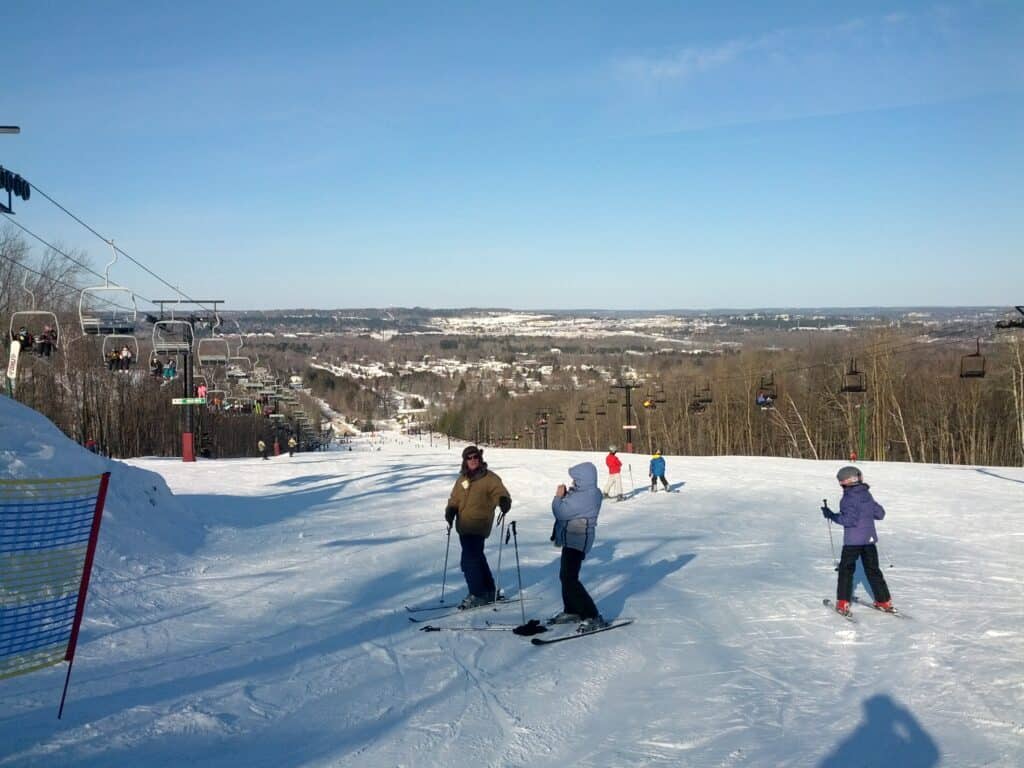
Granite Peak in Wisconsin, Lutsen Mountains in Minnesota, and Snowriver Mountain Resort in Michigan share more than snowmaking systems. Their parent company has pushed all three into cashless territory, replacing window cash sales with card and mobile payments and scattering reverse ATMs around base lodges. Families who built traditions around sliding a few bills to teens at lunch now find themselves loading prepaid cards or sharing a main credit account. On busy Saturdays, the loudest frustration sometimes comes not from slow lifts, but from skiers stuck in line at a small glowing kiosk.
Mt. Hood Meadows, Oregon

At Mt. Hood Meadows, visitors still watch storms slide over the volcano, but every burger, lesson, and rental flows through cashless systems. The resort encourages skiers to preload value on passes or link cards to online accounts, smoothing out purchases across the day. That setup supports quick checkouts at crowded lodges, especially on powder days when nobody wants to stand in a slow queue. It also tilts the whole mountain toward those comfortable with apps, accounts, and saved cards, leaving anyone who prefers to carry bills feeling slightly out of step with the modern slope rhythm.
Big Ship Cruises And Nassau Harbor Tours, Caribbean
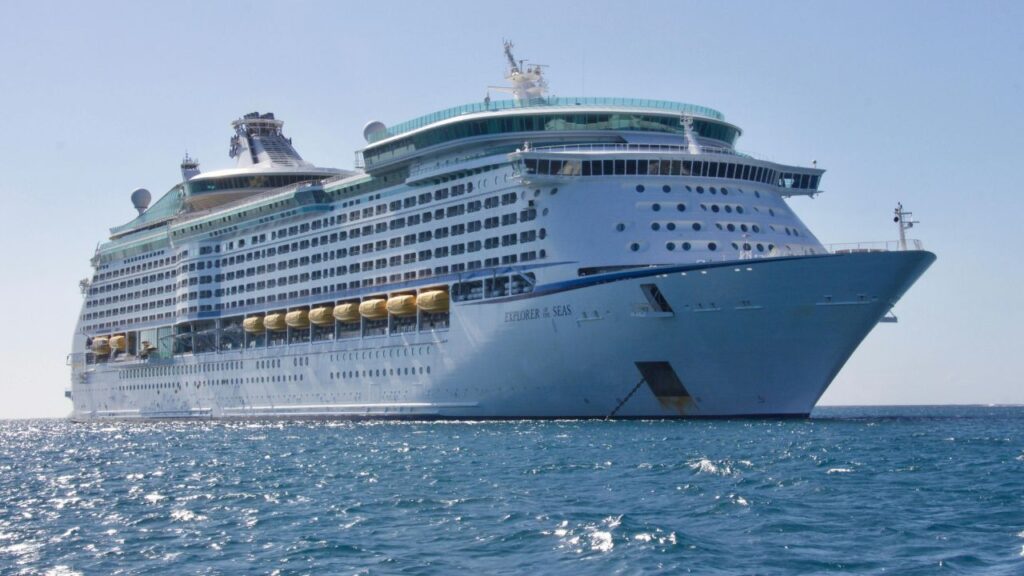
Large cruise ships in the Caribbean have perfected their own floating version of a cashless bubble. Bars, boutiques, and specialty restaurants charge everything to a cabin linked card or wristband, with cash playing a minor role outside casino chips and extra gratuities. In ports like Nassau, local harbor tours and small excursions now often refuse physical money on board, taking cards for drinks and snacks instead. The result is a vacation that feels smooth on the surface, as every purchase flows into a single account, even if some travelers miss the simple act of handing over a small bill.
Other Blog Posts You Might Enjoy
www.idyllicpursuit.com (Article Sourced Website)
#Vacation #Spots #Cashless #Zones #Idyllic #Pursuit