
We may earn money or products from the companies mentioned in this post. This means if you click on the link and purchase the item, I will receive a small commission at no extra cost to you … you’re just helping re-supply our family’s travel fund.
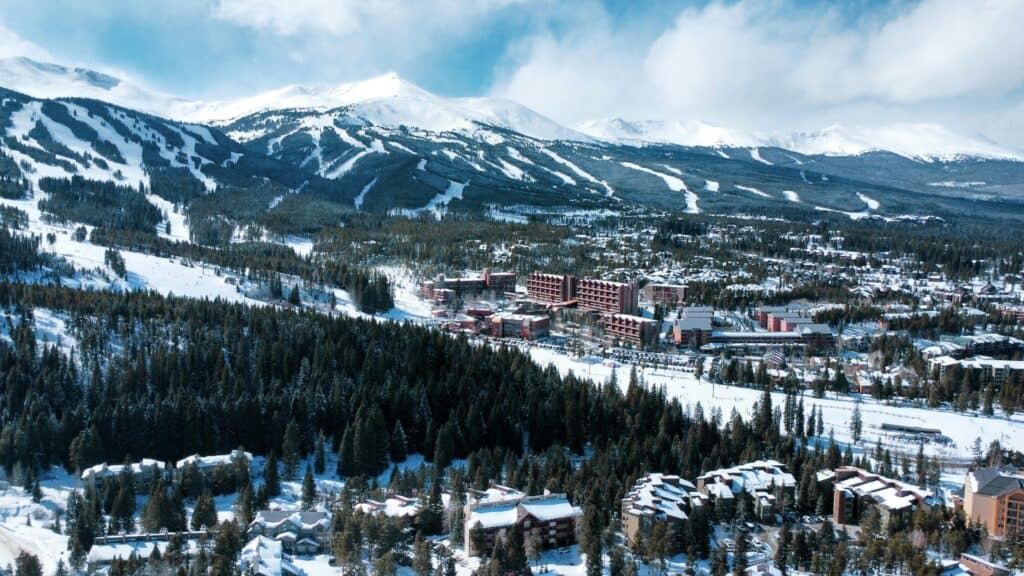
Some American towns built their identities on visitors, then discovered the cost of being too easy to consume. Sidewalks clog, parking becomes a daily argument, and housing turns into weekend inventory. In response, a growing number of places have started adding friction on purpose: passenger caps, permit systems, shuttles, stricter rental rules, and paid access where free access once felt normal. The goal is not hostility. It is control, so local life can keep its rhythm even when the season peaks.
Bar Harbor, Maine
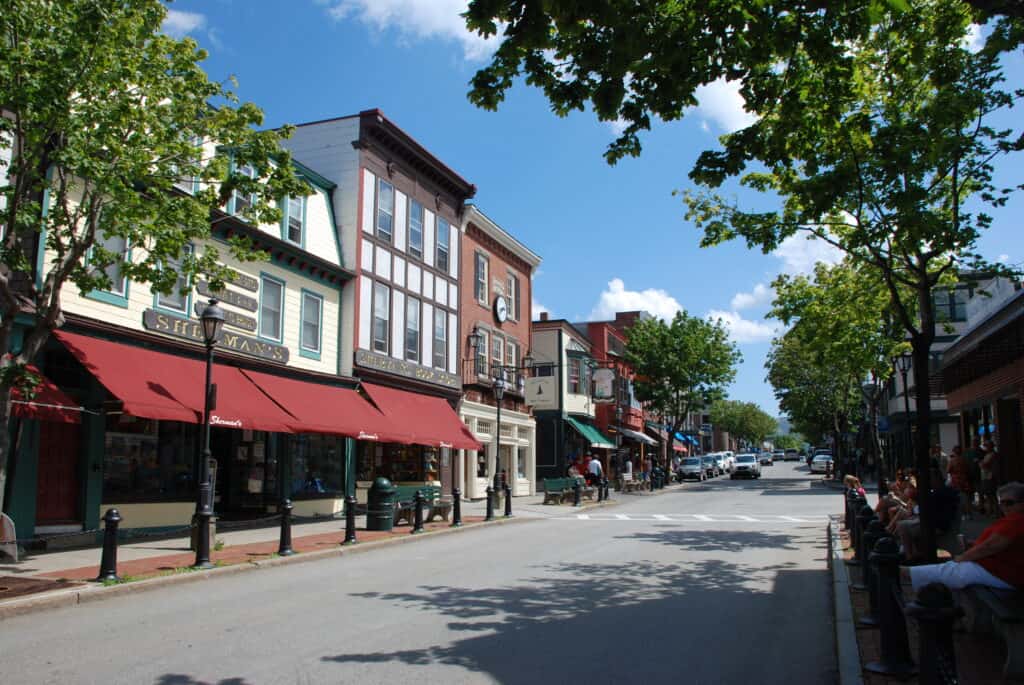
Bar Harbor’s pushback is unusually direct: a local ordinance caps cruise disembarkations at 1,000 passengers per day, forcing schedules to thin, tenders to shorten, and some calls to disappear from the calendar. Town leaders say the cap protects a small, walkable downtown and the Acadia gateway roads from gridlock, long tender lines, and the constant cleanup that follows peak days, while easing pressure on housing, water, and emergency response as seasonal staffing tightens. It is a rare coastal community willing to trade volume for breathing room, even as lawsuits, appeals, and business pushback keep the policy in the headlines year after year.
Juneau, Alaska
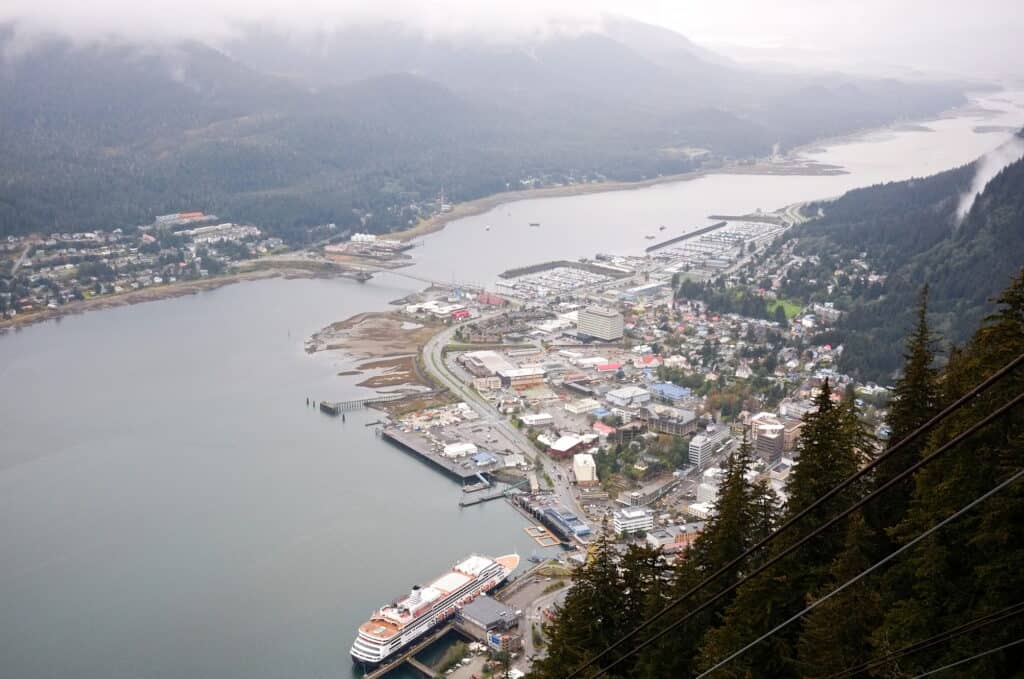
Juneau negotiated a cruise limit that starts in 2026, setting daily passenger caps and ship limits that are lower than the city’s biggest recent surge days, with figures like 16,000 on most days and 12,000 on Saturdays discussed publicly. Officials describe it as livability insurance, meant to keep downtown streets passable, reduce pressure on trash pickup, water systems, and cell networks, and keep schools and neighborhoods from feeling swallowed on peak afternoons in July. The move does not end tourism, but it puts numbers around it, signaling that the capital prefers predictable visitor flow over nonstop peak-season overwhelm.
Hāna, Hawaii
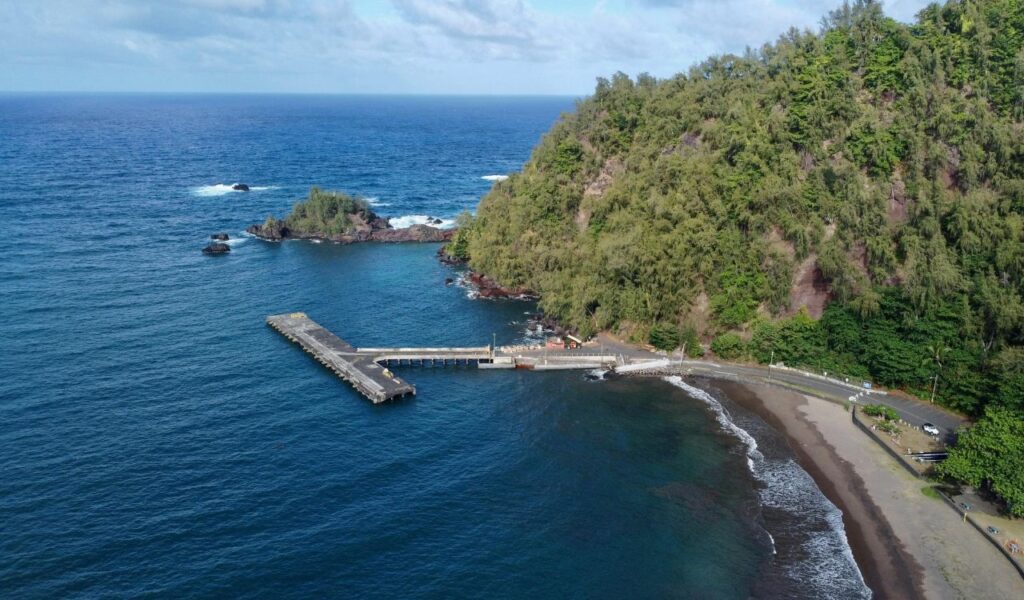
Hāna’s resistance shows up on the road itself, with expanded no-parking zones and higher penalties for illegal stopping along the Hāna Highway, especially near bridges, waterfalls, and one-lane pinch points. State and county actions target shoulder parking and roadside photo stops, a habit locals say blocks ambulances, damages vegetation, and turns narrow lanes into a hazard when traffic stacks behind a single stopped car. Even proposals like visitor tolling along parts of the route underline the same priority: protect daily life in a small town that never asked to become a drive-through attraction, and keep safety ahead of scenery.
Sedona, Arizona

Sedona’s red-rock fame created a traffic problem it could not pave away, so the city leaned into park-and-ride lots, shuttle routes to key trailheads, and intentionally limited parking where bottlenecks form on narrow canyon roads. The program is sold as convenience and conservation, yet it also adds real friction, since spontaneous day trips collide with full lots, waiting lines, and shuttle windows that reward planning over impulse. Sedona still welcomes visitors, but the management style is clear: fewer cars in the core, less curb chaos in neighborhoods, and less pressure on fragile desert trails that cannot be loved to death.
East Hampton, New York
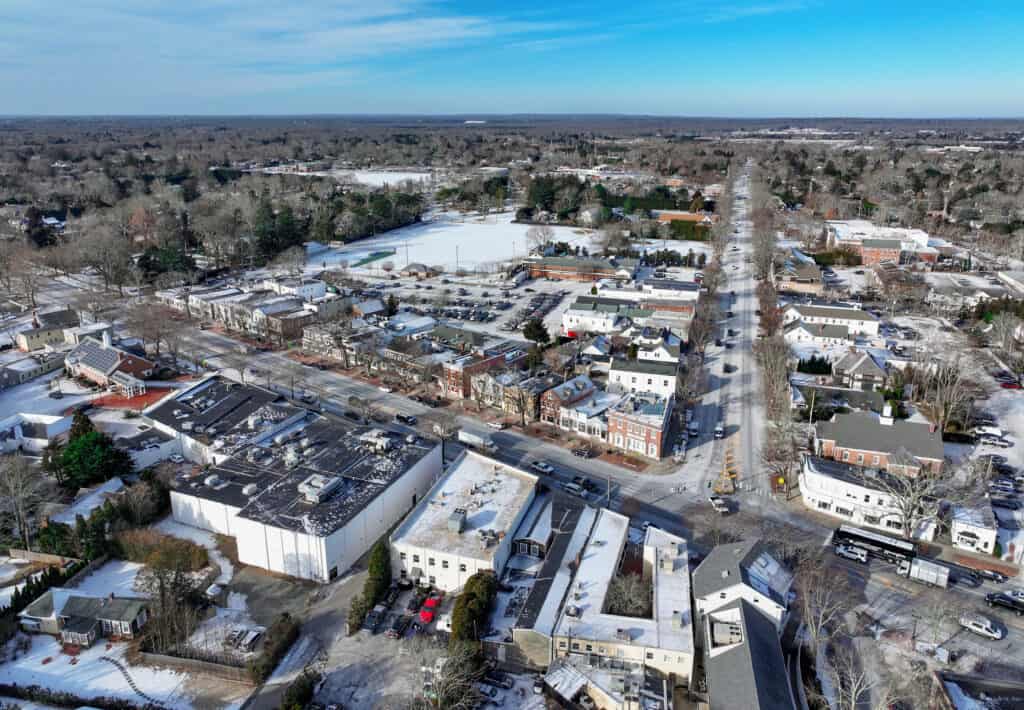
East Hampton’s beaches look public from a postcard, but access is tightly managed through beach parking permits and enforcement that protects local routines during the short, intense summer season. Town and village rules require permits year-round for many beach lots, with resident-only areas, limited nonresident passes, and scanner-based checks that make casual day-tripping less effortless than it once was, especially on holiday weekends when streets back up. The result is a coastal destination that still draws crowds, yet quietly reserves the simplest access, the best lots, and the least walking for locals first, turning convenience into a privilege.
Burlington, Vermont
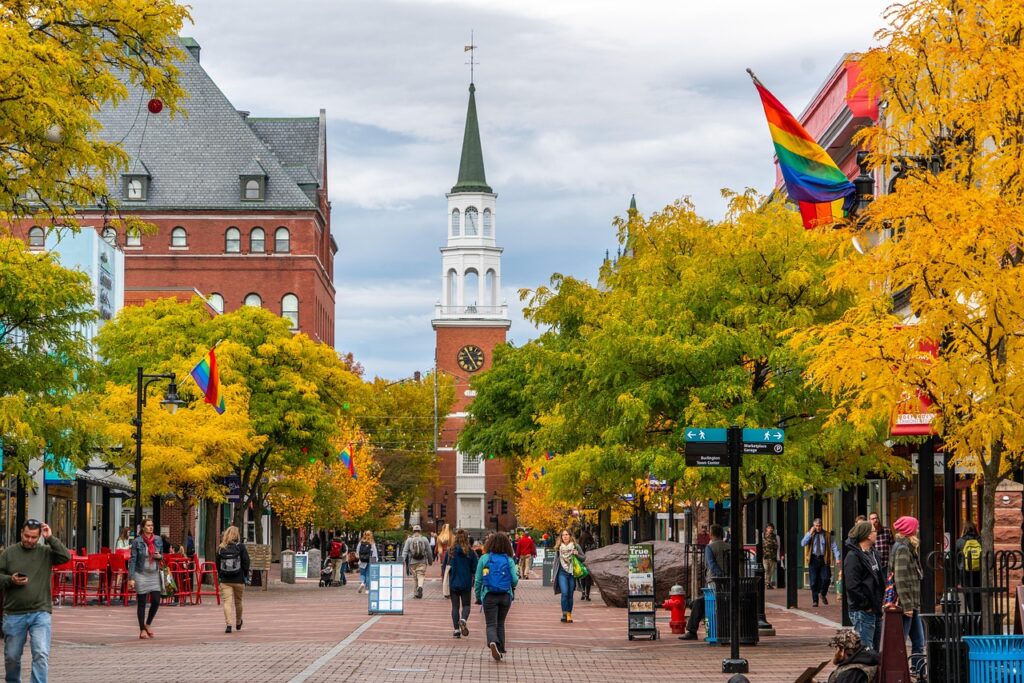
Burlington’s visitor pressure shows up in rent, roommate searches, and neighborhood turnover, so the city has leaned on short-term rental restrictions that limit how easily housing becomes weekend inventory. A Vermont judge upheld Burlington’s authority to regulate, and officials argue the rules protect blocks that cannot function if too many units behave like mini-hotels with late check-ins, trash overflow, and constant guest churn. Festivals and lakefront weekends still happen, but the policy adds guardrails that make overnight stays less automatic and helps keep the city feeling like a place that people actually live, not a set of keys in lockboxes.
South Lake Tahoe, California
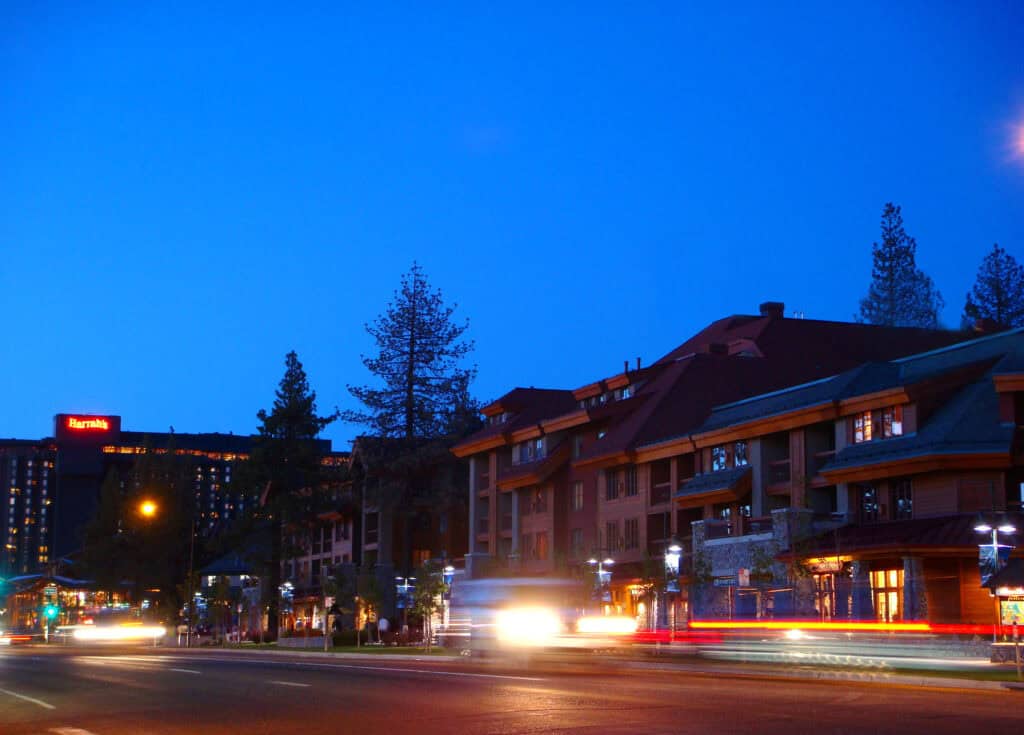
South Lake Tahoe’s pushback targets spillover from vacation rentals: noise, trash, and late-night parking that can turn quiet streets into party corridors far from the casino core. After a court struck down Measure T, the city moved toward a new ordinance, permit resets, and tougher enforcement aimed at behavior, not views, with an emphasis on quiet hours, occupancy rules, local contacts, and policing illegal parking during the busiest summer weeks, with faster responses to complaints. The message is consistent even as rules evolve: tourism is welcome, but residential blocks are not an extension of the resort zone or a loophole for weekend chaos.
Nantucket, Massachusetts
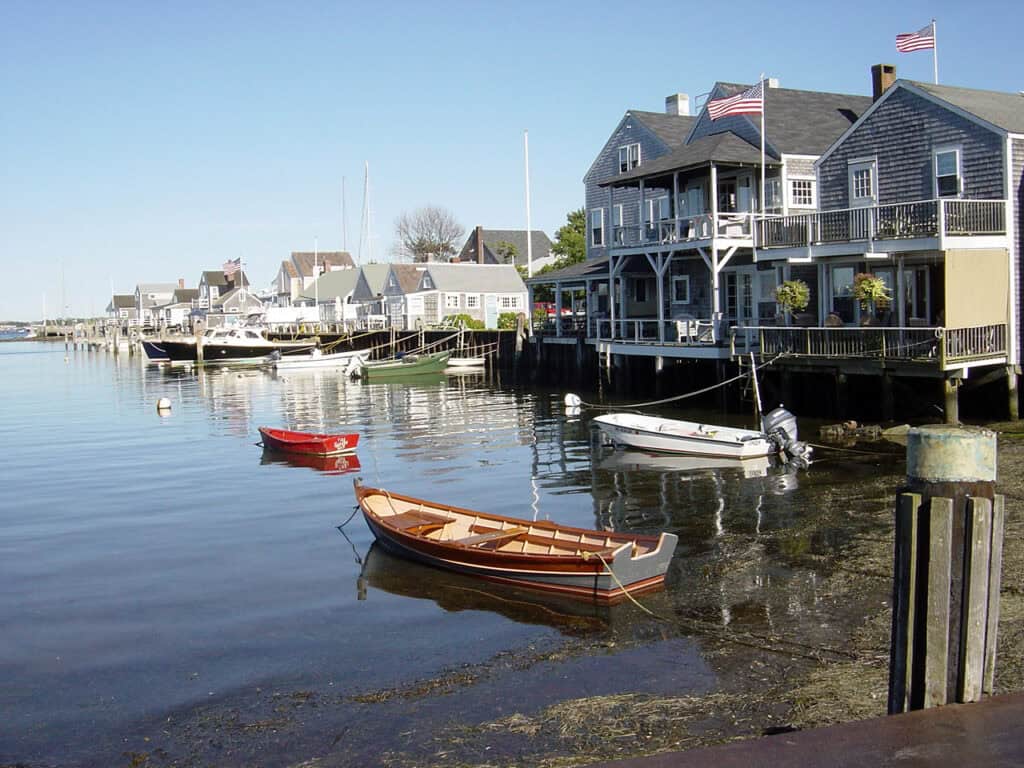
Nantucket’s charm comes with paperwork, including a town-run short-term rental registration system that adds oversight to an already tight housing market and a heavily seasonal economy. The town has also acted to limit corporate-style STR ownership, reflecting anxiety about seasonal emptiness, workforce displacement, and neighborhoods that go dark outside July and Aug., when service workers still need somewhere to live year-round. It is regulation used as a brake: tourism remains essential, but scaling high-impact rentals is made harder through compliance steps, fees, and enforcement that favors stability over constant turnover.
Breckenridge, Colorado
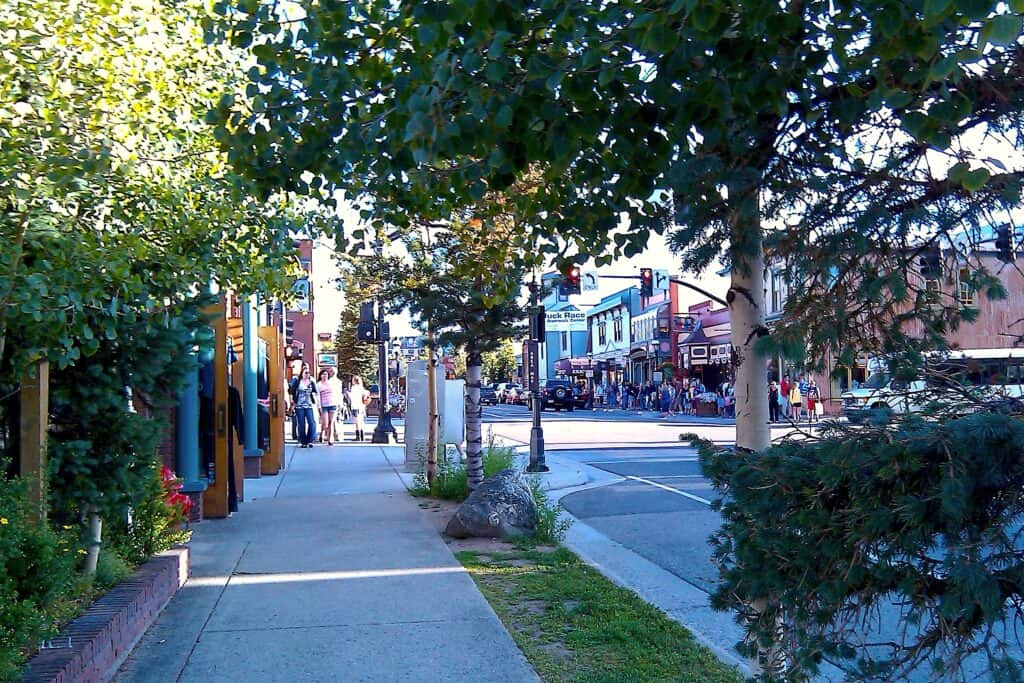
Breckenridge has chosen the pay-for-the-impacts approach, adding licensing requirements and a per-bedroom regulatory fee for short-term rentals in a town where housing and hospitality collide daily, including a $400 per bedroom annual fee in many cases. Local housing programs say the revenue supports workforce housing and helps cover enforcement costs, a frank admission that popularity can hollow out the community that keeps lifts, kitchens, and plows running. Visitors still arrive in force, but the rules raise the price of treating homes like rotating hotel stock, and they signal that the town is tired of being optimized only for peak nights.
Ogunquit, Maine

Ogunquit discourages overflow by making parking a deliberate decision, with paid municipal lots, strict time limits in key areas, and enforcement that keeps the village from turning into a stalled-out summer queue. Town notices spell out seasonal paid parking, and local regulations set short limits in certain lots, protecting narrow streets, preserving emergency access, and reducing day-trip traffic spilling into residential blocks when beach lots fill. The coast stays magnetic, but the town quietly replaces spontaneity with planning, nudging peak-season visitors to arrive early, use paid lots, or reconsider the stop when capacity is clearly reached.
Key West, Florida
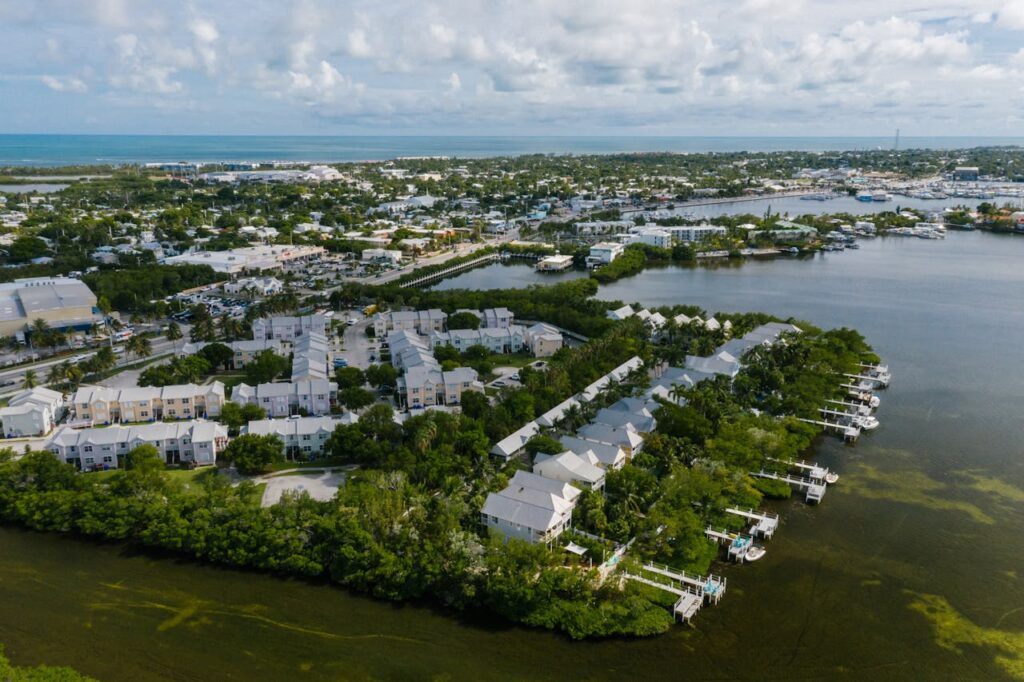
Key West has tried to shrink cruise-driven crowd surges, including voter-approved limits that were later preempted by Florida law, and the conflict keeps resurfacing through docking rules, permits, and port politics. Even without full local control, residents and officials continue pushing for fewer mega-ship days to reduce congestion, sanitation costs, and strain on an island where the street grid is small, walkable, and easily overwhelmed by bus drop-offs. It is a destination that says the quiet part out loud: livability matters, and if fewer ships means fewer souvenir buses and less sidewalk gridlock, many locals consider that a fair trade.
Other Blog Posts You Might Enjoy
www.idyllicpursuit.com (Article Sourced Website)
#U.S #Towns #Actively #Discourage #Tourists #Idyllic #Pursuit