
We may earn money or products from the companies mentioned in this post. This means if you click on the link and purchase the item, I will receive a small commission at no extra cost to you … you’re just helping re-supply our family’s travel fund.
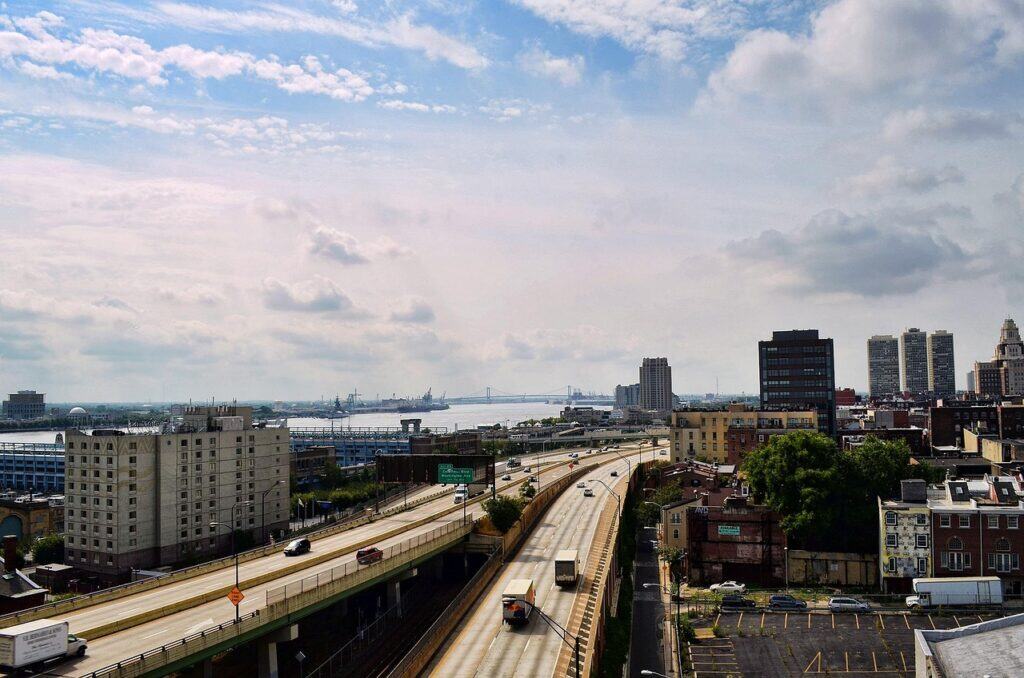
Across the United States, a few streets carry more than traffic. Their bricks, balconies, and storefronts are treated as shared property, guarded by ordinances and committees that argue over windows, signage, and even light fixtures. These blocks have seen protests, parades, daily routines, and late night walks for generations. What makes them special is not only age, but the fact that entire communities agreed they were too important to lose. Preservation here is less about nostalgia and more about keeping memory stitched into daily life.
Elfreth’s Alley, Philadelphia, Pennsylvania
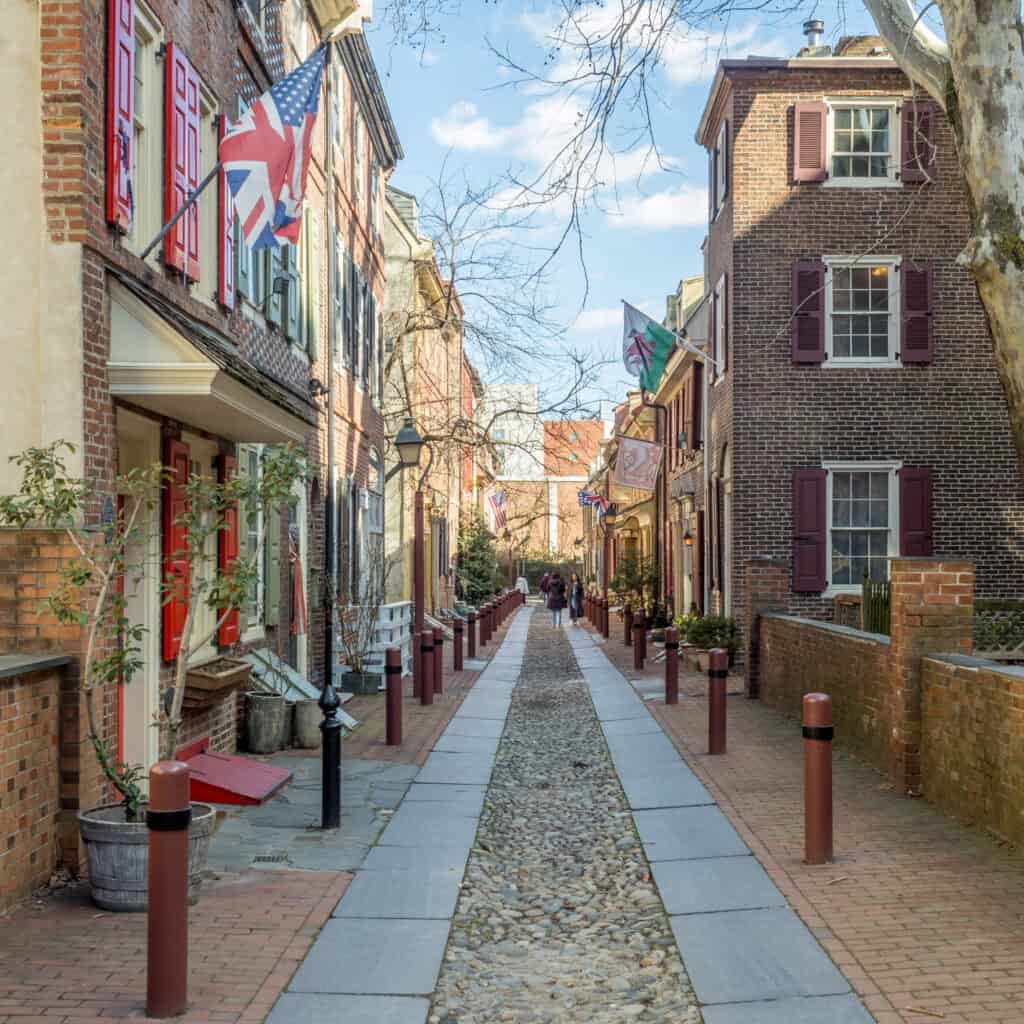
Elfreth’s Alley looks almost impossibly narrow, a brick ribbon squeezed between taller buildings in Old City. Small Georgian and Federal row houses line the cobblestones, with doors so close together that neighbors can talk without raising their voices. People still live behind those facades, hang wreaths on the same iron knockers, and drag trash cans over stones that predate the country itself. Preservation rules keep satellite dishes and big alterations at bay, so the alley remains a rare place where early urban America still feels lived in, not staged.
Beale Street, Memphis, Tennessee
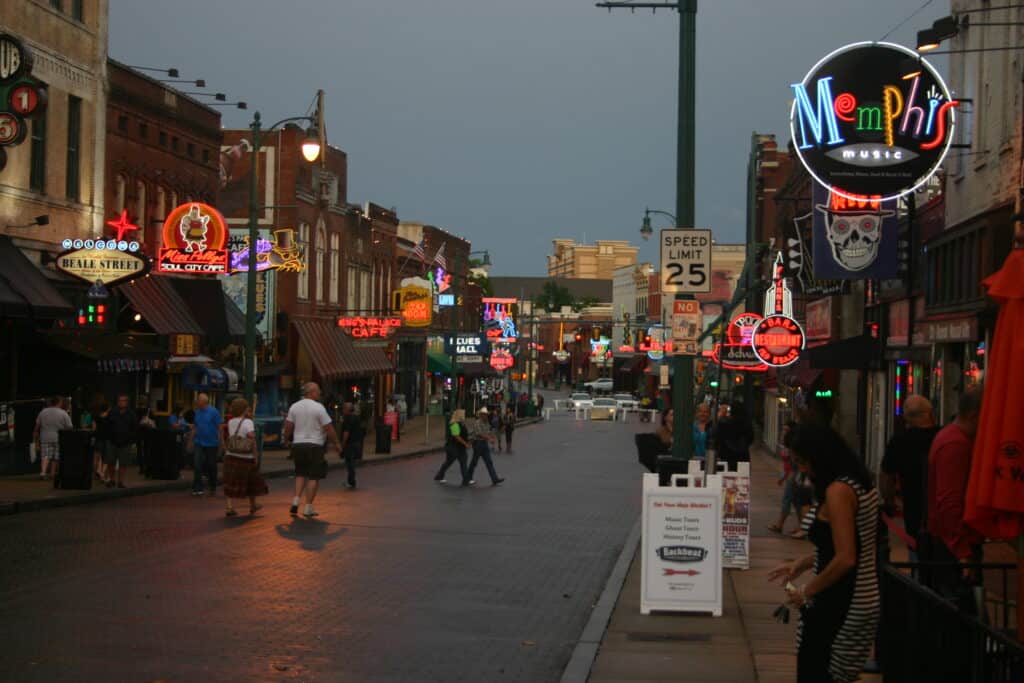
Beale Street holds both joy and weight in each neon reflection on the pavement. Historic buildings that once hosted Black newspapers, clubs, and shops now share space with blues bars and barbecue joints, but the bones of the street remain grounded in that earlier role. Regulations aim to protect key facades, rooflines, and the gritty rhythm of the block, even as crowds arrive with plastic cups and big expectations. Locals know that behind the live music is a preserved corridor of struggle and creativity that helped define Memphis far beyond one nightlife strip.
Bourbon Street, Vieux Carré, New Orleans, Louisiana
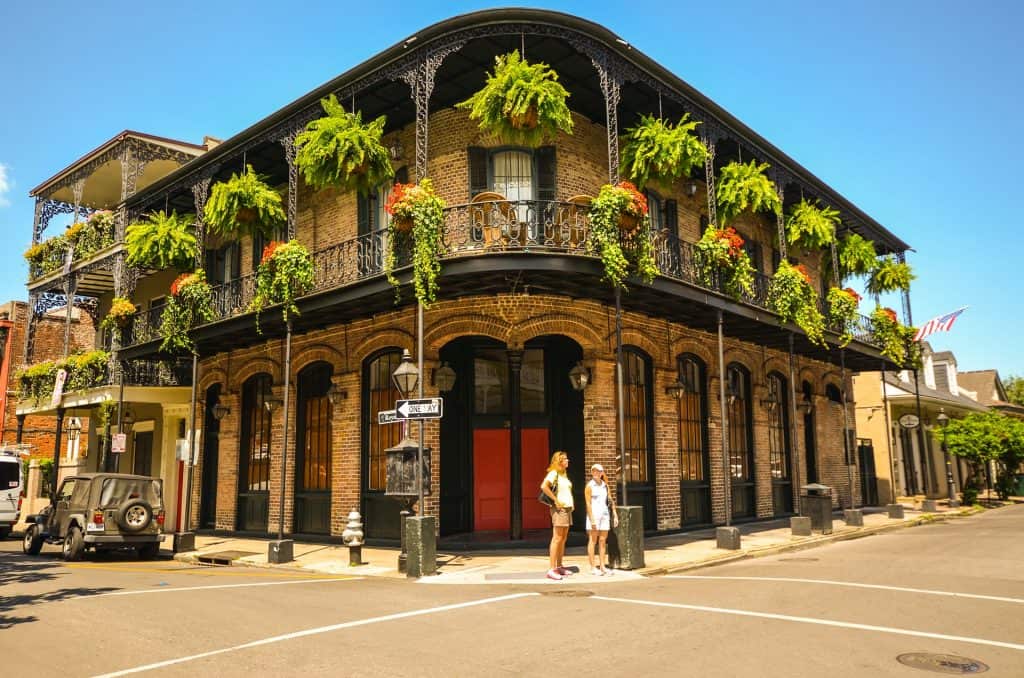
Bourbon Street gets most of the attention, but its protection lives inside the larger rules that shield the French Quarter. Wrought iron balconies, shuttered windows, and pastel walls are all subject to watchful review, right down to paint choices and sign placement. Underneath the loudest bars, the street grid still follows an 18th century pattern, and many buildings carry layers of Spanish and French influence. Residents, shop owners, and preservation boards constantly negotiate what can change. The result is a corridor that holds together even as it hosts some of the wildest nights in America.
Ocean Drive, Newport, Rhode Island
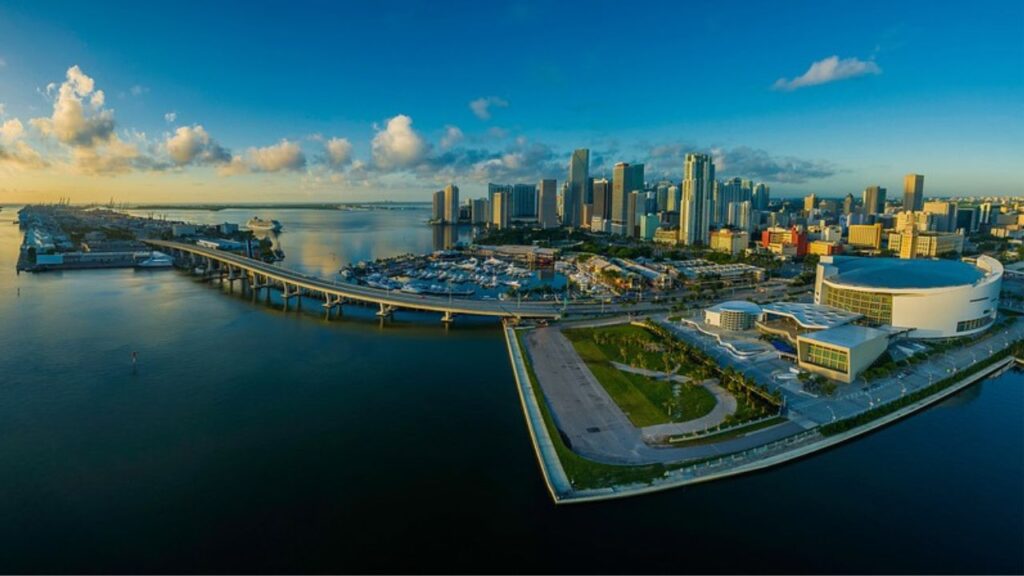
Ocean Drive curves along the ragged edge of Aquidneck Island, giving wide views of water on one side and large, carefully spaced houses on the other. Unlike denser main streets, its protected character depends as much on open land and stone walls as on the buildings themselves. Grand shingle style homes and later mansions sit back from the road, framed by lawns and wind-shaped trees. Strict oversight limits intrusive development and keeps sightlines clear, so the drive still feels like a slow procession through a coastal landscape that wealthy summer residents shaped more than a century ago.
Acorn Street, Beacon Hill, Boston, Massachusetts
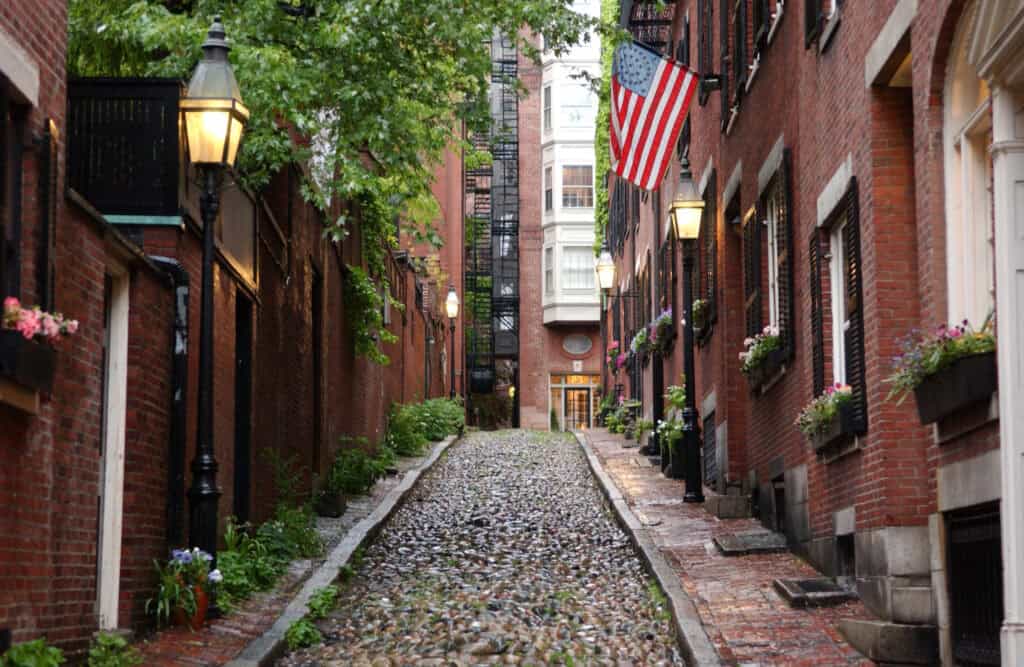
Acorn Street is short, steep, and relentlessly photographed, yet still carries everyday details that cut through the postcard. Uneven cobblestones force careful steps, brick row houses lean in close, and narrow doors sit just a few feet from the lane. Beacon Hill’s historic protections restrict obvious alterations, so Acorn keeps its gas style lamps, low stoops, and modest scale. Residents dodge camera angles on their way in and out, living inside the very scene that visitors come to capture. The street’s power lies in that tension between global image and local routine.
King Street, Old Town Alexandria, Virginia
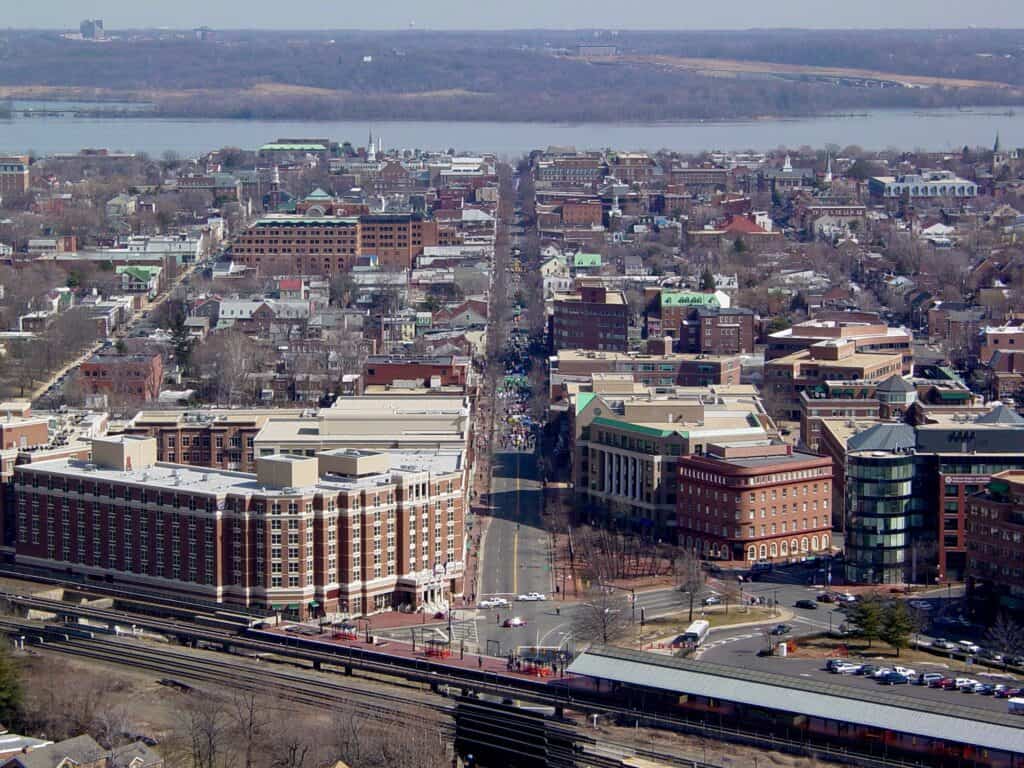
King Street runs from the Potomac waterfront into a tight grid of brick houses and 19th century storefronts. It acts as both main street and historic spine, with regulations guiding everything from window replacements to new infill projects. Street trees, brick sidewalks, and human scale buildings give it a calm rhythm even when it is busy. Electric cables and traffic lights exist, but the eye keeps coming back to cornices, shutters, and long views toward the river. The protected status here means modern life has to bend a little to meet the street, not the other way around.
Gay Street, Knoxville, Tennessee
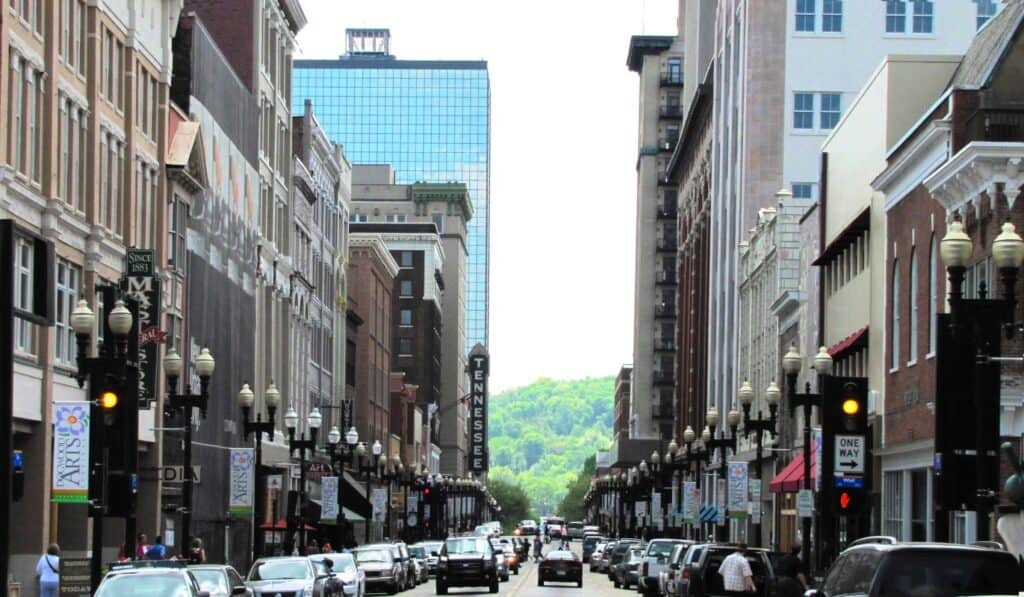
Gay Street has been Knoxville’s front room for more than two centuries, and preservation efforts treat it that way. Theaters, banks, and department store buildings from different eras line the corridor, all sharing similar heights and strong vertical lines. Renovations have turned many into apartments, offices, and cultural venues without flattening their character. At night, marquee lights and restored facades reflect off the pavement in a way that feels both current and grounded. The protections in place keep the temptation for blank glass boxes in check, so the street can keep telling its layered story.
Main Street, Galena, Illinois
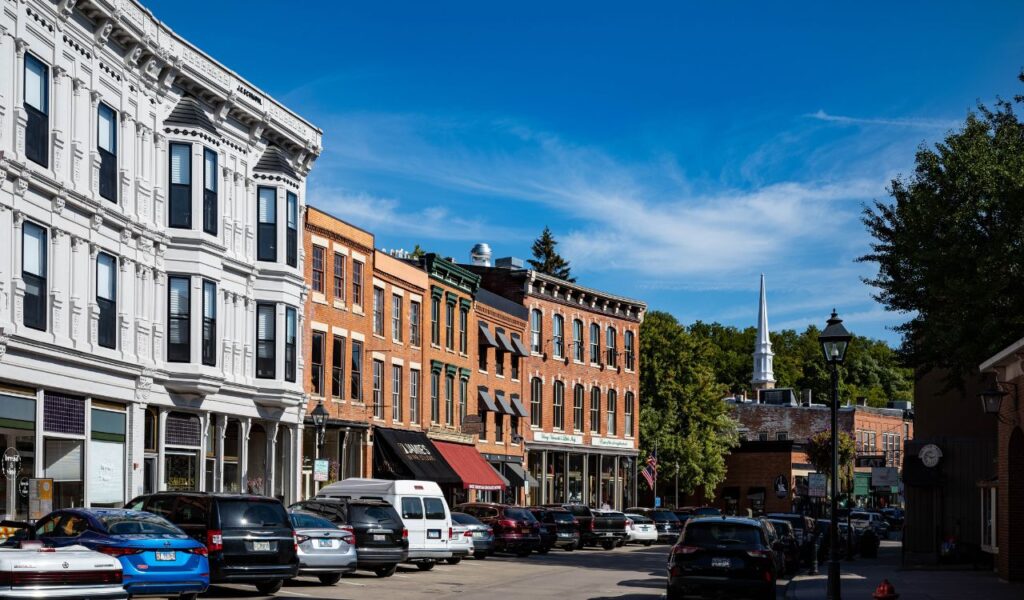
Main Street in Galena feels like a long, slow curve locked in time, with brick buildings hugging the hillside above the river. Historic oversight keeps changes subtle: new businesses move into old shells but respect existing windows, cornices, and rooflines. Signs tend to be hand painted or modestly scaled, which lets architectural details do most of the talking. Brick sidewalks and the sense of enclosure from the bluffs amplify the feeling of stepping into a 19th century commercial district that never quite faded. The town’s ordinances make sure that impression is not just luck.
Broadway Street, Skagway, Alaska

Broadway is Skagway’s main stage, but the script is constantly anchored to the gold rush years. False front buildings, painted signs, and wooden boardwalks give the street a distinct silhouette against the surrounding mountains. Many structures are managed in partnership with a national historical park, which brings careful standards for restoration and maintenance. Summer crowds pour off cruise ships, yet they walk through a corridor that still looks close to the 1898 boom town version. Even new uses, like tour offices and shops, have to fit within the narrow frame that history and law now share.
Bathhouse Row, Central Avenue, Hot Springs, Arkansas
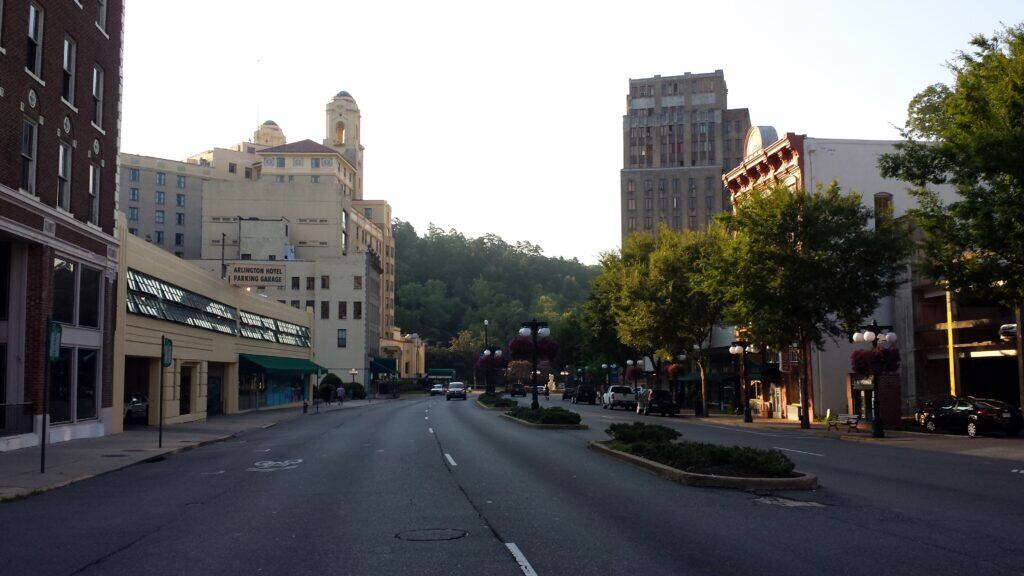
Bathhouse Row lines one side of Central Avenue with a run of ornate buildings that manage to feel both grand and strangely specific to this small city. Each bathhouse has its own personality, from Spanish Revival tiles to neoclassical columns, yet all are stitched together by strict preservation rules and national park oversight. Some now hold museums, others spas or cultural spaces, but renovations must protect original tiles, windows, and rooflines. Walking the block, it is easy to read the early 20th century belief in healing water and leisure etched into every carefully guarded detail.
M Street, Georgetown, Washington, D.C.
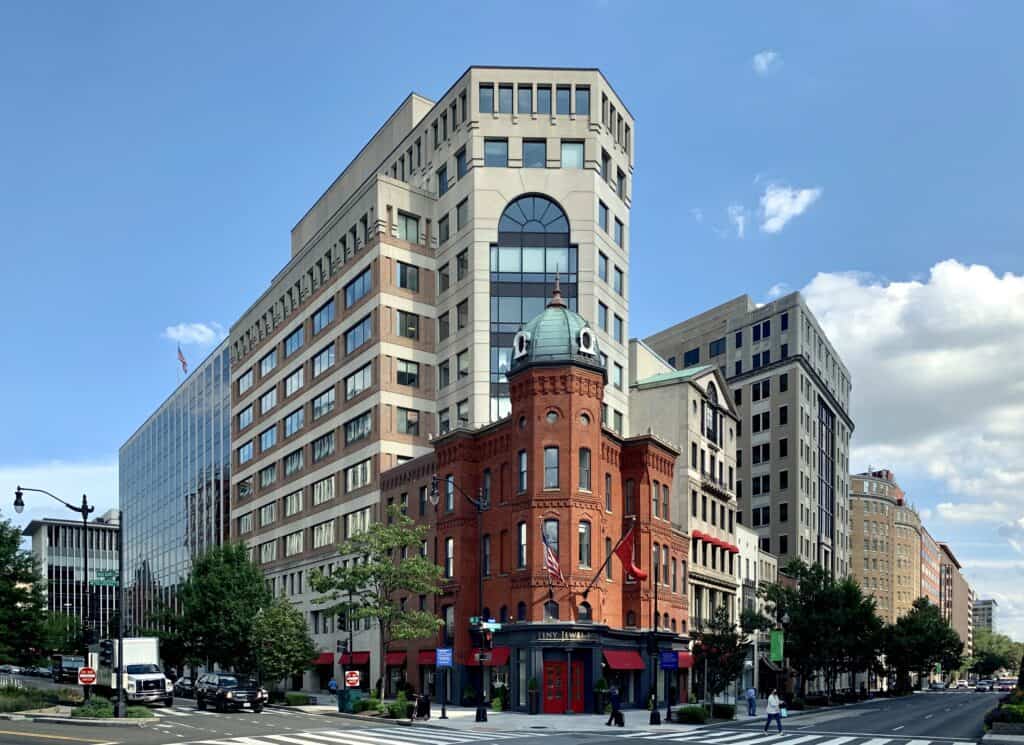
M Street cuts through Georgetown with a mix of low brick row houses, converted warehouses, and corner buildings that once housed mills and markets. Historic protections limit height and major facade changes, so even global brands must tuck themselves into existing shells. The result is a commercial strip that hums with modern traffic while still feeling anchored to its 18th and 19th century layout. Just off the main flow, narrow cross streets and the nearby canal reinforce that sense of continuity. Policy here works quietly, making sure no single project breaks the street’s long memory.
Other Blog Posts You Might Enjoy
www.idyllicpursuit.com (Article Sourced Website)
#Streets #America #Protected #Historic #Landmarks #Idyllic #Pursuit