
We may earn money or products from the companies mentioned in this post. This means if you click on the link and purchase the item, I will receive a small commission at no extra cost to you … you’re just helping re-supply our family’s travel fund.
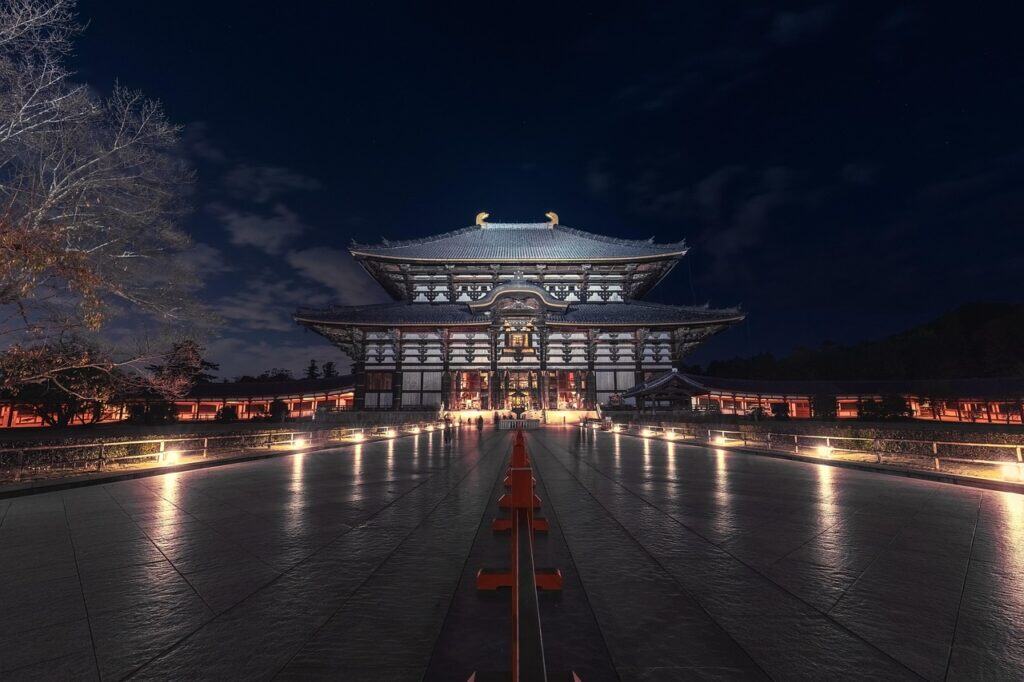
Overtourism in 2026 isn’t just a travel buzzword anymore; it is a real economic, cultural, and social challenge shaping how cities present themselves to the world. Many destinations that once chased record visitor counts are now quietly changing slogans, adjusting campaigns, limiting certain types of tourism, and encouraging slower, more respectful travel. Instead of bragging about millions of arrivals, they now talk about balance, sustainability, and the well-being of the residents who actually live there. These 11 cities are reshaping their image, often subtly, as they try to escape viral crowd chaos.
1. Barcelona, Spain
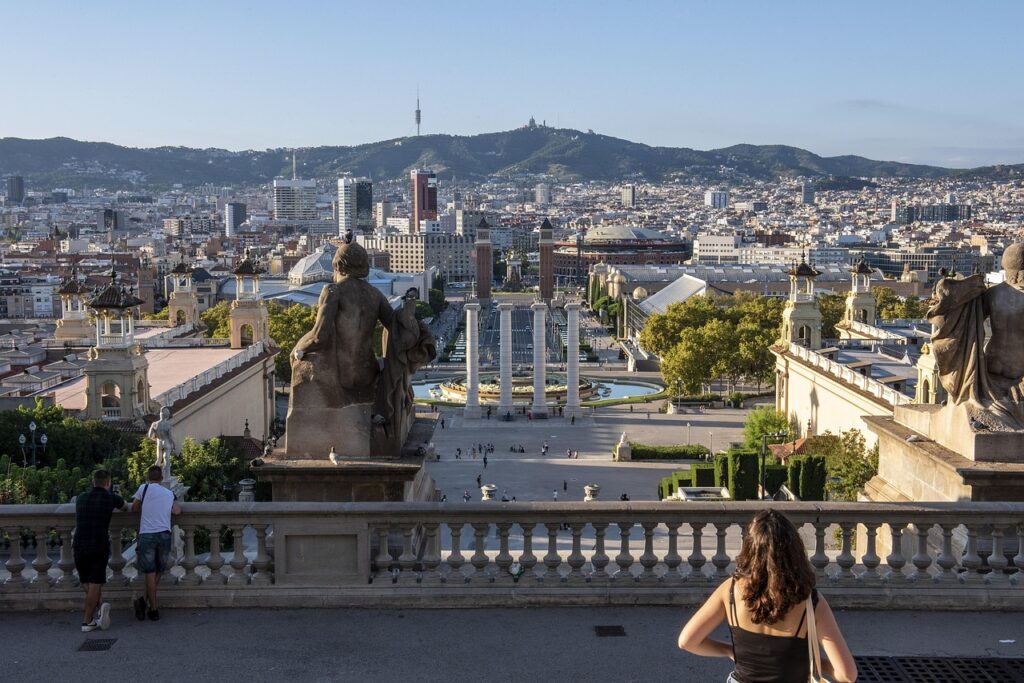
Barcelona has seen more than 12 million yearly visitors for several consecutive years, and local frustration has grown sharply. In response, the city is soft-rebranding itself away from party tourism toward cultural depth, creative districts, and extended-stay travelers. Policy shifts like limiting short rentals, reducing cruise mass arrivals, and promoting quieter neighborhoods reflect this new tone. The goal for 2026 is fewer but more responsible travelers, rather than endless viral inflows that overwhelm its 1.6 million residents and strain transport systems.
2. Venice, Italy
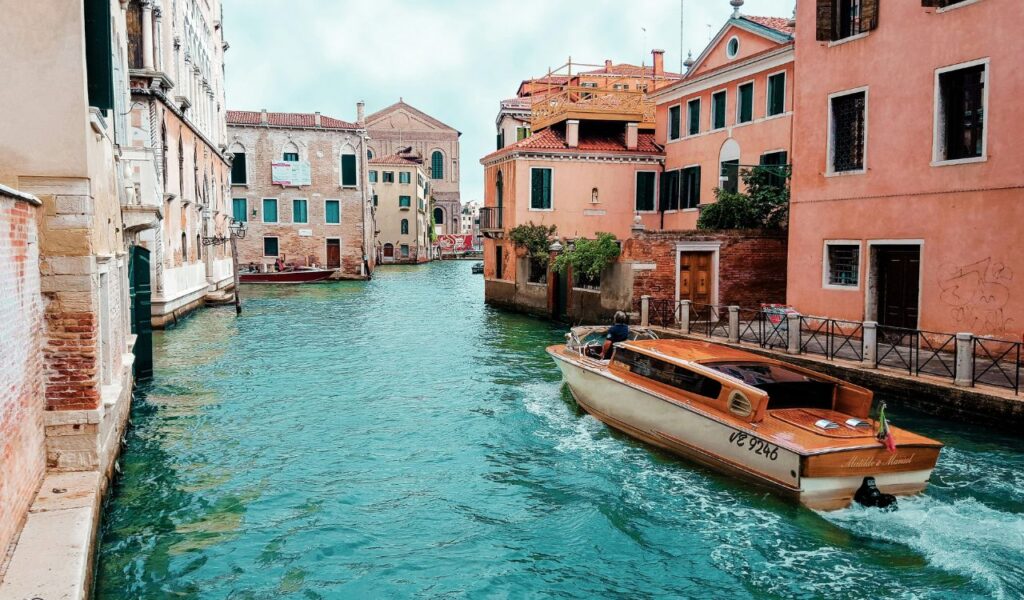
With over 20 million annual visitors compared to only about 260,000 residents, Venice has become a global symbol of overtourism pressure. Instead of encouraging spontaneous bucket-list trips, the city is steering messaging toward planned, respectful, and possibly paid entry tourism. Its recent visitor control measures, crowd-flow rules, and cruise ship restrictions signal a deliberate brand pivot. Venice wants to be seen less as a fragile theme park and more as a living city with dignity, balancing heritage protection with realistic tourism economics in 2026.
3. Amsterdam, Netherlands
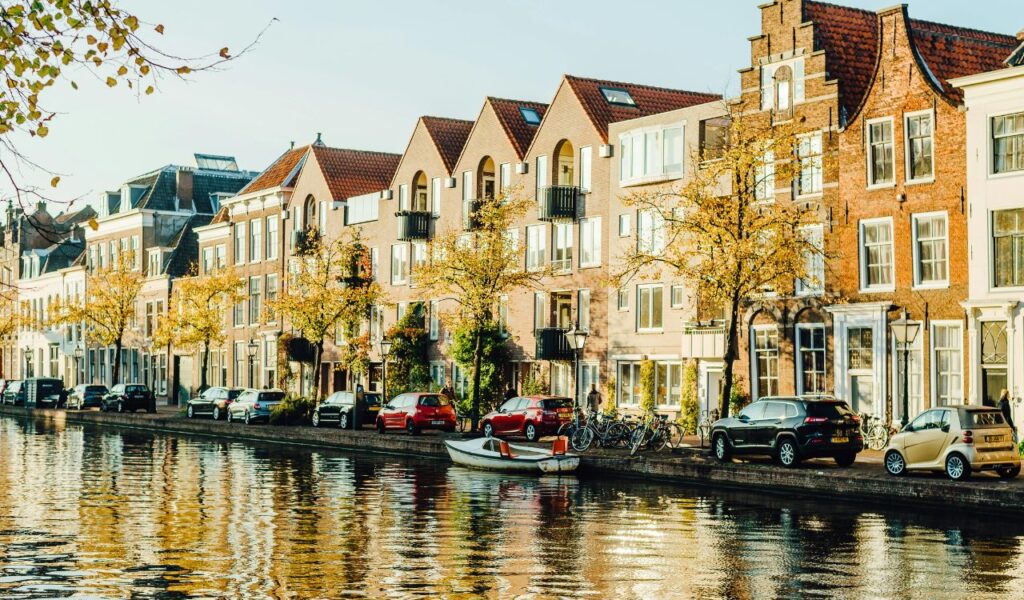
Amsterdam welcomes roughly 18 to 20 million tourists annually despite having fewer than 900,000 residents, and the imbalance has forced a quiet identity reset. The city has started discouraging rowdy nightlife tourism, reducing party marketing, and promoting arts, canals, and culture instead. By limiting certain ads, tightening accommodation growth, and shifting its tone, Amsterdam is trying to protect neighborhoods, housing affordability, and everyday life. The message for 2026 is subtle but firm: visit respectfully, stay longer, and stop treating the city like a weekend playground.
4. Kyoto, Japan
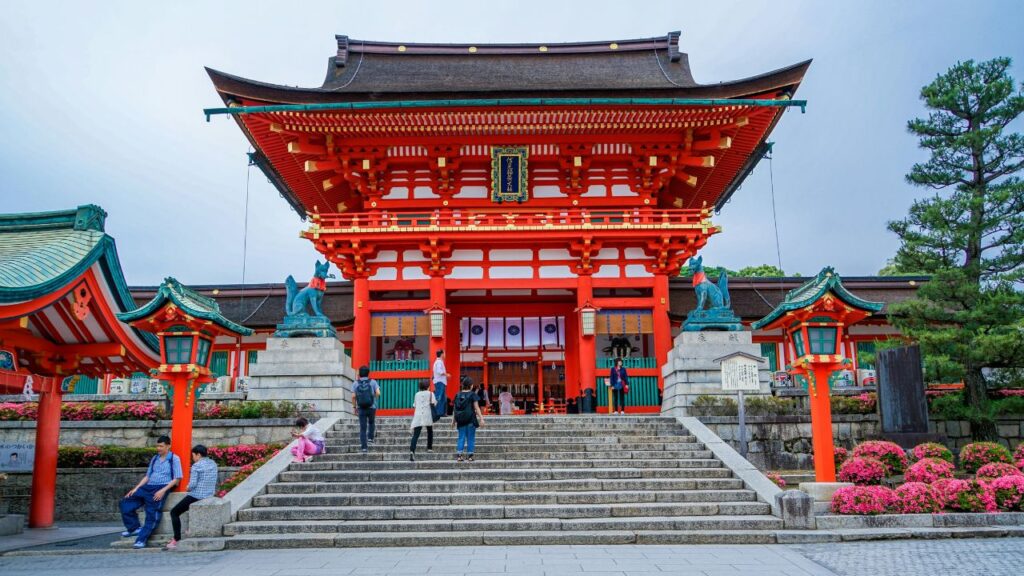
Kyoto receives around 50 million domestic and international visitors combined each year, and the strain on traditional districts has become impossible to ignore. With local complaints about tourist behavior and shrinking cultural respect, Kyoto is reframing its identity toward mindful cultural engagement. Campaigns now emphasize etiquette, quieter experiences, reservation systems, and seasonal distribution. The goal isn’t to push tourists away entirely but to protect authenticity, give residents breathing room, and ensure that iconic streets, shrines, and tea districts remain livable well beyond 2026.
5. Dubrovnik, Croatia
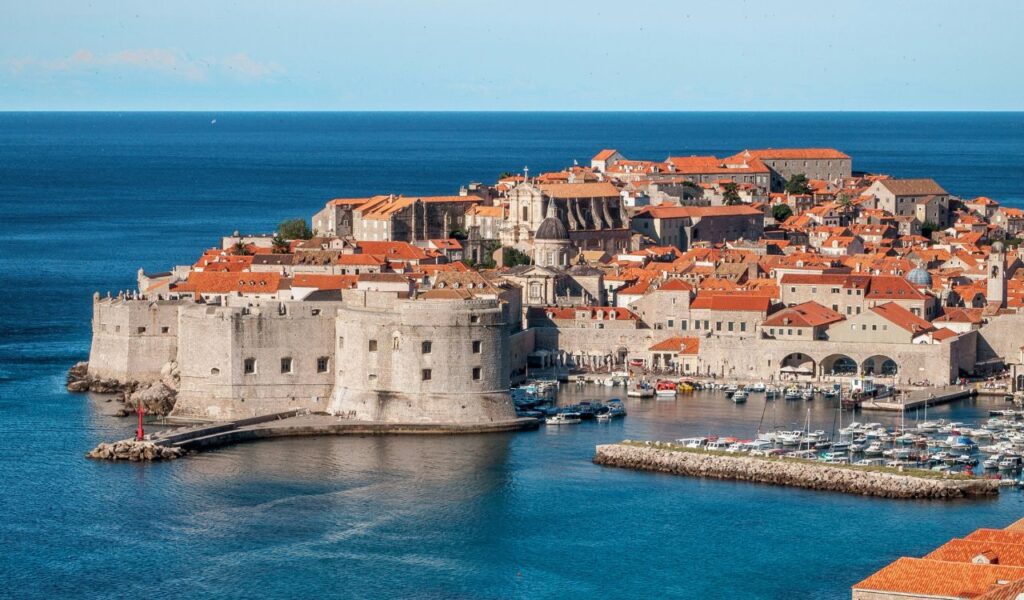
Fewer than 45,000 residents face waves of more than 1 million cruise passengers annually, making Dubrovnik one of Europe’s most extreme examples of overtourism imbalance. To escape its “Game of Thrones selfie hub” reputation, the city is subtly redirecting its branding toward heritage preservation, longer stays, and limited daily entries. New cruise controls, timed visits, and balanced tourism policies are reshaping how it presents itself. In 2026, Dubrovnik wants to move from viral spectacle to a sustainable Mediterranean destination with dignity and manageable crowds.
6. Bali, Indonesia

Bali attracts more than 6 million international visitors a year, and that number doesn’t include its massive domestic tourism base. While tourism drives economic life, noise, pollution, traffic pressure, and cultural disrespect have pushed authorities toward image recalibration. Campaigns now talk about spiritual respect, behavior guidelines, and environmental responsibility rather than cheap escape marketing. By reinforcing taxes, rules, and educational messaging, Bali hopes to reduce reckless short-term tourism and build a more sustainable, respectful visitor culture that fits the island’s 4.3 million residents.
7. Santorini, Greece
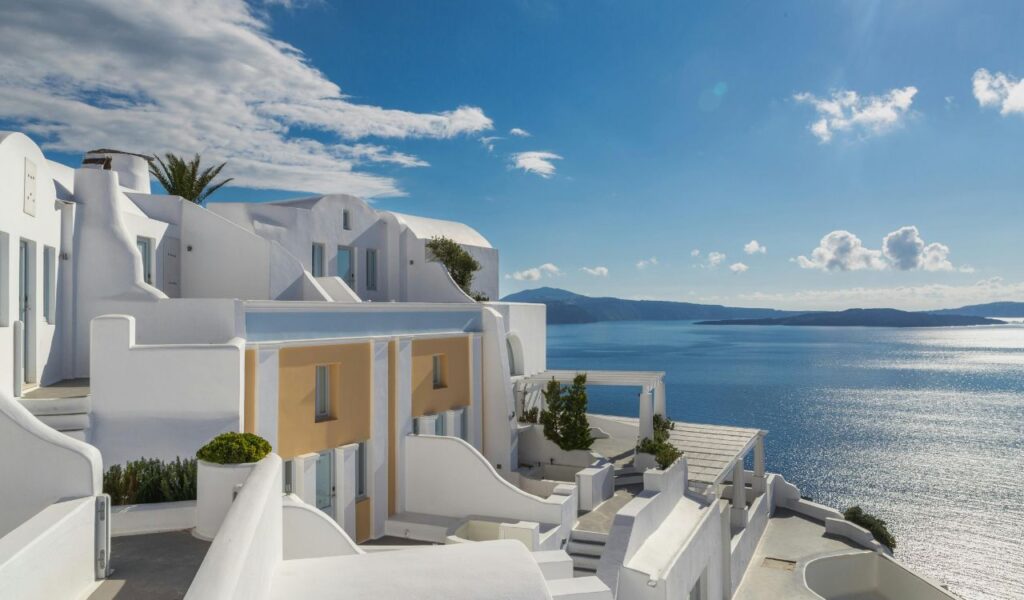
Santorini’s permanent population is barely 15,000, yet peak seasons push daily arrivals into tens of thousands, especially from cruise stops. Infrastructure, water supply, and local life struggle when social media drives everyone to the same caldera viewpoints. In response, the island is slowly reshaping its brand around controlled access, quieter seasons, and meaningful stays rather than chaotic photo tourism. Authorities promote shoulder months, limit peak inflows, and encourage longer visits so residents can breathe and the island’s fragile volcanic ecosystem remains sustainable in 2026.
8. Reykjavik, Iceland
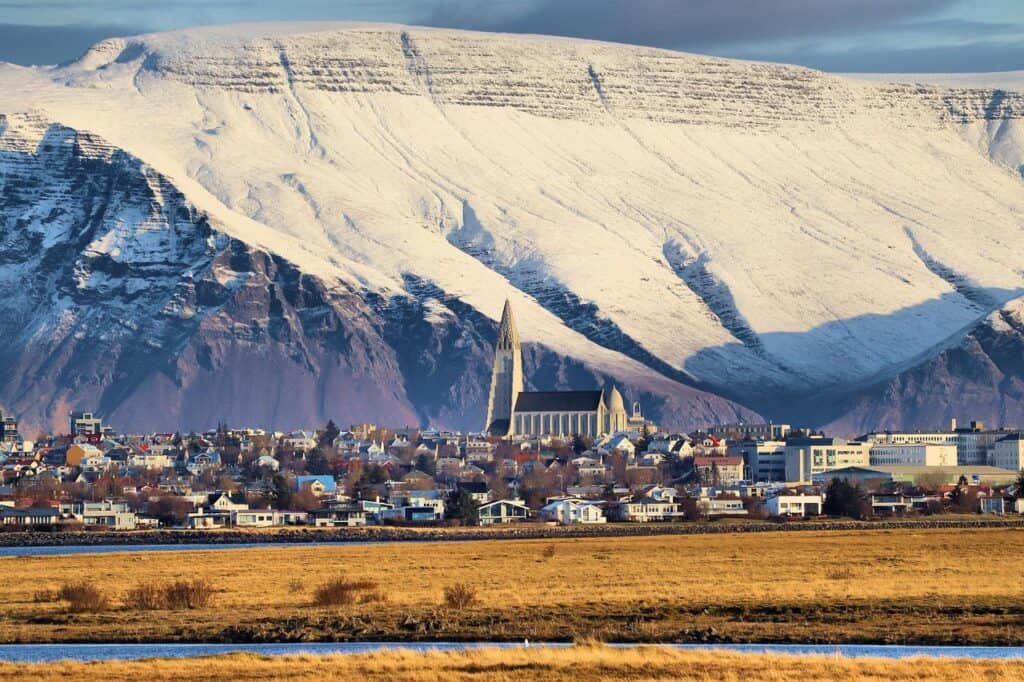
Iceland receives more than 2 million visitors yearly, nearly six times its population of around 380,000, and much of that flow concentrates through Reykjavik. The country has long celebrated tourism growth, but environmental wear, rising costs, and community fatigue have forced a tonal shift. Instead of explosive marketing, messaging now emphasizes responsibility, nature protection, and thoughtful exploration. Reykjavik’s new identity quietly encourages controlled tourism volume, deeper education, and balanced economic benefit so its landscapes, services, and residents remain resilient beyond 2026.
9. Prague, Czech Republic
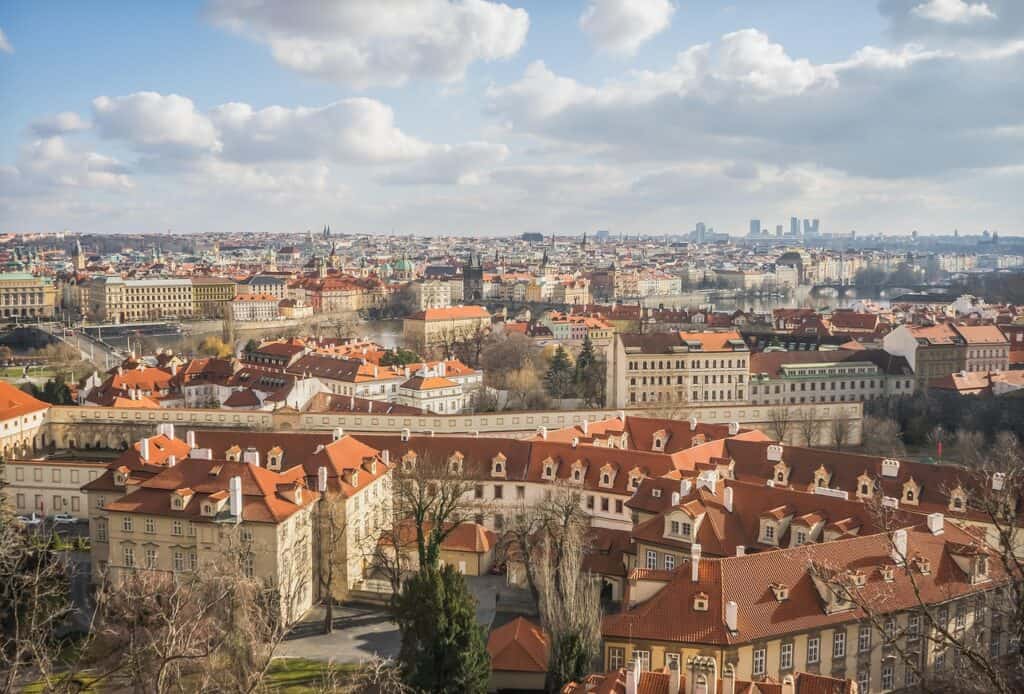
With visitor numbers surpassing 8 to 9 million annually against a population of roughly 1.3 million, Prague has spent years wrestling with drunken tourism, cheap party trips, and rental housing disruption. The city is gradually reshaping its global image to prioritize heritage appreciation, cultural tourism, and quieter urban exploration. Policies reduce extreme nightlife advertising, redirect tourism flows, and protect central neighborhoods. The 2026 approach is not loud rebranding but a careful repositioning: Prague wants admiration, not uncontrolled consumption, ensuring locals still feel ownership of their city.
10. Kyoto Adjacent: Nara, Japan
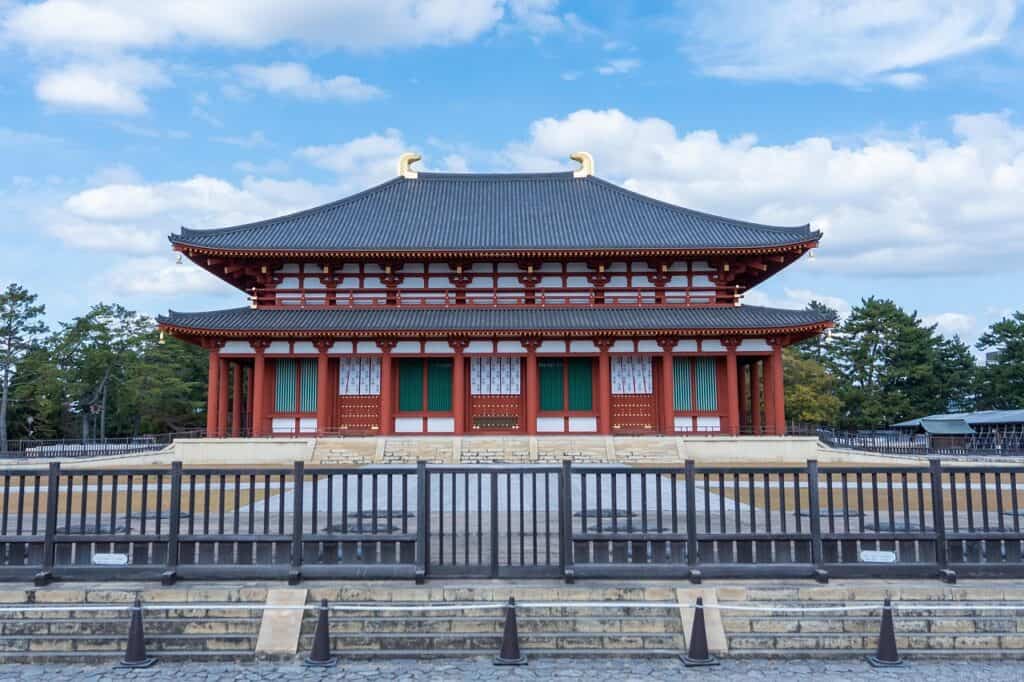
Nara receives millions of annual visitors despite having just over 350,000 residents, and much of the crowding concentrates around a few park and temple areas. Rather than aggressively attracting more traffic, the city is repositioning itself as a calmer, respectful cultural experience rather than another viral photo destination. Messaging highlights slower travel, proper wildlife respect, and dispersed sightseeing. By 2026, Nara hopes controlled tourism improves local harmony, protects heritage sites, and ensures its famous deer, temples, and neighborhoods coexist peacefully with steady, considerate visitors.
11. Hawaii (Honolulu Focus), USA
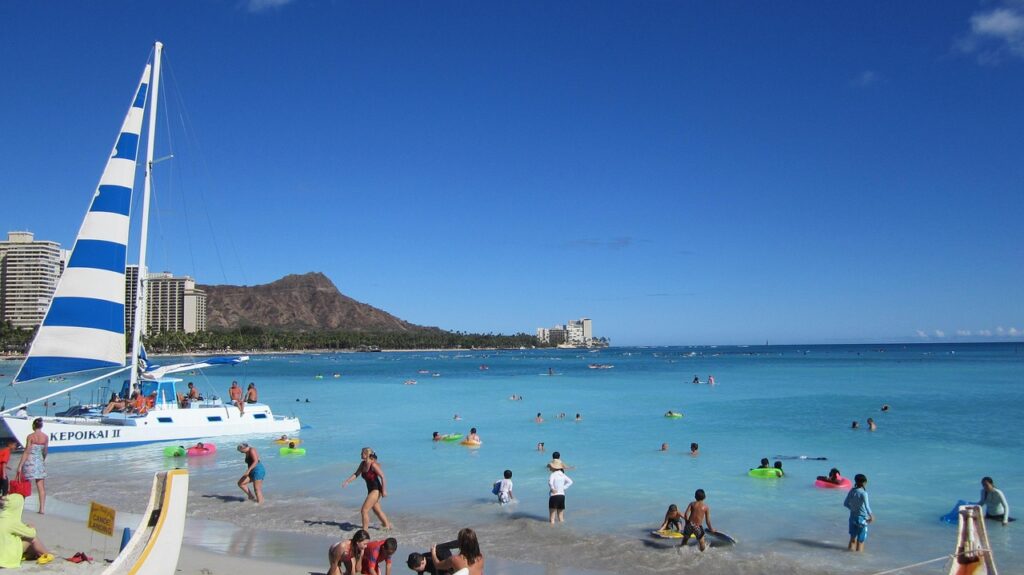
Hawaii receives around 9 to 10 million yearly visitors, and Honolulu shoulders a massive share of that pressure alongside only about 1 million Oahu residents. Rising living costs, environmental wear, and cultural tensions have pushed the state toward a quieter brand recalibration. Rather than selling endless vacation fantasies, messaging increasingly stresses respect, local culture, sustainability fees, and responsible behavior. Honolulu’s evolving identity aims to protect beaches, neighborhoods, and heritage so tourism remains beneficial, not overwhelming, as Hawaii navigates 2026 and beyond.
Other Blog Posts You Might Enjoy
www.idyllicpursuit.com (Article Sourced Website)
#Cities #Quietly #Rebranding #Escape #Viral #Overtourism #Idyllic #Pursuit