
We may earn money or products from the companies mentioned in this post. This means if you click on the link and purchase the item, I will receive a small commission at no extra cost to you … you’re just helping re-supply our family’s travel fund.
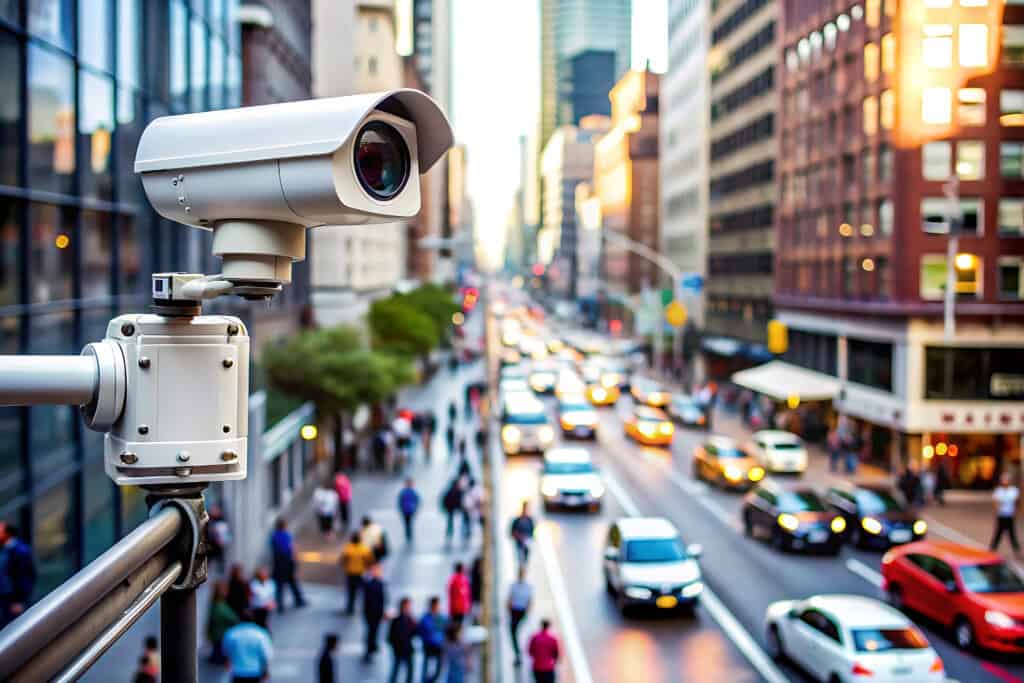
By 2026, many trips to the United States begin with a camera quietly sizing up a face before a passport ever leaves a pocket. Airports, arenas, casinos, and even theme parks are leaning on facial recognition to move crowds, screen for threats, and track who actually walks through the door. Supporters see convenience and safety. Skeptics see error, bias, and a new layer of monitoring that never fully switches off. Either way, tourism and biometrics are now traveling together.
New York City, Airports, Arenas, And Quiet Blacklists
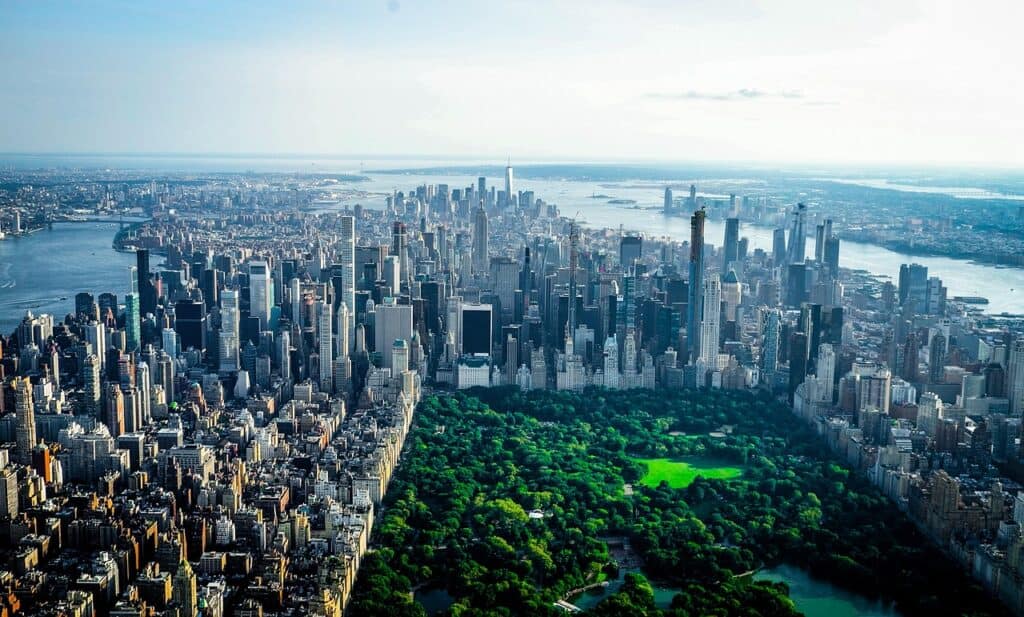
In New York, visitors meet facial recognition at airport gates where cameras match faces to passport records and clear entire boarding groups in minutes. In the city, major venues use similar systems to screen for banned guests and legal adversaries, turning a ticketed event into a kind of checkpoint. Most tourists notice only the turnstiles and ticket scanners. The real gatekeeper is the algorithm running behind security staff who already know who should not be allowed inside.
Orlando, Florida, Theme Parks Turn Faces Into Tickets
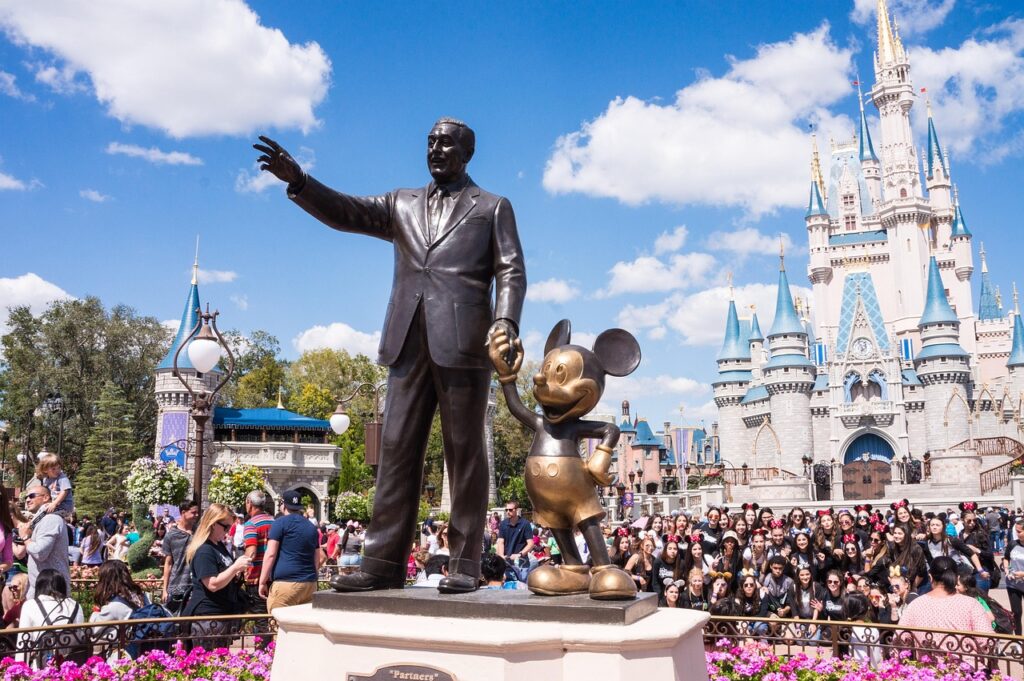
Orlando’s parks treat faces as passes, linking biometric profiles to tickets, lightning lane access, and some payment systems. Families walk through arches that silently confirm identities, validate reservations, and decide who can skip which line. Operators talk about cutting down wait times and fraud while collecting a detailed map of movement inside the gates. For visitors, the fantasy world still looks bright and loud, but each ride photo now lives in a network that remembers who rode and when.
Las Vegas, Nevada, Casinos Watch Every Aisle
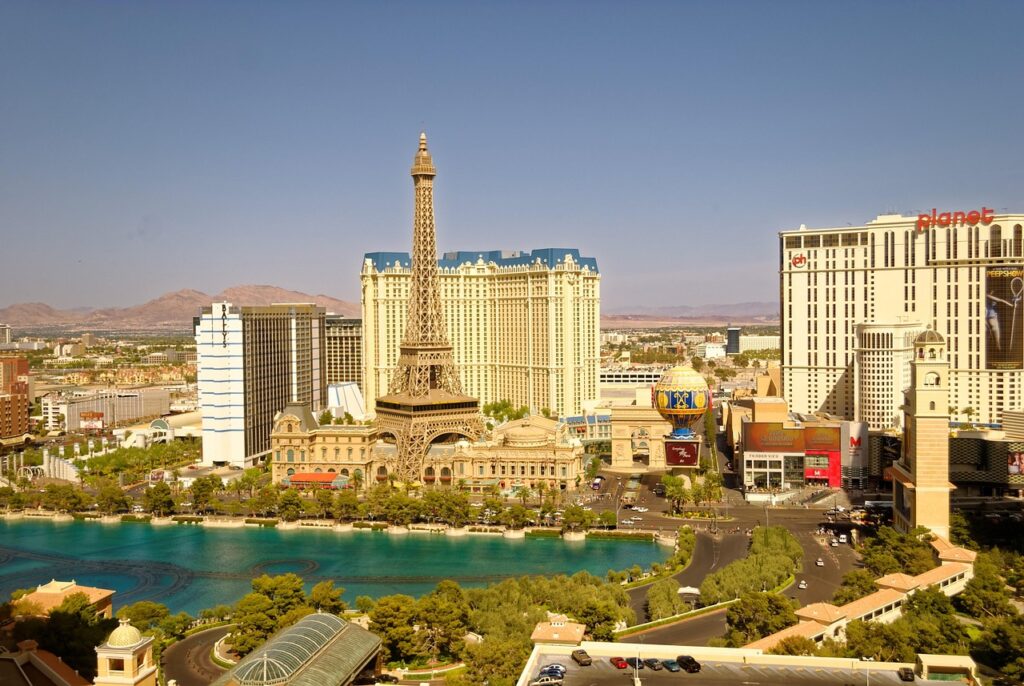
Las Vegas has always watched its guests; facial recognition just sharpens the view. Casino cameras scan entrances, gaming floors, and high limit rooms, comparing faces against lists of banned players, suspected cheats, and self-excluded gamblers. Security teams receive quiet alerts when someone on those lists appears in frame. The average tourist sees nothing more than ceiling domes and blinking machines. Underneath the neon, the city’s relationship with visitors is increasingly mediated by software that never sleeps at the tables.
San Francisco, California,Touchless ID At The Gate
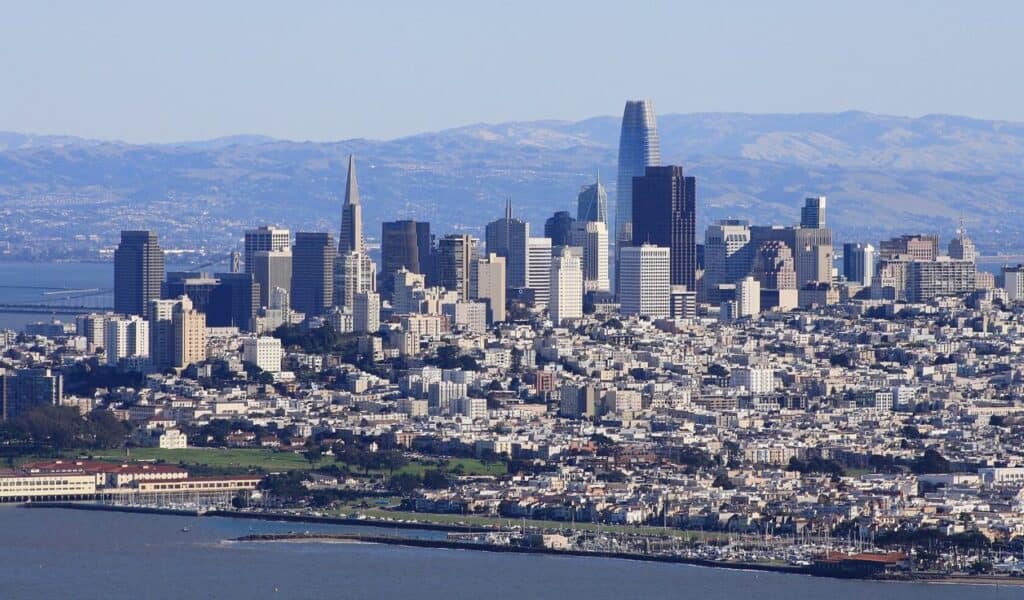
At San Francisco’s main airport, facial recognition is becoming a common way to pass security and board international flights. Travelers step onto marked spots, face a small screen, and wait for a green check while the system matches images with government records. Airlines highlight the time saved when boarding wide body aircraft. For many overseas visitors, that quick flash replaces the ritual of presenting a passport in hand. The first impression of Northern California arrives through a quiet lens.
Miami, Florida, Biometric Borders And Cruise Crowds
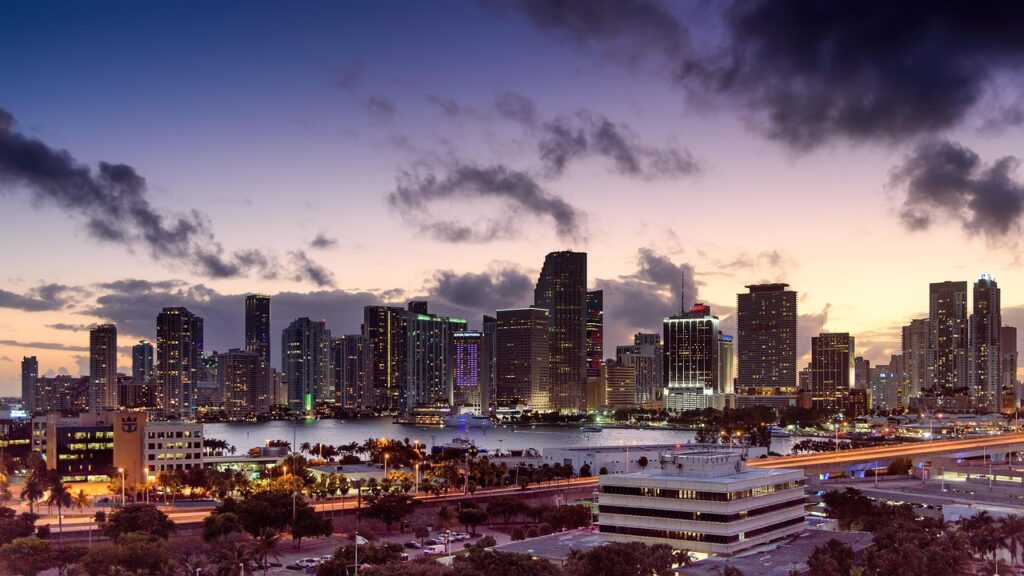
Miami’s role as a gateway city makes it a dense cluster of biometric checkpoints. Airports, cruise terminals, and federal inspection areas increasingly rely on facial recognition to verify identity, detect overstays, and speed large tour groups through customs. Cruise passengers returning from day trips often meet a row of cameras instead of human officers, with screens flashing green as matches succeed. The city still sells itself on sun, music, and late nights, yet arrivals and departures feel more clinical each season.
Los Angeles, California, Hubs, Studios, And Stadiums
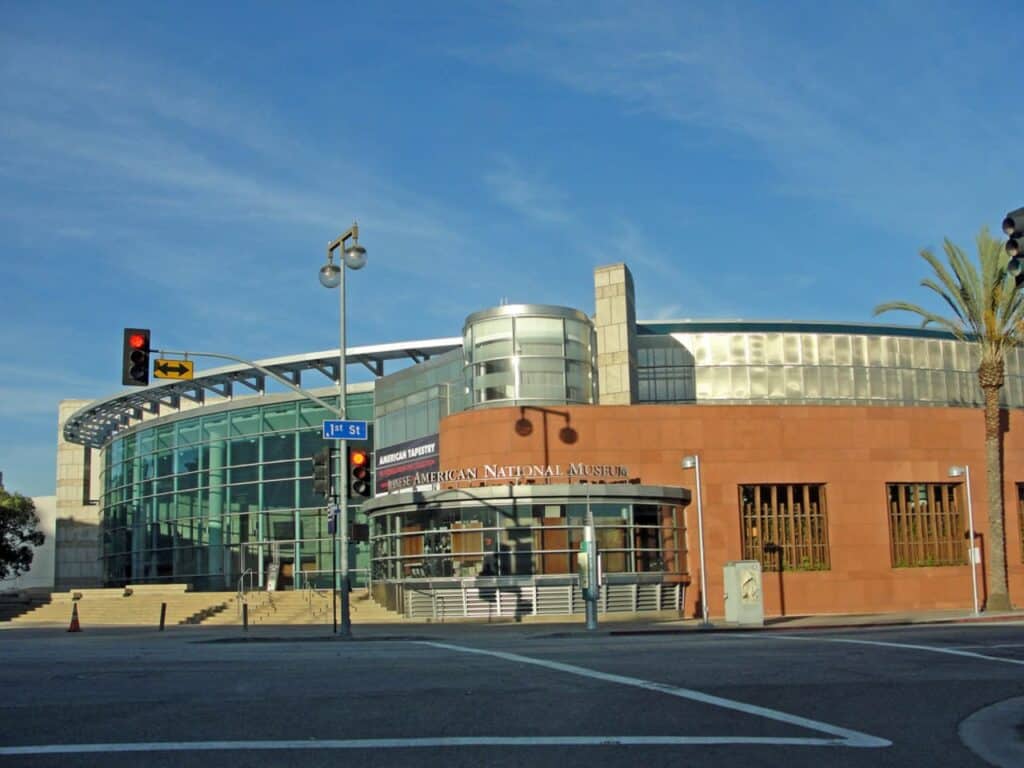
In Los Angeles, the most visible facial recognition experiments sit at LAX and a handful of large venues. International gates lean on biometric boarding, while security teams at stadiums and entertainment complexes test systems that flag barred guests or known troublemakers. Tourists chasing studio tours and concerts may never realize that their images contributed to those decisions. Cameras perched above concourses and turnstiles now decide who blends into the crowd and who deserves a second look before the show begins.
Atlanta, Georgia, Biometric Mega Hub For The Southeast
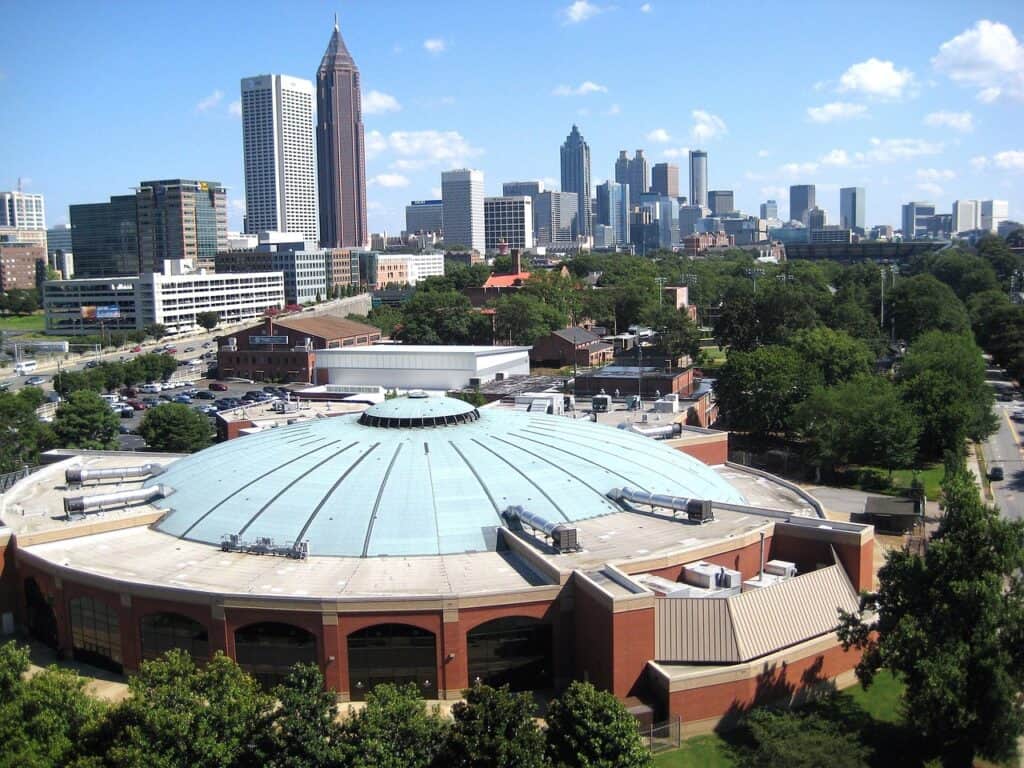
Atlanta’s enormous airport has become a showcase for biometric boarding lanes that move long-haul flights with surprising speed. Airlines invite travelers to enroll in face based programs so a quick glance replaces passport and boarding pass checks. The technology turns crowded gates into a steady, almost frictionless stream of bodies and verified identities. For international visitors heading toward civil rights landmarks, food halls, or music festivals, the journey starts with a small, bright screen that either nods them through or holds them back.
Chicago, Illinois, O’Hare’s Cameras And Convention Visitors
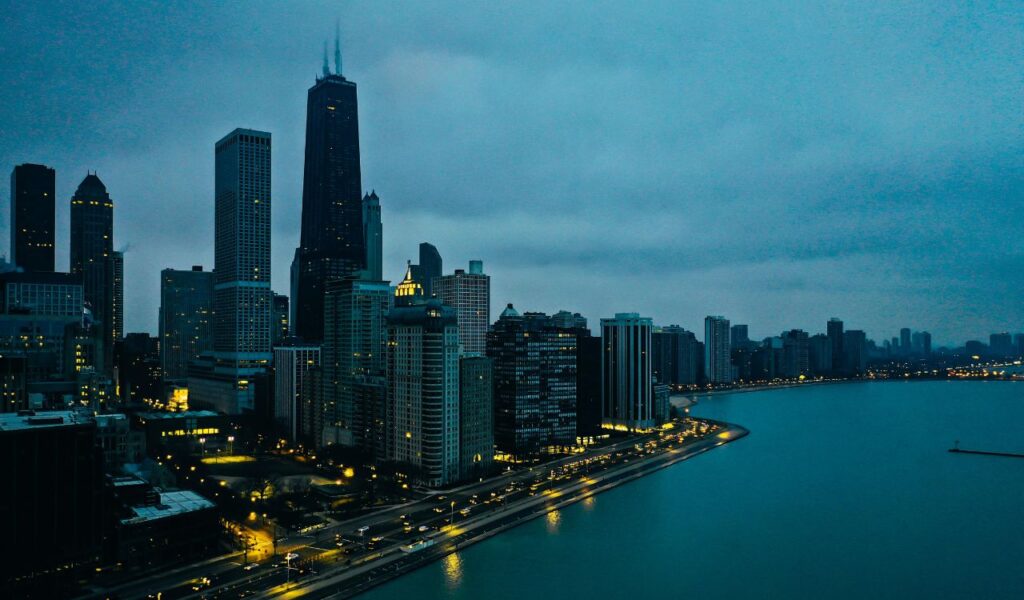
Chicago’s draw as a convention and sightseeing city keeps O’Hare busy with international arrivals, and facial recognition is now consistently part of that welcome. Cameras at selected gates match faces to manifests, reducing the need for manual document checks and helping airlines keep tight schedules. Large events across the city depend on that flow. The scan at the jet bridge often carries more weight than the handshake at the hotel desk, quietly deciding which visitors actually reach the trade floor or riverfront.
New Orleans, Louisiana, Street Cameras And Secret Pilots
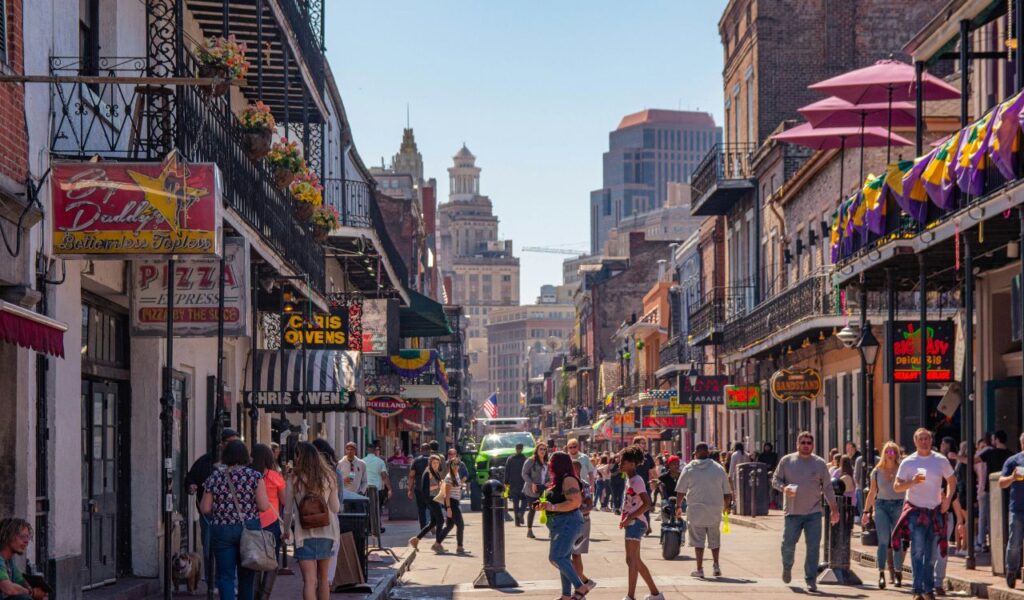
New Orleans shows how facial recognition can spill past controlled spaces into everyday streets. A pilot program tied city cameras to real time face matching, scanning crowds around nightlife corridors, parade routes, and busy corners without clear public notice. Tourists moving between jazz clubs and late night beignets unknowingly passed through those tests. After public backlash, the project paused, but the episode left a mark. It proved that experimental systems can land directly in the middle of someone’s vacation.
Washington, DC, Security Capital And Symbolic Screens
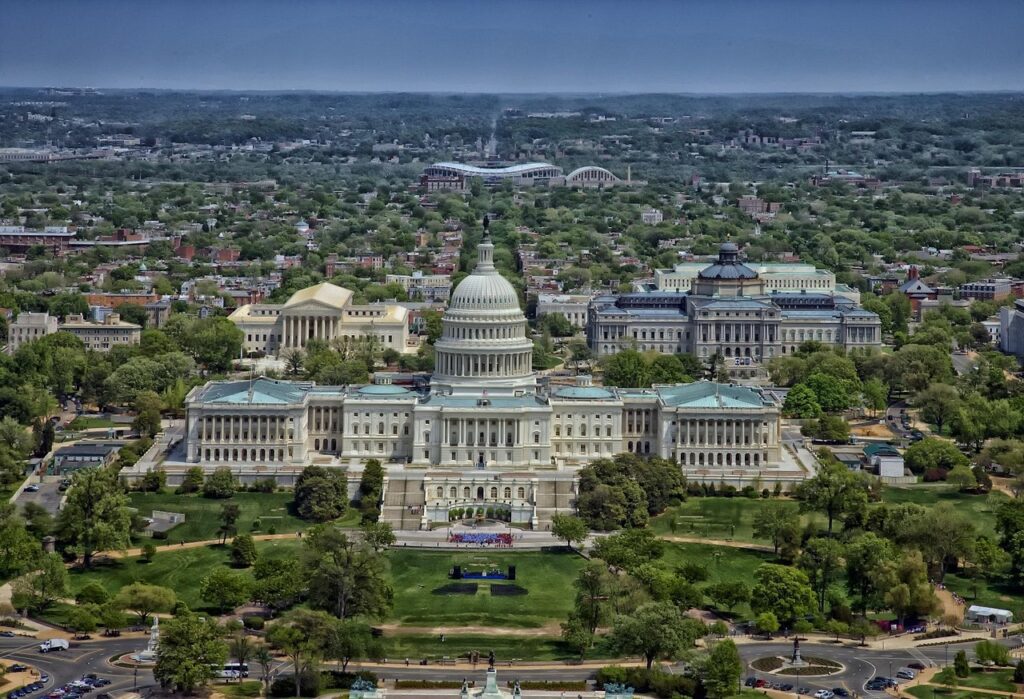
In Washington, DC, facial recognition fits naturally into a security heavy landscape. Airports rely on biometric entry and exit checks, while federal buildings and event perimeters experiment with systems that scan crowds for persons of interest. Visitors arrive to see monuments and museums dedicated to liberty, then pass through checkpoints managed by algorithms as much as guards. The capital captures the core tension of tourist surveillance: a city that celebrates openness while quietly treating every unfamiliar face as data to be sorted.
Other Blog Posts You Might Enjoy
www.idyllicpursuit.com (Article Sourced Website)
#Cities #Facial #Recognition #Tourists #Idyllic #Pursuit